Beycesultan Mound Çivril
Explore Beycesultan Mound, a vast archaeological site in Çivril, revealing 7,000 years of Anatolian history, from Chalcolithic to Seljuk eras.
Highlights
Must-see attractions

Social
From TikTok & Reddit
Best Time
Pleasant weather for exploring
Beycesultan Mound Çivril
Best Time
Pleasant weather for exploring
Highlights
Must-see attractions
Explore Beycesultan Mound, a vast archaeological site in Çivril, revealing 7,000 years of Anatolian history, from Chalcolithic to Seljuk eras.
"A historically rich site with free entry, offering a glimpse into ancient urban life and potentially a former kingdom's capital."
Wear Comfortable Shoes
The terrain can be uneven. Sturdy footwear is essential for exploring the archaeological site comfortably. :athletic_shoe:
Allow for a Short Visit
Most visitors find a visit takes about half an hour. Focus on the exposed ruins and the nearby tomb. :stopwatch:
Quick Facts
Highlights
Discover the most iconic attractions and experiences
Late Bronze Age City Layout
Excavation Site
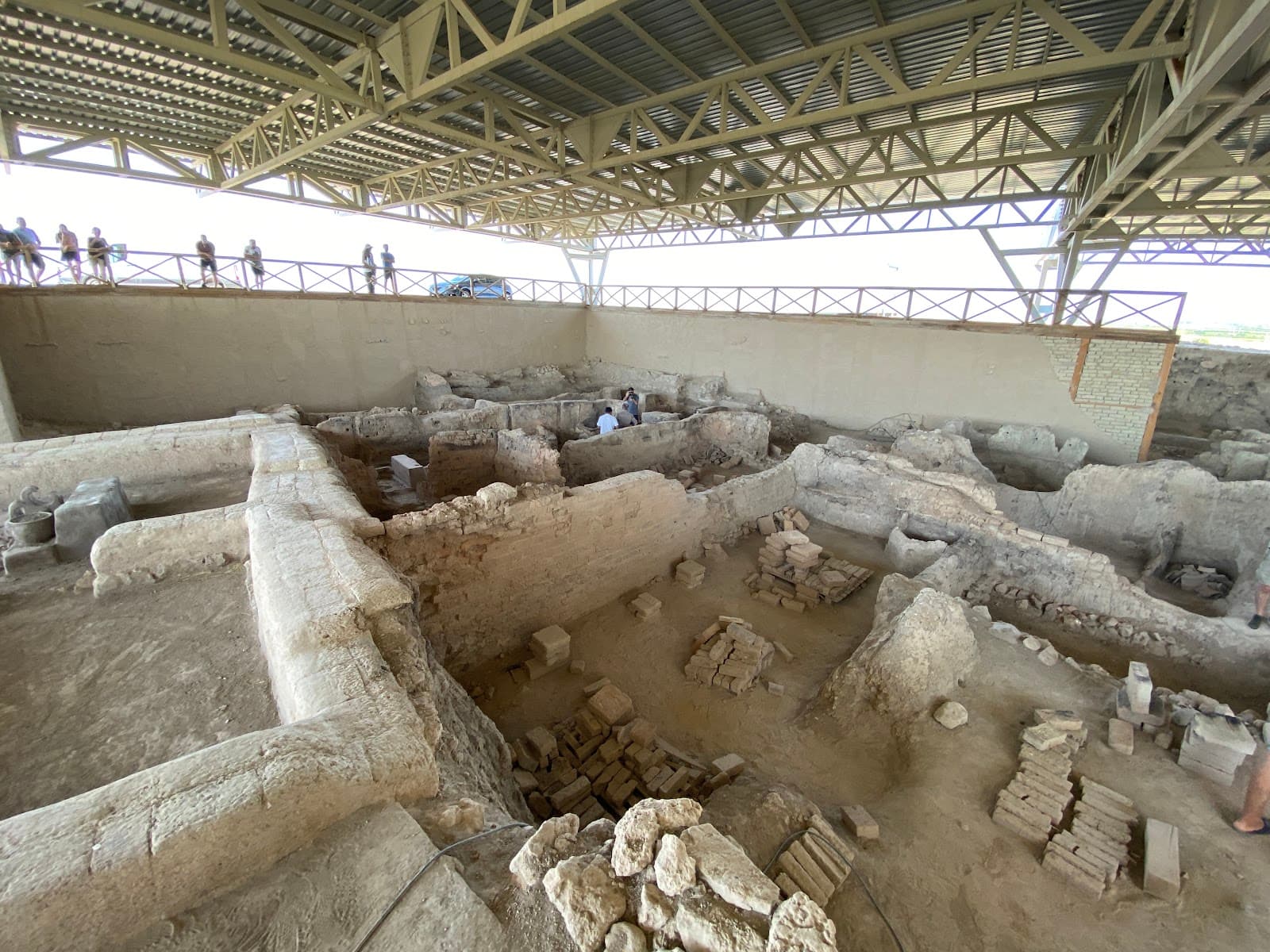
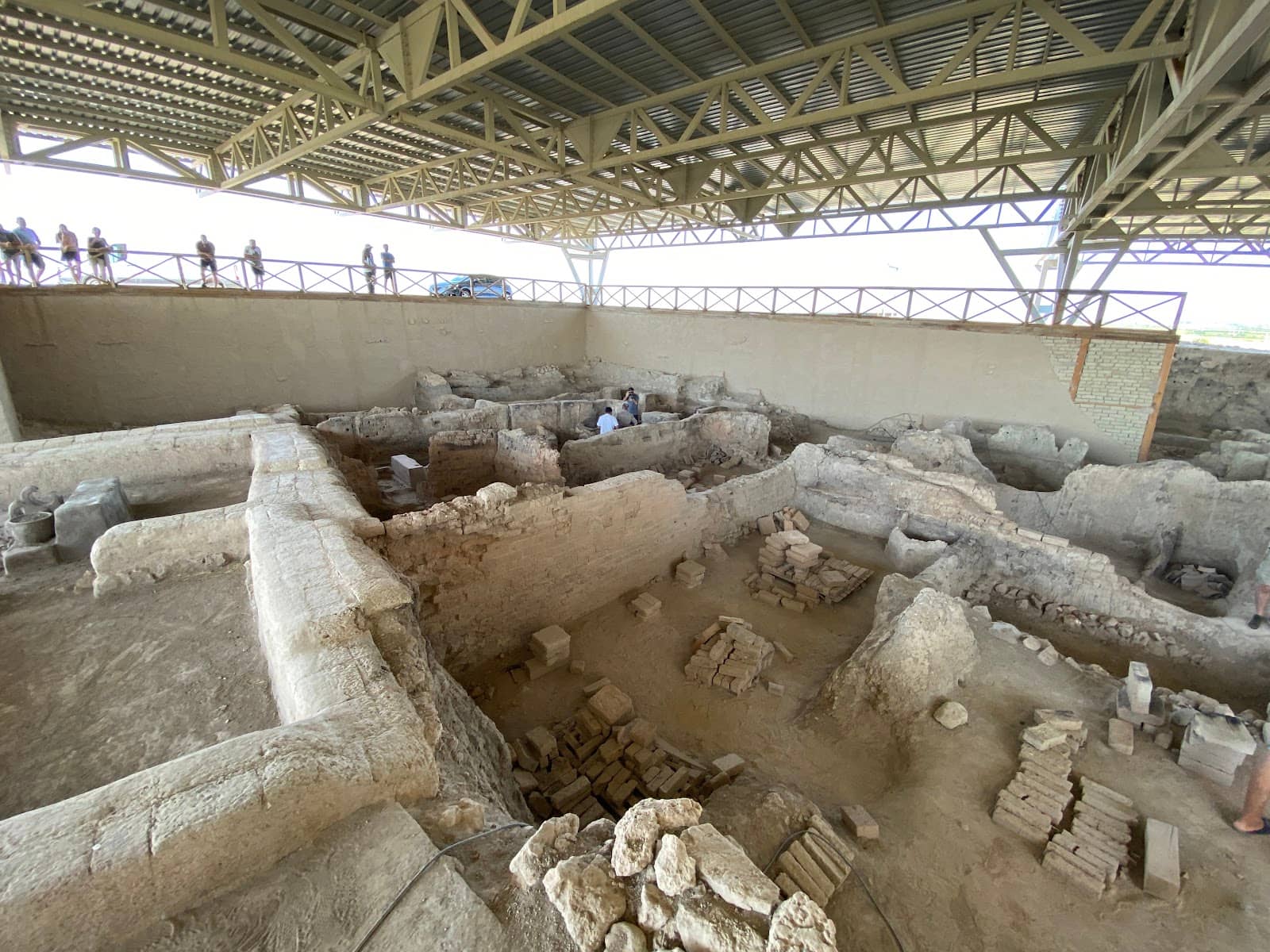
Explore the remarkably well-planned city with 3-meter wide gravel roads and neatly arranged adobe houses on stone foundations.
Central Building Complex (Temple)
Excavation Site
Discover the central structure believed to be a temple, featuring an altar with a rectangular panel and standards.
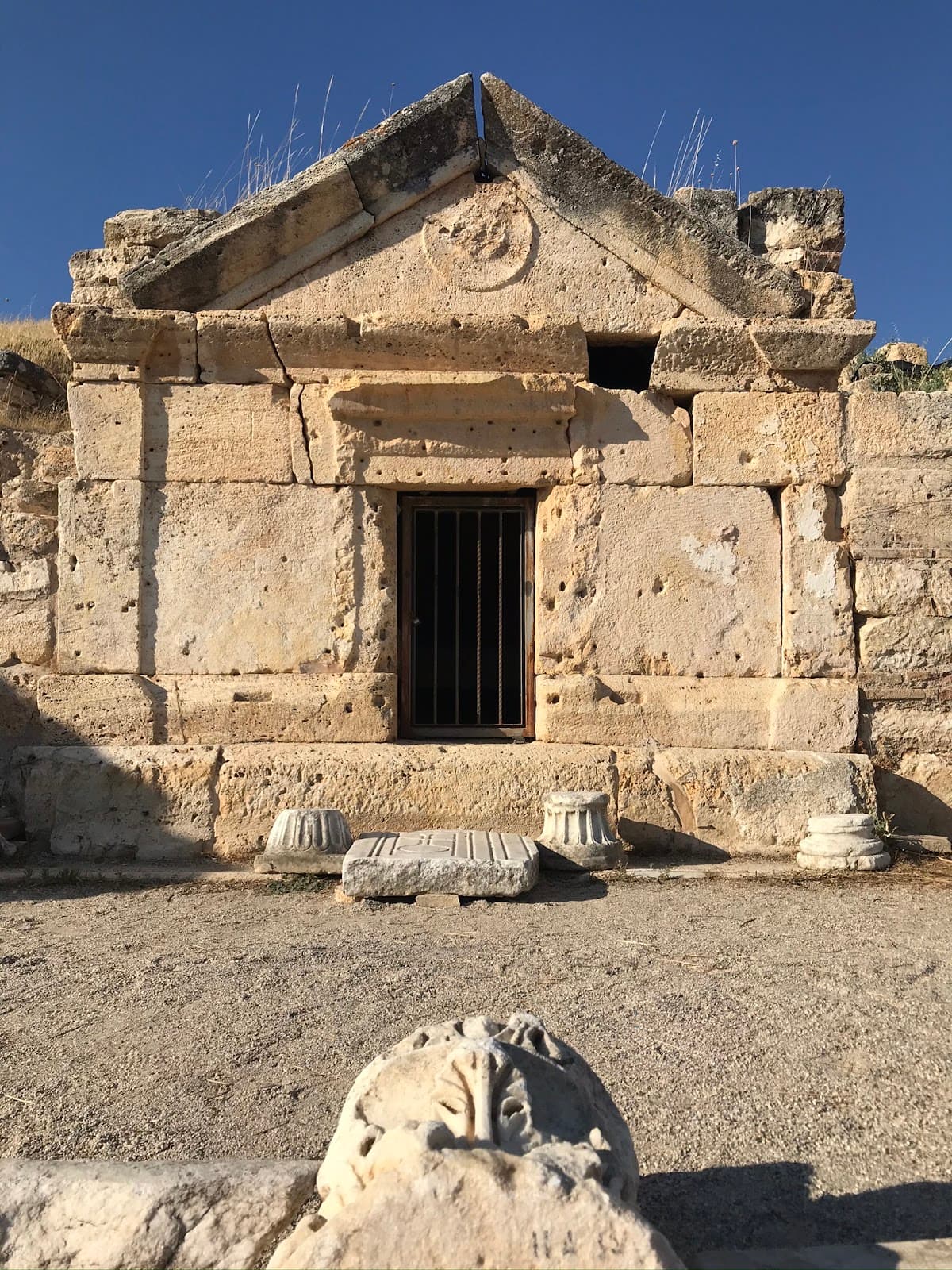
Beyce Sultan Tomb
Near the Mound
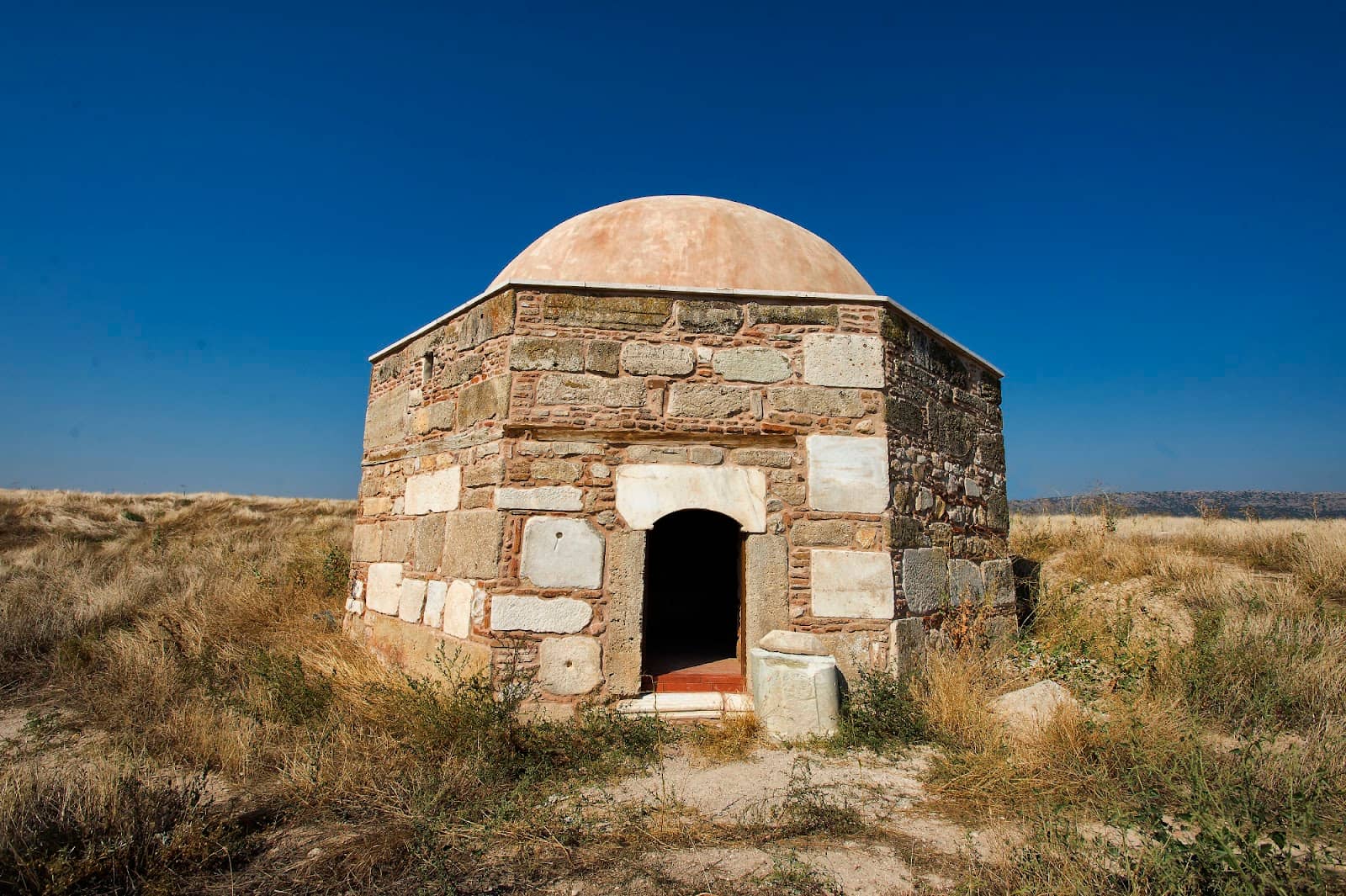
Visit the historical tomb of Beyce Sultan, a Seljuk social leader, which gives the mound its name.
Plans like a pro.
Thinks like you
Planning Your Visit
Strategic Location & Ancient Significance
Ongoing Excavations & Site Access
Best Times
Insider Tips
from TikTok, Instagram & Reddit
Wear Comfortable Shoes
The terrain can be uneven. Sturdy footwear is essential for exploring the archaeological site comfortably. :athletic_shoe:
Allow for a Short Visit
Most visitors find a visit takes about half an hour. Focus on the exposed ruins and the nearby tomb. :stopwatch:
No Entrance Fee
Enjoy this historical site without any admission cost. Facilities are basic, so plan accordingly. :moneywithwings:
Combine with Nearby Tomb
Don't miss the Beyce Sultan tomb, which is located nearby and gives the mound its name. 🔗
Tips
from all over the internet
Wear Comfortable Shoes
The terrain can be uneven. Sturdy footwear is essential for exploring the archaeological site comfortably. :athletic_shoe:
Allow for a Short Visit
Most visitors find a visit takes about half an hour. Focus on the exposed ruins and the nearby tomb. :stopwatch:
No Entrance Fee
Enjoy this historical site without any admission cost. Facilities are basic, so plan accordingly. :moneywithwings:
Combine with Nearby Tomb
Don't miss the Beyce Sultan tomb, which is located nearby and gives the mound its name. 🔗
What Travellers Say
Reviews Summary
Visitors find Beycesultan Mound to be an easily accessible and historically significant site, particularly appreciated for its free entry and the glimpse it offers into ancient Anatolian life. The ongoing excavations and the presence of the Beyce Sultan tomb add to its appeal, though the lack of facilities means visitors should come prepared.
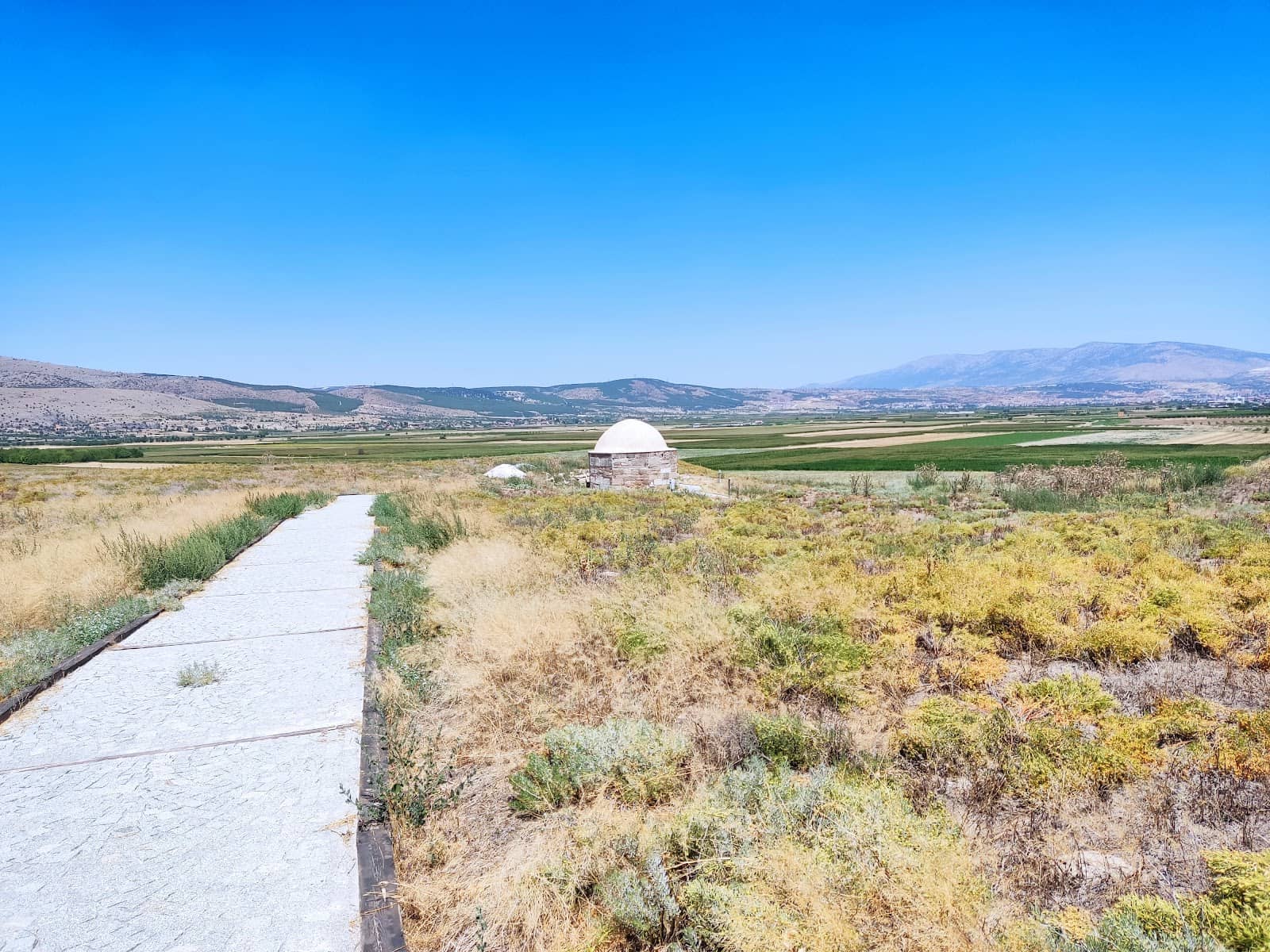
"Located in the upper reaches of the Büyük Menderes River, it possesses basin characteristics in terms of its geomorphological and hydrographic features. The Çivril Plain, where the settlement is located, is bordered by Akdağ Mountain to the east, the Central Mountains to the northeast, Bulkaz Mountain to the north and northwest, and Işıklı Lake and the Büyük Menderes River to the south. The plain covers an area of approximately 303.1 km², and its elevation varies between 810 and 850 m above sea level. The Büyük Menderes River, the longest river in the Aegean Region at 584 km long, is the region's most important water source. The river, which irrigates a vast area of the plain and makes it fertile, can be considered the primary reason for the dense settlement in the region. The Küfü Stream, which connects to the Büyük Menderes River, flows immediately north and east of Beycesultan Mound. The settlement, situated on natural routes connecting the coastal and inland regions of Western Anatolia, as well as the regions leading to the central and southern parts of Anatolia, holds a highly strategic position. Excavations began in 2008 and are still ongoing. The excavations have unearthed architectural structures and artifacts dating to the Seljuk-Principal Period (13th-14th centuries AD), the Byzantine Period (11th-12th centuries AD), the Late Bronze Age (1600-1200 BC), and the Middle Bronze Age (2000-1600 BC). Beycesultan, which we believe was a small village-like settlement during the Seljuk-Principal and Byzantine periods, was one of the most important cities in the region during the Late Bronze and Middle Bronze periods. Based on data from Hittite written sources, it is suggested that Beycesultan was the capital of the Mira Kuwaliya State of the Arzawa Confederacy during the Late Bronze Age.
The architectural remains seen at the site date to the Late Bronze Age. To access these remains, the Seljuk and Byzantine ruins above were removed. The Late Bronze Age architectural remains, which cover a vast area, are divided into two phases, designated 5a and 5b. In both phases, the settlement appears to have been a well-planned city, with 3-meter-wide gravel roads running east-west, and houses arranged neatly along these roads. The rectangular structures, built with adobe walls on stone foundations, are understood to have been one-story, while others were two-story. These lavishly furnished houses likely housed numerous families, and these families were economically autonomous. A severe fire marked the end of phase 5b (1700-1595 BC). This fire, which destroyed the entire city, was also identified in earlier excavations conducted in the eastern cone of the mound. The absence of earthquake traces and the presence of numerous human skeletons exposed to the fire within the structures suggest that the fire was related to an invasion. Following this fire, the structures in the settlement were partially renovated but largely rebuilt with a new architectural style in Phase 5a (1600-1500 BC). The most striking structure is the central building complex, which we believe also functioned as a temple. This structure has a rectangular plan, and six rooms have already been excavated. The cella (room 3), considered the most important section of the structure, houses an altar. The altar consists of a rectangular panel and two standards rising in front of it. A fixed offering bowl stands south of the standards, which have a decorated horn-shaped upper section."
Abdurrahim Vural
"It was discovered in the 1950s by British archaeologists James Mellaart and Seton Lloyd while exploring the capital of the Arzawa Kingdom.
Four distinct cultural layers were discovered.
4500 – 3200 BC Late Chalcolithic
3200 – 1900 BC Early Bronze Age
1900 – 1450 BC Middle Bronze Age
1450 – 1100 BC Late Bronze Age
Beycesultan, the largest settlement discovered in Anatolia during the Middle Bronze Age, was the first settlement in Anatolia where megaron-plan structures were constructed.
Excavation and restoration work are ongoing.
This is the land where we spent our childhood. I visited it before the excavations began. There were many pits dug by treasure hunters. Shepherds used to herd sheep. The tomb was also in poor condition due to treasure hunters. It is very gratifying that it is being discovered. Endless thanks to everyone who contributed."
Gökhan Çağlar
"Beyce Sultan Mound is a wonderful excursion spot. Traces of human existence dating back thousands of years have been found. This historical site also houses a tomb. The mound was named after the tomb. Beyce Sultan's tomb has stood here for many years. After the work began and it became a popular tourist destination, the mound where the work took place was also named.
The excavation site, which sheds light on thousands of years ago, bears traces of ancient life. The tomb in the region was a historical structure dating back to the Seljuk period. Excavations at the mound have unearthed traces of 40 layers from different periods. Traces from the Chalcolithic Age, dating back 6,000 years, have also been found, as well as layers from the Late Bronze Age. Forty uninterrupted layers dating between these two eras have been found at the excavation site.
4500 – 3200 BC Late Chalcolithic
3200 – 1900 BC Early Bronze Age
3200 – 1900 BC 1900 – 1450 BC Middle Bronze Age
1450 – 1100 BC Late Bronze Age
In the lowest layer, the Chalcolithic Age, plastered granaries were found, and it was understood that the wheat grown there was stored and preserved. Furthermore, the bones of sheep, goats, pigs, dogs, wild boars, and deer found indicate that animals were domesticated.
Beycesultan, the largest settlement ever found in Anatolia during the Middle Bronze Age, was the first settlement in Anatolia to feature megaron-plan structures.
There is no entrance fee, and no complex has yet been built where you can purchase restrooms or water. A visit takes no more than half an hour."
Canan
What People Like
What People Dislike
Frequently Asked Questions
🚇 🗺️ Getting There
Beycesultan Mound is located in Çivril, Denizli. You can reach Çivril by bus from Denizli's main bus terminal. From Çivril town center, local transport or a taxi can take you to the mound. The site is situated on natural routes connecting coastal and inland regions, making it accessible by road.
Yes, the mound is relatively easy to find, especially once you are in the Çivril area. It's a prominent historical site, and local signage may be available. Asking locals for directions to the 'Beyce Sultan Mound' or 'Beyce Sultan Tomb' is also a good strategy.
For most travelers, driving or taking a bus to Çivril and then a short taxi ride is the most convenient. The site's location on natural routes means it's accessible by road, but public transport directly to the mound itself might be limited.
🎫 🎫 Tickets & Entry
No, there is no entrance fee to visit Beycesultan Mound. It's a freely accessible archaeological site, which is a great advantage for budget travelers.
As an open-air archaeological site with no entrance fee, Beycesultan Mound does not have set opening hours. You can visit it during daylight hours. However, it's advisable to visit during reasonable hours for safety and better visibility.
No booking is required as there is no entrance fee. You can visit Beycesultan Mound spontaneously.
🎫 🧭 Onsite Experience
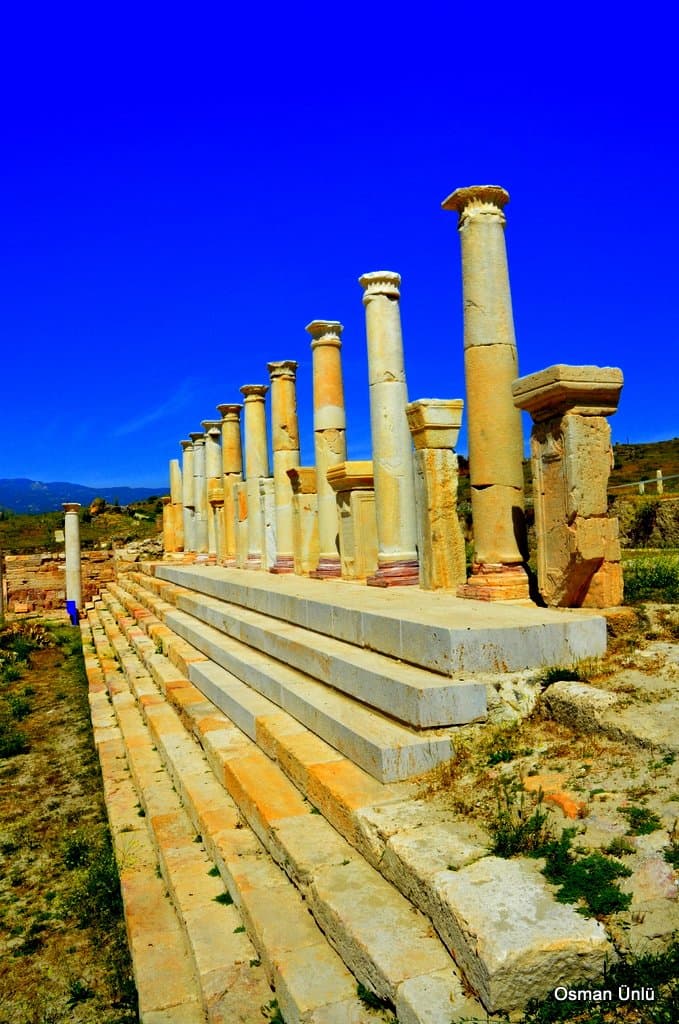
You can see exposed architectural remains from various periods, including the Late Bronze Age city layout with its planned streets and houses, and a central building complex believed to be a temple. The nearby Beyce Sultan tomb is also a key attraction. +1
Most visitors spend around half an hour exploring the site. It's a relatively quick visit focused on observing the exposed ruins and the tomb.
Currently, there are no complex facilities such as restrooms or water points built at the site. Visitors should come prepared with their own water and essentials.
While children can visit, the site is primarily an archaeological excavation with uneven terrain. Supervision is recommended, and it might be more engaging for older children interested in history.
Beycesultan Mound is significant as one of the earliest settlements in Anatolia, with layers dating back 7,000 years. It was a major city during the Middle and Late Bronze Ages and potentially the capital of the Mira Kuwaliya State. +1
📸 📸 Photography
Capture the scale of the ancient city layout from slightly elevated points. The central building complex with its altar offers unique photographic opportunities. The Beyce Sultan tomb also provides a historical backdrop.

Yes, photography is generally allowed at Beycesultan Mound for personal use. Be mindful of the archaeological nature of the site and avoid disturbing any structures.



Social
from TikTok, Instagram & Reddit