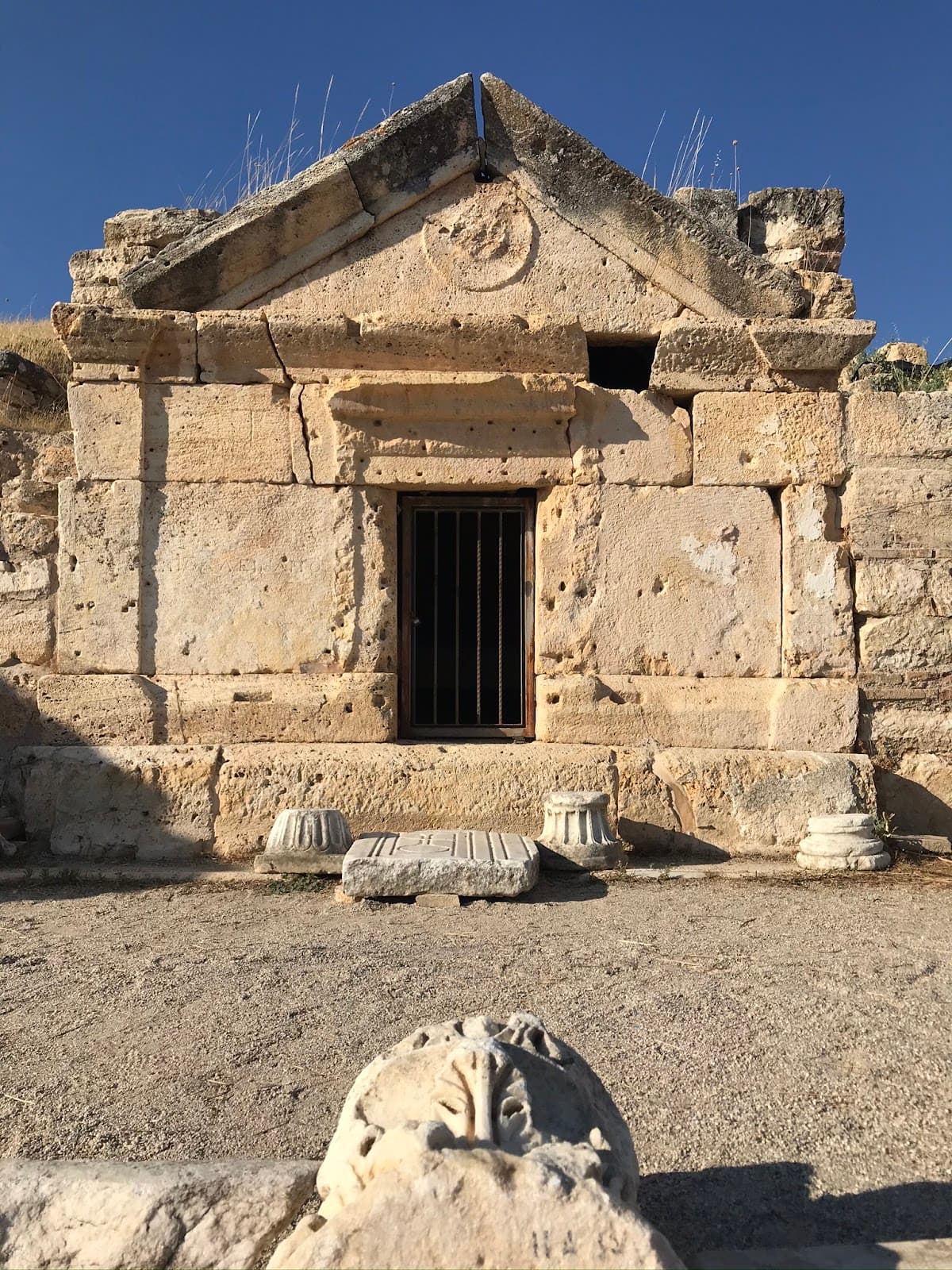
St. Philip Martyrium Hierapolis
Honor St. Philip, an apostle, at this 5th-century octagonal martyrium in ancient Hierapolis. A key Christian pilgrimage site.
Highlights
Must-see attractions

Social
From TikTok & Reddit
Best Time
Beat the heat and crowds
St. Philip Martyrium Hierapolis
Best Time
Beat the heat and crowds
Highlights
Must-see attractions
Honor St. Philip, an apostle, at this 5th-century octagonal martyrium in ancient Hierapolis. A key Christian pilgrimage site.
"A sacred place with impressive architecture, marking the martyrdom of St. Philip."
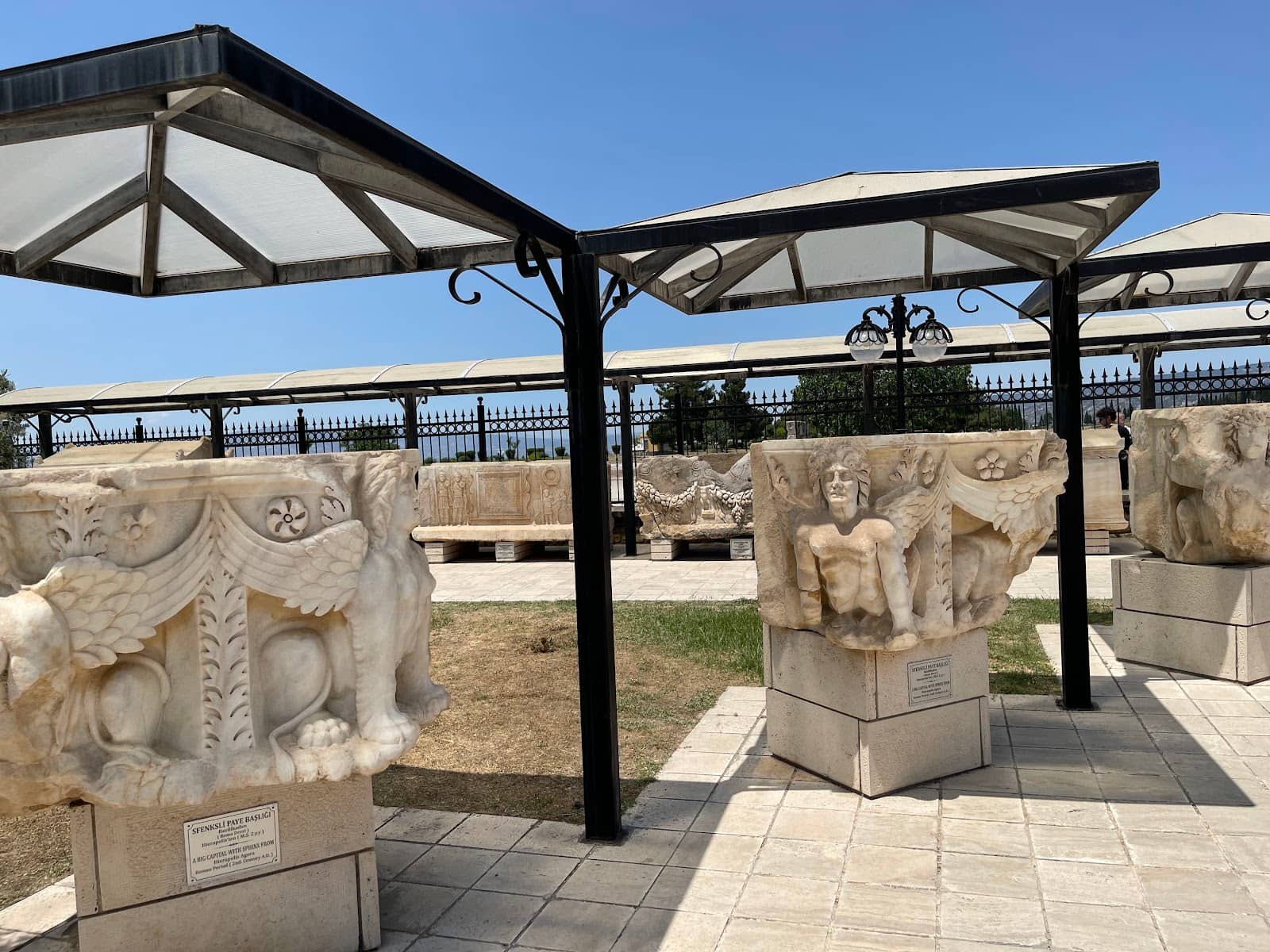
🎯 Follow Park Signs
Look for 'Axiz Philipo Martirion'u' signs within Hierapolis to find the Martyrium.
👟 Comfortable Footwear Essential
You'll be walking on stone paths and climbing stairs to reach the tomb.

Highlights
Discover the most iconic attractions and experiences
The Octagonal Martyrium
North of Hierapolis
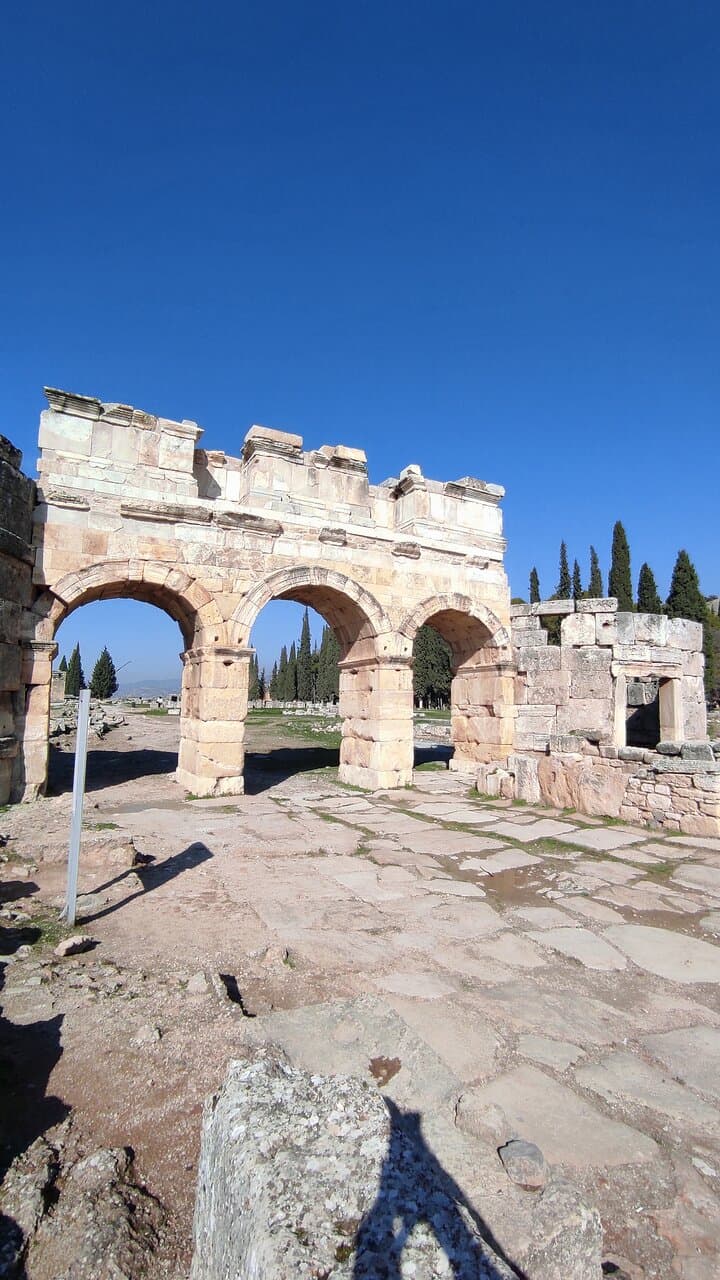
An impressive 5th-century octagonal structure dedicated to St. Philip, a significant early Christian martyr.
St. Philip's Tomb Site
Within the Martyrium complex
The believed burial place of St. Philip, a sacred site for pilgrims and a focal point of historical reverence.
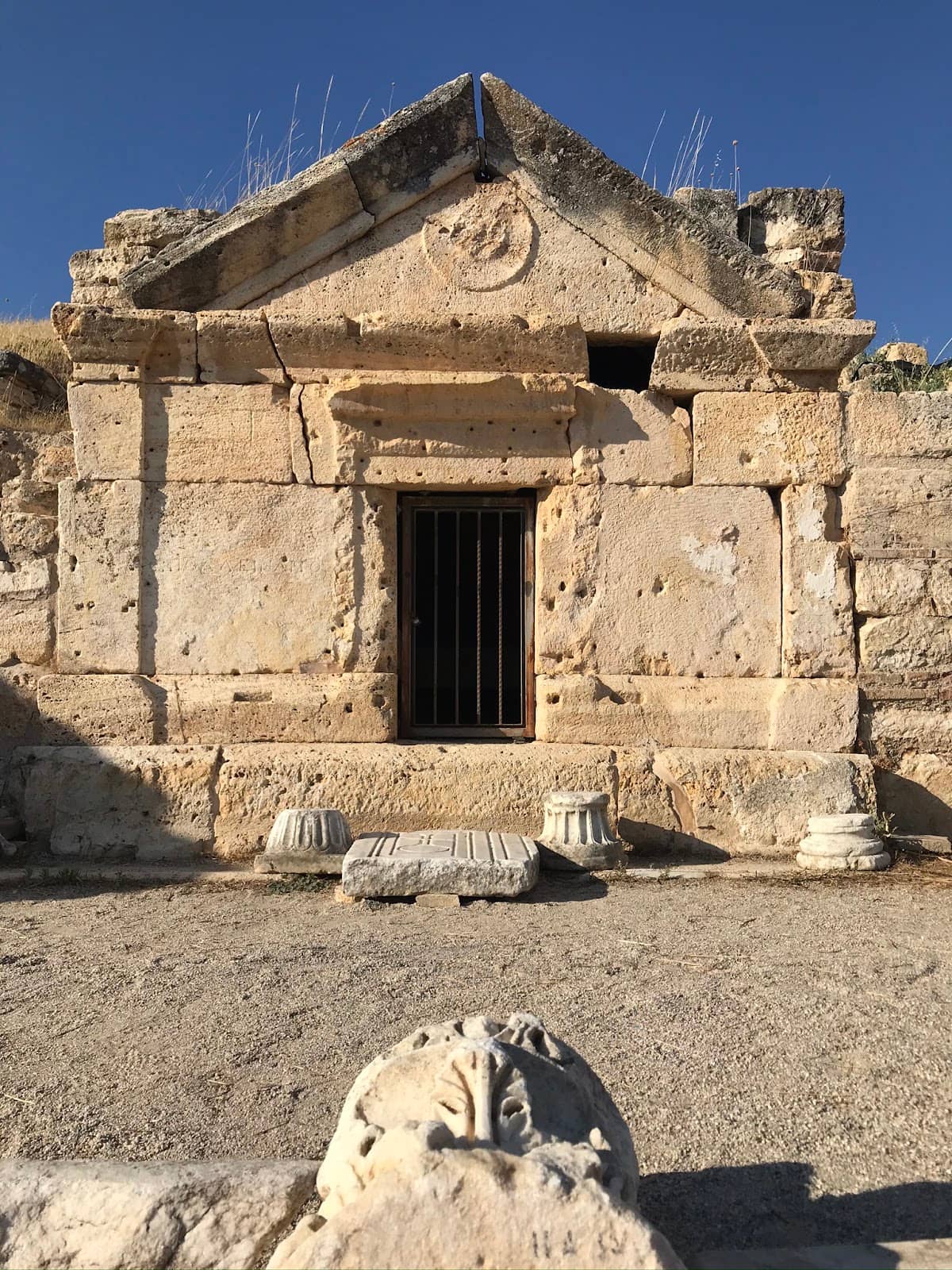
Ayazma Sanctuary Fountain
Near the Martyrium
A unique seashell-shaped marble block marking a water source, adding to the site's spiritual atmosphere.
Plans like a pro.
Thinks like you
Planning Your Visit
Navigating to St. Philip Martyrium
Understanding its Significance
Best Times
Insider Tips
from TikTok, Instagram & Reddit
🎯 Follow Park Signs
Look for 'Axiz Philipo Martirion'u' signs within Hierapolis to find the Martyrium.
👟 Comfortable Footwear Essential
You'll be walking on stone paths and climbing stairs to reach the tomb.
💧 Stay Hydrated
Especially during warmer months, carry plenty of water as you explore the site.
📸 Capture the Architecture
The octagonal design of the Martyrium is a unique photo opportunity.
Tips
from all over the internet
🎯 Follow Park Signs
Look for 'Axiz Philipo Martirion'u' signs within Hierapolis to find the Martyrium.
👟 Comfortable Footwear Essential
You'll be walking on stone paths and climbing stairs to reach the tomb.
💧 Stay Hydrated
Especially during warmer months, carry plenty of water as you explore the site.
📸 Capture the Architecture
The octagonal design of the Martyrium is a unique photo opportunity.
What Travellers Say
Reviews Summary
Visitors find the St. Philip Martyrium to be a historically significant and spiritually resonant site within the Hierapolis archaeological park. Its octagonal architecture and connection to St. Philip are highlights, though reaching it involves walking and climbing stairs. Some note that it's not always clearly signposted, requiring attention to park maps and signs.
"This is an inaccurate location - this is basically the parking lot/entrance gate (for both Pamukkale and the archaeological area); although it's the closest point you can drive to. To actually navigate to St Philip's tomb from inside the park, look for the location id'ed "Axiz Philipo Martirion'u" on Google maps - there are also park signs you can follow"
Caroline Condon
"The place of St Philipp the Apostel"
Kiran Kizhakkekkut
"The tomb of St. Philip is located on a hill in the ancient city of Hierapolis. St. Philip, one of the 12 apostles of Jesus, comes to Anatolia with his sister Mariamne and Bartheolomew to spread Christianity. The consul, who is angry that the wife of the Hierapolis city consul has accepted Christianity, tortures all three of them and crucifies Philip and Martholomew upside down. Philip, who continues his sermons while crucified, loses his life in this way after a while. He is considered one of the Christian martyrs and the area around the tomb where he is buried is now a sacred place visited by pilgrims. To reach the tomb, you need to walk a little on the stone-paved path and climb the stairs to where the tomb is."
Serkan Cakarer
What People Like
What People Dislike
Frequently Asked Questions
🚇 🗺️ Getting There
The St. Philip Martyrium is located within the Hierapolis archaeological park. It's often near the parking lot or entrance area. Look for signs within the park that say 'Axiz Philipo Martirion'u' or follow the paths uphill. It requires some walking on stone-paved paths and climbing stairs to reach the tomb site.
Yes, the St. Philip Martyrium is part of the larger Hierapolis archaeological site, which is adjacent to the Pamukkale travertines. You'll typically need a ticket for the Hierapolis archaeological area to access it.
You can drive to the parking lot/entrance of the Hierapolis archaeological area, which is the closest point. From there, you'll need to walk to reach the Martyrium itself.
🎫 🎫 Tickets & Entry
No, access to the St. Philip Martyrium is typically included with your entrance ticket to the Hierapolis archaeological site.
The opening hours generally align with the Hierapolis archaeological park. It's best to check the official operating hours for the site before your visit, as they can vary seasonally.
The admission fee is for the Hierapolis archaeological park, which includes access to the St. Philip Martyrium.
🎫 🧭 Onsite Experience
The Martyrium was built in the late 4th or early 5th century CE to commemorate St. Philip, one of Jesus' 12 apostles, who is believed to have been martyred and buried here. It's a significant site for early Christian history.
Comfortable walking shoes are essential as you'll be navigating uneven stone paths and stairs. Lightweight clothing is recommended, especially during warmer months.
The site involves walking on uneven terrain and climbing stairs, which may pose challenges for individuals with significant mobility issues.
The Martyrium is known for its distinctive octagonal design, a common architectural style for important Christian structures of its era. 
While not always explicitly advertised for the Martyrium itself, guided tours of the Hierapolis archaeological site often include this significant location. Inquire at the visitor center.
📸 📸 Photography
The octagonal structure itself offers striking architectural photos. The surrounding landscape and the view from the hill can also provide beautiful backdrops, especially during golden hour.
Photography is generally allowed within the archaeological site, including the St. Philip Martyrium. However, always be respectful of the historical nature of the site and other visitors.
For Different Travelers
Tailored advice for your travel style
👨👩👧 Families with Kids
Consider making the visit part of a larger exploration of Hierapolis and Pamukkale. The unique landscape of the travertines can be a major draw for kids. Pack plenty of snacks and water, and be prepared for a fair amount of walking. The historical context of the Martyrium can be simplified for younger audiences, focusing on the idea of a special place built to remember an important person.
Pilgrims and Religious Travelers
Visitors often find solace and a connection to history here. The walk up to the tomb is considered part of the spiritual journey. Many come to reflect on the life and martyrdom of St. Philip and to experience a place of historical Christian importance. The Ayazma Sanctuary Fountain nearby also adds to the spiritual ambiance of the site.
Deep Dives
In-depth insights and expert knowledge
The History and Significance of St. Philip Martyrium
The architectural design of the Martyrium is particularly noteworthy. It features a distinctive octagonal plan, a common and impressive form for important religious buildings of the era, symbolizing perfection and eternity. The structure was designed to house and commemorate the tomb of St. Philip, making it a focal point for pilgrims seeking spiritual connection and blessings. The site also includes the Ayazma Sanctuary Fountain, a unique marble feature near a water source, adding to the sacred atmosphere of the location.
Visiting the St. Philip Martyrium offers a profound connection to early Christian history and the lives of its apostles. It's a place where history, faith, and architecture converge, providing visitors with a unique insight into the religious landscape of the ancient world. The journey to the tomb involves walking on ancient stone paths and climbing stairs, adding a physical dimension to the historical and spiritual experience.
Navigating Hierapolis and Reaching the Martyrium
To find the Martyrium, pay close attention to the signage within the archaeological park. Travelers often recommend looking for signs indicating 'Axiz Philipo Martirion'u' on Google Maps or following the directional markers provided by the park. The path to the Martyrium involves walking on uneven stone-paved paths and ascending stairs, so comfortable and sturdy footwear is highly recommended.
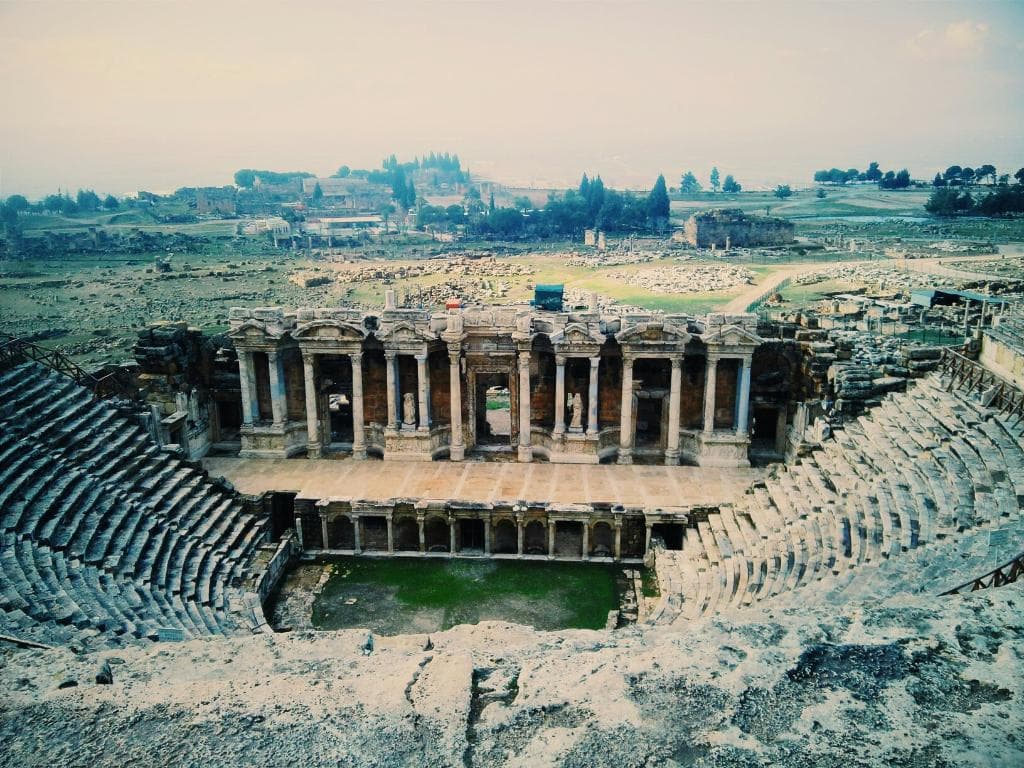
It's important to note that while the Martyrium is a key attraction, it's part of a larger complex. Allocate sufficient time to explore not only the Martyrium but also the Roman theater, the necropolis, and the famous travertines. Staying hydrated, especially during warmer months, is crucial, and carrying water is advisable.


Social
from TikTok, Instagram & Reddit