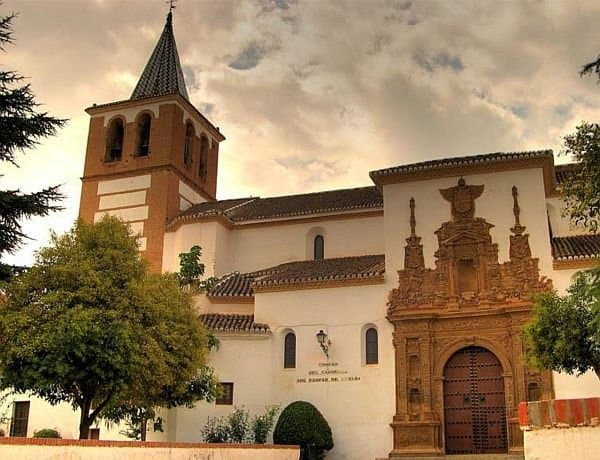
Church of Santiago Guadix
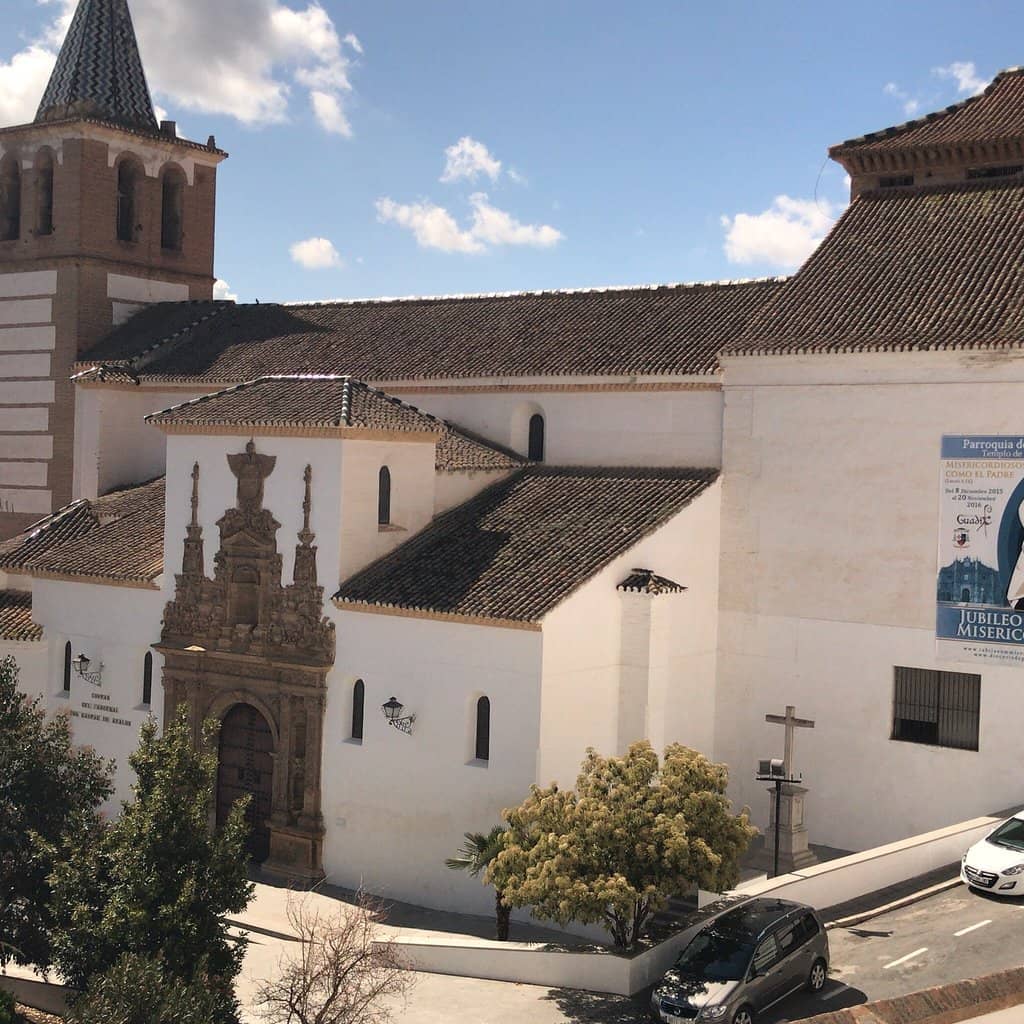
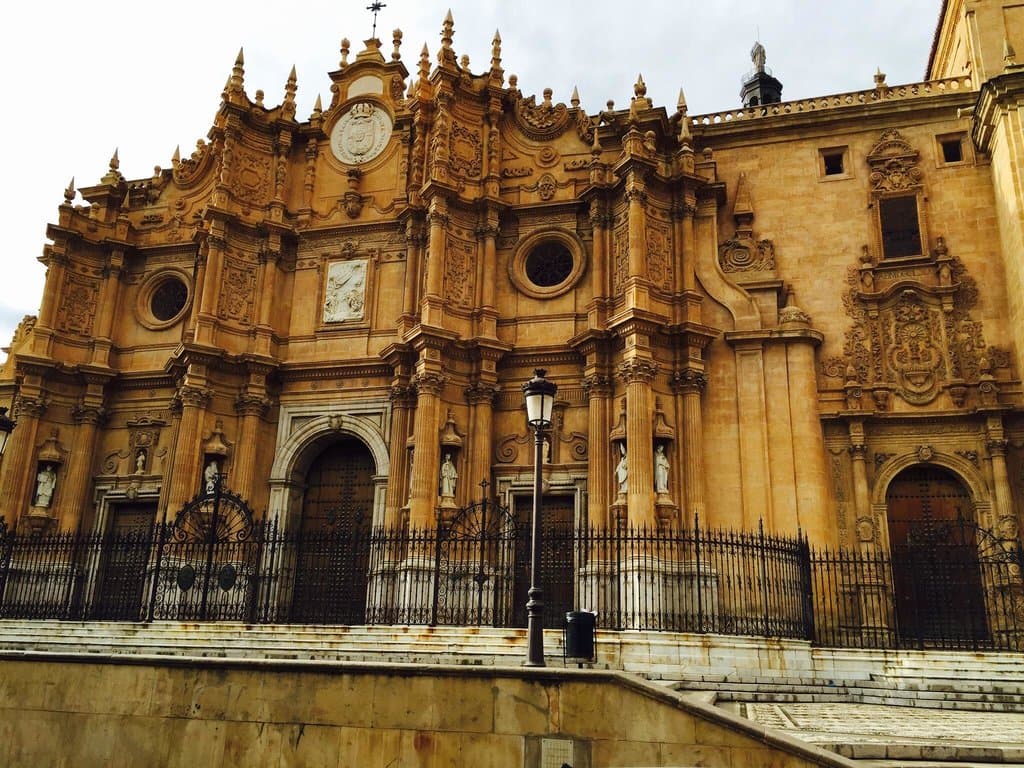
A 16th-century church blending Mudéjar, Gothic, and Renaissance styles, featuring a notable portal and intricate wooden trusses.
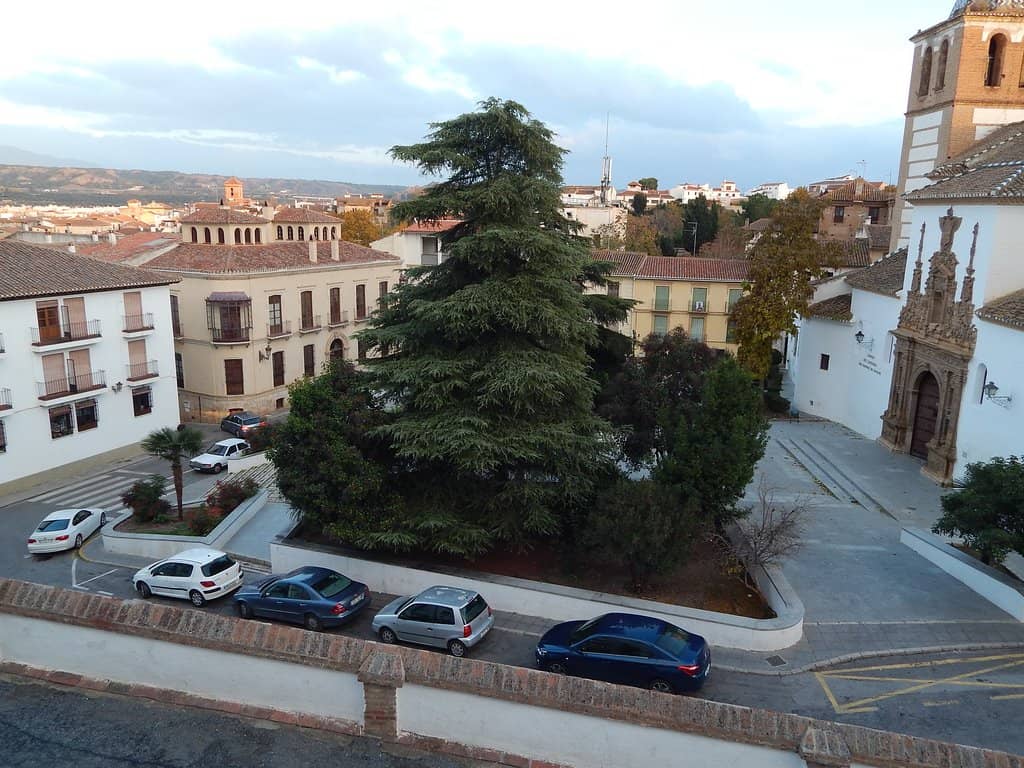
Highlights
Must-see attractions

Social
From TikTok & Reddit
Best Time
Avoid potential restoration disruptions.
Church of Santiago Guadix
Best Time
Avoid potential restoration disruptions.
Highlights
Must-see attractions
A 16th-century church blending Mudéjar, Gothic, and Renaissance styles, featuring a notable portal and intricate wooden trusses.
"The Renaissance portal and Mudejar trusses are exceptional highlights of this architecturally rich church."
Check for Restoration
Restoration work can affect access. Confirm if major parts are covered before your visit. :construction_worker:
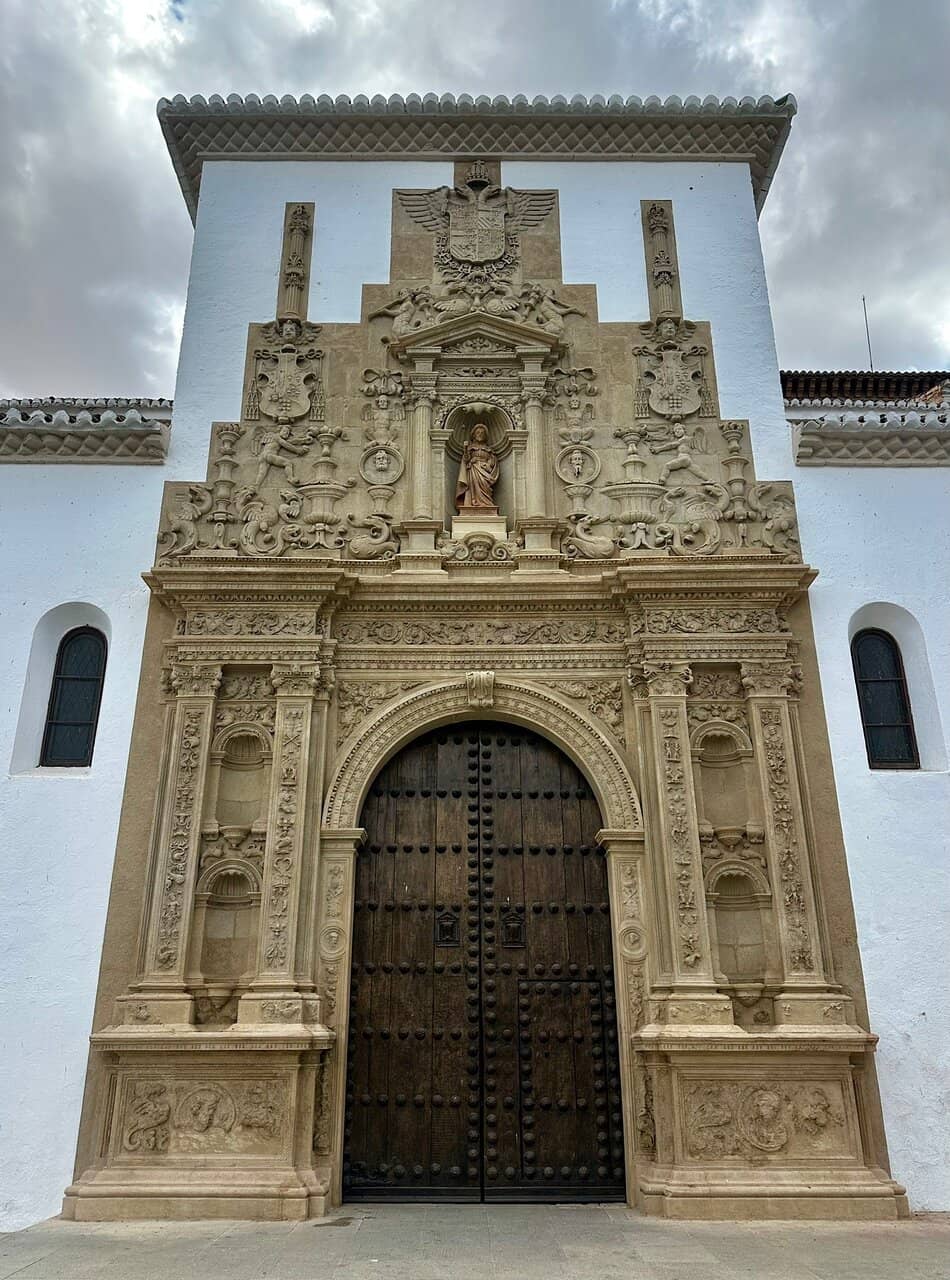
Focus on the Entrance
Many find the entrance the most impressive part. Manage expectations for other areas. :camerawithflash:
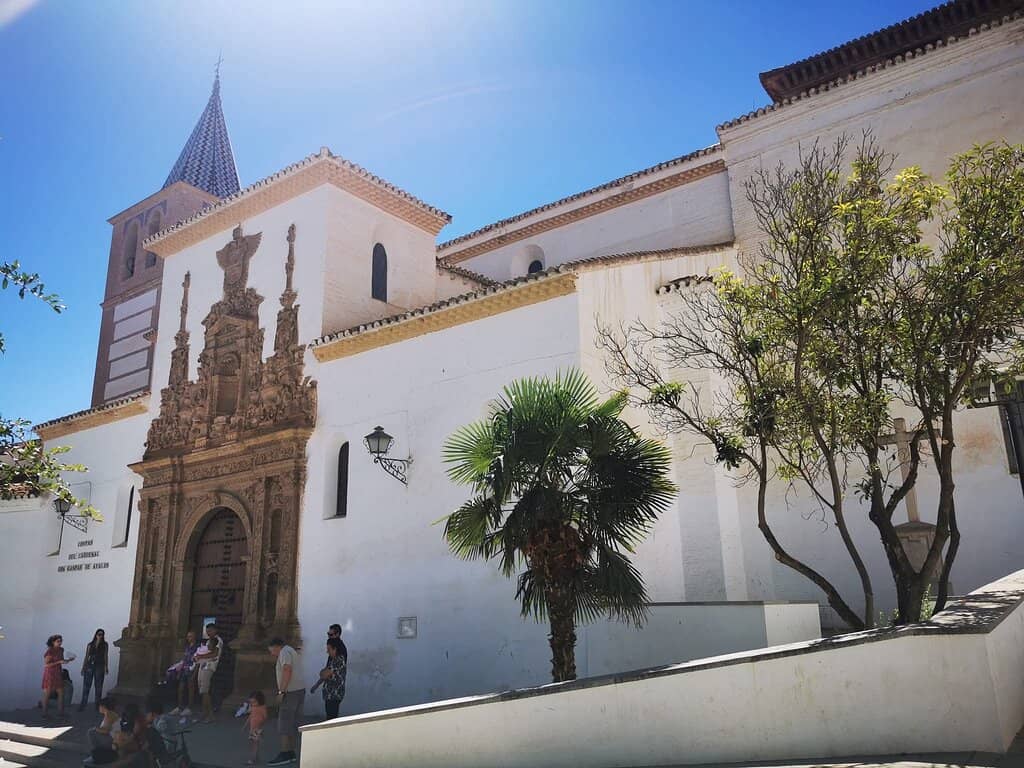
Highlights
Discover the most iconic attractions and experiences
Renaissance Portal
An exceptional Renaissance portal, a key architectural feature that impressed many visitors.
Mudejar Trusses
Magnificent Mudejar trusses, particularly those in the central nave, showcasing intricate craftsmanship.
Renaissance Vault
A stunning Renaissance vault made of wood above the sanctuary, a testament to the era's artistry.
Plans like a pro.
Thinks like you
Planning Your Visit
Timing Your Visit
Appreciating the Architecture
Best Times
Insider Tips
from TikTok, Instagram & Reddit
Check for Restoration
Restoration work can affect access. Confirm if major parts are covered before your visit. :construction_worker:
Focus on the Entrance
Many find the entrance the most impressive part. Manage expectations for other areas. :camerawithflash:
Admire the Trusses
Don't miss the magnificent Mudejar trusses, a highlight of the church's interior. :wood:
Tips
from all over the internet
Check for Restoration
Restoration work can affect access. Confirm if major parts are covered before your visit. :construction_worker:
Focus on the Entrance
Many find the entrance the most impressive part. Manage expectations for other areas. :camerawithflash:
Admire the Trusses
Don't miss the magnificent Mudejar trusses, a highlight of the church's interior. :wood:
What Travellers Say
Reviews Summary
Visitors find the Church of Santiago Guadix architecturally interesting, particularly its Renaissance portal and Mudejar trusses. However, some feel the overall experience might not live up to expectations, with restoration work sometimes limiting full appreciation. The church's historical significance is noted, though much original artwork is sadly lost.
"I liked it so much that I became a sister to the Virgin of Sorrows and the Christ of Light."
BimFacun IsiDomi
"An exceptional church built during the Third Kingdom of Granada, the Christian church is in the Granadian Mudejar style, with Gothic elements, an exceptional Renaissance portal, magnificent Mudejar trusses, and a Renaissance vault with four spheres made of wood above the sanctuary.
Little of the rich original artwork remains, as intolerant groups destroyed or stole precious metals during the Civil War.
Today, it features some fine modern altarpieces erected in collaboration with the faithful.
It is certainly worth a visit."
José María Granada
"The Church of Santiago was designed by the architect Diego de Siloé.
With three naves, the main portal is particularly important.
The trusses of the central nave and the High Altar, which allude to the Apostle Santiago's shell, are particularly noteworthy."
Alberto Andres Rubio
What People Like
What People Dislike
Frequently Asked Questions
🚇 🗺️ Getting There
The Church of Santiago is located in Guadix, Spain. It's generally accessible by car, with parking available nearby. Public transport options might be limited, so checking local bus schedules is advisable if you're not driving. It's often visited as part of a broader tour of Guadix's historical sites.
Yes, the church is a significant landmark within Guadix and is usually well-signposted. It's situated in a central area, making it relatively easy to locate once you are in the town center.
🎫 🎫 Tickets & Entry
Information on ticket requirements can vary. It's best to check the official website or local tourist information for the most up-to-date details on admission fees and opening hours before your visit. Some religious sites may have free entry but specific times for visitors.
Opening hours for churches can be subject to change, especially due to religious services. It's recommended to verify the current visiting times with local sources or the church administration prior to your trip to avoid disappointment.
While many churches are free to enter, some may charge a small fee or request donations. It's advisable to confirm this beforehand, as fees can sometimes be associated with specific areas or exhibitions within the church.
🎫 🏛️ Onsite Experience
The church is a fascinating blend of styles, primarily featuring Granadian Mudéjar architecture with Gothic elements. It also boasts an exceptional Renaissance portal and a Renaissance vault above the sanctuary. The Mudejar trusses are particularly noteworthy.
Visitors often highlight the Renaissance portal, the magnificent Mudejar trusses in the central nave, and the Renaissance vault above the sanctuary. The High Altar, alluding to Saint James's shell, is also a significant detail.
Yes, the church offers many photographic opportunities, especially the intricate details of the Renaissance portal and the Mudejar woodwork. Be mindful of any photography restrictions within the sacred space.
Built during the Third Kingdom of Granada, it represents a significant period of Christian architecture in the region. It was designed by the architect Diego de Siloé in the 16th century.
Unfortunately, much of the original artwork was lost or stolen during the Civil War. However, the church now features fine modern altarpieces created in collaboration with the faithful.
For Different Travelers
Tailored advice for your travel style
Architecture Enthusiasts
History Buffs
Deep Dives
In-depth insights and expert knowledge
Architectural Marvels
The interior is equally impressive, featuring magnificent Mudejar trusses that span the central nave. These intricate wooden structures are a hallmark of Mudéjar craftsmanship. Above the sanctuary, a Renaissance vault adds another layer of architectural splendor, adorned with four spheres made of wood. These elements collectively create a rich and historically significant space.
While the church has endured historical challenges, including the loss of much of its original artwork during the Civil War, the enduring architectural elements and the addition of fine modern altarpieces ensure its continued importance as a cultural and religious site. The blend of styles and the quality of the surviving craftsmanship make it a compelling visit for architecture enthusiasts.
Historical Context and Resilience
Despite its architectural grandeur, the church has faced significant adversity. The Civil War in Spain led to the destruction or theft of much of its precious original artwork and precious metals. This period of intolerance left a scar on the church's heritage, a stark reminder of the fragility of cultural treasures.
In the face of these losses, the community has shown remarkable resilience. The erection of fine modern altarpieces, created in collaboration with the faithful, demonstrates a commitment to preserving the spiritual and artistic legacy of the church. This ongoing effort ensures that the Church of Santiago continues to serve its community and attract visitors interested in its layered history and enduring spirit.

Social
from TikTok, Instagram & Reddit