Castillo de Doña Blanca
Explore ancient Phoenician cities and a historic tower at Castillo de Doña Blanca, a site of ongoing archaeological discovery.
Highlights
Must-see attractions

Social
From TikTok & Reddit
Best Time
Fewer crowds, better for tours
Castillo de Doña Blanca
Best Time
Fewer crowds, better for tours
Highlights
Must-see attractions
Explore ancient Phoenician cities and a historic tower at Castillo de Doña Blanca, a site of ongoing archaeological discovery.
"A fascinating archaeological site with free entry and guided tours, offering a glimpse into ancient history. "
Book Guided Tours
Highly recommended for context and history. Free guided tours are often available.
Check for Excavations
Ongoing digs mean you might see archaeologists at work!
Highlights
Discover the most iconic attractions and experiences
The Tower of Doña Blanca
Central part of the site
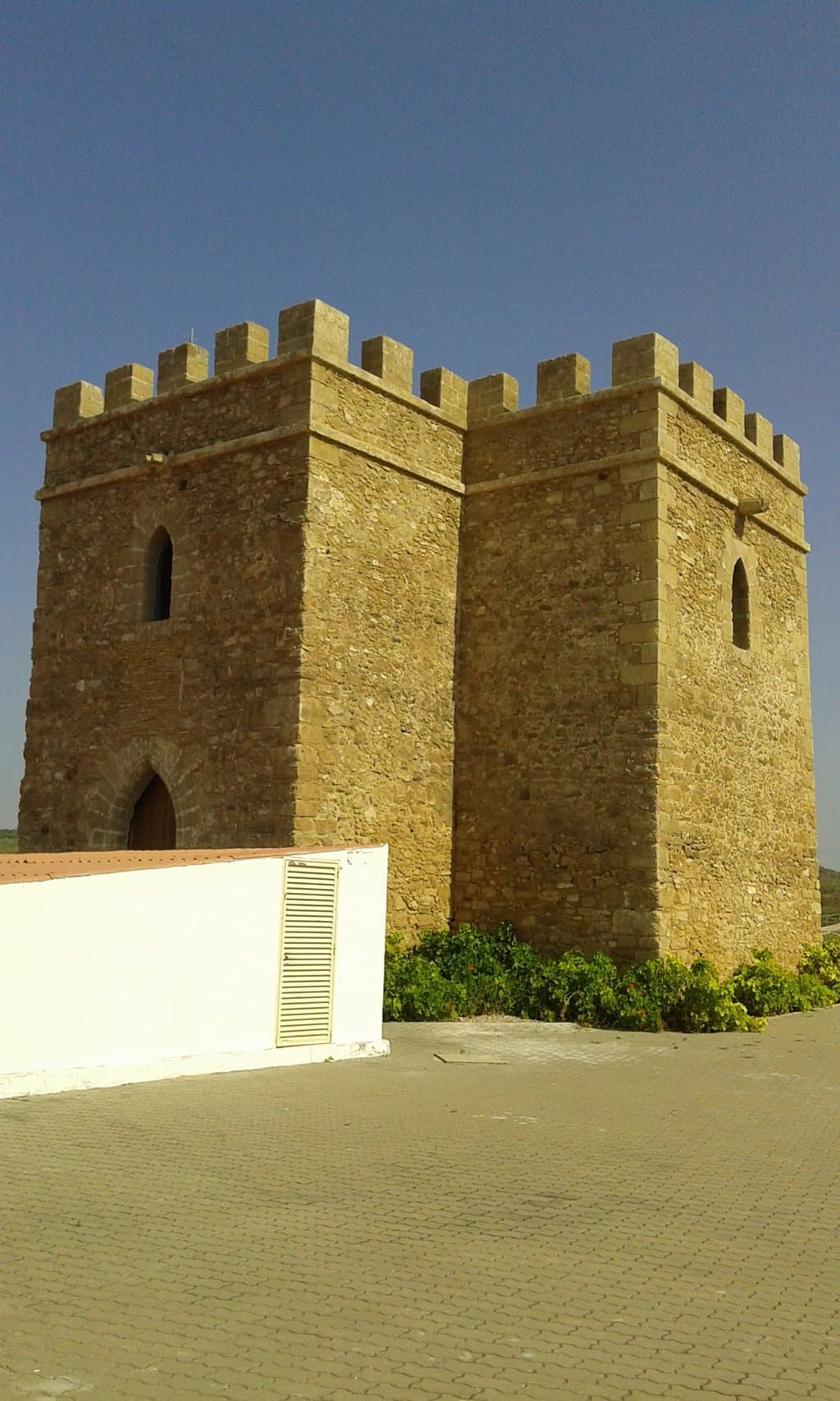
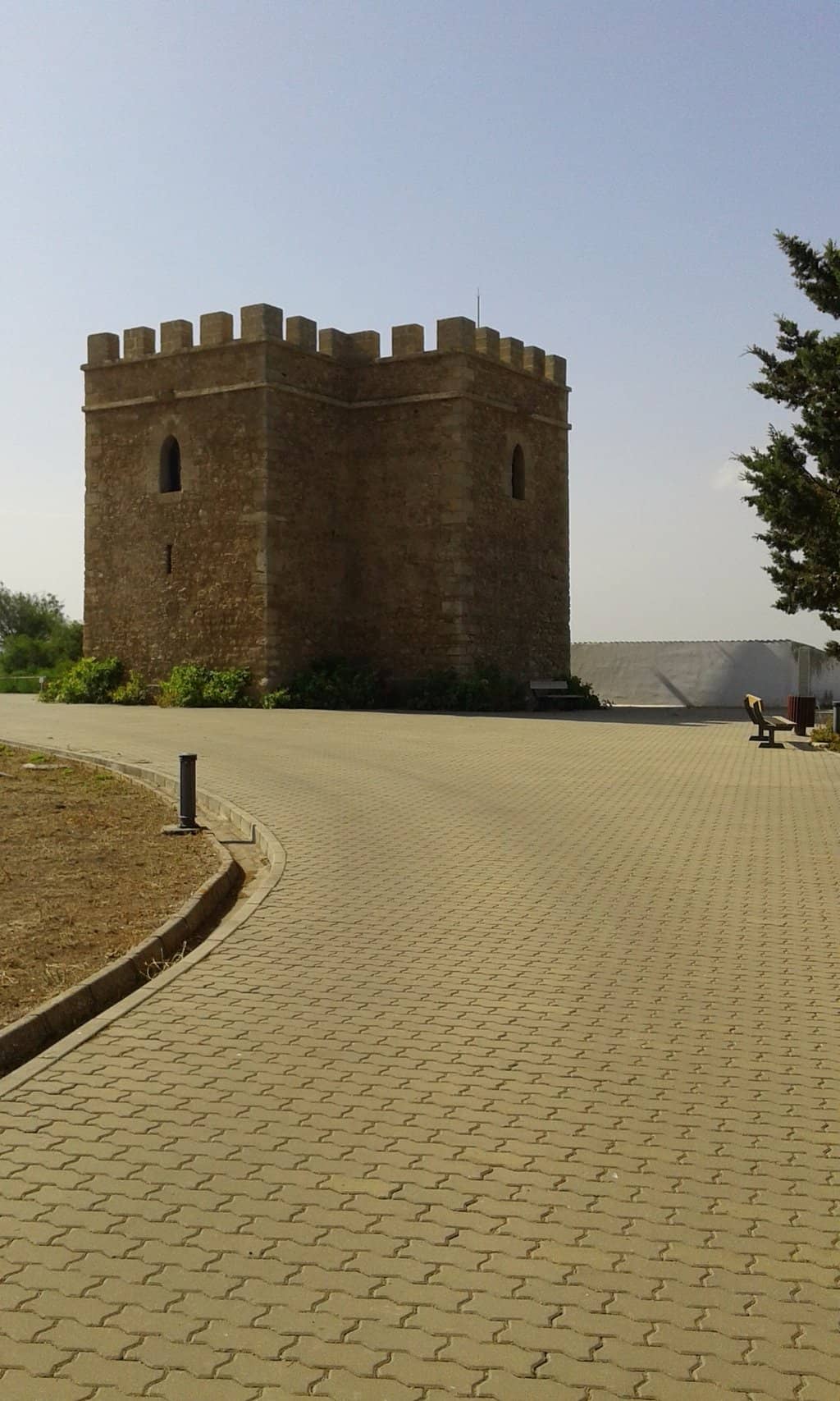
A 15th-century reconstruction, this tower is a prominent landmark with a fascinating, albeit debated, history linked to royalty.

Phoenician City Remains
Surrounding the tower
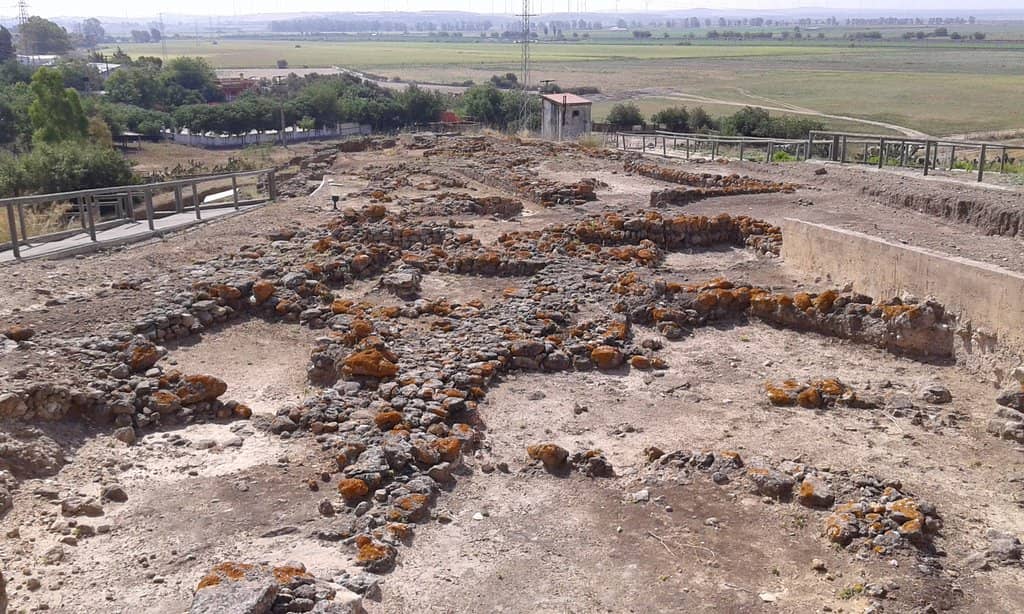
Discover the remnants of ancient Phoenician cities, offering a glimpse into early settlements in the region.

Archaeological Excavation Site
Various points within the site
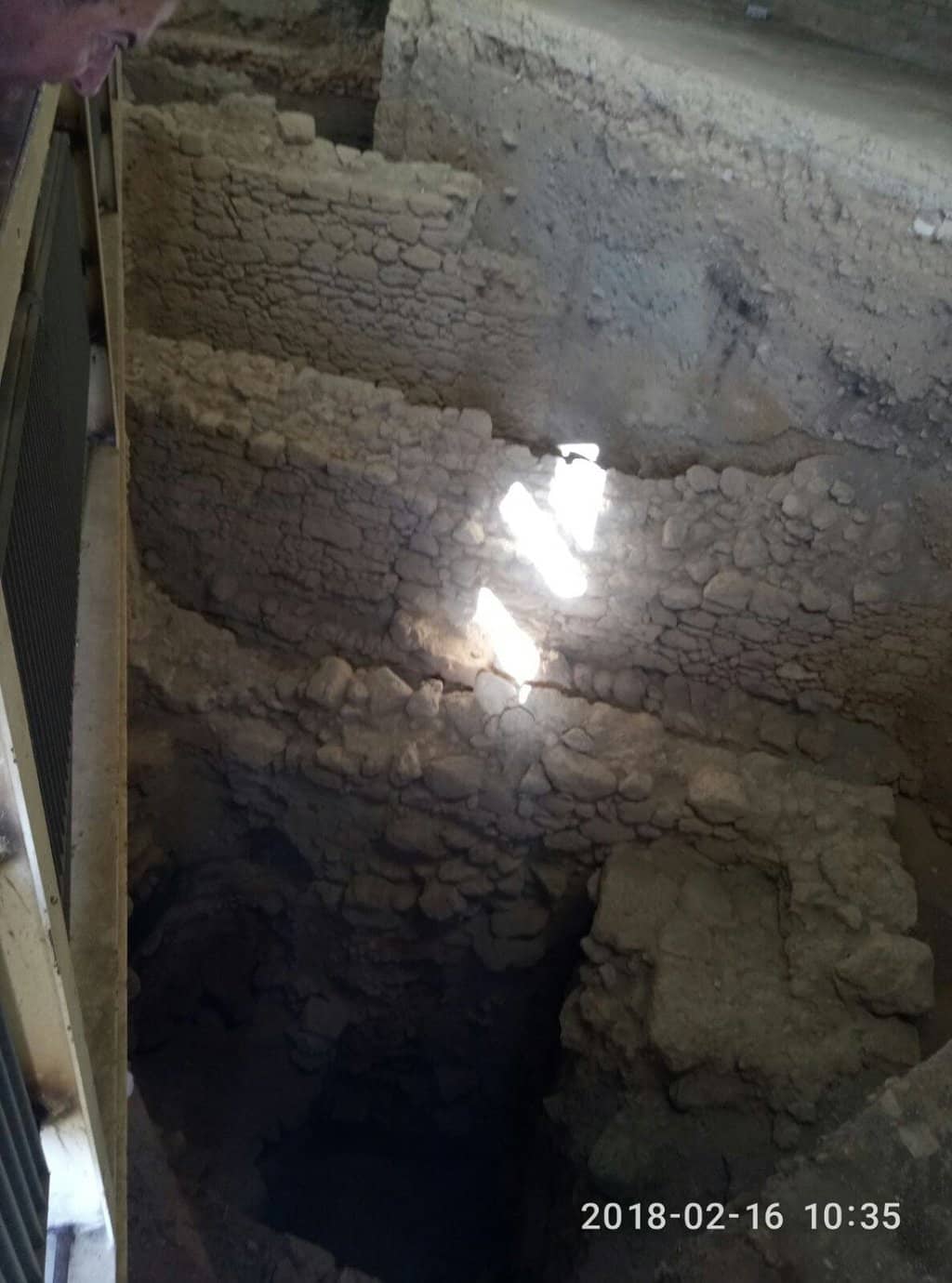
Witness active archaeological digs, showcasing ongoing research and discoveries about the area's prehistoric past.
 +1
+1Plans like a pro.
Thinks like you
Planning Your Visit
Uncover Ancient History
Access and Preservation
+2 It's advisable to check for any temporary closures or specific visiting hours before your trip.Best Times
Insider Tips
from TikTok, Instagram & Reddit
Book Guided Tours
Highly recommended for context and history. Free guided tours are often available. +1
Check for Excavations
Ongoing digs mean you might see archaeologists at work!
Respect Site Rules
Leashed dogs may not be allowed in all areas. Check signage.
Wear Comfortable Shoes
You'll be walking on uneven historical terrain.
Tips
from all over the internet
Book Guided Tours
Highly recommended for context and history. Free guided tours are often available. +1
Check for Excavations
Ongoing digs mean you might see archaeologists at work!
Respect Site Rules
Leashed dogs may not be allowed in all areas. Check signage.
Wear Comfortable Shoes
You'll be walking on uneven historical terrain.
What Travellers Say
Reviews Summary
Visitors find the Castillo de Doña Blanca to be an interesting archaeological site with a rich history, particularly its Phoenician roots and the enigmatic tower. The free admission and availability of guided tours are appreciated, though some feel the site is underutilized and could benefit from better preservation and enhancement of its remains. +1
"We visit the archaeological site of Doña Blanca. The tower that gives its name to the site, as well as to the nearby village, serves as a beacon of reference so we can know where to go from afar.
A bit of history, which is what it takes at a site 🙂 Doña Blanca de Borbón was the wife of King Pedro I the Cruel, who, among other reasons because her father-in-law didn't fully pay her dowry, was locked in a tower and later ordered to be killed. What the guide clarified for us is that, despite popular belief, this is not the tower where she was held captive, as it was built a century later. The queen was imprisoned in Medina Sidonia. But this doesn't detract from the 15th-century tower we see here, albeit only from the outside. It looks beautiful from the outside, like an old lady; it's only a façade, and, as it turns out, it's hollow inside.
Coming closer to the present, this site was discovered because the previous owner of the land, a Domecq, wanted to build a swimming pool. And, oh, what a coincidence, what is easy to happen in this province happened: if you dig a little, you'll find archaeological remains. In this case, Phoenician! Remains of two Phoenician cities and traces of older settlements. And I'm not going to tell you any more, so you can go see it.
The visit is free and guided."
Elena De Miguel
"This castle is very beautiful, but its origins aren't explained, and it's not even open to visitors. No one explains anything, and it's located within the Phoenician site, which is equally underutilized, with archaeological remains in very poor condition and poorly protected. It's a shame."
Atreyu Hijo de todos
"The site is very interesting; admission is free, and you can book a guided tour. It's a shame they don't invest more in excavations, enhance its value, and make it less visited."
Susana Gómez Villalba
What People Like
What People Dislike
Frequently Asked Questions
🚇 🗺️ Getting There
Castillo de Doña Blanca is located in El Puerto de Santa María, Cádiz. It's accessible by car, with parking likely available nearby. Public transport options might require local buses or taxis from the town center.
The tower itself serves as a prominent landmark, making it visible from afar. However, navigating the archaeological site might require following signs or using GPS.
A guided tour is highly recommended to understand the historical significance of the various remains. +1 Wear comfortable shoes as the terrain can be uneven.
🎫 🎫 Tickets & Entry
Admission to the archaeological site of Castillo de Doña Blanca is generally free. +1 Guided tours may also be offered at no cost, but it's always good to confirm.
Specific opening hours can vary, especially with ongoing archaeological work. It's best to check local tourism websites or contact the site directly for the most up-to-date information.
While you can explore the site independently, a guided tour provides invaluable historical context that enhances the visit significantly. +1
The site is fenced off, and there may be specific rules regarding pets. One visitor noted that leashed dogs were not permitted, despite the open area.
🎫 🏛️ Onsite Experience
The site features remains of Phoenician cities and older settlements, with the tower being a 15th-century reconstruction. Its name is linked to Doña Blanca de Borbón, though her imprisonment history is debated.
You can explore the tower, remnants of Phoenician cities, and potentially witness active archaeological excavations. +1
The site offers a chance to learn about history and archaeology, which can be engaging for older children. However, the terrain might be challenging for very young ones.
Some reviews mention that the archaeological remains are in poor condition and could be better protected and enhanced.
Information on facilities like restrooms or visitor centers is limited. It's advisable to come prepared with water and essentials.
📸 📸 Photography
The tower itself offers a striking architectural subject. The surrounding landscape and any visible excavation sites can also provide interesting photographic opportunities.
Generally, photography for personal use is allowed. However, always be mindful of ongoing archaeological work and respect any posted restrictions.
Expect to capture historical architecture, ancient ruins, and potentially the dynamic environment of an active archaeological dig.
For Different Travelers
Tailored advice for your travel style
👨👩👧 Families with Kids
The chance to see active excavation sites can be particularly exciting, sparking curiosity about history. Consider booking a guided tour to make the historical context more accessible and engaging for younger minds. 🏛️ History Buffs & Archaeology Enthusiasts
+2 Take advantage of guided tours to gain in-depth knowledge from experts. 🚶♀️ Day-Trippers from Cádiz
Spend a few hours exploring the ruins and learning about its past, then perhaps enjoy the coastal town of El Puerto de Santa María. Deep Dives
In-depth insights and expert knowledge
The Enigmatic Tower and Its Name
Despite the historical debate surrounding its namesake, the 15th-century tower stands as a significant architectural feature. It was designed as a watchtower, offering strategic views over the bay and the Guadalete River.
Unearthing Phoenician and Older Settlements
Recent years have seen renewed interest and activity at the site, with ongoing archaeological campaigns led by institutions like the University of Cádiz.
+2 These excavations aim to deepen our understanding of the westernmost part of southwestern Europe's history. Visitors have the opportunity to witness these ongoing efforts, offering a unique glimpse into the process of archaeological discovery. However, some reviews suggest that the preservation and enhancement of these ancient remains could be improved. Community and Local Engagement
For instance, a traditional festival, 'Noche de Verano,' has been held in the area, featuring children's games and other activities, highlighting the site's connection to local life. Educational initiatives also involve the site, with local schools like CEIP Castillo de Doña Blanca participating in projects and visits.
+1 These efforts underscore the importance of the site for local heritage and education, aiming to foster a connection with history among younger generations. The involvement of local government and educational institutions in maintaining and promoting the site is evident through various improvement plans and programs. 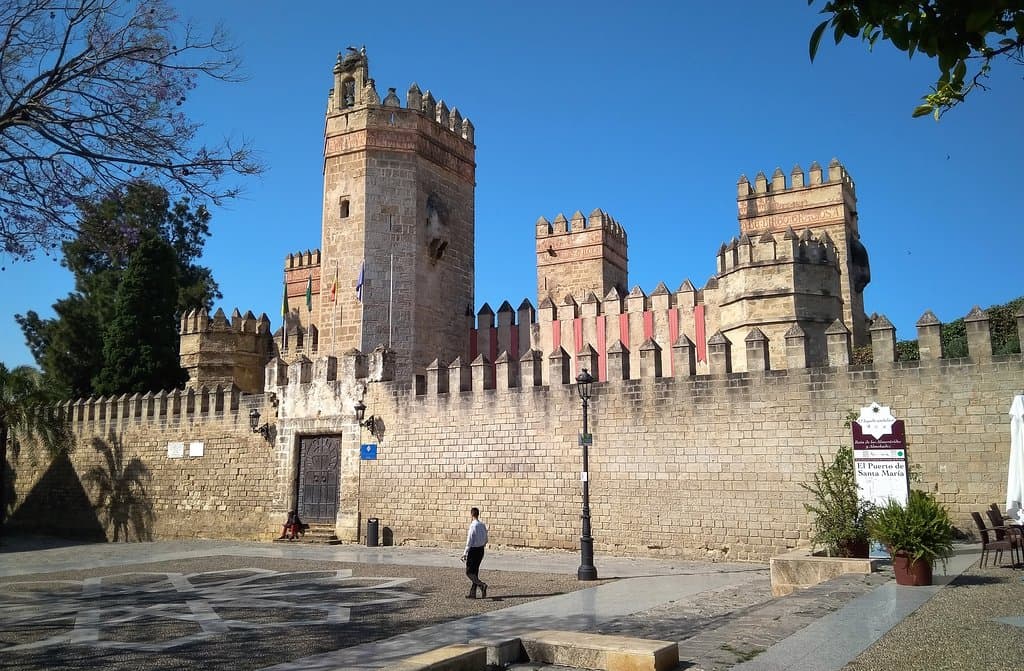


Social
from TikTok, Instagram & Reddit