
Casas Consistoriales Altas
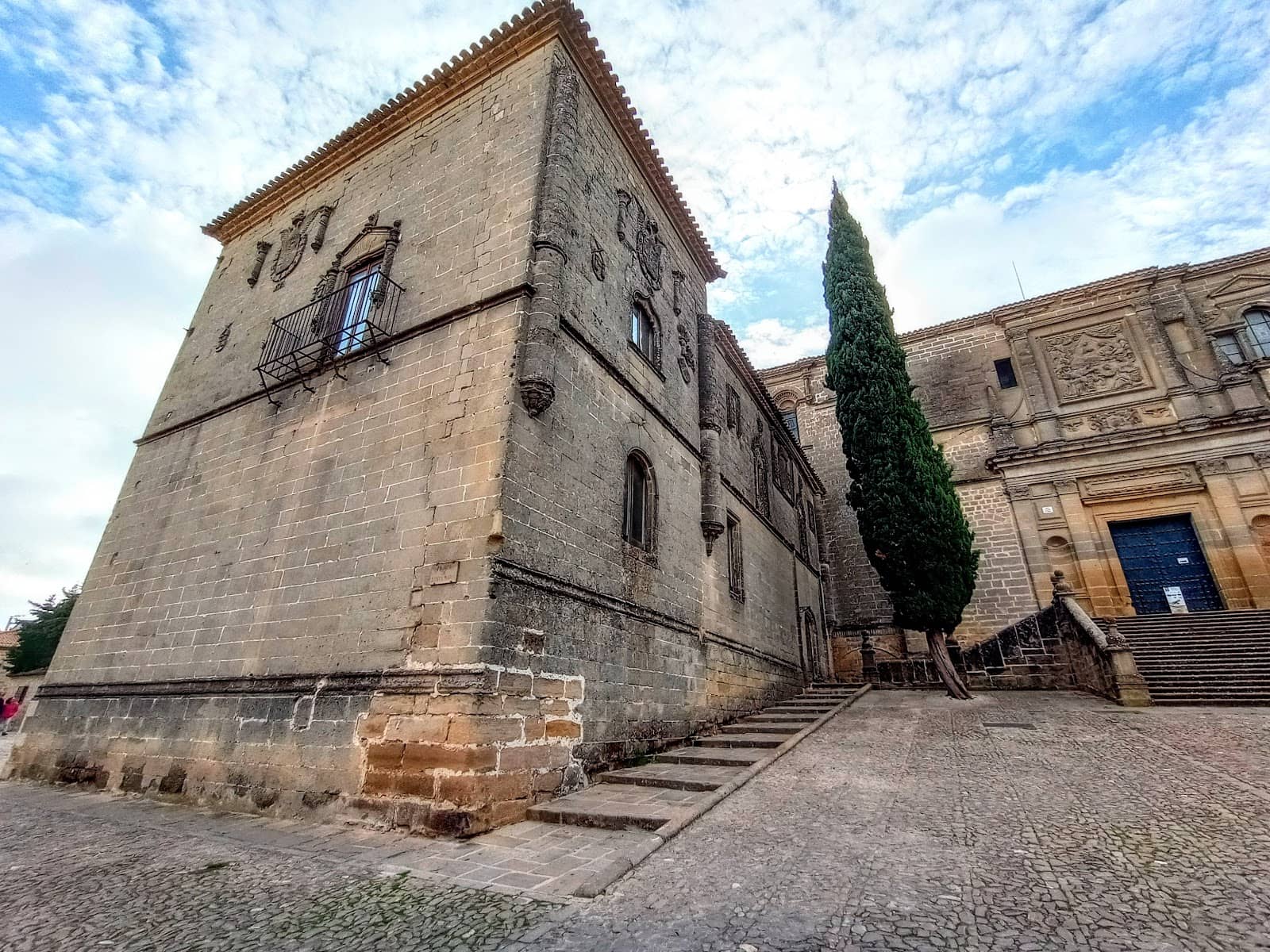
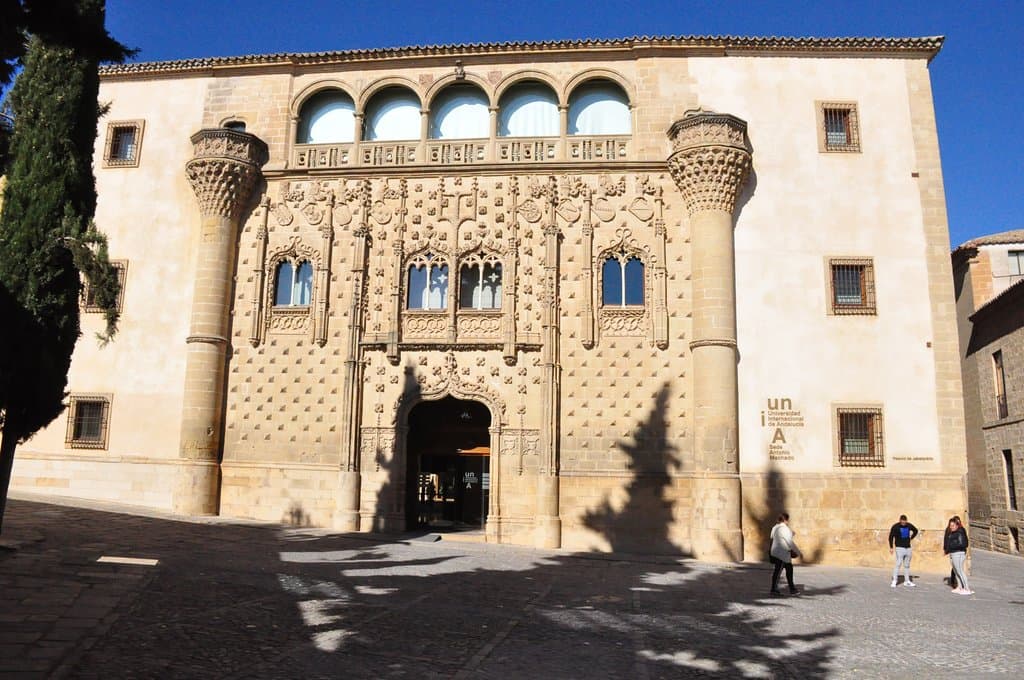
A historic Gothic building in Baeza, once a nobleman's palace and later the Town Hall, adorned with royal and city crests.
Highlights
Must-see attractions

Social
From TikTok & Reddit
Best Time
More likely to find open interiors
Casas Consistoriales Altas
Best Time
More likely to find open interiors
Highlights
Must-see attractions
A historic Gothic building in Baeza, once a nobleman's palace and later the Town Hall, adorned with royal and city crests.
"Admire the intricate coats of arms and Gothic architecture of this former Town Hall in Baeza's stunning Plaza de Santa María."
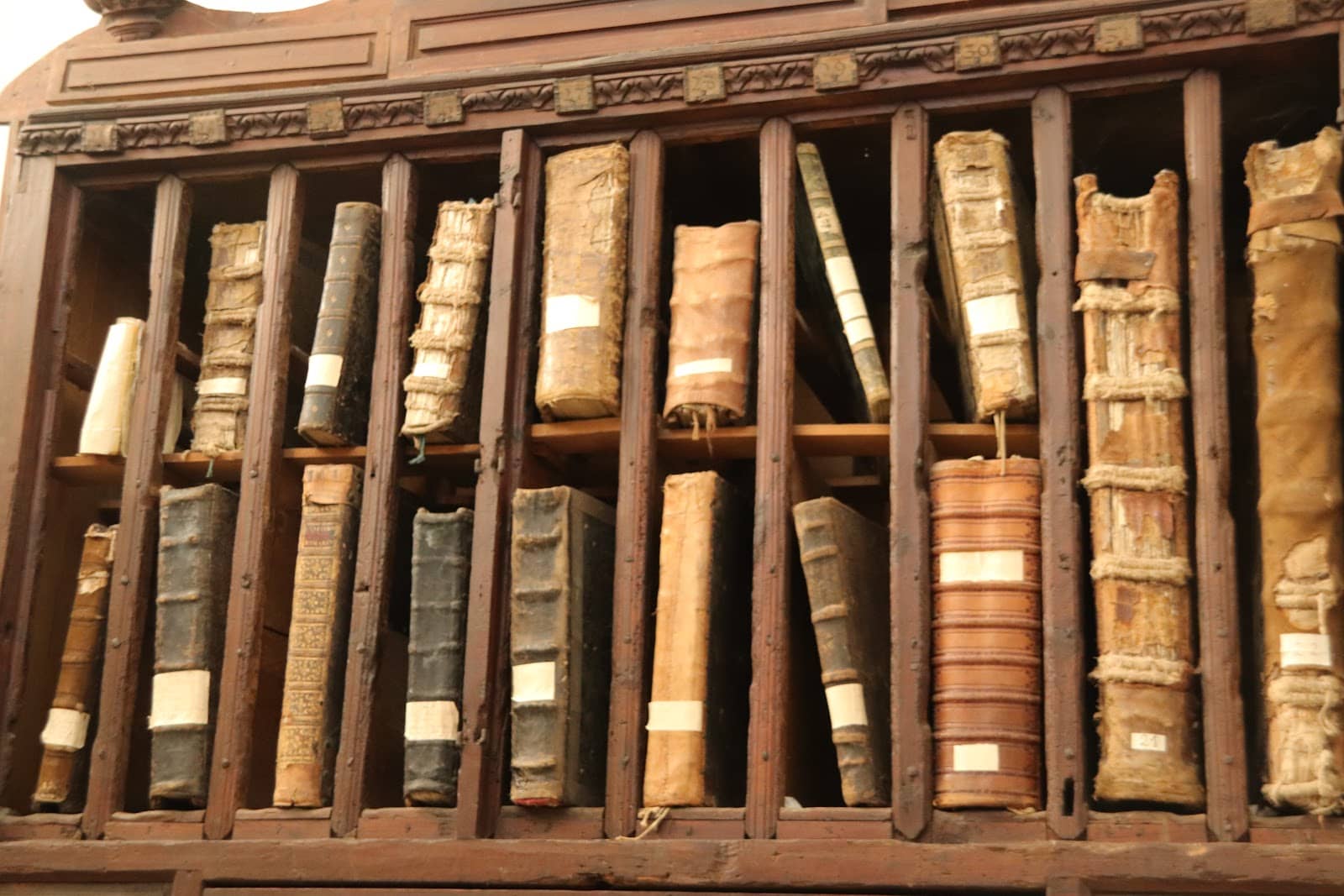
Check for Open Days
Interior access can be sporadic; confirm opening times before your visit. :calendar:
Explore the Square
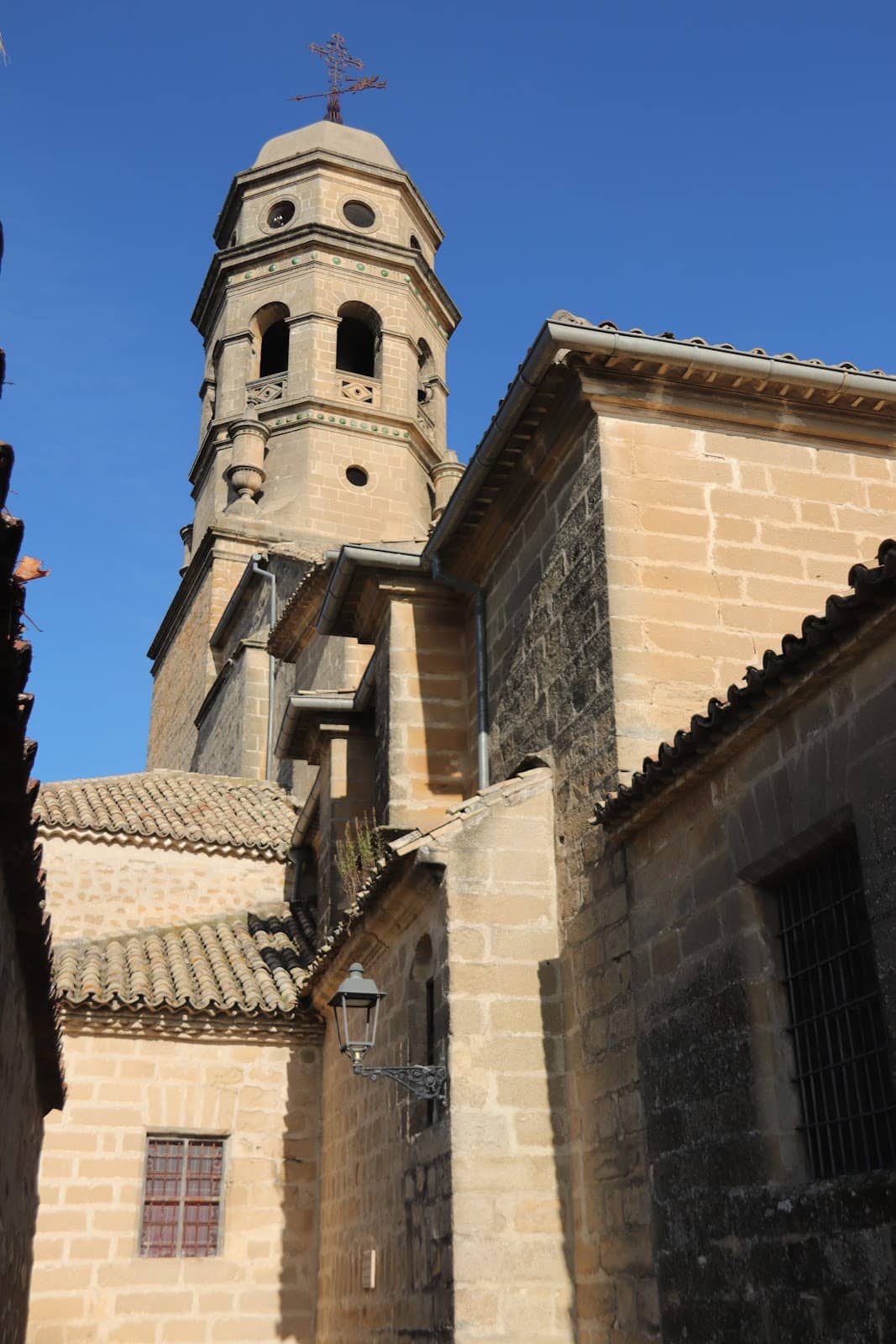
The surrounding Plaza de Santa María is as beautiful as the building itself. :camerawithflash:
Highlights
Discover the most iconic attractions and experiences
Heraldic Shields
Facades
Admire the intricate coats of arms of royalty and the city, telling tales of historical power and governance.
Gothic Architecture
Exterior
Marvel at the florid Gothic style, featuring a cusped arch doorway and decorative windows.
Plaza de Santa María
Adjacent Square
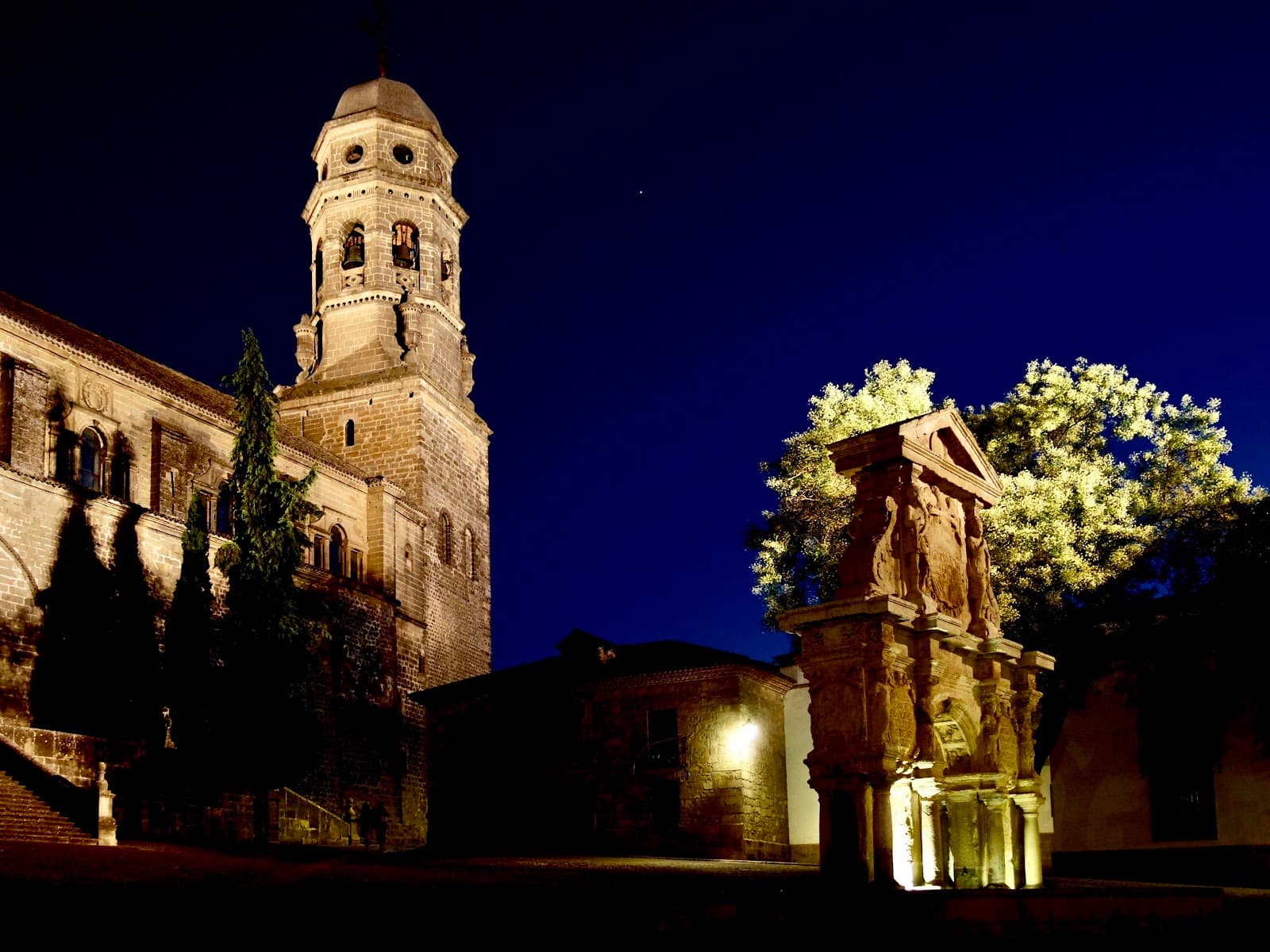
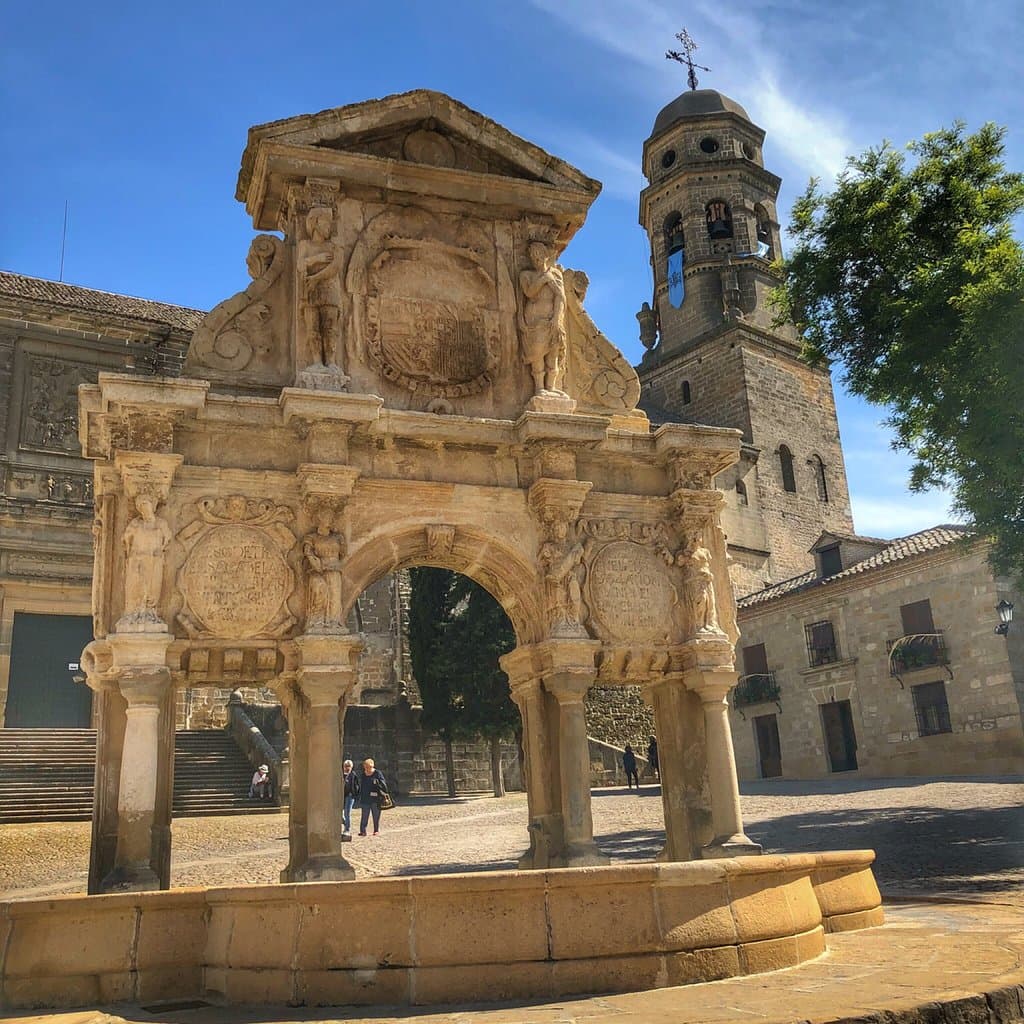
This beautiful square offers a stunning backdrop, home to the Cathedral and other significant historical buildings.

Plans like a pro.
Thinks like you
Planning Your Visit
Timing Your Visit
Understanding Its History
Best Times
Insider Tips
from TikTok, Instagram & Reddit
Check for Open Days
Interior access can be sporadic; confirm opening times before your visit. :calendar:
Explore the Square
The surrounding Plaza de Santa María is as beautiful as the building itself.
Look for Crests
The facades are adorned with fascinating historical coats of arms. :shield:
Recent Renovations
The building has undergone restoration and may house a local museum.
Tips
from all over the internet
Check for Open Days
Interior access can be sporadic; confirm opening times before your visit. :calendar:
Explore the Square
The surrounding Plaza de Santa María is as beautiful as the building itself.
Look for Crests
The facades are adorned with fascinating historical coats of arms. :shield:
Recent Renovations
The building has undergone restoration and may house a local museum.
What Travellers Say
Reviews Summary
Visitors appreciate the Casas Consistoriales Altas for its beautiful Gothic architecture and the historical significance of its heraldic shields. Its prominent location in the charming Plaza de Santa María adds to its appeal. However, many note that interior access can be limited or unavailable, making exterior viewing the primary experience for most.
"This building is attached to the Cathedral. It was built in the late 15th century and initially belonged to Don Gil Bayle Cabrera, one of Baeza's most important noblemen at the time. Upon his death, the property was donated to the Council to serve as the Town Hall. Its facades feature the heraldic shields of Juana "the Mad" and her husband Philip "the Handsome," the coat of arms of Emperor Charles V, the coat of arms of the city, and the coat of arms of the magistrate, Álvaro de Lugo. We can also see two windows and a balcony adorned with arches and a stone column.
Closed when I visited."
Juan Salas
"Also known as the Cabrera Palace, it was commissioned by the nobleman Don Gil Bayle Cabrera of Baeza in the 15th century. A very proud man who kept to himself, considering everyone his inferior, he was so proud that he placed a sign at the entrance to his estate that read, "From river to river, all is mine. This land belongs to Gil Bayle, who will die neither of thirst nor hunger." Don Gil died under mysterious circumstances, and many legends surround his death. Having died without heirs, his house passed to the Baeza council, which converted it into the Town Hall, serving as its seat from the end of the 15th century until 1838. At that time, the city of Baeza was governed by an open council or assembly of its residents, who held their meetings publicly in the Plaza de Santa María. Later, the assembly was replaced by a council of notables placed under the supervision of a direct representative of the crown. With no designated meeting place and this building vacant, it was decided to use it for that purpose.
The building has two construction phases. The older section features a Gothic doorway with a cusped arch of large voussoirs, framed by an impost and two moldings that reach the floor. On the second floor are two windows with the same type of arch, decorated by a mullion or stone column. Between them is the coat of arms of Queen Juana and her husband, King Philip, flanked by the city's coat of arms.
At one corner is a tower. On it, we can see the coat of arms of Emperor Charles V, the city's coat of arms to the left, and those of the corregidor, Álvaro de Lugo, to the right.
On the north façade, there is a balcony framed by twisted columns with pinnacles, crowned by a pediment with curved fluting. Again, we see the imperial coat of arms and two more of Baeza. In the 1980s, the building housed the municipal archives, and later served as a music conservatory in the 1990s. It was closed in 1998 and, due to neglect by previous local governments, remained unused. However, in 2023, a major restoration project was undertaken, and the building has since been revitalized and now houses a local museum.
In the lobby, a polychrome ceiling from the 16th century can be seen. The plasterwork of the entrance door to the upper floor is also preserved. In one of the rooms, a cabinet with three locks, once used to store the census records of the Baeza nobility, is still preserved."
Israel Josué
"Exterior tour; the interior is closed. It's still a beautiful Gothic-style building with various coats of arms."
Rethna Cancionlejana
What People Like
What People Dislike
Frequently Asked Questions
🚇 🗺️ Getting There
Casas Consistoriales Altas is located in the heart of Baeza, specifically in the Plaza de Santa María. It's easily accessible on foot if you are already in the city center. Public parking is available nearby, though it can be busy during peak tourist seasons.
While the exterior and the surrounding plaza are generally accessible, interior access might be limited due to the historic nature of the building. It's advisable to check with local authorities or tour operators for specific accessibility information if planning an interior visit.
🎫 🎫 Tickets & Entry
The exterior of Casas Consistoriales Altas is always visible from the Plaza de Santa María. For interior access, which may include a local museum, it's best to check for specific opening hours and if any admission fee applies, as this can vary.
Opening hours for the interior can be inconsistent. While the exterior is always accessible, specific times for visiting any internal museum or exhibition are not always published online. It's recommended to inquire locally or check for special event days.
The interior has been subject to renovations and may house a local museum or exhibition space. Access can be limited, and it's advisable to confirm current availability and any associated costs before your visit.
🎫 🏛️ Onsite Experience
The main attractions are the building's exterior, featuring florid Gothic architecture and numerous historical coats of arms, including those of royalty and the city. The surrounding Plaza de Santa María is also a significant point of interest.
For history buffs and architecture enthusiasts, it's a worthwhile stop, especially for its historical significance as a former town hall and its impressive facade details. The surrounding plaza adds to the charm.
Originally the Cabrera Palace, it served as Baeza's Town Hall from the late 15th century until 1838. Its facades display important heraldic shields, symbolizing its connection to Spanish royalty and the city's governance.
While not always explicitly advertised, guided tours of Baeza often include this building as part of their itinerary, especially those focusing on historical architecture and the Plaza de Santa María. Inquire with local tour operators.
📸 📸 Photography
The best photo opportunities are from the Plaza de Santa María, capturing the building's facade with its detailed crests and Gothic arches. The surrounding square also offers picturesque views.
If the interior is open and accessible, photography policies may vary. It's best to check for any restrictions once inside, especially if it's functioning as a museum.
For Different Travelers
Tailored advice for your travel style
👨👩👧 Families with Kids
🏛️ History Enthusiasts
Deep Dives
In-depth insights and expert knowledge
Architectural Marvels and Heraldic Significance
Originally commissioned by the nobleman Don Gil Bayle Cabrera, the palace was later donated to the council and served as the Town Hall from the late 15th century until 1838. This transition from private residence to public administration underscores its importance in Baeza's history. The building has undergone various uses, including housing municipal archives and a music conservatory, before recent restoration efforts.
Recent interventions have revitalized the building, with some sources indicating it now houses a local museum or serves as a business, training, and meeting center as part of the EDUSI strategy.
Visitors can admire the exterior details, including a tower with imperial and city crests, and a balcony with twisted columns. The interior, when accessible, may reveal a 16th-century polychrome ceiling and preserved plasterwork. The Legend of Don Gil Bayle Cabrera
This lack of heirs led to his grand house passing to the Baeza council, transforming it into the Town Hall. The building's subsequent use as a public administrative center for centuries cemented its place in the city's civic life. The stories and legends associated with Don Gil add a layer of mystique to the historical significance of the structure.


Social
from TikTok, Instagram & Reddit