
Seminario San Felipe Neri
A historic seminary in Baeza, famed for its 17th-century student graffiti ('vítor') and its current role as part of a university campus.
Highlights
Must-see attractions

Social
From TikTok & Reddit
Best Time
Best for viewing facade & plaza
Seminario San Felipe Neri
Best Time
Best for viewing facade & plaza
Highlights
Must-see attractions
A historic seminary in Baeza, famed for its 17th-century student graffiti ('vítor') and its current role as part of a university campus.
"The 'vítor' inscriptions are a unique historical treasure, offering a glimpse into student life centuries ago."

📸 Admire the 'Vítor' Graffiti
Look closely at the reddish inscriptions on the facade; they're historic student graffiti!
🚶 Explore Plaza de Santa María
The seminary is part of a stunning square with a cathedral and other landmarks.
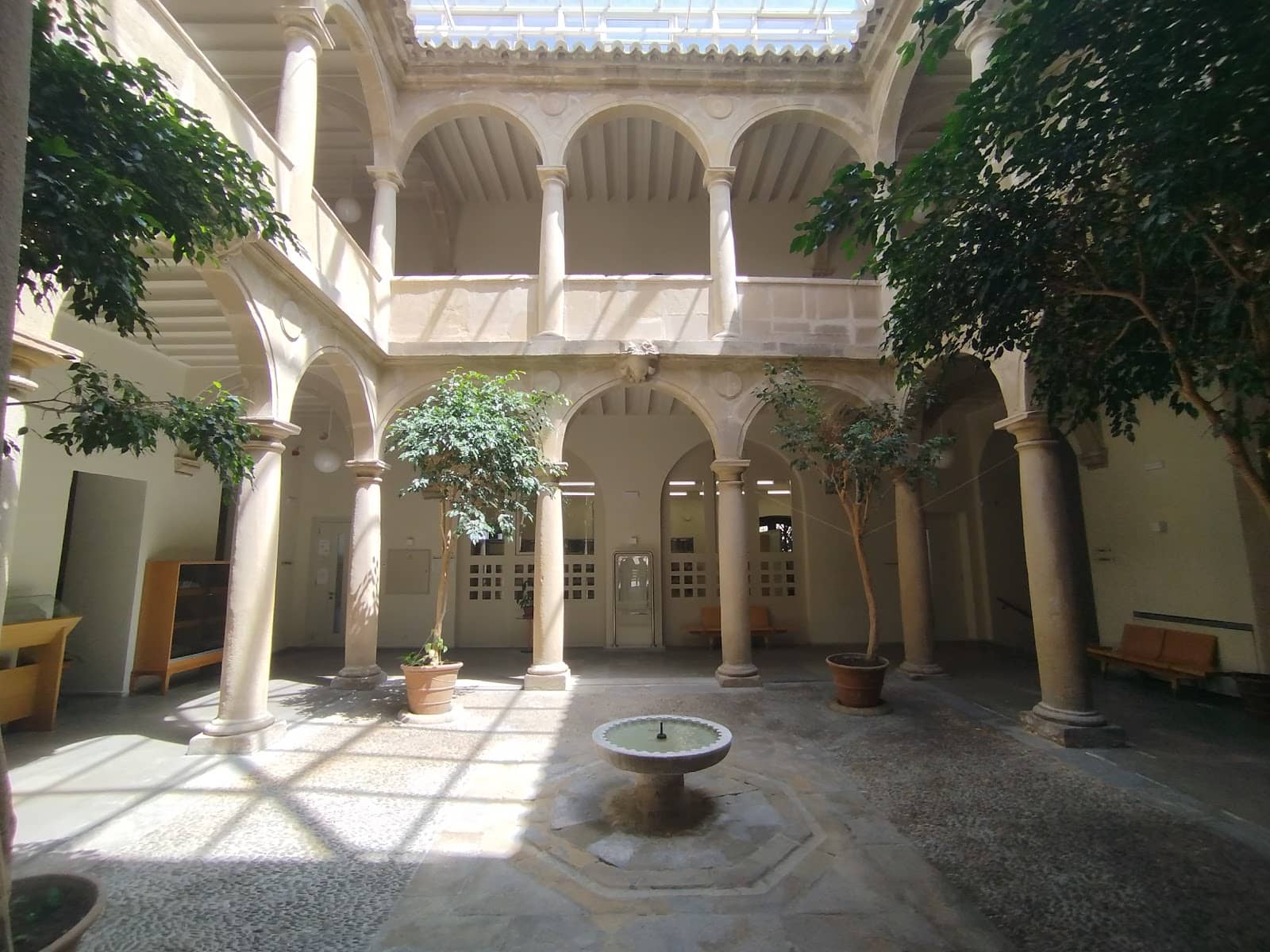
Highlights
Discover the most iconic attractions and experiences
The 'Vítor' Inscriptions
Facade overlooking Plaza de Santa María
Historic student graffiti from the 16th/17th centuries, made with bull's blood and iron oxide, commemorating achievements.

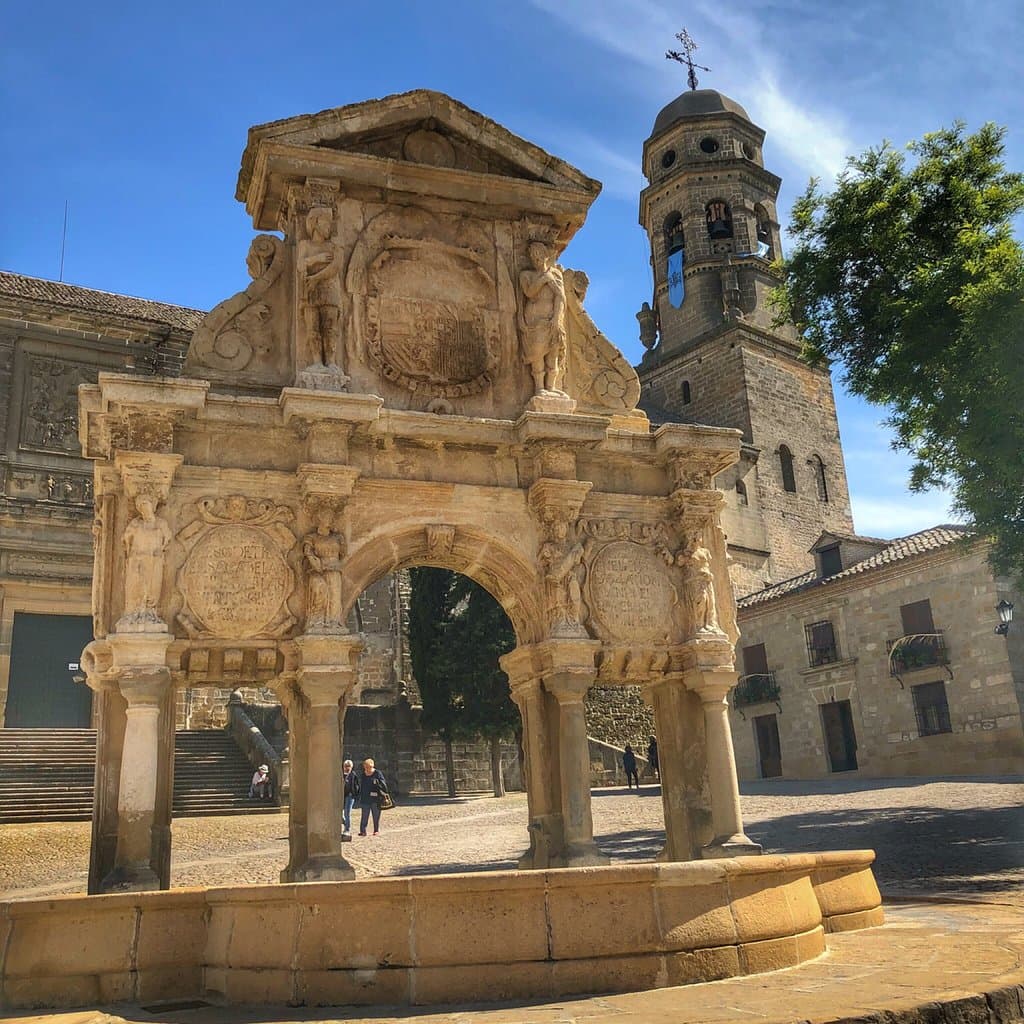
Plaza de Santa María
Main square
A beautiful square featuring the seminary, cathedral, and other historic buildings.
+1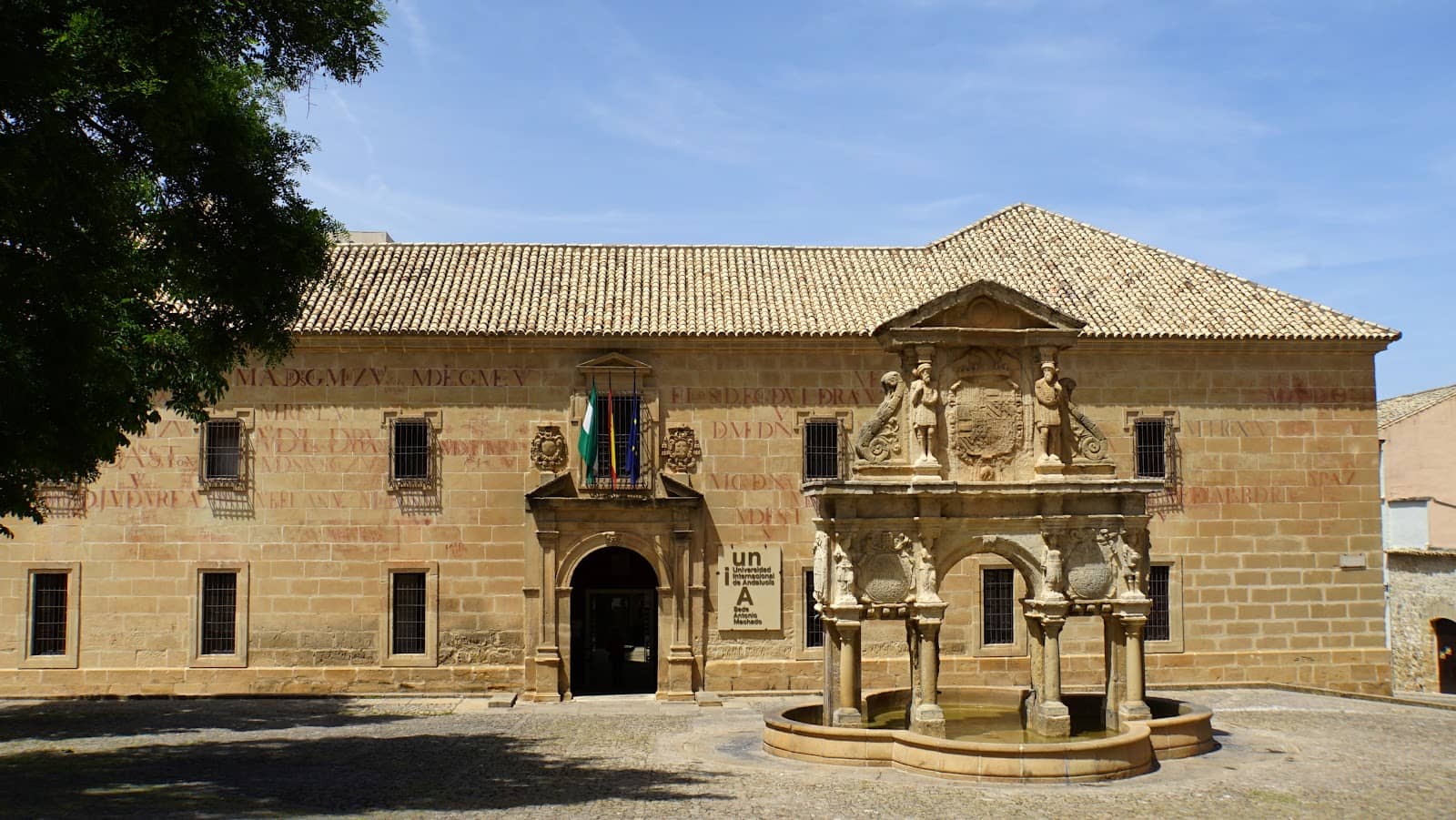
Architectural Austerity
Exterior facade
The seminary's facade is notably austere, framed by columns and heraldic shields, contrasting with the vibrant 'vítor' inscriptions.
Plans like a pro.
Thinks like you
Planning Your Visit
Discover the 'Vítor' Graffiti
Access and Current Use
Best Times
Insider Tips
from TikTok, Instagram & Reddit
📸 Admire the 'Vítor' Graffiti
Look closely at the reddish inscriptions on the facade; they're historic student graffiti!
🚶 Explore Plaza de Santa María
The seminary is part of a stunning square with a cathedral and other landmarks.
📚 UNIA Campus Insight
It's part of the International University of Andalusia campus.
📍 Location Context
Find it in Baeza, a UNESCO World Heritage city in Jaén, Spain.
Tips
from all over the internet
📸 Admire the 'Vítor' Graffiti
Look closely at the reddish inscriptions on the facade; they're historic student graffiti!
🚶 Explore Plaza de Santa María
The seminary is part of a stunning square with a cathedral and other landmarks.
📚 UNIA Campus Insight
It's part of the International University of Andalusia campus.
📍 Location Context
Find it in Baeza, a UNESCO World Heritage city in Jaén, Spain.
What Travellers Say
Reviews Summary
Visitors are captivated by the unique 'vítor' inscriptions on the seminary's facade, seeing them as a fascinating historical record of student life. The building's location in the beautiful Plaza de Santa María, alongside other significant landmarks, adds to its appeal. While interior access is limited due to its current use as a university campus, the exterior and its historical context are highly appreciated.
"The former seminary of San Felipe Neri was founded in 1660 for the training of priests in canon law and theology. It is currently part of the Antonio Machado Campus of the International University of Andalusia and serves as accommodation for students who teach courses at this university in the nearby Jabalquinto Palace.
The main entrance overlooks the Plaza de Santa María and is framed by two columns atop which are two heraldic shields. The façade is quite austere, without any adornment or ornamentation.
The large reddish letters on the facades, called "Vítores," stand out. Apparently, some students painted them during the 16th and 17th centuries to commemorate some important event. They painted them with bull's blood and iron oxide, written with an acanthus leaf. According to legend, only students from Baeza were allowed to do so, while those from Úbeda were prohibited.
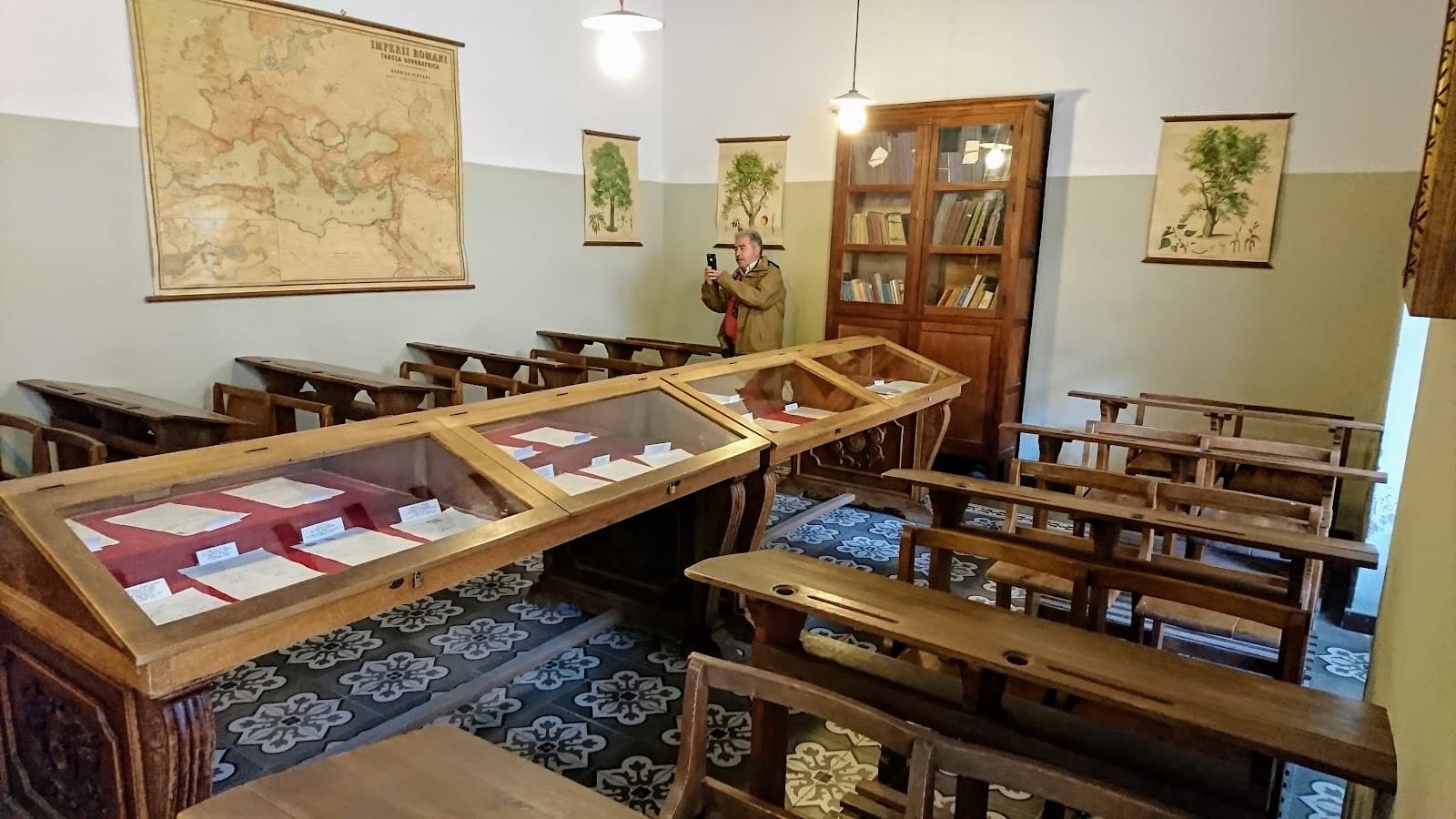
The interior is closed, as only students are allowed inside."
Fernando Patacona
"Another gem housed in the Plaza de Santa María is the Old San Felipe Neri Conciliar Seminary, which was commissioned in 1660 by Bishop Fernando de Andrade y Castro. It currently houses the Antonio Machado International University of Andalusia. The graffiti, or "cheers," that students made to commemorate some important achievement of theirs or that of their classmates are very interesting. They were made with bull's blood, acanthus leaves, and iron oxide. Depending on the chronicle you read, it says they were or were not allowed to do them. And even that those from Úbeda were not allowed to do so (due to rivalry between the two cities). There is a special cheer dedicated to Diego de los Cobos, a nobleman from the city of Úbeda."
Juan Salas
"One of the most prominent buildings in the heritage city, located in this Plaza de Santa María, is the Old San Felipe Neri Conciliar Seminary. It was commissioned in 1660 by Bishop Fernando de Andrade y Castro, and remained under the direction of the Fathers of the Oratory of San Felipe Neri.
In 1969, it ceased to function as a seminary and is currently one of the buildings in Baeza that houses the Antonio Machado Campus of the International University of Andalusia. The San Felipe Neri Seminary is located opposite the cathedral and its exterior appearance is very sober, except for some reddish graffiti on its façade. These inscriptions or cheers were made by former students who passed through the center. One could say they are graffiti from the 16th and 17th centuries. With these graffiti, young men left a record of their time at the seminary and celebrated their academic achievements or those of their classmates. Baeza is aware of the value of these cheers and has carefully curated them through several restoration processes, as they are a landmark on guided tours. The San Felipe Neri Seminary is not the only place where you'll find cheers; they are also found in private homes and other buildings. Regarding the interior of the seminary, it is worth noting that it has undergone many renovations, but the most significant was the one carried out in the 1990s to adapt the building to its current academic and residential use."
Israel Josué
What People Like
What People Dislike
Frequently Asked Questions
🚇 🗺️ Getting There
Seminario San Felipe Neri is located in the heart of Baeza, a UNESCO World Heritage city in Jaén, Spain. You can reach Baeza by car via the A-44 motorway. Public bus services also connect Baeza to major cities like Jaén and Granada. Once in Baeza, the seminary is easily accessible on foot, situated in the picturesque Plaza de Santa María.
Parking in the historic center of Baeza can be challenging. It's recommended to use public parking areas on the outskirts of the old town and walk to Plaza de Santa María. Some street parking might be available but is often limited.
While the interior of the seminary is primarily for university students, guided tours of Baeza often include the Plaza de Santa María and highlight the seminary's exterior and its 'vítor' inscriptions.
🎫 🎫 Tickets & Entry
No ticket is required to view the exterior of Seminario San Felipe Neri and explore Plaza de Santa María. The building currently serves as part of the Antonio Machado Campus of the International University of Andalusia, and its interior is generally not open to the public for general visits.
As the seminary is part of a university campus, there are no specific 'opening hours' for its exterior. The Plaza de Santa María is a public space and can be visited at any time.
The interior of the Seminario San Felipe Neri is primarily used by the International University of Andalusia and is generally closed to the public. Access is typically limited to students and faculty.
📸 📸 Photography
The most iconic photo opportunities are the 'vítor' inscriptions on the seminary's facade, especially when the light catches them. The entire Plaza de Santa María offers beautiful perspectives, with the seminary, cathedral, and fountain creating a picturesque scene.
Yes, photography of the exterior facade and the 'vítor' inscriptions is permitted. It's a popular spot for capturing the unique historical graffiti.
Early morning or late afternoon often provide the best light for photography, minimizing harsh shadows and highlighting the textures of the building and the 'vítor' inscriptions.
🎫 🏛️ History & Significance
Founded in 1660, it was originally a seminary for training priests. It later ceased to function as such and now houses part of the International University of Andalusia. Its facade is famous for the 'vítor' graffiti left by students.
The 'vítor' are unique reddish inscriptions on the seminary's facade, dating back to the 16th and 17th centuries. They were made by students using bull's blood and iron oxide to commemorate important events or achievements.
It's significant for its historical 'vítor' graffiti, its role in Baeza's architectural heritage, and its current function as a campus for the International University of Andalusia, contributing to the city's academic life.
For Different Travelers
Tailored advice for your travel style
👨👩👧 Families with Kids
+1Consider framing the 'vítor' as ancient student messages or secret codes. This can make the visit more engaging for younger visitors. Pack some snacks and water, as exploring the plaza and admiring the architecture can be a delightful, albeit brief, family outing.
🏛️ History Buffs
Beyond the 'vítor', the building's history as a seminary founded in 1660 and its current role within the International University of Andalusia provide a fascinating narrative of continuity and change. Its austere facade, juxtaposed with the vibrant historical graffiti, makes for a compelling study in architectural and social history.
Deep Dives
In-depth insights and expert knowledge
The Enigmatic 'Vítor' Inscriptions
Legend has it that only students from Baeza were permitted to create these 'vítor', adding a layer of local pride and historical context to their markings. The inscriptions are a testament to the lives and traditions of past students, offering a unique glimpse into the social history of the seminary. The city of Baeza has recognized their historical value and has undertaken restoration efforts to preserve these fascinating remnants of the past.
When visiting, take the time to examine these 'vítor' closely. They are a powerful reminder that historical sites are not just static monuments but places where real people lived, studied, and left their mark. The contrast between the austere architecture and these vibrant, historical inscriptions is striking and makes the Seminario San Felipe Neri a truly memorable sight.
Seminario San Felipe Neri and the UNIA
As a campus of the UNIA, the seminary hosts various courses and provides accommodation for students. This integration into the university system ensures the building remains a living part of the community, rather than just a historical relic. While this limits general public access to the interior, it highlights the building's continued relevance and its contribution to education in Andalusia.
Visitors can appreciate the seminary's dual identity: a historical monument with its unique 'vítor' inscriptions and a functional academic institution. This blend of past and present makes it an interesting stop for those interested in both history and contemporary Spanish education.

Social
from TikTok, Instagram & Reddit