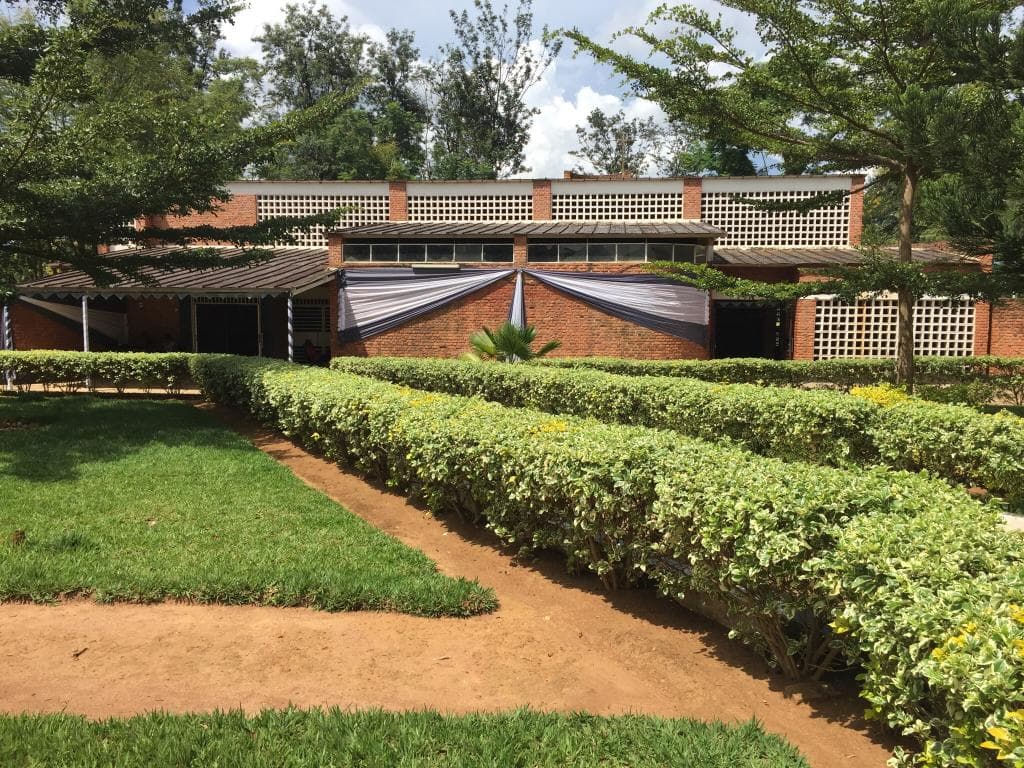
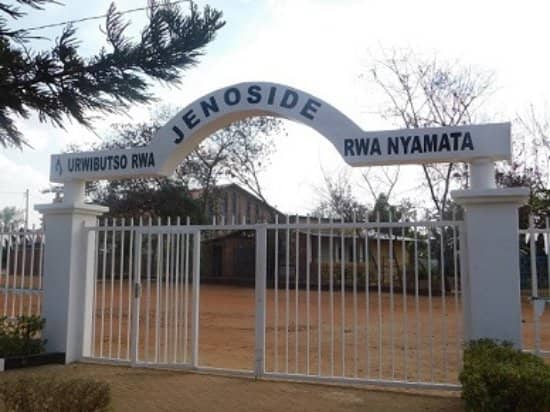
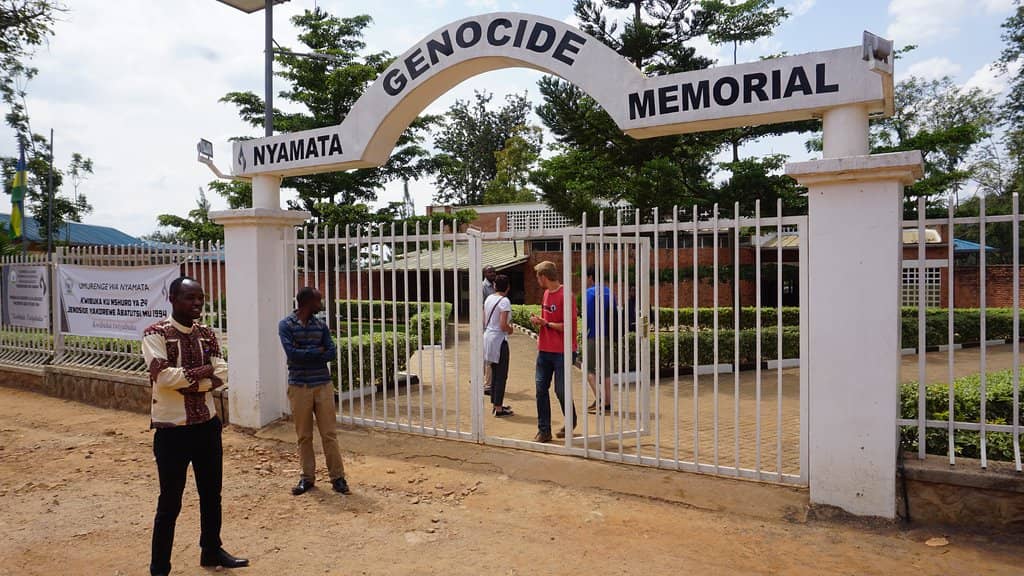
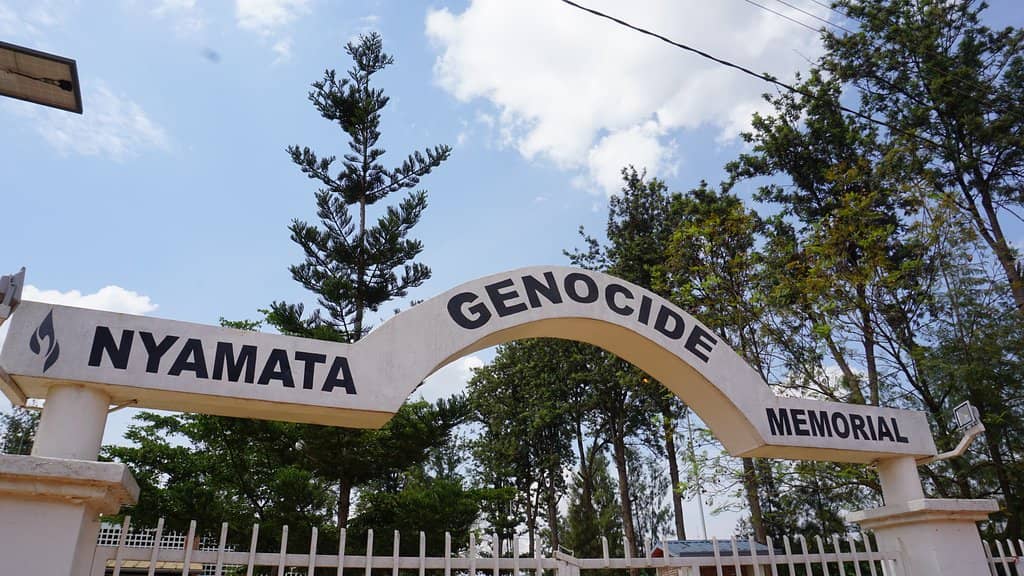
Nyamata Genocide Memorial
A solemn memorial preserving the harrowing reality of the 1994 Genocide against the Tutsi, offering a powerful space for remembrance and education.
Highlights
Must-see attractions

Social
From TikTok & Reddit
Best Time
Fewer crowds, more reflective atmosphere.
Nyamata Genocide Memorial
Best Time
Fewer crowds, more reflective atmosphere.
Highlights
Must-see attractions
A solemn memorial preserving the harrowing reality of the 1994 Genocide against the Tutsi, offering a powerful space for remembrance and education.
"A hard but important visit to preserve for humanity, offering profound perspective."
Go with a Guide
Guides offer crucial context and share deeply personal stories. :bustsinsilhouette:
No Photos Allowed
Photography is strictly prohibited inside the memorial. :camerawithflash:
Highlights
Discover the most iconic attractions and experiences
The Church Interior
Main Memorial Building
Witness the preserved clothing, skulls, and bones of victims, a stark reminder of the 1994 genocide.
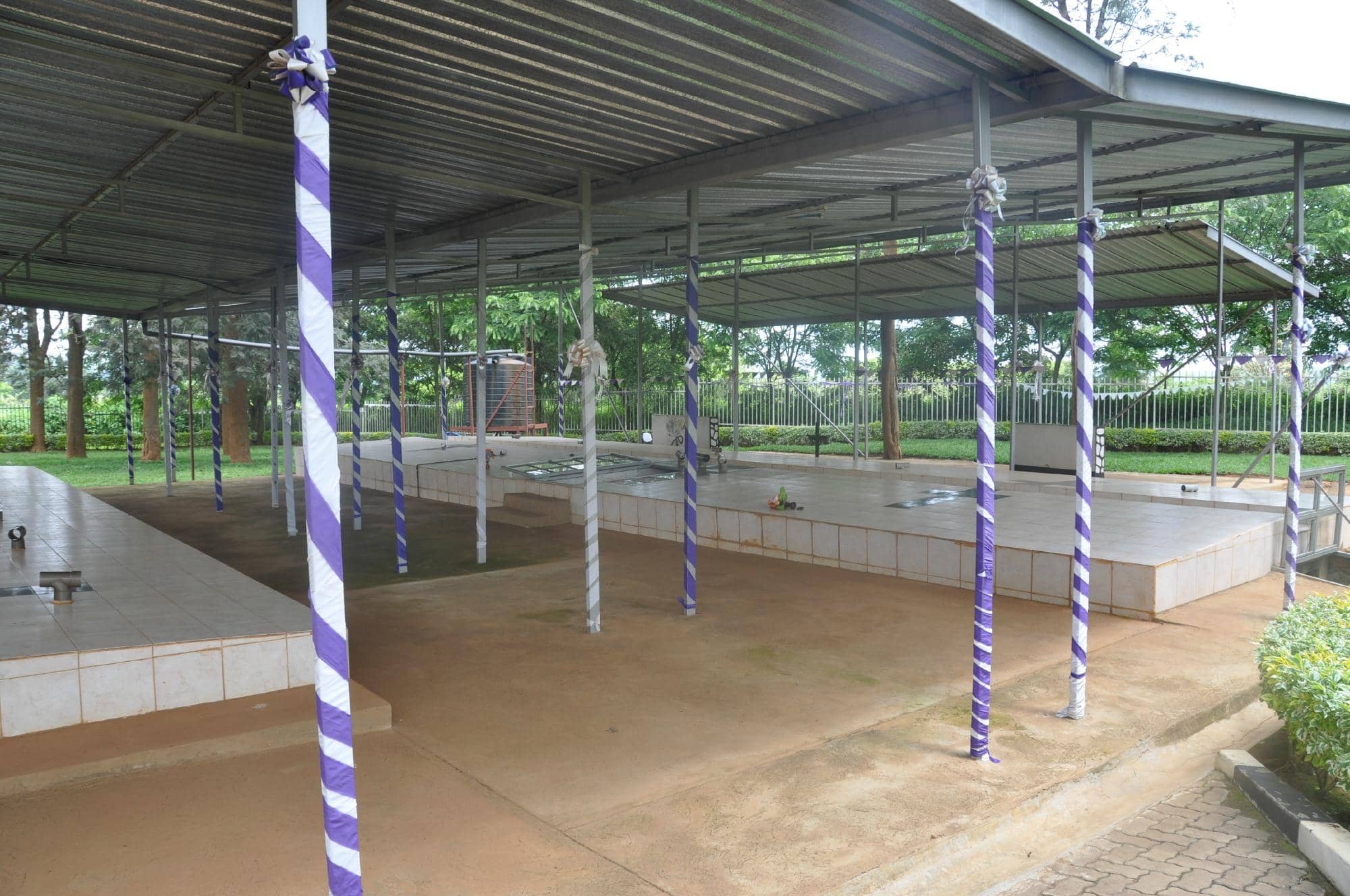
Mass Grave and Coffins
Behind the Church
See the mass grave where thousands were buried and individual coffins, a testament to the scale of the tragedy.
Survivor Stories
Throughout the Memorial
Hear harrowing accounts from guides about the atrocities, offering a personal and impactful perspective.
Plans like a pro.
Thinks like you
Planning Your Visit
Prepare for a Profound Experience
Respectful Visitation is Key
Best Times
Insider Tips
from TikTok, Instagram & Reddit
Go with a Guide
Guides offer crucial context and share deeply personal stories. :bustsinsilhouette:
No Photos Allowed
Photography is strictly prohibited inside the memorial. :camerawithflash:
Dress Respectfully
Modest clothing is recommended out of respect for the site. :dress:
Prepare for Emotion
The exhibits are graphic and can be emotionally challenging. :sob:
Tips
from all over the internet
Go with a Guide
Guides offer crucial context and share deeply personal stories. :bustsinsilhouette:
No Photos Allowed
Photography is strictly prohibited inside the memorial. :camerawithflash:
Dress Respectfully
Modest clothing is recommended out of respect for the site. :dress:
Prepare for Emotion
The exhibits are graphic and can be emotionally challenging. :sob:
Donations Welcome
Entrance is free, but donations help maintain the memorial. :moneybag:
What Travellers Say
Reviews Summary
Visitors describe Nyamata Genocide Memorial as a profoundly moving and essential site for understanding the 1994 genocide. While the exhibits are graphic and emotionally challenging, the memorial is praised for its authenticity and the impactful storytelling of the guides. It's considered a vital place for remembrance and education, though not suitable for children.
"The story of this one of many hundreds of incidents that happened throughout Rwanda in 1994.
This was the site of a horrific massacre of men, women, children and babies and the evidence of this has been left as a reminder of just how barbaric a time that was. From victims clothing, bullet and shrapnel damage, to skulls and bones and hand written notes of those that were killed.
The guide does not hold back and is extremely candid regarding the violence shown to these people and makes no apology for that.
This site remains an unescorted site of interest and memorial to remind generations of the slaughter caused by division and misinformation.
The museum is free and only asks for a donation before you leave. It is not suitable for children or those who are easily upset. It’s a hard one to visit but such an important place to preserve for humanity."
Simon Giles
"Well kept memorial a sobering but dignifying tribute to the lives lost inside the compound of the Catholic Church and surrounding area. All but 7 of the 10000 who sought refuge there perished in the atrocity perpetrated by the killers. The remains of 45000 people are in a mass grave behind the church. Do visit and support this memorial if you are in the area"
Richard Hedden
"This memorial was the church where more than 2,000 Tutsis were slaughtered by Hutus in 1994. Since 1959, the Tutsis have been systematically targeted by the Hutus and Tutsis would always sought refuge in this church. They always survived but not in 1994 when the iron entrance of the church was destroyed by a grenade and the killers went up the roof and fired at the people inside. Some survived by playing dead. It took three weeks before the remains were attendee to. By then, the bodies already decomposed. The clothing of the deceased are arranged in rows inside the church while the skulls are on display inside an encased cabined in the basement. You can tell from holes and cracks in the skulls how the victims suffered a painful death. A coffin of a 26 year-old woman is placed at the bottom of the basement. Her story is harrowing!
During our visit, we saw bones of about 6 people being dried outside the church. A woman who seated nearby voluntarily told us that the bones belong to members of her family. We found out that these bones were excavated from a grave somewhere two days ago. We learned that many bones are yet to be discovered. The woman seemed relieved that she has finally a closure on the fate of her family members.
This place is more authentic than the Kigali Genocide Memorial. I felt like I was punched in the gut looking at the remnants of the horrors of the massacre and hearing the anecdotes the guide shared. Entrance to the memorial is free but I would encourage guests to donate a couple of dollars or more. The tour could take about 20 minutes. Photo-taking is prohibited."
Elmer Lighid
What People Like
What People Dislike
Frequently Asked Questions
🚇 🗺️ Getting There
The Nyamata Genocide Memorial is located in Bugesera District, about an hour's drive from Kigali. You can hire a taxi or take a public bus towards Nyamata. Many visitors opt for organized tours that include transportation from Kigali for convenience. 
Once you're in Nyamata town, local taxis and minibuses are available for onward travel. If you're on a tour, transportation will typically be arranged.
The journey from Kigali to Nyamata Genocide Memorial typically takes around 1 to 1.5 hours, depending on traffic conditions.
🎫 🎫 Tickets & Entry
Entrance to the Nyamata Genocide Memorial is free. However, donations are highly encouraged to support the upkeep and preservation of the site.
No, advance booking is not required for individual visitors. You can typically walk in. For guided tours, it's advisable to book in advance with your chosen tour operator.
The memorial is generally open daily, but specific hours can vary. It's best to check with local sources or your tour provider for the most up-to-date information.
Due to the graphic nature of the exhibits, the memorial is not recommended for young children or those easily upset. Parental discretion is advised.
🎫 🧭 Onsite Experience
Photography is strictly prohibited inside the memorial buildings and at the burial sites. This is to maintain the solemnity and respect for the victims.
A visit can take anywhere from 30 minutes to 1.5 hours, depending on whether you take a guided tour and how much time you spend reflecting.
Yes, guides are available and highly recommended. They provide invaluable context and share personal stories that deepen the understanding of the events.
It's important to dress respectfully. Modest clothing, covering shoulders and knees, is appropriate for this solemn site.
The memorial is a deeply moving and somber place. Visitors often describe feeling heartbroken, humbled, and profoundly impacted by the stories and exhibits.
🍽️ 🍽️ Food & Dining
There are limited dining options directly at the memorial. You'll find more local eateries and restaurants in Nyamata town itself, or you can plan to eat before or after your visit in Kigali.
It's generally best to consume food and drinks outside the memorial grounds to maintain the respectful atmosphere.
📸 📸 Photography
No, photography is strictly forbidden inside the memorial and at the burial sites. This rule is in place to honor the victims and maintain the sanctity of the place.
You can take photos of the exterior grounds and the surrounding landscape, but always be mindful of the solemn nature of the location.
For Different Travelers
Tailored advice for your travel style
👨👩👧 Families with Kids
If you are traveling with older teenagers who have a mature understanding of history and sensitive topics, a guided visit might be considered, but it is crucial to gauge their emotional readiness beforehand. Prioritize visiting the Kigali Genocide Memorial first, as it offers a more curated and less graphic introduction to the genocide for younger audiences.
🙏 Those Seeking Reflection
Allow yourself ample time to process the emotions that arise. The quiet atmosphere, punctuated by the guide's narrative, encourages introspection. It's a place to bear witness, to honor the lives lost, and to contemplate the importance of peace and humanity. Consider a quiet moment of reflection in the grounds after your tour.
Deep Dives
In-depth insights and expert knowledge
The Significance of Nyamata
Inside the memorial, visitors are confronted with the stark reality of the genocide. Preserved clothing of the victims, their skulls, and bones are displayed, alongside handwritten notes detailing their final moments. The guide's narrative is unflinching, recounting the barbaric acts with candor. The sheer volume of loss is further emphasized by the mass grave behind the church, containing the remains of approximately 45,000 people, and individual coffins representing those whose identities could be confirmed.
Visiting Nyamata is not merely an act of sightseeing; it is a profound act of remembrance and a commitment to ensuring such atrocities are never repeated. The memorial serves as a crucial educational tool, reminding future generations of the devastating consequences of hatred, division, and misinformation. While emotionally challenging, it is considered an essential experience for understanding Rwanda's history and its journey towards healing and reconciliation.
Understanding the 1994 Genocide
The violence was widespread and brutal, often carried out with machetes and clubs. The Nyamata Genocide Memorial, along with other sites like the Kigali Genocide Memorial and Murambi Genocide Memorial, serves as a critical space for remembering the victims and understanding the mechanisms that led to such widespread violence. These memorials are not just places of mourning but also centers for education and prevention.
Efforts to rebuild Rwanda have been significant, with a strong emphasis on national unity and reconciliation. The memorials play a vital role in this process, ensuring that the past is not forgotten and that lessons learned are passed on to prevent future atrocities. The phrase 'Kwibuka' (to remember) is central to Rwanda's commemoration efforts.
+1


Social
from TikTok, Instagram & Reddit