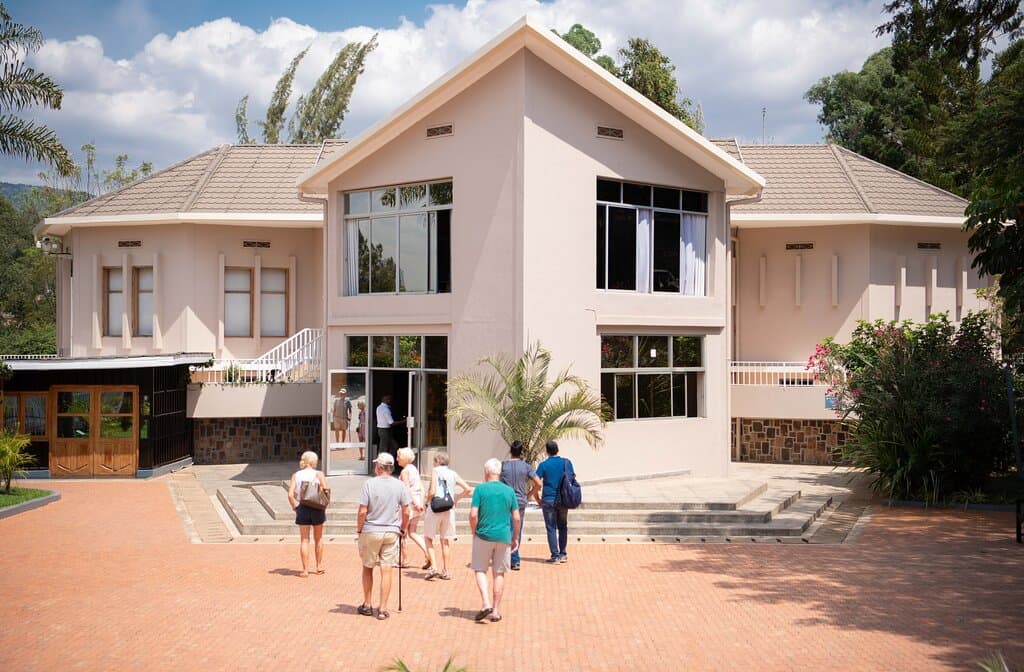
Kigali Genocide Memorial
A solemn tribute to the victims of the 1994 Rwandan genocide, offering powerful exhibits and a space for remembrance and reflection.
Highlights
Must-see attractions

Social
From TikTok & Reddit
Best Time
Fewer crowds, more reflection time
Kigali Genocide Memorial
Best Time
Fewer crowds, more reflection time
Highlights
Must-see attractions
A solemn tribute to the victims of the 1994 Rwandan genocide, offering powerful exhibits and a space for remembrance and reflection.
"This place will move your soul; a haunting reminder of history and a testament to resilience."
Emotional Preparation Needed
Be ready for a deeply moving experience; tears are common.
No Photos Inside
Photography is not allowed inside the main museum out of respect.
Highlights
Discover the most iconic attractions and experiences
The Main Exhibition
A poignant display of photos, artifacts, and personal accounts detailing the 1994 genocide.
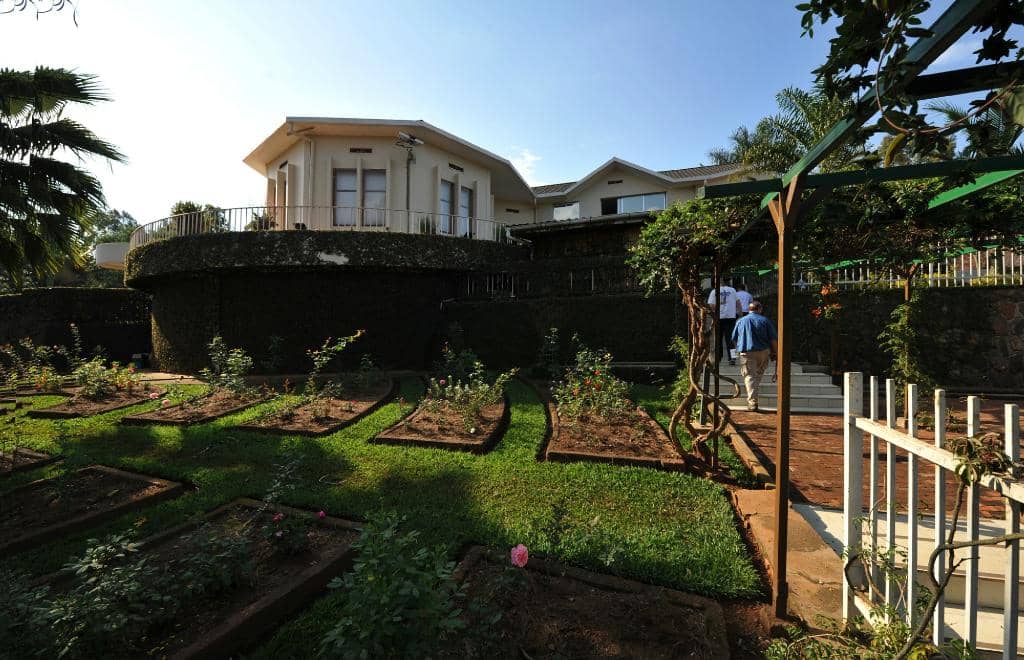
Victims' Gravesites
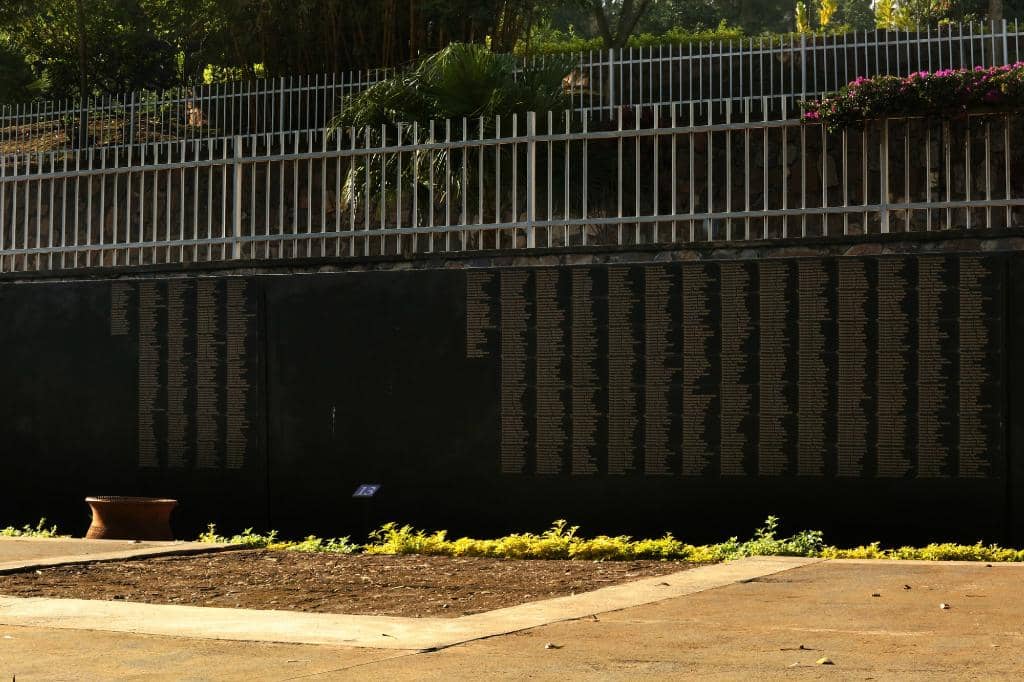
A solemn resting place for thousands of victims, a powerful visual reminder of the scale of loss.
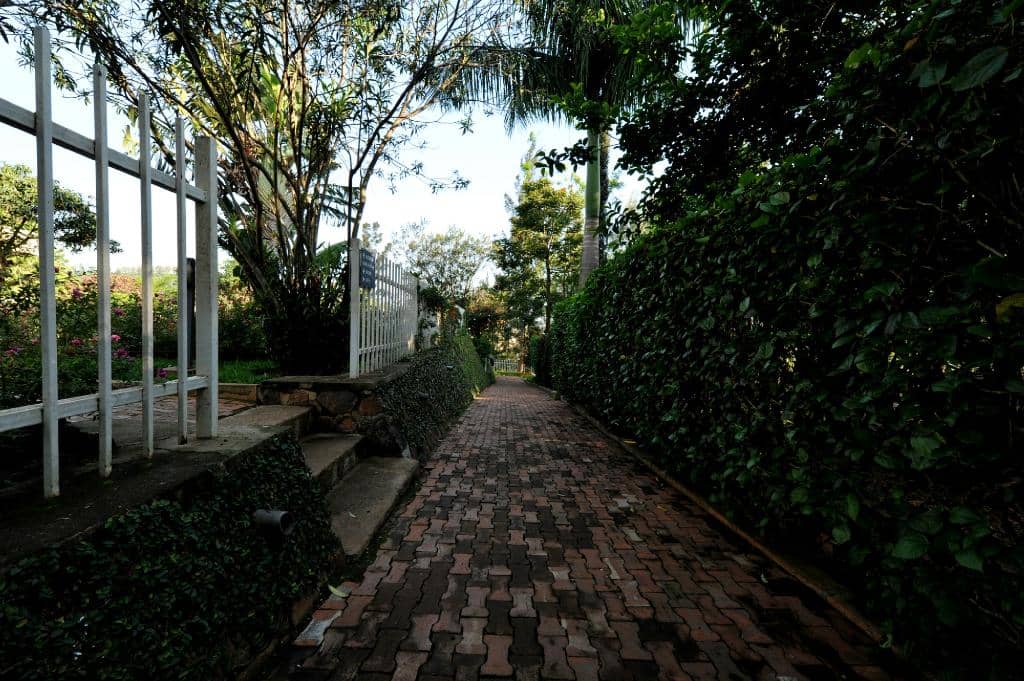
Children's Memorial
A heartbreaking section dedicated to the youngest victims of the genocide.
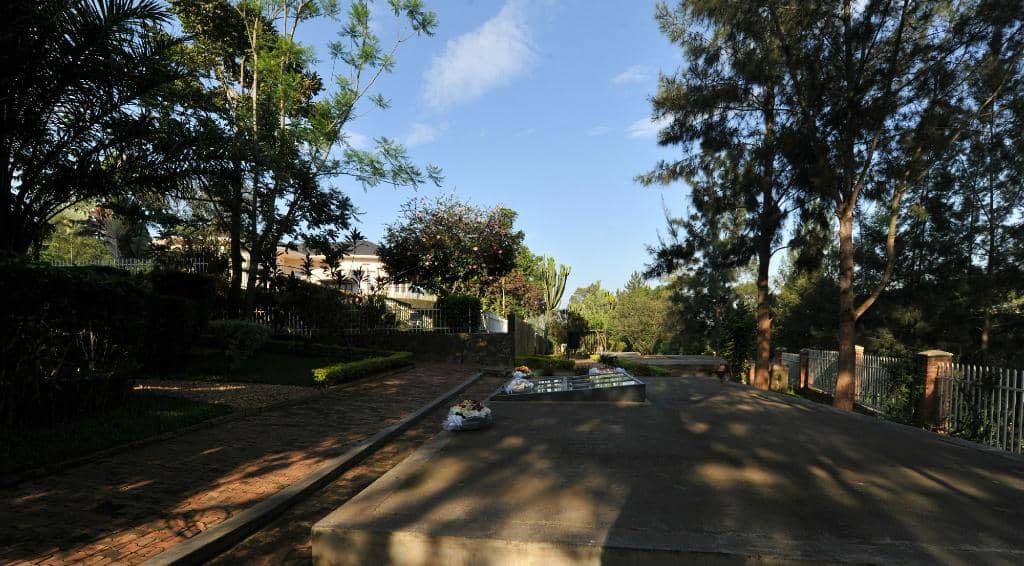
Global Genocide Exhibit
Contextualizes the Rwandan genocide within a broader history of atrocities worldwide.
Plans like a pro.
Thinks like you
Planning Your Visit
Prepare for an Emotional Journey

Respectful Visit is Key
Best Times
Insider Tips
from TikTok, Instagram & Reddit
Emotional Preparation Needed
Be ready for a deeply moving experience; tears are common.
No Photos Inside
Photography is not allowed inside the main museum out of respect.
Consider Audio Guides
Rent an audio guide for a deeper understanding of the exhibits.
Allow Ample Time
Give yourself at least 2-3 hours to fully absorb the memorial.
Tips
from all over the internet
Emotional Preparation Needed
Be ready for a deeply moving experience; tears are common.
No Photos Inside
Photography is not allowed inside the main museum out of respect.
Consider Audio Guides
Rent an audio guide for a deeper understanding of the exhibits.
Allow Ample Time
Give yourself at least 2-3 hours to fully absorb the memorial.
Voluntary Contributions
Entry is free, but donations are appreciated to support the memorial.
What Travellers Say
Reviews Summary
Visitors consistently describe the Kigali Genocide Memorial as a deeply moving and essential experience, highlighting its poignant exhibits and the powerful reminder of history. While emotionally challenging, it's praised for its educational value and its portrayal of Rwanda's resilience and progress. Some find the content extremely difficult to view, but acknowledge its importance for remembrance and learning.
"Go there's with some emotional preparation as this place will move your soul. The memorial captures the brutal memories of the past so poignantly that one can't stop the tears flowing from their eyes. Every section of the memorial is such a haunting reminder to the history of this beautiful country. I would love to go there again sometime soon."
Robin Keshaw
"The Kigali genocide memorial offers chilling details of the event of 1994. You get firsthand information and it's a good avenue to learn and remember what really happened. But it doesn't stop there, it shows how much progress Rwanda had made in just three decades after that event."
Sy Maro
"Very well done memorial to honor the victims of the Rwanda Genocide. Be prepared to be overwhelmed with the sadness of what happened. It's impossible to understand how people could turn against each other in this way."
Judy Merritt
What People Like
What People Dislike
Frequently Asked Questions
🚇 🗺️ Getting There
The memorial is located in Gisozi, Kigali. Taxis are readily available and are the most convenient way to reach it. You can also use ride-sharing apps. +1
Yes, taxis and ride-sharing services are usually available for pick-up. It's advisable to have your driver's contact information or arrange for a pick-up in advance.
Depending on your accommodation, walking might be possible, but Kigali is hilly. Taxis or tuk-tuks are generally recommended for comfort and efficiency.
The memorial is typically open daily from 8:00 AM to 5:00 PM. It's always a good idea to check their official website for the most up-to-date hours.
The memorial has made efforts to be accessible, but it's best to contact them directly for specific accessibility information regarding ramps and pathways.
🎫 🎫 Tickets & Entry
There is no entry fee for the Kigali Genocide Memorial. However, voluntary contributions are highly encouraged to support its upkeep and educational programs.
No, advance booking is not typically required for general entry. You can usually walk in.
Yes, audio guides are available for rent at a fee, offering a more in-depth understanding of the exhibits.
While audio guides are available, official guided tours might be offered by memorial staff. It's best to inquire upon arrival or check their website.
Filming and photography are strictly prohibited inside the main museum buildings out of respect for the victims.
🎫 🤔 Onsite Experience
Expect a deeply emotional and educational experience. The memorial features exhibits, personal stories, and gravesites that powerfully convey the events of 1994.
Most visitors spend between 2 to 3 hours to fully engage with the exhibits and reflect on the history.
No, photography is not permitted inside the main exhibition halls out of respect for the victims and survivors.
The children's memorial is a particularly heartbreaking section dedicated to the young lives lost during the genocide, serving as a stark reminder of the tragedy's impact on all ages.
Yes, the memorial typically has restrooms available for visitors. It's advisable to bring your own water bottle, though some facilities might be available for purchase.
🍽️ 🍽️ Food & Dining
There are several restaurants and cafes in Kigali offering various cuisines. For local Rwandan dishes, look for 'bistro' or 'restaurant' signs.
Food and drinks are generally not permitted inside the exhibition areas of the memorial. There might be designated areas outside.
Kigali offers a mix of local and international cuisine. Popular local dishes often include grilled meats, stews, and plantains.
Exploring local markets or smaller eateries away from the main tourist hubs can offer more affordable food options.
It is generally recommended to drink bottled or purified water in Kigali to avoid any potential stomach issues.
📸 📸 Photography
Photography is prohibited inside the main museum. However, you can take photos of the exterior grounds, gardens, and the memorial walls.
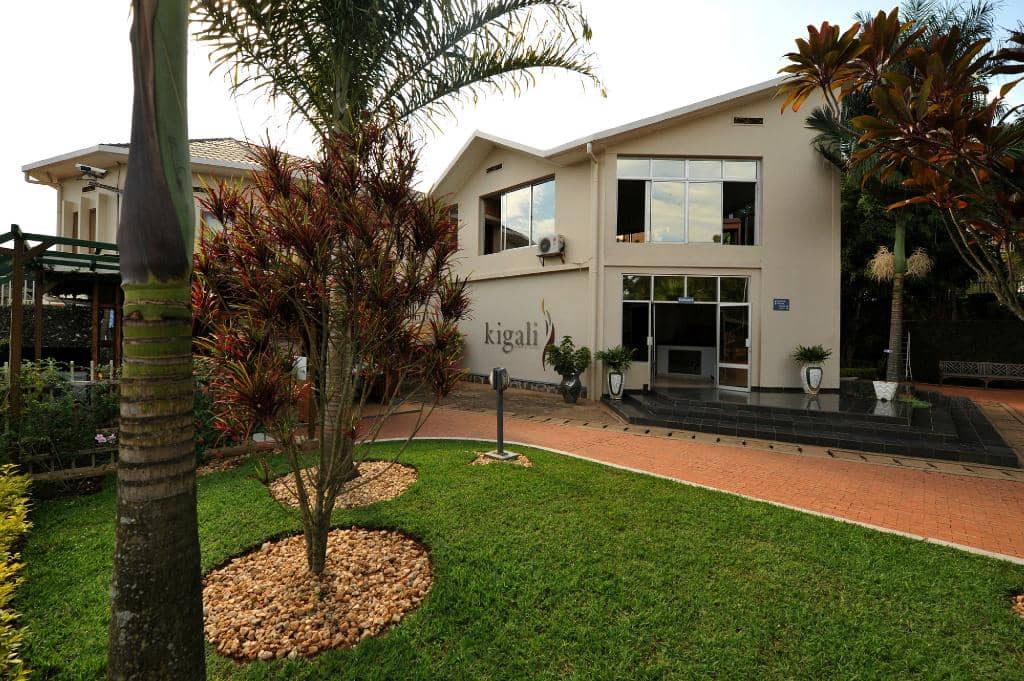
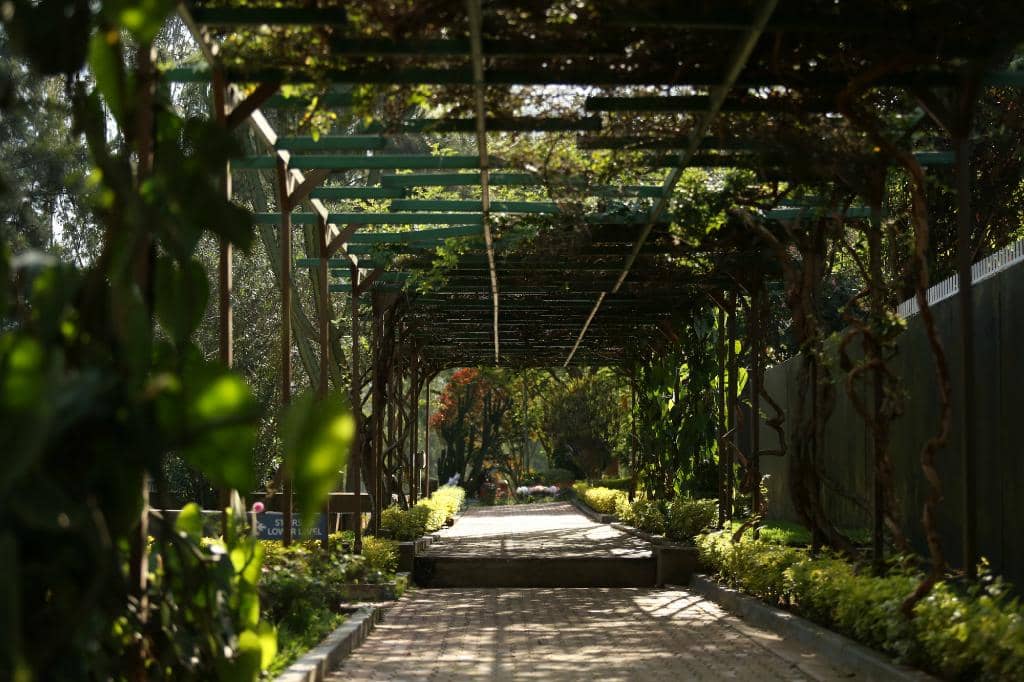
The gardens and the exterior memorial walls offer poignant and respectful photo opportunities. The entrance area also provides a good backdrop.
Drone photography is generally not permitted at sensitive sites like genocide memorials due to privacy and security concerns.
Visitors often share photos of the memorial's architecture, the serene gardens, and the exterior memorial walls, focusing on remembrance and resilience.
Selfies are generally discouraged inside the memorial out of respect. If taken outside, ensure they are respectful of the solemn nature of the site.
For Different Travelers
Tailored advice for your travel style
👨👩👧 Families with Kids
Focus on the themes of remembrance, resilience, and the importance of peace.
+1 Outside the main exhibition, the gardens offer a more serene space for reflection. Consider renting an audio guide to help tailor the narrative for younger audiences, focusing on the lessons of unity and preventing future atrocities. 🤔 Reflective Travelers
The memorial offers a profound and often somber reflection on the consequences of hatred and the power of forgiveness. +1 Engage with the personal stories and exhibits to gain a nuanced perspective on the genocide and Rwanda's subsequent journey. +1Consider dedicating a significant portion of your day to this visit, allowing time for contemplation.
+1Deep Dives
In-depth insights and expert knowledge
Understanding the 1994 Genocide Against the Tutsi
The memorial meticulously documents the historical context, the escalation of violence, and the devastating impact on individuals and the nation. It's a place for remembrance, learning, and ensuring that such atrocities are never repeated. +1Visitors can expect to see heartbreaking exhibits including photographs, personal testimonies, and artifacts that bring the tragedy to life. The children's memorial is particularly poignant, highlighting the innocence lost.
Beyond the immediate events, the memorial also contextualizes the Rwandan genocide within a global history of atrocities, drawing parallels and emphasizing the universal lessons learned. The auditory guides are highly recommended for a comprehensive understanding of the complex historical narrative. The memorial is not just about remembering the past but also about celebrating Rwanda's remarkable journey towards healing, unity, and reconciliation.
+1 It stands as a testament to the resilience of the Rwandan people and their commitment to building a peaceful future. +1 The grounds themselves, including the gardens and the final resting place for thousands of victims, are designed to be a space for reflection and remembrance. Kigali: Africa's Cleanest and Safest City
This reputation for cleanliness extends to its safety. Visitors frequently comment on feeling secure walking around the city at any time of day.
Social
from TikTok, Instagram & Reddit