Dostoevsky Monument
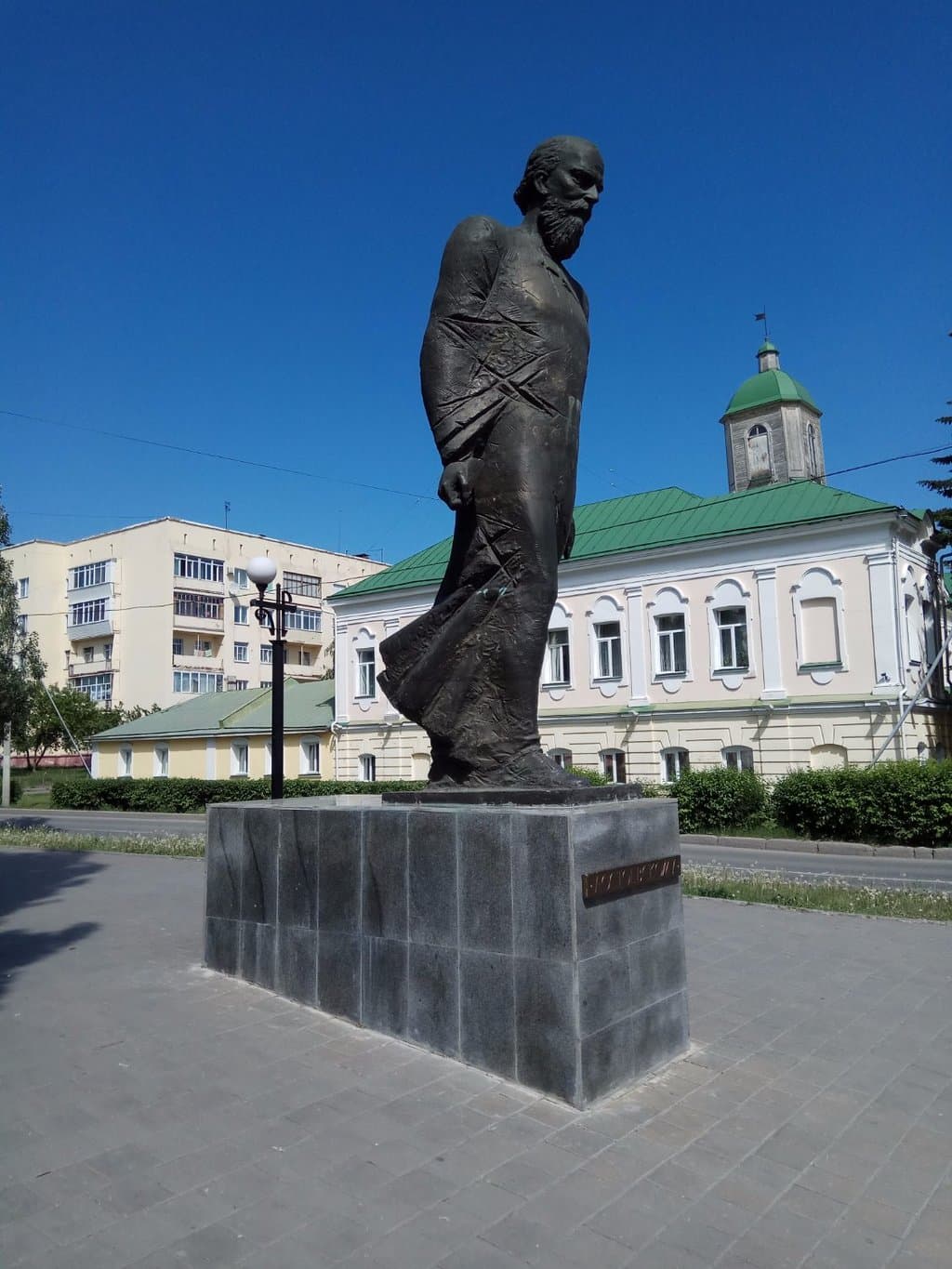
A poignant monument in Omsk commemorating Fyodor Dostoevsky's formative years as a prisoner, deeply influencing his literary genius.
Highlights
Must-see attractions

Social
From TikTok & Reddit
Best Time
Pleasant weather, fewer people
Dostoevsky Monument
Best Time
Pleasant weather, fewer people
Highlights
Must-see attractions
A poignant monument in Omsk commemorating Fyodor Dostoevsky's formative years as a prisoner, deeply influencing his literary genius.
"A powerful tribute to Dostoevsky's resilience and literary impact, set in the heart of Omsk."
📸 Capture the mood
Visit during golden hour for dramatic lighting that enhances the monument's somber feel.
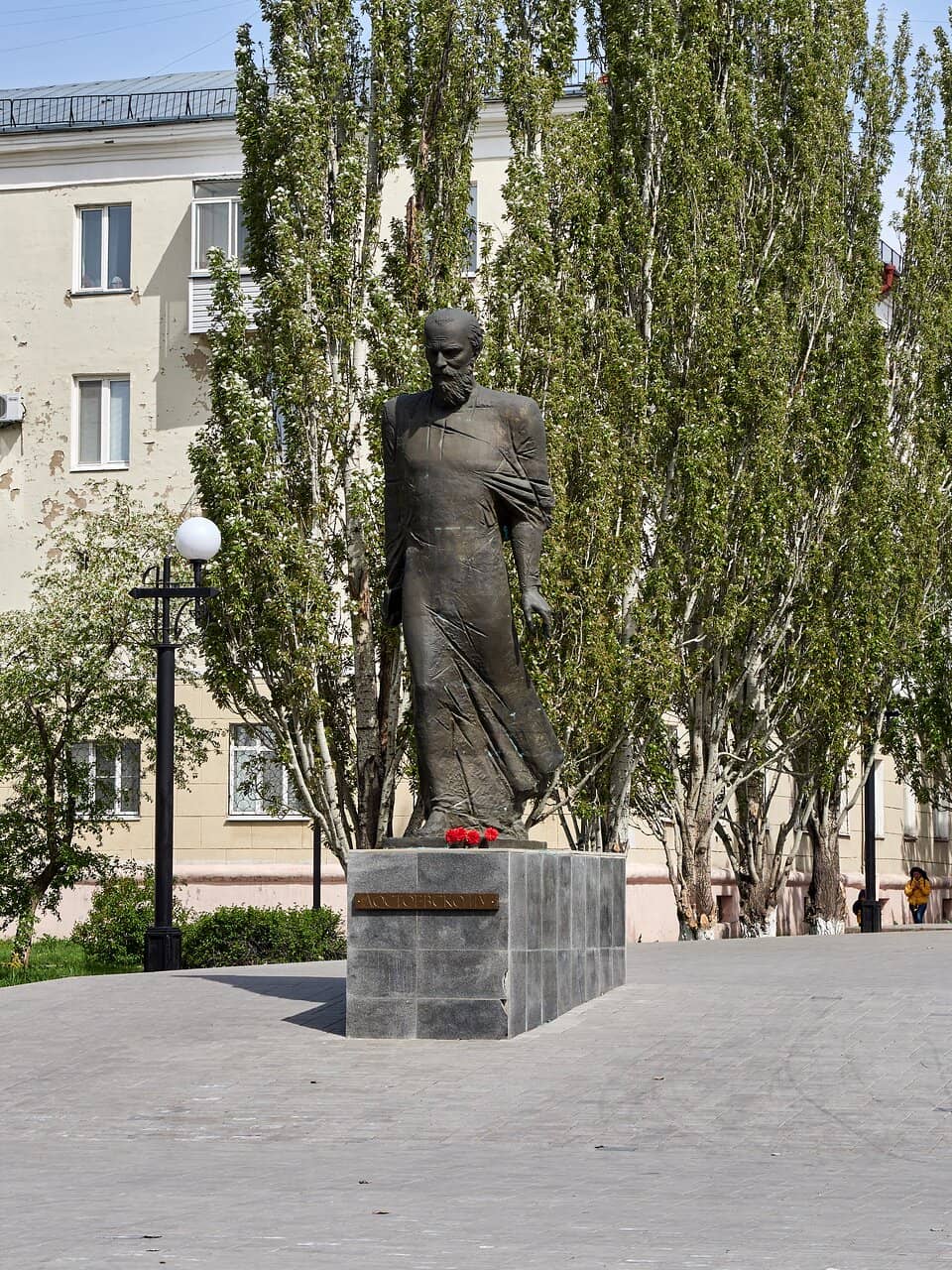
🙏 Lay flowers
Visitors often lay flowers, a touching tribute to the writer's legacy.
Highlights
Discover the most iconic attractions and experiences
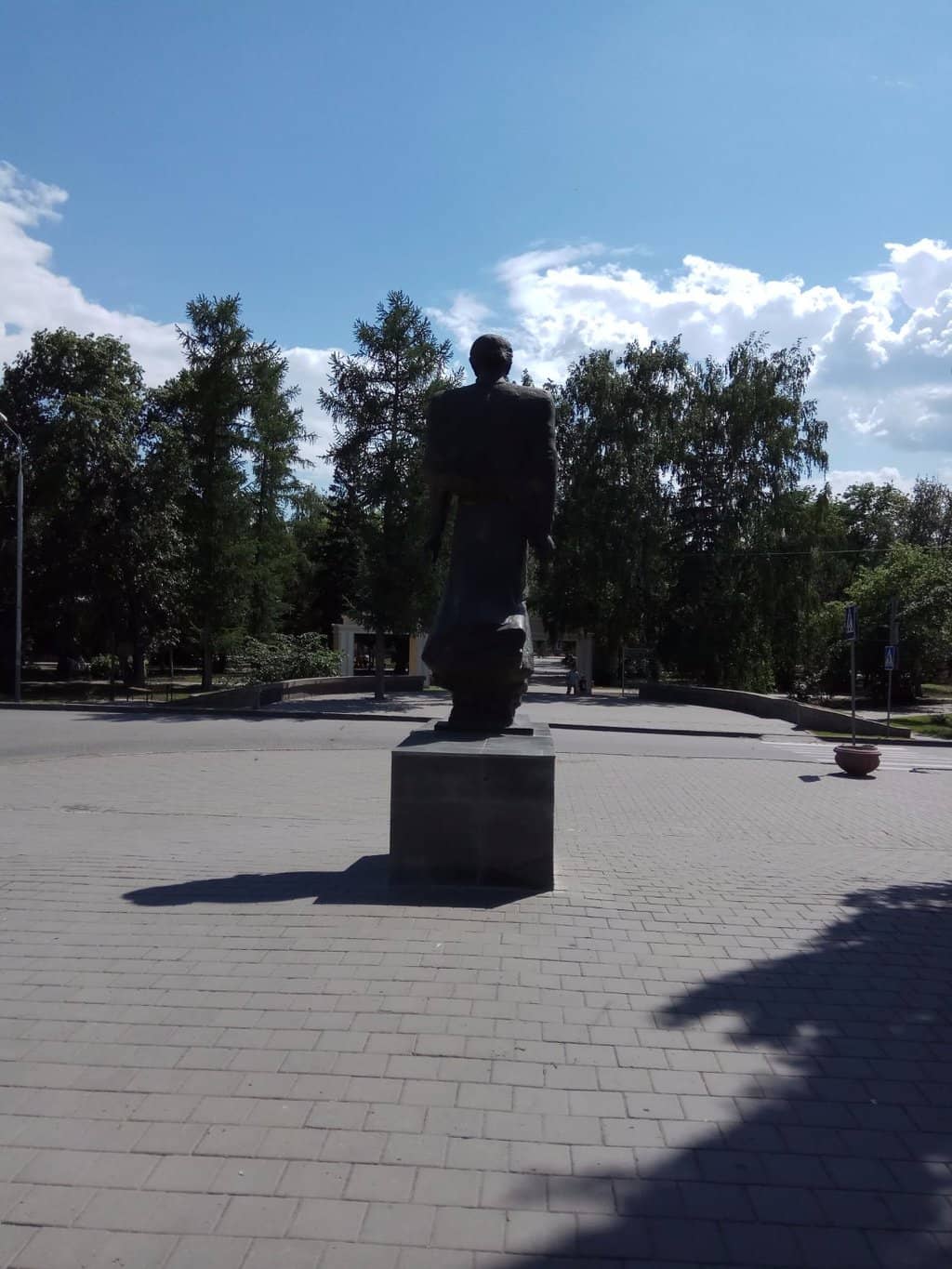
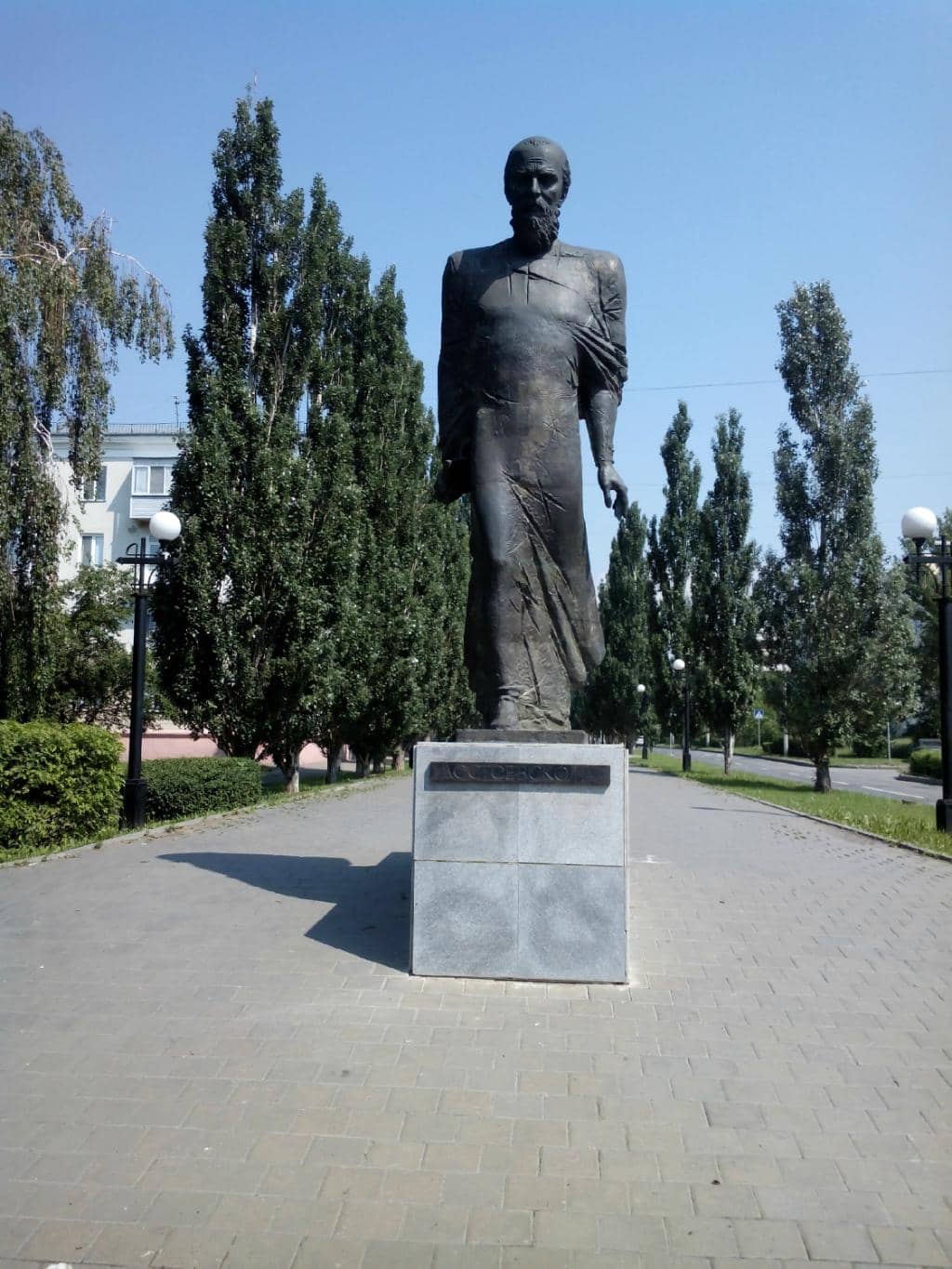
Pensive Dostoevsky
Intersection of Partizanskaya and Spartakovskaya Streets
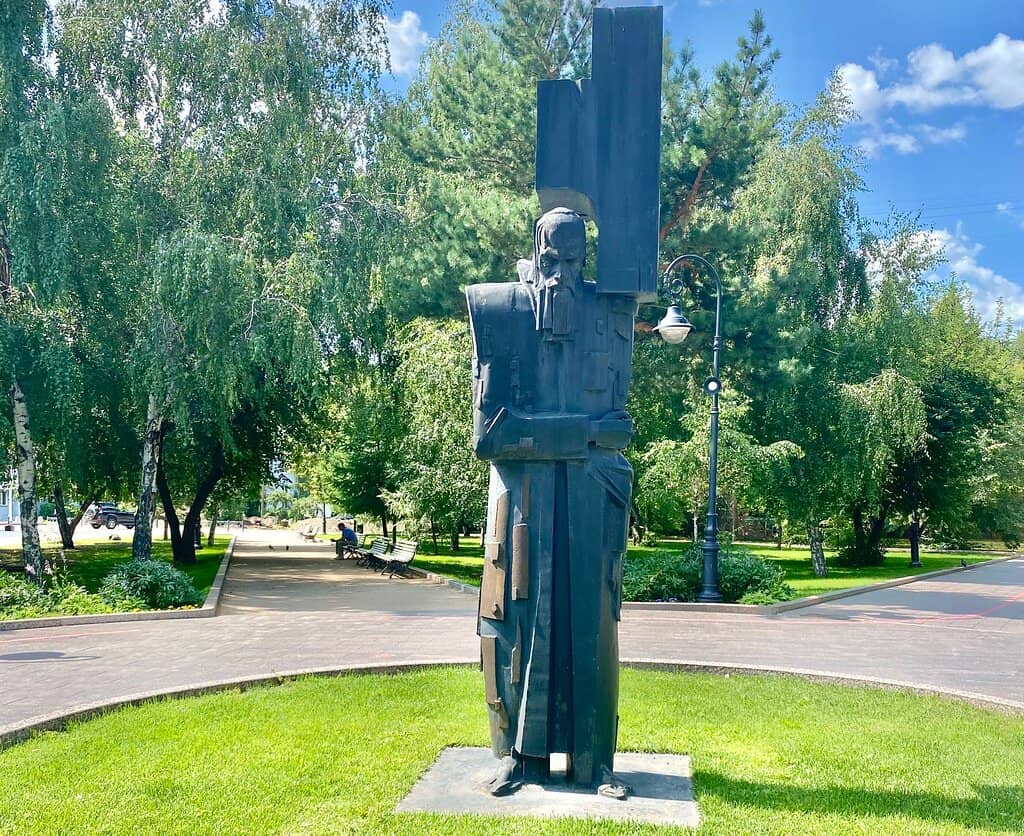
A five-meter-tall sculpture capturing Dostoevsky in deep thought, holding the Gospel.
Literary Legacy
Base of the monument
The sculpture is adorned with books, symbolizing his profound literary contributions.
Symbolic Setting
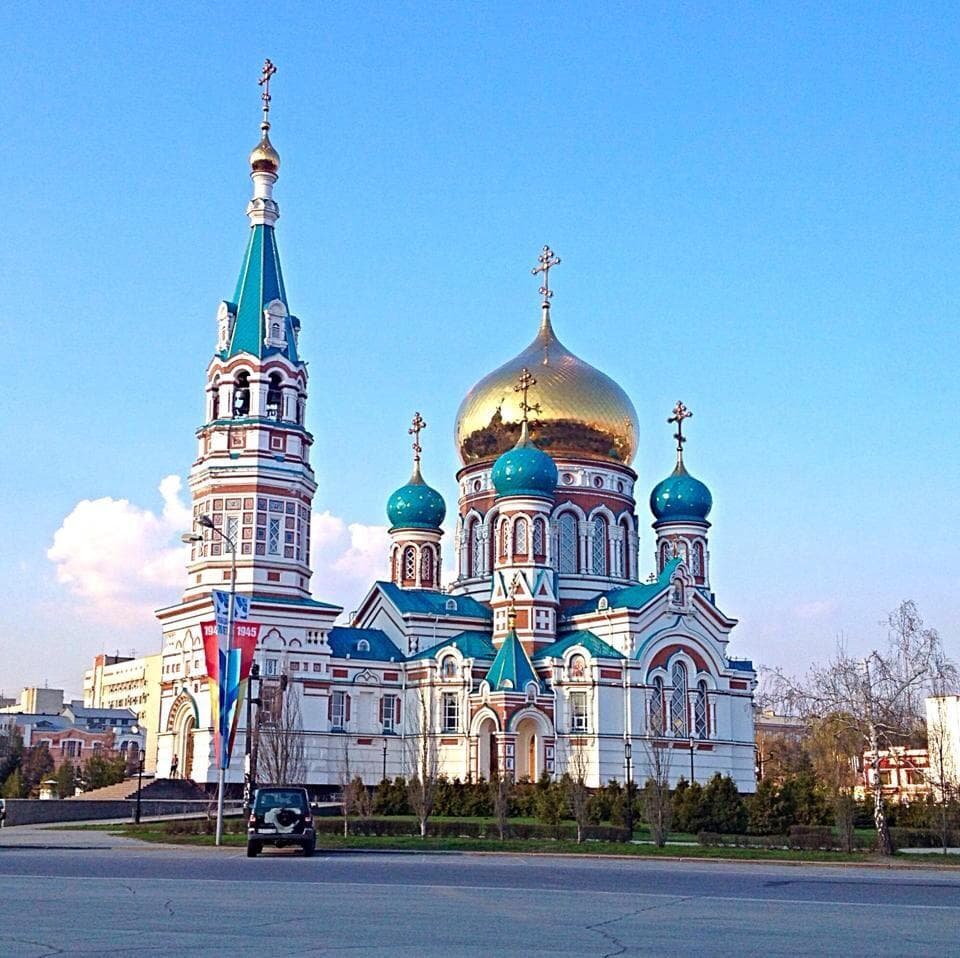
Near Resurrection Cathedral
Located in the historic center, near where Dostoevsky was imprisoned, adding historical context.
Plans like a pro.
Thinks like you
Planning Your Visit
Timing Your Visit
Understanding the Significance
Best Times
Insider Tips
from TikTok, Instagram & Reddit
📸 Capture the mood
Visit during golden hour for dramatic lighting that enhances the monument's somber feel.

🙏 Lay flowers
Visitors often lay flowers, a touching tribute to the writer's legacy.
📚 Understand the history
Learn about Dostoevsky's time in Omsk prison to appreciate the monument's significance.
Tips
from all over the internet
📸 Capture the mood
Visit during golden hour for dramatic lighting that enhances the monument's somber feel.
🙏 Lay flowers
Visitors often lay flowers, a touching tribute to the writer's legacy.
📚 Understand the history
Learn about Dostoevsky's time in Omsk prison to appreciate the monument's significance.
What Travellers Say
Reviews Summary
Visitors find the Dostoevsky Monument to be a significant and moving tribute to the renowned writer, particularly appreciating its historical context and artistic representation of his struggles and literary legacy. Some note its somber tone, while others are captivated by its symbolic depth and location in Omsk's historic heart.
"On November 12, 2001, next to the Resurrection Cathedral, a monument to the great writer, philosopher, whose fate was connected with Omsk, Fyodor Dostoevsky, was unveiled.
He was a prisoner of the local prison.
Hard labor in Omsk replaced the death penalty for Dostoevsky just before his execution.
Dostoevsky spent 4 of the most difficult years of his life in Omsk, the events of which formed the basis of his famous book “Notes from the House of the Dead.”
Without this period in the writer’s life, the world would either not have known Dostoevsky or his work as a different reality."
Andrey Borsukov
"Dostoyevsky Monument is located close to where Dostoyevsky stayed in Omsk."
Enes Yıldız
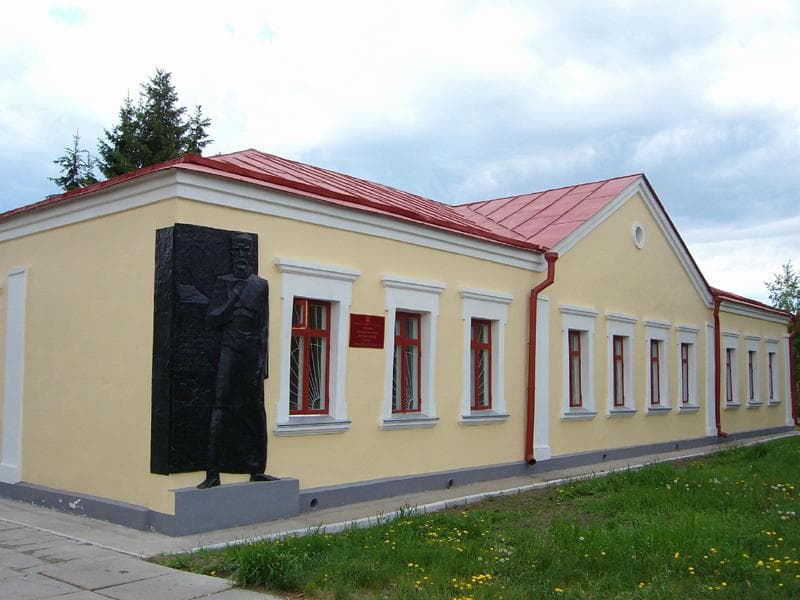
"The monument to Fyodor Dostoevsky in Omsk, Russia, is not the only city landmark associated with the famous Russian writer. The literary museum, library, and university are all named in honor of Fyodor Mikhailovich, who spent a difficult period of his life in Omsk.
In the 1840s, the young writer, fascinated by revolutionary ideas, was sentenced to exile in Siberia. He was imprisoned in the Omsk prison, where he was forced to live for four years, from 1850 to 1854. Literary critics believe that it was here that Dostoevsky rethought his life and developed as a future writer. However, he never wrote any literary works in Omsk.
Be that as it may, local residents are very proud of Fyodor Mikhailovich's connection to their city. On November 12, 2001, a five-meter-tall monument, designed by sculptor S. Golovantsev and architect A. Karimov, was unveiled on the very street he had to pass every day. The year and date, as well as the location, were chosen deliberately. The event coincided with the writer's 180th birthday.
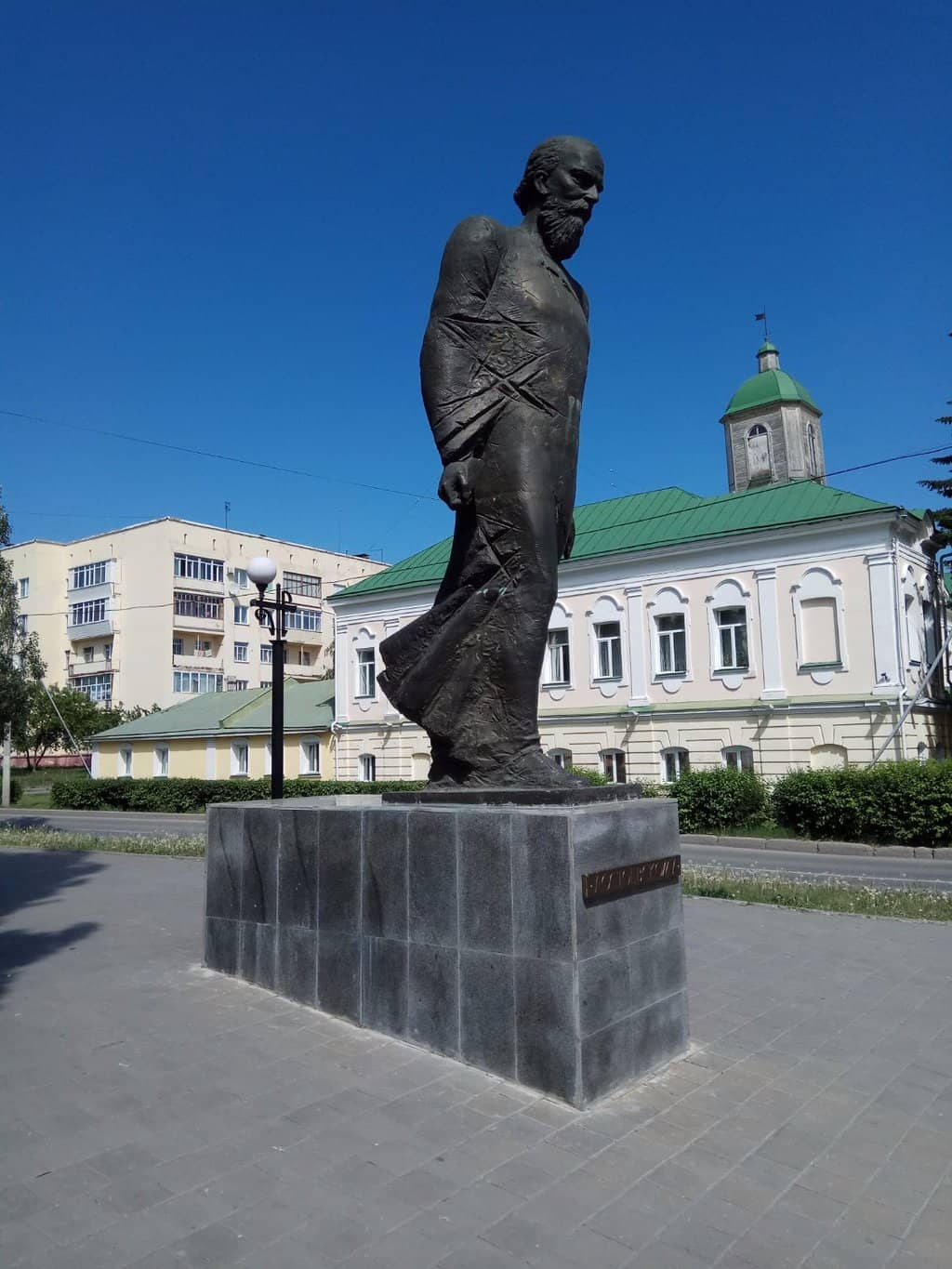
The monument depicts Dostoevsky as pensive. He seems to be walking forward, overcoming strong gusts of wind, his thoughts far away. In his hand, Fyodor Mikhailovich holds the Gospel. This book was no easy choice—he was allowed to read nothing but the Gospel in prison. The designers managed to miraculously achieve not only a visual but also an internal resemblance between the sculpture and reality. At the same time, the monument's appearance is simple and laconic. Just like the inscription on it: "To Dostoevsky."
The monument to Fyodor Dostoevsky stands at the intersection of Partizanskaya and Spartakovskaya Streets in the historic center of Omsk. It can be reached by bus; the nearest public transport stop is "Drama Theater.""
Хаш - Нарезки VitecPlay
What People Like
What People Dislike
Frequently Asked Questions
🚇 🗺️ Getting There
The monument is located at the intersection of Partizanskaya and Spartakovskaya Streets in Omsk's historic center. You can easily reach it by public transport; the nearest stop is 'Drama Theater.'
Yes, it's situated in the city center and is generally accessible. The area around the monument is pedestrian-friendly.
Buses are a convenient option. Look for routes that stop at the 'Drama Theater' to be close to the monument.
Driving is possible, but parking in the historic center can be challenging. Public transport is often recommended.
Yes, it's located near the Resurrection Cathedral and other sites connected to Dostoevsky's life in Omsk.
🎫 🎫 Tickets & Entry
No, the Dostoevsky Monument is an outdoor public sculpture and is free to view at any time.
As an outdoor monument, it is accessible 24/7. However, visiting during daylight hours is recommended for better visibility and safety.
There is no admission fee. The monument is a public landmark for everyone to appreciate.
While technically accessible, visiting at night might be less safe and the details of the sculpture will be harder to see.
While official tours specifically for the monument might be rare, local guides often include it in historical tours of Omsk.
📸 📸 Photography
The 'golden hour' just after sunrise or before sunset offers beautiful, soft light that enhances the sculpture's mood.
Generally, there are no restrictions on personal photography at the monument.
Try capturing it from different levels, including eye-level and slightly lower to emphasize its imposing presence. The surrounding architecture also provides good backdrops.
Tripods are usually permitted for personal photography, but it's always good to be mindful of other visitors.
A camera with good low-light performance is beneficial for dawn/dusk shots. A wide-angle lens can help capture the monument within its surroundings.
🎫 🏛️ Historical Context
Dostoevsky spent four difficult years (1850-1854) in Omsk prison, a period that profoundly influenced his writing, particularly 'Notes from the House of the Dead.'
The Gospel in Dostoevsky's hand symbolizes the only book he was permitted to read during his imprisonment, a source of solace and reflection.
While he didn't write any major literary works in Omsk, the experiences there were crucial for his development as a writer and formed the basis for later works.
The sculpture depicts Dostoevsky as pensive, seemingly overcoming adversity, with books symbolizing his literary legacy.
The monument was unveiled on November 12, 2001, coinciding with the writer's 180th birthday.
For Different Travelers
Tailored advice for your travel style
👨👩👧 Families with Kids
Nearby attractions, like the Resurrection Cathedral, can offer a more varied experience for families. The monument itself is an outdoor space, allowing children to move around freely, but supervision is always recommended. The visual of the statue and the books might spark curiosity about reading and storytelling.
📚 Literature Enthusiasts
Take time to read about his imprisonment in Omsk and how it influenced 'Notes from the House of the Dead.' The symbolism of the Gospel and the books at the monument's base are particularly meaningful for those familiar with his writings. It’s a pilgrimage site for admirers of Russian literature.
Deep Dives
In-depth insights and expert knowledge
The Historical Significance of Dostoevsky in Omsk
Local residents hold a strong sense of pride in their city's association with Dostoevsky. The monument, unveiled on his 180th birthday, is a testament to his enduring legacy and the impact his time in Omsk had on his literary output. While he may not have penned his most famous novels in Omsk, the city undeniably shaped his worldview and artistic development.
Visiting the monument offers a chance to reflect on themes of suffering, redemption, and the human condition, which are central to Dostoevsky's oeuvre. It's a place where history, literature, and art converge, inviting contemplation on the writer's profound influence on world literature.
Artistic Interpretation and Symbolism
A key symbolic element is the Gospel held in Dostoevsky's hand. This detail is particularly poignant as it was the only book permitted for him to read during his imprisonment, serving as a source of spiritual and intellectual sustenance. The monument's base is often depicted with books, further emphasizing his immense literary contributions and the weight of his written legacy.
The overall aesthetic is described as simple and laconic, with the inscription 'To Dostoevsky' serving as a direct and powerful tribute. The monument's design aims for both visual and emotional resonance, inviting viewers to connect with the writer's inner world and the profound impact of his Omsk sojourn on his literary genius.


Social
from TikTok, Instagram & Reddit