Church of Cosmas and Damian
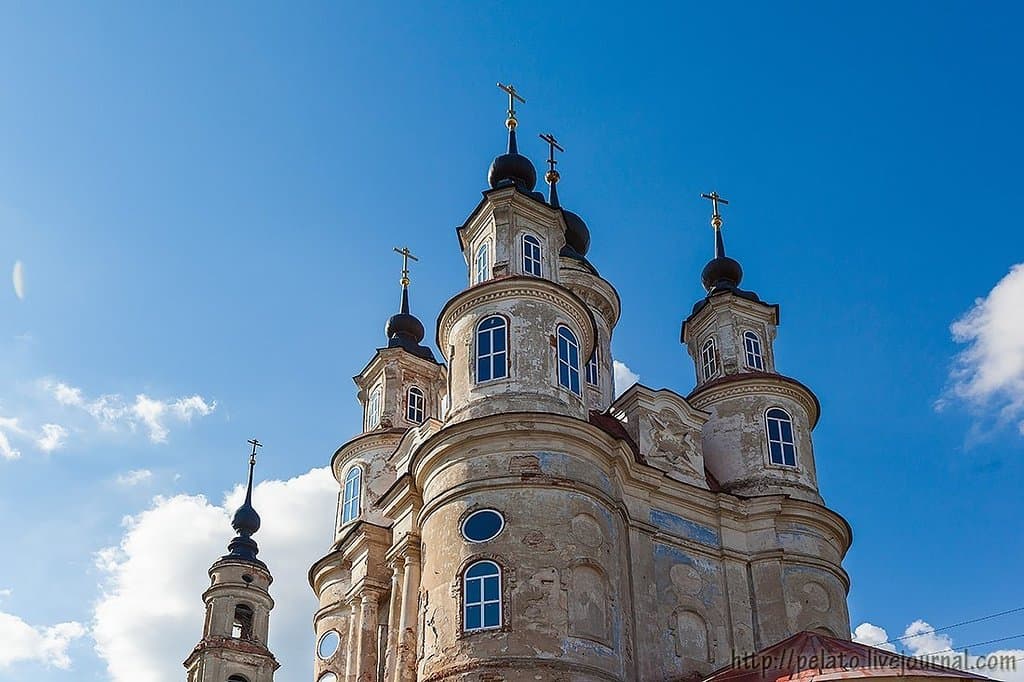
A late Baroque architectural marvel in Kaluga, famed for its unique five-towered design and rich history of resilience and restoration.
Highlights
Must-see attractions

Social
From TikTok & Reddit
Best Time
Fewer crowds, peaceful atmosphere
Church of Cosmas and Damian
Best Time
Fewer crowds, peaceful atmosphere
Highlights
Must-see attractions
A late Baroque architectural marvel in Kaluga, famed for its unique five-towered design and rich history of resilience and restoration.
"A masterpiece of architecture, simply magnificent, mesmerizing, you don't want to leave."
Admire the Silhouette
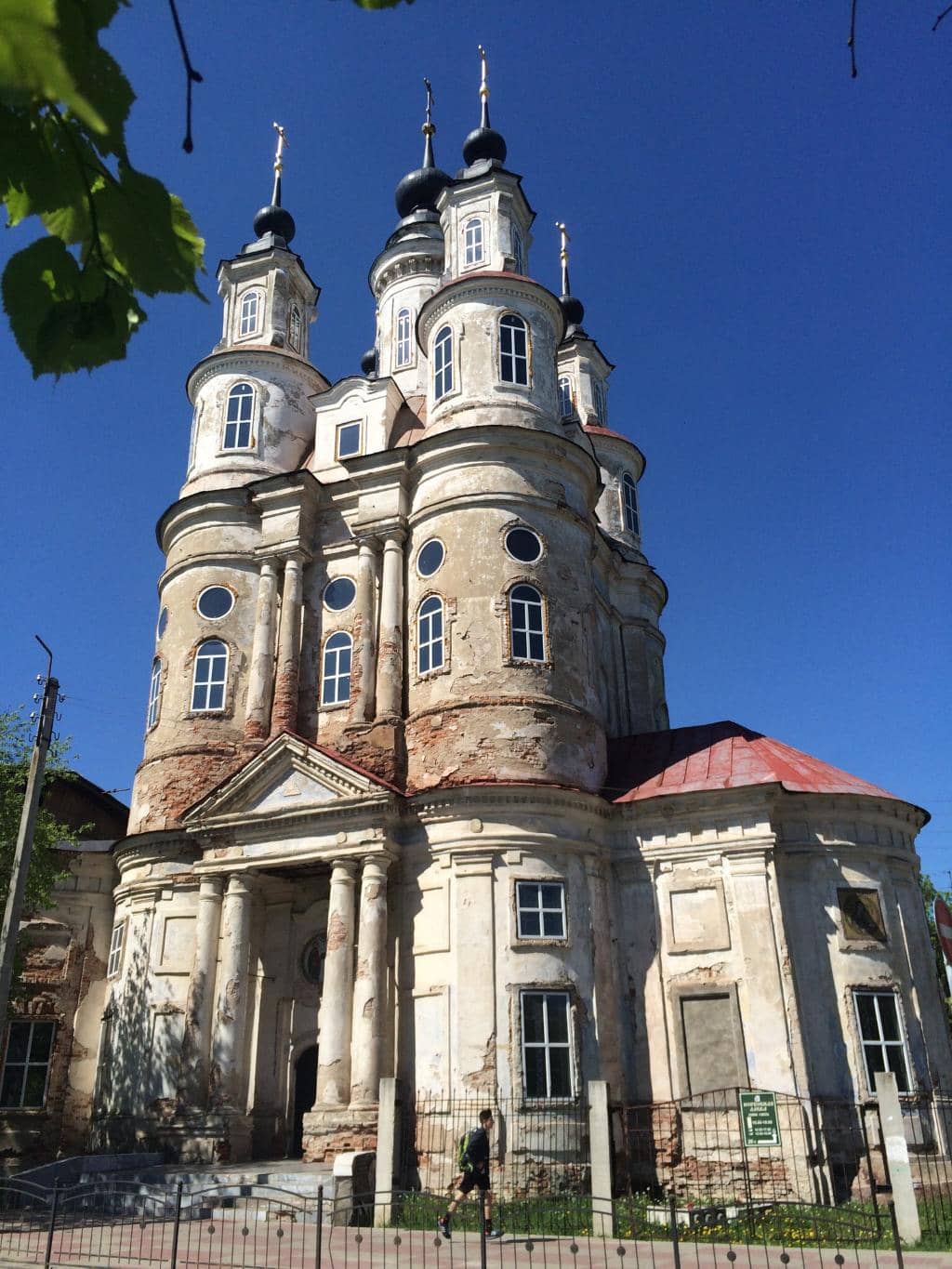
The church's beauty is in its airy, openwork silhouette and upward thrust. Appreciate it from afar too! :camerawithflash:
Restoration in Progress
The church is undergoing restoration. While some plastic windows are visible, the overall structure remains impressive. :construction_worker:
Quick Facts
Rating
4.8 · 142 reviews
Type
Church
Highlights
Discover the most iconic attractions and experiences
Unique Five-Towered Design
A striking late Baroque architectural marvel with five soaring towers, creating an unforgettable upward silhouette.
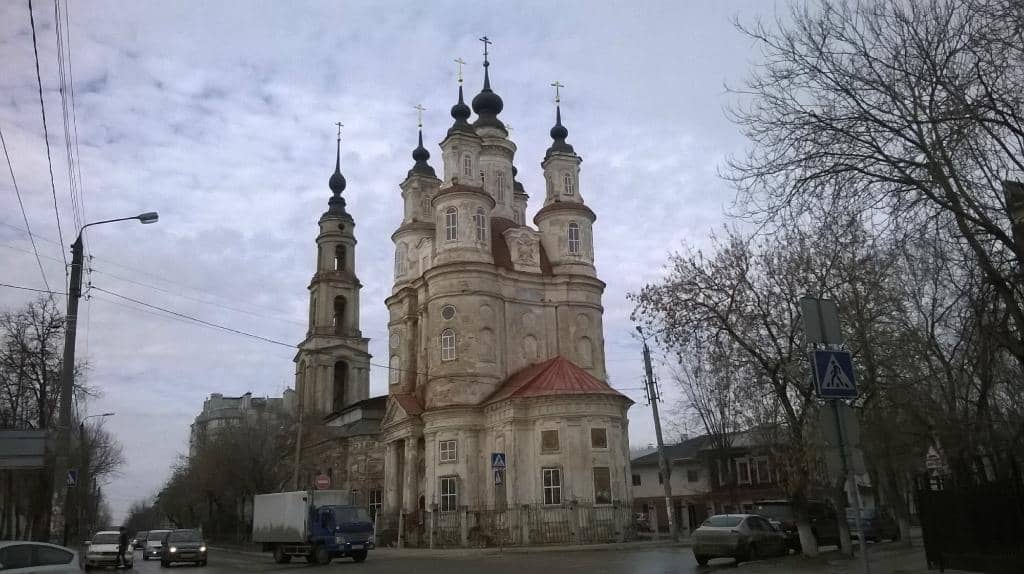
Petal-Shaped Base
One of the few churches in Kaluga with a distinctive petal-shaped floor plan, adding to its architectural uniqueness.
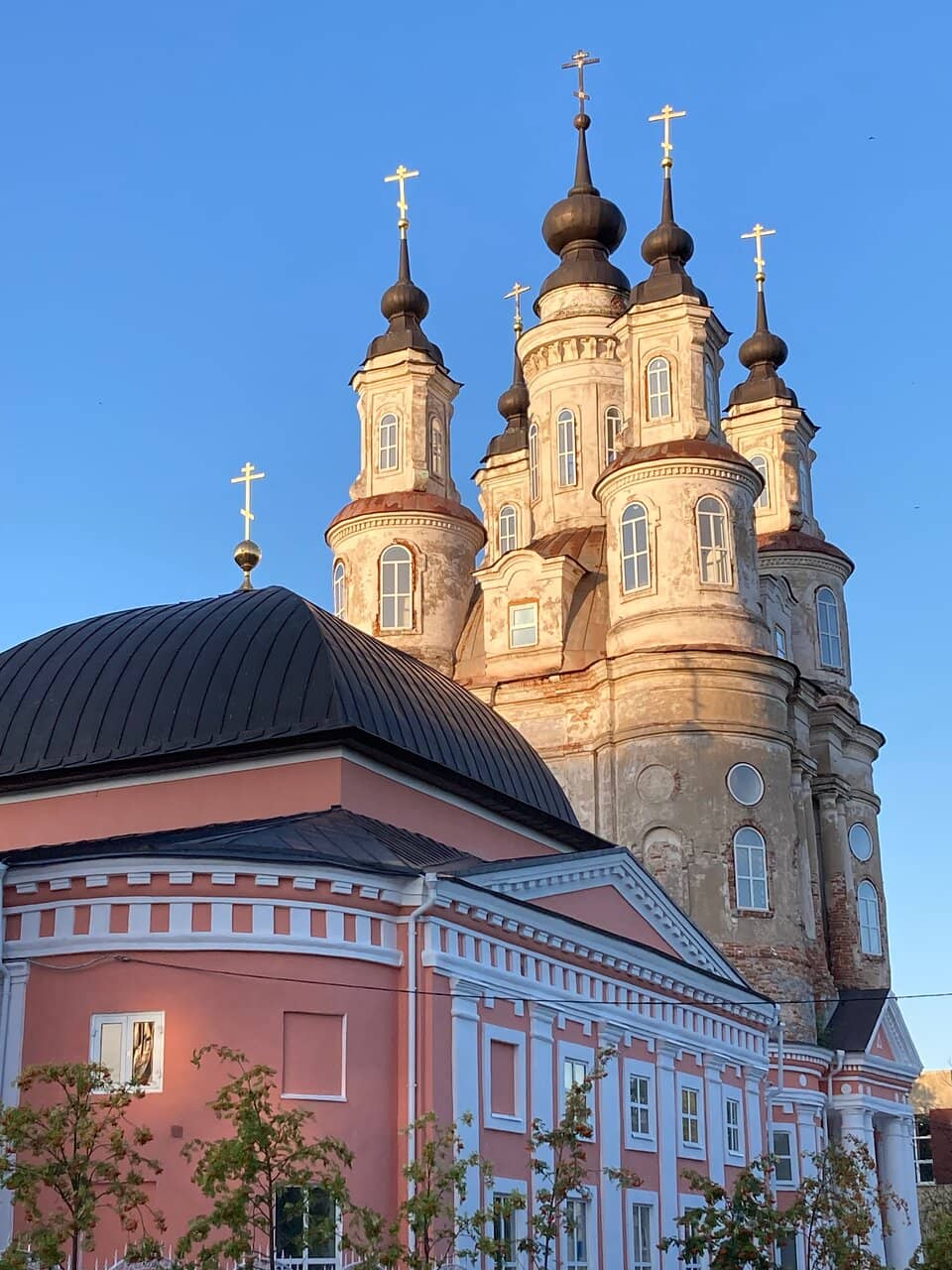
Multi-Tiered Bell Tower
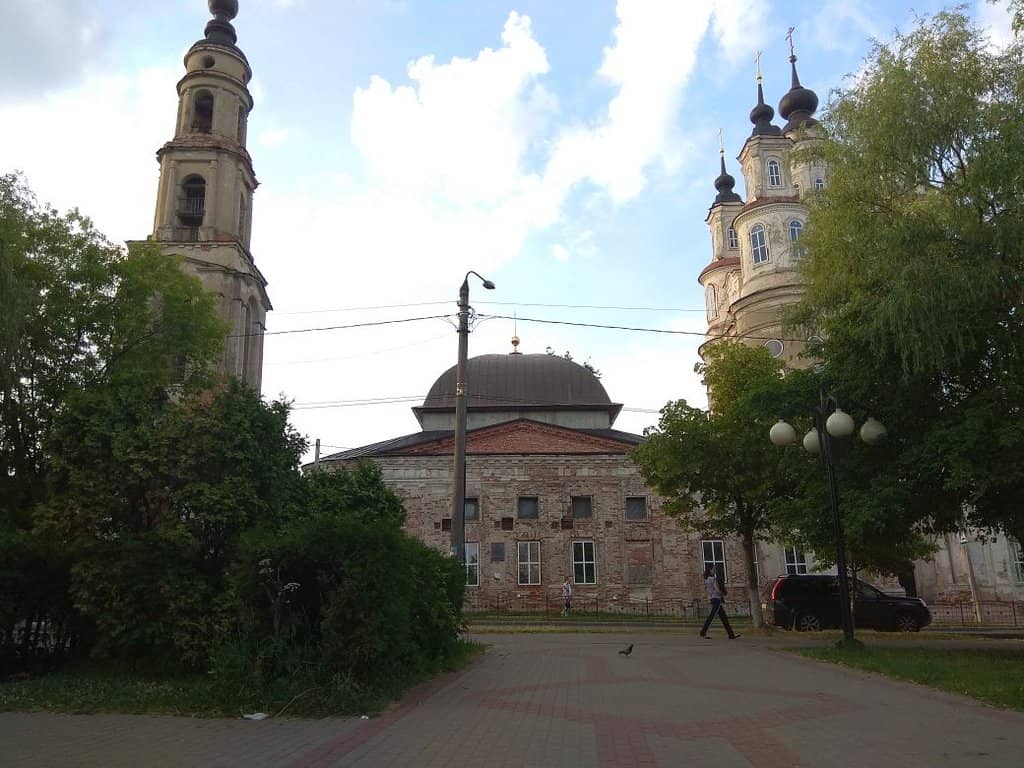
An even taller, multi-tiered bell tower topped with a spire, a classic Kaluga architectural feature.
Plans like a pro.
Thinks like you
Planning Your Visit
Architectural Gem in Kaluga
A Rich History of Resilience
Best Times
Insider Tips
from TikTok, Instagram & Reddit
Admire the Silhouette
The church's beauty is in its airy, openwork silhouette and upward thrust. Appreciate it from afar too! :camerawithflash:
Restoration in Progress
The church is undergoing restoration. While some plastic windows are visible, the overall structure remains impressive. :construction_worker:
Historical Significance
Learn about its past as a prison and warehouse before its return to the Orthodox Church. 📜
Near Memorials
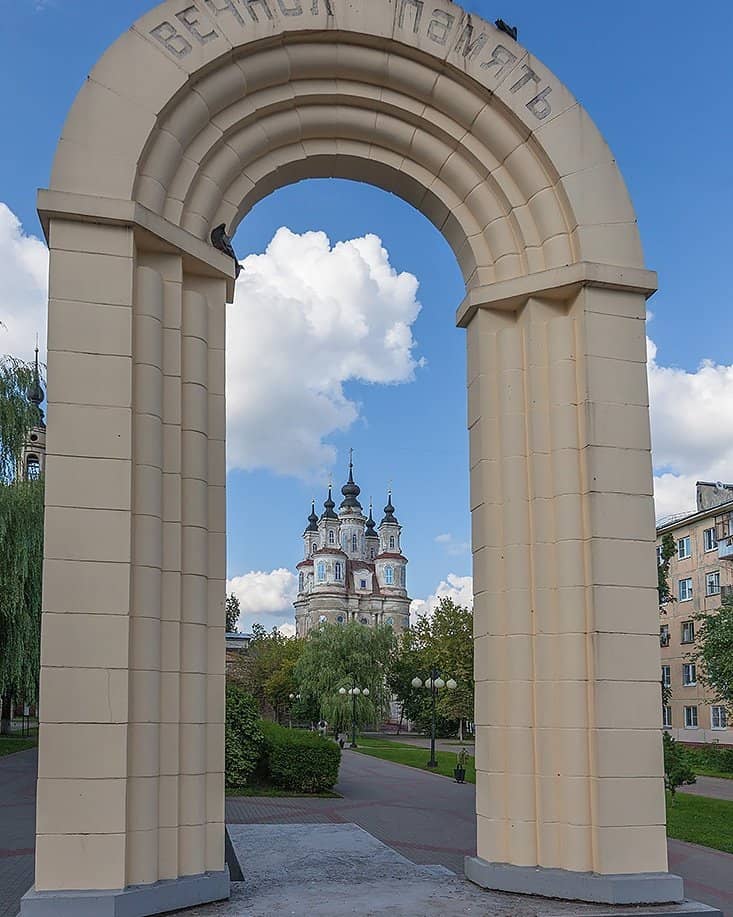
Located near memorials for fallen soldiers, it's often considered a memorial military church. :military_medal:
Tips
from all over the internet
Admire the Silhouette
The church's beauty is in its airy, openwork silhouette and upward thrust. Appreciate it from afar too! :camerawithflash:
Restoration in Progress
The church is undergoing restoration. While some plastic windows are visible, the overall structure remains impressive. :construction_worker:
Historical Significance
Learn about its past as a prison and warehouse before its return to the Orthodox Church. 📜
Near Memorials
Located near memorials for fallen soldiers, it's often considered a memorial military church. :military_medal:
What Travellers Say
Reviews Summary
Visitors praise the Church of Cosmas and Damian as a magnificent architectural masterpiece, particularly its unique late Baroque style and striking five-towered design. While acknowledging ongoing restoration efforts and some modern additions like plastic windows, the overall impression is one of awe at its historical significance and beauty.
"The Church of Saints Cosmas and Damian of Rome is unique in its architecture, built in 1774 in the late Baroque style. It is assumed that the architect was one of Francesco Bartolomeo Rastrelli's students. The temple soars upward with its five black domes on the turrets. The four-tiered bell tower, high and wide at the base, narrows at the top. Initially, it was built separately from the temple and only in 1824 was it connected to the main building of the refectory. An elegant, proportionate and amazingly beautiful church. A must-see."
Antonius
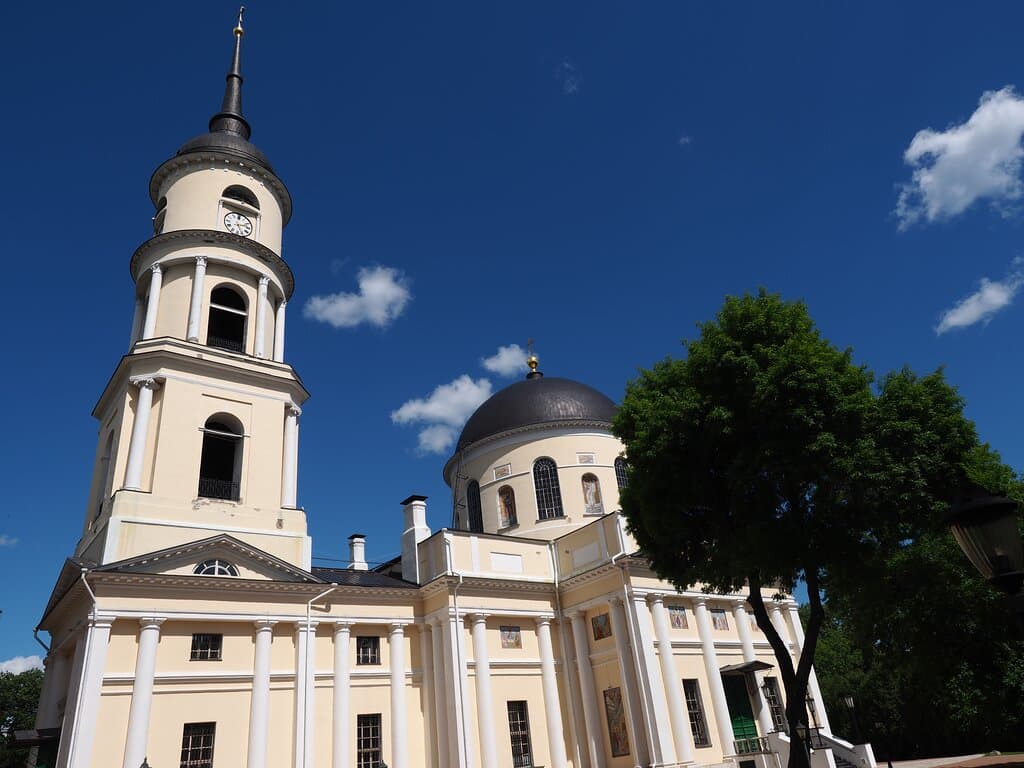
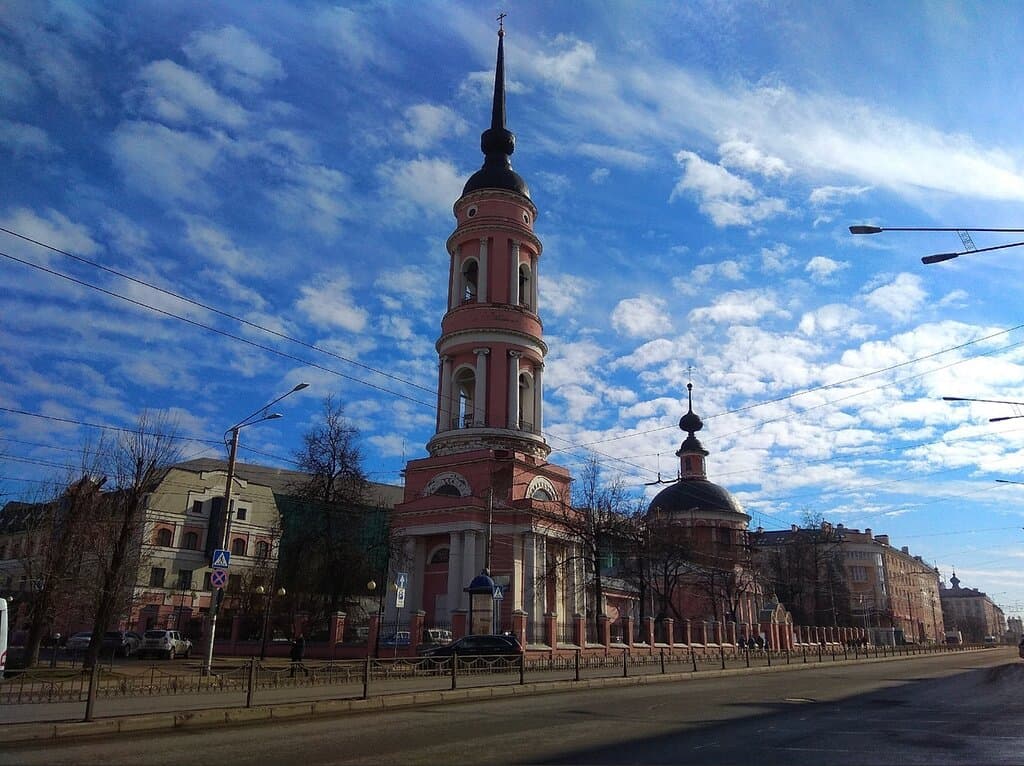
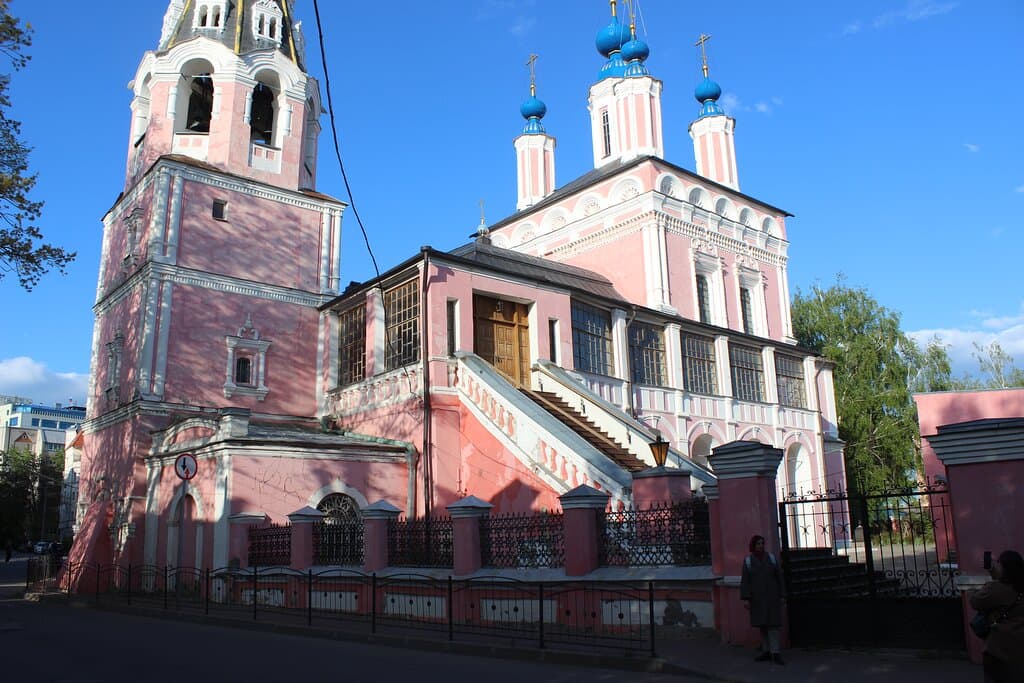
"An architectural monument in the "late Baroque" style is the Church of Cosmas and Damian, the construction of which was completed in 1794. Based on the "similarity of handwriting," it is assumed that it was built by one of Rastrelli's students. Why the church was decided to be built in a style completely uncharacteristic for Kaluga is unknown. This is not just a five-domed, but a five-towered temple. Five figured under-dome "candles" as if with "wax drips" also collectively strive upward, like those of the Smolny Cathedral in St. Petersburg. The church resembles a cathedral, and it is even surprising that it stands on such a small, quiet street (Suvorov Street) - and that this area was a distant outskirts of the city in the 18th century. The extraordinary upward thrust - the rapid rise of all compressed verticals - makes this temple one of the best examples of "European" Baroque in Russia. It became the highest A masterpiece of the late Baroque, just as the Church of St. George, built a century before it, was and remains a masterpiece of the period of the birth of the Baroque style in Rus', the very transition from the posad style to the Baroque. These two churches symbolically marked the beginning and end of a huge era. The main volume of the temple has a petal base in plan – the only example of such a design among all the Kaluga churches. The height of the cathedral is emphasized by 6 tiers of windows of various shapes (and sometimes niches replacing windows). Here there are almost no lush patterns characteristic of the Baroque – the entire ornament is made up of the airy, openwork outlines of the church silhouette itself. The walls of the temple are white, but the red roofs and black domes make it seem multi-colored – especially from afar. A whole cascade of bright roofs, horizontally lining the walls and towers, looks magnificent. No matter how tall the temple itself is, the multi-tiered bell tower above its western The porch is even higher. According to a truly "Kaluga" tradition, it is topped with a spire. All Kaluga spires are a sign of the same era. The bell tower once stood separately, but a large refectory built later connected it to the temple. Even by its time, it was a very expensive church. It cost the city and parishioners 70,000 silver rubles and was one of the richest in Kaluga. A church dedicated to these saints, apparently, had stood in the local settlement for a long time. And in 1794, the magnificent church that currently stands was erected. The main altar of the new church was consecrated in the name of the Savior Not Made by Hands, but in the popular perception, the church remained under the name of Kozmodemyansk, although only an aisle was dedicated to these saints (the other aisle is St. Nicholas). Of the church items that were in the church before Revolution, it is necessary to mention the Gospel printed on blue paper (1755) and the service book of 1658. The church was famous for the icon of the Mother of God "Passionate". This was a special, locally venerated icon, very ancient. It was decorated with an expensive silver-gilt frame, pearls and precious stones. The church also housed the Pochayiv Icon of the Mother of God, brought from the Pochayiv Lavra. It hung at the top of the arch, and once a week it was lowered down on cords. Parishioners had the opportunity to venerate it. The unique beauty did not save the temple from Soviet vandalism. In 1937, the temple was finally closed and equipped for the temporary detention of prisoners. Prisoners were kept inside the temple, and armed guards stood outside. In the post-war years, the temple was used as a garage and warehouses. During the Khrushchev era, when a new wave of persecution began The Russian Orthodox Church was not touched because of its very beautiful, original architecture. In 1960, the temple was declared an architectural and urban planning monument of national significance. The barbaric attitude towards the temple contributed to its slow destruction. The valuables previously kept in it have long since disappeared without a trace. On July 17, 1992, the temple was returned to the Kaluga Diocese. Since 1998, regular services have begun in the temple. Currently, services are held in the temple and restoration work continues. In the square in front of the southern facade of the church is a monument to all those who fell in Afghanistan, Chechnya and other "hot spots". Due to the proximity to it and to the memorial on Victory Square, the church can also be called a memorial military church. There are two Sunday schools at the temple - for children and for adults. On Saturdays at 4 p.m. spiritual and educational talks, pilgrimage trips are organized."
Галина Кисёлкина
"The temple is a masterpiece of architecture, without exaggeration. It is simply magnificent, mesmerizing, you don't want to leave. One of the few temples in Kaluga that have not been restored to this day. Investments are needed, scientific restoration, under the supervision of specialists. The church does not have the funds for this, they only have them for cheap plastic windows that you can see through. The state should help here. This temple would decorate any capital city, it's a pity that it is in such a state"
Kevin Alex
What People Like
What People Dislike
Frequently Asked Questions
🚇 🗺️ Getting There
The church is located on Suvorov Street in Kaluga. It's accessible by local public transport or taxi. Given its location on a quiet street, it's a peaceful destination to reach.
Street parking may be available nearby, but it can be limited. Consider using public transport or a taxi for easier access.
🎫 🎫 Tickets & Entry
Entry to the church is generally free, as it is an active place of worship. Donations are always appreciated to support restoration efforts.
As an active church, hours can vary. It's best to check for current service times or visit during daylight hours when services are not in progress.
Information on accessibility can be limited. The historic nature of the building may present challenges, so it's advisable to inquire directly if specific accessibility needs are a concern.
🎫 🏛️ Onsite Experience
The church is a prime example of late Baroque architecture, built in 1794. It's noted for its unique five-towered design and upward thrust, reminiscent of St. Petersburg's Smolny Cathedral.
While the exterior is the main draw, the interior is modest but holds historical significance. Restoration efforts are ongoing, and the church is an active place of worship.
Official guided tours may not be readily available. However, the church's history and architecture are well-documented in local resources and online.
The petal-shaped base is a rare design feature among Kaluga churches, making this structure architecturally unique and historically noteworthy.
Photography policies can vary. It's respectful to check for any posted signs or ask a church official before taking photos inside, especially during services.
🍽️ 🍽️ Food & Dining
The church is located on a quieter street. You'll likely find dining options in the central areas of Kaluga, a short drive or walk away.
📸 📸 Photography
The entire exterior is photogenic, especially from a distance to capture its soaring silhouette. The bell tower and the unique facade are key features.
Yes, the church looks different in various lighting conditions. Morning light can highlight its details, while evening light can create dramatic shadows.
Social
from TikTok, Instagram & Reddit