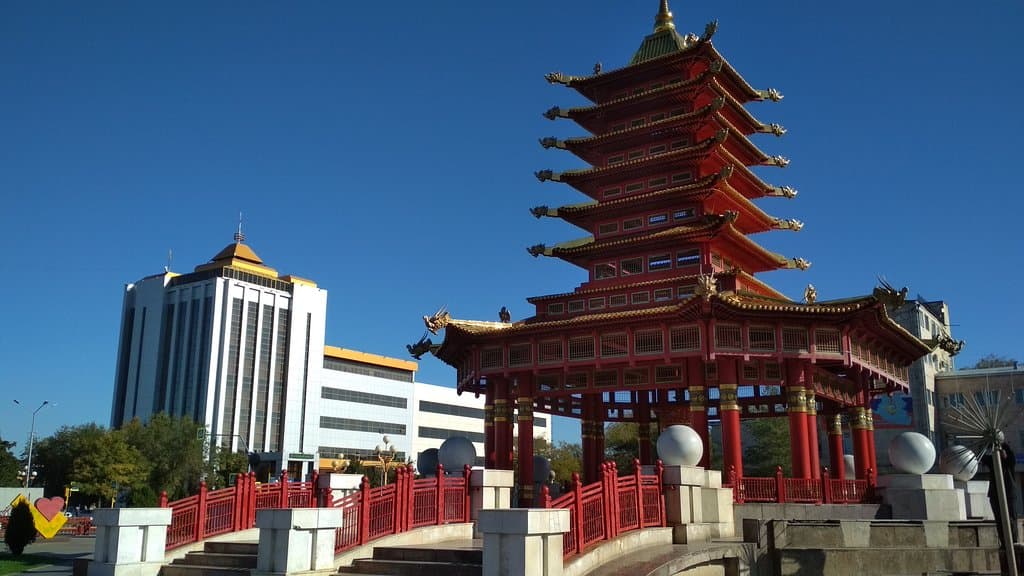
National Museum of Kalmykia
Discover Kalmykia's rich Buddhist heritage, poignant history, and unique cultural identity at this compact yet deeply informative museum.
Highlights
Must-see attractions

Social
From TikTok & Reddit
Best Time
Fewer crowds, more focus
National Museum of Kalmykia
Best Time
Fewer crowds, more focus
Highlights
Must-see attractions
Discover Kalmykia's rich Buddhist heritage, poignant history, and unique cultural identity at this compact yet deeply informative museum.
"Small but meaningful and informative, a great place to understand Kalmyk culture and history."
Ask for Ochir! 🌟
If you're lucky, you might get Ochir as your guide. His stories and historical facts are incredibly engaging!
Prepare for limited English 🗣️
Bring a translation app or a Russian-speaking friend, as English guides aren't always available.
Highlights
Discover the most iconic attractions and experiences
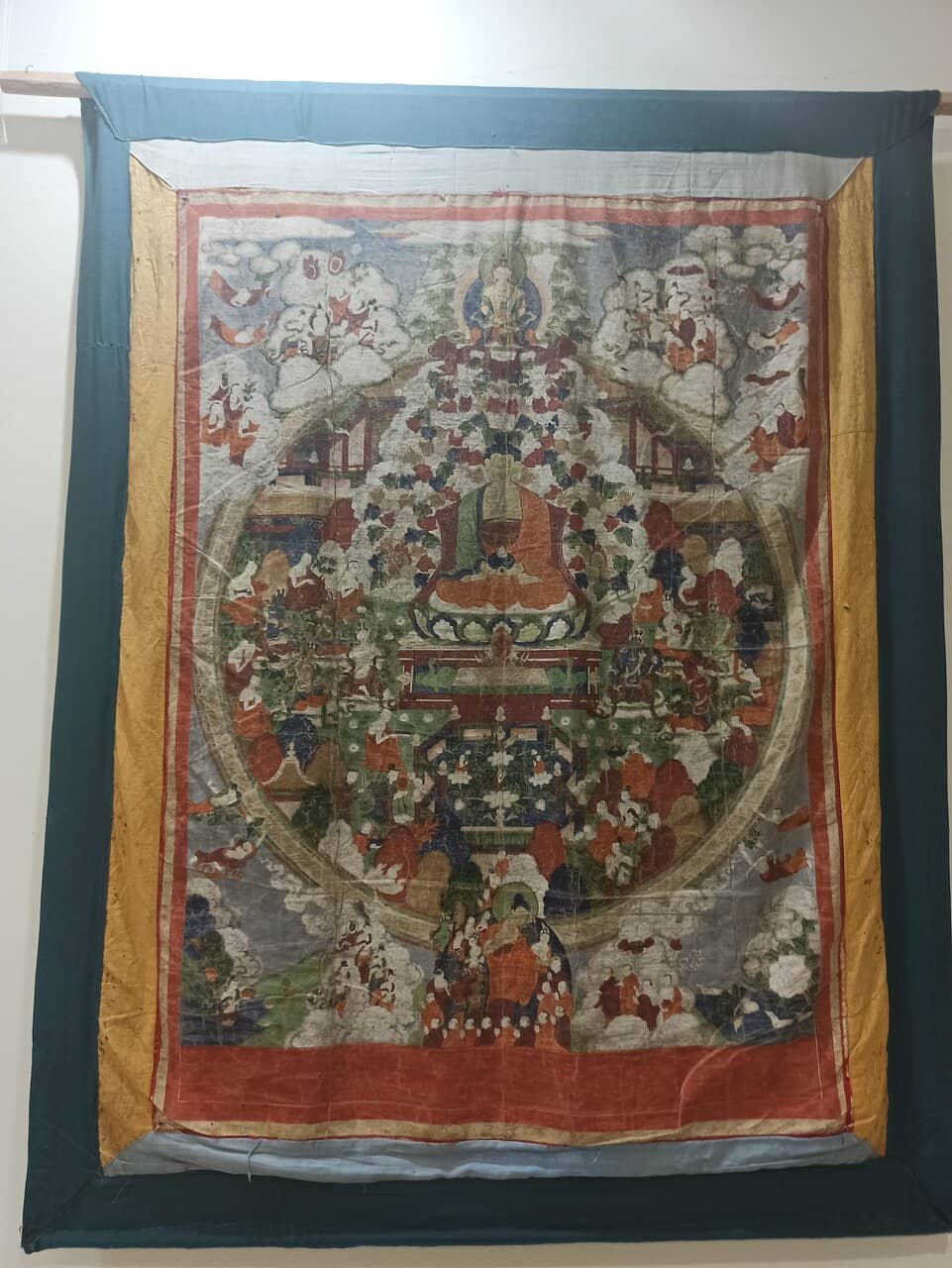
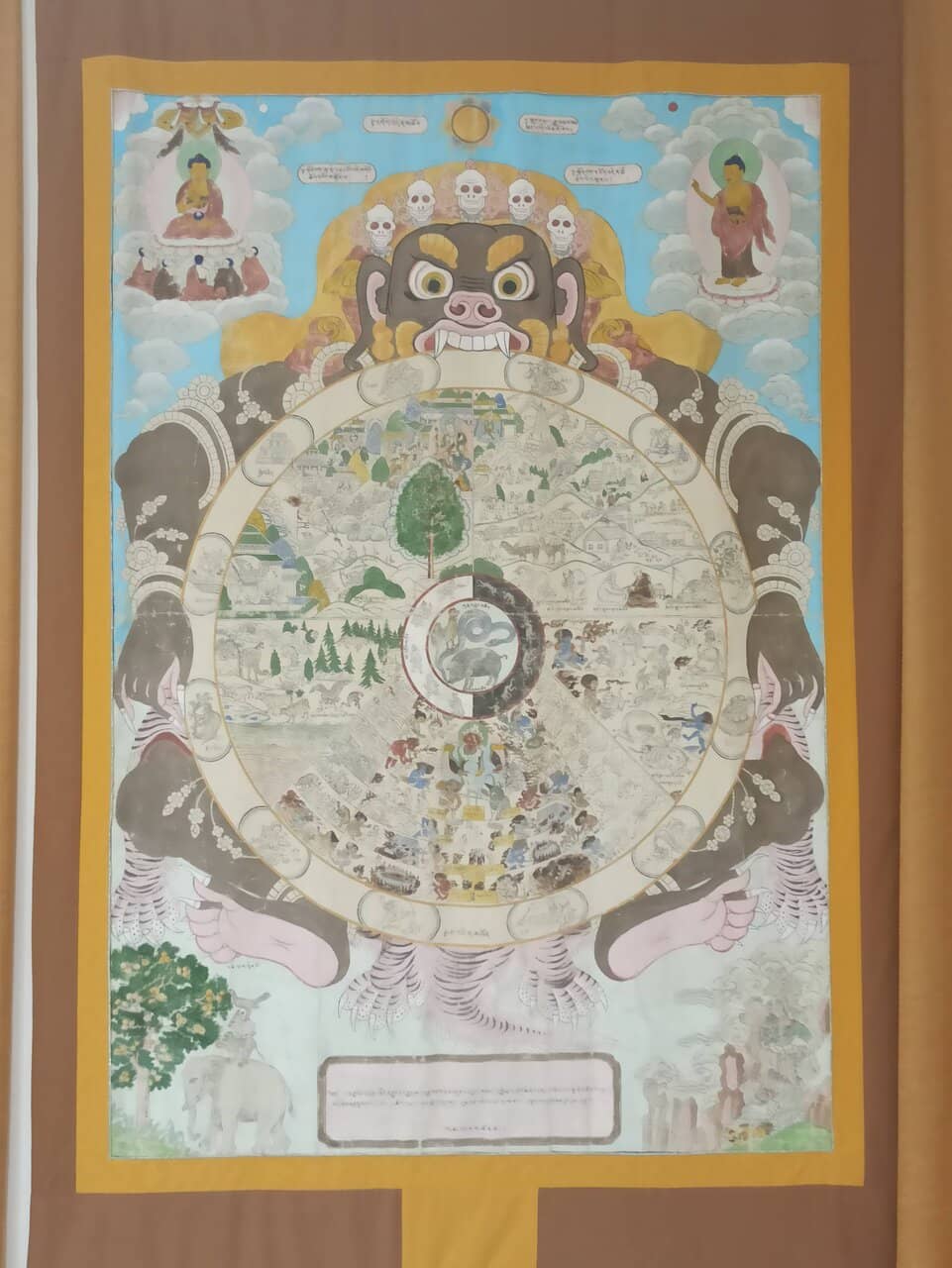
Buddhist Statues and Tankas
Religious Art Hall
Discover a rich collection of Buddhist statues and intricate tankas, offering a glimpse into Kalmykia's spiritual heritage.
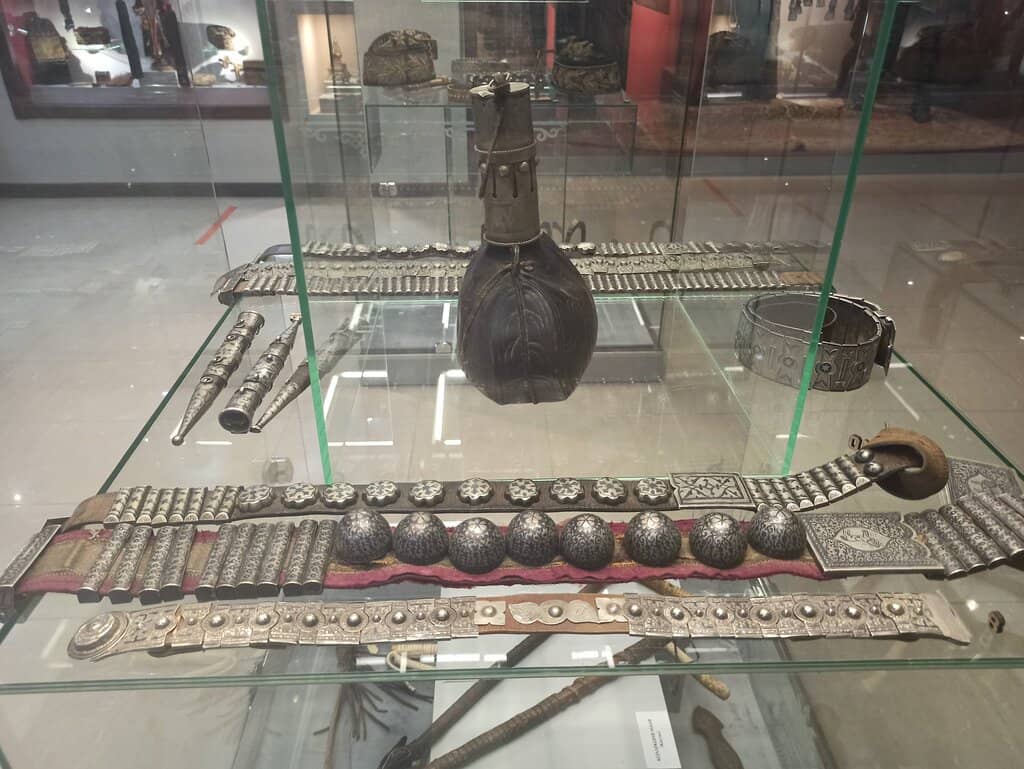
Kalmyk Deportation Exposition
Historical Hall
A deeply moving and impressive exhibition detailing the tragic history of the Kalmyk people's deportation.
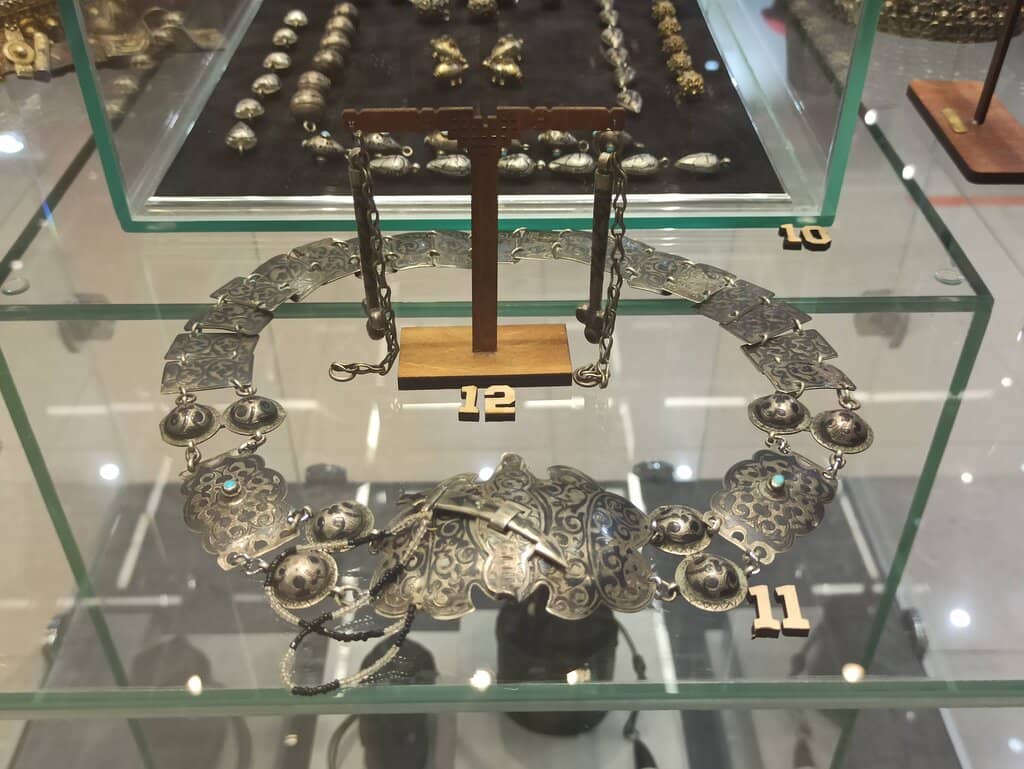
Kalmyk Cossacks History
Cultural History Hall
Gain a new perspective on the Kalmyk Cossacks, a fascinating aspect of regional history that might challenge your preconceptions.
Plans like a pro.
Thinks like you
Planning Your Visit
Understand the Collection Size
Language Support & Guides
Best Times
Insider Tips
from TikTok, Instagram & Reddit
Ask for Ochir! 🌟
If you're lucky, you might get Ochir as your guide. His stories and historical facts are incredibly engaging!
Prepare for limited English 🗣️
Bring a translation app or a Russian-speaking friend, as English guides aren't always available.
Temporary Exhibitions 🖼️
Don't miss temporary exhibits, like artist Dmitry Sandzhiev's philosophical works.
Understand the Cossacks 🐎
The Kalmyk Cossacks exhibit offers a unique and eye-opening look at their history.
Tips
from all over the internet
Ask for Ochir! 🌟
If you're lucky, you might get Ochir as your guide. His stories and historical facts are incredibly engaging!
Prepare for limited English 🗣️
Bring a translation app or a Russian-speaking friend, as English guides aren't always available.
Temporary Exhibitions 🖼️
Don't miss temporary exhibits, like artist Dmitry Sandzhiev's philosophical works.
Understand the Cossacks 🐎
The Kalmyk Cossacks exhibit offers a unique and eye-opening look at their history.
What Travellers Say
Reviews Summary
Visitors find the National Museum of Kalmykia to be a small but meaningful institution, offering insightful glimpses into Kalmyk history and culture. While some note its modest size, the quality of exhibits, particularly Buddhist art and the deportation history, is highly praised. The lack of English guides is a common point, but the value of local guides is frequently highlighted.
"Good museum. Still not very rich, but definitely will became better. Good collection of buddhist statues and tankas, impressive exposition consecrated to Kalmyk deportation."
Сергей Дмитриев
"Modern museum with great exposition of historical objects. Small but impressive halls explaining history, culture and nature of Kalmyk Republic"
Dina Valerie
"Great place to understand the Kalmyk culture and history. They dont have an English guide, try to find an English speaking friend."
Baatr Mandzhiev
What People Like
What People Dislike
Frequently Asked Questions
🚇 🗺️ Getting There
The National Museum of Kalmykia is located in Elista, the capital of the Republic of Kalmykia. You can typically reach Elista by plane or train, with connections from major Russian cities. Once in Elista, the museum is usually accessible by local bus or taxi. It's advisable to check local transport schedules upon arrival.
Information on dedicated parking is scarce, but street parking is generally available in Elista. It's recommended to arrive a bit early to find a convenient spot, especially during peak hours.
Operating hours can vary, so it's best to check the official museum website or contact them directly before your visit. Generally, museums are open during standard daytime hours on weekdays and weekends.
Photography policies can differ. While some areas might allow non-flash photography, it's always best to confirm with museum staff upon entry to avoid any issues.
Accessibility information for the National Museum of Kalmykia is not widely detailed online. It's recommended to contact the museum in advance to inquire about ramps, elevators, and other facilities for visitors with mobility challenges.
🎫 🎫 Tickets & Entry
Admission fees are typically modest for regional museums in Russia. It's advisable to check the museum's official website or inquire locally for the most current pricing information.
For general admission, advance booking is usually not required. However, if you plan to visit with a large group or for a special exhibition, it might be a good idea to contact the museum beforehand.
Yes, guided tours are available, and highly recommended! While English guides may be limited, local guides like Ochir offer incredibly insightful and engaging tours in Russian.
Many museums have gift shops selling local crafts, books, and souvenirs. It's likely the National Museum of Kalmykia offers such items, providing a great way to remember your visit.
Re-entry policies vary by museum. Typically, a single-day ticket allows for one entry. If you plan to leave and return, confirm the policy with the ticket counter.
🎫 🧭 Onsite Experience
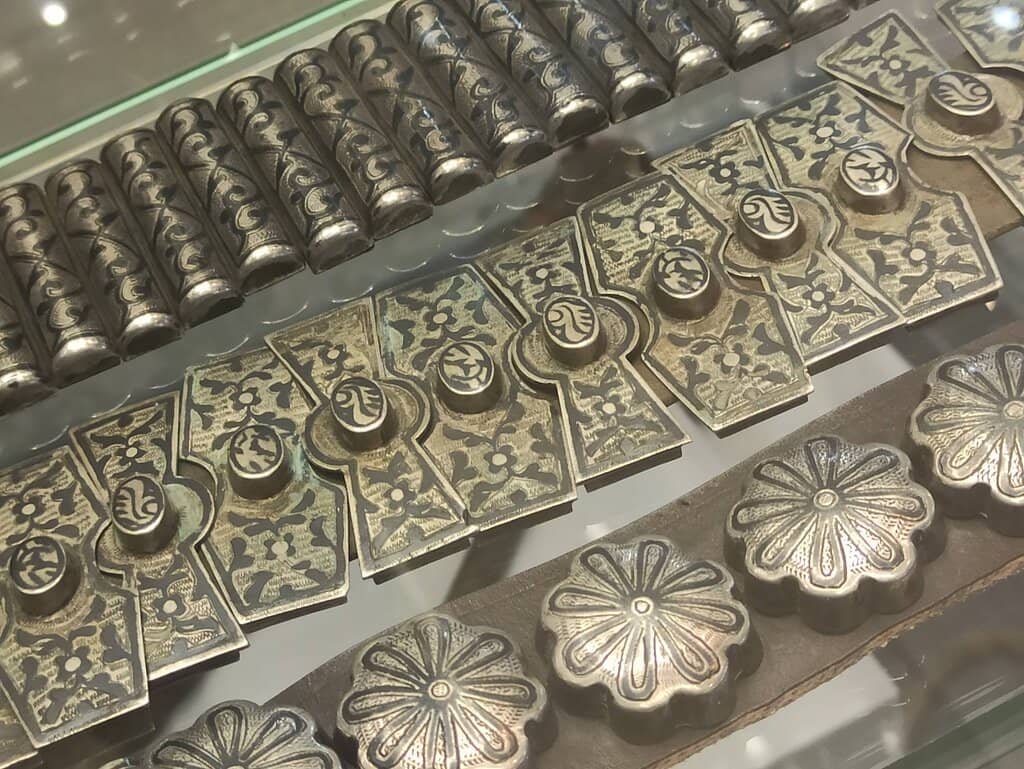
Don't miss the impressive collection of Buddhist statues and tankas, the poignant exposition on the Kalmyk deportation, and the unique exhibits on Kalmyk Cossacks.
Given its size, a visit can range from 1.5 to 3 hours, depending on your interest level and whether you opt for a guided tour.
Standard museum facilities like restrooms are usually available. Seating areas might be limited, so be prepared to stand for much of your visit.
Engaging with a knowledgeable guide, like Ochir, is highly recommended to truly understand the historical context and cultural significance of the exhibits.
Information on specific interactive exhibits for children is limited. The museum's focus is primarily on historical and cultural displays.
🍽️ 🍽️ Food & Dining
It's uncommon for smaller regional museums to have full-service cafes. It's best to plan for dining before or after your visit at nearby establishments in Elista.
Elista offers various dining options, from traditional Kalmyk cuisine to more standard Russian fare. Explore local eateries for an authentic culinary experience.
Generally, bringing outside food and drinks into museum exhibition halls is not permitted. Check the museum's specific policy upon entry.
While traditional Kalmyk cuisine can be meat-heavy, many restaurants in Elista will likely offer vegetarian options. It's advisable to ask about ingredients when ordering.
Try 'Bortsok' (fried dough), 'Manty' (dumplings), or 'Khel' (a meat broth). These are traditional Kalmyk dishes you might find in local restaurants.
📸 📸 Photography
Photography rules can vary. While some museums allow non-flash photography, it's crucial to confirm with staff. Flash photography is often prohibited to protect delicate artifacts.
The vibrant colors of the Buddhist art and the stark emotional impact of the deportation exhibit offer compelling photographic opportunities. Look for well-lit displays.
Similar to other exhibits, check the museum's photography policy. The historical artifacts and displays related to the Cossacks can be visually interesting.
Professional photography or videography usually requires special permission and may incur additional fees. Always inquire with museum administration beforehand.
A versatile camera with good low-light performance is ideal. A prime lens or a standard zoom lens is usually sufficient, as tripods are often not allowed.
For Different Travelers
Tailored advice for your travel style
👨👩👧 Families with Kids
Consider focusing on the more visually engaging aspects, like the colorful tankas or the displays related to traditional Kalmyk life. If possible, hiring a guide who can simplify stories for younger ears could be helpful, though English guides are not guaranteed.
📚 History Enthusiasts
Beyond these specific areas, the museum's collections of Buddhist art and artifacts related to traditional Kalmyk life provide a broader understanding of the cultural influences and heritage of the region. Engaging with a knowledgeable local guide, if available, can unlock deeper insights and historical connections that might be missed otherwise.
🧘 Cultural Explorers
The museum also provides context for the distinct identity of the Kalmyks, including their historical interactions and societal structures, such as the Kalmyk Cossacks.
Deep Dives
In-depth insights and expert knowledge
The Heart of Kalmyk Culture and History
Beyond its religious art, the museum is particularly noted for its poignant exposition dedicated to the Kalmyk deportation. This section offers a somber yet essential understanding of a significant and tragic event in the republic's history. Reviews emphasize its impact and importance in understanding the resilience of the Kalmyk people.
For those seeking a deeper connection with Kalmykia, engaging with a local guide is highly recommended. Travelers have praised guides like Ochir for their ability to weave compelling narratives, share historical facts, and bring the exhibits to life.
Navigating Your Visit: Practicalities and Insights
A key piece of advice from travelers is the potential lack of English-speaking guides.
When it comes to photography, policies can vary. While many visitors appreciate the visual appeal of the exhibits, especially the Buddhist art and historical displays, it's always best to confirm photography rules with museum staff upon arrival.

Social
from TikTok, Instagram & Reddit