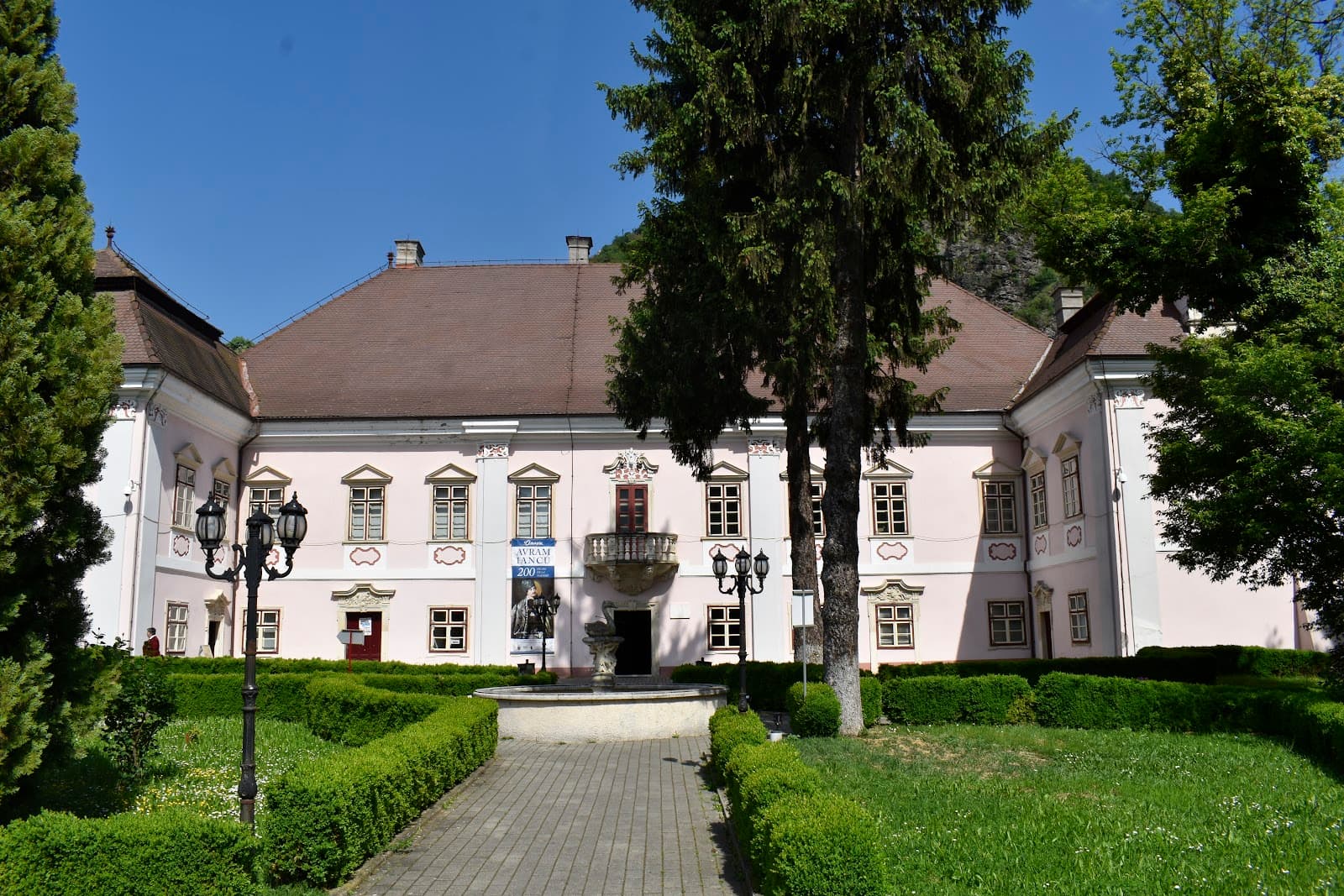
Magna Curia Palace
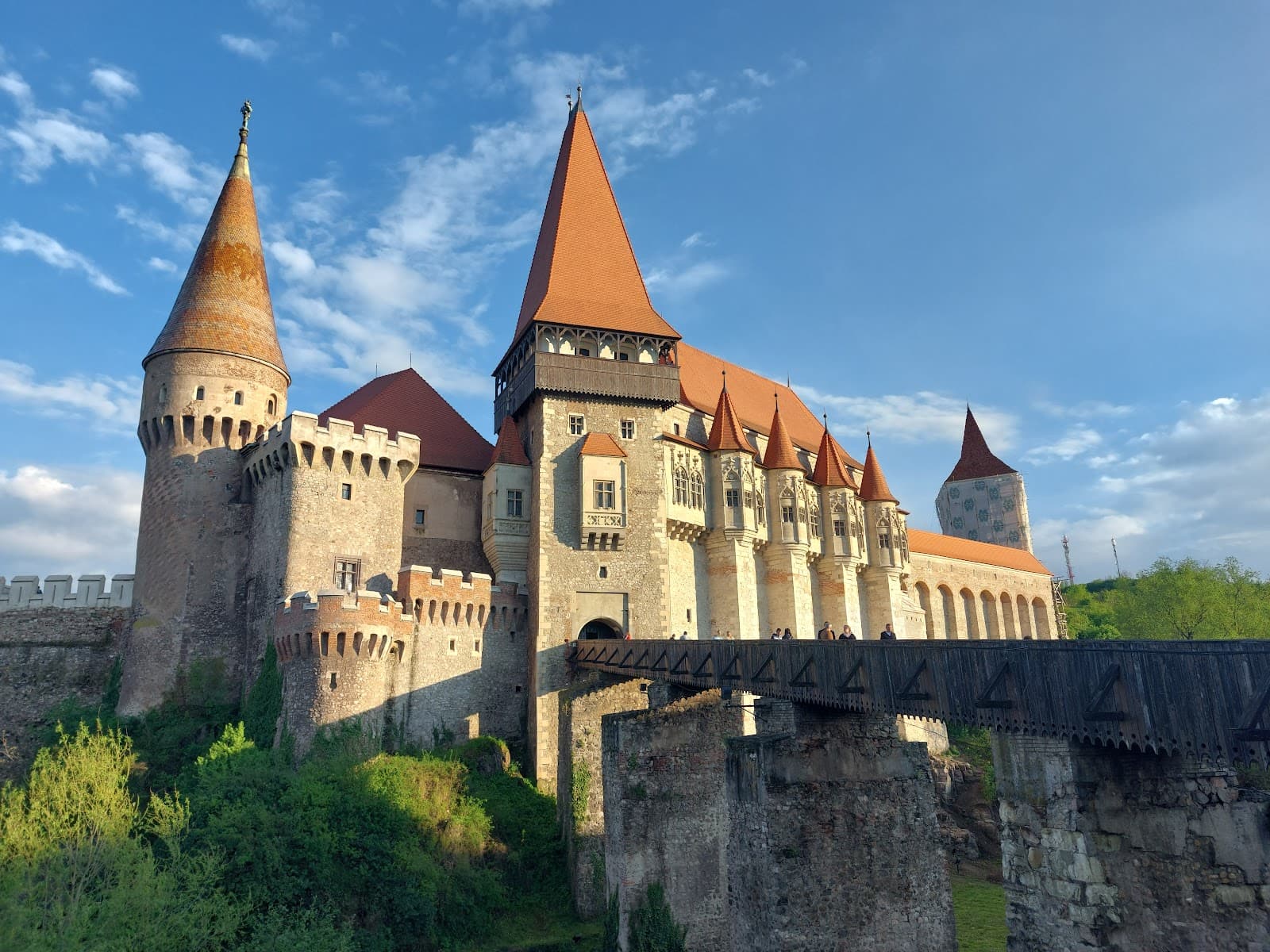
A historic palace in Deva, Romania, now housing a museum with Roman, Dacian, and natural history exhibits, showcasing stunning architecture.
Highlights
Must-see attractions

Social
From TikTok & Reddit
Best Time
Fewer crowds, better photos
Magna Curia Palace
Best Time
Fewer crowds, better photos
Highlights
Must-see attractions
A historic palace in Deva, Romania, now housing a museum with Roman, Dacian, and natural history exhibits, showcasing stunning architecture.
"Beautifully restored villa hosting a county museum with exhibits focusing on Roman and Dacian archeological findings."
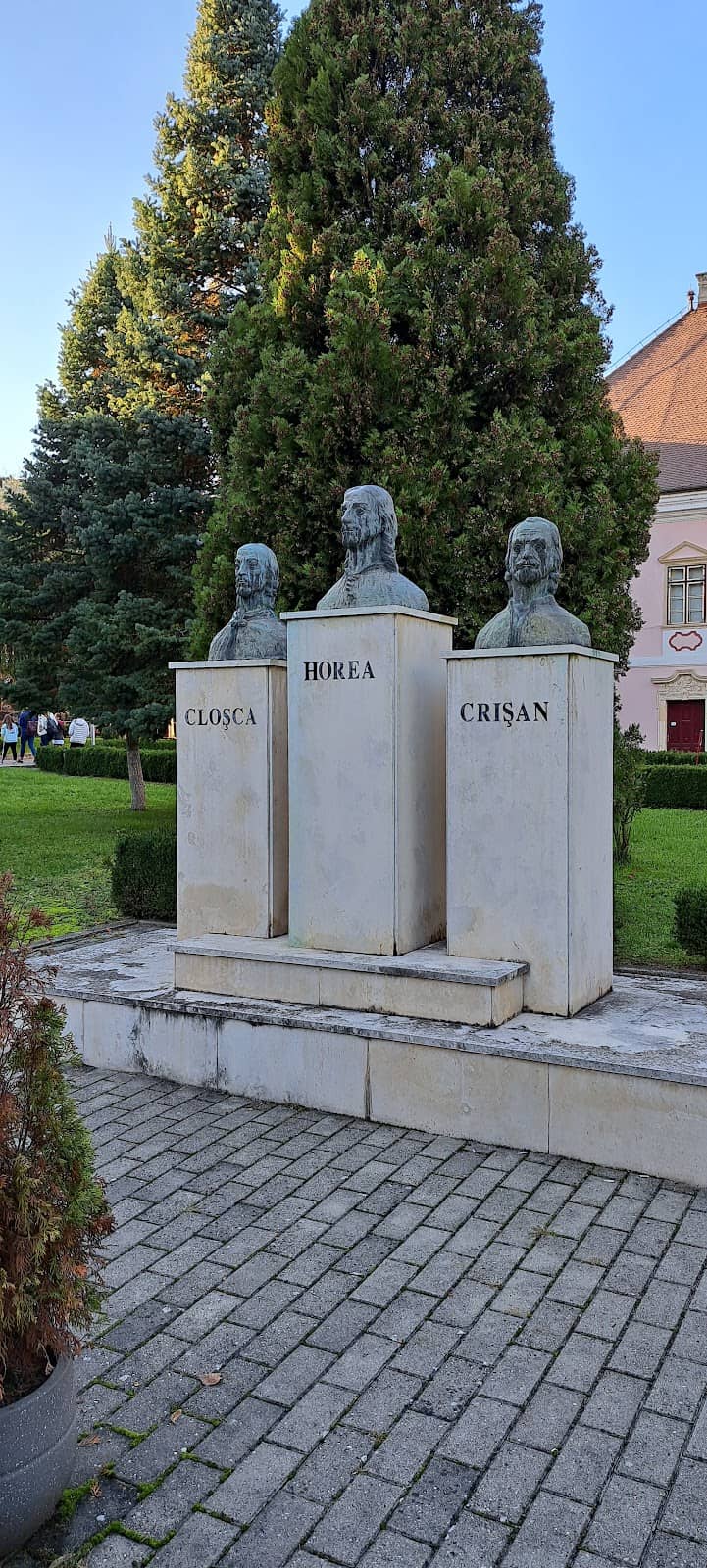
Bring Cash for Entry
Admission is currently cash-only (10 lei/person). Come prepared! :moneybag:
Check Construction Status
The palace is under renovation, so be ready for stairs and potential access changes. :construction:
Highlights
Discover the most iconic attractions and experiences
Renaissance & Baroque Architecture
Exterior and interior
Admire the palace's transformation from Renaissance to Baroque styles, a testament to centuries of history.
Roman & Dacian Artifacts
Museum exhibits
Explore fascinating archaeological findings from the Roman and Dacian periods, offering a glimpse into ancient life.
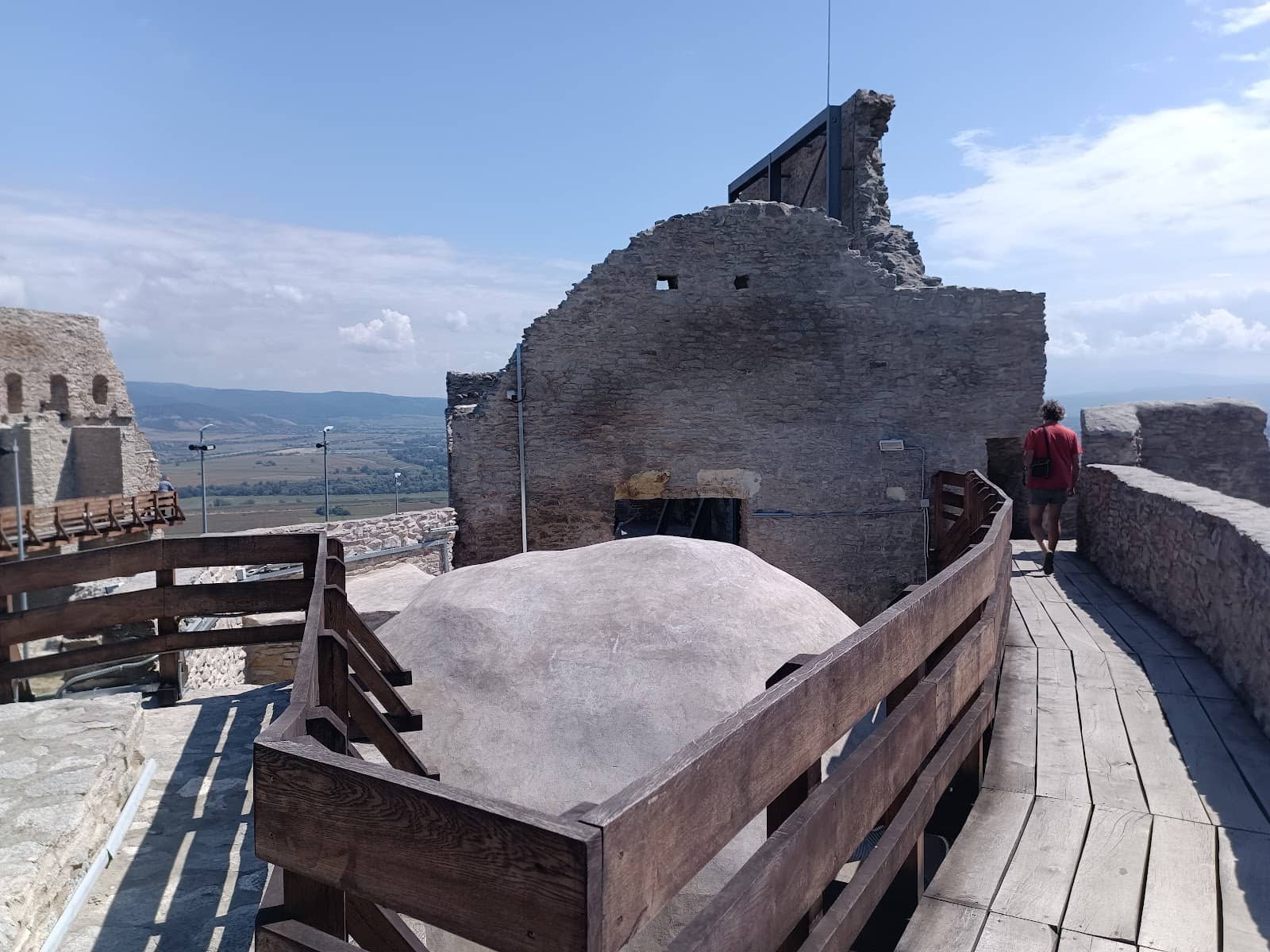
Panoramic Views
Upper levels
Enjoy breathtaking views of the surrounding area from the palace's elevated vantage points.
Plans like a pro.
Thinks like you
Planning Your Visit
Construction & Access
Payment & Exhibits
Best Times
Insider Tips
from TikTok, Instagram & Reddit
Bring Cash for Entry
Admission is currently cash-only (10 lei/person). Come prepared! :moneybag:
Check Construction Status
The palace is under renovation, so be ready for stairs and potential access changes. :construction:
Explore All Exhibits
From ancient history to natural wonders and art, there's a lot to discover inside. :mag:
Enjoy the Views
Don't miss the amazing panoramic views from the upper floors of the palace. :camerawithflash:
Tips
from all over the internet
Bring Cash for Entry
Admission is currently cash-only (10 lei/person). Come prepared! :moneybag:
Check Construction Status
The palace is under renovation, so be ready for stairs and potential access changes. :construction:
Explore All Exhibits
From ancient history to natural wonders and art, there's a lot to discover inside. :mag:
Enjoy the Views
Don't miss the amazing panoramic views from the upper floors of the palace. :camerawithflash:
What Travellers Say
Reviews Summary
Visitors praise the Magna Curia Palace for its beautifully restored architecture and the fascinating Roman and Dacian archaeological exhibits. The panoramic views from the upper levels are a definite highlight. However, some note that the museum's collection can be eclectic, with natural history displays alongside historical artifacts, and that payment is cash-only.
"Beautifully restored villa hosting a county museum with exhibits focusing on Roman and Dacian archeological findings but also natural history and paintings"
Klaus Wanderer
"It is under construction, so we had to climb the stairs.
Amazing view."
Marina B
"Die Magna Curia oder das Bethlen-Schloss in Deva (Diemrich) wurde ab 1582 gebaut, 1621-1622 auf Wunsch des siebenbürgischen Fürsten Gabriel Bethlen maßgeblich erweiterung und umgebaut und Anfang des 18. Jahrhunderts auf Anordnung des siebenbürgischen Gouverneurs Stefan Haller von Hallerstein baroquesiert. Es residierten hier mehrere Fürsten Siebenbürgens, daunter Sigismund Báthory, Stefan Bocskáy, Gabriel Báthory und Gabriel Bethlen, wie auch der kaiserliche General Basta. From 1938 the Magna Curia housed the History Museum of the Kreises Hunedoara (Hunyád).
year 1582 the captain of the fortress garrison This house will be used as a residence then by Sigismund Báthory, General Basta, Ștefan Bocskay, Gabriel Báthory and Gabriel Bethlen.[1]
In 1621 Gabriel Bethlen had the original construction radically transformed, resulting in the Magna Curia palace. Originally designed in the Renaissance style (under Gabriel Bethlen), the building reached its final form at the beginning of the 18th century when the final modifications were made. These modifications gave it the Baroque appearance that it has retained to this day.[3]
After the unification of Transylvania with Romania, in 1918, Bethlen Castle became the property of the Romanian state, and since 1938 the castle has been used as the History Museum of Hunedoara County. The castle has been renovated in recent years, the process being nearing completion, and archaeological research in its courtyard continues."
Dan Caramidariu
What People Like
What People Dislike
Frequently Asked Questions
🚇 🗺️ Getting There
The Magna Curia Palace is located in Deva, Romania. Public transport options within Deva are limited, so consider using a taxi or ride-sharing service to reach the palace directly. Parking availability may vary, especially during peak times.
While specific bus routes directly to the palace might be infrequent, you can likely reach the general area of Deva by bus or train and then take a short taxi ride to the palace. It's advisable to check local transport schedules in advance.
From the center of Deva, a taxi or a pleasant walk (depending on your accommodation's proximity) are good options. The palace is a prominent landmark, making it relatively easy to find.
🎫 🎫 Tickets & Entry
Opening hours can vary, especially due to ongoing renovations. It's recommended to check the official museum website or local listings for the most up-to-date information before your visit.
Admission is typically around 10 lei per person. However, it's important to note that payment is currently accepted in cash only.
Currently, online ticket purchasing is not widely advertised. Visitors are advised to purchase tickets on-site at the palace. Be sure to have cash ready for the transaction.
There is no specific dress code for visiting the Magna Curia Palace. However, comfortable attire and footwear are recommended, especially if there are stairs due to ongoing construction.
Information on specific discounts for students, seniors, or groups is not readily available. It's best to inquire at the ticket counter upon arrival for any potential concessions.
🎫 🏛️ Onsite Experience
The palace houses a museum with exhibits on Roman and Dacian archaeology, natural history, and paintings. You can also explore the historical architecture of the palace itself.
While the historical exhibits might appeal to older children, the presence of natural history displays (like dinosaurs and stuffed animals) can also engage younger visitors. The building's grandeur is impressive for all ages.
Information on official guided tours is not widely publicized. You may be able to arrange a private guide or explore independently, taking advantage of the museum's displays.
Take your time to appreciate the architectural details and the diverse museum collections. If construction is ongoing, be prepared for potential stair access.
Photography policies can vary. It's advisable to check for signage within the palace or ask a staff member if you are unsure about taking photos of the exhibits.
🍽️ 🍽️ Food & Dining
There are no dining facilities directly within the Magna Curia Palace itself. Visitors are advised to explore dining options in the nearby town of Deva.
The area around the palace in Deva offers various restaurants and cafes serving local Romanian cuisine and international dishes. You can find options ranging from casual eateries to more formal dining experiences.
It's generally not recommended to consume outside food and drinks within museum spaces. It's best to enjoy your refreshments before or after your visit.
📸 📸 Photography
The palace's exterior architecture, especially the blend of Renaissance and Baroque styles, is highly photogenic. The panoramic views from the upper levels also offer excellent photo opportunities.
Drone usage is typically restricted in historical sites and urban areas due to privacy and safety regulations. It's best to assume drone photography is not allowed unless explicitly permitted by local authorities.
A versatile lens (like a 24-70mm equivalent) is useful for capturing both architectural details and wider views. If you plan to photograph exhibits, a camera with good low-light performance is beneficial.
For Different Travelers
Tailored advice for your travel style
👨👩👧 Families with Kids
🏛️ History Buffs
📸 Photographers
Deep Dives
In-depth insights and expert knowledge
A Glimpse into History: The Magna Curia Palace
Throughout its existence, the palace was a seat of power and residence for several Transylvanian princes. After the unification of Transylvania with Romania in 1918, the castle became state property. Since 1938, it has served as the History Museum of Hunedoara County, showcasing its historical significance and architectural beauty. Recent renovations have aimed to preserve its heritage while making it accessible to the public, with ongoing archaeological research contributing to our understanding of its past.
Today, the Magna Curia Palace is a key cultural landmark in Deva. Its museum exhibits offer insights into the region's past, particularly its Dacian and Roman heritage, alongside natural history and art collections. The palace itself remains a stunning example of historical architecture, inviting visitors to step back in time and explore its storied halls.
Exploring the Museum Collections
Beyond ancient history, the museum also features natural history exhibits, which some visitors find intriguing, including displays of dinosaurs and taxidermied animals. Additionally, the palace showcases a collection of paintings, though some reviewers note a lack of inscriptions in Hungarian, which might be a point of interest for those familiar with the region's complex cultural tapestry.
Visitors are encouraged to explore all sections of the museum to fully appreciate the breadth of its collection. The combination of historical artifacts, natural specimens, and art creates a unique and engaging experience within the stunning architectural setting of the palace.


Social
from TikTok, Instagram & Reddit