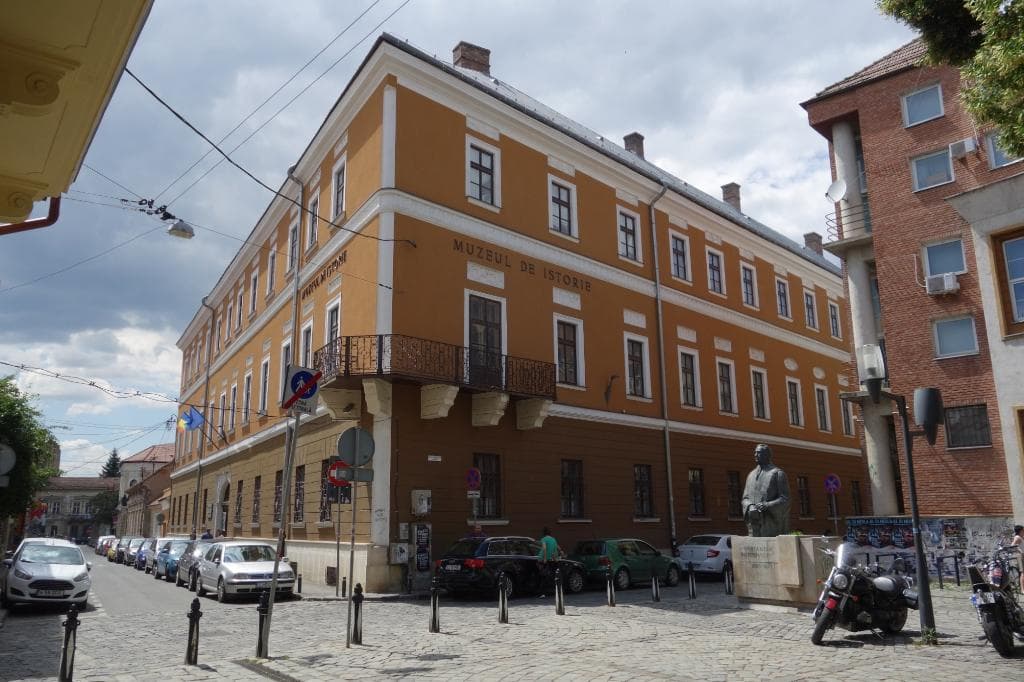
National Museum of Transylvanian History
Discover millennia of Transylvanian history, from Roman ruins to medieval treasures, including a unique Egyptian collection.
Highlights
Must-see attractions

Social
From TikTok & Reddit
Best Time
Fewer crowds, more peaceful exploration
National Museum of Transylvanian History
Best Time
Fewer crowds, more peaceful exploration
Highlights
Must-see attractions
Discover millennia of Transylvanian history, from Roman ruins to medieval treasures, including a unique Egyptian collection.
"A mandatory visit for history lovers, offering a surprisingly rich and well-curated journey through time."
⏳ Allow 3+ Hours
You'll need ample time to explore all floors and exhibits. Don't underestimate the depth of history here!
📚 Read Up Beforehand
A basic understanding of Romanian history greatly enhances comprehension.
Highlights
Discover the most iconic attractions and experiences
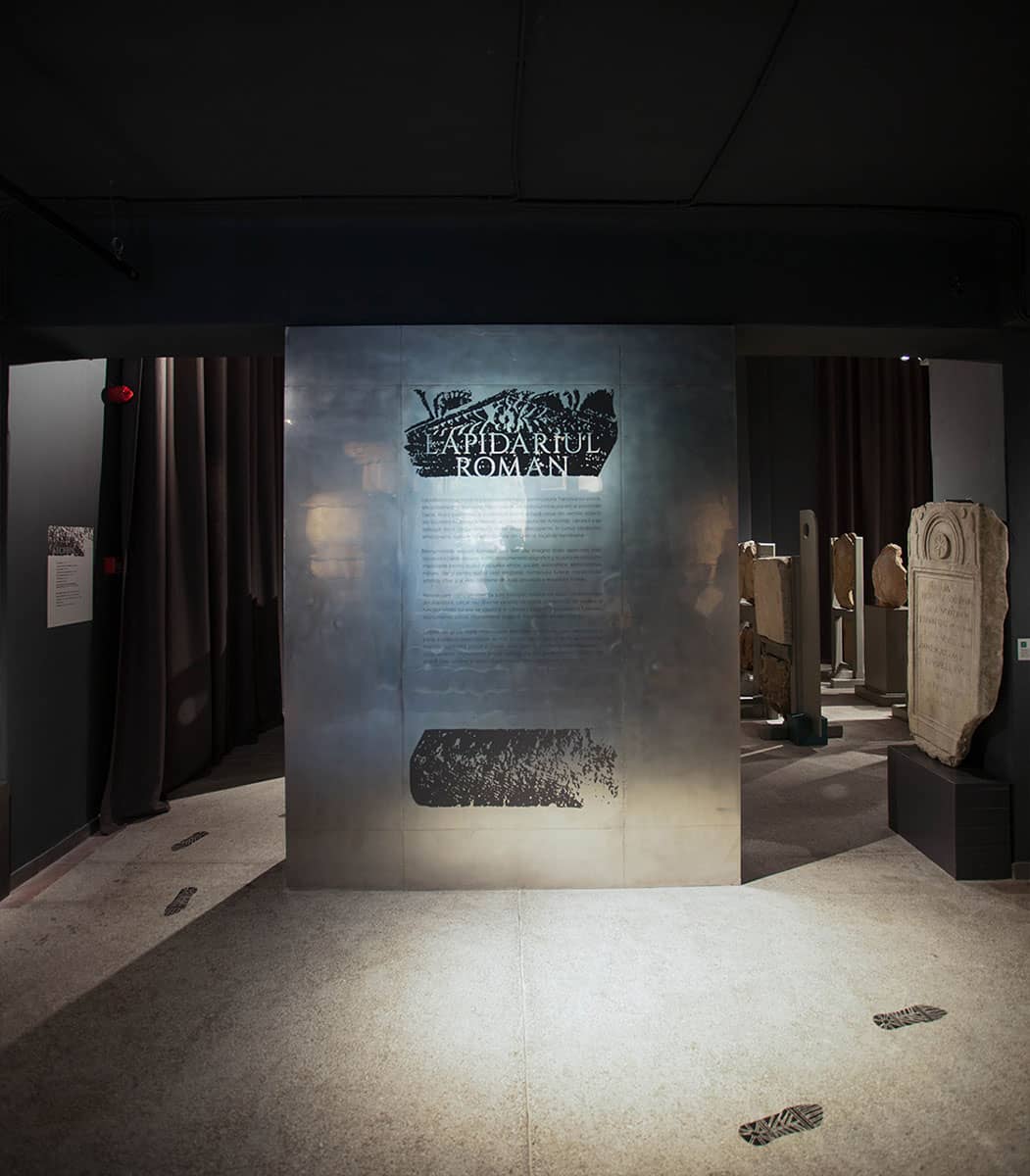
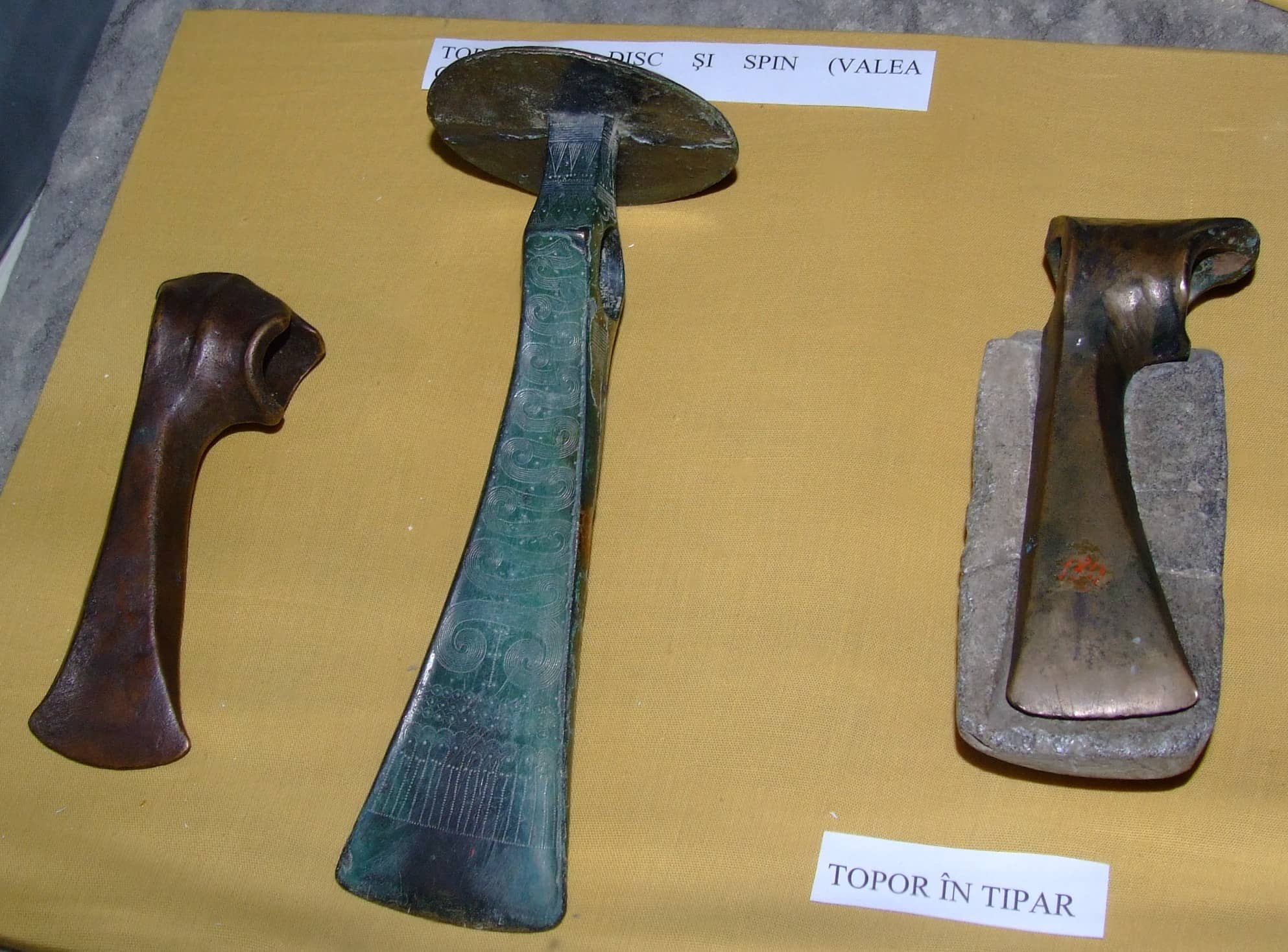
Roman Lapidarium
Ground Floor
Vast collection of Roman artifacts, offering a glimpse into ancient life and architecture.
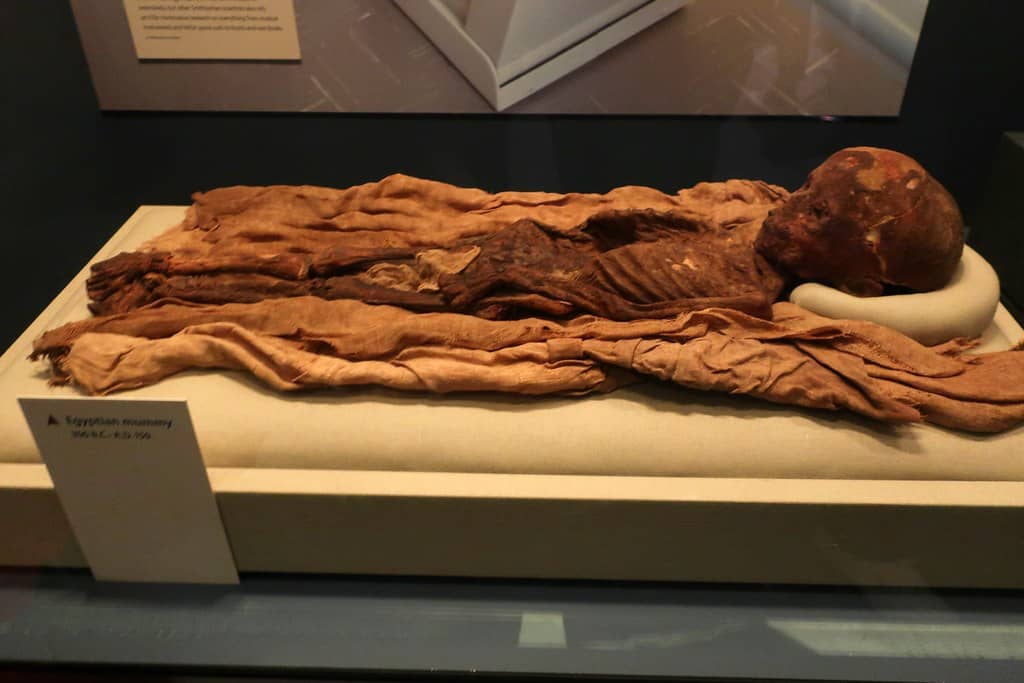
Egyptian Exposition
Upper Floor
A surprisingly rich collection of Egyptian antiquities, showcasing ancient civilizations.
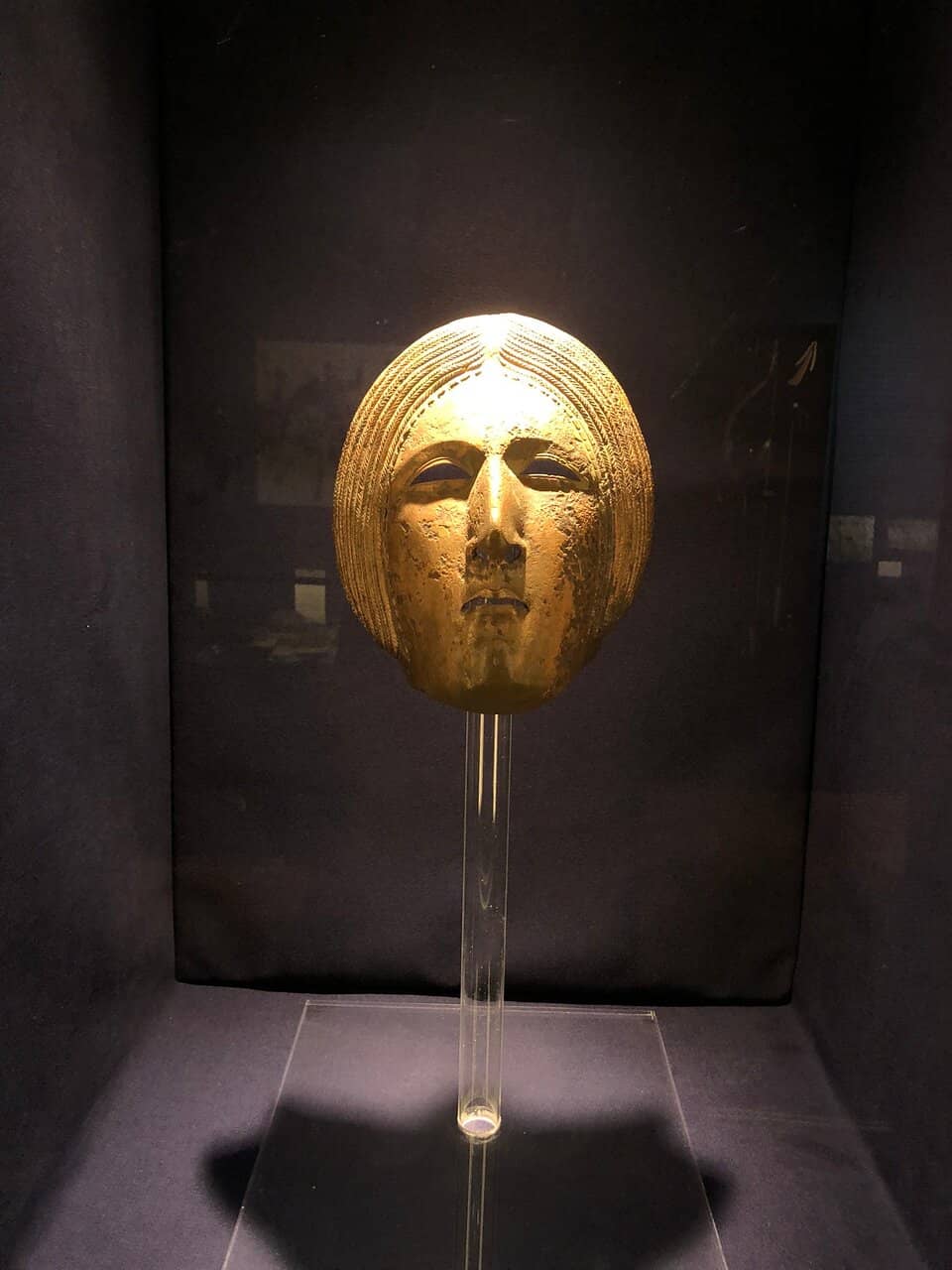
Huns Exhibition
Temporary Exhibition Space
Fascinating artifacts from the 4th and 5th centuries, detailing the era of the Huns.
Plans like a pro.
Thinks like you
Planning Your Visit
Allocate Ample Time
Brush Up on History
Best Times
Insider Tips
from TikTok, Instagram & Reddit
⏳ Allow 3+ Hours
You'll need ample time to explore all floors and exhibits. Don't underestimate the depth of history here!
📚 Read Up Beforehand
A basic understanding of Romanian history greatly enhances comprehension.
Advice for a tourist
📱 Use QR Codes
QR codes provide additional English information for many exhibits.
🙋 Ask Staff Questions
The staff are eager to help and answer any questions you may have.
Tips
from all over the internet
⏳ Allow 3+ Hours
You'll need ample time to explore all floors and exhibits. Don't underestimate the depth of history here!
📚 Read Up Beforehand
A basic understanding of Romanian history greatly enhances comprehension.
📱 Use QR Codes
QR codes provide additional English information for many exhibits.
🙋 Ask Staff Questions
The staff are eager to help and answer any questions you may have.
🧐 Look for English Text
While not all text is translated, many key pieces have English alongside.
What Travellers Say
Reviews Summary
Visitors consistently praise the National Museum of Transylvanian History for its extensive and fascinating collections, particularly the Roman Lapidarium and the surprising Egyptian exhibit. Many found the staff helpful and the overall curation impressive, exceeding expectations. However, some noted that English translations could be improved and more consistently applied across all displays.
"Mandatory visit for all history lovers or anyone visiting Cluj-Napoca.
There's a huge lapidarium from roman times, a section containing information of the old city of Cluj, a small but very interesting Egyptian exposition and a temporary Huns exposition, which contained all sorts of fascinating artifacts from the 4th and 5th century. Alina was the exposition keeper, and she was so kind to guide me through it and answer all the questions I had."
sergi martinez
"Very interesting pieces. Would recommend for all of those who love history."
Ado Nino
"We initially thought that the display of lapidarium from roman times was all that was available and then we discovered the other two floors. We used the QR codes to access a lot more English information and found the museum interesting. Three hours later we left. We found most of the staff helpful and had a couple directing us and we nearly missed bits. A very good museum."
Karen Mason
What People Like
What People Dislike
Frequently Asked Questions
🚇 🗺️ Getting There
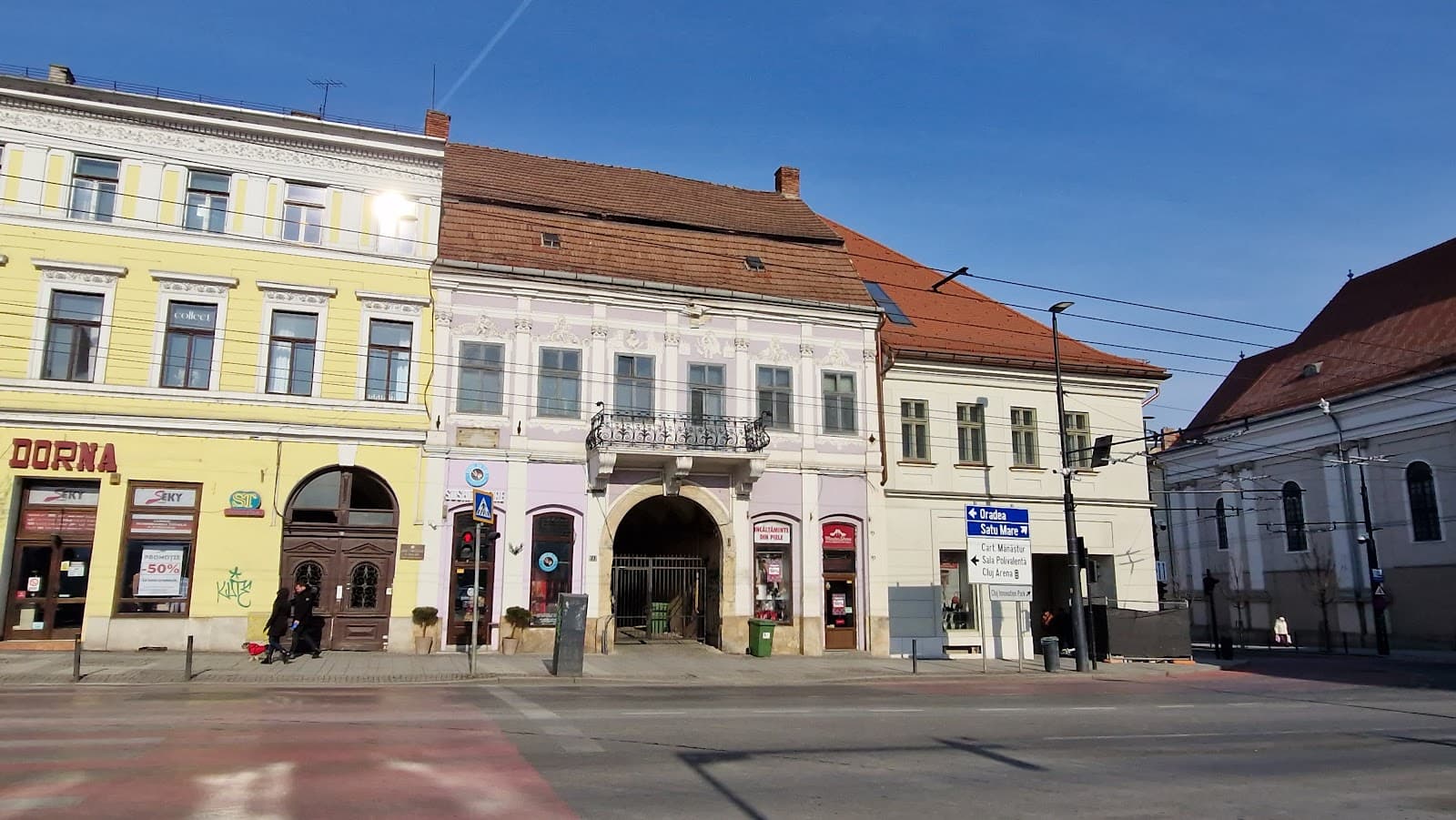
The museum is centrally located in Cluj-Napoca, making it easily accessible by foot from most city center accommodations. Public transport options are also available, with several bus lines stopping nearby. Check local transit apps for the most convenient routes.
Street parking can be challenging in the city center. It's recommended to use public transport or a taxi. If driving, look for designated parking garages in the vicinity.
From Cluj-Napoca International Airport (CLJ), you can take a taxi or a ride-sharing service directly to the museum. Alternatively, airport buses connect to the city center, from where you can transfer to local transport.
🎫 🎫 Tickets & Entry
The museum typically operates from Tuesday to Sunday, with hours varying slightly. It's always best to check the official museum website for the most up-to-date opening times before your visit.
Admission fees are generally affordable. Prices can vary for adults, students, and seniors. Check the museum's official website for current ticket prices and any potential discounts.
While not always mandatory, purchasing tickets online in advance can save you time, especially during peak seasons. Check the museum's website for online booking options.
Weekday mornings are generally less crowded, allowing for a more relaxed experience. Visiting right at opening time can also help you beat the rush.
While not always advertised, some staff members are very knowledgeable and can offer insights. It's worth inquiring at the information desk upon arrival about any informal guidance or available tours.
🎫 🧭 Onsite Experience
Most visitors find that 3 hours is a good amount of time to explore the museum thoroughly. Some may even spend longer if they are deeply interested in history.
Information on accessibility can vary. It's advisable to contact the museum directly to inquire about elevator access and any specific facilities for visitors with mobility challenges.
Yes, the museum typically has restrooms available for visitors. It's always a good idea to locate them upon entering.
Photography policies can vary. Generally, non-flash photography for personal use is permitted, but it's best to check for any specific signage or ask staff for clarification.
The Roman Lapidarium, the Egyptian Exposition, and the temporary Huns Exhibition are highly recommended.
🍽️ 🍽️ Food & Dining
The museum itself typically does not have a full-service restaurant. However, there are often vending machines or a small cafe for snacks and drinks. Check the museum's website for current offerings.
Cluj-Napoca has a vibrant culinary scene. Numerous restaurants, cafes, and bistros are located within walking distance of the museum, offering a variety of local and international cuisines.
Generally, it's best to consume outside food and drinks before entering the museum. Some museums may allow water bottles, but it's advisable to check their specific policy.
📸 📸 Photography
Non-flash photography for personal use is usually permitted. However, always look for signs or ask museum staff to confirm the current policy, especially for special exhibitions.
The Roman Lapidarium, with its impressive stone carvings, and the artifacts in the Egyptian and Huns exhibitions offer unique photographic opportunities. The architecture of the building itself can also be photogenic.
Tripods and professional photography equipment are typically not allowed without prior permission. This is to ensure the safety of the exhibits and the comfort of other visitors.
For Different Travelers
Tailored advice for your travel style
👨👩👧 Families with Kids
Consider downloading a simple historical overview of Romania or Transylvania to share with your children before or during your visit. This can help them connect with the displays. The museum staff are generally helpful and can point out particularly interesting items for younger visitors. Allocate at least 2-3 hours to allow for breaks and a less rushed exploration.
🤓 History Buffs & Academics
While the museum provides some English translations, serious scholars may find it beneficial to have a working knowledge of Romanian or to bring along translation tools. The Huns Exhibition is particularly noteworthy for its unique artifacts that shed light on a less commonly detailed historical period. Engaging with the knowledgeable staff can also provide deeper insights and context for your research.
Deep Dives
In-depth insights and expert knowledge
Exploring Transylvanian History
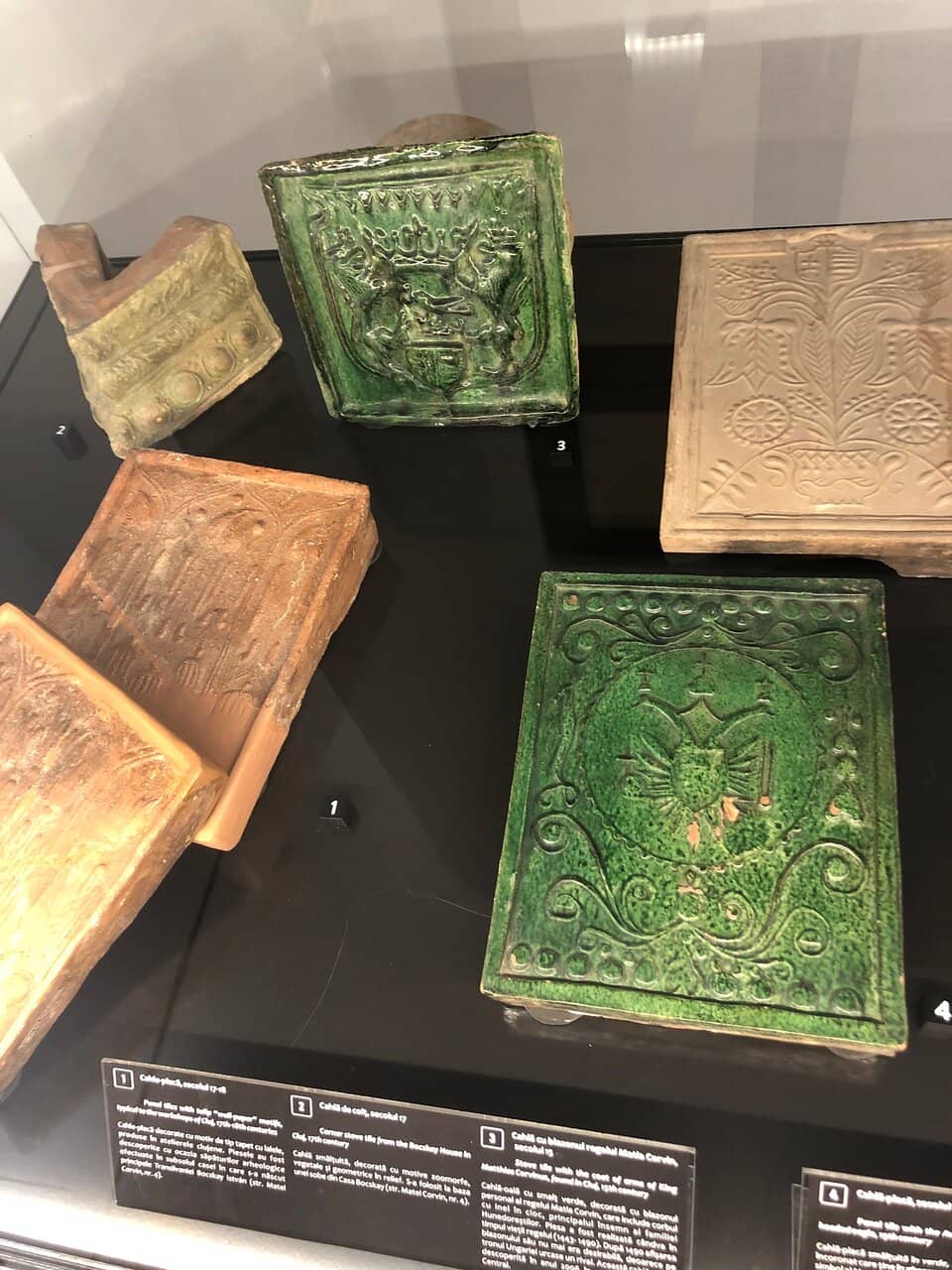
The museum is particularly renowned for its extensive Roman Lapidarium, a collection of stone inscriptions, altars, and architectural fragments that provide invaluable insights into the Roman presence in Dacia. Beyond the Roman era, the museum delves into medieval history, showcasing elements of Transylvanian life during periods of Hungarian, Ottoman, and Habsburg rule. The Huns Exhibition is a notable highlight, offering a glimpse into the tumultuous era of these nomadic warriors and their impact on the region.
While the museum strives to provide information, some visitors note that English translations can be inconsistent or have readability issues. To truly maximize your understanding and appreciation, consider doing some preliminary reading on Transylvanian history. This will allow you to connect the dots between the artifacts and the broader historical narrative, making your visit even more rewarding.
Beyond the Expected: Unique Collections
This unexpected addition provides a unique opportunity to see ancient Egyptian relics without having to travel to Egypt itself. The items on display, which may include sarcophagi fragments, amulets, and hieroglyphic inscriptions, are carefully curated and presented. It’s a delightful detour that adds another layer of intrigue to the museum experience, showcasing the broader scope of historical exploration available within its walls.
Visitors often express pleasant surprise at finding such a diverse range of exhibits. It underscores the museum's commitment to presenting a comprehensive view of history, not just regionally, but also in a global context. This makes the National Museum of Transylvanian History a destination with something to captivate a wide array of interests.





Social
from TikTok, Instagram & Reddit