Cayo Santiago Monkey Island
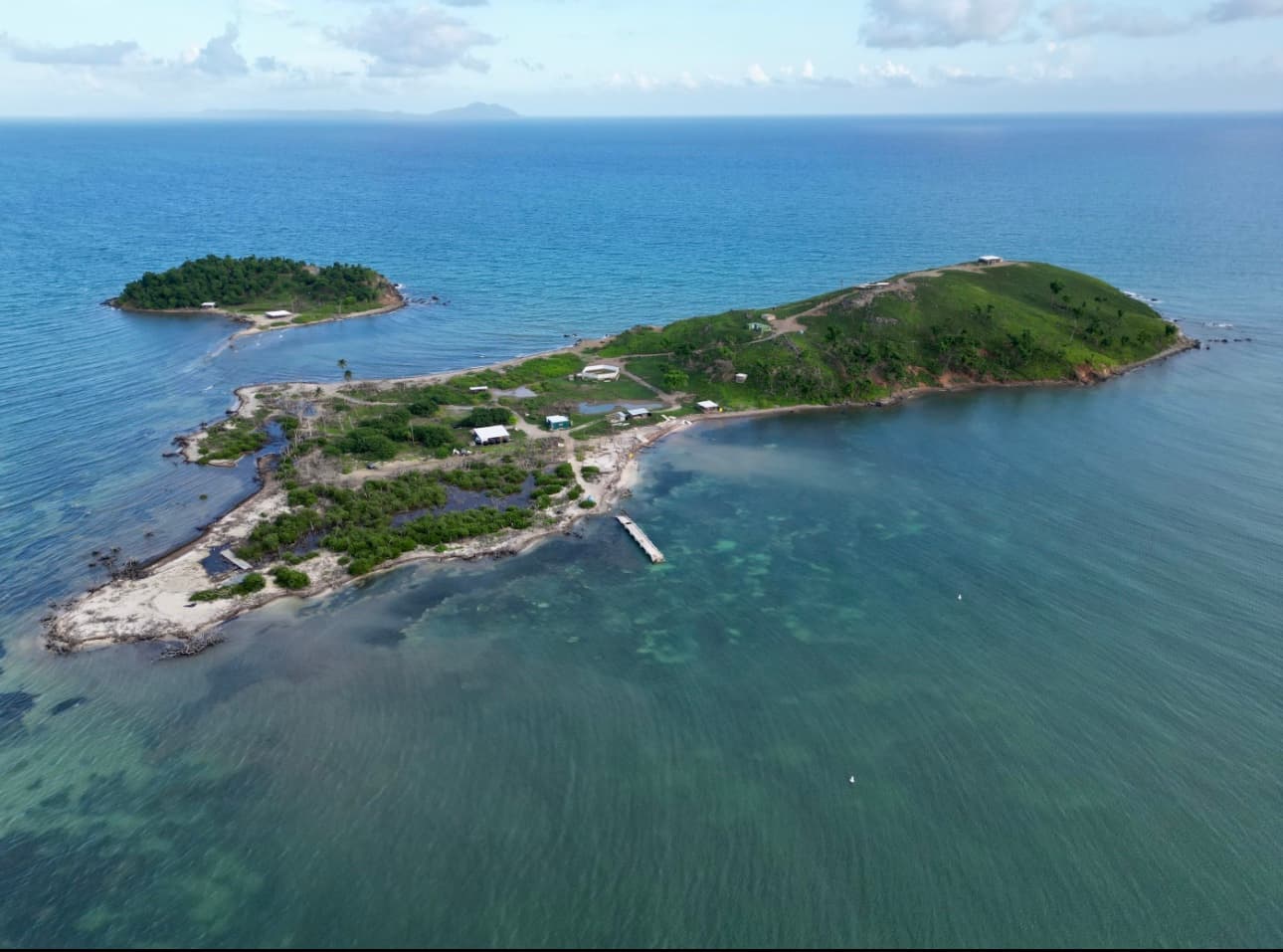
Home to over 1,000 free-roaming rhesus macaques, Cayo Santiago is a vital research island off Puerto Rico's coast.
Highlights
Must-see attractions

Social
From TikTok & Reddit
Best Time
Fewer crowds, calmer waters for tours.
Cayo Santiago Monkey Island
Best Time
Fewer crowds, calmer waters for tours.
Highlights
Must-see attractions
Home to over 1,000 free-roaming rhesus macaques, Cayo Santiago is a vital research island off Puerto Rico's coast.
"An excellent adventure to see monkeys hanging around in their natural habitat."
Observe from Afar
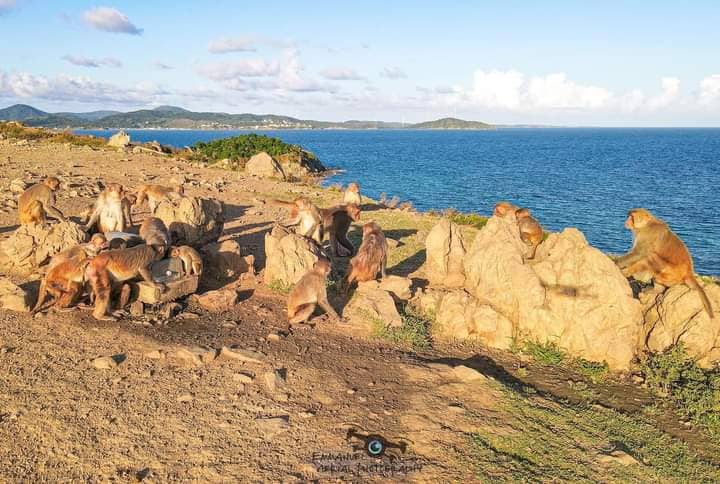
Maintain a respectful distance from the monkeys. They are wild animals and part of ongoing research.
Book Guided Tours
Access is via ecotours. Book ahead to ensure a spot and responsible wildlife viewing.

Highlights
Discover the most iconic attractions and experiences
Rhesus Macaque Colony
Cayo Santiago Island
Witness over 1,000 free-roaming rhesus macaques in their natural habitat. A unique research site for over 80 years.
Island Ecosystem
Cayo Santiago Island
Explore the lush 38-acre island, a vital research station and home to a fascinating primate colony.

Scientific Research Hub
Cayo Santiago Research Station
Learn about the long-standing scientific studies conducted here, offering insights into primate behavior and evolution.
Plans like a pro.
Thinks like you
Planning Your Visit
Respect the Rhesus
Book Your Expedition
Best Times
Insider Tips
from TikTok, Instagram & Reddit
Observe from Afar
Maintain a respectful distance from the monkeys. They are wild animals and part of ongoing research.
Book Guided Tours
Access is via ecotours. Book ahead to ensure a spot and responsible wildlife viewing.
Pack Light & Essentials
Bring water, sunscreen, and insect repellent. Tours often involve kayaking.
Respect the Research
This is a scientific research station. Do not disturb the monkeys or the environment.
Tips
from all over the internet
Observe from Afar
Maintain a respectful distance from the monkeys. They are wild animals and part of ongoing research.
Book Guided Tours
Access is via ecotours. Book ahead to ensure a spot and responsible wildlife viewing.
Pack Light & Essentials
Bring water, sunscreen, and insect repellent. Tours often involve kayaking.
Respect the Research
This is a scientific research station. Do not disturb the monkeys or the environment.
What Travellers Say
Reviews Summary
Visitors rave about the unique opportunity to see a large colony of rhesus macaques in their natural habitat on Cayo Santiago. The ecotour experience, often involving kayaking, is highlighted as an excellent way to observe these fascinating primates from a safe distance. The island's natural beauty and its significance as a research site are also frequently praised.
"Kayak Monkey Island Ecotours..we kayak out and view the primates from a safe distance and enjoy the beauty of the natural area and views. Barefoot Travelers Kayak Tour to Monkey Island responsible ecotours company in Punta Santiago Humacao."
Keishya Salko
"Excellent adventure. Clear, calm waters on this day. It was a very interesting experience to see monkeys hanging around,"
O. R.H.
"That's my place right there"
Luis Rivera
What People Like
What People Dislike
Frequently Asked Questions
🚇 🗺️ Getting There
Cayo Santiago is an island off the coast of Humacao, Puerto Rico. Access is primarily through guided ecotours that often involve kayaking to the island. Companies like Barefoot Travelers offer tours that depart from Punta Santiago.
Independent visits are generally not permitted as it is a research facility. Guided ecotours are the standard way to experience the island and its inhabitants responsibly.
Humacao is accessible by car from San Juan (about an hour's drive). Renting a car is recommended for flexibility. Taxis or ride-sharing services can also be arranged.
While kayaking is a popular method, some ecotours may utilize boats for transport to the vicinity of Cayo Santiago, allowing for viewing from a safe distance.
Expect a scenic journey, often involving kayaking through calm waters. The tours are designed to be eco-friendly and educational, focusing on wildlife observation.
🎫 🎫 Tickets & Entry
Tour prices vary by operator. It's best to check directly with ecotour companies for current pricing and what's included in their packages.
Yes, booking in advance is highly recommended, especially during peak tourist seasons, to secure your spot on a guided tour.
Tour times are set by the individual ecotour operators. Most tours depart in the morning to take advantage of calmer waters and cooler temperatures.
While specific restrictions may vary by tour operator, Cayo Santiago is generally suitable for most ages. However, the kayaking aspect might require participants to be comfortable on the water.
Tours typically include kayak rental, guided narration, and the opportunity to observe the monkeys from a safe distance. Some may offer snorkeling opportunities.
🎫 🐒 Onsite Experience
No, direct interaction with the rhesus macaques is strictly prohibited. They are wild animals and part of a research study. Observe them from a safe and respectful distance.
The island is home to a large colony of rhesus macaques (Macaca mulatta), which have been studied there for decades. +1
When visiting with a reputable ecotour and following guidelines, it is safe. The tours are designed for responsible wildlife viewing.
The island is relatively small and covered in vegetation. Tours often involve kayaking, so be prepared for water activities.
Photography and videography are generally allowed, but always be mindful of not disturbing the wildlife or other visitors.
🍽️ 🍽️ Food & Dining
No, Cayo Santiago is a research island and does not have any food facilities. Visitors should bring their own snacks and water.
It's recommended to pack plenty of water and snacks that are easy to consume and dispose of properly. Avoid bringing food that might attract or be given to the monkeys.
There are local eateries and restaurants in the nearby town of Humacao and the coastal area of Punta Santiago offering authentic Puerto Rican cuisine.
Yes, the area around Punta Santiago has several casual dining spots where you can enjoy local seafood and other dishes after your excursion.
Picnicking is generally not encouraged on the island itself to maintain its research integrity and natural state. It's best to consume food and drinks on the tour vessel or before/after the excursion.
📸 📸 Photography
The best photographic opportunities are from the kayak or boat, capturing the monkeys in their natural environment and the island's scenic beauty.
A telephoto lens is ideal for capturing clear shots of the monkeys from a distance. Waterproof camera gear or protection is advisable due to the kayaking.
Drone usage is typically restricted on research islands to avoid disturbing the wildlife and research activities. Always check with your tour operator.
Early morning or late afternoon often provide softer light and more active monkey behavior, making them ideal for photography.
No, you must maintain a safe and respectful distance. The goal is to photograph them in their natural habitat without intrusion.
For Different Travelers
Tailored advice for your travel style
👨👩👧 Families with Kids

Emphasize to children the importance of respecting the monkeys' space and not feeding them. This visit can be a fantastic opportunity to teach about wildlife conservation, animal behavior, and the scientific research conducted on the island. Pack plenty of water and snacks, as facilities are non-existent.
🌿 Nature & Wildlife Enthusiasts
Guided ecotours offer insights into the island's biodiversity and the ongoing scientific research. It's a chance to witness firsthand the complex social dynamics of a primate colony and appreciate the efforts made to study and protect them. Remember to bring binoculars for better viewing and a camera to capture the incredible sights.
🔬 Science & Research Buffs
Learn about the long-term studies conducted on the rhesus macaques, including their responses to environmental changes and social interactions. Ecotours often provide context about the research, offering a unique glimpse into the world of primatology and behavioral science.
Deep Dives
In-depth insights and expert knowledge
The Rhesus Macaques of Cayo Santiago
These primates are not native to Puerto Rico; they were introduced for research purposes. Their presence on Cayo Santiago has provided invaluable data for understanding primate evolution, behavior, and even human health, as they share many physiological similarities with humans. The island serves as a living laboratory, offering unique insights into primate ecology and social dynamics.
Recent studies have even explored how natural disasters, like Hurricane Maria, impacted the social networks of these monkeys, revealing their resilience and ability to re-establish social bonds. This research highlights the importance of Cayo Santiago as a critical site for long-term ecological and behavioral studies.
+1Ecotourism and Responsible Viewing
Reputable tour operators ensure that visitors maintain a safe and respectful distance from the monkeys, adhering to guidelines set by the research station. This approach not only protects the animals but also preserves the integrity of the ongoing scientific research. Visitors are educated about the macaques' behavior, social structures, and the importance of the island as a research hub.
When planning your visit, it's crucial to choose tour operators committed to eco-friendly practices. This ensures that your experience contributes positively to the conservation efforts and the scientific mission of Cayo Santiago. Remember, the goal is to observe and learn, not to interfere with the natural lives of the monkeys.
The Island's Role in Scientific Research
The research conducted here spans a wide range of disciplines, including behavioral ecology, genetics, immunology, and primatology. Findings from Cayo Santiago have contributed significantly to our understanding of primate social behavior, disease transmission, and even evolutionary processes. The long-term data collected from this colony is invaluable for comparative studies with other primate populations and for informing conservation strategies.
+1Despite challenges like hurricanes, the research on Cayo Santiago continues, adapting to new methodologies and focusing on critical questions in primate science. The island's ongoing contribution to scientific knowledge underscores its importance as a global resource for understanding primate life and its implications for broader biological and medical research.
+1
Social
from TikTok, Instagram & Reddit