
Olsztynek Open-Air Museum
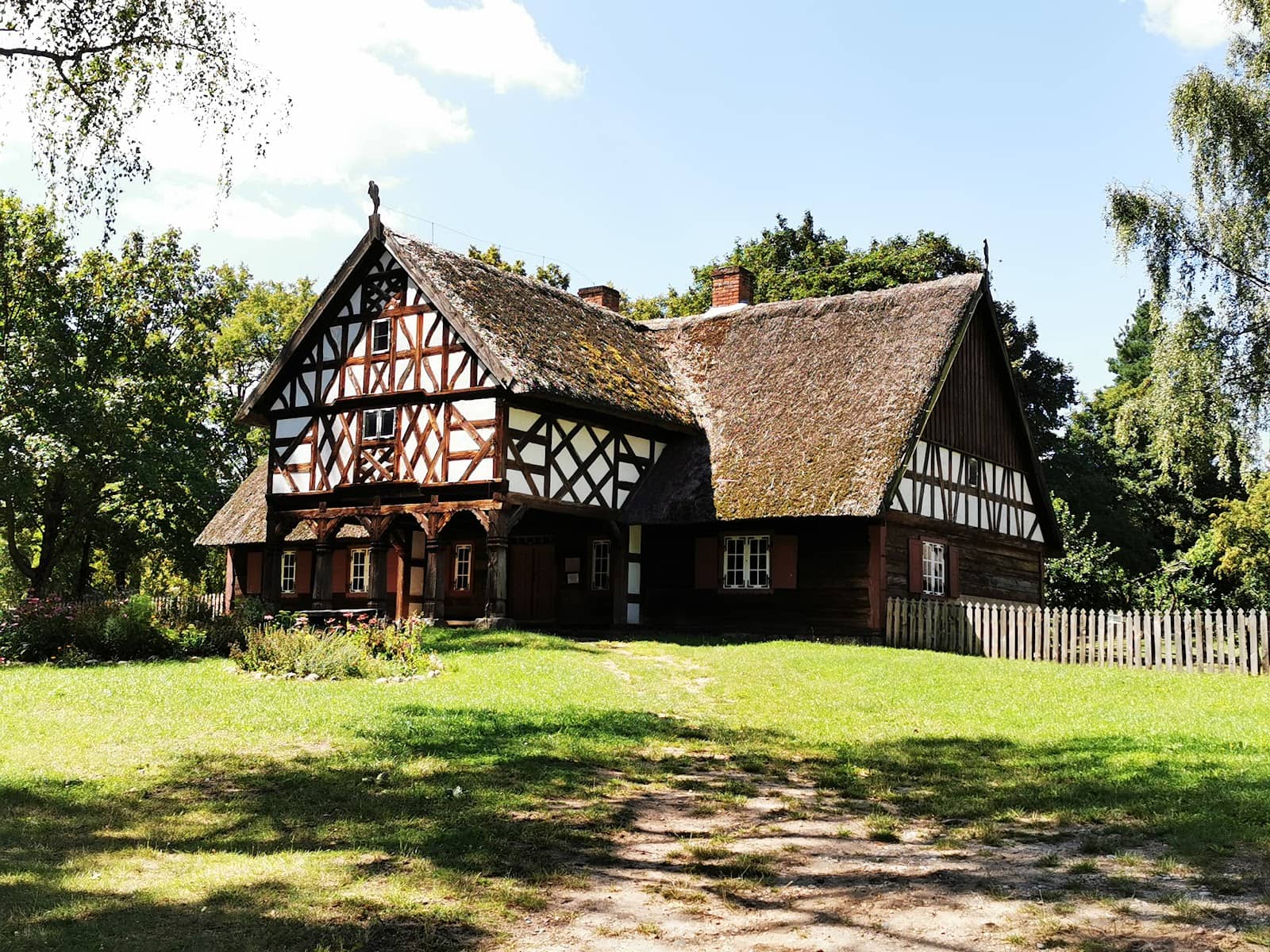
Step back in time at this expansive heritage village, showcasing authentic 19th-century Polish wooden architecture, mills, and folk interiors.
Highlights
Must-see attractions

Social
From TikTok & Reddit
Best Time
Pleasant weather, fewer crowds
Olsztynek Open-Air Museum
Best Time
Pleasant weather, fewer crowds
Highlights
Must-see attractions
Step back in time at this expansive heritage village, showcasing authentic 19th-century Polish wooden architecture, mills, and folk interiors.
"A beautiful and peaceful place that takes you back in time, highly recommended for history and culture lovers."
Wear Comfortable Shoes
The museum grounds are vast, so comfortable footwear is essential for exploring all the historical buildings and exhibits. :athletic_shoe:
Allocate Plenty of Time
This is a large site with many buildings. Plan for at least 2-3 hours to fully appreciate the heritage village and its exhibits. :clock1:

Highlights
Discover the most iconic attractions and experiences
Traditional Wooden Houses
Throughout the museum grounds
Explore meticulously preserved 19th-century wooden farm buildings, taverns, and homes, showcasing diverse Polish architecture and lifestyles.
Working Mills
Along the water features
Witness the ingenuity of historical engineering with functioning windmills and water mills, demonstrating traditional methods of grinding grain.

Folk Interiors
Inside various buildings
Discover colorful and authentic folk interiors, complete with period furniture and art, offering a vivid picture of past domestic life.
Plans like a pro.
Thinks like you
Planning Your Visit
Embrace the Past
Engage with History
Best Times
Insider Tips
from TikTok, Instagram & Reddit
Wear Comfortable Shoes
The museum grounds are vast, so comfortable footwear is essential for exploring all the historical buildings and exhibits. :athletic_shoe:
Allocate Plenty of Time
This is a large site with many buildings. Plan for at least 2-3 hours to fully appreciate the heritage village and its exhibits. :clock1:
Consider a Guided Tour
For deeper insights into the history and culture, a guided tour can significantly enhance your understanding of the exhibits. :bustsinsilhouette:
Check for English Info
While exteriors are detailed, interior information might be limited in English. Look for guides or consider a translation app. :iphone:
Tips
from all over the internet
Wear Comfortable Shoes
The museum grounds are vast, so comfortable footwear is essential for exploring all the historical buildings and exhibits. :athletic_shoe:
Allocate Plenty of Time
This is a large site with many buildings. Plan for at least 2-3 hours to fully appreciate the heritage village and its exhibits. :clock1:
Consider a Guided Tour
For deeper insights into the history and culture, a guided tour can significantly enhance your understanding of the exhibits. :bustsinsilhouette:
Check for English Info
While exteriors are detailed, interior information might be limited in English. Look for guides or consider a translation app. :iphone:
What Travellers Say
Reviews Summary
Visitors consistently praise the Olsztynek Open-Air Museum as a beautiful, peaceful, and historically rich destination that offers an authentic glimpse into past Polish life. The well-organized grounds and detailed traditional wooden buildings, including mills and folk interiors, are frequently highlighted as major draws. While some note limited English information inside exhibits, the overall experience is highly recommended for its immersive historical journey.
"A beautiful and peaceful place that takes you back in time. The park is very well organized, with old traditional houses, gardens, and authentic details that show how people lived in the past. Walking around feels like stepping into history.
Highly recommended for anyone who enjoys history, culture, and nature. Perfect for a calm walk with family or friends."
Oleg Gorbachev
"Enjoyable experience. Fun walk in the park full of old wooden farm buildings, taverns, windmills, water mills, etc. Colorful folk interiors, furniture and art. We have enjoyed it very much."
Olgierd Wisniowiecki
"It's a must see for everyone who is interested in history of Polish building, architecture and lifestyle.
The houses are very detailed and represent different periods and areas of Poland.
You can discover how the life was arranged in past times.
The territory is huge."
Marharita Chuikova
What People Like
What People Dislike
Frequently Asked Questions
🚇 🗺️ Getting There
The Olsztynek Open-Air Museum is located near Olsztynek. Driving is the most convenient option, with ample parking available. Public transport options might be limited, so checking local bus schedules in advance is recommended if you're not driving.
Yes, there is parking available for visitors at the museum. It's generally well-organized and convenient for those arriving by car.
Yes, it's possible to visit as a day trip from Warsaw, though it will be a long day. The drive is approximately 2-3 hours each way, so starting early is advised.
🎫 🎫 Tickets & Entry
Opening hours can vary seasonally. It's best to check the official museum website for the most up-to-date information on opening times and any potential closures.
Admission fees are typically charged. Prices can vary, so checking the museum's official website or contacting them directly for current ticket prices is recommended.
Online ticket purchasing options may be available, especially during peak seasons. Checking the museum's official website is the best way to find out if advance booking is possible.
Discounts may be offered for students, seniors, or families. Inquire at the ticket office or check the museum's website for details on any available concessions.
🎫 🧭 Onsite Experience
You can explore numerous traditional wooden houses, farm buildings, windmills, water mills, and a church. Many feature authentic folk interiors with period furniture and art, offering a deep dive into historical Polish life and architecture.
Yes, children often enjoy the open space and the visual appeal of the historical buildings. It's a great place for them to learn about history in an engaging, outdoor setting.
To fully appreciate the vast grounds and numerous exhibits, it's recommended to allocate at least 2-3 hours for your visit. Some visitors may spend longer if they opt for guided tours or wish to linger.
Yes, guided tours are often available and highly recommended. They provide valuable context and insights into the history, architecture, and lifestyle represented by the exhibits.
Mobile signal availability can vary across the large grounds. Wi-Fi might be available in specific areas like the visitor center or cafe, but it's not guaranteed throughout the entire museum.
🍽️ 🍽️ Food & Dining
Yes, there is typically a 'karczma' (tavern) and a cafe on-site, offering traditional Polish food and refreshments. This is a convenient option for visitors to grab a meal or a snack during their visit.
While not explicitly stated, open-air museums often allow picnics in designated areas. It's advisable to check with the museum staff upon arrival or consult their website for picnic policies.
The on-site 'karczma' usually serves traditional Polish cuisine. Expect hearty dishes like pierogi, żurek, and other regional specialties.
📸 📸 Photography
Photography is generally allowed in most outdoor areas and on the grounds. For interiors, it's best to check for specific signage or ask guides, as flash photography or filming might be restricted in some sensitive areas.
The traditional wooden houses, windmills, water mills, and the picturesque rural settings offer numerous excellent photo opportunities. The folk interiors also provide unique shots.
Drone usage is typically restricted at heritage sites to protect the historical structures and ensure visitor safety. It's essential to check the museum's specific regulations regarding drones before your visit.
For Different Travelers
Tailored advice for your travel style
👨👩👧 Families with Kids
Encourage kids to imagine life in the old houses and point out interesting details like old tools or furniture. The functioning mills can be particularly fascinating for younger visitors. While some interior information might be in Polish, the visual aspect of the exhibits is universally engaging. Consider packing snacks and drinks, though there are on-site dining options available.
🏛️ History Buffs & Architecture Enthusiasts
Pay close attention to the folk interiors, which are often described as colorful and authentic, providing deep insights into domestic life, craftsmanship, and artistic expression of the past. The museum's commitment to preserving these structures makes it an invaluable resource for understanding Poland's rural heritage. Don't miss the chance to explore the various types of buildings, from humble dwellings to more complex agricultural and public structures.
Deep Dives
In-depth insights and expert knowledge
Architectural Heritage
The collection includes a wide array of structures such as dwellings, barns, workshops (like blacksmiths), and public buildings. The attention to detail in the folk interiors, featuring authentic furniture, tools, and decorative elements, offers an immersive experience. It’s a living museum where the architecture isn't just observed but felt, transporting you to a different era. The sheer scale of the site means you can spend hours discovering the nuances of historical Polish building styles.
Many visitors highlight the authenticity and detail of the exhibits. The museum's commitment to preserving these historical buildings makes it a vital educational resource and a captivating destination for anyone interested in architectural history and cultural heritage. It’s a place where you can truly appreciate the evolution of rural life in Poland through its built environment.
Immersive Historical Experience
Reviewers often mention how peaceful and well-organized the park is, making it ideal for a calm walk and reflection. The colorful folk interiors, complete with period furniture and art, further enhance this feeling of stepping into history. For those interested in the history of Polish building, architecture, and lifestyle, this museum is a must-see, offering a tangible connection to how people lived in past times.
While some interiors might have limited English information, the overall experience is highly engaging. The presence of costumed guides in some buildings, even if they don't always initiate conversation, adds to the historical ambiance. It's a place that resonates with visitors seeking a deeper understanding of cultural heritage and historical living conditions.


Social
from TikTok, Instagram & Reddit