
Badagry Slave Route
Walk the historic Slave Route and stand at the Point of No Return, a poignant reminder of the transatlantic slave trade.
Highlights
Must-see attractions

Social
From TikTok & Reddit
Best Time
Fewer crowds for reflection
Badagry Slave Route
Best Time
Fewer crowds for reflection
Highlights
Must-see attractions
Walk the historic Slave Route and stand at the Point of No Return, a poignant reminder of the transatlantic slave trade.
"A sobering and essential journey into history, offering profound reflection on the past."

Wear Comfortable Shoes
You'll be walking the historic slave route, so good footwear is essential. :athletic_shoe:
Book a Guided Tour
Tours often include boat rides and insightful historical context. :bus:
Highlights
Discover the most iconic attractions and experiences
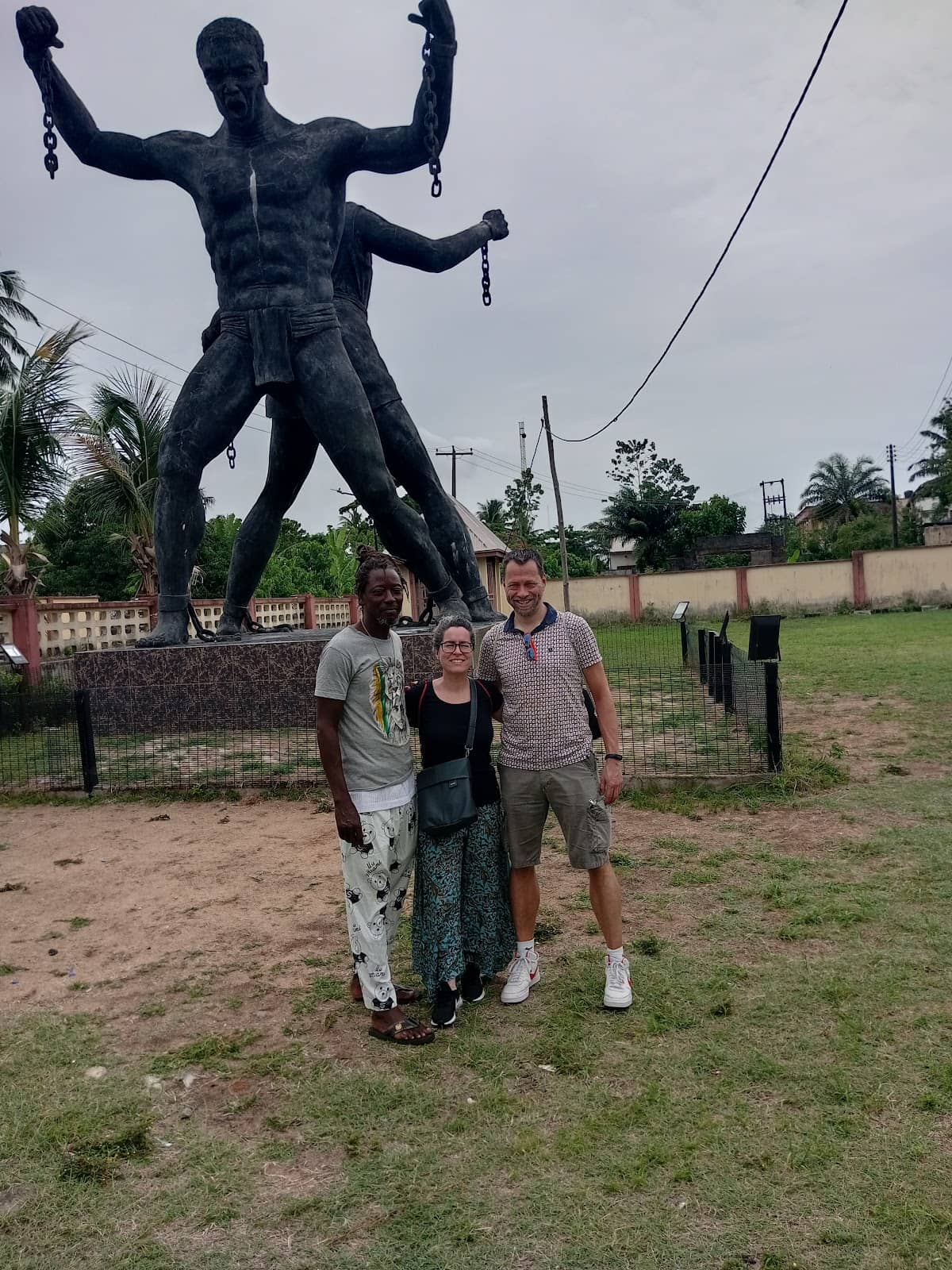
Point of No Return
Gberefu Island
The symbolic end of the slave route, where enslaved Africans saw their homeland for the last time.
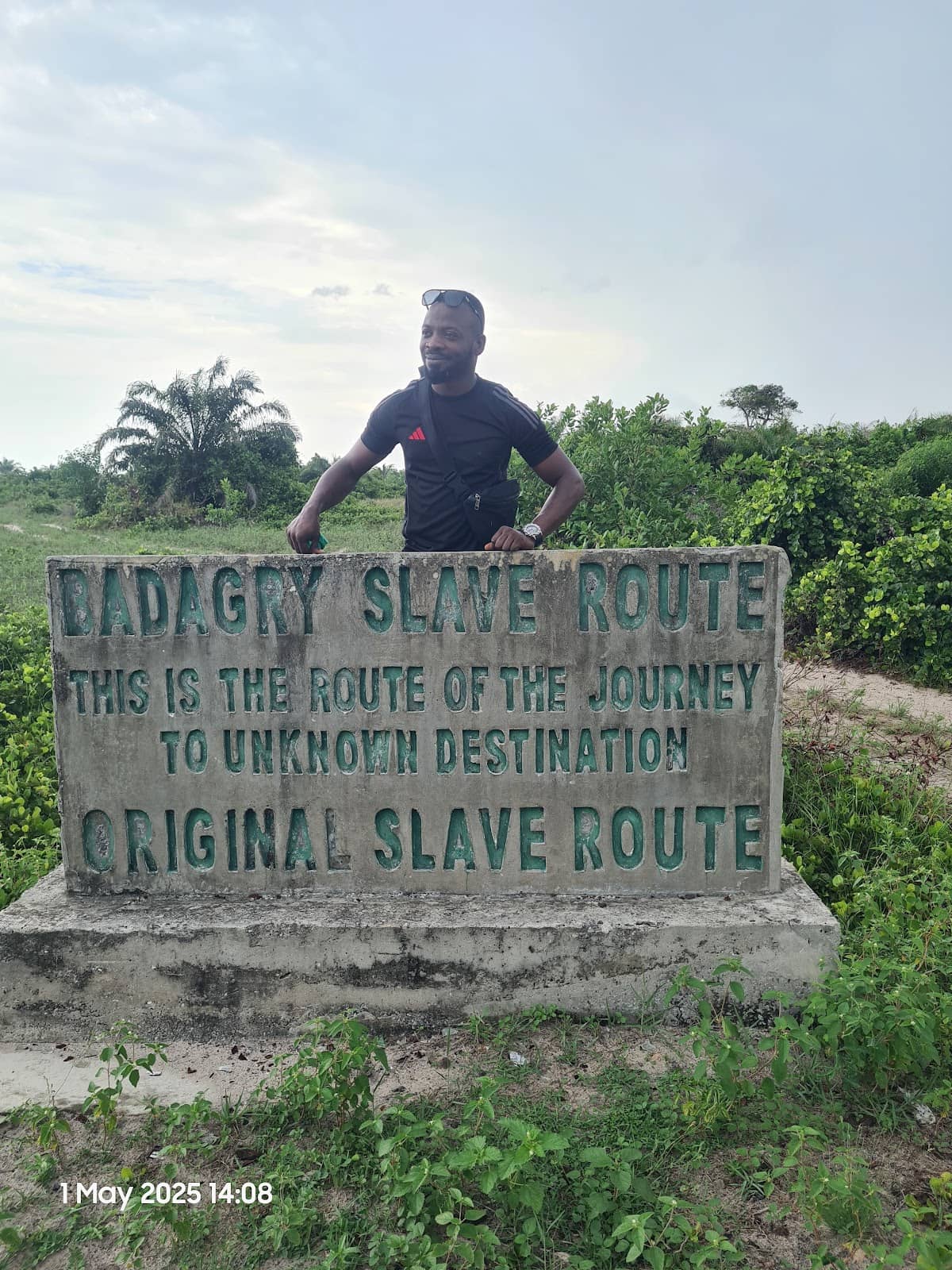
Slave Route
Gberefu Island
The poignant path where enslaved individuals were marched to the waiting ships.
Well of Memory Loss
Gberefu Island
A well where slaves were given water to forget their past before their journey.
Badagry Slave Museum
Explore exhibits and artifacts that tell the harrowing story of the transatlantic slave trade.
Plans like a pro.
Thinks like you
Planning Your Visit
Embrace the History
Plan Your Journey
Best Times
Insider Tips
from TikTok, Instagram & Reddit
Wear Comfortable Shoes
You'll be walking the historic slave route, so good footwear is essential. :athletic_shoe:
Book a Guided Tour
Tours often include boat rides and insightful historical context. :bus:
Prepare for Emotion
This is a somber historical site; be ready for a moving and reflective experience. :heart:
Stay Hydrated
Especially during warmer months, carry water as you explore the route. :droplet:
Tips
from all over the internet
Wear Comfortable Shoes
You'll be walking the historic slave route, so good footwear is essential. :athletic_shoe:
Book a Guided Tour
Tours often include boat rides and insightful historical context. :bus:
Prepare for Emotion
This is a somber historical site; be ready for a moving and reflective experience. :heart:
Stay Hydrated
Especially during warmer months, carry water as you explore the route. :droplet:
Capture the Moment
While respectful, capture the powerful imagery of this significant historical landmark. :camerawithflash:
What Travellers Say
Reviews Summary
Visitors consistently describe the Badagry Slave Route as a deeply moving and historically significant experience. While the journey can be somber, it's widely regarded as essential for understanding Nigeria's past and the impact of the transatlantic slave trade. Many appreciate the educational value and the opportunity for reflection.
"The Badagry Slave Route and Point of No Return hold a somber historical significance as they were integral to the transatlantic slave trade. Badagry, a coastal town in Nigeria, served as a major port where slaves were captured, held, and then shipped off to the Americas during the 15th to 19th centuries.
The Slave Route consists of paths where enslaved individuals were forcibly marched to the Point of No Return, which is a symbolic location along the coast. At this point, they boarded slave ships, leaving behind their homeland forever.
This historical site stands as a poignant reminder of the inhumanity of the transatlantic slave trade and the suffering endured by millions of Africans. Visiting the Badagry Slave Route and Point of No Return offered a sobering experience, encouraging reflection on the dark chapters of human history."
Lady Zavi
"You can't afford not to be here."
Chika Festus Donald
"It was bliss, we got to see a lot about our history as a people in Nigeria, had fun and laughter. The journey was facilitated by THE COMPASS TRYBE a fast growing domestic tourism brand in Lagos,Nigeria. We had a boat ride too to Gberefu Island."
Emmanuel Onyeka OBIOZO
What People Like
What People Dislike
Frequently Asked Questions
🚇 🗺️ Getting There
The most common way to reach the Badagry Slave Route is by taking a day trip from Lagos. You can drive, hire a taxi, or join a guided tour. The journey typically takes about 1-2 hours depending on traffic. Many tours include transportation and a boat ride to Gberefu Island.
Yes, transportation to Badagry is readily available from Lagos. Options include ride-sharing services, private car hires, and organized tour buses. It's advisable to book in advance, especially if you're traveling during peak season.
To reach Gberefu Island, where the Point of No Return is located, you'll typically take a boat ride. This is often included in organized tours and provides a scenic approach to the historical site. 
The primary 'Slave Route' is a sandy path on Gberefu Island leading to the coast. Guided tours will ensure you follow the historically significant path.
Yes, you can drive your own car to Badagry. However, parking might be limited at certain points, and you'll still need to arrange a boat to Gberefu Island.
🎫 🎫 Tickets & Entry
Entry to the general area and walking the route often involves a small fee or is part of a tour package. The Badagry Slave Museum may have separate admission fees. It's best to check with tour operators or local guides for current pricing.
Opening hours can vary, but the museum is generally open during daylight hours. It's recommended to confirm the exact timings before your visit, especially if you are not part of a guided tour.
Discounts may be available for students, children, or group bookings. Inquiring with the museum or tour providers directly is the best way to find out about potential discounts.
Yes, it's possible to visit independently, but a guided tour often enhances the experience by providing historical context and facilitating access to all parts of the site, including the boat ride.
Typical tour packages often include transportation from Lagos, a boat ride to Gberefu Island, guided access to the Slave Route and Point of No Return, and sometimes entry to the Badagry Slave Museum.
🎫 🧭 Onsite Experience
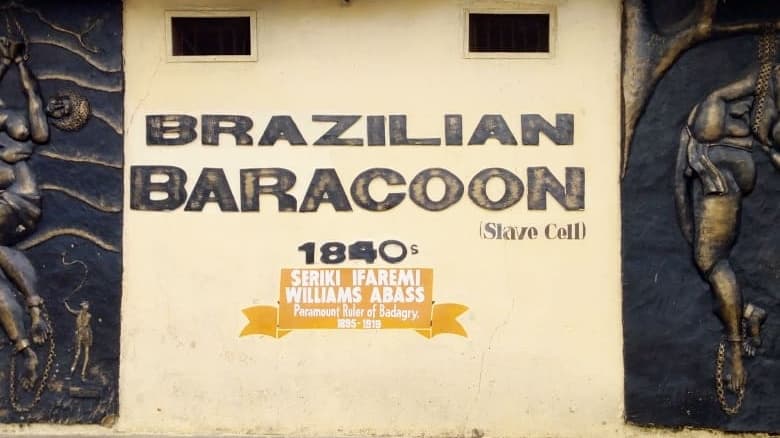
You'll walk the historic 'Slave Route' on Gberefu Island, visit the 'Point of No Return,' see the 'Well of Memory Loss,' and can explore the Badagry Slave Museum. It's a deeply historical and emotional experience.
Allow at least 2-3 hours to fully experience the Slave Route, Gberefu Island, and the museum. This includes travel time to the island and time for reflection.
The sandy terrain of the Slave Route and Gberefu Island can be challenging for those with mobility issues. The museum is generally more accessible. It's advisable to contact tour operators for specific accessibility information.
The 'Point of No Return' is the symbolic spot on the coast where enslaved Africans were forced onto ships, marking their final departure from their homeland. It's a powerful and somber location.
Yes, local guides are often available at the Badagry Slave Route and Museum to provide historical context and stories. Many tours also include a dedicated guide.
📸 📸 Photography
Photography is generally allowed at the Badagry Slave Route and Gberefu Island. However, always be respectful of the historical significance and any specific rules within the museum.
The 'Point of No Return' itself, the sandy path of the Slave Route, and the historical artifacts in the museum offer poignant photographic opportunities. The boat ride also provides scenic views.
Some museums may have restrictions on flash photography or photography of certain exhibits. It's best to look for signage or ask a museum attendant.
Expect to capture powerful images of historical landmarks, the coastal scenery, and potentially reflective moments. The atmosphere is deeply historical.
A smartphone camera is usually sufficient for capturing the experience. If you're a photography enthusiast, a DSLR or mirrorless camera can capture more detailed shots, but be mindful of the solemn nature of the site.
For Different Travelers
Tailored advice for your travel style
👨👩👧 Families with Kids
Opt for a guided tour that can tailor the narrative for younger audiences, emphasizing lessons learned rather than graphic details. The boat ride to Gberefu Island can be an exciting element for kids, but ensure they understand the solemn purpose of the destination. The museum's exhibits should be approached with age-appropriate explanations.
🤔 History Enthusiasts
+1Engage with local guides to gain deeper insights and uncover lesser-known stories. Visiting the Badagry Slave Museum is crucial for a comprehensive understanding, as it houses artifacts and documentation that enrich the historical narrative. Consider dedicating ample time to absorb the atmosphere and historical weight of the location.
🚶 Solo Travelers
+1Take your time to absorb the atmosphere and contemplate the history. The solitude can amplify the emotional impact of the site, allowing for a deeply personal connection to the past. Don't hesitate to ask questions of guides or fellow visitors to deepen your understanding.
Deep Dives
In-depth insights and expert knowledge
The Significance of the Slave Route
+1Visitors often describe the walk as humbling and eye-opening. The journey culminates at the Point of No Return, a stark reminder of the permanent separation from home and family. The Well of Memory Loss is another significant stop, where it's believed slaves were given water to erase their memories, further disorienting them before their brutal journey across the Atlantic.
+1Understanding the historical context is crucial for appreciating the weight of this site. It serves as a vital educational space, encouraging reflection on the inhumanity of slavery and honoring the resilience of those who endured it.
+1Exploring Gberefu Island and the Point of No Return
+1The Point of No Return is the symbolic end of this harrowing journey. Standing at this spot, visitors can imagine the despair and finality felt by those being taken away. The vastness of the ocean here underscores the immense distance and the irreversible nature of their fate.
+1Beyond the main route, the island offers a chance to connect with the history in a tangible way. The boat journey to the island also provides a unique perspective of the coastline and the surrounding environment, adding another layer to the overall experience.
The Badagry Slave Museum
+1Inside, you'll find relics from the era, personal accounts, and detailed information about the capture, transportation, and sale of enslaved Africans. The exhibits are designed to be informative and thought-provoking, encouraging a deeper understanding of this critical period in history.
Visiting the museum after walking the route allows for a comprehensive learning experience. It transforms the physical journey into a deeper historical and emotional understanding, making the visit both educational and profoundly impactful.

Social
from TikTok, Instagram & Reddit