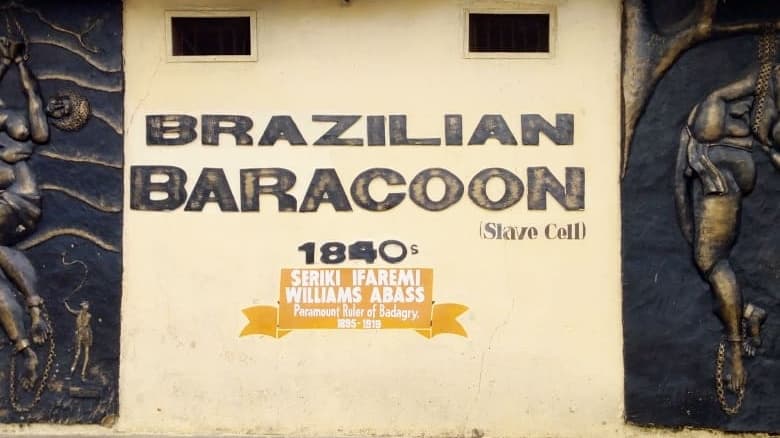
Seriki Abass Slave Museum Brazilian Barracoon
A poignant museum in Badagry, Nigeria, detailing the transatlantic slave trade through relics and the historic Brazilian Barracoon.
Highlights
Must-see attractions

Social
From TikTok & Reddit
Best Time
Fewer crowds for reflection
Seriki Abass Slave Museum Brazilian Barracoon
Best Time
Fewer crowds for reflection
Highlights
Must-see attractions
A poignant museum in Badagry, Nigeria, detailing the transatlantic slave trade through relics and the historic Brazilian Barracoon.
"It's a place for deep thought and understanding the impact of the slave trade."

Listen to the Narrators
Their stories are incredibly moving and provide a deep understanding of the slave trade's brutality. :speaking_head:
Explore Other Badagry Sites
Combine your visit with Vlekete Slave Market and the Point of No Return for a comprehensive experience. :world_map:

Highlights
Discover the most iconic attractions and experiences
Brazilian Barracoon Cells
Main museum building
Step into the cramped cells where enslaved people were held before their forced journey.
Slave Trade Relics
Display areas
See chains, gin bottles, umbrellas, and plates used in the brutal exchange of human lives.

Chief Seriki Williams Abass's Story
Narrative displays
Learn about the complex history of Chief Abass, a prominent slave merchant in 19th-century Nigeria.
Plans like a pro.
Thinks like you
Planning Your Visit
Understand the History
Manage Expectations for Facilities
Best Times
Insider Tips
from TikTok, Instagram & Reddit
Listen to the Narrators
Their stories are incredibly moving and provide a deep understanding of the slave trade's brutality. :speaking_head:
Explore Other Badagry Sites
Combine your visit with Vlekete Slave Market and the Point of No Return for a comprehensive experience. :world_map:
Consider Heritage Museum
Some find the Lagos State Heritage Museum offers similar experiences for less. :moneywithwings:
Reflect on the History
This is a place for deep thought and understanding the impact of the slave trade. :brain:
Tips
from all over the internet
Listen to the Narrators
Their stories are incredibly moving and provide a deep understanding of the slave trade's brutality. :speaking_head:
Explore Other Badagry Sites
Combine your visit with Vlekete Slave Market and the Point of No Return for a comprehensive experience. :world_map:
Consider Heritage Museum
Some find the Lagos State Heritage Museum offers similar experiences for less. :moneywithwings:
Reflect on the History
This is a place for deep thought and understanding the impact of the slave trade. :brain:
What Travellers Say
Reviews Summary
Visitors find the Seriki Abass Slave Museum a memorable and historically significant site, particularly appreciating the moving narratives and the collection of slave trade relics. However, some note that the facilities could benefit from upgrades and advise caution regarding potential tour guide fees.
"It was a memorable experience but the tour guide extorted us. We found out that the Heritage Museum run by Lagos State gives same service for lesser price. So go straight to the Heritage museum. You would get all the amazing badagry experiences."
Evi Nwaloka
"If you are lover of history, visit Seriki Abass Slave museum. It has an assorted collecting of slave trade relics. Available on display are relics like the chains used in holding the slaves captive, some of the items used in exchange of slaves with the Europeans. Such items include gin, umbrellas, mirrors, plates and so on.
They also have great narrators that tell the story in such a grueling manner that you want to cry.
You can also have access to some of the cells used by the slaves before been transported to abroad."
Sontyo Terwase
"It's an old slave prison or waiting area where slaves are kept till they are ready to be taken to the point of no return back in the days of slave trade., a lot needs to be done on the facility to make it more into a world class tourist center. The building needs more attention and probably government intervention to convert this place to a world class standard. But it's heart breaking seeing some of the punishment slaves went through back in the days , settling real life chains and other instruments used on slaves. It's has some facility like items used in drinking water by the slaves, it also has chains , the real bottle of gin which was usually used in exchange for 40 slaves. Unbrellas dated as far back as 1900"
Leke Adelaja (Adventurer)
What People Like
What People Dislike
Frequently Asked Questions
🚇 🗺️ Getting There
The museum is located in Badagry, Lagos State. You can reach Badagry by road from Lagos city center. Taxis or ride-sharing services are available, or you can opt for public transport like buses. Many visitors combine this with a tour of other historical sites in Badagry.
Once in Badagry, local taxis and okadas (motorcycle taxis) are readily available to take you to the Seriki Abass Slave Museum and other attractions. Negotiate fares beforehand.
Yes, it's a popular day trip destination from Lagos. Plan for at least 2-3 hours to explore the museum and potentially other nearby historical sites.
🎫 🎫 Tickets & Entry
The museum is generally open daily, but it's advisable to check for the most current opening hours before your visit, as these can sometimes vary.
Admission fees are typically modest. However, some visitors have reported instances of tour guides attempting to extort higher prices, so be aware and confirm the official entry fee.
Advance booking is usually not required for individual visitors. You can typically purchase tickets upon arrival at the museum.
Yes, guided tours are often available and highly recommended. The narrators provide invaluable historical context and personal stories.
🎫 🏛️ Onsite Experience
You'll see relics from the slave trade era, including chains, gin bottles, umbrellas, and plates used in exchange for slaves. You can also see the cells where enslaved people were held.
Yes, the museum offers a poignant and often heartbreaking look at the realities of the slave trade. The narrators' stories can be particularly moving.
The Brazilian Barracoon was a holding area built in the 1840s where enslaved Africans were kept before being transported across the Atlantic.
While not heavily interactive in a modern sense, the exhibits, especially the cells and the displayed relics, are designed to be immersive and thought-provoking.
The 'Point of No Return' is a significant historical site in Badagry, representing the final departure point for enslaved people being shipped overseas. It's often visited alongside the Seriki Abass Museum.
📸 📸 Photography
Photography policies can vary. It's best to check on-site or ask your guide. Some areas might restrict photography to preserve the artifacts or for respectful reasons.
The historical architecture of the barracoon and the display of relics offer compelling photographic opportunities. Capture the atmosphere of the cells and the artifacts.
For Different Travelers
Tailored advice for your travel style
👨👩👧 Families with Kids
When visiting Badagry, you can balance the museum's intensity with other historical sites like the Point of No Return, which can be explained as a place of departure and hope for a better future. Ensure children understand that this history is about overcoming adversity and valuing human dignity.

📚 History Enthusiasts
Beyond the museum itself, Badagry as a whole is a treasure trove for history lovers. Exploring sites like the Vlekete Slave Market and the Point of No Return, as suggested by travelers, will provide a more comprehensive understanding of the slave trade's infrastructure and impact.
Deep Dives
In-depth insights and expert knowledge
The Legacy of Chief Seriki Williams Abass
The Brazilian Barracoon, built in the 1840s, was a crucial holding facility. It was here that enslaved individuals were kept in often inhumane conditions, awaiting their forced passage across the Atlantic. The museum meticulously displays the chains, shackles, and other instruments used to control and dehumanize those held captive, offering a visceral connection to the past.
Understanding Chief Abass's dual role—as a powerful local leader and a key participant in the slave trade—is essential to grasping the intricate socio-political landscape of the era. The museum aims to educate visitors about these complexities, encouraging reflection on the lasting impact of the slave trade on individuals and communities.
Experiencing the Slave Trade Relics
Among the most striking displays are the items exchanged for human lives. These include gin bottles, umbrellas, and plates, highlighting the transactional nature of the trade. The fact that a bottle of gin, for instance, could be exchanged for forty slaves underscores the immense value placed on human beings as commodities. These everyday objects are transformed into chilling reminders of the economic forces that fueled the slave trade.
These relics serve as a crucial educational tool, allowing visitors to confront the history of slavery directly. The museum's narrators often use these items to tell gripping stories, making the historical accounts more vivid and emotionally resonant. It's an experience that prompts deep contemplation about the past and its enduring consequences.

Social
from TikTok, Instagram & Reddit