
Laguna de Cuyutlán
A vital ecological corridor and producer of artisanal salt, Laguna de Cuyutlán offers unique cultural and natural experiences.
Highlights
Must-see attractions

Social
From TikTok & Reddit
Best Time
Ideal for birdwatching
Laguna de Cuyutlán
Best Time
Ideal for birdwatching
Highlights
Must-see attractions
A vital ecological corridor and producer of artisanal salt, Laguna de Cuyutlán offers unique cultural and natural experiences.
"Experience the 'Ruta de la Sal' and witness the incredible biodiversity of this natural treasure."

Respect the Ecosystem
Be mindful of the fragile environment. Avoid disturbing wildlife and follow designated paths. :seedling:
Book a Salt Tour
Experience the 'Ruta de la Sal' for a unique cultural insight. Many tours offer hands-on experiences. :salt:

Highlights
Discover the most iconic attractions and experiences

Artisanal Salt Flats
Various salt production areas
Witness the traditional 'Ruta de la Sal' and the extraction of high-quality artisanal salt. A unique cultural and economic heritage.
Biodiversity Corridor
Mangrove areas
Explore the rich ecosystem of mangroves, home to diverse bird species and other wildlife. A haven for nature lovers.
Sea Turtle Sanctuary
Designated nesting beaches
Learn about and potentially witness sea turtle nesting and hatching, a crucial conservation effort.
Plans like a pro.
Thinks like you
Planning Your Visit
Protecting a Natural Treasure
The 'Ruta de la Sal'
Best Times
Insider Tips
from TikTok, Instagram & Reddit
Respect the Ecosystem
Be mindful of the fragile environment. Avoid disturbing wildlife and follow designated paths. :seedling:
Book a Salt Tour
Experience the 'Ruta de la Sal' for a unique cultural insight. Many tours offer hands-on experiences. :salt:
Birdwatching Gear
Bring binoculars to spot the diverse array of resident and migratory birds. :binoculars:
Support Local
Purchase local salt and crafts to support the community and their traditions. :moneybag:
Tips
from all over the internet
Respect the Ecosystem
Be mindful of the fragile environment. Avoid disturbing wildlife and follow designated paths. :seedling:
Book a Salt Tour
Experience the 'Ruta de la Sal' for a unique cultural insight. Many tours offer hands-on experiences. :salt:
Birdwatching Gear
Bring binoculars to spot the diverse array of resident and migratory birds. :binoculars:
Support Local
Purchase local salt and crafts to support the community and their traditions. :moneybag:
What Travellers Say
Reviews Summary
Visitors are captivated by the unique artisanal salt production and the rich biodiversity of Laguna de Cuyutlán. The 'Ruta de la Sal' is frequently highlighted as a must-do experience, offering a deep dive into local culture and tradition. While the natural beauty is widely praised, some visitors note concerns about environmental conservation and the impact of development.
What People Like
What People Dislike
Frequently Asked Questions
🚇 🗺️ Getting There
Laguna de Cuyutlán is accessible from Manzanillo by car, taking approximately 30-40 minutes. You can also find local buses or taxis. The drive offers scenic views of the coastline.
Transportation within the immediate lagoon area can be limited. Hiring a local guide with a vehicle or arranging transport in advance is recommended, especially for visiting salt flats or more remote areas.
Yes, guided tours are highly recommended, especially for the 'Ruta de la Sal' and wildlife observation. These tours often provide transportation and insightful commentary. 
Exploring the mangrove areas is best done by boat or kayak with a local guide who knows the channels and can point out wildlife. This minimizes disturbance to the ecosystem.
While you can drive to certain points near the lagoon, many areas, especially the salt flats and deeper mangrove channels, are not accessible by car. Parking can also be limited.
🎫 🎫 Tickets & Entry
There isn't a general entrance fee for the lagoon itself, but specific tours, such as the 'Ruta de la Sal' or boat tours, will have associated costs. It's best to inquire locally about tour prices.
The salt flats are generally accessible during daylight hours, but specific tours may have set schedules. It's advisable to check with local cooperatives or tour operators for the best times to visit.
For popular tours like the 'Ruta de la Sal' or guided wildlife excursions, booking in advance is recommended, especially during peak seasons, to secure your spot.
Some areas might have restrictions due to conservation efforts, particularly around sea turtle nesting sites or sensitive mangrove zones. Always follow the guidance of local authorities or tour guides.
Sea turtle nesting and hatching are seasonal. Visits to the sanctuary are often managed by conservation groups and may have specific visiting hours or require guided participation.
🎫 🧭 Onsite Experience
The lagoon is a rich biodiversity corridor, home to numerous bird species (migratory and resident), crocodiles, and marine life. It's also a crucial nesting ground for sea turtles.
The 'Ruta de la Sal' involves visiting traditional salt evaporation ponds, learning about the artisanal salt extraction process, and understanding its cultural significance. It's a hands-on and educational experience.
Swimming in the lagoon is generally not recommended due to the presence of crocodiles and the nature of the water (saline and potentially murky). Stick to designated safe areas if any are available.
Wear comfortable, light clothing and sturdy footwear that can get wet or muddy. A hat and sunscreen are essential due to direct sun exposure.
While there aren't extensive marked hiking trails, you can explore some areas on foot, particularly near the coast and around the salt production zones. Guided walks are more common.
🍽️ 🍽️ Food & Dining
Dining options are primarily found in the nearby town of Cuyutlán, offering local seafood and traditional Mexican cuisine. Some tours might include a meal.
Absolutely! Many local restaurants incorporate the high-quality artisanal salt from Laguna de Cuyutlán into their dishes. It's a unique culinary experience.
While seafood is prevalent, you can often find vegetarian options like rice, beans, and vegetable dishes in local eateries. It's best to ask about specific ingredients.
Besides dishes seasoned with the local salt, try fresh seafood, ceviche, and regional Colima specialties.
Some restaurants in Cuyutlán town may offer views of the lagoon or the nearby ocean, providing a pleasant dining atmosphere.
📸 📸 Photography
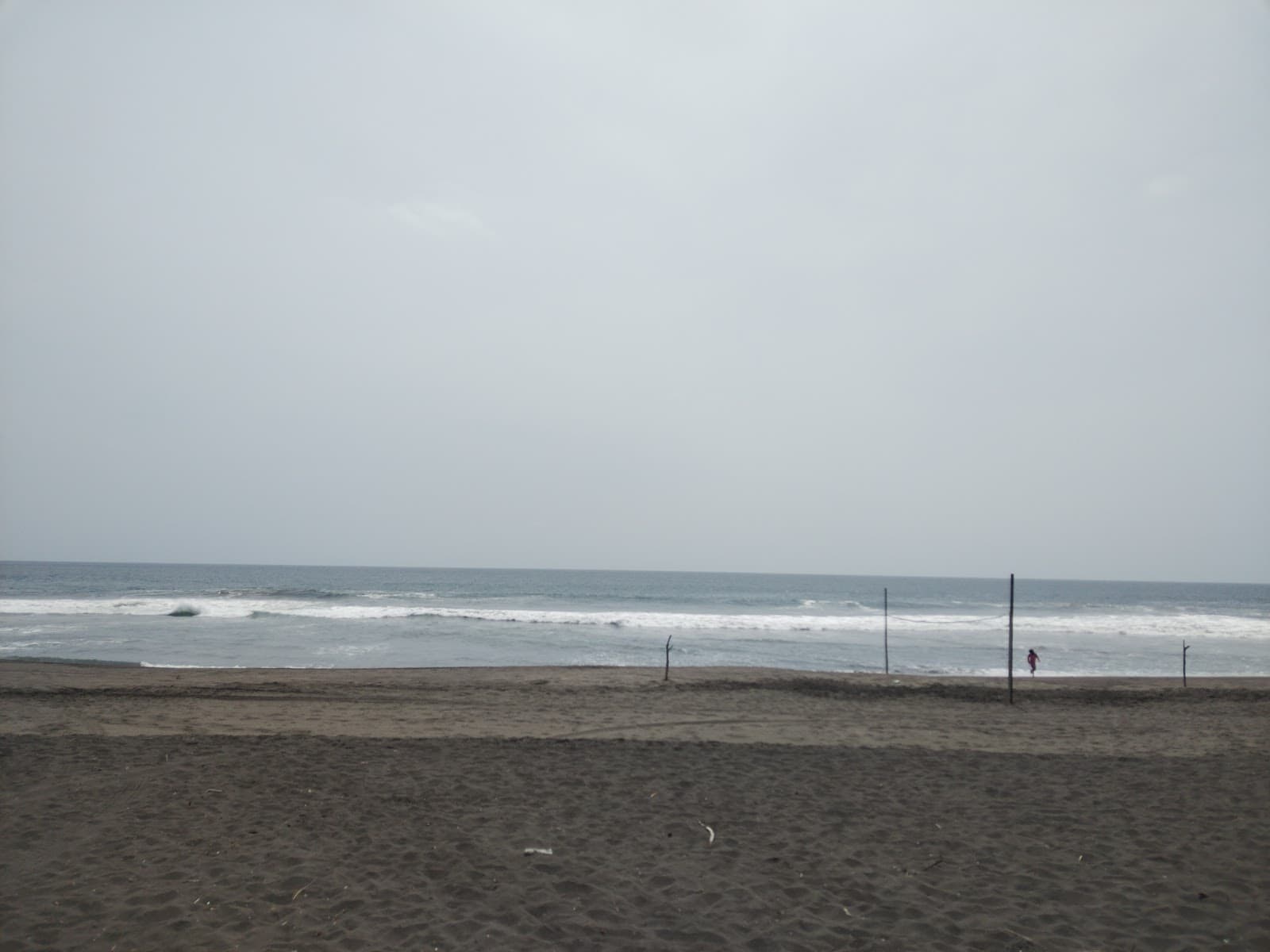
The salt flats during sunrise or sunset offer dramatic light. The mangrove channels provide opportunities for wildlife and atmospheric shots. The coastline is also picturesque.
Early morning and late afternoon (golden hours) provide the best light for photography, minimizing harsh shadows and enhancing colors.
A telephoto lens is highly recommended for capturing birds and other wildlife from a distance without disturbing them.
Drone usage may be restricted due to wildlife sensitivity and local regulations. It's crucial to check with local authorities or tour operators before flying a drone.
Challenges include harsh sunlight, potential for muddy terrain, and the need for patience when photographing wildlife. Protecting your gear from salt spray is also important.
For Different Travelers
Tailored advice for your travel style
👨👩👧 Families with Kids
+1While swimming is not advisable, families can enjoy the coastal areas near Cuyutlán town. It's important to supervise children closely, especially near water bodies, and to be aware of the natural environment. Packing snacks and plenty of water is recommended, as facilities can be limited. Consider visiting during the sea turtle nesting season for an unforgettable educational moment.
🌿 Nature Enthusiasts & Birdwatchers
+1Exploring the mangrove ecosystem by boat or kayak offers an intimate encounter with nature. Keep an eye out for crocodiles and other fascinating creatures. The 'Ruta de la Sal' also provides insights into the unique ecological adaptations of this saline environment. Remember to tread lightly and respect the natural habitats.
📸 Photographers
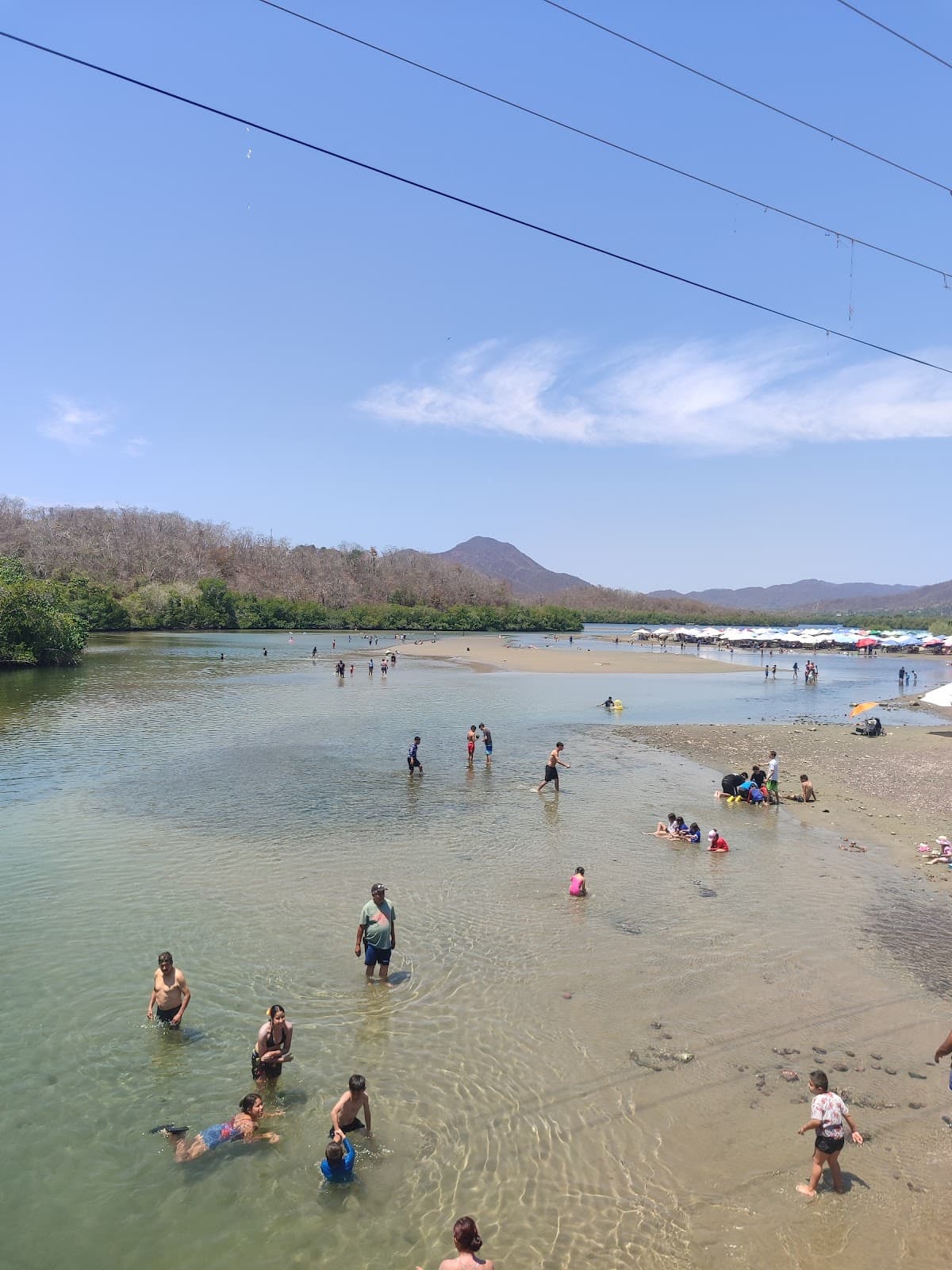
Wildlife photography opportunities abound, particularly for bird species in their natural habitat. The lush green of the mangroves provides a beautiful contrast to the blue skies and water. Consider a telephoto lens for capturing distant wildlife and a wide-angle lens for sweeping landscapes of the lagoon and its surroundings.
Deep Dives
In-depth insights and expert knowledge
The 'Ruta de la Sal': A Living Heritage
+1Visitors can embark on guided tours to witness this fascinating process firsthand. These tours often involve walking through the salt flats, learning about the tools and techniques used by the 'salineros' (salt workers), and understanding the meticulous care required to produce high-quality artisanal salt. It's an opportunity to connect with a vital part of local culture and support a sustainable livelihood.
This artisanal salt is renowned for its purity and unique flavor, making it a sought-after ingredient. Experiencing the 'Ruta de la Sal' is not just about seeing how salt is made; it's about appreciating the deep connection between the community, the lagoon, and this valuable natural resource.
A Crucial Biodiversity Hotspot
+2The lagoon is a significant stopover point for migratory birds and a permanent home for many resident species. Birdwatchers can delight in spotting various waterfowl, waders, and other avian wonders. Beyond birds, the waters are home to fish, crustaceans, and famously, crocodiles, which are an integral part of the ecosystem.
+1Furthermore, Laguna de Cuyutlán plays a crucial role in the life cycle of sea turtles. Designated areas along its coast serve as nesting grounds for these endangered creatures. Conservation efforts are in place to protect nesting sites and ensure the survival of hatchlings, making it a significant site for marine conservation.
Conservation Challenges and Community Action
+1Local communities and environmental organizations are actively engaged in advocating for the protection of the lagoon. Initiatives focus on sustainable land use, responsible tourism, and raising awareness about the ecological value of the area. The 'Programa de Ordenamiento Ecológico y Territorial' aims to balance development with conservation needs.
Visitors can contribute to conservation by choosing eco-friendly tourism options, respecting the natural environment, and supporting local initiatives that promote the sustainable use of the lagoon's resources. Understanding these challenges highlights the importance of responsible tourism in preserving this natural treasure.
+1



Social
from TikTok, Instagram & Reddit