
Orang Asli Museum (Muzium Orang Asli)
Discover the rich heritage of Malaysia's indigenous communities through crafts, tools, and traditions at the Orang Asli Museum.
Highlights
Must-see attractions

Social
From TikTok & Reddit
Best Time
Fewer crowds, more peaceful
Orang Asli Museum (Muzium Orang Asli)
Best Time
Fewer crowds, more peaceful
Highlights
Must-see attractions
Discover the rich heritage of Malaysia's indigenous communities through crafts, tools, and traditions at the Orang Asli Museum.
"A well-maintained museum offering respectful and insightful glimpses into the lives of Malaysia's original inhabitants."

Bring Cash for Entry
Entrance fee is RM3 (adults) / RM2 (children). Only cash is accepted. :moneybag:
QR Codes for English
Scan QR codes for English translations, though functionality can be spotty. :iphone:

Highlights
Discover the most iconic attractions and experiences
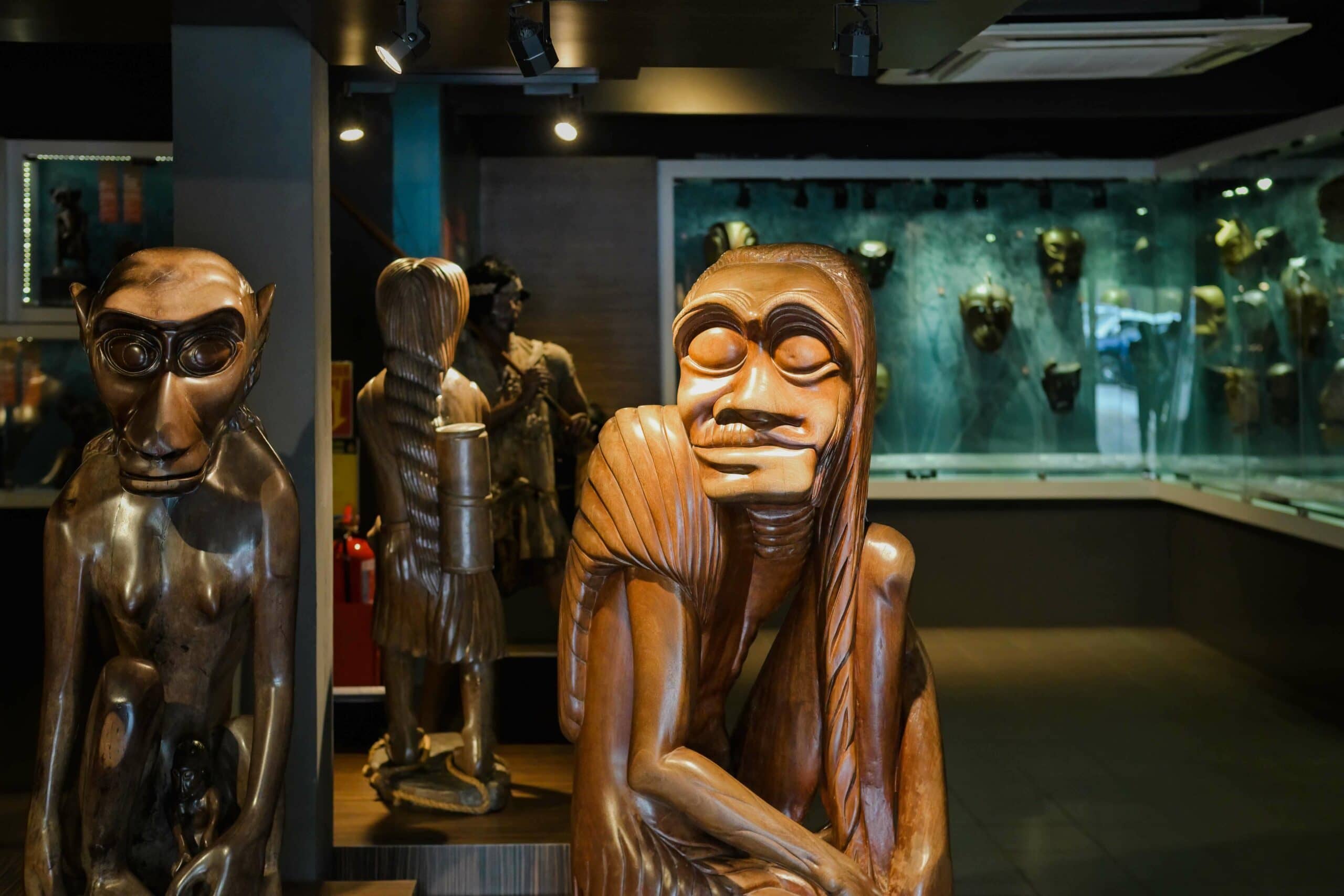
Mah Meri Tribe Crafts
Main exhibition hall
Discover intricate wooden carvings and traditional attire from the Mah Meri, a unique indigenous group.
Indigenous Tools & Instruments
Various display cases
Explore a fascinating collection of tools, musical instruments, and games used by different Orang Asli communities.

Cultural Artifacts
Throughout the museum
Gain insights into the daily lives, beliefs, and traditions of Malaysia's original inhabitants.
Plans like a pro.
Thinks like you
Planning Your Visit
Understand the Exhibits
Parking & Payment
Best Times
Insider Tips
from TikTok, Instagram & Reddit
Bring Cash for Entry
Entrance fee is RM3 (adults) / RM2 (children). Only cash is accepted. :moneybag:
QR Codes for English
Scan QR codes for English translations, though functionality can be spotty. :iphone:
Park Across the Road
No dedicated parking. Use the Bee Museum/Botanical Garden car park. :car:
Respectful Attire
Remember to remove your shoes before entering the museum. :athletic_shoe:
Tips
from all over the internet
Bring Cash for Entry
Entrance fee is RM3 (adults) / RM2 (children). Only cash is accepted. :moneybag:
QR Codes for English
Scan QR codes for English translations, though functionality can be spotty. :iphone:
Park Across the Road
No dedicated parking. Use the Bee Museum/Botanical Garden car park. :car:
Respectful Attire
Remember to remove your shoes before entering the museum. :athletic_shoe:
Interactive Learning
Experience traditional games and learn about unique cultural practices. :game_die:
What Travellers Say
Reviews Summary
Visitors find the Orang Asli Museum to be a well-maintained, affordable, and insightful cultural experience, particularly appreciating the respectful portrayal of indigenous heritage and the detailed artifacts. However, some note that English translations via QR codes can be unreliable, and parking requires using nearby facilities.
"19.7.2023
Relatively small museum but quite well maintained. Staff is friendly.
The negative points is the display are in Malay language only, supposedly there is English version available by scanning the QR code but it did not work making this museum not so friendly towards non-Malaysians.
There is no parking within the museum compound so one has to park across the road at the Bee museum/botanical garden car park.
Entrance fee RM3, they accept only cash."
Xiang Yan Pok
"The ticket was cheap and affordable, there was also a toilet at the entrance. You need to take off your shoes before you enter and the museum has fan and air conditioner. You can learn a lot of information about Orang Asli here. The museum was a little bit small.
Price:
Children (Warganegara) RM2
Adult (Warganegara) RM3
I will give you a quick tour of the museum by looking at the videos and photos down here 👇👇👇."
Abdul Hanan (H4NAN)
"Although the museum is relatively small in size, they have quite a good variety of information available on orang aslis. The staff are very friendly. As there is no parking specific to the museum, it is recommended to park opposite at the bee farm store."
Chin Siew Ming
What People Like
What People Dislike
Frequently Asked Questions
🚇 🗺️ Getting There
The museum is located in Gombak, Selangor, and is often recommended as a stop before heading to Genting Highlands.
Yes, the Orang Asli Museum (Muzium Orang Asli Gombak) is located in Gombak, Selangor, which is a district adjacent to Kuala Lumpur. It's a convenient stop for those exploring the region or heading towards Genting Highlands.
If you're coming from Melaka, you'll likely be traveling by car. The museum is a good stop to gain knowledge about indigenous people before venturing further.
🎫 🎫 Tickets & Entry
The entrance fee is very affordable. Adults pay RM3, and children pay RM2 (for Malaysian citizens). It's important to note that the museum only accepts cash payments.
There is no indication that advance booking is required. Given the modest entrance fee and the nature of the museum, it's likely a walk-in attraction. However, for the most up-to-date information, it's always best to check their official channels if available.
Specific opening hours are not consistently listed across all sources. However, reviews suggest it's open during typical daytime hours, and some mention staff being available in the afternoons. It's advisable to visit during standard museum operating times on weekdays.
While there isn't a strict dress code, it's a cultural museum. Visitors are required to remove their shoes before entering the exhibition areas. Dressing respectfully is always a good practice when visiting cultural sites.
🎫 🧭 Onsite Experience
The museum offers a glimpse into the rich heritage of the Orang Asli, Malaysia's indigenous communities. You can explore their traditional crafts, tools, musical instruments, attire, and learn about their unique cultures and ways of life.
The primary language for displays is Malay. However, QR codes are provided for English translations. Some visitors have noted that these QR codes may not always work, which could be a challenge for non-Malay speakers.
Yes, the museum can be educational for children, offering insights into different cultures. The interactive elements, like traditional games, can be particularly engaging.
Basic facilities are available, including toilets located at the entrance. The museum is equipped with fans and air conditioning to ensure a comfortable viewing experience.
Photography is generally permitted inside museums for personal use, but it's always a good idea to check for any specific signage or ask staff if you're unsure. Capturing the intricate crafts and artifacts can be a great way to remember your visit.
🍽️ 🍽️ Food & Dining
The museum itself does not appear to have dining facilities. However, it's often located near other attractions like the Bee Museum and Botanical Garden, where you might find food stalls or cafes. Some tours also include traditional Orang Asli food experiences.
While specific recommendations near the museum are limited, exploring the surrounding areas of Gombak or Kuala Lumpur will offer a wide array of Malaysian cuisine. If you're on a guided tour, you might have the opportunity to sample authentic traditional food.
📸 📸 Photography
The museum's exhibits, particularly the detailed wooden carvings and vibrant traditional attire, offer excellent photographic subjects. The intricate patterns and craftsmanship are visually striking.
Generally, personal photography is allowed. However, it's always wise to look for signs indicating 'No Photography' areas, especially for sensitive artifacts. If in doubt, politely ask museum staff for clarification.
For Different Travelers
Tailored advice for your travel style
👨👩👧 Families with Kids
The affordable entry fee makes it a budget-friendly outing. Remember to bring cash for tickets and be prepared for the short walk from the parking area.🎒 Budget Travelers
📚 Culture Enthusiasts
+1 The collection of artifacts, from tools to ceremonial items, offers a respectful and insightful look into their heritage. Be prepared for displays primarily in Malay, but utilize the QR codes for English translations where available.Deep Dives
In-depth insights and expert knowledge
Understanding the Orang Asli
Visitors can expect to see a range of artifacts that illustrate the daily lives of the Orang Asli. This includes traditional tools used for hunting and farming, musical instruments that play a role in their ceremonies, and intricate handicrafts that reflect their artistic prowess. The displays aim to provide an insightful and respectful portrayal of their ancestral knowledge and connection to the land.
+1While the museum's primary language is Malay, efforts have been made to provide English translations via QR codes.
The Artistry of the Mah Meri Tribe
The museum showcases a variety of these hand-carved wooden statues, demonstrating the intricate detail and skill passed down through generations. Alongside these, you can also find examples of traditional Mah Meri attire and accessories, offering a glimpse into their unique cultural identity and aesthetic. This section provides a vivid display of indigenous artistry.
Experiencing these crafts firsthand offers a unique opportunity to appreciate the cultural richness of the Orang Asli. The museum's presentation aims to highlight the enduring legacy of these traditions and their importance in preserving the identity of the Mah Meri people.
Practicalities for Your Visit
When it comes to payment, be prepared to pay the entrance fee in cash. The museum charges a modest fee of RM3 for adults and RM2 for children (Malaysian citizens).
Remember to remove your shoes before entering the exhibition halls, a common practice in many cultural and religious sites in Malaysia.



Social
from TikTok, Instagram & Reddit