
Qasr al-Hallabat
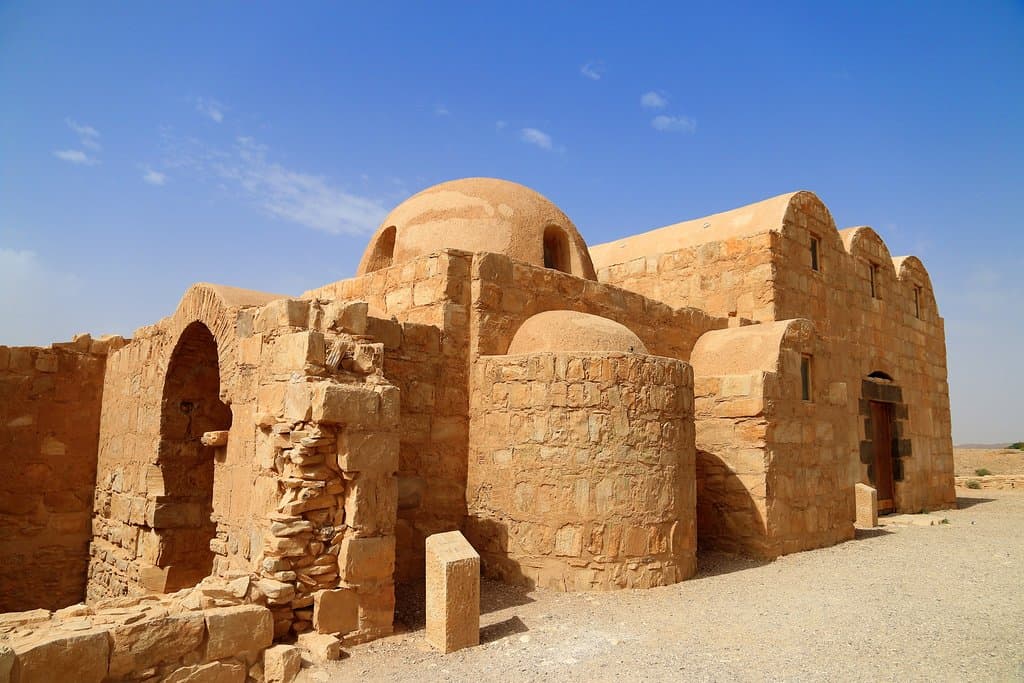
Explore Qasr al-Hallabat, a historic Roman fort and Umayyad palace in Jordan's eastern desert, offering a glimpse into ancient civilizations.
Highlights
Must-see attractions

Social
From TikTok & Reddit
Best Time
Pleasant temperatures for exploring
Qasr al-Hallabat
Best Time
Pleasant temperatures for exploring
Highlights
Must-see attractions
Explore Qasr al-Hallabat, a historic Roman fort and Umayyad palace in Jordan's eastern desert, offering a glimpse into ancient civilizations.
"A captivating historical gem amidst the vast Jordanian desert, offering a journey through Roman and Umayyad eras."
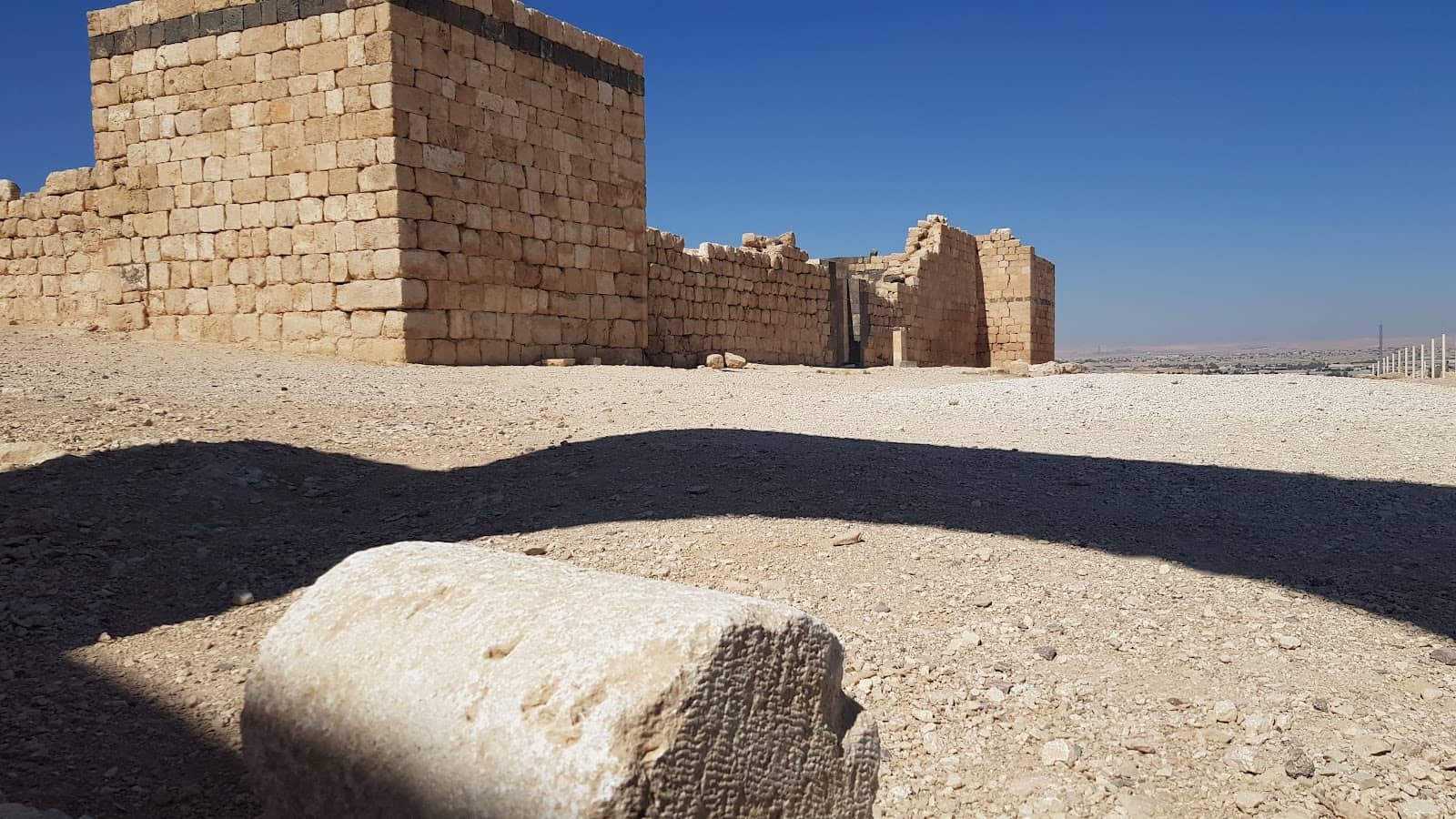
🚗 Day Trip Circuit
Combine Qasr al-Hallabat with other desert castles like Qusayr Amra & Al-Harranah for a full day of history.
💧 Stay Hydrated
The desert climate is dry. Carry ample water, especially during summer months.
Highlights
Discover the most iconic attractions and experiences
Roman Foundations
Main structure
Explore the remnants of the original Roman fort, showcasing ancient engineering and strategic importance.

Umayyad Palace Features
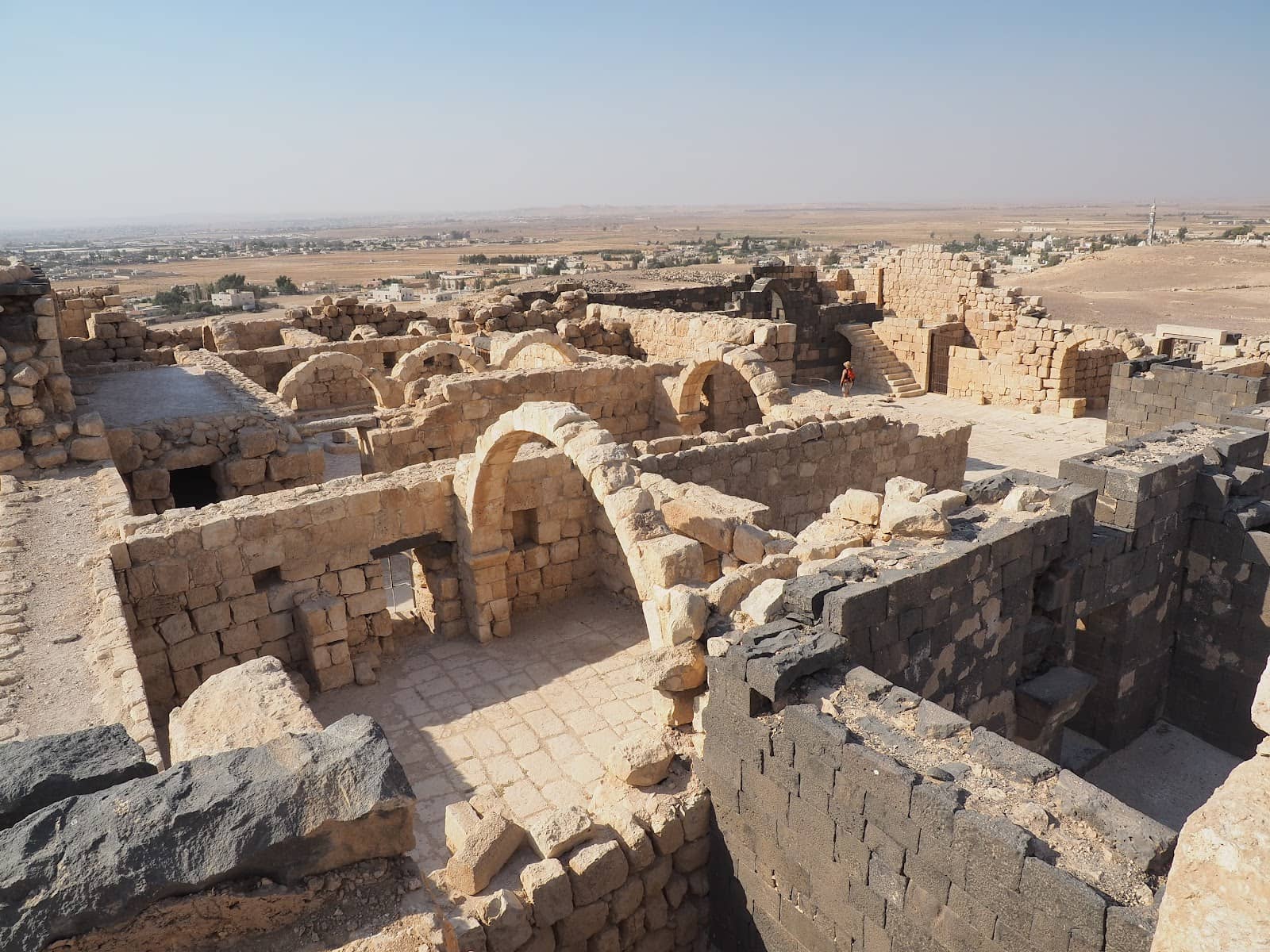
Inner courtyards and rooms
Discover architectural elements from its time as an Umayyad palace, offering a glimpse into medieval life.
Desert Landscape Views
Outer walls and surrounding area
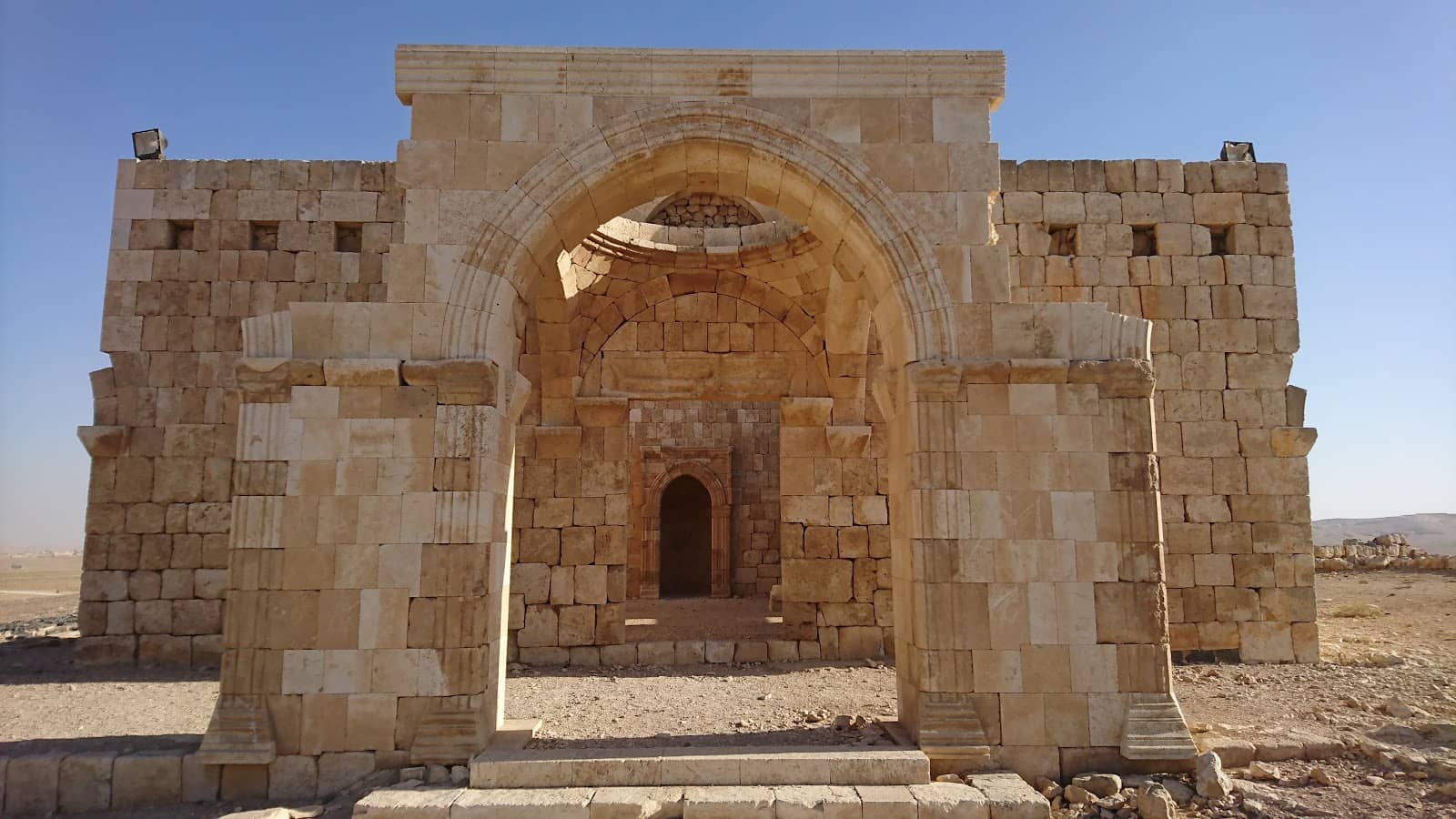
Enjoy panoramic views of the starkly beautiful Jordanian desert from the castle's vantage points.
Plans like a pro.
Thinks like you
Planning Your Visit
Desert Castle Exploration
Historical Significance
Best Times
Insider Tips
from TikTok, Instagram & Reddit
🚗 Day Trip Circuit
Combine Qasr al-Hallabat with other desert castles like Qusayr Amra & Al-Harranah for a full day of history.
💧 Stay Hydrated
The desert climate is dry. Carry ample water, especially during summer months.
👟 Wear Comfortable Shoes
You'll be walking on uneven terrain and ruins, so sturdy footwear is a must.
☀️ Sun Protection
Bring a hat, sunglasses, and sunscreen as there's little shade.
Tips
from all over the internet
🚗 Day Trip Circuit
Combine Qasr al-Hallabat with other desert castles like Qusayr Amra & Al-Harranah for a full day of history.
💧 Stay Hydrated
The desert climate is dry. Carry ample water, especially during summer months.
👟 Wear Comfortable Shoes
You'll be walking on uneven terrain and ruins, so sturdy footwear is a must.
☀️ Sun Protection
Bring a hat, sunglasses, and sunscreen as there's little shade.
What Travellers Say
Reviews Summary
Visitors find Qasr al-Hallabat to be a fascinating historical site, offering a glimpse into Roman and Umayyad eras amidst the stark beauty of the Jordanian desert. Its well-preserved ruins and strategic location are highlights, though some note the limited amenities and the need for comfortable footwear and ample water. It's often praised as a key stop on the popular desert castles tour.
What People Like
What People Dislike
Frequently Asked Questions
🚇 🗺️ Getting There
Qasr al-Hallabat is best reached by car, typically as part of a day trip circuit from Amman. Many visitors rent a car or hire a driver to visit multiple desert castles in one day, including Qasr al-Hallabat, Qusayr Amra, and Al-Harranah. The drive takes approximately 1-1.5 hours from Amman.
Public transportation options are very limited for reaching Qasr al-Hallabat directly. It is highly recommended to arrange private transportation, such as a rental car or a guided tour, for a convenient visit.
The most popular way to experience Qasr al-Hallabat and other desert castles is by joining a guided tour or renting a car for a self-drive itinerary. This allows you to efficiently visit sites like Qusayr Amra, Al-Harranah, and Azraq Castle in a single day.
Yes, many tour operators in Amman offer day trips that include Qasr al-Hallabat as part of a 'Desert Castles' tour. These tours often cover transportation, guide services, and entry to multiple historical sites.
From Amman, you'll typically take Highway 30 towards the east. The exact route may vary, but GPS navigation is highly recommended. Look for signs directing you to the Qasr al-Hallabat area.
🎫 🎫 Tickets & Entry
Entry fees for Qasr al-Hallabat are generally modest. It's advisable to check the latest Jordan Pass information or inquire locally, as the Jordan Pass often covers entry to many historical sites, including this one.
Opening hours can vary, but desert castles are typically open during daylight hours. It's best to confirm the current operating times before your visit, especially if you plan to go on a Friday or public holiday.
Advance booking is generally not required for Qasr al-Hallabat. Tickets can usually be purchased on-site. However, if you are part of a tour group, your tickets will likely be handled by the tour operator.
Yes, the Jordan Pass typically includes entry to Qasr al-Hallabat and many other historical and archaeological sites across Jordan, making it a cost-effective option for tourists.
Standard visitor guidelines apply, such as respecting the historical structures and not removing any artifacts. Be mindful of the desert environment and dress appropriately.
🎫 🧭 Onsite Experience
Explore the well-preserved Roman fort and Umayyad palace ruins, walk through its courtyards, and imagine life centuries ago. The site offers a glimpse into ancient defensive architecture and early Islamic periods.
A visit to Qasr al-Hallabat typically takes about 1 to 1.5 hours. If you're combining it with other desert castles, allocate a full day for the entire circuit.
Absolutely! The ancient architecture against the desert backdrop provides excellent photographic opportunities, especially during the golden hours of sunrise and sunset.
Basic facilities might be available, but they can be limited. It's advisable to use restrooms before you arrive and carry your own snacks and drinks.
The terrain consists of uneven ground, sand, and ancient stone structures. Comfortable walking shoes are essential for navigating the site safely.
📸 📸 Photography Tips
The golden hours, shortly after sunrise and before sunset, offer the most dramatic lighting for photography, casting long shadows and warm hues across the ruins and desert landscape.
Capture wide shots of the castle against the desert, close-ups of architectural details, and shots that convey the scale and history of the site. Experiment with different angles.
Drone usage regulations can be strict in historical and protected areas in Jordan. It's best to check with local authorities or your tour operator beforehand to avoid any issues.
A versatile lens (like a 24-70mm) is useful for both wide landscapes and details. A wide-angle lens can be great for capturing the vastness of the desert. Don't forget extra batteries and memory cards.
Focus on the textures of the ancient stones, the arches, and any remaining inscriptions. Including elements of the surrounding desert in your shots helps convey the isolation and historical context.
For Different Travelers
Tailored advice for your travel style
👨👩👧 Families with Kids
Key tips for families: Ensure children wear sturdy shoes for exploring the uneven terrain. Bring plenty of water and snacks, as facilities are limited. Consider making it a scavenger hunt for historical features to keep them engaged. The vast desert landscape also offers a sense of wonder and space for kids to explore safely within sight.
🚗 Budget Travelers
Utilizing the Jordan Pass is crucial for saving money on entry fees, as it covers admission to Qasr al-Hallabat and many other historical sites. Pack your own food and drinks to avoid inflated prices at any potential small kiosks near the sites. Focus on the experience of exploring these ancient ruins and the surrounding desert, which is free and unforgettable.
Deep Dives
In-depth insights and expert knowledge
A Journey Through Time: The History of Qasr al-Hallabat
Later, during the Umayyad Caliphate (7th-8th centuries AD), the structure was repurposed and expanded into a palace complex. This period saw the addition of features that transformed it from a military outpost to a more residential and administrative center. Evidence of Umayyad architecture can still be observed, offering insights into the lifestyle and building techniques of that era. The site's transformation reflects the shifting powers and cultural influences that have shaped the region over millennia.
Today, exploring Qasr al-Hallabat allows visitors to walk through these distinct historical periods. The juxtaposition of Roman foundations with Umayyad additions provides a unique archaeological experience. It's a place where the echoes of Roman legionaries and Umayyad rulers seem to linger in the desert air, making it a compelling destination for history enthusiasts.
+1Navigating the Desert Castles Circuit
+1Most visitors opt for a self-drive approach using a rental car or hire a private driver for the day. This offers the flexibility to spend as much or as little time as desired at each location and to stop for photos of the vast desert landscapes. The roads are generally well-maintained, making navigation straightforward, especially with GPS.
When planning your desert castles tour, remember to start early to maximize your time and avoid the midday heat. Pack plenty of water, snacks, and sun protection, as amenities at these remote sites are minimal. The experience is not just about the castles themselves but also about the journey through the starkly beautiful desert scenery that surrounds them.
+1

Social
from TikTok, Instagram & Reddit