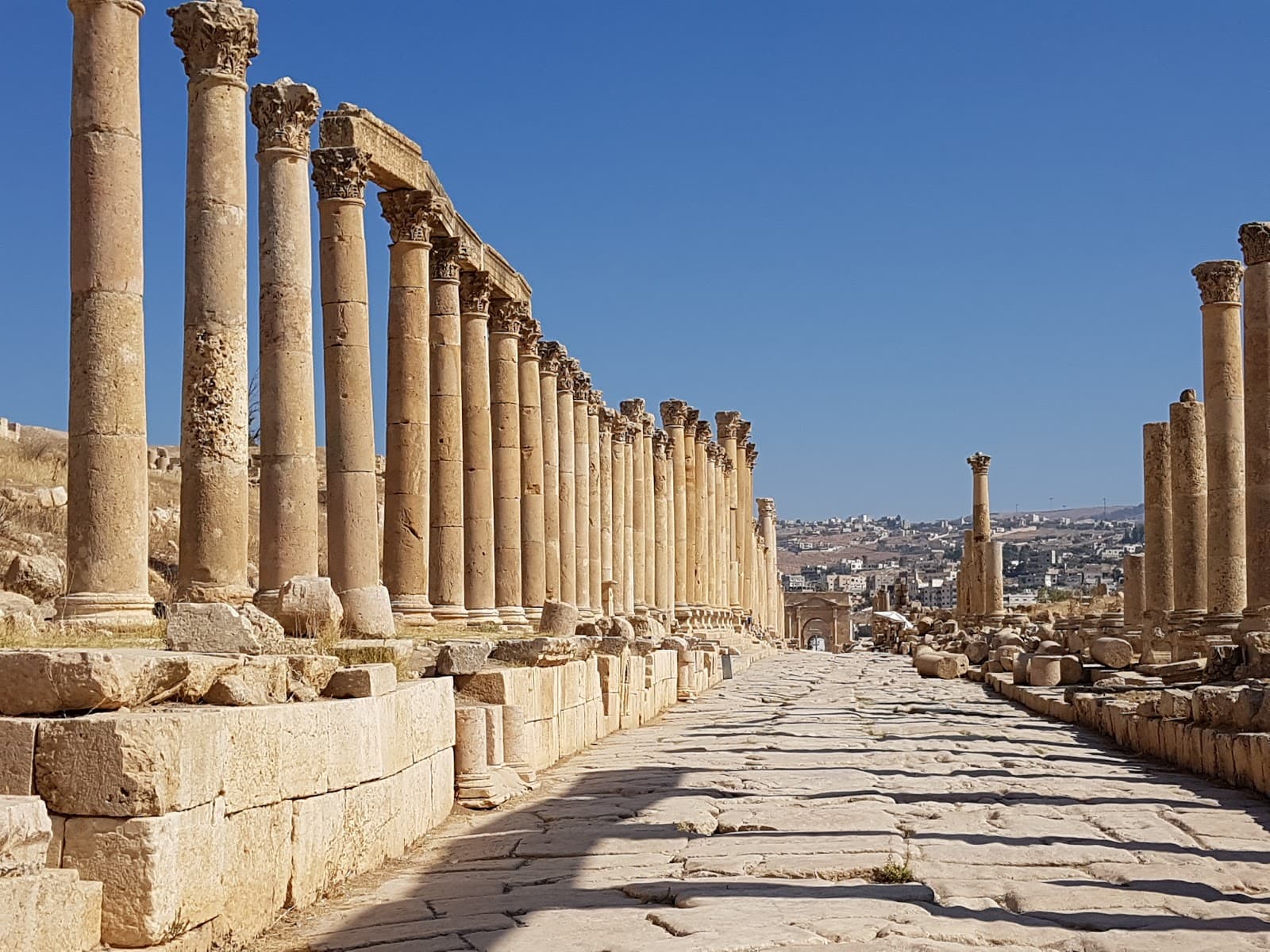
Cardo Maximus
Walk the grand Roman north-south street, a vital artery of ancient cities, offering a tangible link to history.
Highlights
Must-see attractions

Social
From TikTok & Reddit
Best Time
Fewer crowds, better photos
Cardo Maximus
Best Time
Fewer crowds, better photos
Highlights
Must-see attractions
Walk the grand Roman north-south street, a vital artery of ancient cities, offering a tangible link to history.
"A journey back in time on the ancient Roman main street, where history whispers from every stone."

Wear comfy shoes! :athletic_shoe:
Ancient stones can be uneven. Prioritize comfort for exploring the Cardo Maximus and surrounding areas.
Go early to beat crowds :clock1:
Experience the Cardo Maximus with fewer people for a more immersive historical journey.
Highlights
Discover the most iconic attractions and experiences
The Cardo Maximus
Jerusalem, Israel
Walk the grand Roman north-south street, imagining ancient life bustling around you. A true journey back in time.
Roman Pavement
Christian Quarter, Old City of Jerusalem
Marvel at the preserved Roman and Byzantine pavements, a tangible link to centuries past.

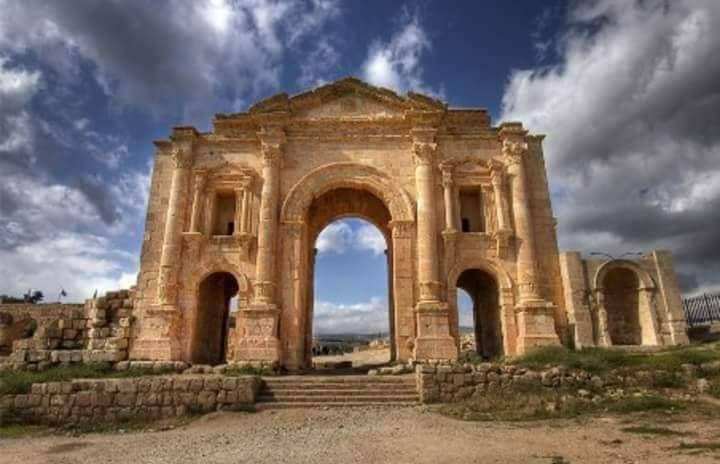
Jerash, Jordan
Jerash, Jordan
Explore the remarkably preserved Roman city, including its own Cardo Maximus, theaters, and temples.
Plans like a pro.
Thinks like you
Planning Your Visit
Timing is Everything
Comfortable Footwear is Key
Best Times
Insider Tips
from TikTok, Instagram & Reddit
Wear comfy shoes! :athletic_shoe:
Ancient stones can be uneven. Prioritize comfort for exploring the Cardo Maximus and surrounding areas.
Go early to beat crowds :clock1:
Experience the Cardo Maximus with fewer people for a more immersive historical journey.
Combine with Old City tour :world_map:
The Cardo Maximus is best explored as part of a broader Jerusalem Old City historical tour.
Look for preserved sections :magnifying_glass_tilted_left:
Many areas showcase original Roman and Byzantine pavement, offering a glimpse into ancient urban planning.
Tips
from all over the internet
Wear comfy shoes! :athletic_shoe:
Ancient stones can be uneven. Prioritize comfort for exploring the Cardo Maximus and surrounding areas.
Go early to beat crowds :clock1:
Experience the Cardo Maximus with fewer people for a more immersive historical journey.
Combine with Old City tour :world_map:
The Cardo Maximus is best explored as part of a broader Jerusalem Old City historical tour.
Look for preserved sections :magnifying_glass_tilted_left:
Many areas showcase original Roman and Byzantine pavement, offering a glimpse into ancient urban planning.
What Travellers Say
Reviews Summary
Visitors are consistently impressed by the historical significance and the tangible connection to the Roman era offered by the Cardo Maximus. The preserved pavements and the sheer scale of the ancient street evoke a strong sense of stepping back in time. However, some find the modern commercialization detracts slightly from the historical atmosphere, and uneven surfaces can be a minor concern for comfort.
What People Like
What People Dislike
Frequently Asked Questions
🚇 🗺️ Getting There
The Cardo Maximus is located in the Christian Quarter of Jerusalem's Old City. You can reach it by walking through the Old City gates, or by taking public transport to the area and then walking. Many guided tours of Jerusalem include a visit to this historic street.
Access by car directly to the Cardo Maximus within the Old City is restricted. It's best to park outside the Old City walls and walk in, or use taxis to get as close as possible.
Yes, numerous guided tours of Jerusalem's Old City feature the Cardo Maximus. These tours often provide historical context and insights that enhance the experience.
Absolutely! Jerash, Jordan, boasts a well-preserved Cardo Maximus as part of its extensive Roman ruins. It's a significant highlight of the Jerash archaeological site.
Exploring Jerash on foot is the best way to see its Cardo Maximus and other Roman structures. Consider hiring a local guide for a deeper understanding of the history.
🎫 🎫 Tickets & Entry
The Cardo Maximus in Jerusalem's Old City is an open street and generally accessible without a specific ticket. However, some adjacent shops or exhibits might have entry fees.
As an ancient street, the Cardo Maximus in Jerusalem is accessible at all times. However, surrounding shops and attractions will have their own operating hours.
Yes, there is an entrance fee to explore the ancient city of Jerash, which includes access to its Cardo Maximus and other significant Roman ruins. It's advisable to check the official Jordan tourism website for current pricing.
The Cardo Maximus in Jerusalem is accessible on Fridays and Saturdays, but be aware that these are busy days for visitors and locals, especially during Shabbat. Shops may have varied hours.
While the Cardo Maximus itself is an open street, surrounding areas or specific historical sites might have occasional events or closures. It's good practice to check local event listings or inquire with your tour guide.
🎫 🏛️ Onsite Experience
You can walk along the ancient Roman street, admire the preserved pavement, and explore the shops and galleries that have been built into the historical structures. It's a great spot for photography and imagining ancient life.
The Cardo Maximus was the main north-south street in Roman cities, serving as a central artery for commerce and public life. Its presence signifies the Roman urban planning and influence in the region.
A visit to the Cardo Maximus in Jerusalem can range from 30 minutes to an hour, depending on your interest in exploring the shops and historical details. If combined with a broader Old City tour, it's part of a longer itinerary.
Restroom facilities are available within the Old City of Jerusalem, often near major tourist sites and public squares. You may need to walk a short distance from the Cardo Maximus itself.
The ancient pavement can be uneven, which may pose challenges for individuals with mobility issues. While some parts are relatively flat, navigating the entire length might be difficult. Consider a guided tour that can assist with accessibility.
📸 📸 Photography
Early mornings or late afternoons offer the best light for photography, with softer shadows and fewer crowds. The golden hour can create a magical atmosphere on the ancient stones.
Look for the sections with well-preserved Roman pavement, the arches of the ancient structures, and the interplay of light and shadow. The bustling shops can also add character to your shots.
Generally, yes, but it's always polite to ask permission from shop owners before taking extensive photos, especially if it interferes with their business.
Drone usage is typically restricted in sensitive historical and urban areas like Jerusalem's Old City. It's best to check local regulations before flying a drone.
A versatile lens (like a 24-70mm) is useful for capturing both wider street scenes and details. A wide-angle lens can be great for emphasizing the scale of the ancient street.
For Different Travelers
Tailored advice for your travel style
👨👩👧 Families with Kids
When visiting Jerusalem, consider a guided tour that can make the history more accessible and interactive for younger visitors. Ensure everyone wears comfortable shoes, as the ancient pavement can be uneven. Pack snacks and water, as exploring historical sites can be tiring for little ones. The shops along the Cardo can also be a point of interest, offering unique souvenirs.
🚶 History Buffs & Archaeology Enthusiasts
+1Consider visiting with a knowledgeable guide who can delve into the archaeological significance, the layers of history (Roman, Byzantine, Ottoman), and the ongoing preservation efforts. Look for opportunities to learn about the original construction, the purpose of the street, and its evolution over centuries. The Cardo Maximus is a tangible testament to the enduring legacy of the Roman Empire.
Deep Dives
In-depth insights and expert knowledge
The Roman Urban Plan: Cardo and Decumanus
In Jerusalem, the Cardo Maximus was established after Emperor Hadrian's reconstruction of the city into Aelia Capitolina around 135 CE. Sections of this grand Roman street, with its original pavement, are still visible today, particularly in the Christian Quarter. Walking along these ancient stones offers a direct connection to the city's Roman past, allowing visitors to visualize the bustling marketplace and daily life of centuries ago.
Other Roman cities, like Jerash in Jordan, also feature impressive Cardo Maximus avenues, showcasing the widespread influence of Roman urban design. These sites are invaluable for understanding Roman engineering, architecture, and their impact on city development throughout the ancient world.
+1Exploring the Cardo Maximus: Beyond the Pavement
For those interested in the broader context, visiting the Cardo Maximus can be part of a larger exploration of Roman and Byzantine history. Sites like the Jerash archaeological park in Jordan offer a more expansive view of Roman city planning, with well-preserved theaters, temples, and public forums alongside their Cardo Maximus.
This allows for a deeper appreciation of the scale and sophistication of Roman urban development.When visiting, remember that the Cardo Maximus is not just a historical relic but a living part of the city. Engaging with local vendors, observing daily life, and taking the time to appreciate the architectural details can significantly enrich your visit. The visual and sensory experience of walking these ancient streets is truly unparalleled.


Social
from TikTok, Instagram & Reddit