Macellum
Ancient Roman covered markets, vital hubs for trade, especially meat and fish, offering a tangible connection to daily life.
Highlights
Must-see attractions

Social
From TikTok & Reddit
Best Time
Beat the crowds & heat
Macellum
Best Time
Beat the crowds & heat
Highlights
Must-see attractions
Ancient Roman covered markets, vital hubs for trade, especially meat and fish, offering a tangible connection to daily life.
"A fascinating glimpse into Roman commerce, revealing the bustling heart of ancient urban life."
🎯 Know Your Macellum
Macellum is a type of market. Research the specific site (e.g., Pompeii, Jerash) for unique features!
👟 Wear Comfortable Shoes
Exploring ancient sites means lots of walking on uneven terrain. Prioritize comfort!
Highlights
Discover the most iconic attractions and experiences
Ancient Roman Marketplace
Various locations (e.g., Pompeii, Jerash, Aigai)
Step back in time at these ancient Roman markets, once bustling with trade and daily life.
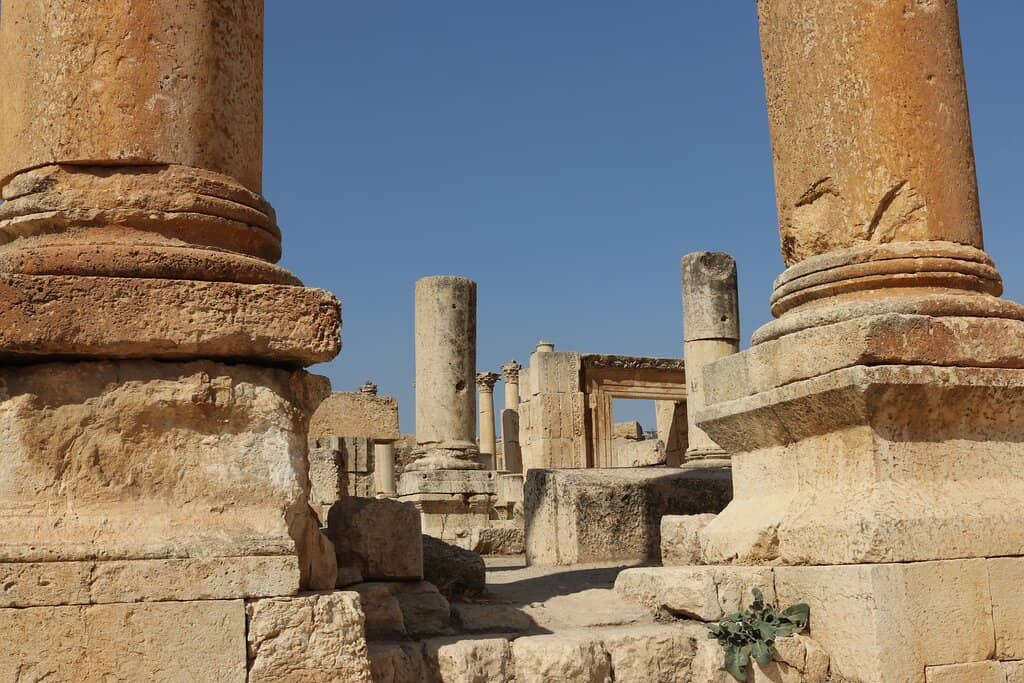
Butcher's Marks & Animal Carvings
Jerash Macellum
See stone tables with butcher marks, hinting at the meat sold here centuries ago.
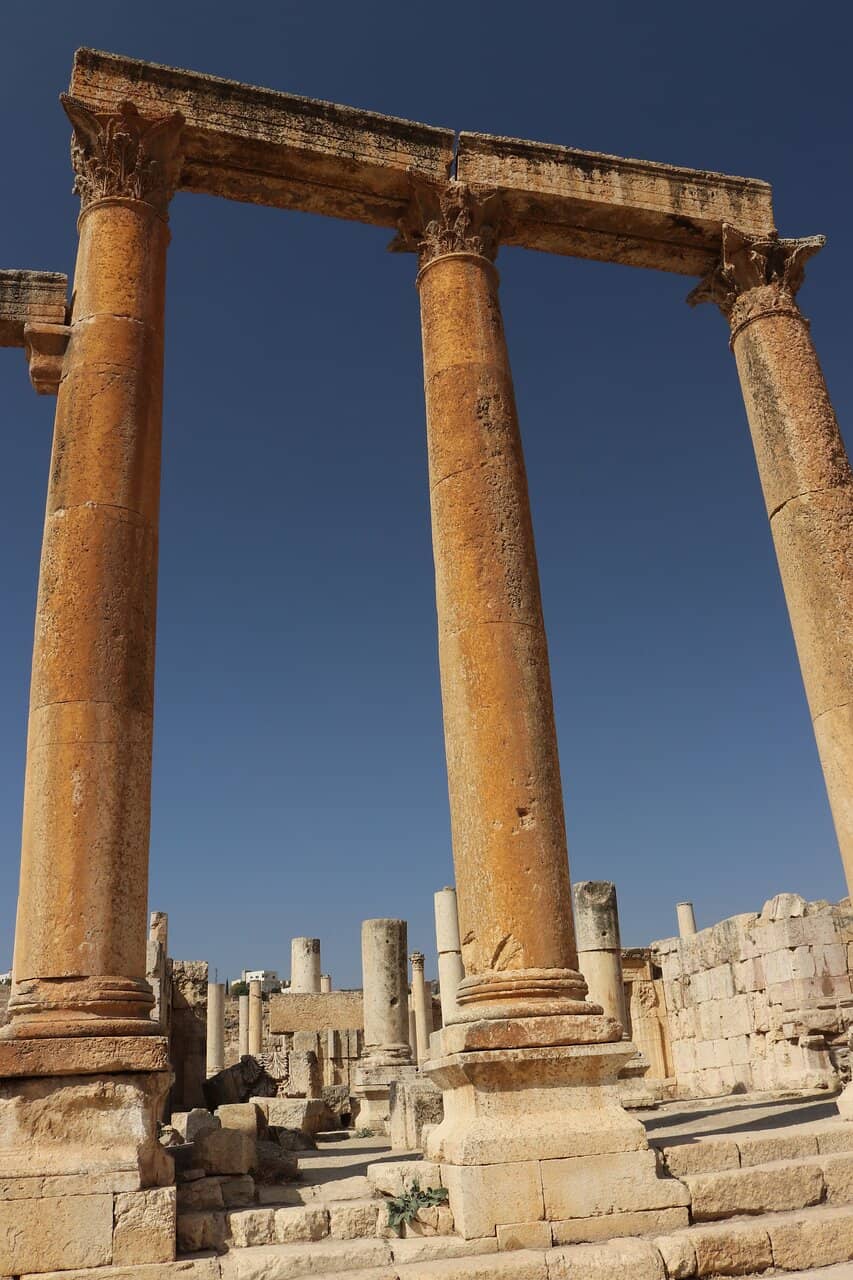
Fountain of the Macellum
Jerash Macellum
A charming, often overlooked octagonal court with a central fountain, a peaceful spot amidst ruins.
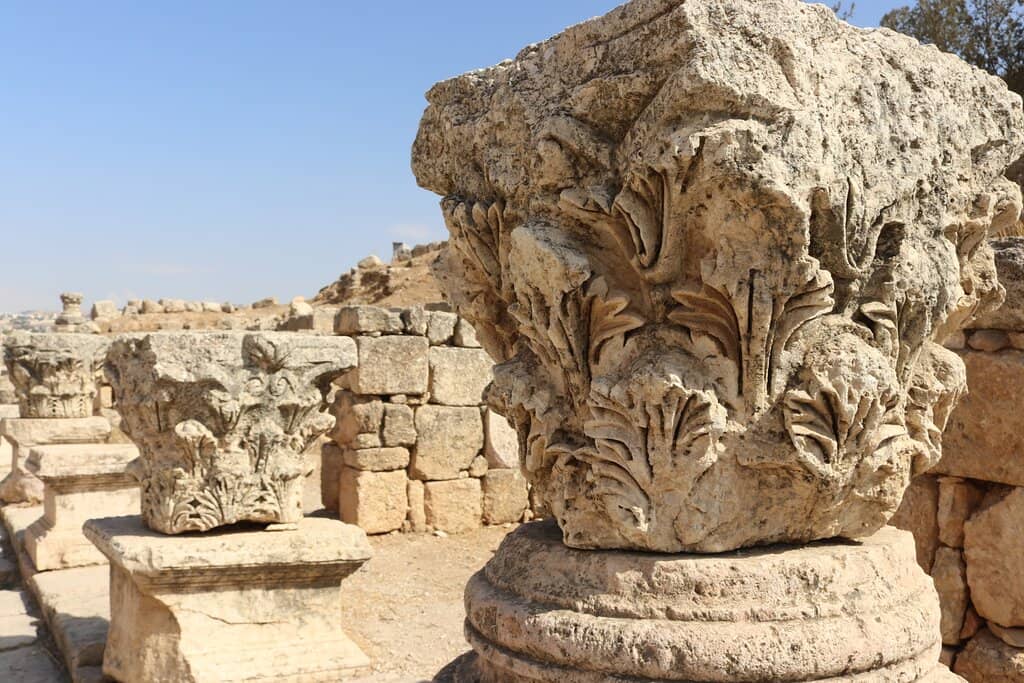
Victims' Casts (Pompeii)
Macellum of Pompeii
Witness poignant casts of Vesuvius eruption victims displayed within the market's ruins.
Plans like a pro.
Thinks like you
Planning Your Visit
Understand the 'Macellum' Concept
Timing is Key for Exploration
Best Times
Insider Tips
from TikTok, Instagram & Reddit
🎯 Know Your Macellum
Macellum is a type of market. Research the specific site (e.g., Pompeii, Jerash) for unique features!
👟 Wear Comfortable Shoes
Exploring ancient sites means lots of walking on uneven terrain. Prioritize comfort!
💧 Stay Hydrated
Especially in warmer climates, carry plenty of water. Ancient sites can get very hot.
📸 Capture the Details
Look for intricate carvings and architectural remnants; they tell fascinating stories.
Tips
from all over the internet
🎯 Know Your Macellum
Macellum is a type of market. Research the specific site (e.g., Pompeii, Jerash) for unique features!
👟 Wear Comfortable Shoes
Exploring ancient sites means lots of walking on uneven terrain. Prioritize comfort!
💧 Stay Hydrated
Especially in warmer climates, carry plenty of water. Ancient sites can get very hot.
📸 Capture the Details
Look for intricate carvings and architectural remnants; they tell fascinating stories.
🗺️ Explore Off the Beaten Path
Don't be afraid to wander slightly off the main paths to discover hidden gems.
What Travellers Say
Reviews Summary
Macella are often praised as fascinating glimpses into Roman daily life, with visitors appreciating the historical context and architectural remnants. However, some find them less visually striking than other ruins or note that they can be small parts of larger sites, sometimes leaving visitors wanting more detail.
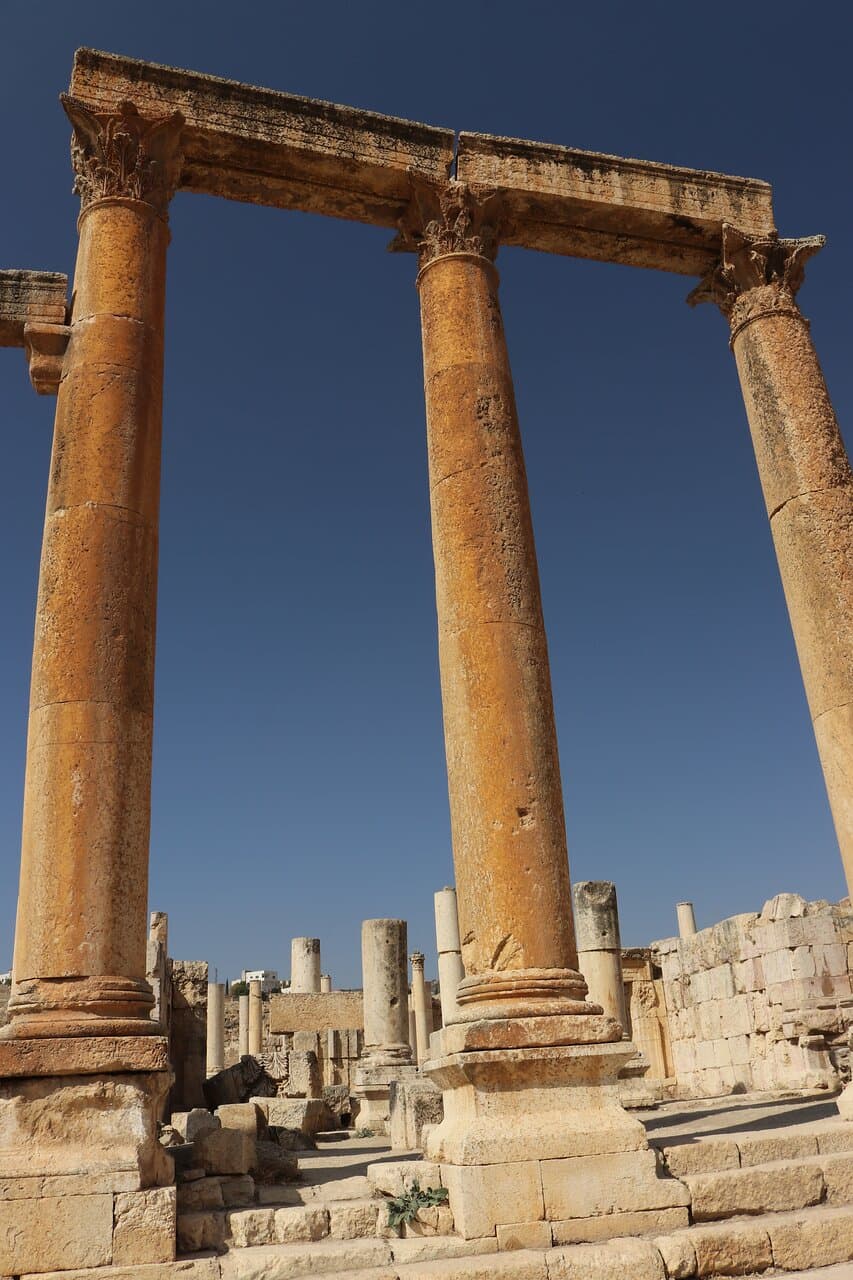
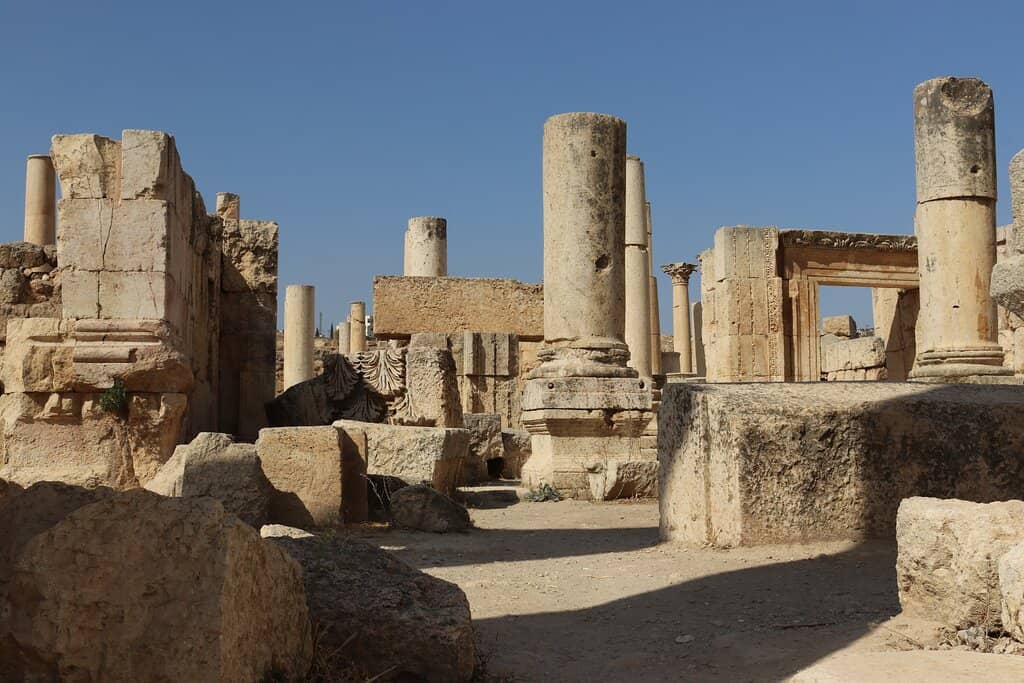
"The Macellum was excavated during the Jerash International Project by the Spanish team. What lies in around you is an enormous structure dating back to the second half of the 2nd century AD
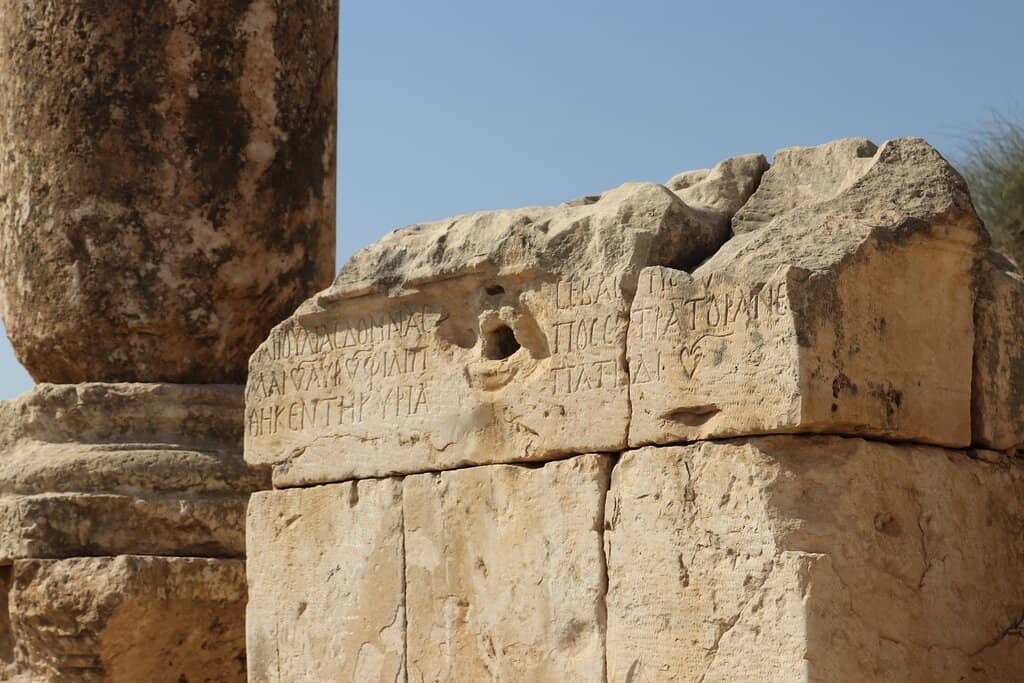
Carved on the lower part of one of the four large front columns facing the Cardo is the Greek word 'agora'. The building served thus as Jerash's main marketplace.
In one of the apsed rooms to the West, there are some stones carved to represent the front of certain animals. They are the legs for the nearby huge stone table top which has the scratches and marks of countless strikes by the butcher's knives.
In early Christianity, the consumption of meat that came from the sacrifices to pagan gods in their temples proved to be a moral dilemma that had to be addressed by Paul in his epistle to the Corinthians. The location of this meat market roughly between the temple of Zeus and that of Artemis makes it the logical recipient of sacrificial meat in Roman Jerash.
In the Byzantine and subsequent Umayyad Period, many of the rooms around the fountain courtyard became tanneries for the treatment of leather. You can poke around to see the remains of the vats.
Retrace now your steps to the Cardo and turn left to proceed North into the South Tetrakionion."
Jesús D
"There is a pretty nice looking fountain in the middle of the Macellum and it's one of those small gems that get lost in Jerash because of its size.
So don't be afraid of getting off the track and exploring."
Jose E. Coello
"The Macellum is an octagonal court with 4 massive pilars and a fountain in the middle. According to archeologists it was a market place for fish and meat as well as for currency exchange."
Mladen Panov
What People Like
What People Dislike
Frequently Asked Questions
🚇 🗺️ Getting There
The Macellum of Pompeii is located within the main archaeological site. You can reach Pompeii via Circumvesuviana train from Naples or Sorrento. Once inside the ruins, it's centrally located near the Forum.
The Macellum is part of the larger Jerash archaeological site in Jordan. It's accessible by car or taxi from Amman, or as part of a guided tour.
The Macellum at Aigai Antik Kenti is located near Manisa, Turkey. Access typically involves driving to the archaeological site, which is situated in a mountainous region. 
Yes, if you're touring regions with Roman ruins like Italy (Pompeii) or Jordan (Jerash), you can potentially visit different Macella. Plan your itinerary accordingly.
For major sites like Pompeii, public transport is available. For more remote or smaller sites, renting a car or joining a tour might be necessary.
🎫 🎫 Tickets & Entry
Typically, the Macellum is included within the entrance ticket for the larger archaeological site it belongs to (e.g., Pompeii, Jerash).
Opening hours vary significantly by location and season. Always check the official website of the specific archaeological park or site before your visit.
Many major sites offer guided tours that often include the Macellum. This can provide valuable historical context.
The entrance fee is usually for the entire archaeological complex. Some sites may offer combined tickets or passes.
For popular sites like Pompeii, booking tickets online in advance is highly recommended to save time and guarantee entry.
🎫 🏛️ Onsite Experience
You'll typically find the remains of a market building, often with stalls, a central courtyard, and sometimes evidence of food preparation like butcher's tables.
The Macellum in Jerash is considered a gem, featuring an octagonal court with a fountain and remnants of butcher's tools.
It's a key part of the Pompeii Forum, known for its preserved stalls and, notably, the casts of victims of the Vesuvius eruption.
While most Macella are ruins, some sites might have informational displays or virtual reconstructions. Check local information boards.
If it's part of a larger site, factor in 30-60 minutes. If it's a standalone attraction, it might be less.
📸 📸 Photography
Look for shots of the central courtyard, architectural details, and any unique carvings. The fountain in Jerash is a popular subject.
Generally, photography is allowed in most open-air archaeological sites, but check for any specific restrictions.
Early morning or late afternoon offers softer light and fewer crowds, ideal for atmospheric shots.
Drone usage is almost always prohibited in archaeological sites due to preservation concerns. Always verify local regulations.
Yes, but be respectful of the ancient structures and avoid touching them.
For Different Travelers
Tailored advice for your travel style
👨👩👧 Families with Kids
The butcher's marks at the Jerash Macellum can be a fascinating, albeit slightly gruesome, point of interest for older children. To make the visit more interactive, consider bringing a sketchpad for kids to draw what they see, or play a game of 'I Spy' for specific architectural features. If visiting Pompeii, the casts of victims are a sensitive topic, so be prepared to discuss them age-appropriately.
Ensure everyone wears comfortable shoes as ancient sites can be extensive and uneven. 🏛️ History Buffs & Archaeologists
Research the specific historical context of the Macellum you are visiting; for instance, understanding its relationship to the forum or other civic buildings. Investigate any archaeological findings associated with the site, such as pottery shards, tools, or inscriptions, which can provide further insights.
Deep Dives
In-depth insights and expert knowledge
The History and Function of a Macellum
They were often strategically located near the city's forum or main public spaces, facilitating trade and daily commerce. The layout usually involved a central courtyard surrounded by numerous small shops or stalls, providing shelter from the elements for both merchants and shoppers. Beyond just a place to buy food, Macella could also function as centers for currency exchange and sometimes even as sites for public announcements or gatherings. The archaeological remains often reveal fascinating details about Roman daily life, such as stone tables with butcher's marks or evidence of specialized trade.
In later periods, some Macella were repurposed. For instance, in Byzantine and Umayyad times, rooms around a Macellum courtyard might have been converted into tanneries, indicating a shift in the area's economic function.
Exploring Macella: What to Look For
Pay attention to any foundations or remaining walls that delineate the original structure and give a sense of its scale. Particularly interesting are the specialized features that reveal the Macellum's primary purpose. In Jerash, for example, you can find stone tables with visible butcher's marks, a direct testament to the meat trade that occurred there.
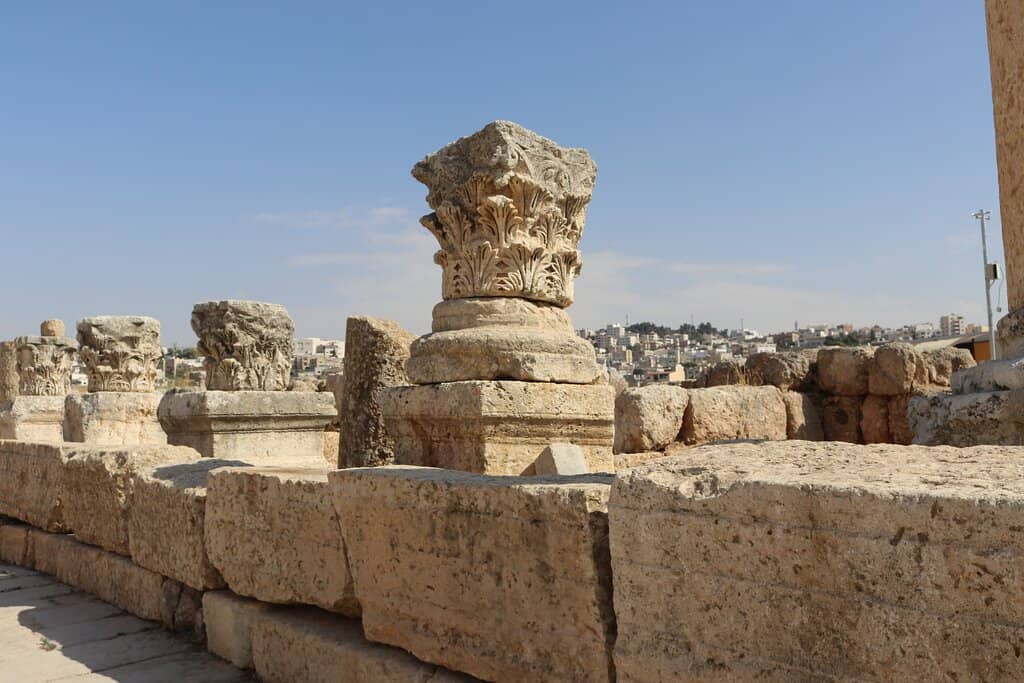
Don't overlook the decorative elements or inscriptions, if any remain. These can offer clues about the building's dedication, its patrons, or even the types of goods sold. Even seemingly simple features like paving stones or drainage systems can provide insights into Roman engineering and urban planning.
Engaging with these details transforms a visit from a passive observation into an active exploration of history.

Social
from TikTok, Instagram & Reddit