Iwaki 3.11 Memorial and Revitalization Museum
A free museum dedicated to remembering the 2011 tsunami's impact on Iwaki, showcasing resilience and disaster preparedness.
Highlights
Must-see attractions

Social
From TikTok & Reddit
Best Time
Quieter reflection time
Iwaki 3.11 Memorial and Revitalization Museum
Best Time
Quieter reflection time
Highlights
Must-see attractions
A free museum dedicated to remembering the 2011 tsunami's impact on Iwaki, showcasing resilience and disaster preparedness.
"A place to quietly face reality, learn, and think about the future."

Free Admission! :money_with_wings:
Entry to the museum is completely free, making it an accessible educational experience for everyone.
Consider Sensitivity :pray:
The museum shows tsunami footage; those with traumatic experiences may want to reconsider visiting.

Highlights
Discover the most iconic attractions and experiences
Tsunami Footage and Exhibits
Main exhibition hall
Witness powerful footage and artifacts that vividly illustrate the tsunami's destructive force and the community's resilience.
Disaster Preparedness Displays
Educational section
Learn practical lessons on disaster preparedness, including what items can serve as substitutes during emergencies.
Stopped Clock and Damaged Piano
Memorial hall
Reflect on the moment time stood still with exhibits like a tsunami-stopped clock and a damaged piano, evoking a sense of loss and remembrance.
Plans like a pro.
Thinks like you
Planning Your Visit
Understanding the Impact
Location and Accessibility
Best Times
Insider Tips
from TikTok, Instagram & Reddit
Free Admission! :money_with_wings:
Entry to the museum is completely free, making it an accessible educational experience for everyone.
Consider Sensitivity :pray:
The museum shows tsunami footage; those with traumatic experiences may want to reconsider visiting.
Educational for Older Kids :school_satchel:
Recommended for elementary school students (grades 4+) and older, offering valuable lessons on disaster impact and preparedness.
Nearby Beach Access :ocean:
A shallow beach is across the road, perfect for a brief visit after the museum, but be mindful of sandy terrain.
Tips
from all over the internet
Free Admission! :money_with_wings:
Entry to the museum is completely free, making it an accessible educational experience for everyone.
Consider Sensitivity :pray:
The museum shows tsunami footage; those with traumatic experiences may want to reconsider visiting.
Educational for Older Kids :school_satchel:
Recommended for elementary school students (grades 4+) and older, offering valuable lessons on disaster impact and preparedness.
Nearby Beach Access :ocean:
A shallow beach is across the road, perfect for a brief visit after the museum, but be mindful of sandy terrain.
Ample Parking Available :car:
Plenty of parking is available on-site, making it convenient for visitors arriving by car.
What Travellers Say
Reviews Summary
Visitors find the Iwaki 3.11 Memorial and Revitalization Museum to be a free, educational, and poignant space for remembrance and learning about disaster preparedness. While some note the sensitive nature of the tsunami footage, many appreciate its role in preserving memories and fostering reflection on resilience and recovery.
"remenber the disaster...."
T Y
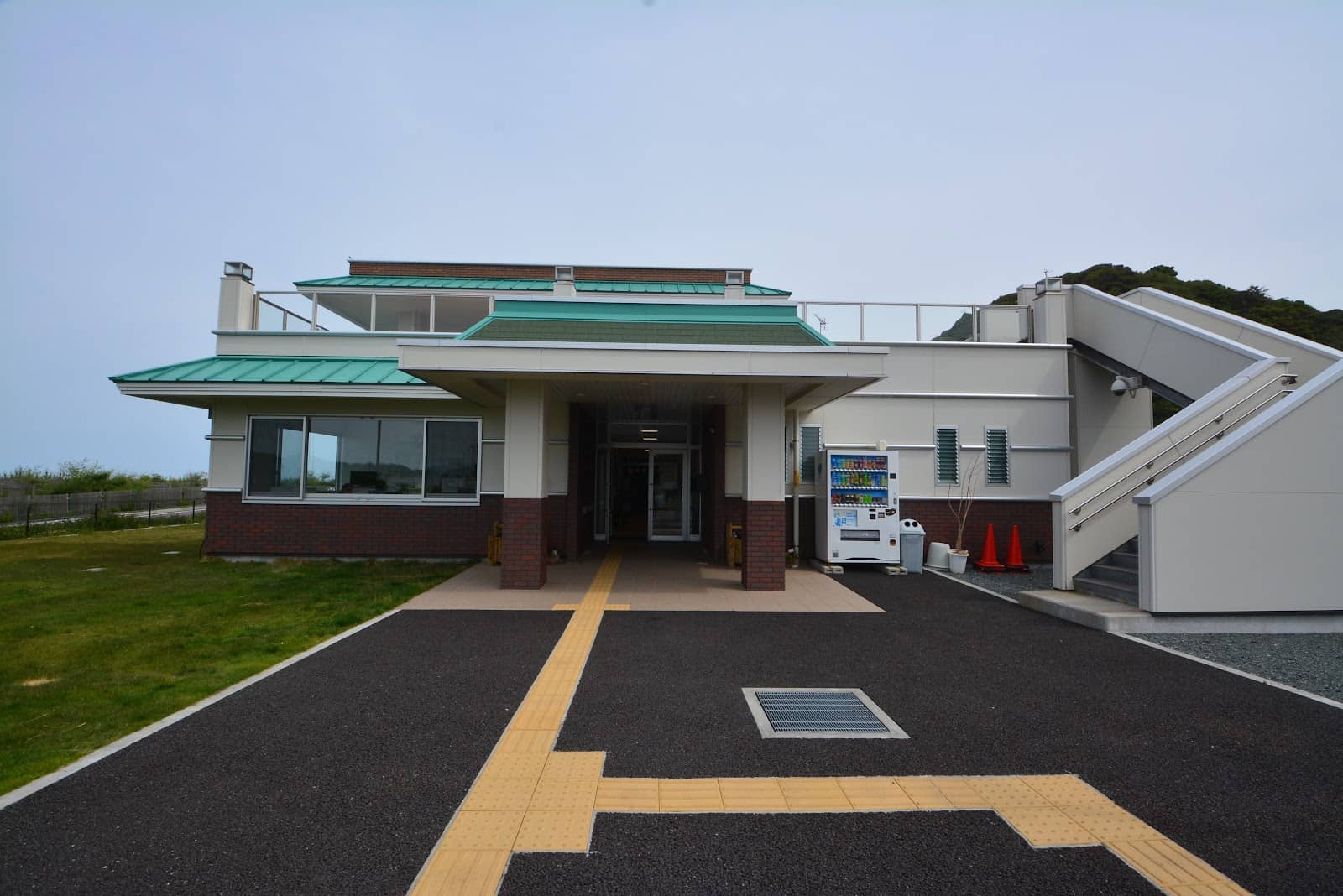
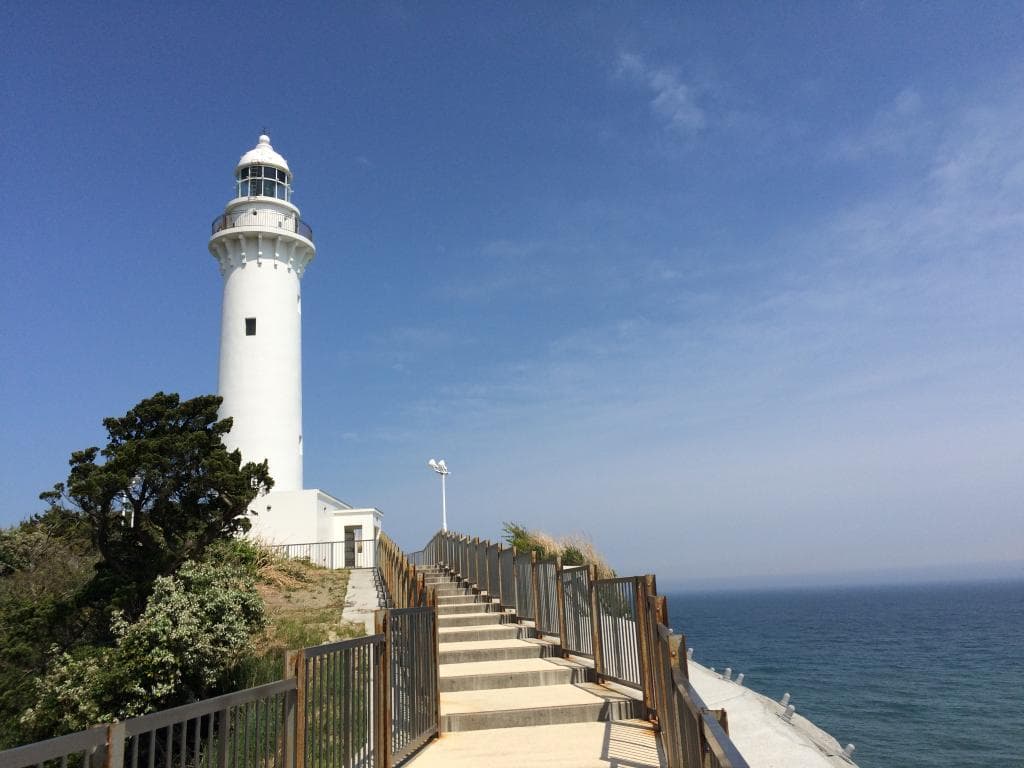
"It's located near the Misora Hibari Lighthouse in Toyoma.
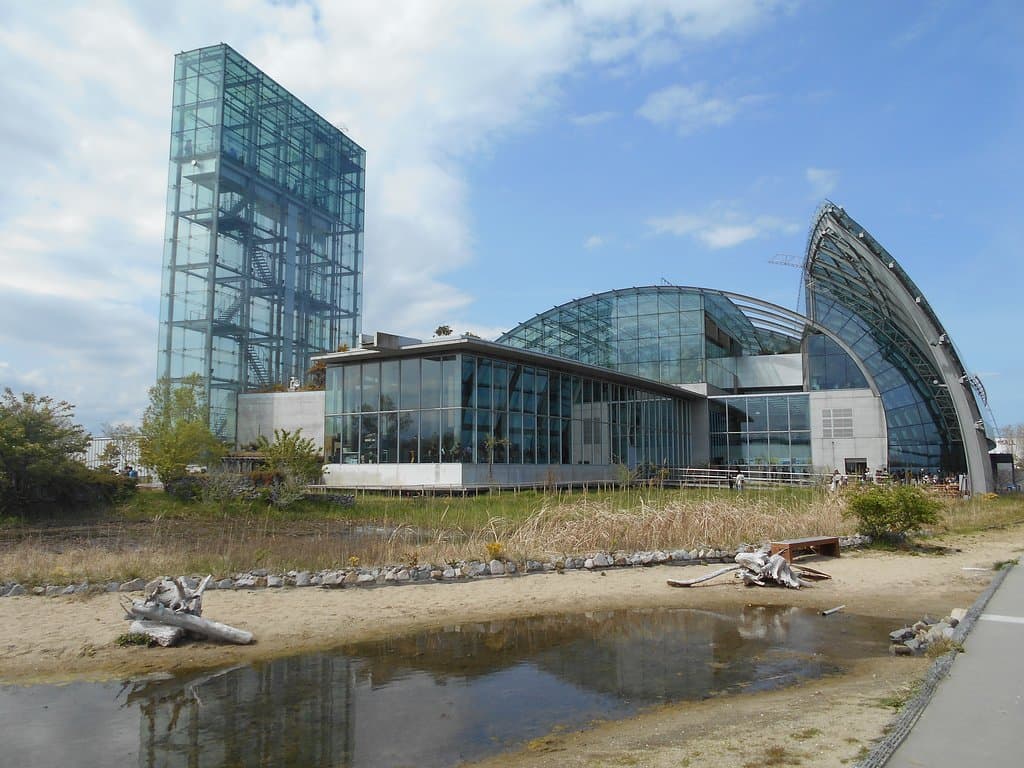
There's plenty of parking, and although it's on the seafront, it's on a raised platform, making it safe. Admission is free.
I think it's a good place to take children in the middle grades of elementary school and above. They also show footage of the tsunami, so those with traumatic experiences might not want to go. It felt like a facility primarily for learning. It doesn't feel particularly tragic, so it feels different from other disaster relics.
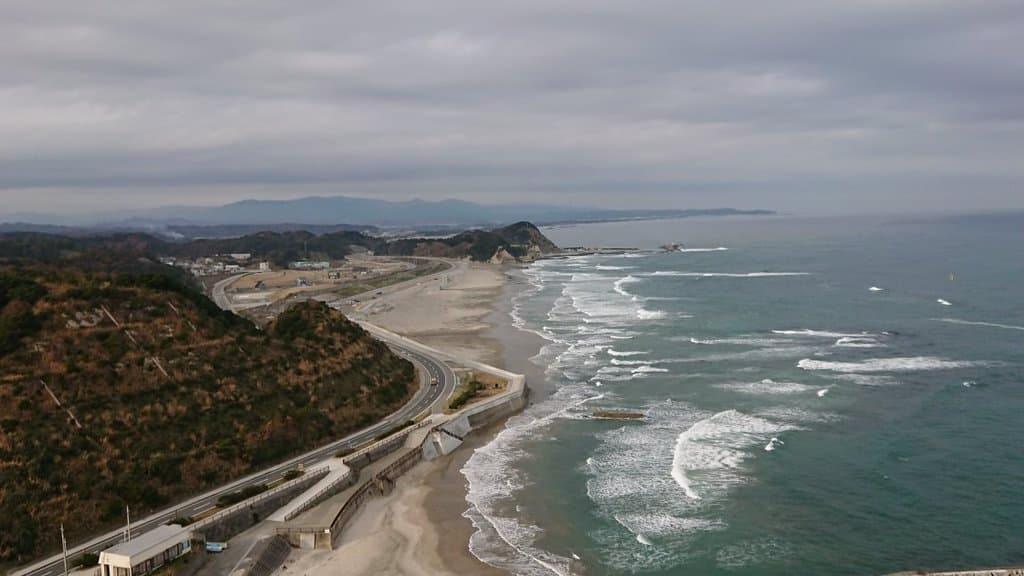
There's also a beach across the road. It might be nice to play a bit there. It's probably a shallow beach. There's also a small parking lot on the ocean side, so you might want to go there. Just be careful with your shoes, as your feet can easily sink into the sand."
有香
"Iwaki didn't get much coverage on TV, so coming from the Kanto region, I was under the impression that there wasn't much damage, but I was surprised to see the actual photos and the extent of the damage.
There were also exhibits on what items can be used as substitutes in the event of a disaster, which was very educational!!
I hope many people will visit."
ぴくちゃん
What People Like
What People Dislike
Frequently Asked Questions
🚇 🗺️ Getting There
The museum is located near the Misora Hibari Lighthouse in Toyoma. It's easily accessible by car, with ample parking available on-site. Public transport options might be limited, so checking local bus routes in advance is recommended.
Yes, there is plenty of parking available at the museum, making it convenient for visitors who are driving. There's also a smaller parking lot on the ocean side.
🎫 🎫 Tickets & Entry
Admission to the museum is free. This makes it an accessible and valuable educational resource for everyone interested in learning about the 2011 disaster and Iwaki's recovery.
Opening hours can vary, so it's best to check the official museum website or local listings before your visit. Generally, it's open during daytime hours on weekdays and weekends.
The museum is recommended for children in the middle grades of elementary school and above. It features footage of the tsunami, which might be distressing for some individuals, including younger children or those with traumatic experiences.
🎫 🧭 Onsite Experience
The museum features exhibits on the impact of the 2011 tsunami, including actual photos of the damage, a clock that stopped during the event, and a damaged piano. There are also educational displays on disaster preparedness and Iwaki's revitalization efforts.
While it deals with a tragic event, visitors describe it as a place for learning and quiet reflection rather than overtly tragic. It aims to help people remember the past and think about the future.
Yes, there is a beach across the road from the museum, which is likely shallow and could be a pleasant place to visit after your museum tour. There are also parking facilities on the ocean side.
📸 📸 Photography
Photography policies can vary. It's advisable to check for signage within the museum or ask staff. Often, photography of exhibits is restricted to preserve the artifacts and maintain a respectful atmosphere.
For Different Travelers
Tailored advice for your travel style
👨👩👧 Families with Kids
Consider discussing the museum's themes with your children beforehand to prepare them. The nearby beach offers a more relaxed environment for younger children to play after the museum visit. Ample parking makes it convenient for families traveling by car.
🤔 Reflective Travelers
Take your time to absorb the information and reflect on the lessons learned. The museum's location by the sea adds to the atmosphere of remembrance. It's a place to quietly face reality and consider the importance of never forgetting.
Deep Dives
In-depth insights and expert knowledge
Understanding the 2011 Disaster's Impact on Iwaki
The exhibits are designed to be educational and thought-provoking. They include visual documentation of the tsunami's force, personal artifacts that bear witness to the event, and displays that encourage reflection on preparedness. The presence of items like a clock stopped by the tsunami and a damaged piano creates a palpable sense of the moment the disaster struck, allowing visitors to connect with the human stories behind the statistics.
This museum is more than just a historical record; it's a space for remembrance and a call to action. It prompts visitors to consider their own preparedness and to reflect on the importance of community support in times of crisis. The aim is to ensure that the memories of those lost and affected are not forgotten, fostering a deeper understanding and a commitment to moving forward.
Visiting the Museum: Practical Advice
While the museum is free, it's important to be mindful of the sensitive content. Visitors are advised that the museum shows footage of the tsunami, which could be upsetting for individuals with traumatic experiences or for very young children. It's generally recommended for older elementary school students and above, providing a valuable learning opportunity about disaster impact and preparedness.
Beyond the museum itself, the surrounding area offers additional points of interest. A shallow beach is located directly across the road, providing a space for a brief respite or a moment of reflection after your visit. The proximity to the coast and the lighthouse adds to the overall experience of understanding the region's relationship with the sea and its history.


Social
from TikTok, Instagram & Reddit