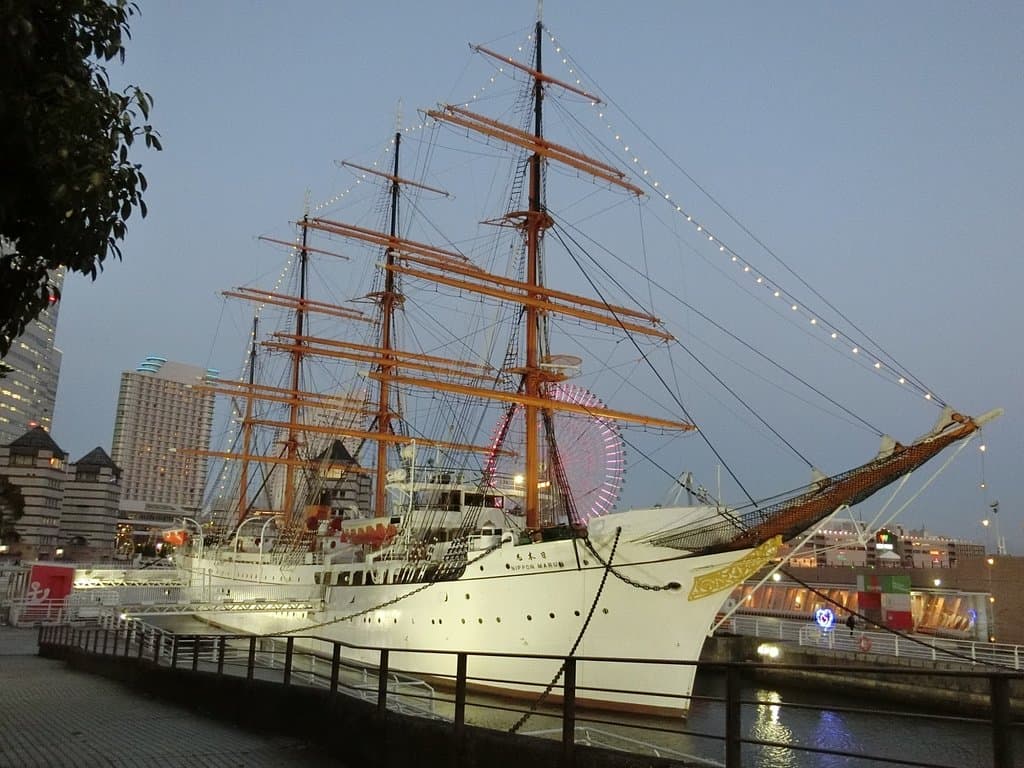
Sail Training Ship Nippon Maru
Explore a historic 1930s training ship, offering a glimpse into maritime life and Japan's seafaring past.
Highlights
Must-see attractions

Social
From TikTok & Reddit
Best Time
Golden hour glow
Sail Training Ship Nippon Maru
Best Time
Golden hour glow
Highlights
Must-see attractions
Explore a historic 1930s training ship, offering a glimpse into maritime life and Japan's seafaring past.
"A great experience to see the ins and outs of this beautiful ship and learn its history."
📸 Golden Hour Photos
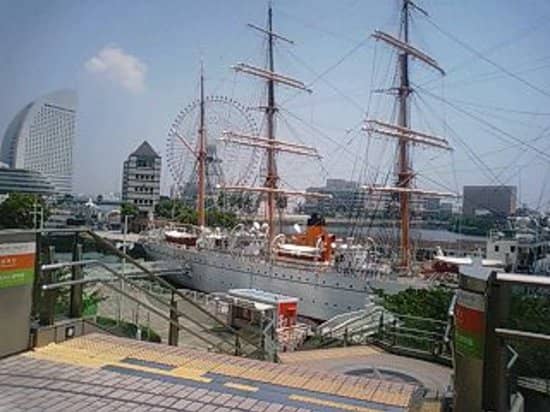
Visit near sunset for the best light on the ship and city skyline.
:moneybag: Budget-Friendly Fun
Admission is very affordable, making it a great value for history lovers.
Highlights
Discover the most iconic attractions and experiences
Explore the Historic Decks
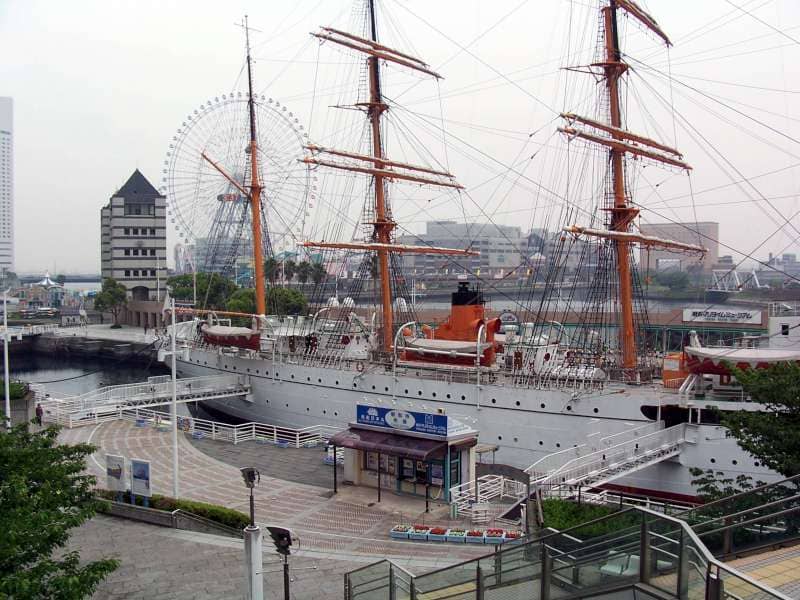
Main decks
Wander the spotless decks and imagine life as a 1930s cadet on this impressive training vessel.
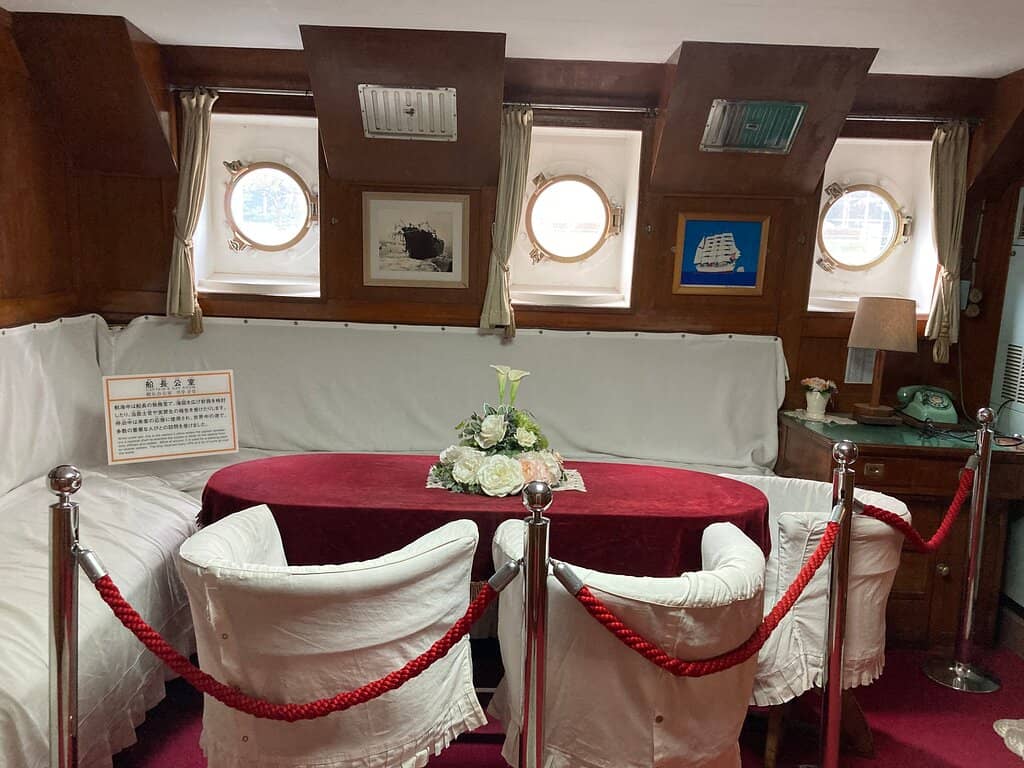
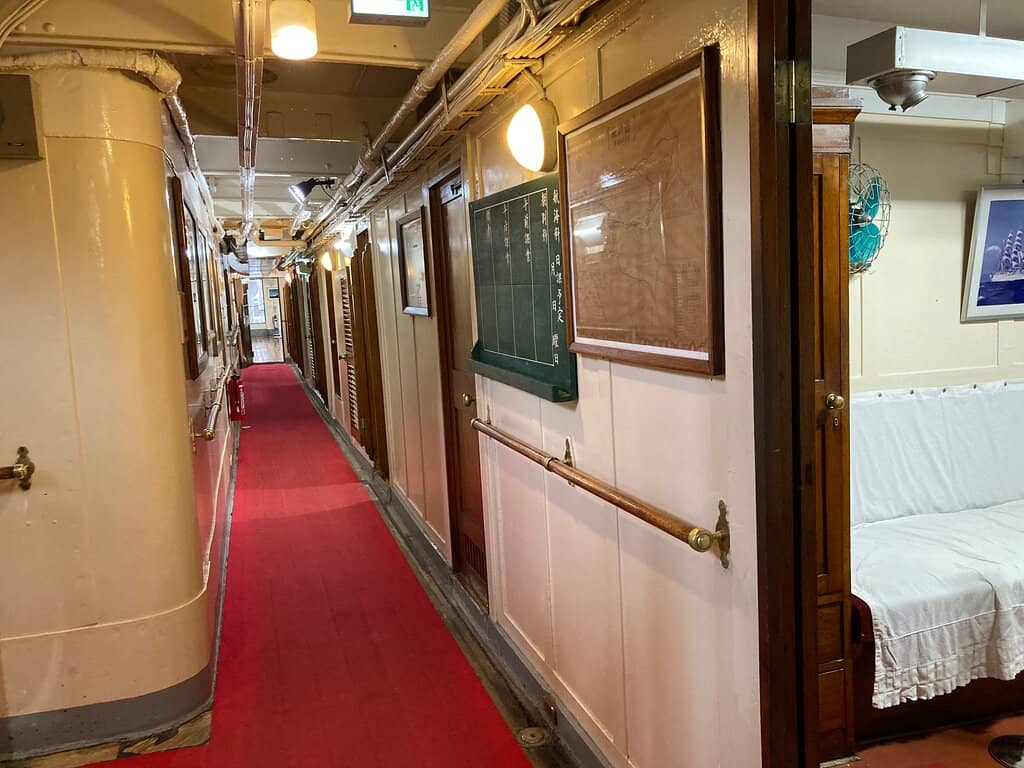
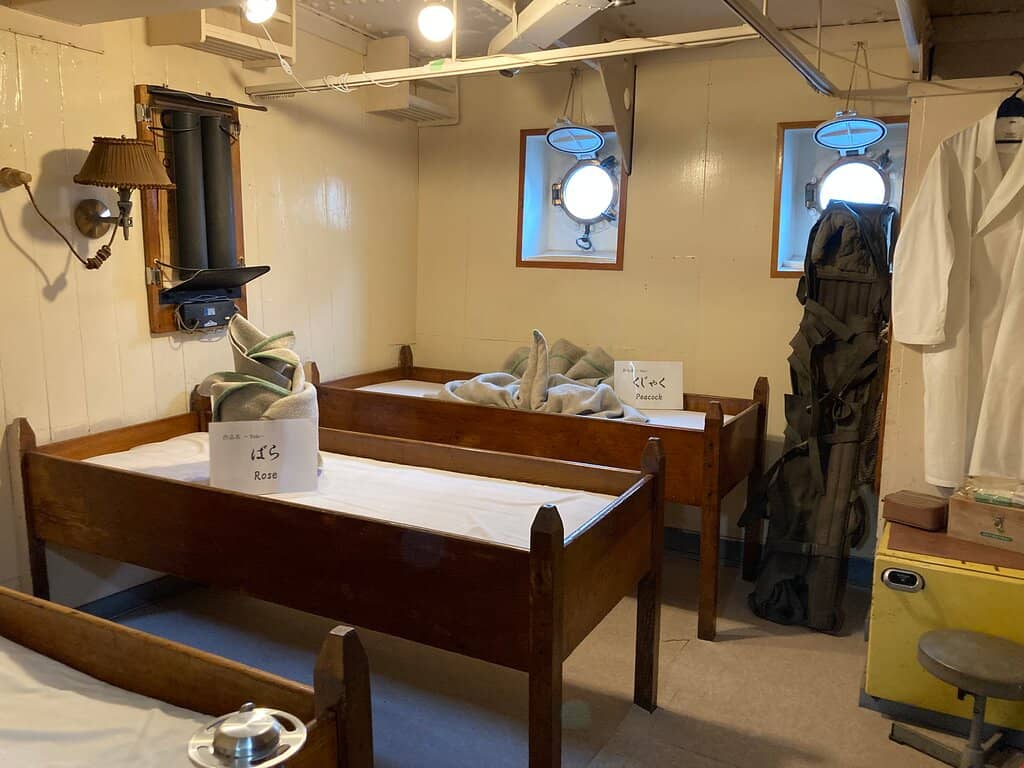
Captain's Quarters & Cabins
Interior of the ship
Step inside the navigation room and crew quarters for an immersive glimpse into maritime life.
Nighttime Illumination
Exterior of the ship
Witness the ship beautifully lit up at night, creating a magical spectacle against the harbor.
Plans like a pro.
Thinks like you
Planning Your Visit
Timing is Key for Photos
Affordable Maritime History
Best Times
Insider Tips
from TikTok, Instagram & Reddit
📸 Golden Hour Photos
Visit near sunset for the best light on the ship and city skyline.
:moneybag: Budget-Friendly Fun
Admission is very affordable, making it a great value for history lovers.
🚢 Immerse in History
Explore the captain's office, crew cabins, and navigation room for a full experience.
✨ See it Lit Up
The ship is stunning when illuminated at night.
Tips
from all over the internet
📸 Golden Hour Photos
Visit near sunset for the best light on the ship and city skyline.
:moneybag: Budget-Friendly Fun
Admission is very affordable, making it a great value for history lovers.
🚢 Immerse in History
Explore the captain's office, crew cabins, and navigation room for a full experience.
✨ See it Lit Up
The ship is stunning when illuminated at night.
What Travellers Say
Reviews Summary
Visitors consistently praise the Sail Training Ship Nippon Maru for its affordability and immersive historical experience. Many highlight the chance to explore the ship's interior, learn about its past, and enjoy the beautiful nighttime illumination. While some visitors have encountered maintenance closures, the overall sentiment is overwhelmingly positive, with staff often noted for their helpfulness.
"The Sail Training Ship Nippon Maru (日本丸) is one of Japan’s most iconic maritime landmarks, offering visitors a unique glimpse into the country’s rich naval heritage. Located at the Nippon Maru Memorial Park in Yokohama, this three-masted tall ship is a museum and historical vessel that tells the story of Japan’s maritime training tradition. If you’re interested in history, sailing, or simply exploring something distinctive in Yokohama, the Nippon Maru is an unforgettable experience.
Here’s a detailed look at the Sail Training Ship Nippon Maru:
History and Background
The Nippon Maru was built in 1930 and originally served as a training vessel for the Japanese Merchant Marine Academy. For over 50 years, it was used to train Japan’s future sailors and cadets, providing hands-on experience in navigation, ship maintenance, and sailing. The ship’s purpose was to give cadets the necessary skills to operate large sailing vessels and understand maritime operations at sea. It became an essential part of Japan’s maritime education system.
The ship was retired in 1984, after decades of service, and was eventually restored as a museum ship in Yokohama. Today, visitors can board the Nippon Maru and explore various parts of the ship, experiencing what life aboard a tall ship was like.
What You Can Expect on the Nippon Maru
1. Exploring the Ship
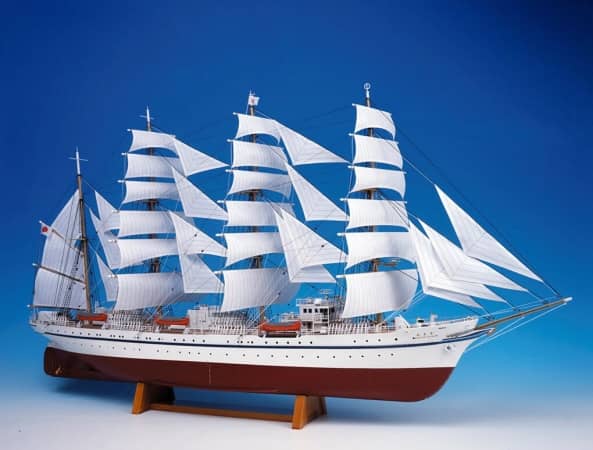
• The Deck: The Nippon Maru has three towering masts that soar high above the ship. Walking around the main deck, you can get a feel for the sheer scale of the vessel and imagine what it must have been like to sail on it during its active years. There are several areas on deck where you can take in panoramic views of Yokohama Bay and the surrounding skyline, including the Minato Mirai district and the Yokohama Landmark Tower.
• Mast Climbing: For those adventurous enough, there’s an opportunity to try climbing the rigging and experience what it was like for the cadets who trained aboard the ship. Although it’s not the same as navigating the open seas, it’s a great way to connect with the ship’s history in a hands-on way.
2. Interior of the Ship
• The Captain’s Quarters: Inside the ship, you can visit the Captain’s quarters, which is a small but functional space that reflects the captain’s living and working conditions. The space is relatively modest compared to the size of the ship but gives you insight into how the captain would manage the ship and oversee the crew.
• Crew Areas: You can also explore the areas where the cadets and crew would have stayed. The officers’ rooms are neatly arranged, and there are exhibits showing what life was like aboard a training vessel in the 20th century. The engine room and sailing equipment are also open for exploration, where you can learn about the mechanical and navigational systems used on the ship.
• Navigation Room: The navigation room contains various historical nautical instruments, such as old compasses, sextants, and charts, used by the ship’s officers for navigation. These exhibits highlight the evolution of maritime technology and the training that cadets received during their time aboard.
3. Educational Exhibits
• The Nippon Maru Museum provides educational exhibits that explain the significance of the Nippon Maru in Japan’s maritime history. These include historical photos, documents, and models of the ship, all detailing its role in training generations of sailors. The exhibits also cover the broader context of maritime training in Japan and the importance of sail training for the country’s merchant marine fleet.
• You’ll also learn about the broader role of the Merchant Marine Academy and how cadets were trained in sailing, navigation, and maritime life. These exhibits emphasize the ship’s importance in fostering international cooperation and the exchange of knowledge between Japan and other countries, especially during its active"
Share Share
"Nippon Maru was a really unexpected and pleasant surprise. I put it on my list as a “maybe” thing to do, and after going through some sightseeing and “must-do” activities in Yokohama rather quickly, because I didn’t expect some things to be either small or not very impressive, I ended up at Nippon Maru with low expectations, especially since I am not a boat or ship enthusiast.
One thing to note, perhaps because of the atmosphere, is that there was literally no one on the ship and hardly anyone at the museum just a 30-second walk away, so I highly recommend buying tickets for both the ship and the museum because it is well worth it.
The ship itself was impressive. You could walk around and see how the crew lived, and there were signs everywhere with English translations and explanations of some technical details. It is not every day that you can explore an old ship like this. The highlight for me, however, was the museum. It was modern, well laid-out, and completely empty, so it felt like we had a private tour. There were plenty of interesting exhibits and a few interactive elements to enjoy.
Nippon Maru was definitely one of the highlights of my trip to Yokohama, and it was something I did not expect to enjoy so much."
Ouss Uchiha
"Well worth your time. The training ship is quite interesting and you get to view all the spaces were the cadets and officers lived and worked for 6 months"
Ioan Ludusan
What People Like
What People Dislike
Frequently Asked Questions
🚇 🗺️ Getting There
The Nippon Maru is conveniently located a short walk from Sakuragicho Station in Yokohama. You can access it via the JR Tokaido Line, Yokosuka Line, Shonan-Shinjuku Line, Permanent Line, Tokyu Toyoko Line, Sotetsu Line, and Port Future Line.
Yes, it's very accessible. Several train lines converge at Sakuragicho Station, making it easy to reach from various parts of Yokohama and beyond.
Sakuragicho Station is the closest station, just a four-minute walk away from the ship.
While driving is possible, public transportation is highly recommended due to potential parking challenges in the Minato Mirai area.
There are parking facilities in the Minato Mirai area, but they can be expensive. Public transport is generally more convenient and cost-effective.
🎫 🎫 Tickets & Entry
Admission is very affordable, often compared to the price of a small snack or convenience store item, making it a great value.
Tickets can typically be purchased at the entrance to the ship. It's advisable to check their official website for any advance booking recommendations or special event ticketing.
Opening hours can vary, and it's best to check the official Yokohama Port Museum website for the most up-to-date information, as they may have maintenance days.
While specific discounts aren't widely advertised, the already low admission price makes it accessible for most visitors.
The ship is generally open on public holidays, but it's always a good idea to confirm hours beforehand, especially if it falls on a scheduled maintenance day.
🎫 🧭 Onsite Experience
You can explore the ship's decks, captain's office, crew cabins, and navigation room. It offers an immersive look into the history of maritime training.
Yes, children often find exploring the ship exciting. It's a hands-on way to learn about history and naval life.
Most visitors spend about 1-2 hours exploring the ship and its exhibits, but you can easily spend longer if you're a history enthusiast.
While not always explicitly advertised, knowledgeable staff and volunteers are often available to provide insights into the ship's history and life aboard.
Yes, photography is generally allowed, and many visitors capture the ship's impressive rigging and interior details. The evening illumination is particularly popular for photos.
📸 📸 Photography
The 'golden hour' near sunset offers beautiful lighting for the ship and the Yokohama skyline. The ship is also stunning when illuminated at night.
The ship's impressive rigging, the view from the decks looking towards Minato Mirai, and the illuminated exterior at night are all highly photogenic.
Drone usage is typically restricted in port areas and around historical sites. It's best to check local regulations and obtain necessary permissions before flying a drone.
Generally, photography is permitted inside, but it's always good practice to be mindful of other visitors and any specific signage within the exhibits.
A versatile lens (like a 24-70mm) is useful for both wide shots of the ship and details. A tripod can be beneficial for low-light evening shots.
For Different Travelers
Tailored advice for your travel style
👨👩👧 Families with Kids
💰 Budget Travelers
📸 Photography Enthusiasts

Deep Dives
In-depth insights and expert knowledge
A Living Piece of Maritime History
Visitors can explore various sections of the ship, including the captain's office, crew cabins, and the navigation room. These immersive exhibits provide a fascinating glimpse into the daily life and rigorous training of cadets. The well-maintained interiors and decks allow you to truly imagine yourself as part of the crew, charting courses across vast oceans.
Permanently docked at the former Yokohama Dock No. 1, the Nippon Maru is a beloved landmark in Yokohama's Minato Mirai district. Its presence adds a unique historical dimension to the modern waterfront. Whether you're a history buff, an admirer of naval architecture, or simply looking for a unique cultural experience, the Nippon Maru offers an educational and engaging journey into Japan's seafaring past.
Capturing the Nippon Maru: Photography Tips
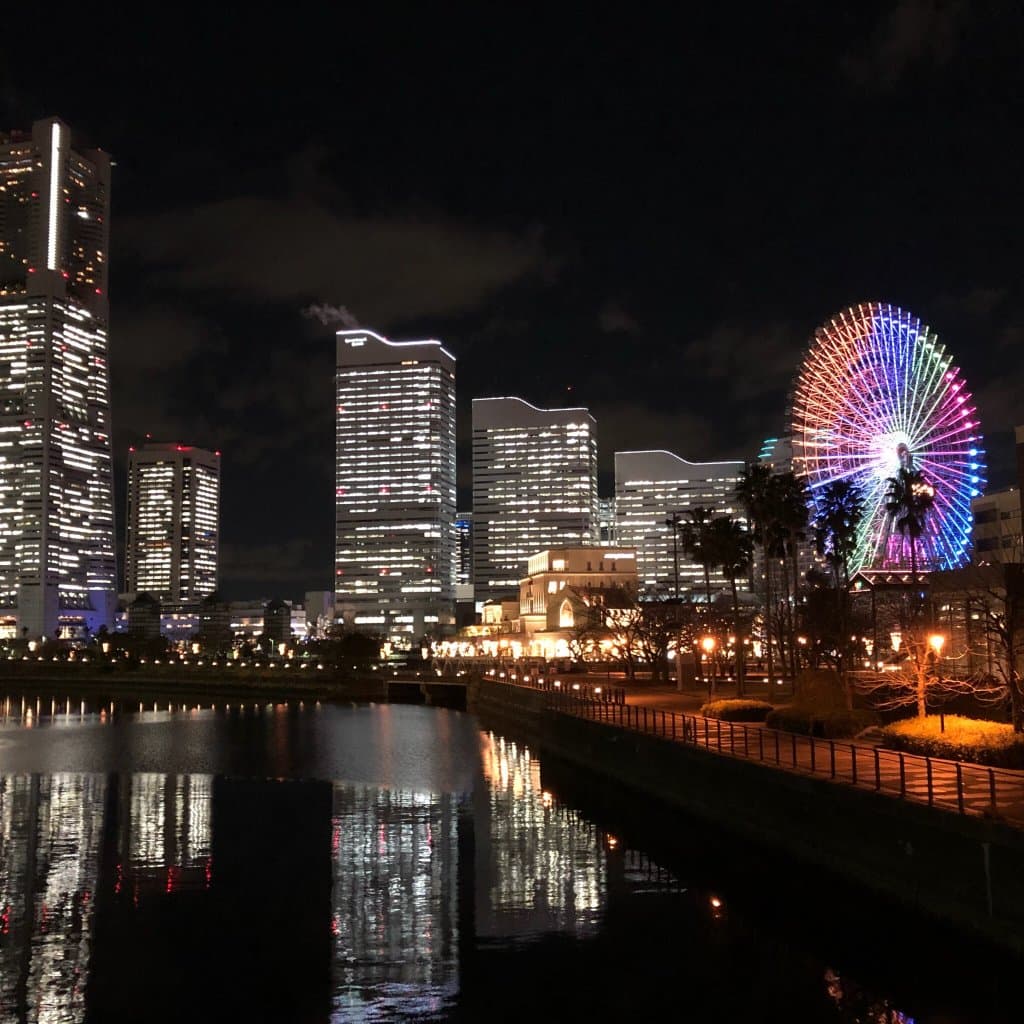
The ship is beautifully lit, creating a magical ambiance that contrasts with the modern city lights in the background. This is particularly striking during events like the Minato Mirai Smart Festival. For daytime shots, aim for the 'golden hour' just before sunset. The warm, soft light casts a beautiful glow on the ship's historic structure and the surrounding skyscrapers, creating a picturesque scene.
When photographing the interior, focus on the historical details of the captain's office, navigation room, and crew quarters. The confined spaces and vintage equipment offer a unique perspective. Remember to be respectful of other visitors and any posted photography guidelines within the ship's museum sections.

Social
from TikTok, Instagram & Reddit