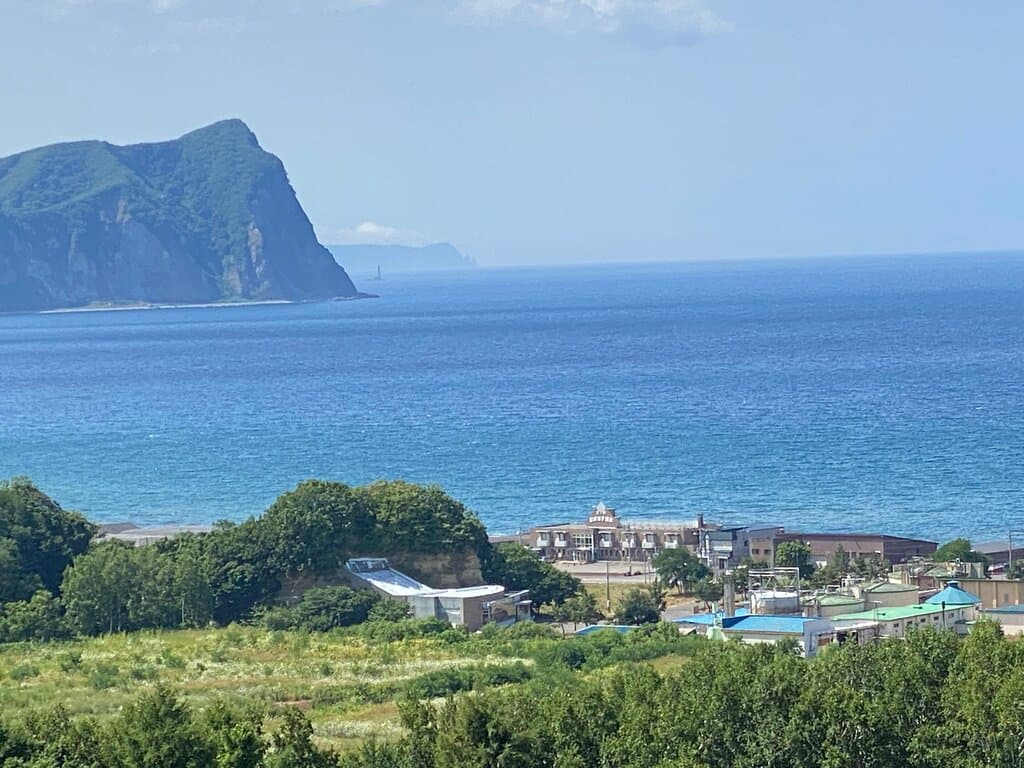
Fugoppe Cave
Discover Fugoppe Cave's enigmatic petroglyphs, ancient carvings hinting at global connections and mysterious Jomon culture.

Highlights
Must-see attractions

Social
From TikTok & Reddit
Best Time
Fewer crowds, peaceful viewing
Fugoppe Cave
Best Time
Fewer crowds, peaceful viewing
Highlights
Must-see attractions
Discover Fugoppe Cave's enigmatic petroglyphs, ancient carvings hinting at global connections and mysterious Jomon culture.
"A fascinating historical landmark with mysterious ancient carvings, offering a unique glimpse into Hokkaido's past."
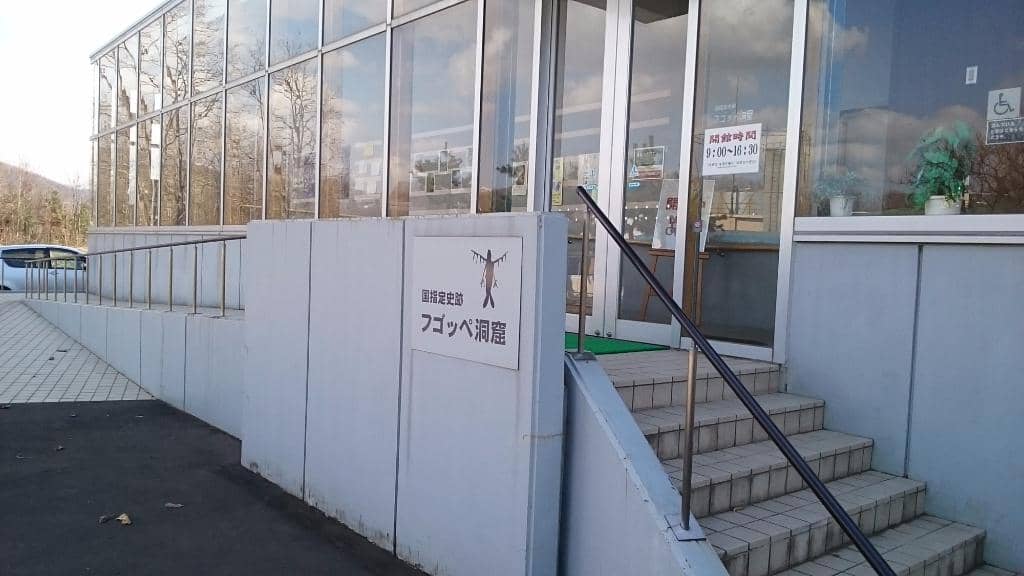
Check for translations
Limited English translations available; consider a translation app. :iphone:
Embrace the quiet
The cave has a sacred atmosphere; enjoy the peaceful contemplation. :pray:
Highlights
Discover the most iconic attractions and experiences
Enigmatic Petroglyphs
Inside the glass-covered cave
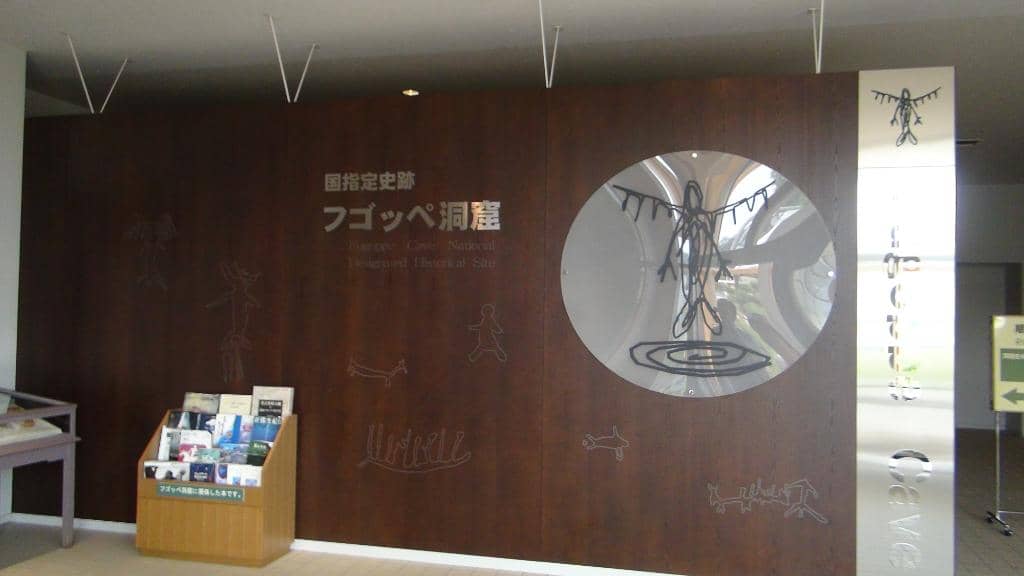
See ancient carvings of human-like figures, some with wings, offering a glimpse into a mysterious past.
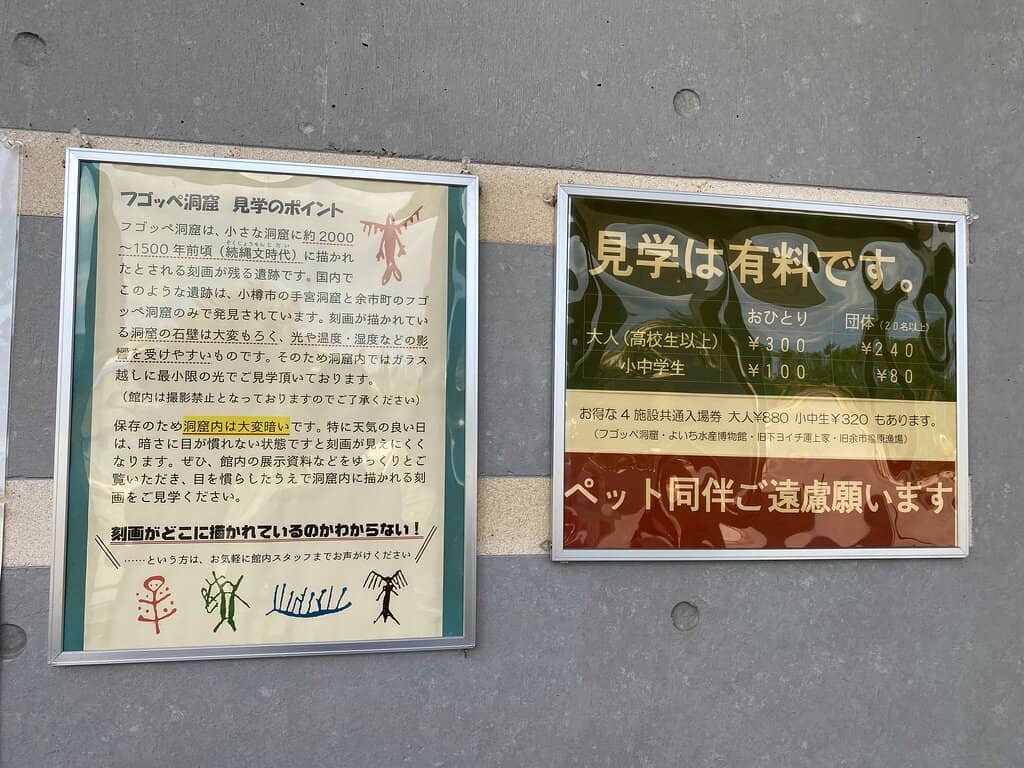
Jomon Period Artifacts
Fugoppe Cave Museum
Discover tools and artifacts used by the ancient Jomon people, providing context to the cave's carvings.

Global Parallels
Museum exhibits and information panels
Learn about theories connecting Fugoppe Cave's art to similar ancient carvings found in Utah and Azerbaijan.
Plans like a pro.
Thinks like you
Planning Your Visit
Unraveling Ancient Mysteries
Preservation and Access
Best Times
Insider Tips
from TikTok, Instagram & Reddit
Check for translations
Limited English translations available; consider a translation app. :iphone:
Embrace the quiet
The cave has a sacred atmosphere; enjoy the peaceful contemplation. :pray:
Visit the museum
The small museum provides crucial context and displays artifacts. :museum:
Understand preservation
Direct cave access is limited due to preservation efforts. :shield:
Tips
from all over the internet
Check for translations
Limited English translations available; consider a translation app. :iphone:
Embrace the quiet
The cave has a sacred atmosphere; enjoy the peaceful contemplation. :pray:
Visit the museum
The small museum provides crucial context and displays artifacts. :museum:
Understand preservation
Direct cave access is limited due to preservation efforts. :shield:
Plan for limited network
Network coverage can be spotty, download info beforehand. :signal_strength:
What Travellers Say
Reviews Summary
Fugoppe Cave is praised as a fascinating and underrated historical gem in Hokkaido, offering a unique glimpse into ancient Jomon culture through its mysterious petroglyphs. Visitors appreciate the quiet, almost sacred atmosphere and the educational value of the small museum, though some note limited multilingual translations and the inability to directly access the cave walls.
"Fugoppe Cave is a fascinating and underrated historical site tucked away in Hokkaido. It’s known for its mysterious ancient carvings that are believed to date back over a thousand years. The cave is small, but the experience of seeing the rock engravings up close is truly special. There’s a quiet, almost sacred atmosphere inside, and the surrounding area is peaceful and scenic. The small museum nearby offers some context about the history and discovery of the site. It's a great stop for those interested in archaeology or unique cultural landmarks in Japan."
Neil - The Backpack Adventures
"We visited Fugoppe Cave (フゴッペ洞窟) a historical landmark. The cave was found with hieroglyphs.
Fugoppe Cave
Fugoppe Cave (フゴッペ洞窟) is indeed a fascinating historical landmark located in Yoichi, Hokkaido. This archaeological site dates back to the Jōmon period and is renowned for its unique petroglyphs, which are among the few found in Japan.
Discovered in 1950, the cave features around 800 figures carved into its walls. These carvings include human figures, some with wings or horns, as well as depictions of boats, marine animals, and fish. The petroglyphs are believed to be from the late Epi-Jōmon culture, which flourished in Hokkaido from the 5th to 7th centuries.
The cave itself is about 7 meters deep and made of soft hyaloclastite, allowing the figures to be carved by abrasion and then polished1. The site has been preserved in a large capsule of reinforced glass that doubles as a museum, ensuring the petroglyphs are protected while allowing visitors to view them.
Interestingly, there has been some debate about the meaning of these carvings. While some believe they represent a lost ancient writing system, others think they depict shamanistic rituals. Regardless of their exact interpretation, the petroglyphs of Fugoppe Cave offer a unique glimpse into the ancient cultures of Hokkaido.
It’s wonderful chance to visit such a significant site!"
Vincent Tan
"The cave museum is one of two in the South of Hokkaido build around caves with ancient stone carvings. The museum is very small but definitely worth a visit to see the carvings and learn a nit about the ancient history of Hokkaido"
Ingo Meyer (ingoism)
What People Like
What People Dislike
Frequently Asked Questions
🚇 🗺️ Getting There
Fugoppe Cave is located in Yoichi, Hokkaido. The easiest way to reach it from Sapporo is by taking a JR train on the Hakodate Line to Yoichi Station, which takes about 1.5 to 2 hours. From Yoichi Station, it's a short taxi ride or a bus journey to the cave. Some visitors also opt for rental cars for more flexibility in exploring Hokkaido.
Yes, Fugoppe Cave is accessible by public transport. You can take a train to Yoichi Station and then a local bus or taxi. It's advisable to check the latest bus schedules as they can be infrequent.
While local buses are available, a taxi from Yoichi Station is the most convenient and quickest option to reach Fugoppe Cave. If you plan to explore more of the Yoichi area, renting a car might be a better choice.
Yes, there are typically parking facilities available for visitors who drive to Fugoppe Cave. This makes it a convenient option for those exploring Hokkaido by car.
From Otaru, you can take a JR train on the Hakodate Line towards Kutchan or Niseko and alight at Yoichi Station. The train journey typically takes around 30-40 minutes. From Yoichi Station, a short taxi or bus ride will take you to the cave.
🎫 🎫 Tickets & Entry
Fugoppe Cave and its accompanying museum generally operate during daylight hours. It's best to check the official local tourism website or inquire locally for the most up-to-date opening hours, as they can vary seasonally.
Admission to Fugoppe Cave and the museum is typically very affordable, often with a small entrance fee. The exact cost can vary, so it's recommended to check current pricing upon arrival or on local tourism information sites.
Advance booking is generally not required for Fugoppe Cave, as it's a historical site rather than a major tourist attraction. You can usually purchase tickets upon arrival at the museum.
Fugoppe Cave is usually open year-round, but it's always a good idea to confirm operating status, especially during winter months or public holidays, as hours might be reduced or closures may occur.
No, direct access to the original cave walls is restricted for preservation. The petroglyphs are viewed through a protective reinforced glass capsule that houses the cave.
🎫 🧭 Onsite Experience
Fugoppe Cave is famous for its ancient petroglyphs, featuring around 800 figures carved into the soft rock. These include human-like figures, some with wings or horns, as well as depictions of boats, marine animals, and fish. The site also has a small museum displaying artifacts from the Jomon period.
The carvings are believed to be from the late Epi-Jomon culture (5th to 7th centuries AD) and are among the few petroglyphs found in Japan. Their meaning is debated, with theories ranging from a lost writing system to shamanistic rituals. Some carvings bear a striking resemblance to ancient art found in other parts of the world, like Utah and Azerbaijan.
Yes, there is a small museum attached to Fugoppe Cave. It was built around the original cave to protect the petroglyphs and displays artifacts discovered at the site, offering context about the Jomon people and their culture.
A visit to Fugoppe Cave and its museum typically takes about 1 to 1.5 hours. This allows enough time to view the petroglyphs, explore the museum exhibits, and read the informational displays.
Guided tours are not commonly offered at Fugoppe Cave. Information is usually provided through display panels within the museum. Visitors often rely on self-guided exploration and any available translated materials.
📸 📸 Photography
Photography is generally allowed inside the Fugoppe Cave museum and the glass-encased viewing area. However, flash photography might be restricted to protect the ancient carvings. Always check for signage or ask staff if unsure.
The petroglyphs are viewed through glass, so try to minimize reflections by shooting at an angle or using a lens hood. The lighting inside is designed to highlight the carvings, so experiment with different perspectives to capture their detail.
Drone photography is typically not permitted at historical and archaeological sites like Fugoppe Cave to ensure the safety and preservation of the area. It's best to avoid flying drones in the vicinity.
Given the controlled lighting, a camera with good low-light performance is beneficial. Consider using a tripod if allowed, or a fast lens to capture the details of the carvings without excessive noise. Experiment with aperture to control depth of field.
Photography of the artifacts in the museum is usually permitted, but again, check for any specific restrictions regarding flash. Capturing these items can provide valuable context to your visit.
For Different Travelers
Tailored advice for your travel style
👨👩👧 Families with Kids
While the cave itself is viewed through glass, the museum provides interactive elements or clear displays that can engage younger visitors. It's a good idea to prepare children beforehand by explaining the concept of ancient carvings and the importance of respecting historical sites. The relatively short visit time also makes it suitable for families with young children who may have shorter attention spans.
🏛️ History Buffs & Archaeologists

The preservation efforts and the museum's context-setting exhibits further enhance the experience for enthusiasts. It's an opportunity to delve into the mysteries of early Hokkaido cultures and ponder the broader implications of ancient human expression across different continents.
Deep Dives
In-depth insights and expert knowledge
The Mystery of the Carvings
The interpretation of these carvings remains a subject of debate among archaeologists and historians. Some theories suggest they represent a lost ancient writing system, while others propose they are related to shamanistic rituals or spiritual beliefs of the Jomon people. The presence of winged figures has also sparked discussions about potential connections to similar ancient art found in distant regions like Utah and Azerbaijan, hinting at possible shared ancient cosmologies or even forgotten global interactions.
+4These enigmatic carvings offer a rare and fascinating glimpse into the cultural and spiritual world of Hokkaido's ancient inhabitants. The preservation of these petroglyphs within a protective glass capsule allows visitors to witness these ancient messages firsthand, prompting contemplation about the lives and beliefs of those who created them thousands of years ago.
Preservation and Visitor Experience
While this preservation method is vital, it does mean that visitors cannot directly access or touch the original cave walls. The viewing experience is through the glass, which can sometimes present challenges with reflections. However, the controlled lighting within the capsule is designed to highlight the details of the carvings, making for a compelling visual experience. The accompanying museum provides essential context, displaying artifacts and information that enrich the understanding of the site's history and significance.
Visitors are encouraged to approach their visit with an appreciation for the historical importance and the efforts made to preserve this unique archaeological treasure. The quiet atmosphere within the cave and museum encourages thoughtful observation and reflection on the ancient artistry on display.

Social
from TikTok, Instagram & Reddit