Tsushima Museum of History and Folklore
A modern museum exploring Tsushima's rich history, ancient ties with Korea, and unique natural environment.
Highlights
Must-see attractions

Social
From TikTok & Reddit
Best Time
Fewer crowds, more relaxed
Tsushima Museum of History and Folklore
Best Time
Fewer crowds, more relaxed
Highlights
Must-see attractions
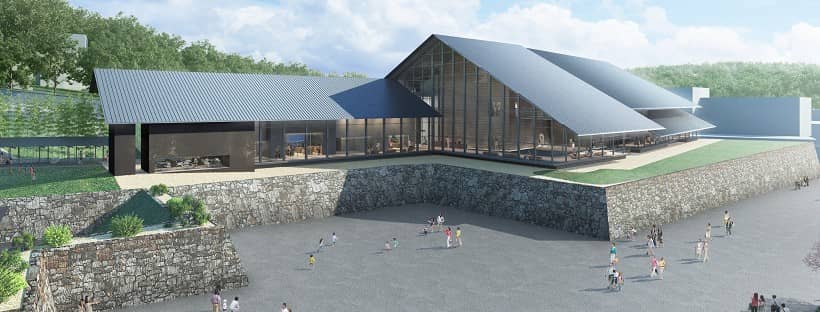
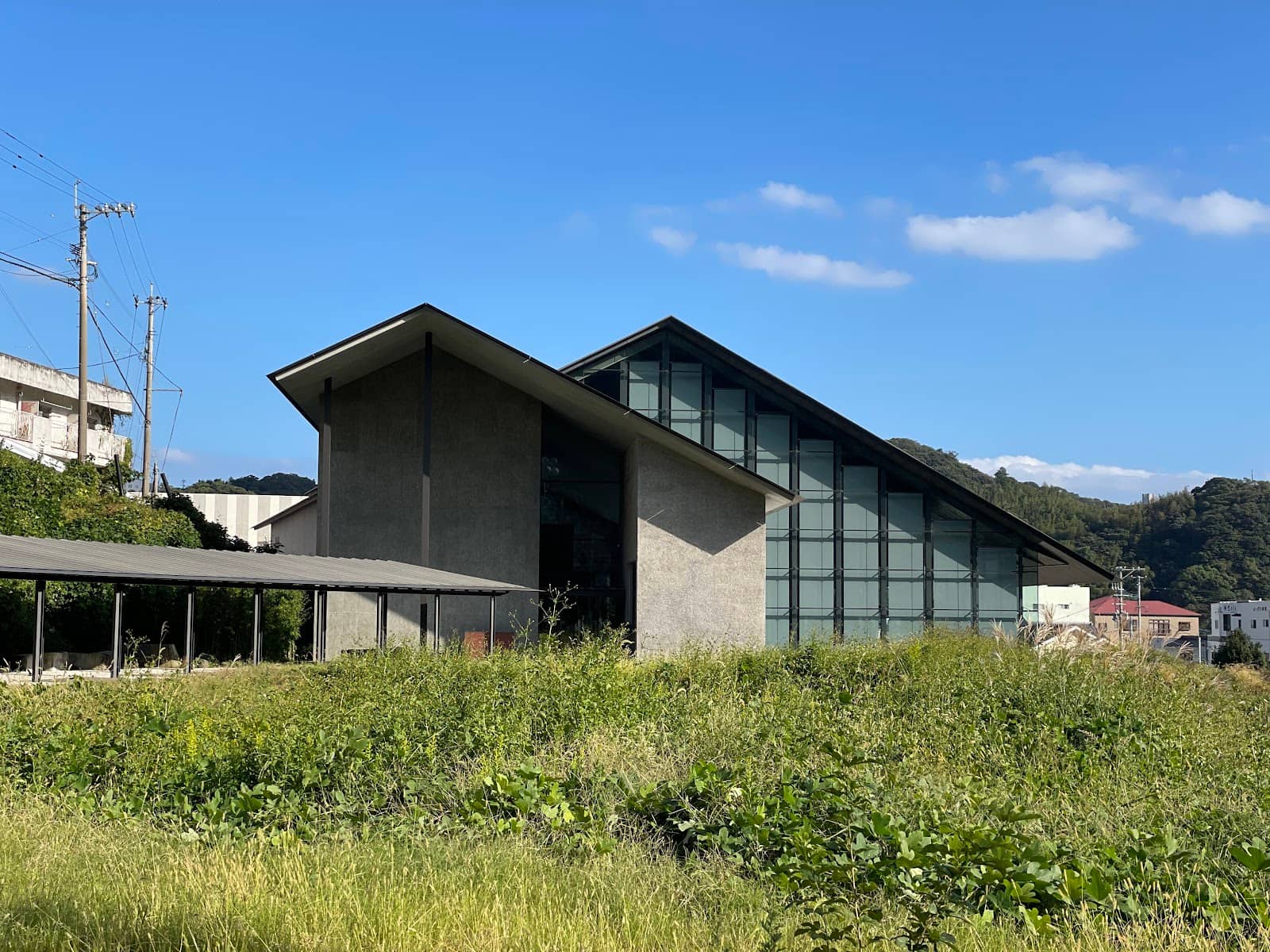
A modern museum exploring Tsushima's rich history, ancient ties with Korea, and unique natural environment.
"Truly a gem of a museum. Ultra modern place on a beautiful island."
📸 Non-Flash Photography Allowed
Capture the exhibits freely, but remember to disable your flash to protect the artifacts.
📱 Translator App Handy
While some English signage exists, a translator app will enhance your understanding of the exhibits.
Highlights
Discover the most iconic attractions and experiences
Tsushima's Ancient Ties
Main Exhibition Hall
Explore exhibits detailing Tsushima's deep historical connections with the Korean Peninsula, including a returned Buddhist statue.
Archaeological Discoveries
Archaeology Section
See fascinating artifacts from various periods of Tsushima's history, showcasing its ancient past.
Natural History & Wetlands
Natural History Section & Observation Area
Learn about the island's unique flora and fauna, with installed binoculars offering views of local wildlife.
Plans like a pro.
Thinks like you
Planning Your Visit
Timing Your Visit
Navigating the Exhibits
Best Times
Insider Tips
from TikTok, Instagram & Reddit
Museums with samurai collections?
📸 Non-Flash Photography Allowed
Capture the exhibits freely, but remember to disable your flash to protect the artifacts.
📱 Translator App Handy
While some English signage exists, a translator app will enhance your understanding of the exhibits.
Real life samurai armor
🚗 Parking Available
Convenient parking is located near the museum entrance, opposite Memorial Park.
🔭 Binoculars for Wildlife
Utilize the installed binoculars for excellent views of local birds and wildlife in the wetlands.
Tips
from all over the internet
📸 Non-Flash Photography Allowed
Capture the exhibits freely, but remember to disable your flash to protect the artifacts.
📱 Translator App Handy
While some English signage exists, a translator app will enhance your understanding of the exhibits.
🚗 Parking Available
Convenient parking is located near the museum entrance, opposite Memorial Park.
🔭 Binoculars for Wildlife
Utilize the installed binoculars for excellent views of local birds and wildlife in the wetlands.
What Travellers Say
Reviews Summary
Visitors are impressed by the museum's modern facilities and comprehensive overview of Tsushima's history, particularly its connections with Korea and its natural environment. While some wish for more interactive exhibits, the polite staff, spacious layout, and permitted photography enhance the overall experience. The availability of parking and the scenic wetland views are also noted positives.
"I was surprised at the size of this place.
A very straightforward walkthrough of Tsushima's history and excavations from different periods of it (which I am curious to see how the history museum differs). The staff was very polite and friendly!
I think they could've taken more advantage of the space they have, the special exhibition of folk tools they had going on when I went (2024/12/20) seemed like an afterthought compared to how the rest of the museum was displayed. It was still nicely displayed but it was in a very small side room after I just walked through a very long and open hallway with minimal exhibits.
Some of the signs had English, but nothing a translator app can't fix. You are allowed non-flash photography. My own personal gripe is that there was not more interactive things!
There is parking available right near the museum at the entrance opposite of the Memorial Park"
Jackson Kenway
"Well done with very good information for adults and kids and nice view on the wetland. With the installed fixed binoculairs a lot can be seen, like white tailed eagle, Japanese crane and Sika deer."
Addy de Jongh
"Truly a gem of a museum. Ultra modern place on a beautiful island."
brandon
What People Like
What People Dislike
Frequently Asked Questions
🚇 🗺️ Getting There
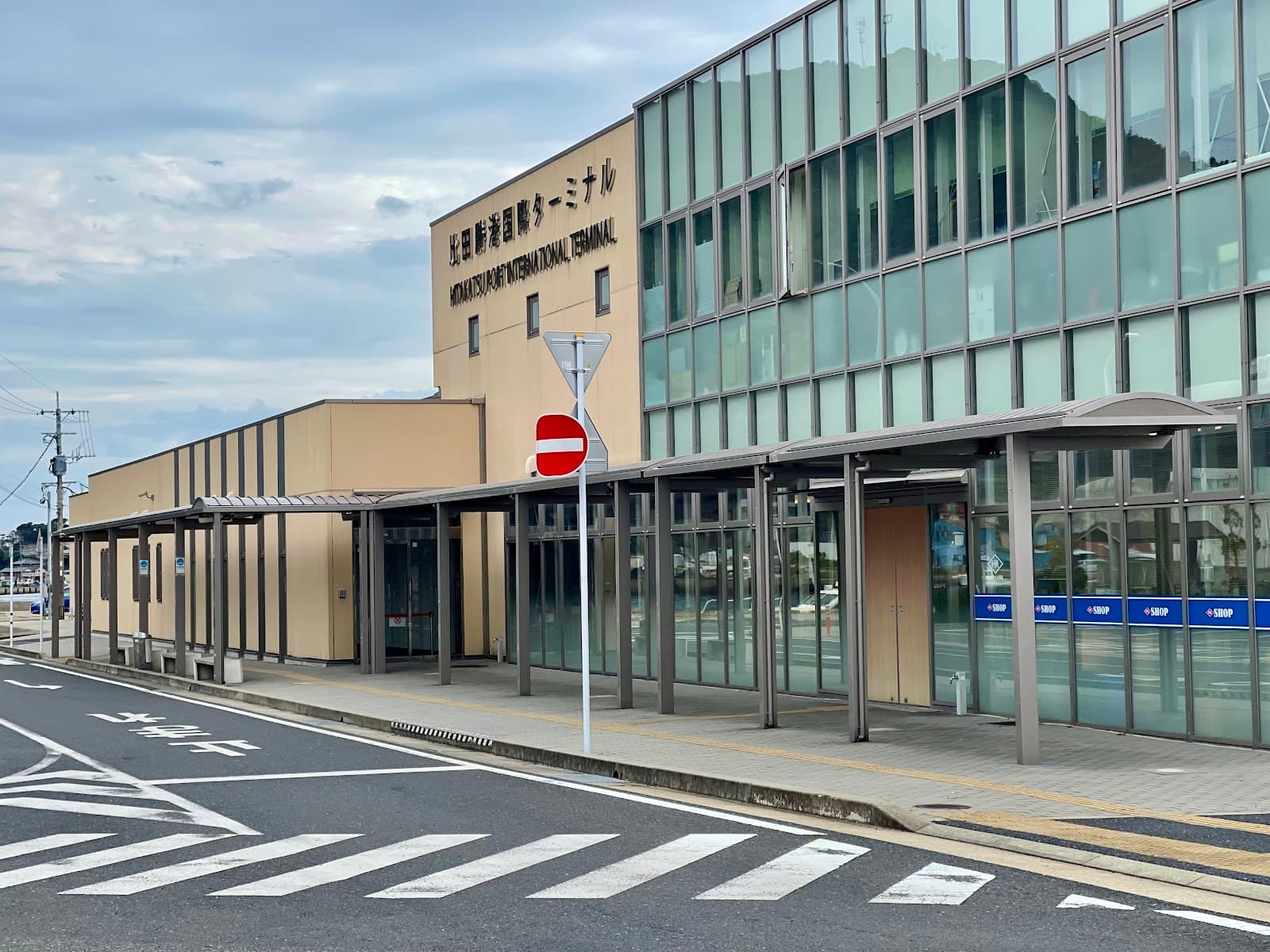
The museum is located in Izuhara, the island's center. If you're arriving by ferry, it's a convenient first stop. Parking is available nearby, opposite Memorial Park.
Information on specific bus routes to the museum is not widely detailed, but its location in Izuhara suggests it's likely accessible via local bus services. It's recommended to check local transport schedules upon arrival.
Renting a car is often recommended for exploring Tsushima Island at your own pace, especially to reach more remote areas. Local buses are available but may have limited schedules.
🎫 🎫 Tickets & Entry
Specific opening hours can vary, but generally, museums in Japan operate from morning to late afternoon. It's advisable to check the official museum website or local tourist information for the most up-to-date hours before your visit.
Admission fees for museums in Japan are typically modest. While exact prices aren't detailed in reviews, expect a reasonable entry fee. Check the museum's official website for current pricing.
For most local history museums, advance booking is usually not required. However, during peak tourist seasons or for special exhibitions, it might be a good idea to check if reservations are recommended.
The museum occasionally hosts special exhibitions, such as the 'Wakan' exhibition mentioned by a visitor. It's worth checking their schedule for any temporary displays during your visit.
🎫 🧭 Onsite Experience
Yes, non-flash photography is allowed inside the Tsushima Museum, allowing you to capture your favorite exhibits.
Some visitors have noted a desire for more interactive exhibits. While there are informative displays, the museum's focus is more on traditional presentation of history and artifacts.
The museum offers good information for both adults and kids, covering history, archaeology, and natural history. The spacious layout also makes it comfortable for families.
You can expect to see a range of artifacts from different historical periods, including archaeological finds, arts and crafts, and a notable Buddhist statue with historical significance.
Some signs at the museum include English translations, but it's not comprehensive. Having a translator app on your phone is recommended for a fuller understanding.
🍽️ 🍽️ Food & Dining
Reviews don't specifically mention dining facilities within the museum itself. However, being located in Izuhara, the island's center, you'll likely find restaurants and cafes nearby.
Tsushima is known for its fresh seafood, particularly 'ikanago' (sand lance) and 'tairyo' (large catch) dishes. Local specialties also include 'izuhara-yaki' (a type of grilled fish) and 'tsushima soba' (buckwheat noodles).
📸 📸 Photography
The museum's modern architecture and spacious halls offer good opportunities for interior shots. The natural history section with views of the wetlands and the Buddhist statue are also popular subjects.
Tripod usage is generally restricted in museums to prevent damage to exhibits and to ensure smooth visitor flow. It's best to assume tripods are not allowed unless explicitly stated otherwise.
For Different Travelers
Tailored advice for your travel style
👨👩👧 Families with Kids
While some visitors noted a desire for more interactive elements, the museum's displays on archaeology and natural history, complete with binoculars for wildlife viewing, can still capture a child's imagination. The inclusion of information for both adults and kids makes it a well-rounded experience for the whole family.
🏛️ History Buffs
Pay special attention to the displays detailing Tsushima's ancient ties with the Korean Peninsula, including the significant story of the returned Buddhist statue. The museum's modern presentation and the availability of non-flash photography allow for thorough exploration and documentation of these historical narratives.
Deep Dives
In-depth insights and expert knowledge
Tsushima's Historical Significance
Beyond its international relations, the museum delves into Tsushima's internal history, covering its archaeology, arts, and crafts. Visitors can explore exhibits that illustrate the daily lives of its inhabitants through the ages, the development of local traditions, and the island's natural environment. The spacious and modern design of the museum itself is a testament to the island's commitment to preserving and presenting its heritage in a contemporary setting.
Exploring Tsushima's Natural Beauty
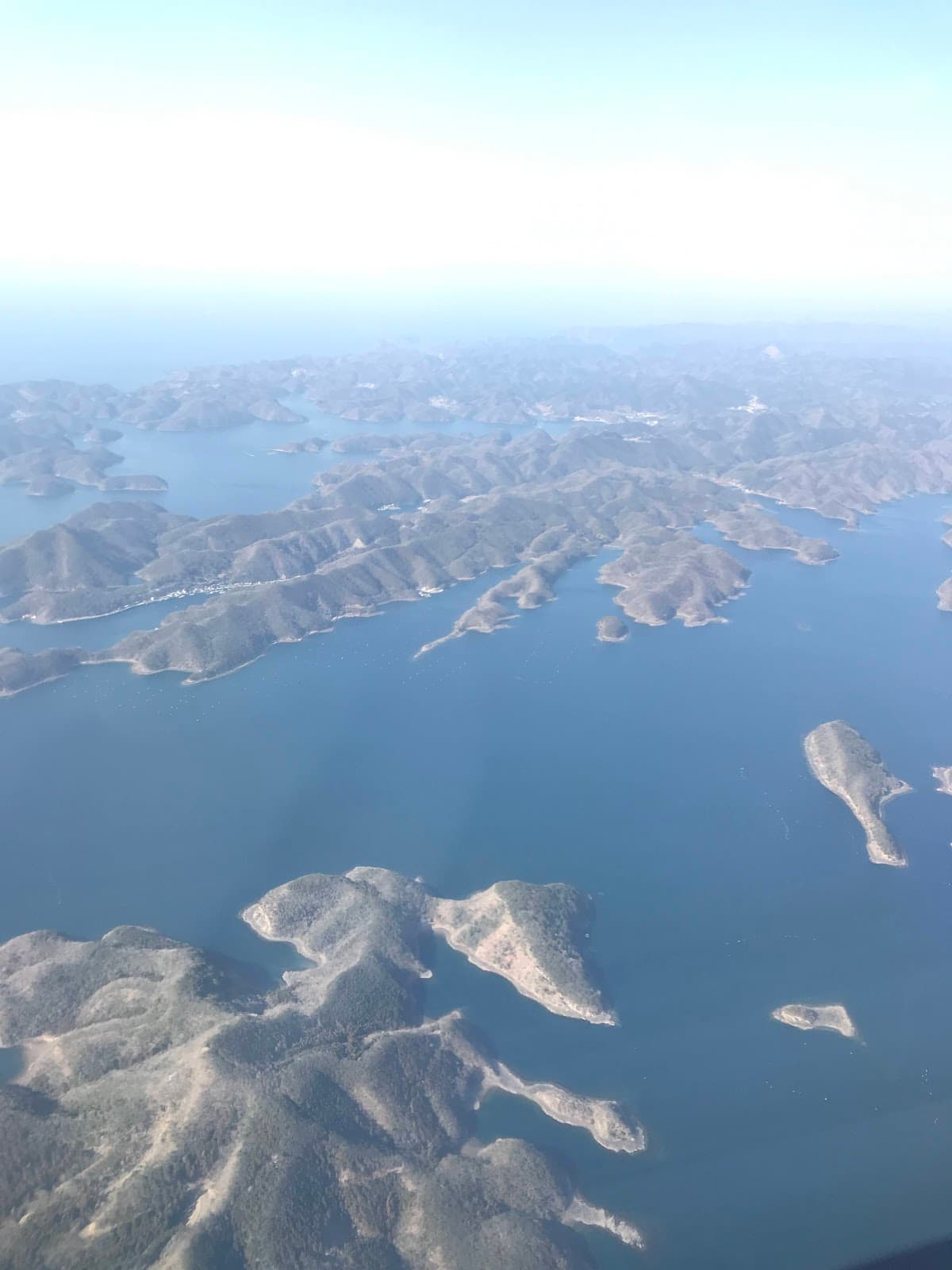
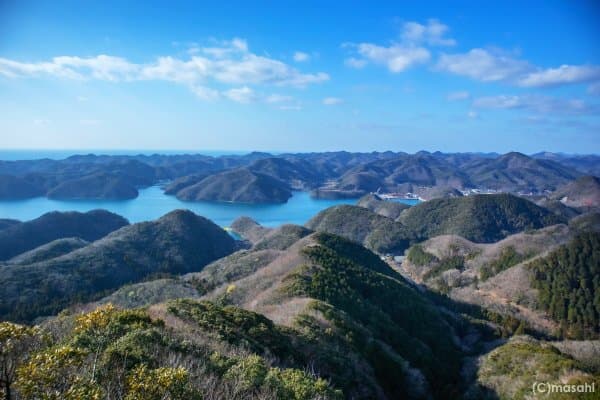
The museum features an observation area equipped with fixed binoculars, offering visitors a chance to spot local fauna. This includes the majestic white-tailed eagle and the elegant Japanese crane, as well as the island's iconic Sika deer. This integration of natural history with historical exhibits provides a holistic view of Tsushima, emphasizing its ecological importance alongside its cultural significance.

Social
from TikTok, Instagram & Reddit