Shinpuku-ji Tsu Kannon
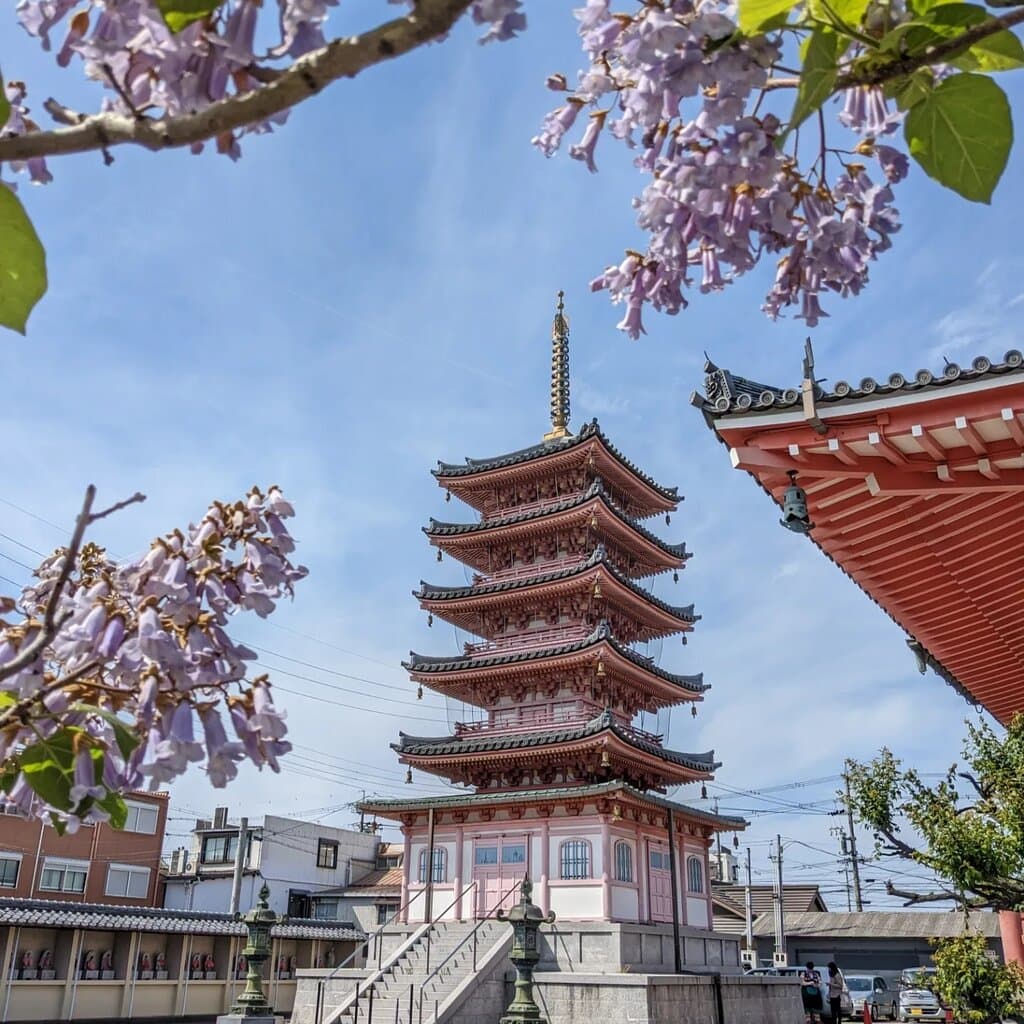
A serene Buddhist temple dating to 709 CE, renowned for its Kannon statue and the prefecture's only wooden five-story pagoda.
Highlights
Must-see attractions

Social
From TikTok & Reddit
Best Time
Experience ultimate peace
Shinpuku-ji Tsu Kannon
Best Time
Experience ultimate peace
Highlights
Must-see attractions
A serene Buddhist temple dating to 709 CE, renowned for its Kannon statue and the prefecture's only wooden five-story pagoda.
"This temple is very clean, very calm, very peaceful and very well maintained."
🙏 Ask to enter halls
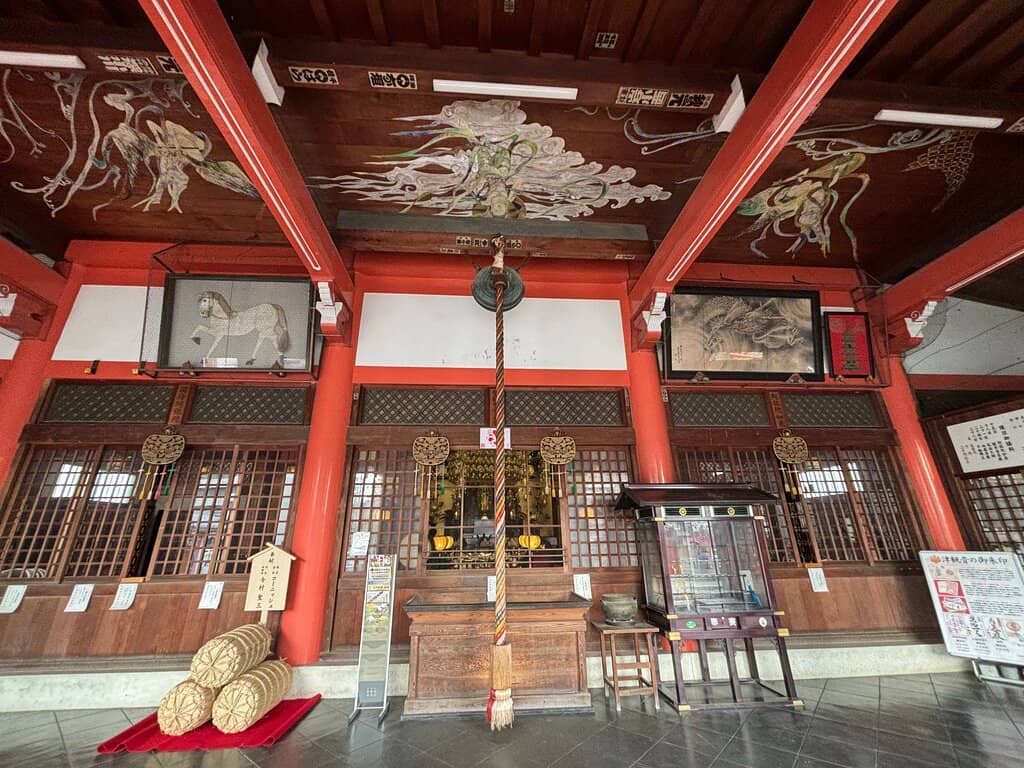
Politely inquire if you can enter the main halls for a closer look at the sacred images.
🚶♀️ Stroll the pedestrian street
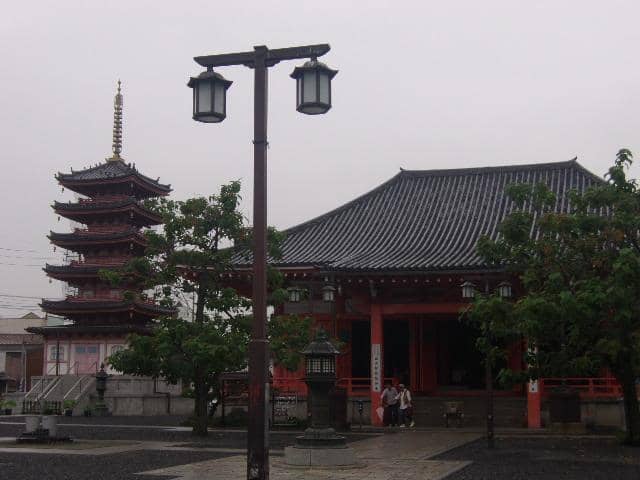
The road in front has a few food stalls and is mostly pedestrian-only.
Highlights
Discover the most iconic attractions and experiences
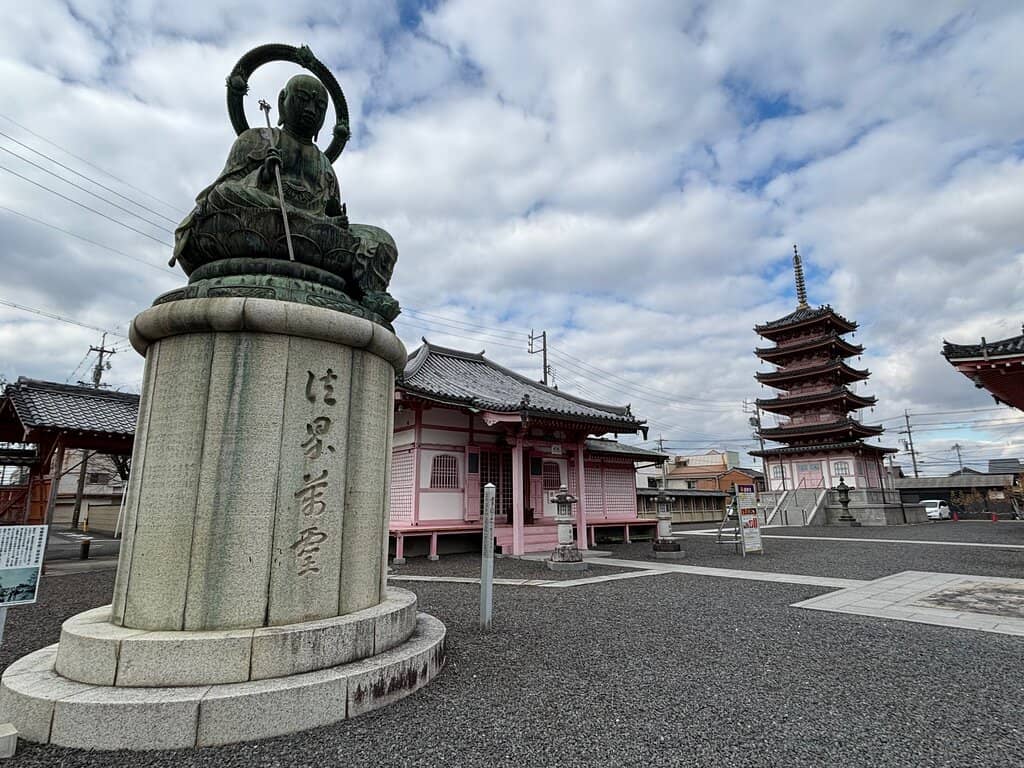
Five-Story Pagoda
Temple grounds
The prefecture's only wooden five-story pagoda, a beloved landmark known affectionately as 'Tsu's Kannon'.
Kannon Hall
Main temple building
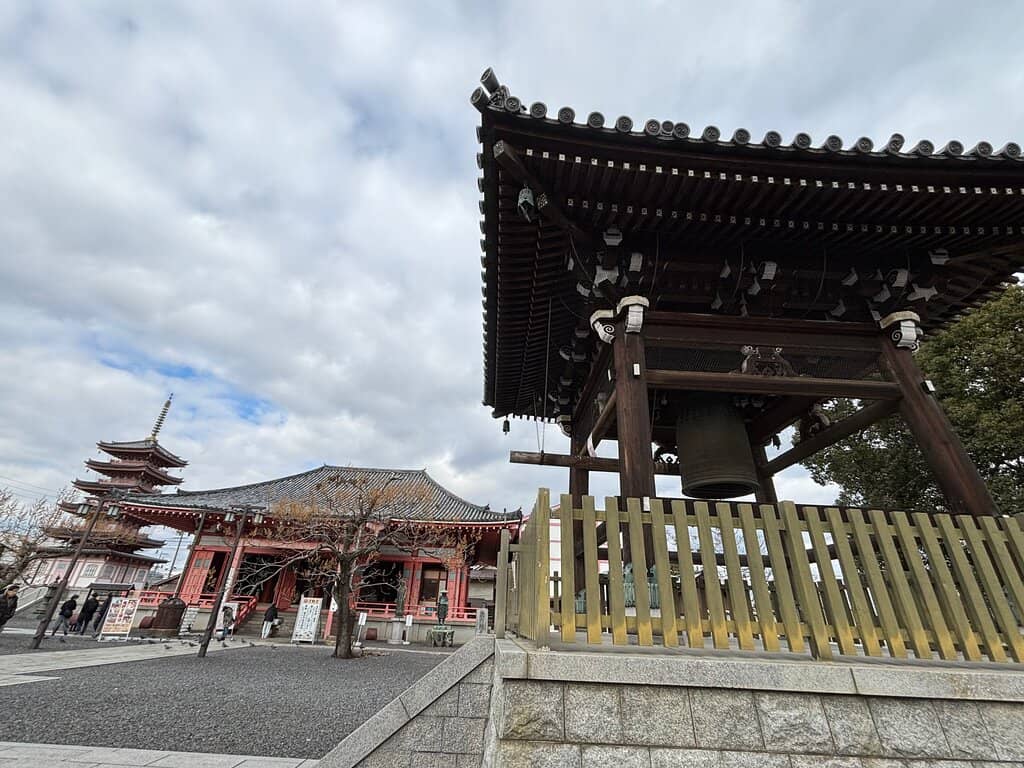
Home to the principal image of the Bodhisattva of Mercy, rescued from the sea over 1300 years ago.
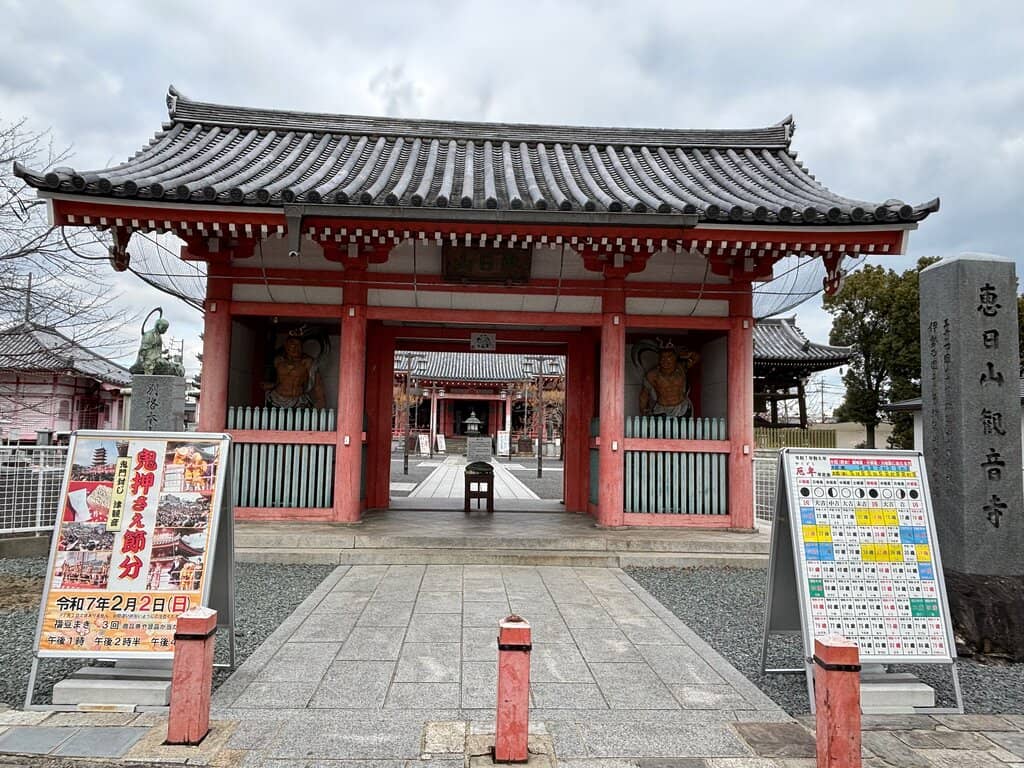
Stroking Stone
Niomon Gate
A unique stone said to bring relief from aches and pains when stroked before touching afflicted areas.
Plans like a pro.
Thinks like you
Planning Your Visit
Timing Your Visit for Serenity
Respectful Exploration
Best Times
Insider Tips
from TikTok, Instagram & Reddit
🙏 Ask to enter halls
Politely inquire if you can enter the main halls for a closer look at the sacred images.
🚶♀️ Stroll the pedestrian street
The road in front has a few food stalls and is mostly pedestrian-only.
📜 Get a goshuin stamp
Many visitors collect goshuin stamps as a memento of their visit.
🧘♀️ Embrace the calm
This temple is known for its clean, calm, and peaceful atmosphere.
Tips
from all over the internet
🙏 Ask to enter halls
Politely inquire if you can enter the main halls for a closer look at the sacred images.
🚶♀️ Stroll the pedestrian street
The road in front has a few food stalls and is mostly pedestrian-only.
📜 Get a goshuin stamp
Many visitors collect goshuin stamps as a memento of their visit.
🧘♀️ Embrace the calm
This temple is known for its clean, calm, and peaceful atmosphere.
What Travellers Say
Reviews Summary
Visitors consistently praise Shinpuku-ji Tsu Kannon for its exceptional cleanliness, profound sense of peace, and meticulous maintenance. Its historical significance as one of Japan's three major Kannon temples and the presence of its unique five-story pagoda are major draws. While some find the pagoda smaller than expected, the overall atmosphere is highly regarded for its tranquility and spiritual depth.
"The temple is very clean, very calm, very peaceful and very well maintained. This is one of the 3 major temples in Japan dedicated to the goddess, Kannon. As this temple also houses a statue of the sun goddess Amaterasu of Ise Jingu, it was popular in the Edo period for pilgrims to pay visits to both Ise Jingu and Tsu Kannon as a set. Having continued to protect the city of Tsu for over 1,300 years since the Nara period (710-794), it was repaired in 1580 by the lord of Tsu Castle, Oda Nobukane."
SS S
"One of the three Japanese statue is here."
Kenix
"It's located one block off the main street. The road in front is mostly pedestrian-only, with a few food stalls.
This temple has its origins in Kukai.
It's very well maintained, and it seems you can enter the hall if you ask. I was hoping to see a five-story pagoda, but it was quite small. There are some great photos, though."
二兎
What People Like
What People Dislike
Frequently Asked Questions
🚇 🗺️ Getting There
The temple is conveniently located one block off the main street in Tsu. If you're arriving by car, the Daidate Parking Lot offers free parking for the first 30 minutes.
While specific public transport routes aren't detailed in user accounts, its location off the main street suggests it's likely accessible via local bus services within Tsu city. It's recommended to check local transit maps upon arrival.
The Daidate Parking Lot is a convenient option, offering free parking for the initial 30 minutes.
🎫 🎫 Tickets & Entry
Entry to the temple grounds is generally free. However, specific areas or special exhibitions might have separate admission fees, though this is not commonly mentioned by visitors.
Specific opening hours are not widely published, but as a place of worship, it's typically open during daylight hours. It's advisable to visit during the day to fully appreciate the temple and its pagoda.
Yes, visitors can often enter the main halls if they ask politely. Be mindful of ongoing services and maintain a respectful demeanor.
Yes, Shinpuku-ji Tsu Kannon offers goshuin stamps, which are popular among visitors as a souvenir of their pilgrimage.
📸 📸 Photography
Photography is generally permitted on the temple grounds, especially of the exterior architecture like the five-story pagoda. However, always be respectful and refrain from taking photos inside sacred halls or during religious ceremonies without explicit permission.
The five-story pagoda is a prominent subject for photography. The temple grounds themselves offer a serene backdrop, especially during the golden hour of late afternoon.
🎫 🙏 Onsite Experience
Visitors consistently describe the temple as very clean, calm, peaceful, and well-maintained. It's a place that offers a sense of serenity and historical depth.
Located near the Niomon Gate, the stroking stone is believed to help improve conditions if you stroke it and then touch any areas of pain or discomfort.
While it's a place of worship, some visitors have noted that there can be a number of people there, suggesting it's a popular site.
The temple has a long history, dating back to 709 CE during the Nara period. It's considered one of the three major Kannon temples in Japan and has protected the city of Tsu for over 1300 years.
For Different Travelers
Tailored advice for your travel style
👨👩👧 Families with Kids
🚶♀️ Solo Travelers & Pilgrims
Deep Dives
In-depth insights and expert knowledge
The Sacred Significance of Kannon
Beyond Kannon, the temple also houses a statue of the sun goddess Amaterasu of Ise Jingu, a practice that made it a popular stop for pilgrims in the Edo period who would visit both Ise Jingu and Tsu Kannon as a combined pilgrimage. This dual dedication highlights the temple's multifaceted religious importance and its role in connecting different Shinto and Buddhist traditions.
Architectural Highlights: The Five-Story Pagoda
The temple itself has undergone significant repairs and renovations throughout its long history, with notable work done in 1580 by Oda Nobukane, the lord of Tsu Castle. This continuous care ensures that the temple's structures, including the pagoda, remain well-maintained and a testament to enduring craftsmanship. The presence of other statues, such as what appeared to be Acala, further adds to the temple's rich iconography.
Social
from TikTok, Instagram & Reddit