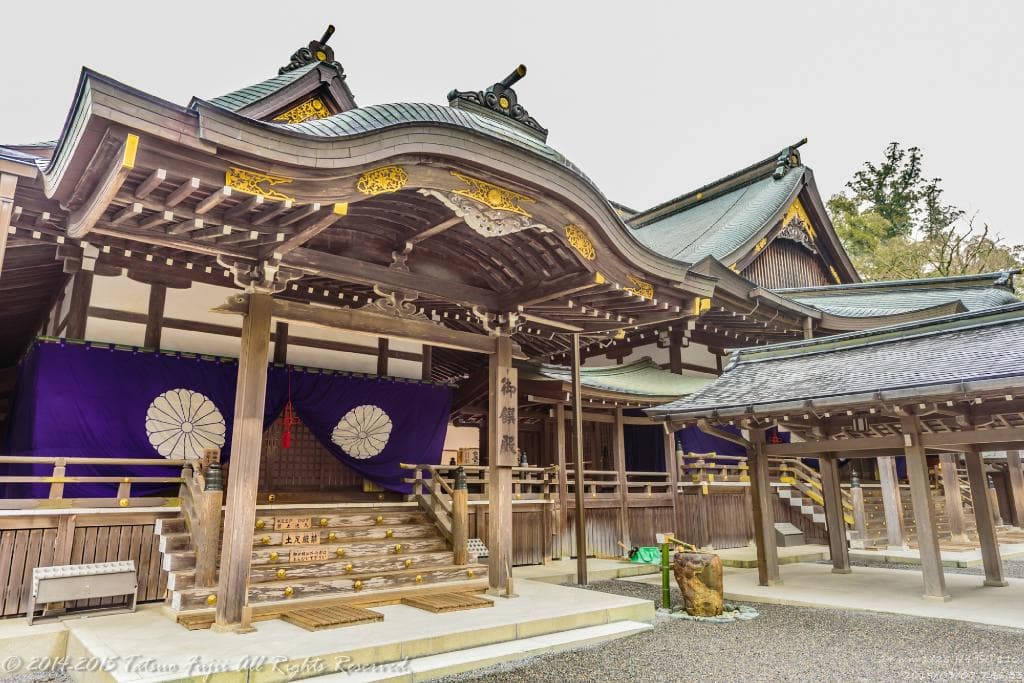
Ise Grand Shrine
Japan's most sacred Shinto shrine, dedicated to the Sun Goddess, offering a serene spiritual journey amidst ancient forests.

Highlights
Must-see attractions

Social
From TikTok & Reddit
Best Time
Fewer crowds, serene atmosphere
Ise Grand Shrine
Best Time
Fewer crowds, serene atmosphere
Highlights
Must-see attractions
Japan's most sacred Shinto shrine, dedicated to the Sun Goddess, offering a serene spiritual journey amidst ancient forests.
"A living embodiment of Japan’s spiritual heart, where nature, tradition, and divinity intertwine."
🎯 Dress Modestly & Respectfully
Avoid revealing clothing. Locals and visitors emphasize respectful attire for this sacred site.
💧 Purify Before Entering
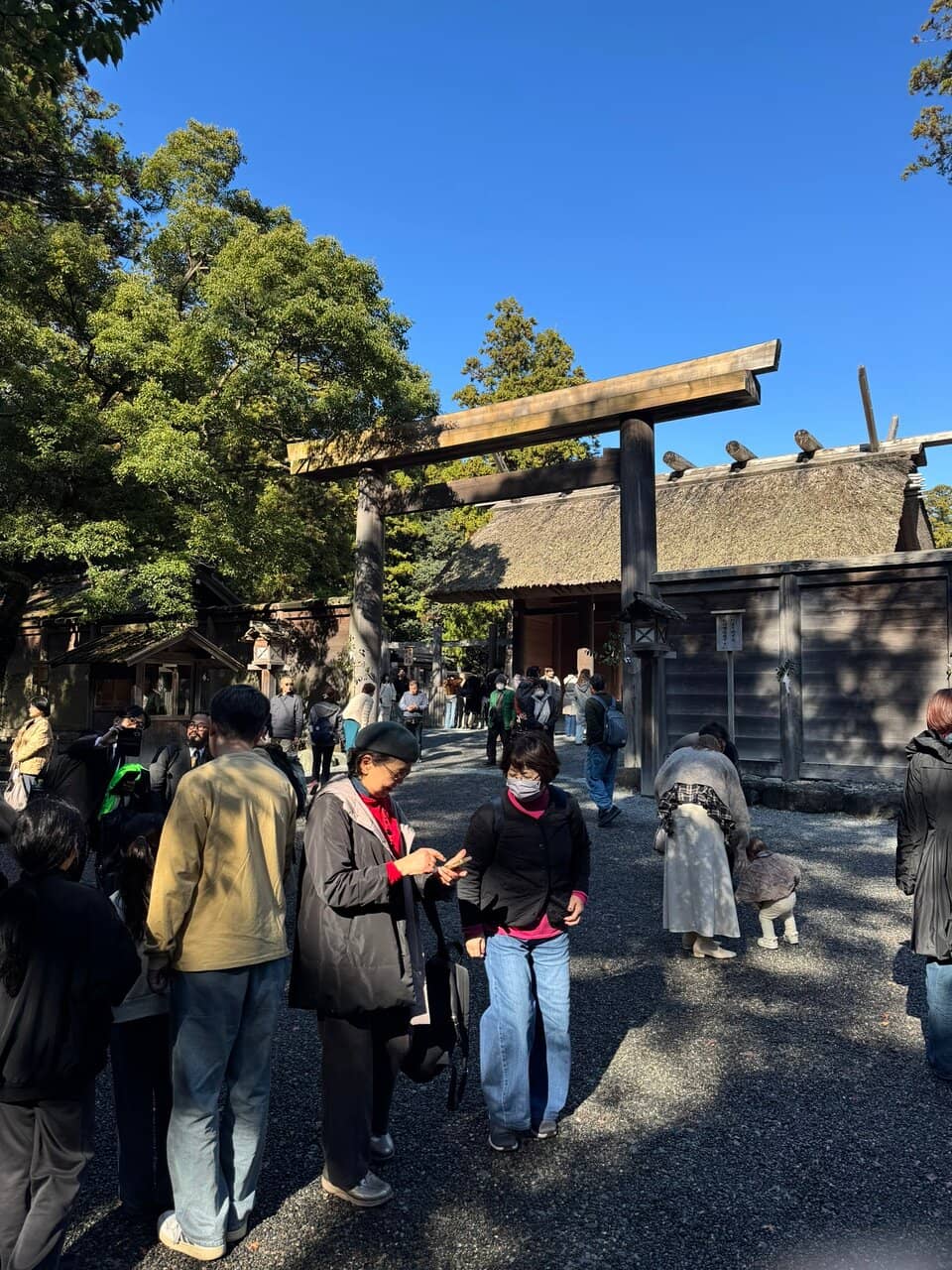
Wash your hands and mouth at the purification fountain before proceeding. It's a key ritual.
Highlights
Discover the most iconic attractions and experiences
Naiku (Inner Shrine)
Dedicated to Amaterasu Omikami
The holiest sanctuary, dedicated to the Sun Goddess. Experience profound serenity amidst ancient forests.
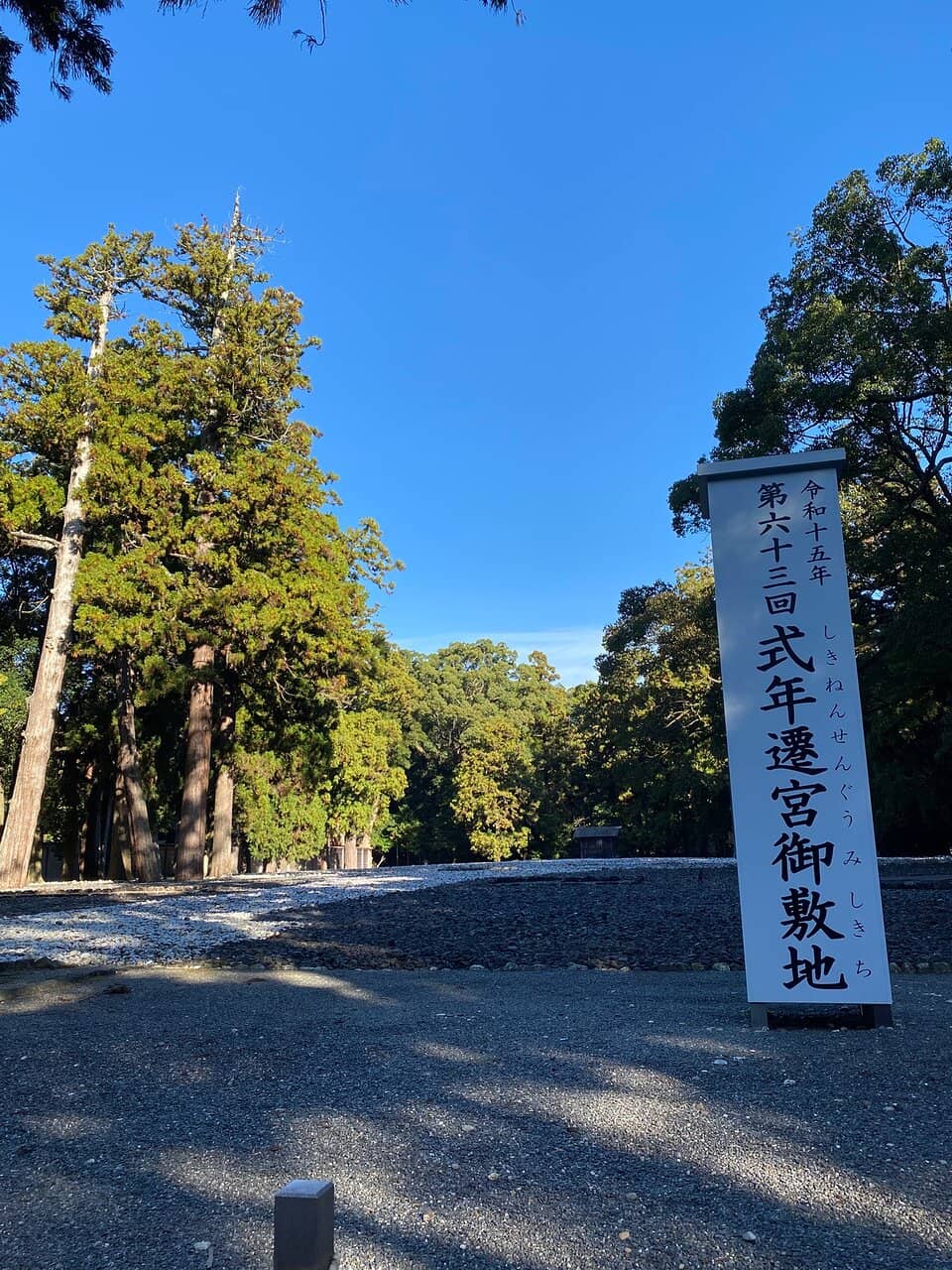
Geku (Outer Shrine)
Dedicated to Toyouke Omikami
The Outer Shrine, dedicated to the goddess of agriculture and sustenance. Offers a different, yet equally spiritual, atmosphere.
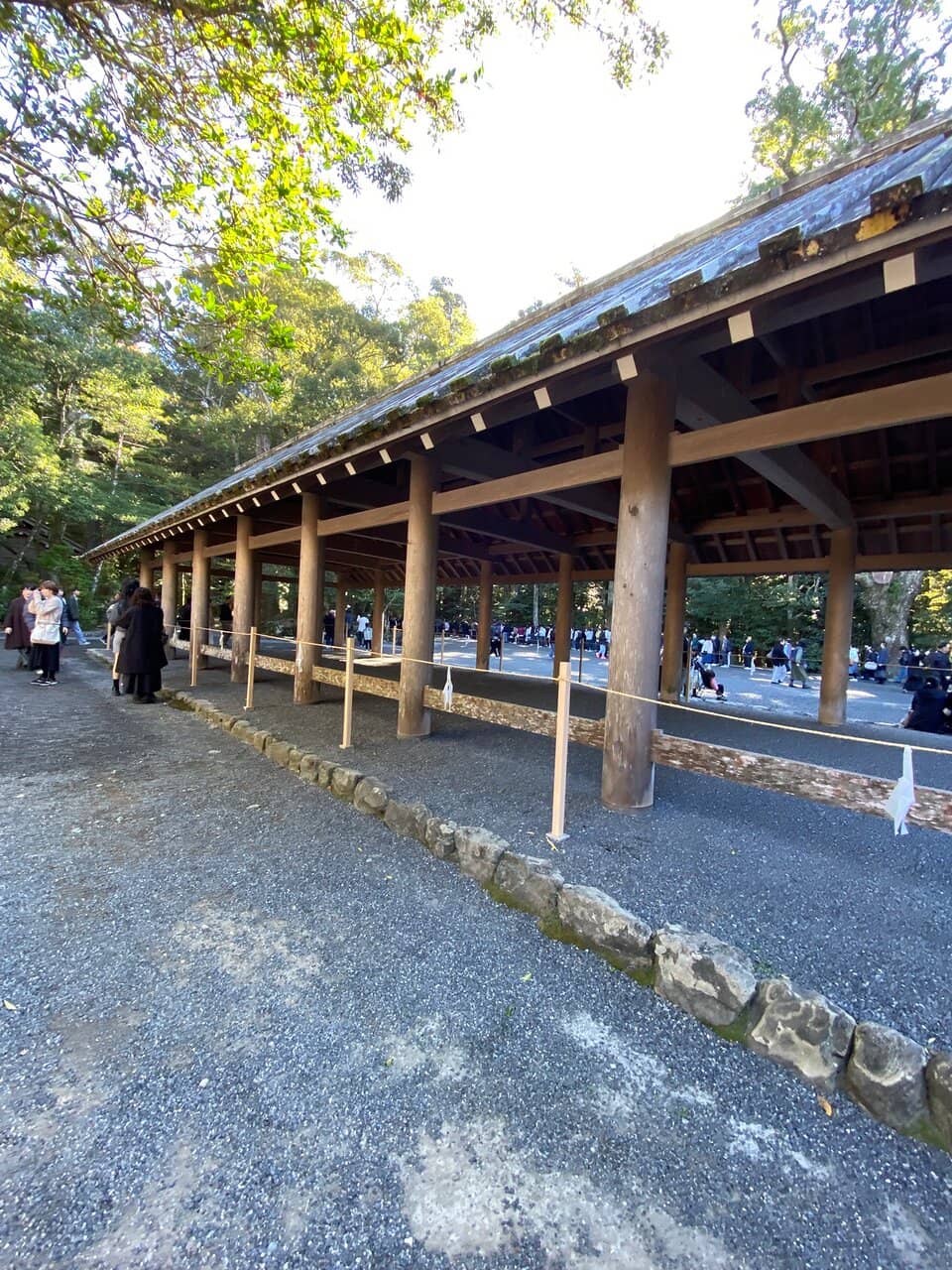
Oharai-machi and Okage Yokocho
Street leading to Naiku
Bustling historic streets with souvenir shops and restaurants. Perfect for tasting local treats and soaking in the atmosphere.
Plans like a pro.
Thinks like you
Planning Your Visit
Respectful Attire and Conduct
Navigating the Sacred Grounds
Best Times
Insider Tips
from TikTok, Instagram & Reddit
🎯 Dress Modestly & Respectfully
Avoid revealing clothing. Locals and visitors emphasize respectful attire for this sacred site.
💧 Purify Before Entering
Wash your hands and mouth at the purification fountain before proceeding. It's a key ritual.
🚶♀️ Don't Walk in the Center
The middle path is for deities. Stick to the sides to show reverence.
📸 Photo Restrictions
Be mindful of 'no photography' signs, especially within inner sanctuary areas.
Tips
from all over the internet
🎯 Dress Modestly & Respectfully
Avoid revealing clothing. Locals and visitors emphasize respectful attire for this sacred site.
💧 Purify Before Entering
Wash your hands and mouth at the purification fountain before proceeding. It's a key ritual.
🚶♀️ Don't Walk in the Center
The middle path is for deities. Stick to the sides to show reverence.
📸 Photo Restrictions
Be mindful of 'no photography' signs, especially within inner sanctuary areas.
🗺️ English Maps Available
Ask for English maps to help navigate the extensive grounds and understand shrine significance.
🛍️ Explore Oharai-machi
Enjoy the charming streets near Naiku for souvenirs and local snacks like Akfuku Mochi.
🙏 Proper Prayer Etiquette
Follow the two bows, two claps, one bow sequence for prayers.
What Travellers Say
Reviews Summary
Visitors consistently praise Ise Grand Shrine for its profound spiritual atmosphere and tranquil, natural setting. Many highlight the deep sense of reverence and the importance of the site to Japanese culture. While the extensive grounds and limited English signage can be challenging for some, the overall experience is described as deeply moving and culturally enriching.
"The atmosphere is deeply serene and sacred, making the walk through the forested grounds feel peaceful. The clear Isuzu River adds to the experience when purifying your hands before entering. It’s a popular spot, but the sense of spirituality remains strong."
Shohei Fukaya
"Very tranquil, even with the crowds of people, and very spiritual. The importance of the site and sanctuaries is really felt here. Everybody who worked here was really eager to help and we were provided with maps in English which gave a description of the different shrines and sanctuaries and a route to follow while exploring the shrine. They also let us know before going in that there were no signs in English and afterwards they asked us a few questions about our experience so that they can improve the experience for visitors going forward. We really felt like people wanted us to explore the culture here and leave with a knowledge of the local customs and beliefs. It was a really enjoyable and informative experience."
Peter
"Considered the most sacred of all shinto shrine, it consists or 2 parts, the Naiku(inner shrine) and the Geku (outer shrine).
Quick fact, the shrine is rebuild every 20 years as part of their eternal revival.
Do note that there's no photo in the inner scantum of the shrine"
Alex Wong
What People Like
What People Dislike
Frequently Asked Questions
🚇 🗺️ Getting There
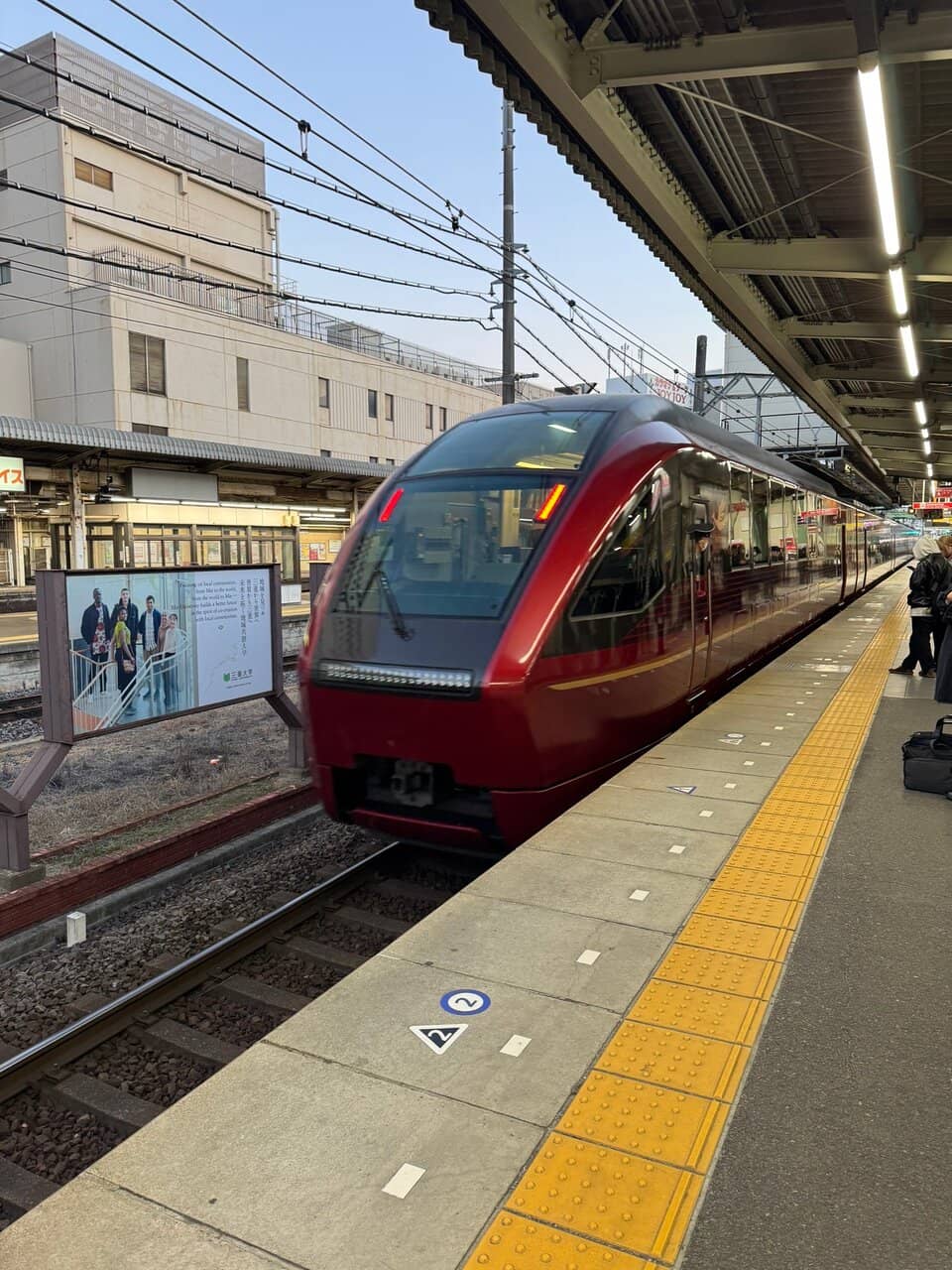
You can reach Ise Grand Shrine via train. From Nagoya, take the JR Sango Line to Toba, then transfer to the JR Sangū Line to Ise-shi Station. Alternatively, Kintetsu Railway offers direct services from major cities like Osaka and Nagoya to Kintetsu-Ise-shi Station. From the stations, local buses or taxis can take you to Naiku or Geku.
Yes, Ise Grand Shrine is well-served by public transport. Buses and taxis are readily available from Ise-shi Station to both the Inner Shrine (Naiku) and Outer Shrine (Geku).
The travel time to Ise Grand Shrine from Osaka or Nagoya is approximately 1.5 to 2 hours by Kintetsu Railway or JR lines, depending on the specific train and transfers.
Yes, driving is an option, and there are parking lots available near both Naiku and Geku. However, public transport is often recommended due to potential traffic and ease of navigation.
You can travel between Naiku and Geku by local bus, taxi, or even a pleasant walk if you enjoy exploring. The bus is a convenient and quick option.
🎫 🎫 Tickets & Entry
No, there is no entrance fee to visit the grounds of Ise Grand Shrine. Entry to the main shrine areas is free, making it accessible for all visitors.
The shrine grounds are generally open from around 5 AM to 6 PM, with slight variations depending on the season. It's best to check the official website for the most up-to-date hours.
No advance booking is required for general entry to Ise Grand Shrine, as there is no admission fee. You can visit spontaneously.
Ise Grand Shrine hosts numerous festivals and rituals throughout the year, with Kannamesai in October being a significant one. Information on these events can be found on the official shrine website.
Access to the innermost sanctuaries of Naiku and Geku is restricted to Shinto priests and imperial family members. Visitors can view them from designated areas.
🎫 🧭 Onsite Experience
Ise Grand Shrine is considered the most sacred Shinto shrine in Japan, dedicated to Amaterasu Omikami, the Sun Goddess. It's a spiritual heartland for many Japanese people.
It's crucial to dress respectfully. Avoid revealing clothing like tank tops or short shorts. Modest attire is highly recommended to show reverence.
Before entering the main shrine areas, visitors are expected to perform misogi, a ritual purification, at the Isuzu River. This involves washing your hands and rinsing your mouth.
Photography is generally prohibited within the inner sanctuary areas of Naiku and Geku. Always look for signage indicating where photos are allowed or not.
To fully appreciate the atmosphere and explore both Naiku and Geku, allow at least 2-3 hours. If you include Oharai-machi, you could easily spend half a day.
🍽️ 🍽️ Food & Dining
Don't miss trying Akfuku Mochi, a sweet red bean paste-filled rice cake, a specialty of the region. Fresh oysters are also a popular seasonal treat.
While there are no restaurants directly within the shrine's sacred grounds, the adjacent Oharai-machi street is lined with numerous eateries offering local cuisine.
Okage Yokocho is a charming, traditional street that recreates the atmosphere of Ise during the Edo period. It's part of the Oharai-machi area and offers many dining and shopping options.
While traditional Japanese cuisine can be limited for strict vegetarians/vegans, many restaurants in Oharai-machi offer vegetable-based dishes like tempura or udon. It's advisable to inquire about ingredients.
Yes, you'll find many vendors selling snacks, drinks, and local specialties along Oharai-machi and near the shrine entrances.
📸 📸 Photography
The Uji Bridge leading to Naiku offers iconic views. The surrounding ancient forests and the traditional architecture of the shrine buildings are also very photogenic.
Yes, photography is strictly prohibited within the inner sanctuary areas of both Naiku and Geku. Always look for 'No Photography' signs.
A standard camera or smartphone is sufficient. Given the natural setting, a wide-angle lens can be useful for capturing the expansive forest and architecture.
Drone usage is generally prohibited at sacred sites like Ise Grand Shrine to maintain peace and respect. Always check local regulations before flying drones.
Early morning offers softer light and fewer people, creating a more serene photographic experience. Golden hour light can also be beautiful in the surrounding forests.
For Different Travelers
Tailored advice for your travel style
👨👩👧 Families with Kids
 The expansive grounds allow for some walking, and the natural setting can be engaging for younger visitors. Remember to emphasize the importance of respectful behavior and quiet voices within the shrine itself.
 Consider bringing a stroller if needed, as the grounds are large. The purification ritual at the river can be a point of interest for children, and trying local snacks like Akfuku Mochi can be a fun treat. While direct access to inner sanctuaries is restricted, the overall experience of being in such a historically and spiritually significant place can be educational and memorable for the whole family.
🧘 Solo Travelers Seeking Serenity
Engaging with the local culture in Oharai-machi can also be a rewarding solo experience, offering opportunities to try local foods and browse unique crafts. The shrine's emphasis on purification and respect encourages a mindful approach to travel, making it a deeply personal journey.
📸 Photography Enthusiasts
The simplicity of the shrine's Yuitsu-Shinmei-zukuri architectural style, with its unpainted timber and thatched roofs, offers a unique aesthetic. Be aware of strict photography restrictions within the inner sanctuary areas; always look for signage. Early morning visits are recommended for softer light and fewer crowds, enhancing the photographic opportunities. While drones are generally prohibited, the natural light filtering through the trees and the serene atmosphere offer ample opportunities for capturing evocative images with a standard camera or smartphone.
Deep Dives
In-depth insights and expert knowledge
The Spiritual Significance of Ise Grand Shrine
The shrine's unique architectural style, Yuitsu-Shinmei-zukuri, is reserved solely for Ise Jingu and emphasizes simplicity, natural materials like cypress wood, and harmony with the surrounding environment. This style reflects the Shinto belief in the sacredness of nature and the impermanence of earthly forms. The surrounding ancient forests are considered an integral part of the shrine, contributing to its tranquil and spiritual atmosphere.
A key aspect of Ise Jingu's spiritual practice is the Shikinen Sengū ritual, where the main sanctuaries of Naikū and Gekū are completely rebuilt every 20 years. This ancient tradition, dating back to 690 AD, symbolizes renewal, purity, and the cyclical nature of life and divinity. It ensures that the shrine remains perpetually pristine and in harmony with the Shinto belief in impermanence.
Navigating the Sacred Grounds and Rituals
As you approach the Uji Bridge, the main entrance to Naikū, you'll symbolically leave the mundane world behind. It's crucial to be mindful of your conduct within the shrine. Visitors are asked to dress modestly, avoid walking in the center of the paths (believed to be for the gods), and refrain from photography in restricted areas. The traditional prayer method involves two bows, two claps, and a final bow.
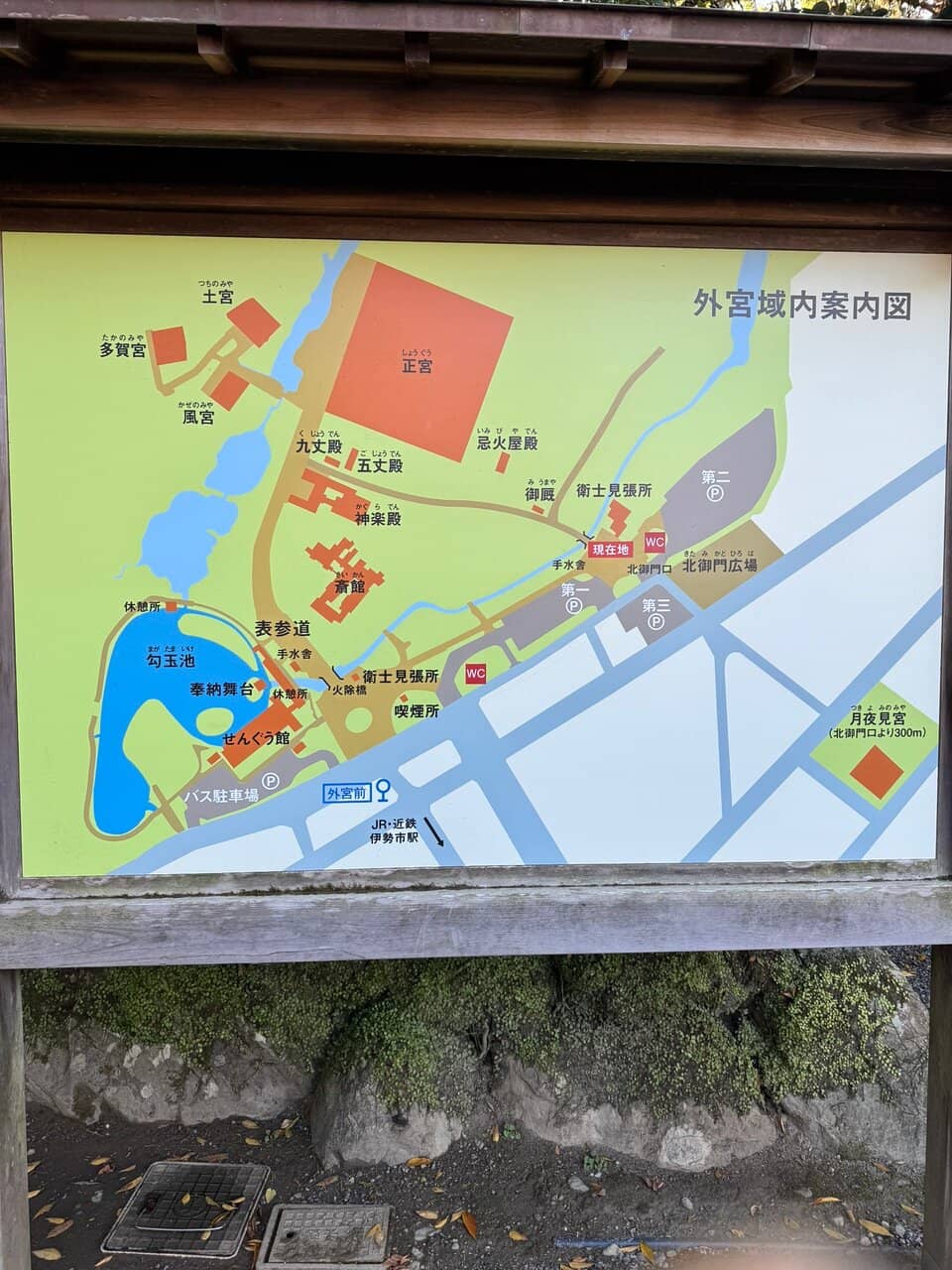
The shrine complex is extensive, and while English maps are provided, signage might be limited. Take your time to wander through the serene forested paths, absorbing the peaceful atmosphere. The adjacent Oharai-machi and Okage Yokocho districts offer a glimpse into traditional Japanese street life, with shops selling local crafts and delicacies like Akfuku Mochi.
+1
Social
from TikTok, Instagram & Reddit