Karako-Kagi Archaeological Museum
Explore 2,500 years of history with 6,000 artifacts from the Yayoi period, including a unique moated village model.
Highlights
Must-see attractions

Social
From TikTok & Reddit
Best Time
Fewer crowds, more contemplative
Karako-Kagi Archaeological Museum
Best Time
Fewer crowds, more contemplative
Highlights
Must-see attractions
Explore 2,500 years of history with 6,000 artifacts from the Yayoi period, including a unique moated village model.
"The museum offers a realistic, engaging, and timeless experience of Vadnagar's rich past."
🎟️ Discount with My Number Card
Show your My Number card for a reduced admission fee (150 yen instead of 200 yen). :moneybag:
🚶 Walk to the Ruins
The museum is a great starting point before a 20-min walk to the actual Karako-Kagi ruins. :athletic_shoe:
Quick Facts
Hours
Rating
4.1 · 219 reviews
Type
Museum
Highlights
Discover the most iconic attractions and experiences
Karako-Kagi Ruins Model
Main Exhibition Hall
A detailed model of a moated village, offering a vivid glimpse into Yayoi period life and settlement structures.
Diverse Yayoi Pottery
Pottery Exhibition
Discover the surprising diversity in shapes and colors of Yayoi pottery, including unique pieces with paintings.
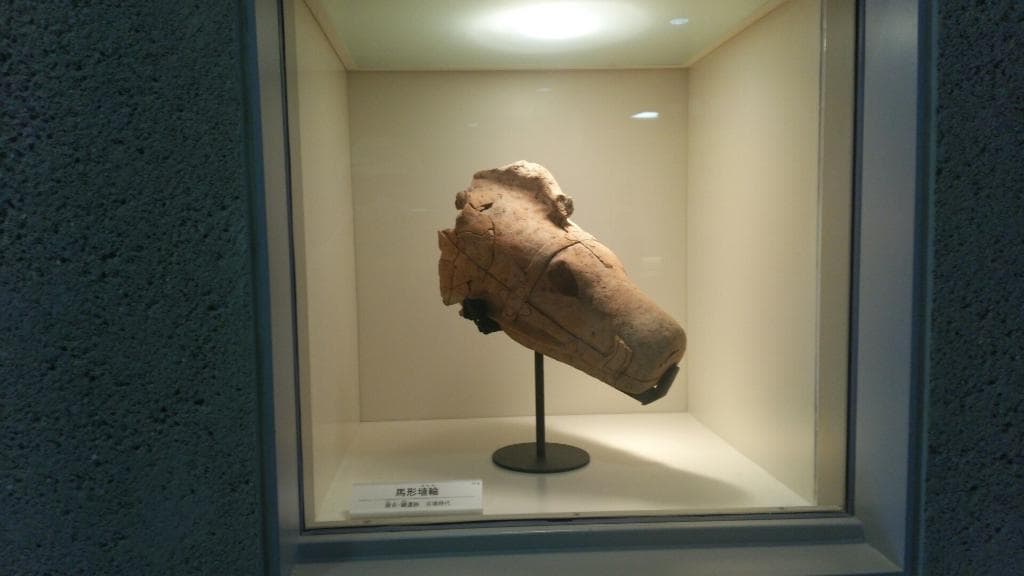
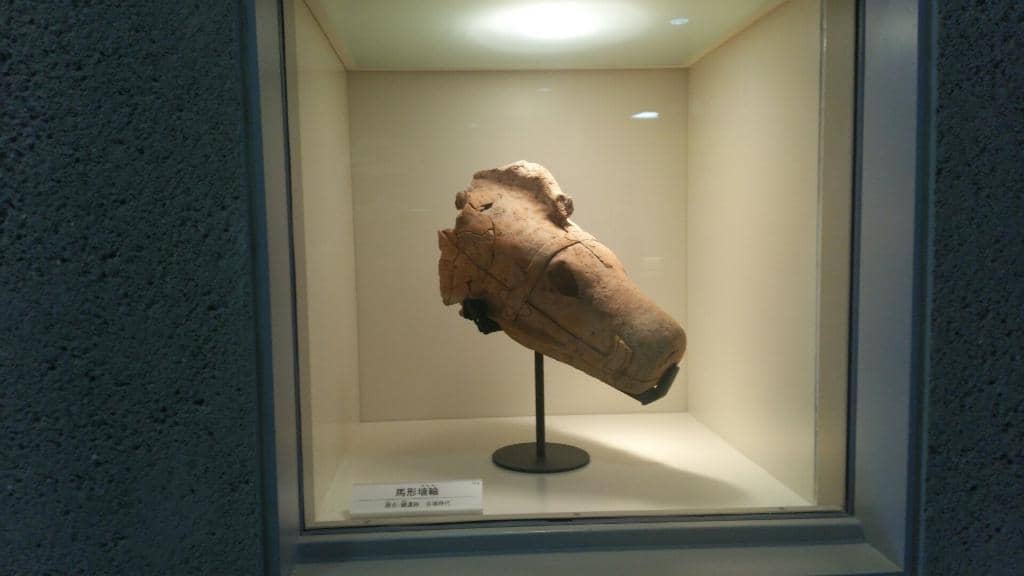
Unique Cow Haniwa
Special Exhibits
See Japan's only haniwa (terracotta funerary object) shaped like a cow, a rare and fascinating artifact.
Plans like a pro.
Thinks like you
Planning Your Visit
Understand the Scale of History
Location and Access to Ruins
Best Times
Insider Tips
from TikTok, Instagram & Reddit
🎟️ Discount with My Number Card
Show your My Number card for a reduced admission fee (150 yen instead of 200 yen). :moneybag:
🚶 Walk to the Ruins
The museum is a great starting point before a 20-min walk to the actual Karako-Kagi ruins. :athletic_shoe:
🤔 Ponder Ancient Theories
Engage with the fascinating theories about migration and the Yamataikoku kingdom presented in the exhibits. 🧠
📚 Explore the Library
Don't miss the library, which offers a great resource for deeper dives into the archaeology. 📚
Tips
from all over the internet
🎟️ Discount with My Number Card
Show your My Number card for a reduced admission fee (150 yen instead of 200 yen). :moneybag:
🚶 Walk to the Ruins
The museum is a great starting point before a 20-min walk to the actual Karako-Kagi ruins. :athletic_shoe:
🤔 Ponder Ancient Theories
Engage with the fascinating theories about migration and the Yamataikoku kingdom presented in the exhibits. 🧠
📚 Explore the Library
Don't miss the library, which offers a great resource for deeper dives into the archaeology. 📚
What Travellers Say
Reviews Summary
Visitors find the Karako-Kagi Archaeological Museum to be an interesting and well-presented facility, especially appreciating the detailed model of a moated village and the unique cow haniwa. The museum offers a good introduction to the Yayoi period and its associated theories, with a library for further study. Some note the distance to the actual ruins as a minor drawback.
"Very interesting, nice facility and the library is great!"
ian nowaselski
"There is an interesting theory.
The Karako-Kagi ruins are from the Yayoi period, which lasted for 700 years until the end of the 2nd century, but the "Makimuku ruins" to the southeast began to function shortly after this village disappeared. This makes it possible to speculate on migration from Karako-Kagi to the Makimuku ruins and the construction of a new city-state.
The major weakness of the Yamataikoku = Kinai (Makimuku ruins) theory is that it is not a "moated settlement" as described in the Gishiwajinden. (The moated settlement of Yoshinogari fits the image described in the Gishiwajinden.)
The sudden appearance of a large city-state-like settlement without a moat in the Makimuku area has led to the theory of a united monarchy consisting of forces from northern Kyushu, Bizen, Izumo, and Kinai.
・If the theory that Yamataikoku is Kinai is correct, then this area would fit as a moated settlement, and it is possible that it is the moated settlement mentioned in the Gishiwajinden.
・When this area was destroyed at the end of the 2nd century, a large amount of pottery was apparently discarded in the moat. It has been reported that a large proportion of it was pottery made in Miwa, and it is possible that Miwa was heavily involved in the destruction of the Karakokagi ruins. (For example, the area was abandoned to build the new city-state of Miwa. Or the area was damaged by weather, floods, or other disasters, and the construction of a country moved to Miwa.)
・This area and the Miwa ruins are located about 4 kilometers away along a tributary of the Yamato River, so they are close to each other.
When you go around the museum thinking about such hypotheses, time flies by.
"
フ-
"The Karako-Kagi Archaeological Museum in Tawaramoto, Nara Prefecture, is a museum themed around the Karako-Kagi Ruins, an archaeological site from the Yayoi period.
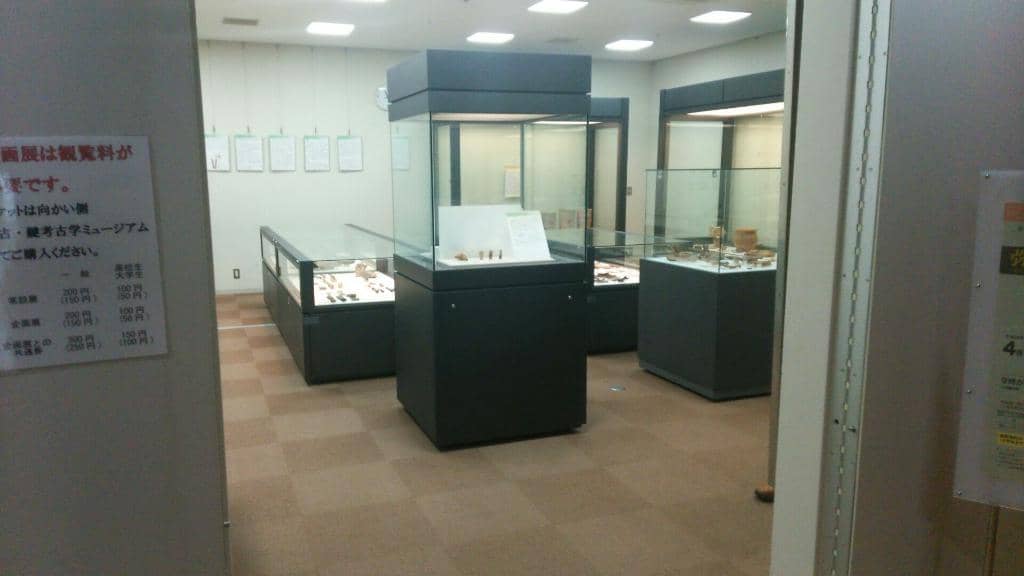
The museum displays a wide range of pottery and wooden products found during excavations, giving you a realistic sense of what life was like at the time.
The museum is currently hosting its 2025 special exhibition, "The Era When Rice Cultivation Began in Tawaramoto.""
ミノル
What People Like
What People Dislike
Frequently Asked Questions
🚇 🗺️ Getting There
The museum is located in Tawaramoto, Nara Prefecture. Public transport options might require transfers, and it's advisable to check local bus or train schedules. It's about a 20-minute walk from the museum to the actual Karako-Kagi ruins.
Information on parking availability is not widely detailed, but it's recommended to check with the museum directly or look for public parking in the vicinity of the Aogaki Lifelong Learning Center where it's housed.
Yes, the museum is a good starting point for visiting the Karako-Kagi ruins. It's a pleasant 20-minute walk between the two sites, allowing you to contextualize your visit.
🎫 🎫 Tickets & Entry
The standard admission fee is 200 yen. However, you can get a discount to 150 yen if you present your My Number card.
The museum is open from Thursday to Tuesday, 10:00 AM to 6:00 PM. The last entry is at 4:30 PM. It is closed on Wednesdays.
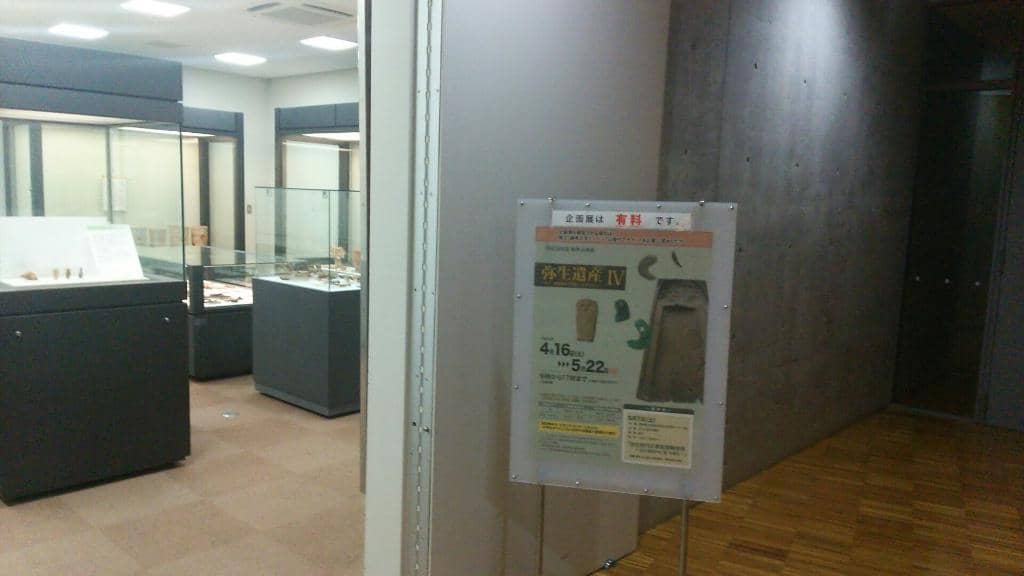
Yes, the museum often hosts special exhibitions. For 2025, a special exhibition titled 'The Era When Rice Cultivation Began in Tawaramoto' is being held, focusing on the lifestyle and culture of the Yayoi period.
While specific accessibility details are not extensively documented online, museums in Japan are generally working towards better accessibility. It's recommended to contact the museum directly for detailed information.
🎫 🏛️ Onsite Experience
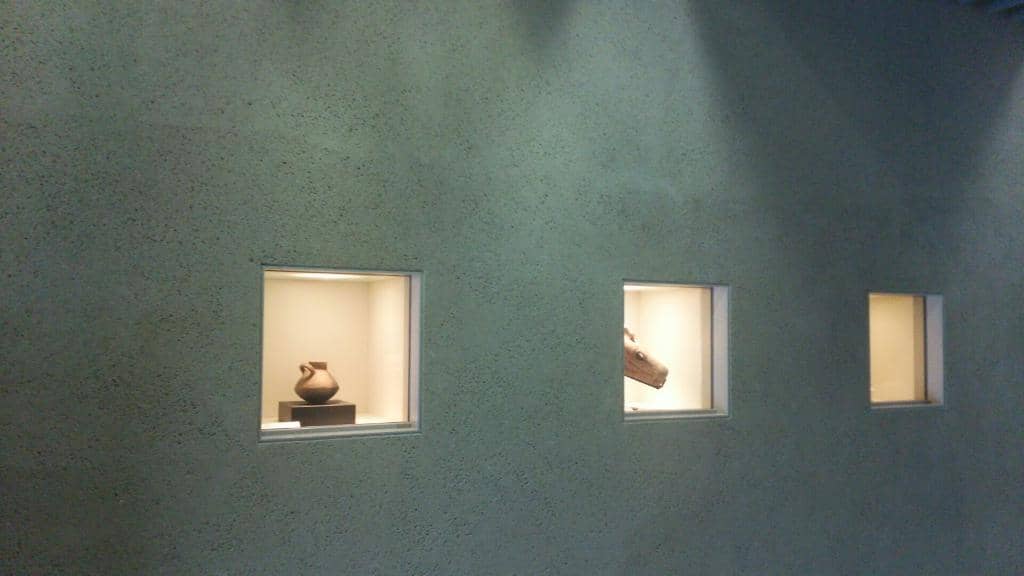
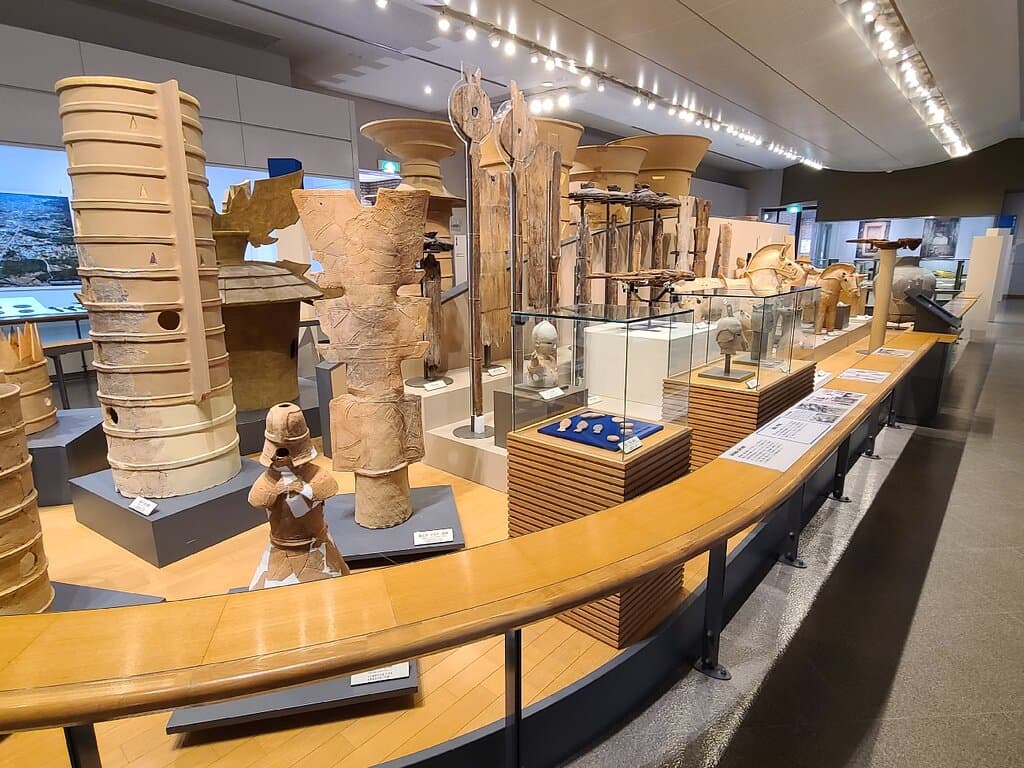
The museum displays a wide array of excavated artifacts from the Karako and Kagi ruins, including pottery, wooden products, and jade magatama beads. You can learn about the lifestyle and culture of the Yayoi period, with highlights like a model of a moated village and a unique cow haniwa.
To fully appreciate the exhibits and the theories presented, it's recommended to allocate at least an hour. If you plan to also visit the actual ruins, budget more time.
Information on guided tours is not readily available online. It's best to inquire at the museum upon arrival or check their official website for any scheduled tours.
The Karako-Kagi ruins are significant as a large-scale settlement from the Yayoi period. Research highlights its scale, variety of excavated items, and how it evolved over time, potentially linking to the Makimuku ruins and theories about the Yamataikoku kingdom.
The museum aims to bring history to life, allowing visitors to 'experience history in a way that feels real, engaging, and timeless.' This is achieved through immersive displays and detailed exhibits. 
📸 📸 Photography
Photography policies can vary. Generally, non-flash photography for personal use is often permitted in Japanese museums, but it's always best to check for signage or ask museum staff to confirm.
The model of the moated village and the unique cow haniwa are particularly photogenic. The diverse pottery also offers interesting visual details.

Social
from TikTok, Instagram & Reddit