Mount Miwa Nara
A sacred mountain revered as a deity, home to one of Japan's oldest shrines. Experience a unique spiritual pilgrimage.
Highlights
Must-see attractions

Social
From TikTok & Reddit
Best Time
Cooler temperatures for pilgrimage
Mount Miwa Nara
Best Time
Cooler temperatures for pilgrimage
Highlights
Must-see attractions
A sacred mountain revered as a deity, home to one of Japan's oldest shrines. Experience a unique spiritual pilgrimage.
"I was amazed at the sheer scale of it all. I was able to successfully climb Mt. Miwa."
Obtain Pilgrimage Permission
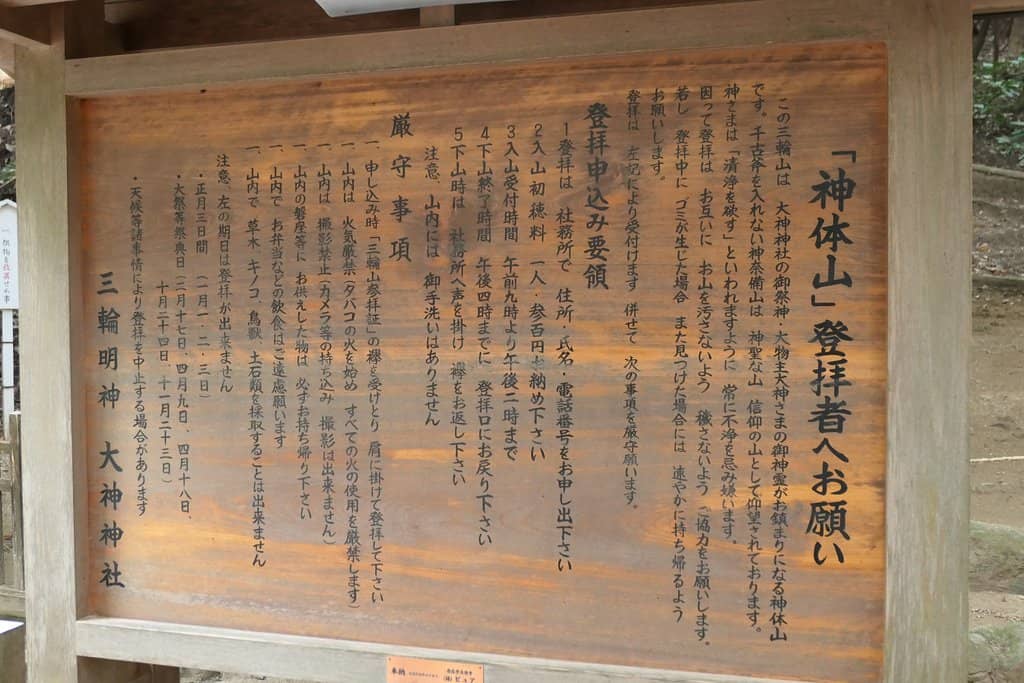
Special permission is required to climb Mount Miwa. Apply at Sai Shrine before ascending. :ticket:
Borrow a Walking Stick
The trails can be slippery and uneven. A walking stick is highly recommended for safety. :hiking_boot:
Highlights
Discover the most iconic attractions and experiences
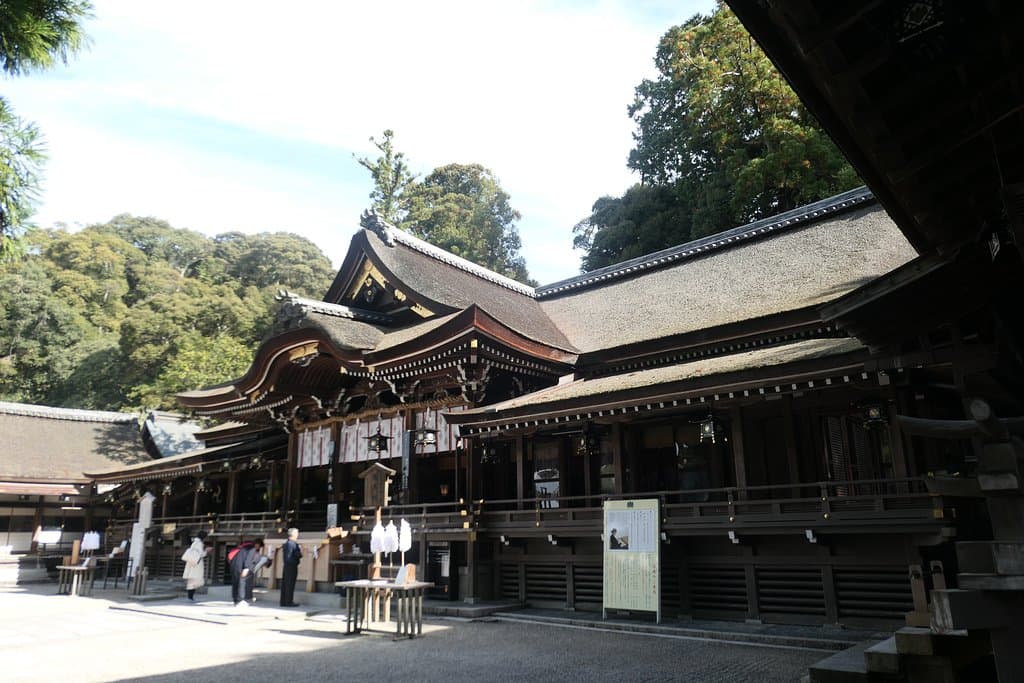
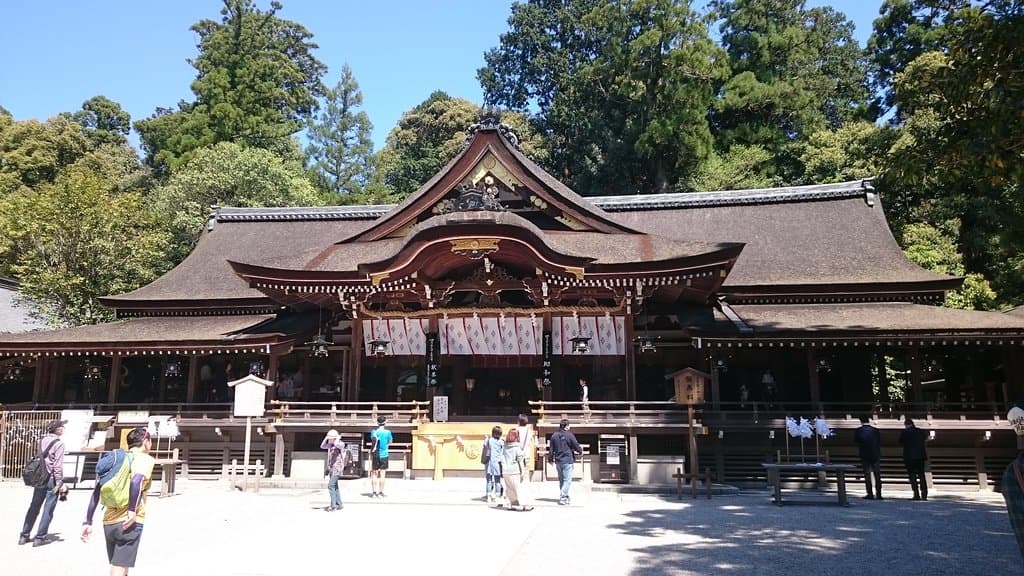
Omiwa Shrine
Base of Mount Miwa
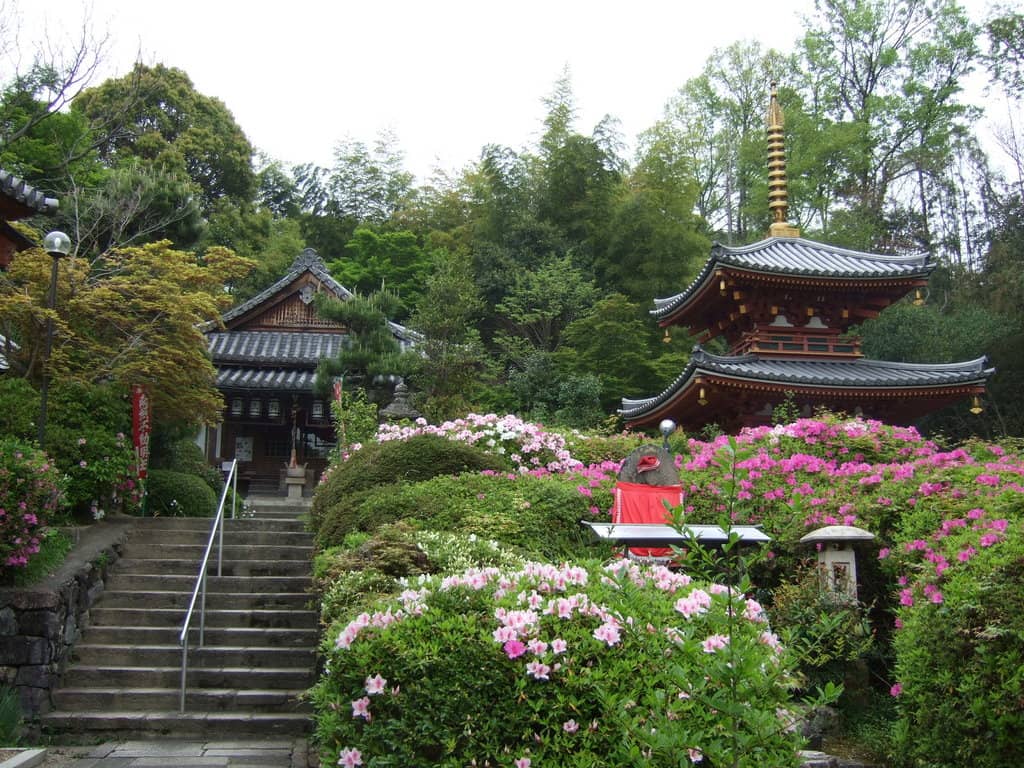
The spiritual heart of Mount Miwa, where the mountain itself is revered as a deity. A truly unique Shinto experience.
Mount Miwa Summit Pilgrimage
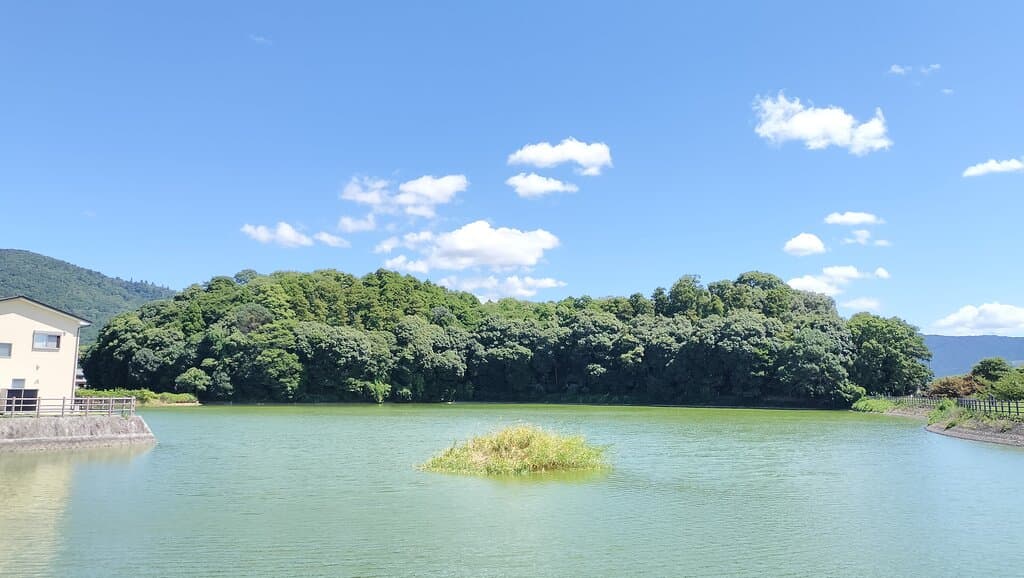
Mount Miwa
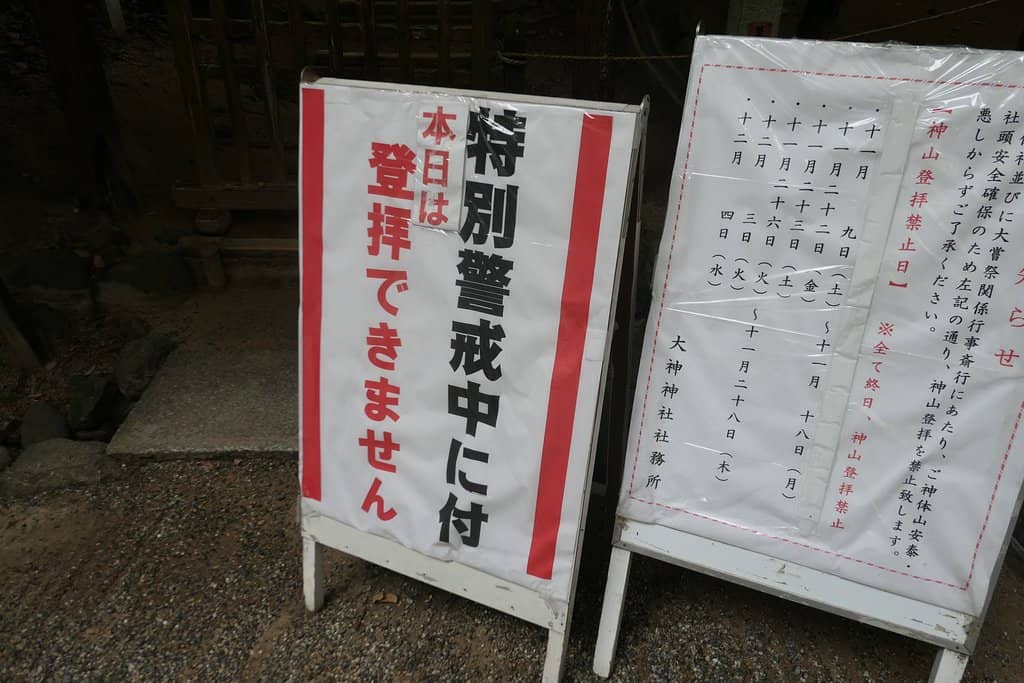
Undertake a sacred journey to the summit, requiring special permission. Experience a profound connection with nature and spirituality.
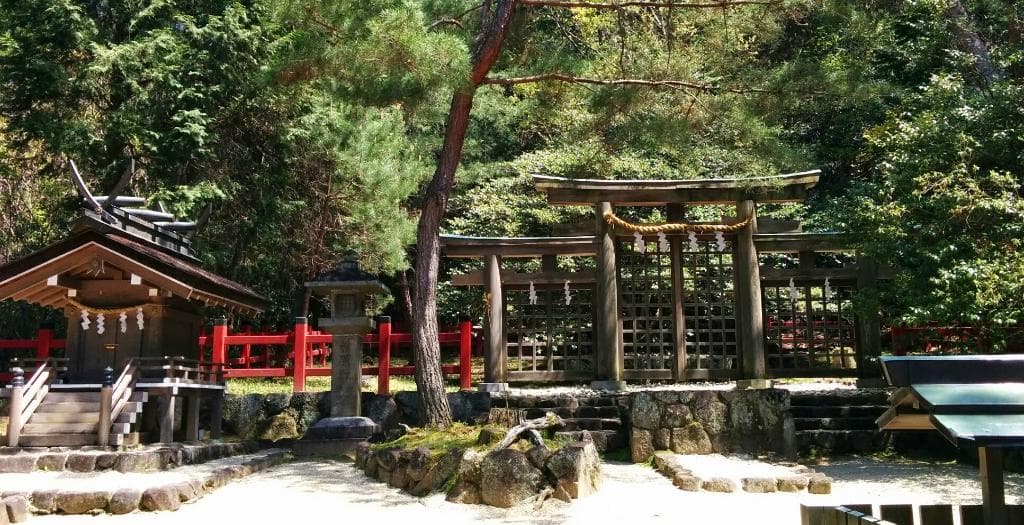
Okaminokami Shrine
Foot of Mount Miwa
A serene shrine at the mountain's base, especially beautiful during cherry blossom season.
Imanishi Shuzo Sake Brewery
Near Mount Miwa
Discover traditional sake brewing using ancient methods and local Yoshino cedar barrels, deeply connected to Mount Miwa's spirit.
Plans like a pro.
Thinks like you
Planning Your Visit
Sacred Mountain Pilgrimage
Best Time for a Cooler Climb
Best Times
Insider Tips
from TikTok, Instagram & Reddit
Obtain Pilgrimage Permission
Special permission is required to climb Mount Miwa. Apply at Sai Shrine before ascending. :ticket:
Borrow a Walking Stick
The trails can be slippery and uneven. A walking stick is highly recommended for safety. :hiking_boot:
Pack Light
There are limited lockers available. Keep your belongings to a minimum for the pilgrimage. :handbag:
Respect the Sacredness
Remember this is a pilgrimage, not just a hike. Engage only in activities related to the sacred journey. :pray:
Tips
from all over the internet
Obtain Pilgrimage Permission
Special permission is required to climb Mount Miwa. Apply at Sai Shrine before ascending. :ticket:
Borrow a Walking Stick
The trails can be slippery and uneven. A walking stick is highly recommended for safety. :hiking_boot:
Pack Light
There are limited lockers available. Keep your belongings to a minimum for the pilgrimage. :handbag:
Respect the Sacredness
Remember this is a pilgrimage, not just a hike. Engage only in activities related to the sacred journey. :pray:
Visit Omiwa Shrine First
Start your spiritual journey at the main Omiwa Shrine before heading to Sai Shrine for climb permission. :shinto_shrine:
What Travellers Say
Reviews Summary
Visitors praise Mount Miwa for its spiritual significance and the unique experience of Omiwa Shrine, where the mountain itself is worshipped. The pilgrimage is described as rewarding, with many feeling refreshed and blessed. Some note the need for special permission to climb and recommend practical tips for the trail.
"Beautiful place for an easy hike. Less than an hour to the closest viewing spot."
Basti R
"I have climbed this mountain more than once, and always receive great benefits. I appreciate this beautiful temple."
政木‐エリスシェイーン
"I was amazed at the sheer scale of it all (@_@;) I was able to successfully climb Mt. Miwa.
I was also given some holy water."
JUNKO
What People Like
What People Dislike
Frequently Asked Questions
🚇 🗺️ Getting There
Mount Miwa is accessible by car, with free parking available at Omiwa Shrine's No. 6 parking lot. Public transport options might involve local buses from Sakurai City.
Mount Miwa is located in Sakurai City, which is part of Nara Prefecture. It's a short drive or train ride from Nara city center.
Driving is convenient, with clear signage for the large torii gate. Public transport users can take a bus from Sakurai Station.
🎫 🎫 Tickets & Entry
Yes, a special permission is required to climb Mount Miwa. You must obtain this permit from Sai Shrine after visiting Omiwa Shrine.
Omiwa Shrine is generally open from early morning. Sai Shrine, where you get permission for the climb, has specific hours for permit issuance, typically during daylight. It's best to check locally.
Omiwa Shrine itself does not typically have an entrance fee. However, the pilgrimage to Mount Miwa requires a permit obtained from Sai Shrine.
No, climbing Mount Miwa without the official permission from Sai Shrine is not allowed, as it is a sacred site.
🎫 🧭 Onsite Experience
The climb to the closest viewing spot is less than an hour, but the full pilgrimage can take longer depending on your pace and time spent at the summit.
Wear comfortable, sturdy shoes suitable for hiking. Layers are advisable, and consider bringing a walking stick for stability on uneven terrain.
Restrooms are available at the base near the shrines. Lockers are limited, so pack light.
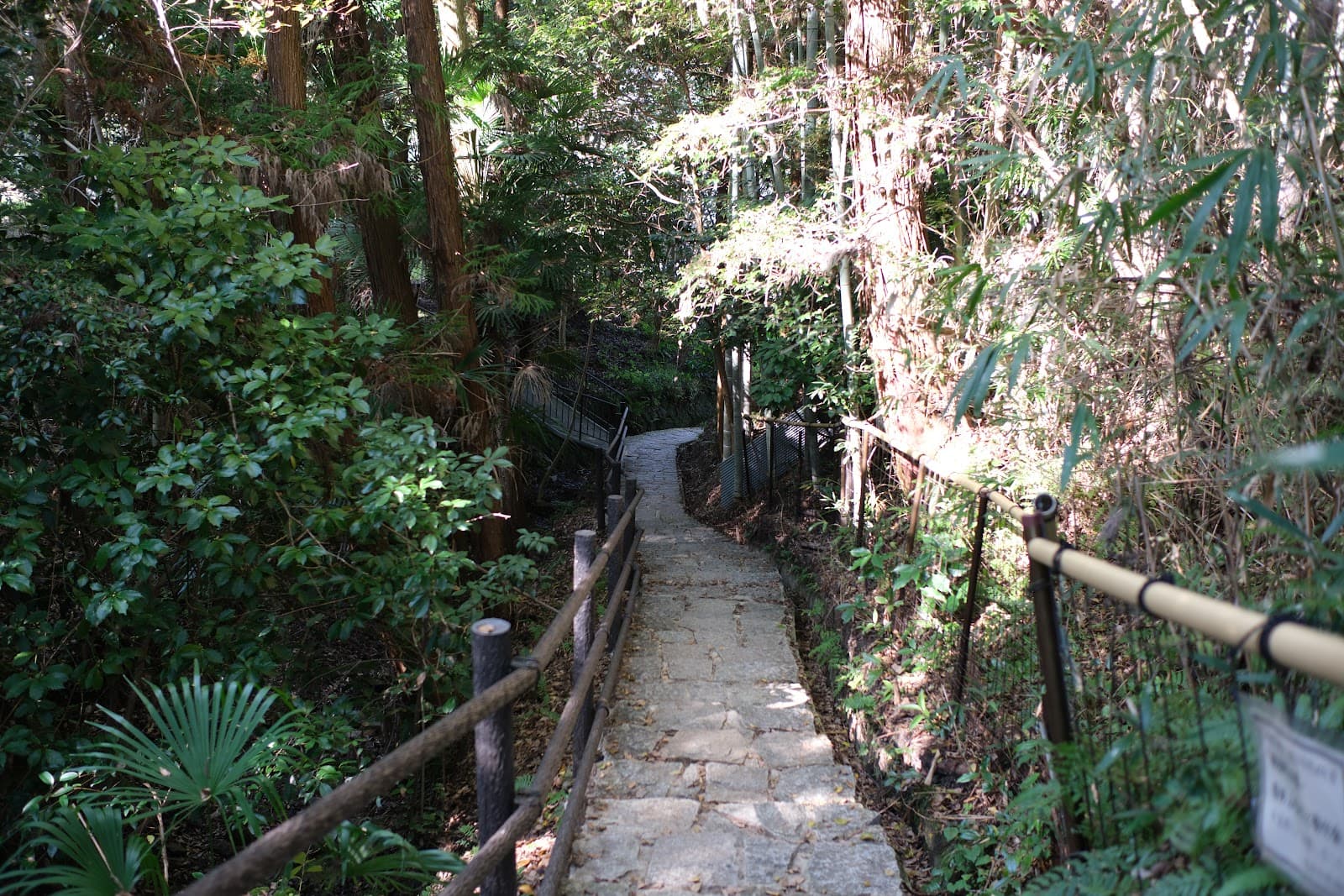
While not a strenuous technical climb, the pilgrimage involves uneven and potentially slippery paths. It's more about the spiritual journey than a physical challenge.
Mount Miwa is considered a sacred deity in Shintoism, with Omiwa Shrine being one of Japan's oldest shrines dedicated to this mountain worship.
🍽️ 🍽️ Food & Dining
There are local eateries and restaurants in Sakurai City and around the Omiwa Shrine area, offering regional Japanese cuisine. Some may specialize in sake pairings.
While there are no specific restrictions mentioned, it's respectful to consume food and drinks away from sacred spots. Staying hydrated is important, so carry water.
📸 📸 Photography
The main Omiwa Shrine with its large torii gate is iconic. The trails offer glimpses of nature, and the summit provides panoramic views. The surrounding cedar forests are also picturesque.
Photography is generally allowed in the shrine grounds, but be mindful of any specific restrictions in certain areas, especially during rituals.
Yes, you can take photos along the pilgrimage trail, but always be respectful of the sacred nature of the mountain and other pilgrims.
For Different Travelers
Tailored advice for your travel style
👨👩👧 Families with Kids
 The main shrine area is accessible and offers a glimpse into Japanese culture and spirituality. Consider visiting during less crowded times and focusing on the accessible parts of the shrine complex.
 For families looking for easier nature walks, exploring the areas around the base of the mountain or visiting nearby parks in Sakurai City might be more suitable. The beauty of the cherry blossoms at Okaminokami Shrine can also be a hit with younger visitors.
🙏 Spiritual Seekers
+1 Undertaking the pilgrimage to the summit with the required permission is a deeply rewarding journey for those looking to connect with ancient Shinto practices. Even without climbing, spending time at Omiwa Shrine, participating in rituals, and absorbing the serene atmosphere can be incredibly fulfilling. Many visitors report feeling refreshed and purified after their visit.
The historical significance and the continuous practice of ancient traditions make this a must-visit for spiritual travelers. 🚶♀️ Hikers & Nature Lovers
While the summit climb requires permission, there are accessible paths around the shrine complex that offer pleasant walks and photo opportunities.
The area around Mount Miwa is rich in natural beauty, making it an appealing destination for those who appreciate both nature and cultural experiences. Deep Dives
In-depth insights and expert knowledge
The Sacredness of Mount Miwa
The concept of kami (deities) residing in natural elements is central here. Visitors often describe a profound sense of peace and spiritual energy when visiting the shrine and embarking on the pilgrimage. The pilgrimage to the summit is a key experience, but it's crucial to understand that it's a sacred journey, not a casual hike. Special permission is required from Omiwa Shrine, obtained at Sai Shrine, emphasizing the respect and reverence expected from visitors.
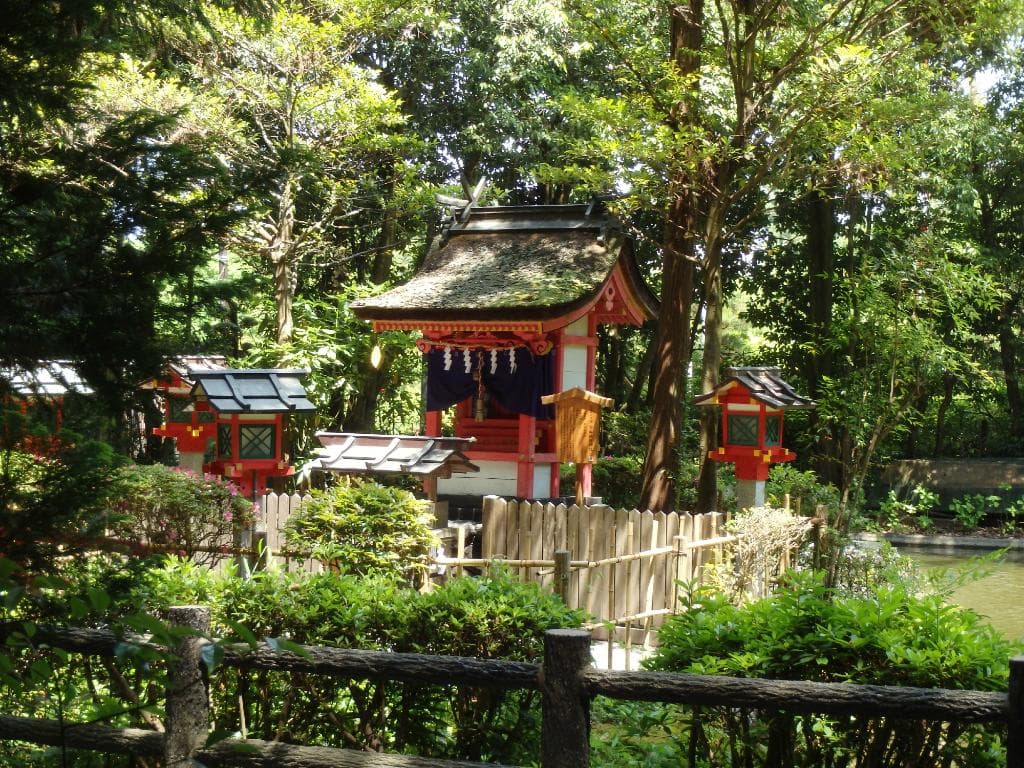
Even if you don't climb the mountain, the Omiwa Shrine complex itself is a captivating place to explore. The impressive torii gates, various sub-shrines, and the serene atmosphere offer a deep dive into Japanese spiritual traditions.
The connection between the shrine, the mountain, and the surrounding nature is palpable, creating a truly mystical atmosphere. Sake Brewing Traditions
+1 This traditional technique relies on natural yeasts and a specific type of rice, contributing to a unique flavor profile. +1Imanishi Shuzo, a local brewery, plays a significant role in preserving this heritage. They use Yoshino cedar barrels for brewing, a practice deeply connected to the sacred Mount Miwa.
+1 The cedar wood is believed to impart a special quality to the sake and represents gratitude and respect for the mountain's natural resources. +1Visiting a brewery like Imanishi Shuzo offers a fascinating glimpse into the meticulous craftsmanship and cultural significance of sake production in Nara. It's an opportunity to appreciate how local traditions are intertwined with the natural environment and spiritual beliefs of the area.
+1Historical Sword Making
While events allowing visitors to observe these ancient crafts have become difficult to hold, the legacy of this art form remains. Japanese swords are not merely weapons; they are considered works of art, embodying centuries of craftsmanship, dedication, and cultural significance. The forging process is intricate, requiring immense skill and precision.
Though direct observation might be limited, the presence of such a forge in the vicinity of Mount Miwa highlights the rich historical and artisanal tapestry of the region. It adds another layer to the area's cultural depth, connecting the spiritual with the martial heritage of Japan.
Social
from TikTok, Instagram & Reddit