Nakayama-dera
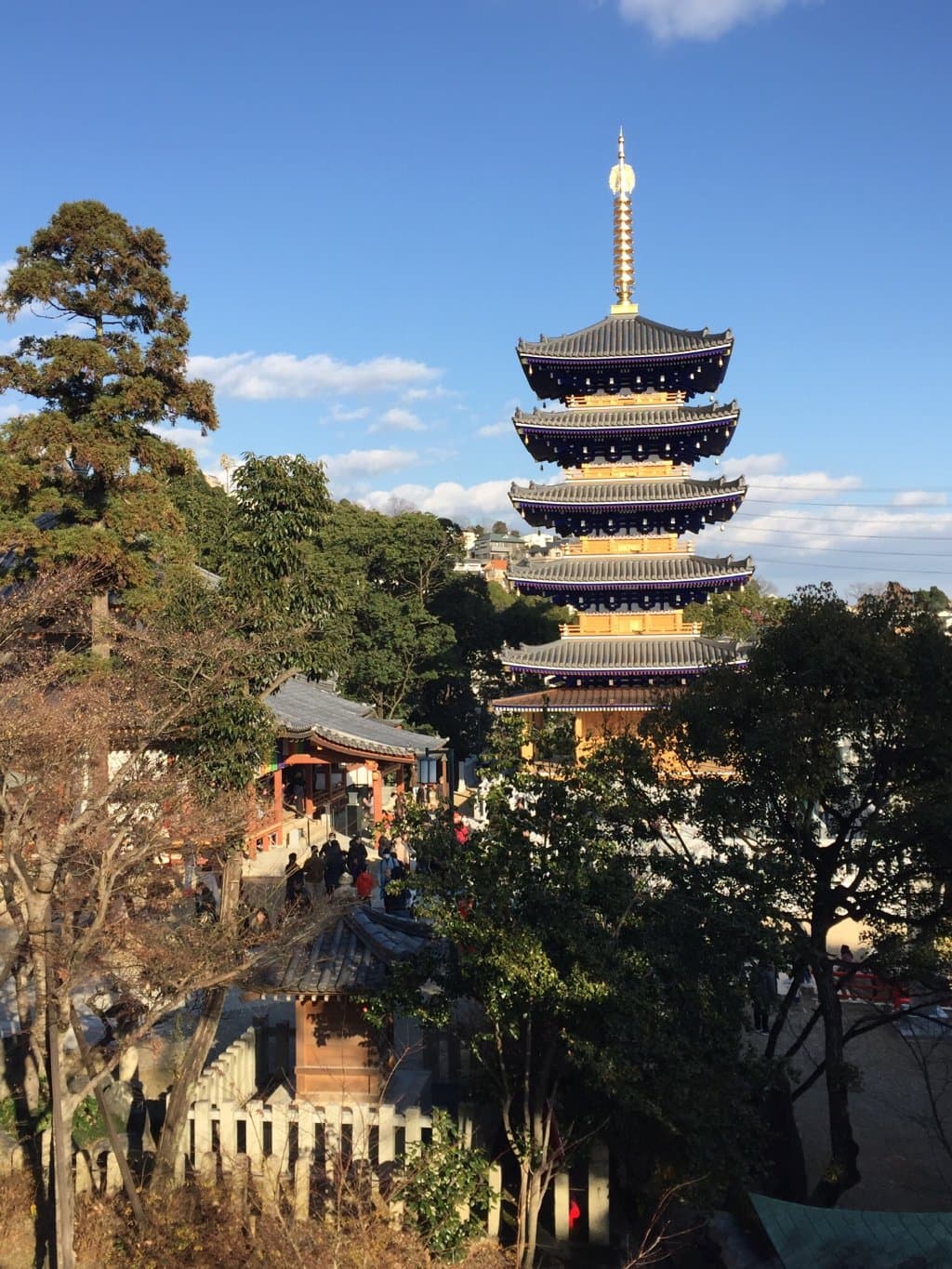
A serene Buddhist temple known for its striking blue pagoda and as a sacred site for baby blessings, offering a peaceful escape.
Highlights
Must-see attractions

Social
From TikTok & Reddit
Best Time
Quieter, more peaceful
Nakayama-dera
Best Time
Quieter, more peaceful
Highlights
Must-see attractions
A serene Buddhist temple known for its striking blue pagoda and as a sacred site for baby blessings, offering a peaceful escape.
"A historical, spiritual, and beautiful experience at a well-maintained temple."
Easy Access from Osaka
Take the Hankyu Line from Osaka; it's about an hour's ride and leads directly to the temple. :train_2:
Explore Uphill Gardens
Walk uphill for lovely gardens and panoramic views. Accessible via escalators too! :hiking_boot:
Quick Facts
Hours
Rating
4.3 · 4,288 reviews
Type
Place of Worship
Highlights
Discover the most iconic attractions and experiences
The Azure Pagoda
Main temple grounds
A stunning 5-story pagoda, its vibrant blue hue is a breathtaking centerpiece and a true eye-catcher.
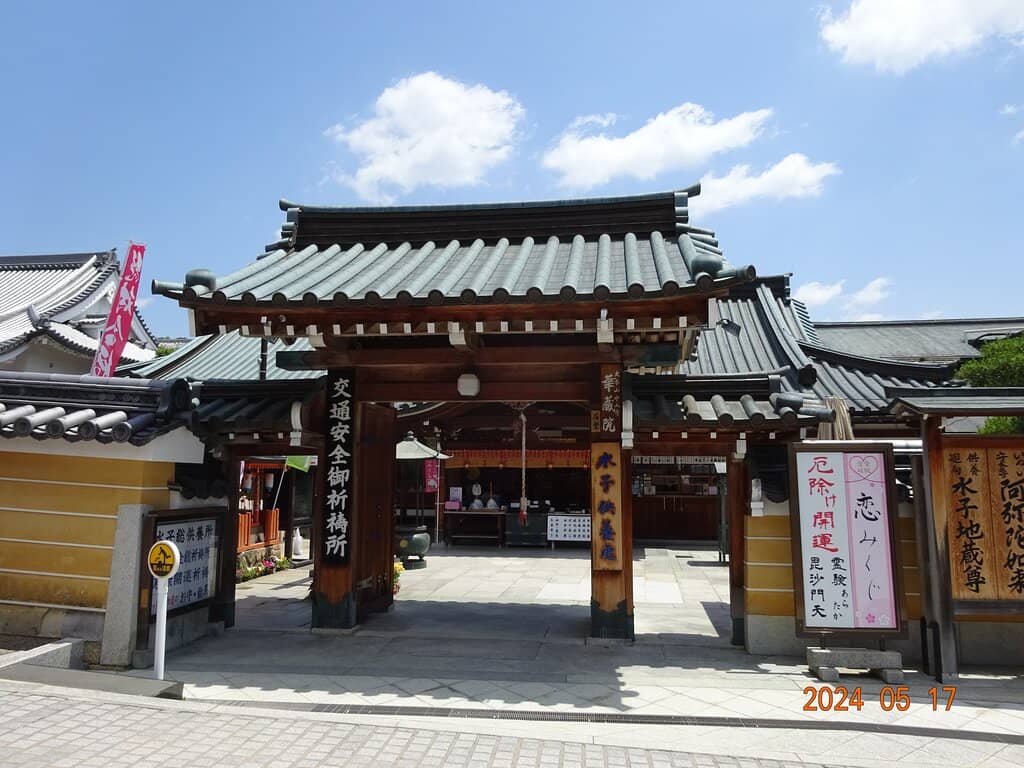
Plum Blossom Grove
Uphill gardens
In spring, this grove bursts with fragrant plum blossoms, offering a beautiful and tranquil walking experience.
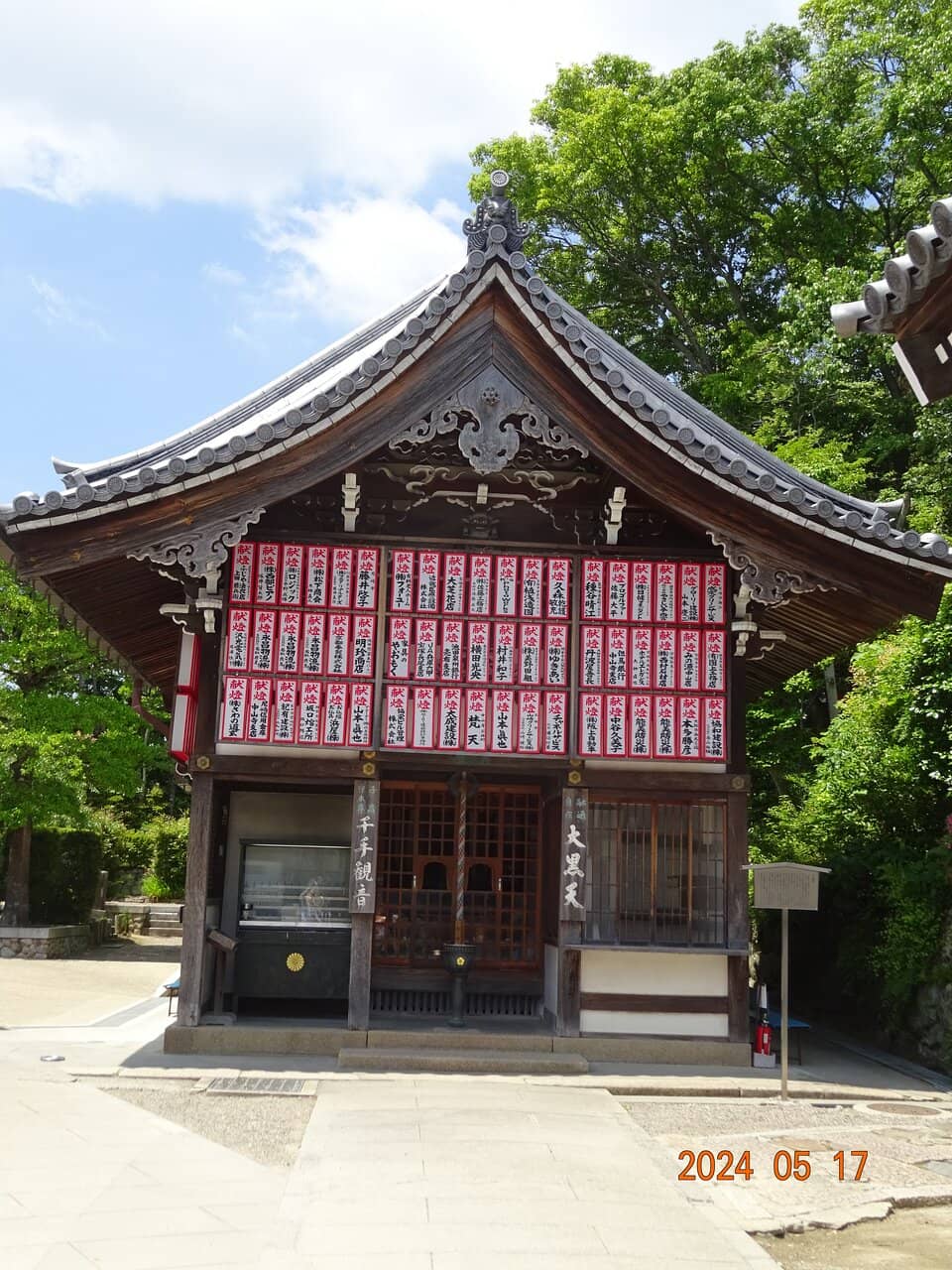
Baby Blessing Rituals
Designated areas
Witness or participate in the unique tradition of blessing newborns, a significant aspect of the temple's devotion.
Plans like a pro.
Thinks like you
Planning Your Visit
Timing Your Visit for Serenity
Baby Blessings & Spiritual Significance
Best Times
Insider Tips
from TikTok, Instagram & Reddit
Visiting Tokyo, Osaka, Kyoto in December. Any temples / shrines / Buddhist centres I should visit?
Hope mods allow this post. Preferably somewhere quiet and less crowded. It'd be helpful if I can get some insight into Japanese Buddhism, although I guess language may be a problem. In fact, if they offer a suitable 1-day programme, I don't mind taking part. Else, somewhere…
Easy Access from Osaka
Take the Hankyu Line from Osaka; it's about an hour's ride and leads directly to the temple. :train_2:
Explore Uphill Gardens
Walk uphill for lovely gardens and panoramic views. Accessible via escalators too! :hiking_boot:
Unique Baby Blessings
Known for its baby blessings, a special tradition for young families. 👶
Beautiful Goshuin
Consider getting a beautiful two-page goshuin (temple stamp) as a souvenir. 📜
Tips
from all over the internet
Easy Access from Osaka
Take the Hankyu Line from Osaka; it's about an hour's ride and leads directly to the temple. :train_2:
Explore Uphill Gardens
Walk uphill for lovely gardens and panoramic views. Accessible via escalators too! :hiking_boot:
Unique Baby Blessings
Known for its baby blessings, a special tradition for young families. 👶
Beautiful Goshuin
Consider getting a beautiful two-page goshuin (temple stamp) as a souvenir. 📜
Less Touristy Vibe
Enjoy a more authentic, working temple experience away from major tourist crowds. ✌️
What Travellers Say
Reviews Summary
Visitors praise Nakayama-dera for its spiritual ambiance, stunning blue pagoda, and beautiful seasonal scenery. The temple's unique focus on baby blessings adds a special cultural dimension. While generally peaceful, some may find the uphill walks challenging without using the escalators.
"This place is truly amazing. There are many tiny Shrines and temples on the sacred ground. The blue pagoda is truly magnificent and a real eye catcher."
Carlotta MAy
"Historical, spiritual, and beautiful experience at a well maintained temple. About an hour tran ride from Osaka on the Hankyu Line takes you to the temple's door step."
Michael P
"Large temple complex with lots of interesting beautiful buildings, accessible (escalators), must be beautiful both during sakura and red leaves season… temple seems to be devoted in part to newborn babies; young parents come to have their babies blessed"
Dirk Hebecker
What People Like
What People Dislike
Frequently Asked Questions
🚇 🗺️ Getting There
The easiest way is to take the Hankyu Takarazuka Line from Osaka to Takarazuka Station, then transfer to the Hankyu Imazu Line to Nishinomiya-Kitaguchi Station. From there, take the Hankyu Koyo Line to Nakayamadera Station. The temple is a short walk from the station. The journey typically takes about an hour.
Yes, Nakayama-dera is directly accessible by train. Nakayamadera Station on the Hankyu Koyo Line is located very close to the temple entrance, making it a convenient option for visitors.
While driving is possible, parking availability and cost can vary. Public transportation, especially the Hankyu Line, is highly recommended for ease of access and to avoid potential parking hassles.
The Hankyu Koyo Line is the most direct train line, with Nakayamadera Station being the closest stop to the temple. You'll likely need to transfer from other Hankyu lines depending on your starting point in Osaka or Kyoto.
Yes, Nakayama-dera can be a feasible day trip from Kyoto. The journey involves train transfers and takes approximately 1.5 to 2 hours each way, allowing for a few hours to explore the temple grounds.
🎫 🎫 Tickets & Entry
Generally, there is no entrance fee to access the main temple grounds and admire the architecture. However, specific halls or events might have separate admission fees. It's always good to check on-site for any updated information.
The temple grounds are typically open from morning until late afternoon. Specific building hours may vary, so it's advisable to check the official temple website or inquire locally for the most accurate times.
No, advance booking is generally not required for visiting Nakayama-dera. It's a functioning temple that welcomes visitors. However, for special events or group visits, it might be beneficial to contact the temple beforehand.
A goshuin is a unique calligraphy and stamp given by Buddhist temples and Shinto shrines in Japan. Nakayama-dera offers a beautiful two-page goshuin, which serves as a spiritual memento of your visit.
Nakayama-dera is particularly known for its baby blessing ceremonies, a significant tradition for parents seeking blessings for their newborns. Other seasonal ceremonies may also take place.
🎫 🧭 Onsite Experience
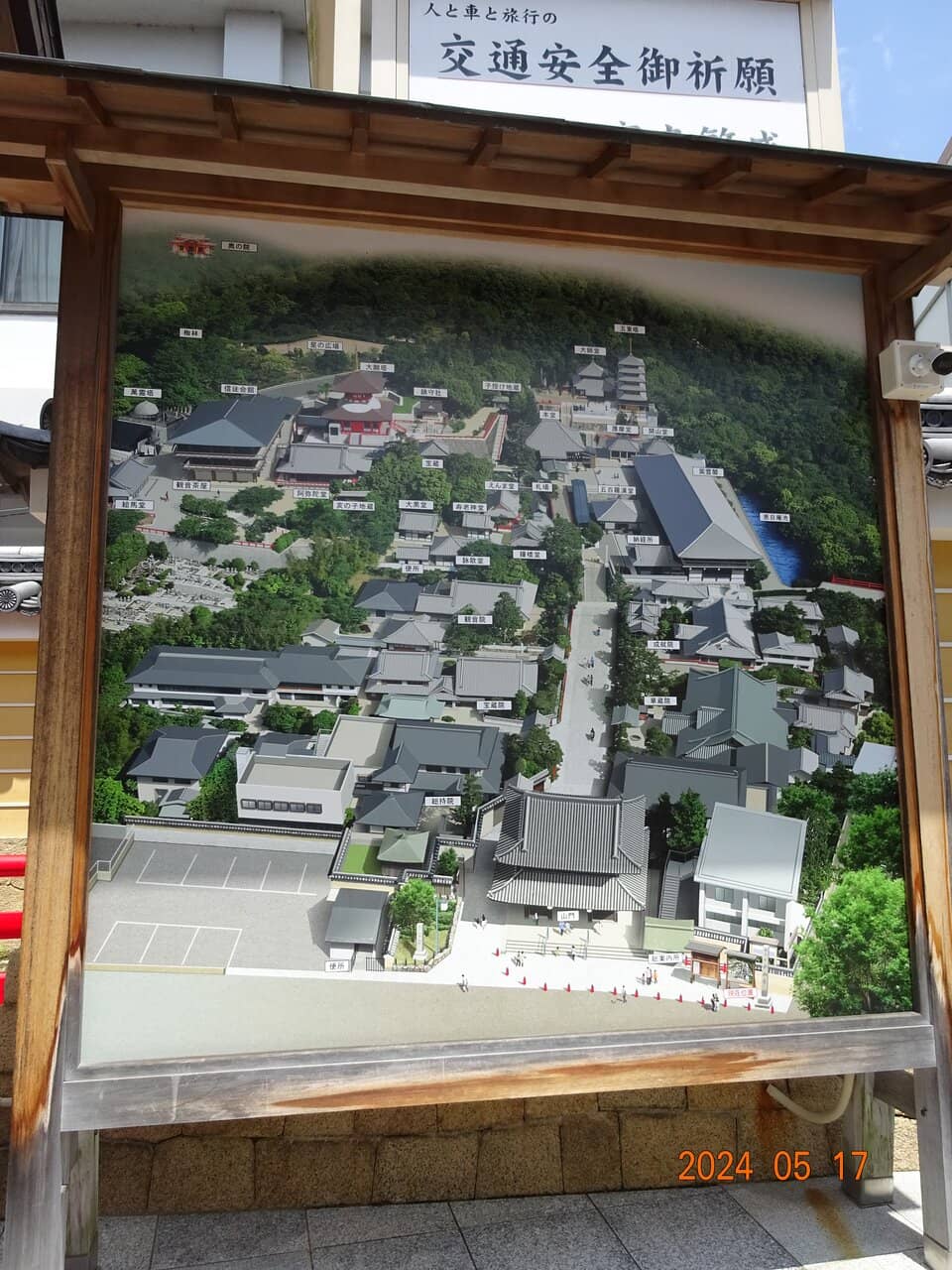
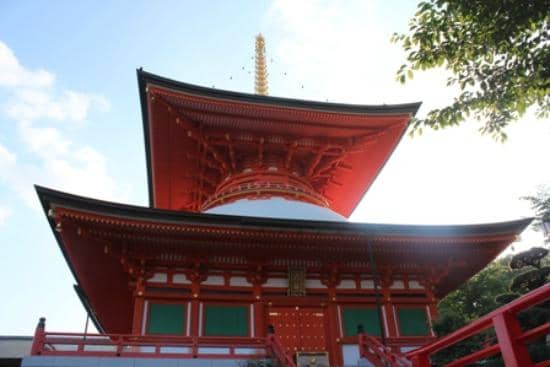
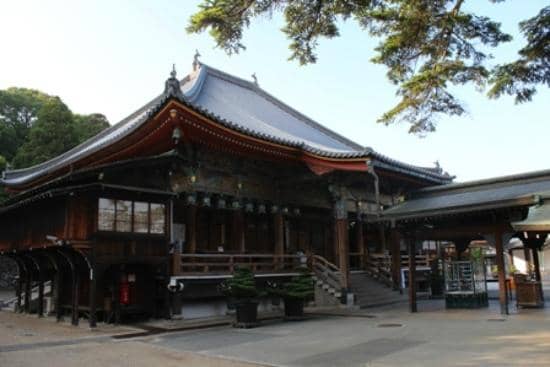
Don't miss the striking blue 5-story pagoda, the serene uphill gardens, and the various smaller shrines scattered throughout the complex. The temple's unique focus on baby blessings is also a key aspect.
Yes, Nakayama-dera is often described as a quiet and spiritual place, especially if you visit on a weekday or outside of major holidays. It offers a serene atmosphere for contemplation.
Given its reputation for baby blessings, the temple is generally accommodating to families with young children. You may find facilities like changing stations, though it's best to confirm on-site.
The temple complex has both flat areas and uphill sections with gardens. Escalators are available to help navigate some of the steeper inclines, making it accessible for many visitors.
Take your time to wander through the various shrines, observe the architecture, and appreciate the peaceful ambiance. If interested, learning about the baby blessing rituals can offer deeper insight into the temple's significance.
📸 📸 Photography
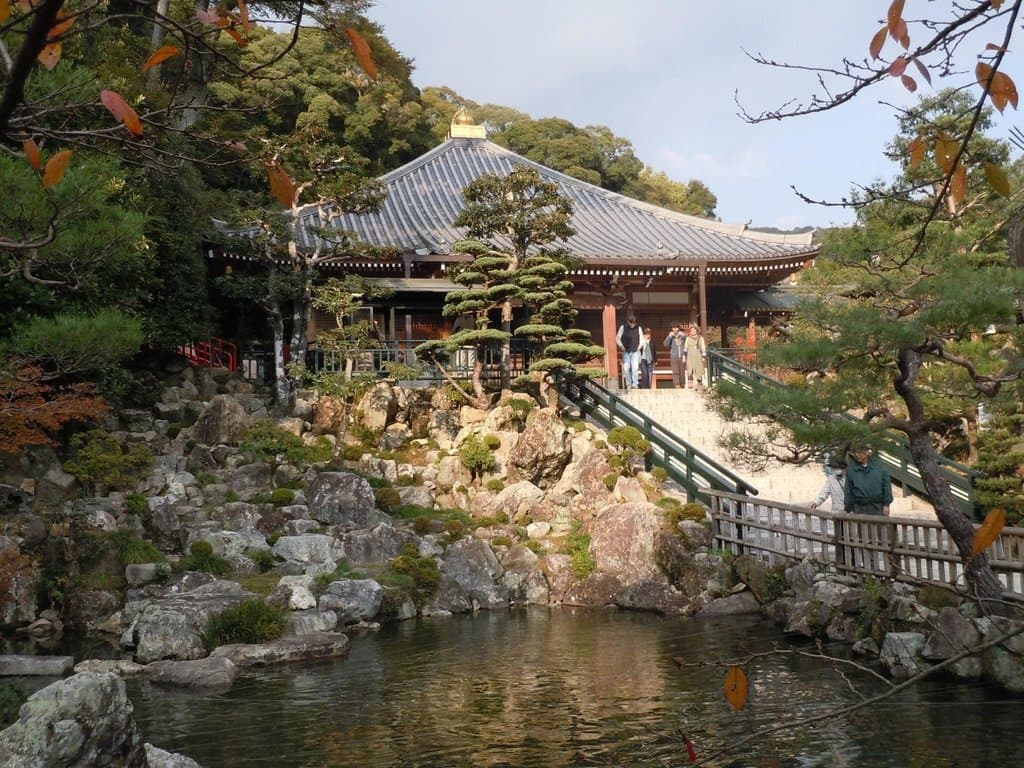
The vibrant blue 5-story pagoda is a prime subject. The uphill gardens, especially during plum blossom or autumn foliage seasons, offer picturesque scenes. Capture the intricate details of the temple buildings and smaller shrines.
Photography is generally permitted in most outdoor areas of the temple grounds. However, always be respectful and check for any signs indicating restrictions inside specific halls or sacred areas.
Morning light can be beautiful for capturing the pagoda and temple structures without harsh shadows. Late afternoon can also offer warm, soft light. Consider the season for floral or foliage backdrops.
The temple is known for its baby blessings, so capturing moments related to this tradition (respectfully, of course) can be unique. The striking blue pagoda and seasonal nature (plum blossoms, autumn leaves) are also strong photographic themes.
A versatile lens (like a 24-70mm equivalent) is useful for capturing both wide shots of the pagoda and details of the architecture. A smartphone camera is perfectly adequate for most visitors.



Social
from TikTok, Instagram & Reddit