Narai-juku Nagano
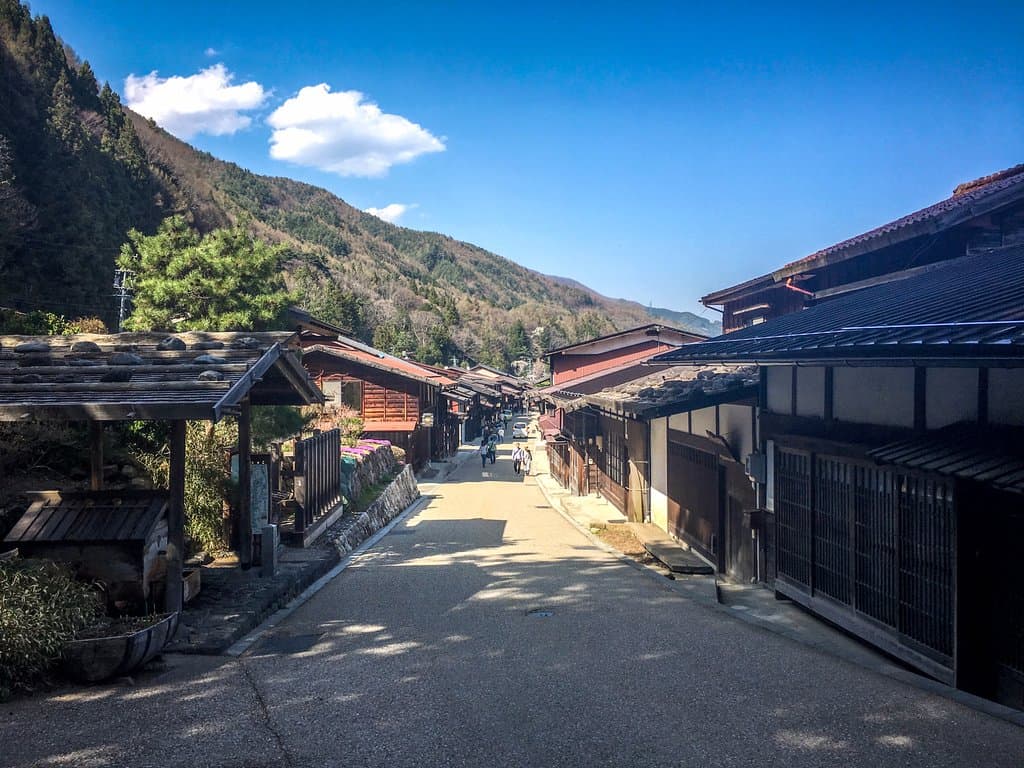
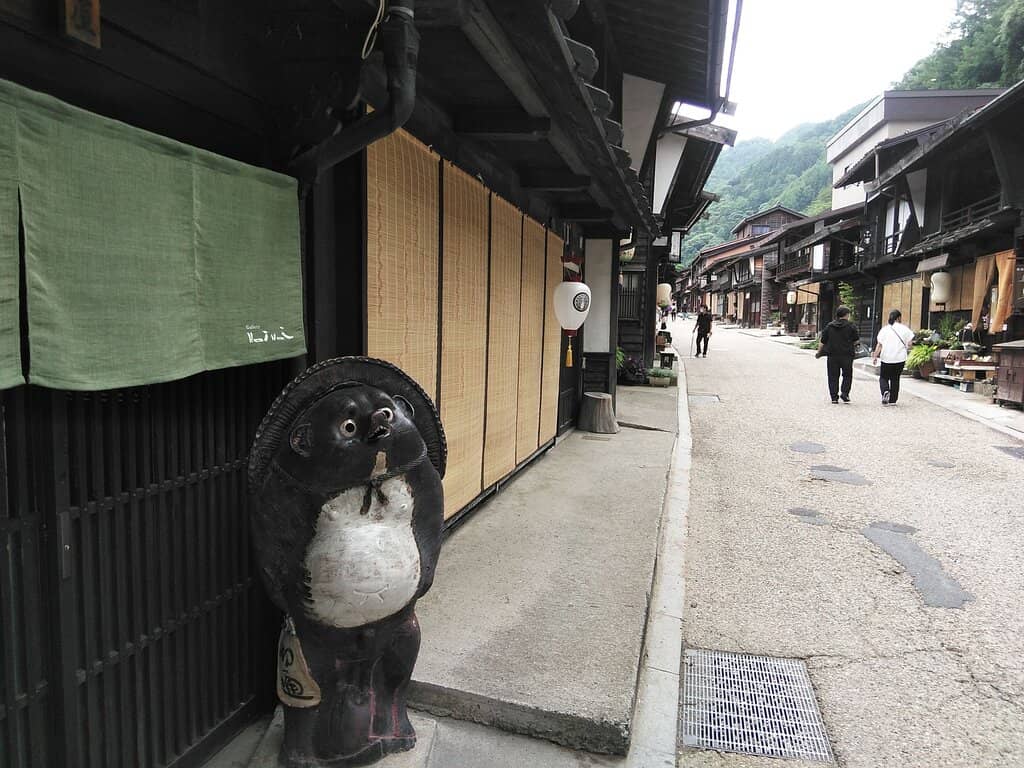
Step back in time in Narai-juku, a beautifully preserved Edo-period post town on the Nakasendo Trail.
Highlights
Must-see attractions

Social
From TikTok & Reddit
Best Time
Peaceful atmosphere, fewer crowds
Narai-juku Nagano
Best Time
Peaceful atmosphere, fewer crowds
Highlights
Must-see attractions
Step back in time in Narai-juku, a beautifully preserved Edo-period post town on the Nakasendo Trail.
"Feeling transported to the Edo period with its preserved streets and charming shops."
🎯 Arrive Early for Peace
Experience the tranquil Edo vibe before shops open and crowds arrive. Perfect for photos!
🚗 Parking Availability
Several parking lots are available for a fee (around 500 yen).
Highlights
Discover the most iconic attractions and experiences
Nakasendo Trail Charm
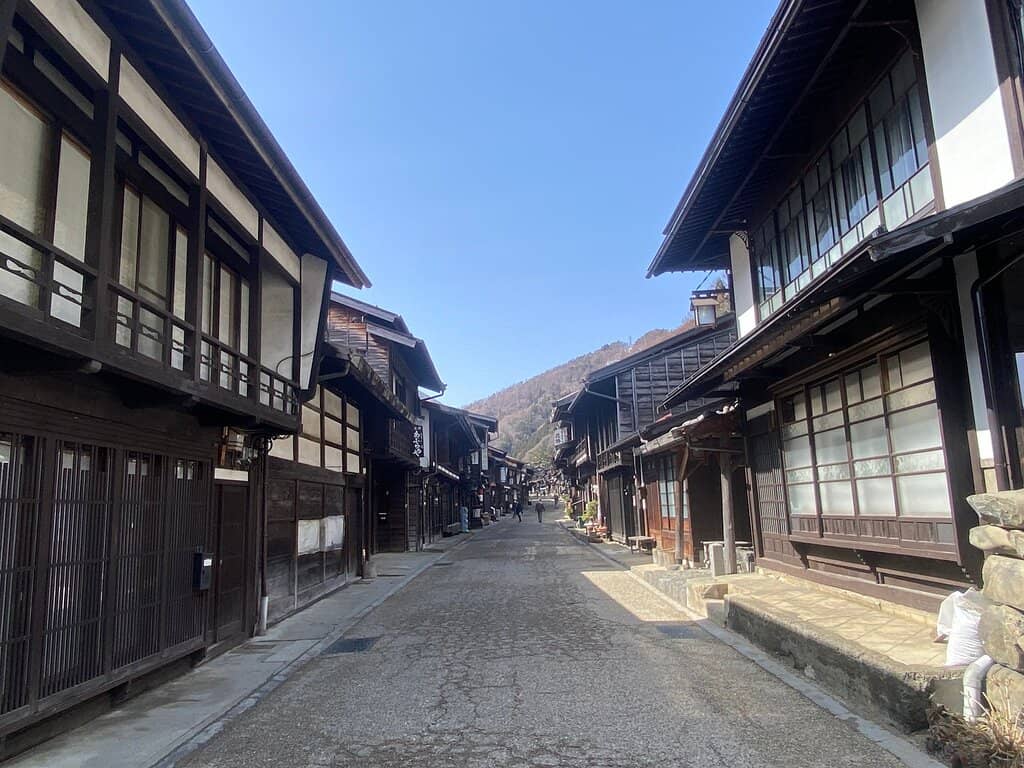
Main street
Stroll down the 1km street, feeling transported to the Edo period with preserved wooden buildings.
Kiso Ohashi Bridge
Narai River
Walk across this recently rebuilt, long wooden bridge offering scenic views of the town and river.
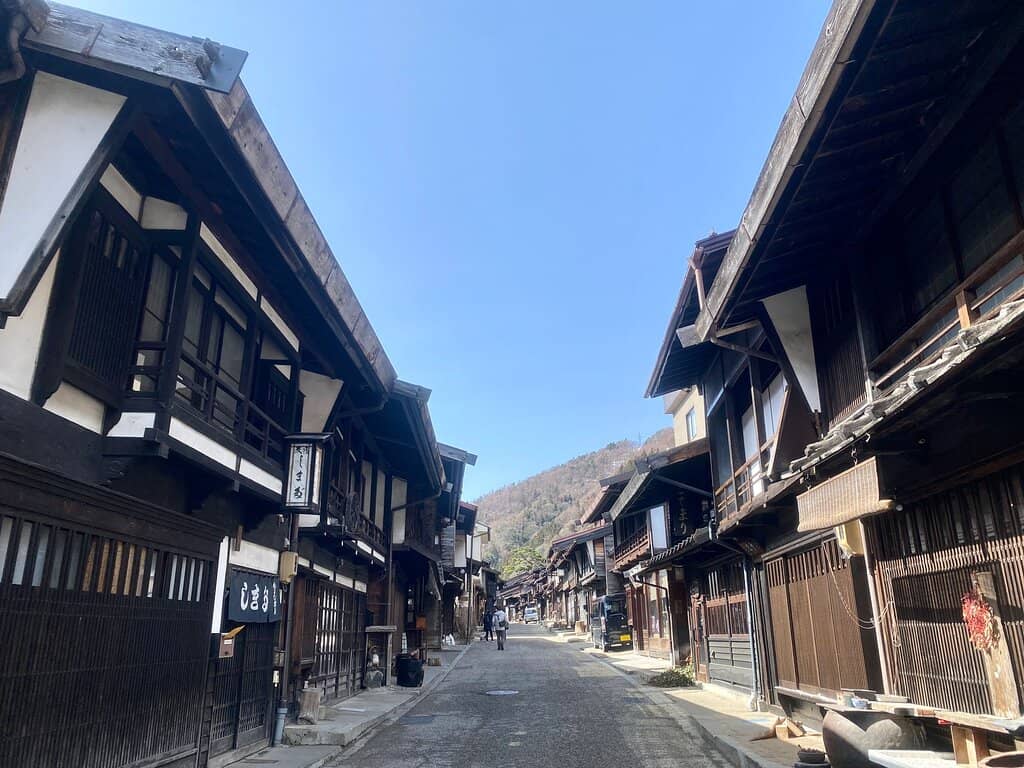
Traditional Shops & Cafes
Along the main street
Explore charming shops selling local crafts, snacks, and sake, offering a taste of history.
Plans like a pro.
Thinks like you
Planning Your Visit
Timing is Everything

Embrace the Season
+2 Consider the season for your desired visual experience.Best Times
Insider Tips
from TikTok, Instagram & Reddit
🎯 Arrive Early for Peace
Experience the tranquil Edo vibe before shops open and crowds arrive. Perfect for photos!
🚗 Parking Availability
Several parking lots are available for a fee (around 500 yen).
🛍️ Shop Hours Vary
Many shops close by late afternoon. Check hours if you want to buy souvenirs.
👟 Comfortable Walking Shoes
You'll be doing a lot of walking on historic streets. :athletic_shoe:
Tips
from all over the internet
🎯 Arrive Early for Peace
Experience the tranquil Edo vibe before shops open and crowds arrive. Perfect for photos!
🚗 Parking Availability
Several parking lots are available for a fee (around 500 yen).
🛍️ Shop Hours Vary
Many shops close by late afternoon. Check hours if you want to buy souvenirs.
👟 Comfortable Walking Shoes
You'll be doing a lot of walking on historic streets. :athletic_shoe:
📸 Capture the Atmosphere
The preserved streets and seasonal beauty make for stunning photos. :camerawithflash:
What Travellers Say
Reviews Summary
Visitors praise Narai-juku for its exceptionally well-preserved Edo-period streetscape, offering a genuine step back in time. The charming shops, historic bridge, and tranquil atmosphere are frequently highlighted. However, some find the town empty with closed shops if visited too late in the day or on certain weekdays, diminishing the experience.
"📍 Narai-juku 奈良井宿 @ Nagano, Japan 🇯🇵
We visited Narai-juku on 13 November 2025, and it was one of the most charming and beautifully preserved post towns along the Nakasendo Trail. The nostalgic Edo-period atmosphere is felt immediately — traditional wooden houses, quiet streets, and beautifully preserved architecture that feels like stepping back into old Japan.
The village is long and enjoyable to walk through, filled with craft shops, small cafes, and local eateries. We tried a bowl of tempura soba, which was warm, flavourful, and perfect for the cool autumn weather. Do note that restaurants can have a waiting time of around 20–30 minutes, especially during peak hours — so plan to spend a bit more time if you intend to dine here.
We reached Narai-juku by following the signs and crossing the underground trainline from the nearby main parking area. The route was clear, well guided, and easy to follow.
Narai-juku is peaceful and less commercial compared to other post towns, giving it an authentic, relaxed atmosphere. In autumn, the surrounding mountains create a beautiful backdrop, enhancing the charm of the wooden streets.
A wonderful destination for:
• 🍜 Local dishes like tempura soba
• 📸 Traditional Edo-style street photos
• 🛍️ Handcrafted wooden souvenirs
• 🚶 Scenic village walking
• 🍡 Local snacks
• 🏯 Experiencing historical Nakasendo culture
Overall, Narai-juku is a must-visit — calm, scenic, and full of old-town character. Just be prepared for a 20–30 minute wait if you’re planning to eat here. 🍁🏘️✨"
The Lost Forest Mum
"Wonderful place to visit although the P&P crowd (photo and pee) who stops here between train hours from-to Nagoya and Nagano can make it too touristy certain times of the day. If your schedule allows, stay overnight in one the inns ( we stayed in one right in the middle of town and it was fabulous). This way you can stroll through town during peaceful times in the evening and early morning when everything is closed and quiet. During the day you can enjoy going in and out of the shops and enjoying various snacks. See the place before it turns into a total tourist trap, which it's rapidly headed towards."
Yobo S
"We stopped by in the afternoon while driving through from Lake Suwa, en route to Nagoya.
We enjoyed strolling through this rustic historic town, superbly preserved since the Edo period. The souvenir shops, restaurants and minshuku are worth exploring.
We sampled some of the snacks and sake, and walked along the river and enjoyed stepping onto the timber bridge -Kiso Ohashi
This bridge crosses the Narai River, which runs parallel to the main street. Extending 30 meters, it is one of the longest wooden bridges in Japan. It was built quite recently, in the 1990s.
Our only regret is that we were a bit early for the glorious autumn colours as we were there in mid-October."
Jeremy Wong
What People Like
What People Dislike
Frequently Asked Questions
🚇 🗺️ Getting There
To reach Narai-juku from Nagano, you can take a train on the JR Chuo Line to Narai Station. The journey typically takes around 1 hour and 20 minutes. From Narai Station, it's a short walk to the historic town. If driving, there are parking lots available for a fee.
Yes, it's quite feasible. Take the JR Azusa limited express train from Shinjuku Station in Tokyo directly to Narai Station. The trip takes approximately 2.5 to 3 hours.
Absolutely! Narai-juku is a popular day trip from Matsumoto. Take the JR Chuo Line from Matsumoto to Narai Station, which takes about 40-50 minutes.
Narai-juku is best explored on foot. The main street is about 1 kilometer long and is easily walkable.
Yes, Narai-juku is accessible by car, and there are several parking lots available for visitors, usually costing around 500 yen.
🎫 🎫 Tickets & Entry
No, there is no admission fee to enter Narai-juku itself. You can freely walk through the historic streets and admire the preserved architecture.
Some of the small museums and historical buildings within Narai-juku may have a small entrance fee. It's best to check on-site for current pricing.
Shop and restaurant hours can vary, but many tend to close by late afternoon, typically around 4 or 5 PM. It's advisable to visit earlier in the day if you plan to shop or dine.
Yes, Narai-juku is open year-round. It offers different charms in each season, from autumn colors to winter snowscapes.
Yes, there are traditional inns (minshuku) and guesthouses available for overnight stays, allowing you to fully immerse yourself in the historic atmosphere.
🎫 🧭 Onsite Experience
You can stroll through the beautifully preserved Edo-period streets, visit small museums, explore souvenir shops selling local crafts and snacks, and walk across the Kiso Ohashi bridge. +1
Narai-juku can get crowded, especially during peak tourist seasons and weekends. Visiting early in the morning or late in the afternoon can offer a more peaceful experience.
The best way to explore Narai-juku is on foot. The main street is about 1 kilometer long and is perfect for a leisurely walk, allowing you to soak in the historic atmosphere.
The entire town is picturesque! The main street with its traditional buildings, the Kiso Ohashi bridge, and the surrounding natural scenery offer numerous photo opportunities.
You can find a variety of local handicrafts, traditional snacks, sake, and other unique items in the souvenir shops along the main street.
🍽️ 🍽️ Food & Dining
Narai-juku offers traditional Japanese cuisine at its restaurants and cafes. You can sample local snacks, sweets, and sake.
There are several restaurants and cafes along the main street, but many close by late afternoon.
Finding strictly vegetarian options might be challenging in traditional Japanese eateries. It's advisable to inquire about ingredients or look for simpler dishes like soba or udon noodles.
Look for local specialties like 'gohei mochi' (grilled rice cakes with a sweet miso sauce) or other regional sweets and snacks sold in the shops.
There are a few dining options near Narai Station, but the main concentration of restaurants and cafes is within the historic town itself.
📸 📸 Photography
Early morning offers soft light and fewer people, ideal for capturing the serene atmosphere. Late afternoon provides warm, golden hour light.
Generally, photography is allowed in public areas. However, always be respectful of private residences and businesses, and ask permission before photographing inside shops or private property.
The entire main street, the Kiso Ohashi bridge, traditional wooden houses, and the surrounding natural landscapes, especially during autumn or winter, are highly photogenic.
Drone usage is generally restricted in populated areas and historical sites to ensure safety and respect for residents and visitors. It's best to avoid using drones.
A versatile lens like a 24-70mm is great for street scenes and landscapes. A wide-angle lens can capture the full streetscape, and a prime lens is good for low-light conditions in shops.
For Different Travelers
Tailored advice for your travel style
👨👩👧 Families with Kids
🚶♀️ Solo Travelers
📸 Photographers
+2 Aim for the 'golden hours' of early morning or late afternoon for the best light. +1Deep Dives
In-depth insights and expert knowledge
A Journey Back in Time: The Edo Period Charm
The town's layout and architecture have remained largely unchanged, offering visitors an authentic glimpse into Japan's feudal past. Many travelers describe the experience as feeling like they've entered a different era, especially when the streets are quiet. This historical significance makes Narai-juku a popular destination for those seeking to understand Japan's rich cultural heritage. The preservation efforts ensure that the atmosphere of the Edo period is palpable, from the design of the buildings to the types of goods sold in the shops. It's a place where history isn't just read about; it's experienced.
+1Exploring the Main Street
The heart of Narai-juku is its main street. As you wander, you'll encounter a variety of establishments, including souvenir shops selling local crafts and delicacies, small museums detailing the town's history, and traditional inns (minshuku) where you can experience authentic Japanese hospitality.
Seasonal Beauty: Narai-juku Through the Year
Many visitors find this season particularly breathtaking, with the colors enhancing the rustic charm of the wooden buildings. Winter brings a different kind of magic to Narai-juku. Snowfall blankets the town, creating a serene and mystical atmosphere.
+1 The quiet, snow-covered streets evoke a sense of timelessness, making it an ideal time for photographers and those seeking a peaceful escape. The contrast of the white snow against the dark wood of the buildings is particularly striking. Spring and summer also have their appeal, with fresh greenery and pleasant weather for exploring. Regardless of when you visit, Narai-juku's enduring beauty is sure to leave a lasting impression.
Navigating Narai-juku: Practical Tips for Visitors
When exploring Narai-juku, comfortable walking shoes are a must, as the town is best experienced on foot.
Social
from TikTok, Instagram & Reddit