Sakura Samurai Houses
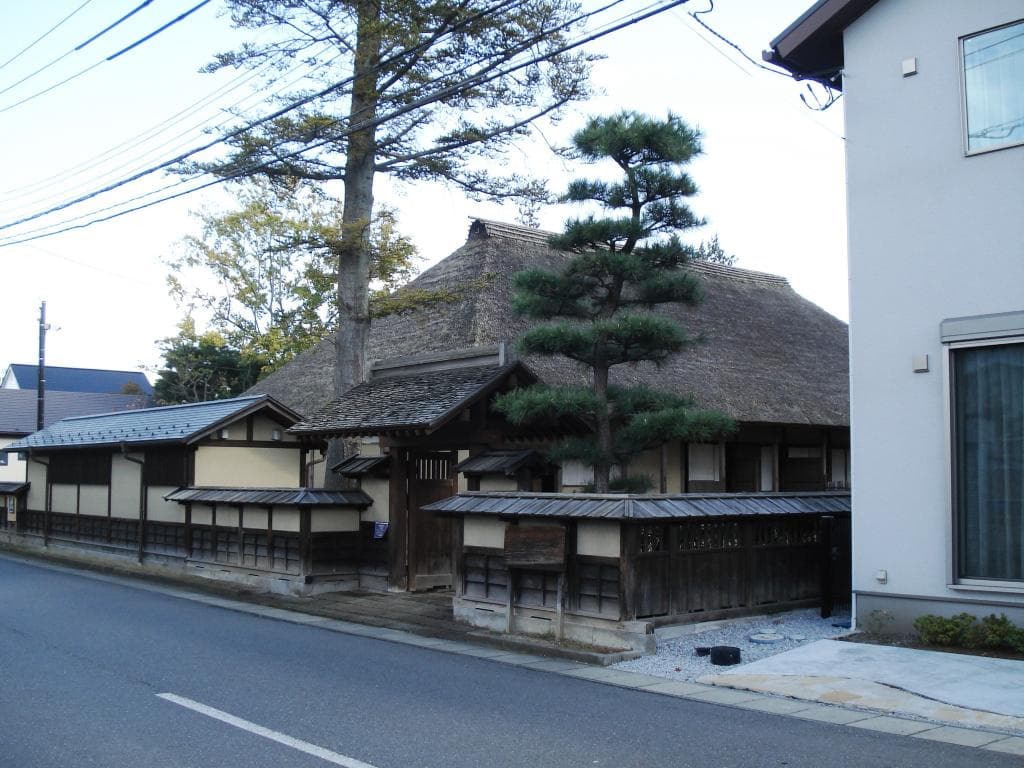
Step back in time at Sakura's preserved samurai residences, offering a unique glimpse into Edo-period life and social structures.
Highlights
Must-see attractions

Social
From TikTok & Reddit
Best Time
Fewer crowds, peaceful exploration
Sakura Samurai Houses
Best Time
Fewer crowds, peaceful exploration
Highlights
Must-see attractions
Step back in time at Sakura's preserved samurai residences, offering a unique glimpse into Edo-period life and social structures.
"A fascinating comparative look at samurai class through their well-maintained homes."
👟 Comfortable Walking Shoes
Essential for exploring the samurai district and nearby attractions like the Bamboo Forest Road.
🚶♀️ Combine with Bamboo Forest
The Bamboo Forest Road is nearby, making it a perfect pairing for a half-day exploration.
Highlights
Discover the most iconic attractions and experiences
Former Takei Residence
Sakura Samurai Residences district
The smallest of the three, offering a glimpse into the life of a lower-ranking samurai. Its unique structure and preserved artifacts are fascinating.
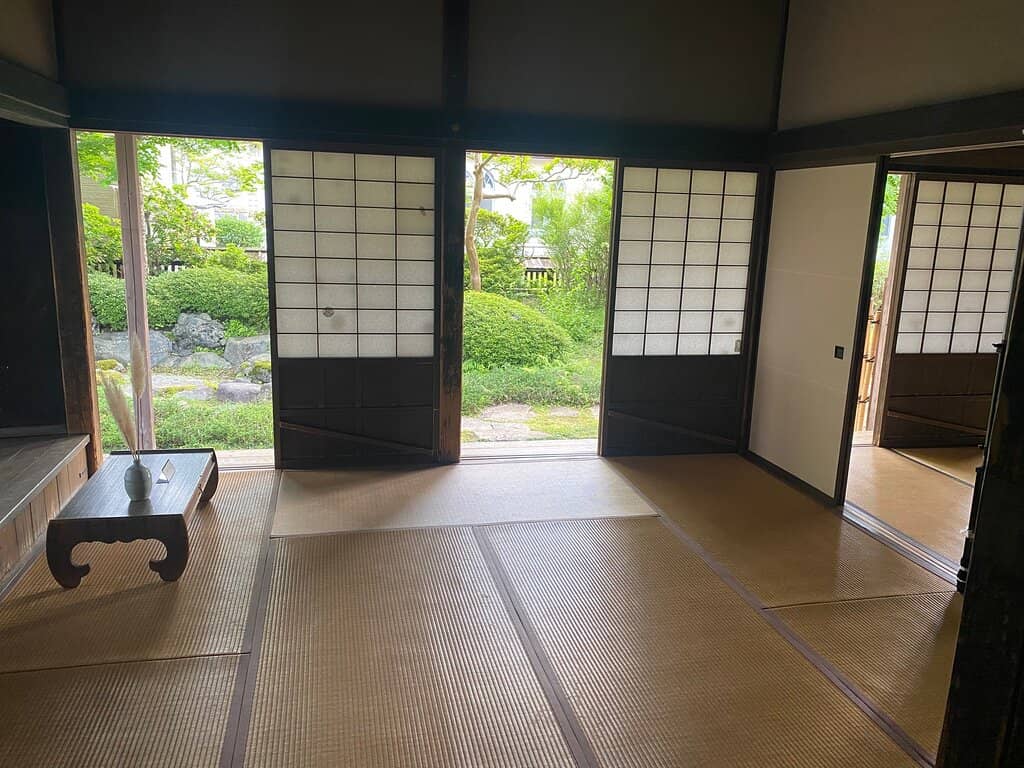
Former Kawara Residence
Sakura Samurai Residences district
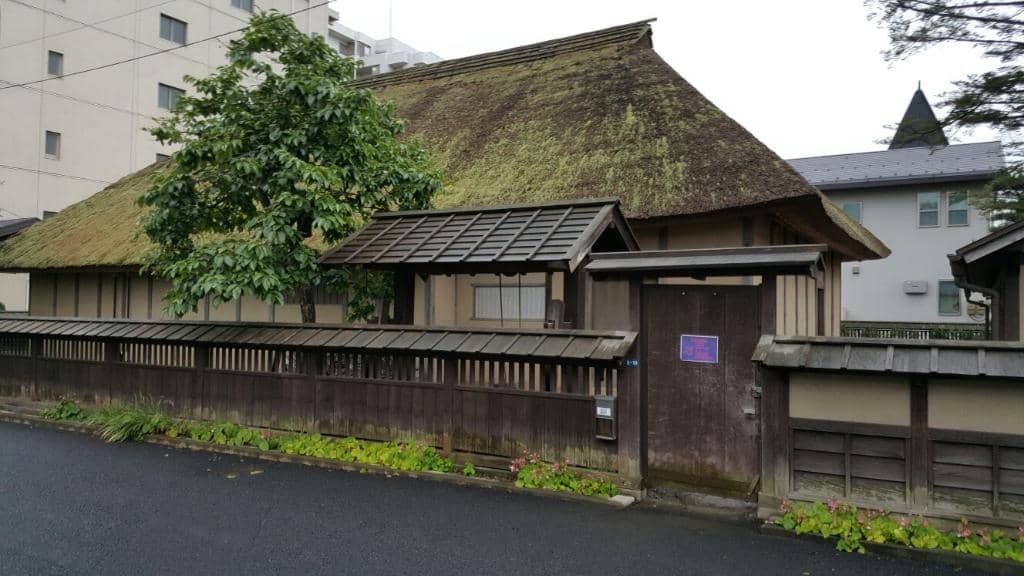
A Chiba Prefecture Designated Cultural Property, showcasing distinct roof designs and well-maintained living spaces.
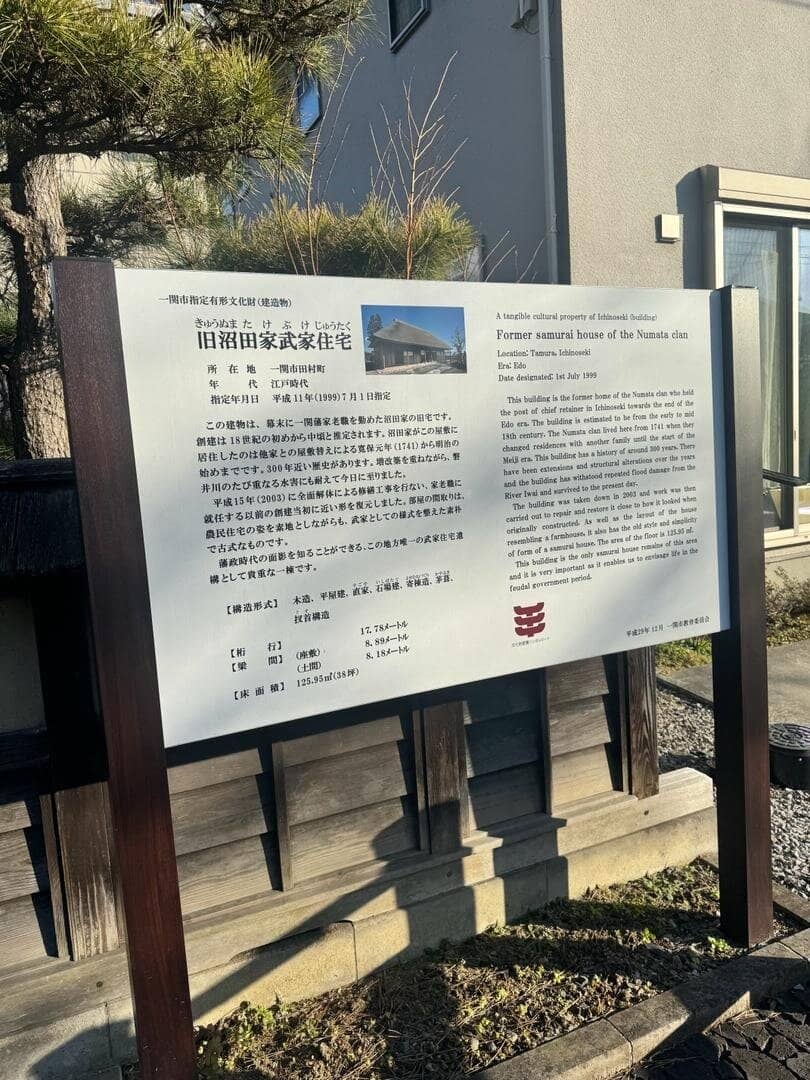
Former Tajima Residence
Sakura Samurai Residences district
A Sakura City Designated Cultural Property, notable for its earthenware exterior walls and comparison with neighboring residences.
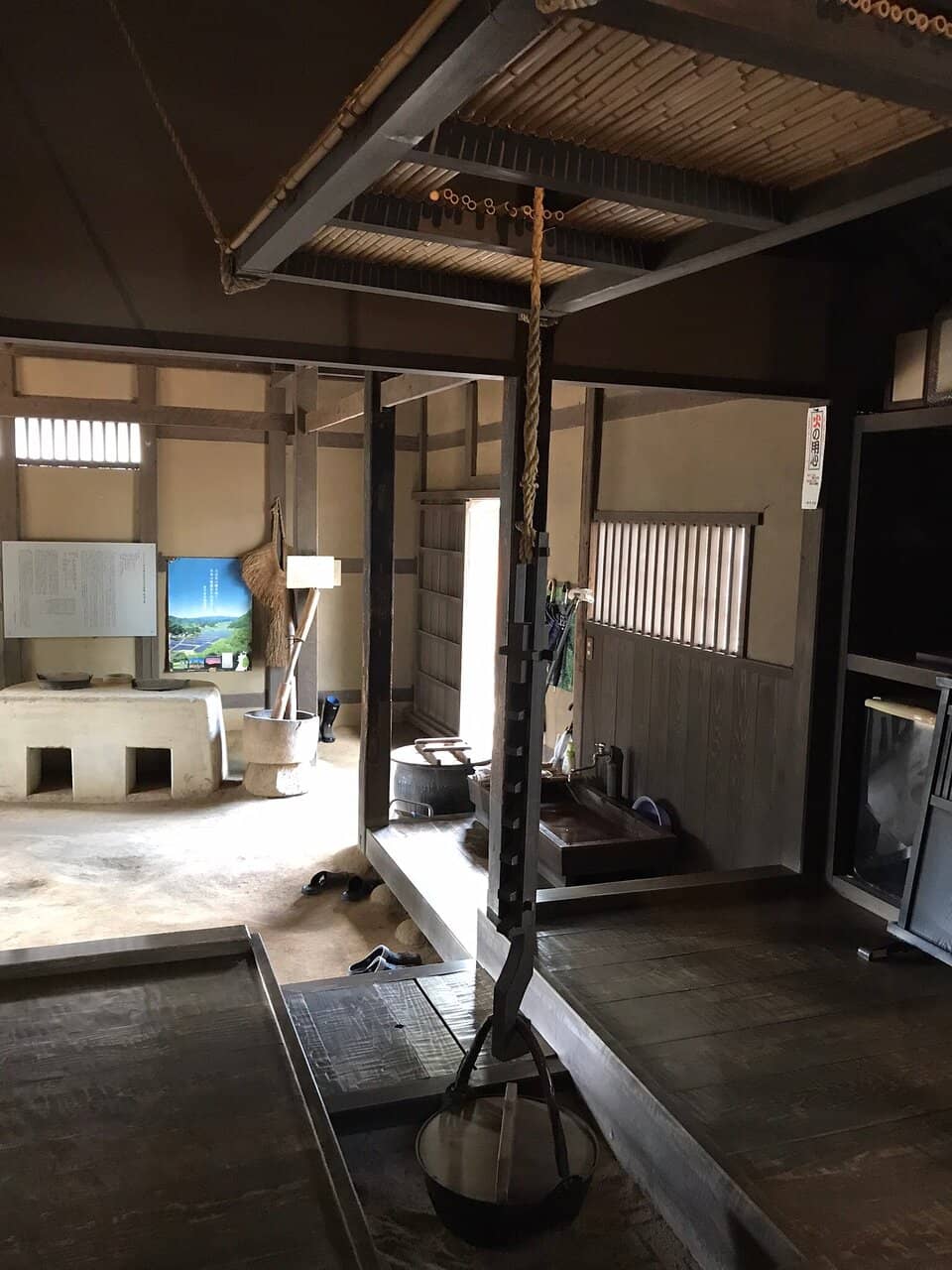
Edo Period Atmosphere
Miyakoji-cho, Sakura City
Wander streets lined with earthen ramparts and hedges, retaining the authentic castle town ambiance of the Edo period.
Plans like a pro.
Thinks like you
Planning Your Visit
Timing Your Visit for Authenticity

Navigating the Samurai District
Best Times
Insider Tips
from TikTok, Instagram & Reddit
👟 Comfortable Walking Shoes
Essential for exploring the samurai district and nearby attractions like the Bamboo Forest Road.
🚶♀️ Combine with Bamboo Forest
The Bamboo Forest Road is nearby, making it a perfect pairing for a half-day exploration.
🧐 Compare Samurai Classes
See how floor space, entrances, and layouts differ between residences to understand samurai hierarchy.
🗣️ Volunteer Guides Available
Engage with knowledgeable volunteers for deeper insights into samurai life.
Tips
from all over the internet
👟 Comfortable Walking Shoes
Essential for exploring the samurai district and nearby attractions like the Bamboo Forest Road.
🚶♀️ Combine with Bamboo Forest
The Bamboo Forest Road is nearby, making it a perfect pairing for a half-day exploration.
🧐 Compare Samurai Classes
See how floor space, entrances, and layouts differ between residences to understand samurai hierarchy.
🗣️ Volunteer Guides Available
Engage with knowledgeable volunteers for deeper insights into samurai life.
What Travellers Say
Reviews Summary
Visitors appreciate the well-preserved samurai residences, offering a tangible glimpse into Edo period life and social hierarchy. The historical atmosphere of the castle town and the proximity to other attractions like the Bamboo Forest Road are also highlights. Some find the residences to be smaller than expected, and accessibility can be a minor concern for some.
"The Former Takei Family Residence is located in the Sakura Samurai Residences district of Miyakoji-cho, Sakura City, about 1km north of JR Sakura Station.
The building is believed to have been built during the late Edo period, between the mid-1700s and early 1800s, and was relocated to this location in 1997.
With an area of approximately 80 square meters, it is the smallest of the three Sakura Samurai Residences and was the residence of a samurai with a fief of around 90 koku. It is characterized by its structure, with the living space and guest rooms separated into two rows.
The building displays ceramics excavated from the samurai residence grounds, as well as materials related to the lives of samurai.
The Sakura Samurai Residences are preserved in Miyakojicho, Sakura City. Facing a street lined with earthen ramparts and hedges that still retain the atmosphere of the castle town of Sakura, three samurai residences are currently open to the public: the Former Kawara Residence (Chiba Prefecture Designated Cultural Property), the Former Tajima Residence (Sakura City Designated Cultural Property), and the Former Takei Residence.
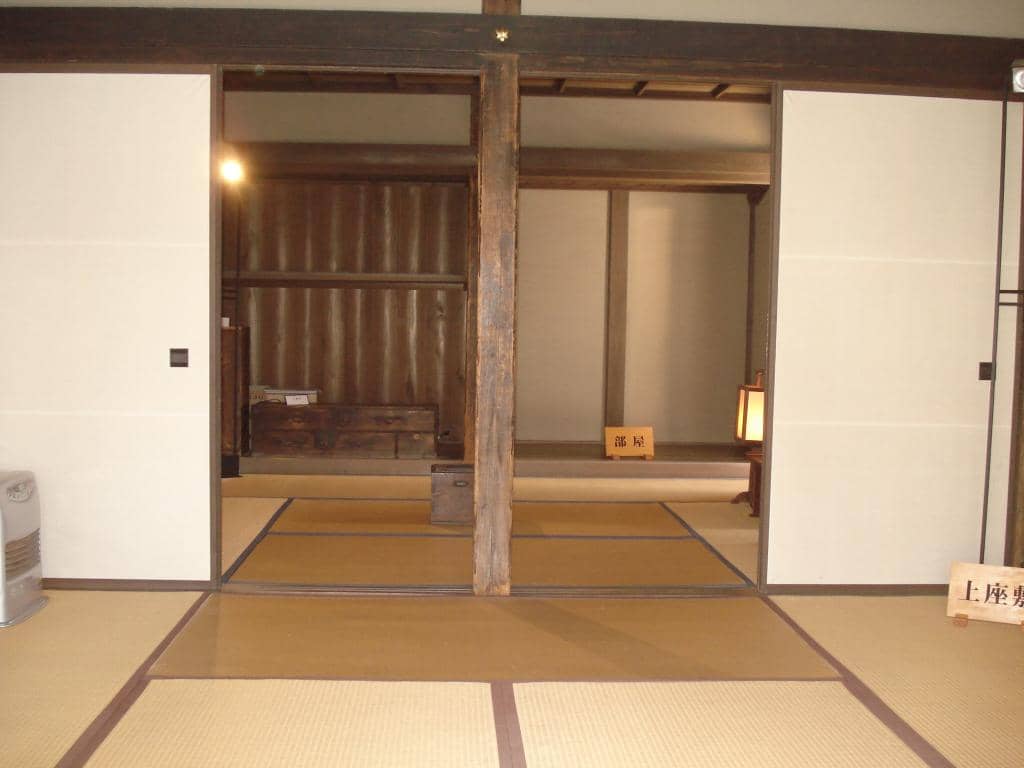
The three samurai residences open to the public offer a glimpse into the samurai discipline and lifestyle of the time, as seen in their differences in floor space and the construction of entrances, nageshi (rail-like beams) and tatami mats.
During the Edo period, this town, where Sakura Castle was located, was lined with many samurai residences.
After the abolition of feudal domains and the establishment of prefectures in the early Meiji period, an army barracks was established on the castle site, and the samurai residences were repurposed as military residences."
原和
"It's well-preserved, and you can see roof designs similar to those in Gassho-style villages. It's worth a visit! The same road leads to the Bamboo Forest Road, so you can go there together!"
Kirk Ou
"It is said to be the least accessible place among the samurai residences.
Indeed, after seeing the prestigious mansion,
It feels a little solemn, especially the walls and tatami mats of the mansion.
Past historical materials can be viewed through the showcase."
齋藤たけし
What People Like
What People Dislike
Frequently Asked Questions
🚇 🗺️ Getting There
You can reach Sakura City by train from Tokyo. Take the Keisei Main Line to Keisei Sakura Station or the JR Sobu Line to JR Sakura Station. From either station, it's a 15-20 minute walk to the samurai residences.
Yes, Sakura City is a popular day trip destination from Tokyo, offering a break from the city crowds and a glimpse into historical Japan.
The three main samurai residences (Former Kawara, Former Tajima, and Former Takei) are located side-by-side, making them easily walkable from each other.
Information on specific parking facilities near the Sakura Samurai Houses can be limited. Public transport is generally recommended for ease of access.
The samurai residences are located in the former castle town area. While the castle itself is no longer standing, the surrounding historical atmosphere is preserved.
🎫 🎫 Tickets & Entry
Yes, three samurai residences are open to the public and typically require an admission fee. It's advisable to check the official Sakura City tourism website for current ticket prices and opening hours.
Opening hours can vary, but generally, the residences are open during daytime hours. It's best to confirm the exact times before your visit, especially on weekends or holidays.
Information on discounts is not widely publicized. It's worth inquiring locally or checking the official tourism website for any potential group or student rates.
Three samurai residences are open to the public: the Former Kawara Residence, the Former Tajima Residence, and the Former Takei Residence.
The streets and general atmosphere of the samurai district are free to explore. Only the interiors of the designated samurai residences require an admission ticket.
🎫 🧭 Onsite Experience
Inside, you can view historical materials related to samurai life, including ceramics excavated from the grounds, and observe the architectural differences that reflect social class.
Yes, you can explore the interiors of the open residences and appreciate the preserved architectural details. The surrounding streets also offer a historical ambiance.
While not heavily interactive in a modern sense, the exhibits of artifacts and the preserved architecture itself offer a tangible connection to the past.
A visit to the three residences and a stroll through the district can take approximately 1-2 hours, depending on your interest level and pace.
Photography policies can vary. It's best to look for signage or ask staff upon entry. Generally, interior photography might be restricted to preserve the artifacts and atmosphere.
📸 📸 Photography
The preserved streets with earthen ramparts and hedges offer a great atmosphere. The unique roof designs and exterior walls of the residences themselves are also photogenic.
Interior photography rules can differ. Always check for signs or ask permission before taking pictures inside to respect the historical artifacts and exhibits.
Morning light can be ideal for capturing the architecture and atmosphere without harsh shadows. Weekdays offer fewer people in your shots.
Pay attention to the distinct roof styles, the earthenware exterior walls, and the traditional layouts of the living spaces and entrances.
A standard lens is usually sufficient. A wide-angle lens can be useful for capturing the streetscapes and interiors, while a prime lens can be good for detail shots.
For Different Travelers
Tailored advice for your travel style
👨👩👧 Families with Kids
Consider framing the visit as a journey back in time to meet real samurai. Point out interesting architectural features like the roofs and walls. While there aren't extensive play areas, the historical context and the chance to explore preserved buildings can spark curiosity. Ensure children are supervised and reminded to be respectful of the historical artifacts and structures.
🚶 Budget Travelers
Pack your own snacks and water to save on dining expenses. You can enjoy a picnic lunch in a scenic spot within the district. By focusing on the historical exploration and enjoying the free ambiance of the town, you can have a fulfilling and affordable day trip.
Deep Dives
In-depth insights and expert knowledge
Understanding Samurai Hierarchy Through Architecture
Key architectural elements that reveal class distinctions include the size of the living spaces, the complexity of the entranceways, and the materials used for exterior walls and roofing. The presence or absence of tatami rooms, the height of the nageshi (rail-like beams), and the overall floor plan all contributed to signifying a samurai's status. This comparative approach makes the historical context tangible and educational, allowing visitors to appreciate the nuances of samurai life beyond just the warrior aspect.
These preserved residences, though relocated, meticulously maintain the essence of their original design. The careful restoration and presentation allow visitors to imagine the daily lives of these historical figures. The inclusion of excavated ceramics and other materials further enriches the understanding of their lifestyle and the era they inhabited.
A Day Trip from Tokyo: Planning Your Sakura Adventure
Upon arrival, the samurai district is a pleasant 15-20 minute walk, allowing you to soak in the local atmosphere. It's highly recommended to wear comfortable shoes, as you'll be exploring the residences and potentially combining your visit with other nearby attractions. A popular pairing is the Bamboo Forest Road, which is conveniently located and offers a different natural beauty to complement the historical sites.
To make the most of your day, aim for a weekday morning visit to avoid larger crowds and enjoy a more serene experience. Pack light, perhaps with a small backpack for essentials, and consider bringing a portable charger for your phone, as you'll likely be taking many photos.
+1 The relatively short travel time and the concentrated historical area make Sakura an ideal destination for those seeking a glimpse into Japan's feudal past without venturing too far from Tokyo. 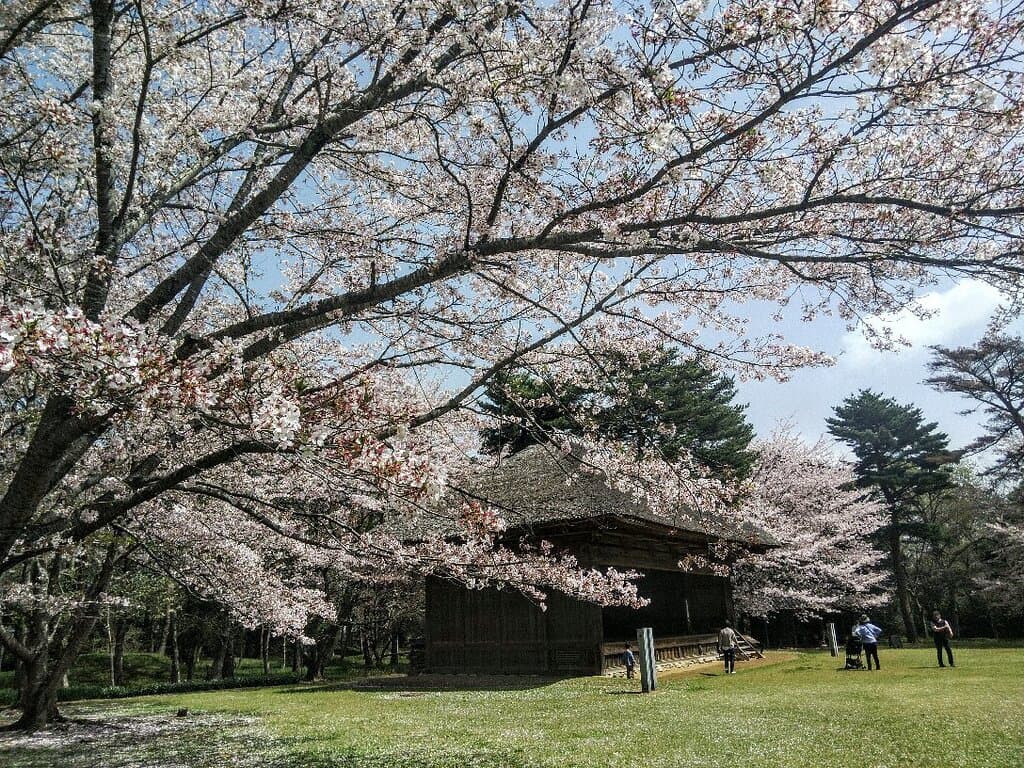


Social
from TikTok, Instagram & Reddit