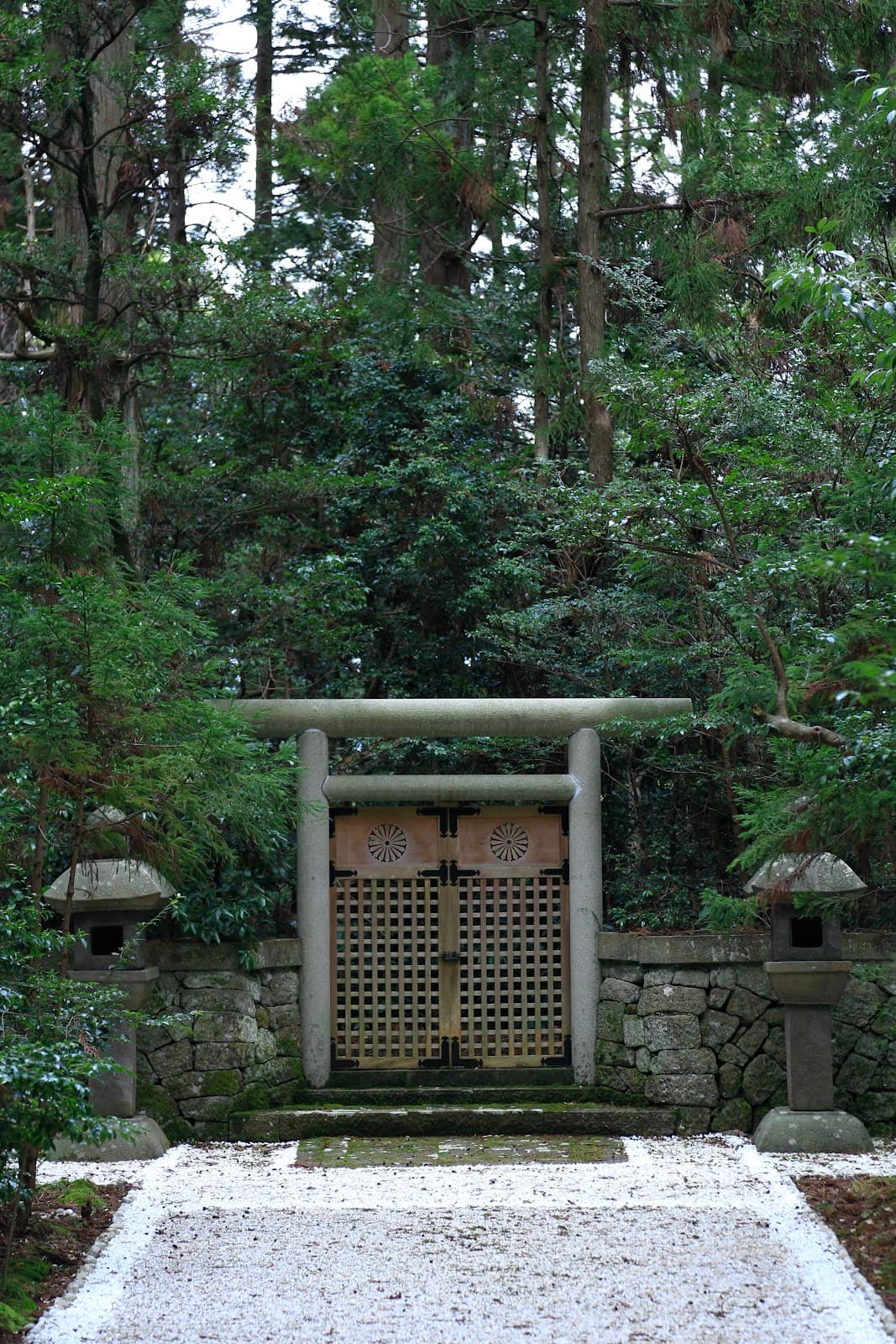
Emperor Juntoku Mausoleum
The Emperor Juntoku Mausoleum is a protected cremation mound, marking the final resting place of an exiled emperor.
Highlights
Must-see attractions

Social
From TikTok & Reddit
Best Time
Experience the tranquil atmosphere
Emperor Juntoku Mausoleum
Best Time
Experience the tranquil atmosphere
Highlights
Must-see attractions
The Emperor Juntoku Mausoleum is a protected cremation mound, marking the final resting place of an exiled emperor.
"A very cool place with a very rich atmosphere, a significant historical site."
🤫 Respect the Sacred Site
Remember this is a protected imperial tomb. Maintain a quiet and respectful demeanor during your visit.
📍 Avoid House Confusion
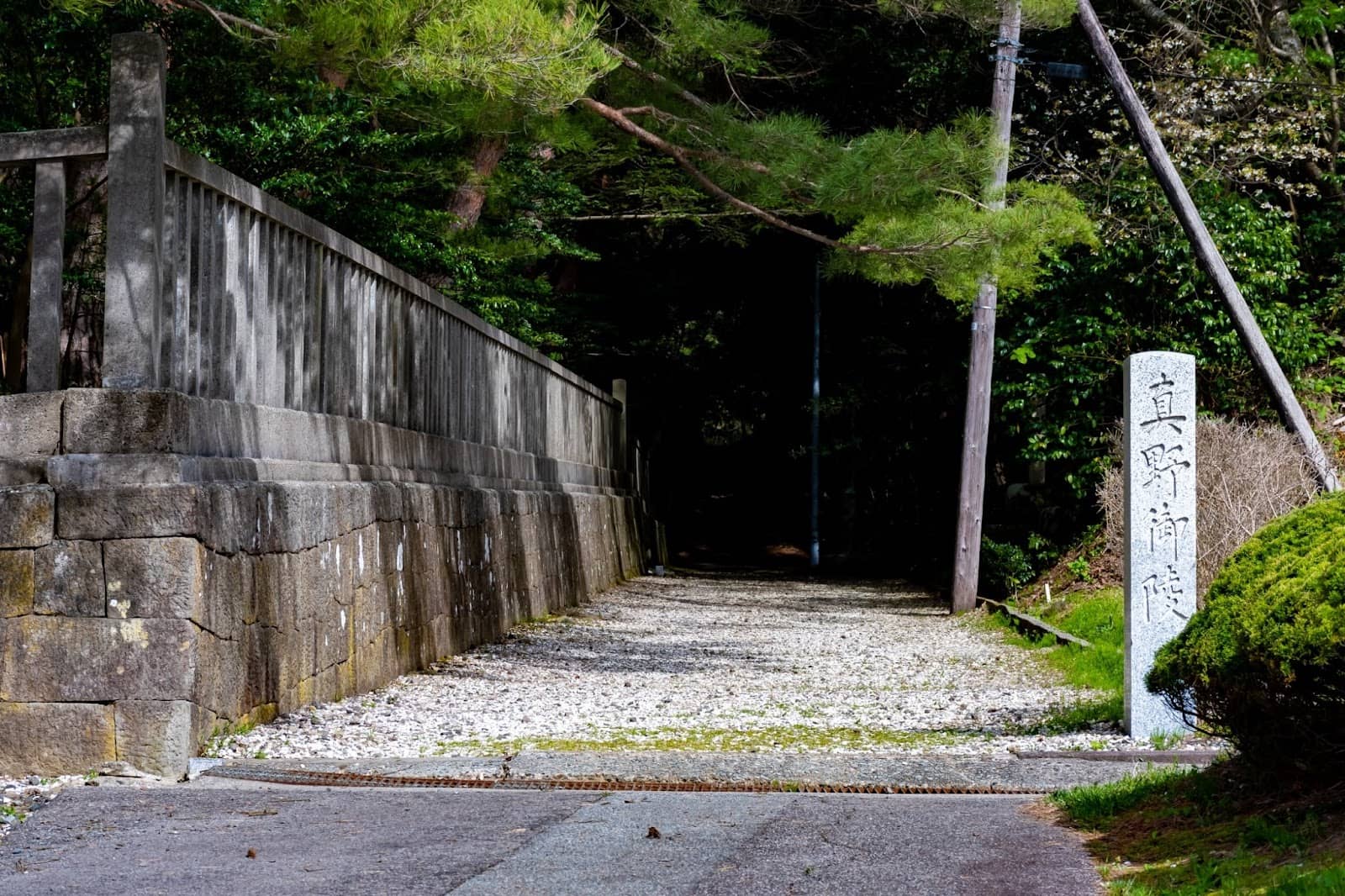
Nearby houses can be mistaken for the entrance. Look for official signage for the Imperial Tomb.
Highlights
Discover the most iconic attractions and experiences
Emperor Juntoku Cremation Mound
The solemn mound where Emperor Juntoku was cremated after his exile. A powerful historical site.
Mano Imperial Mausoleum Grounds
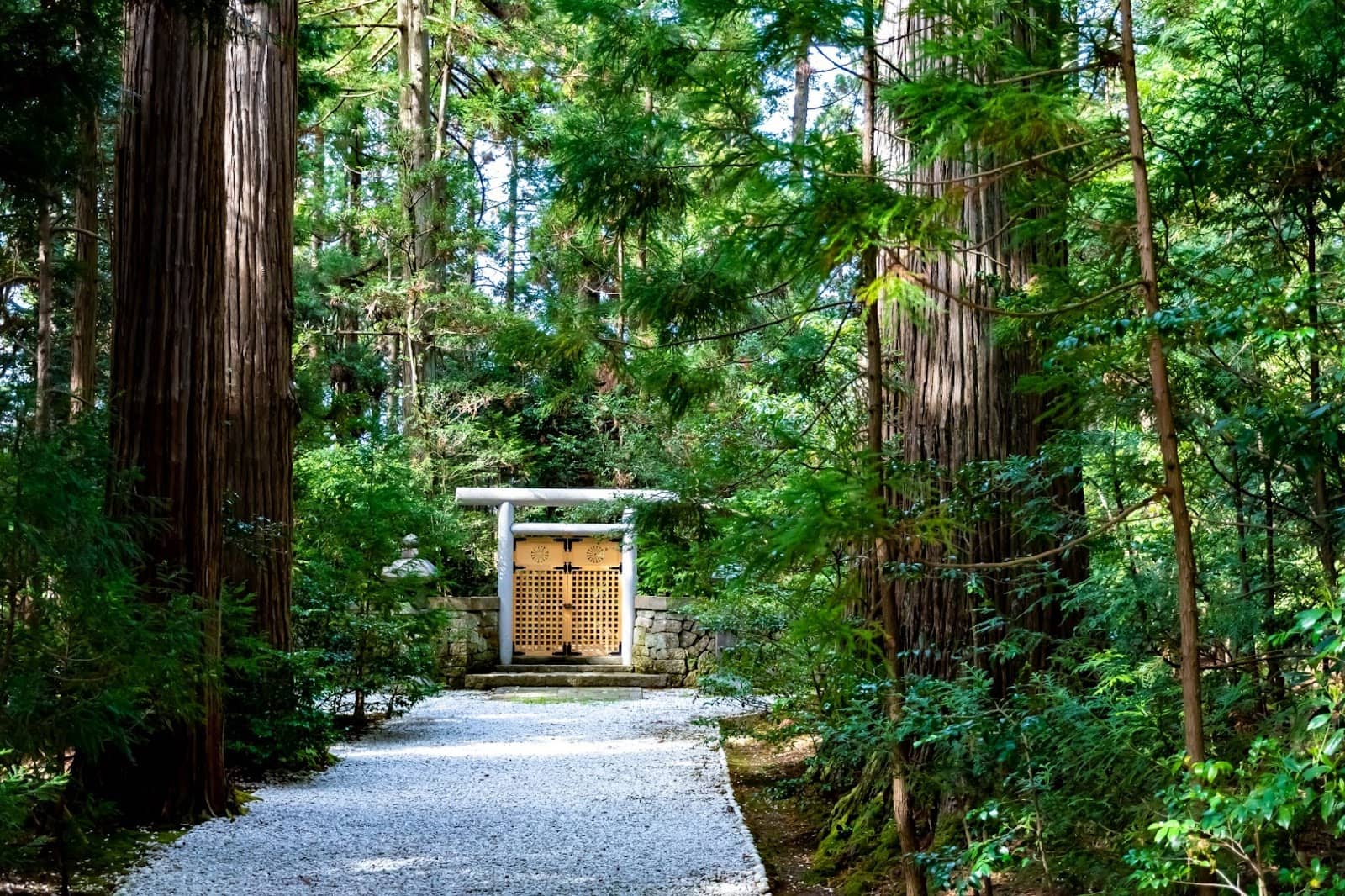
Tranquil grounds with stone fences and lanterns, offering a serene atmosphere and historical reflection.

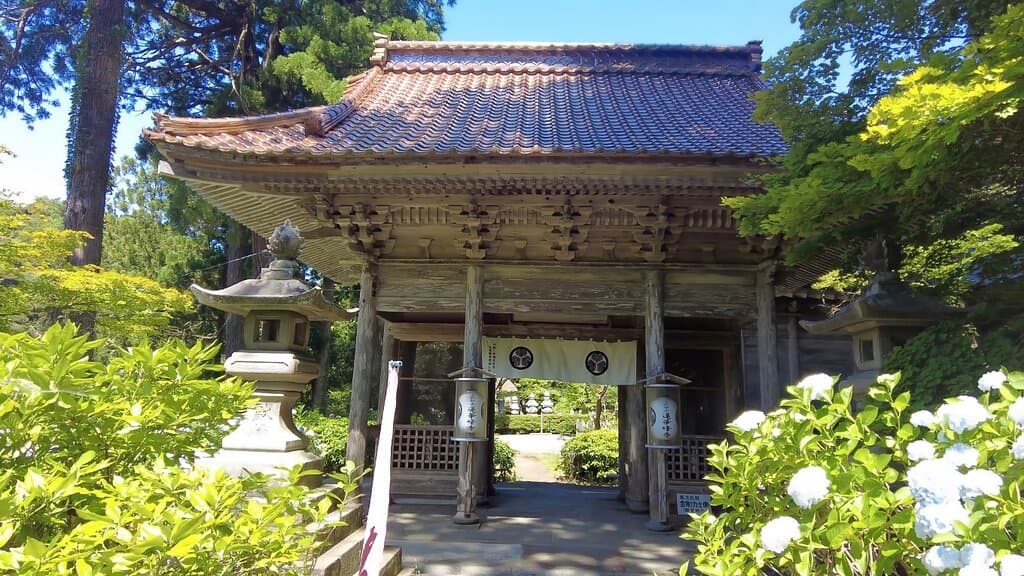
Manrin-ji Temple (Manomiya Shrine)
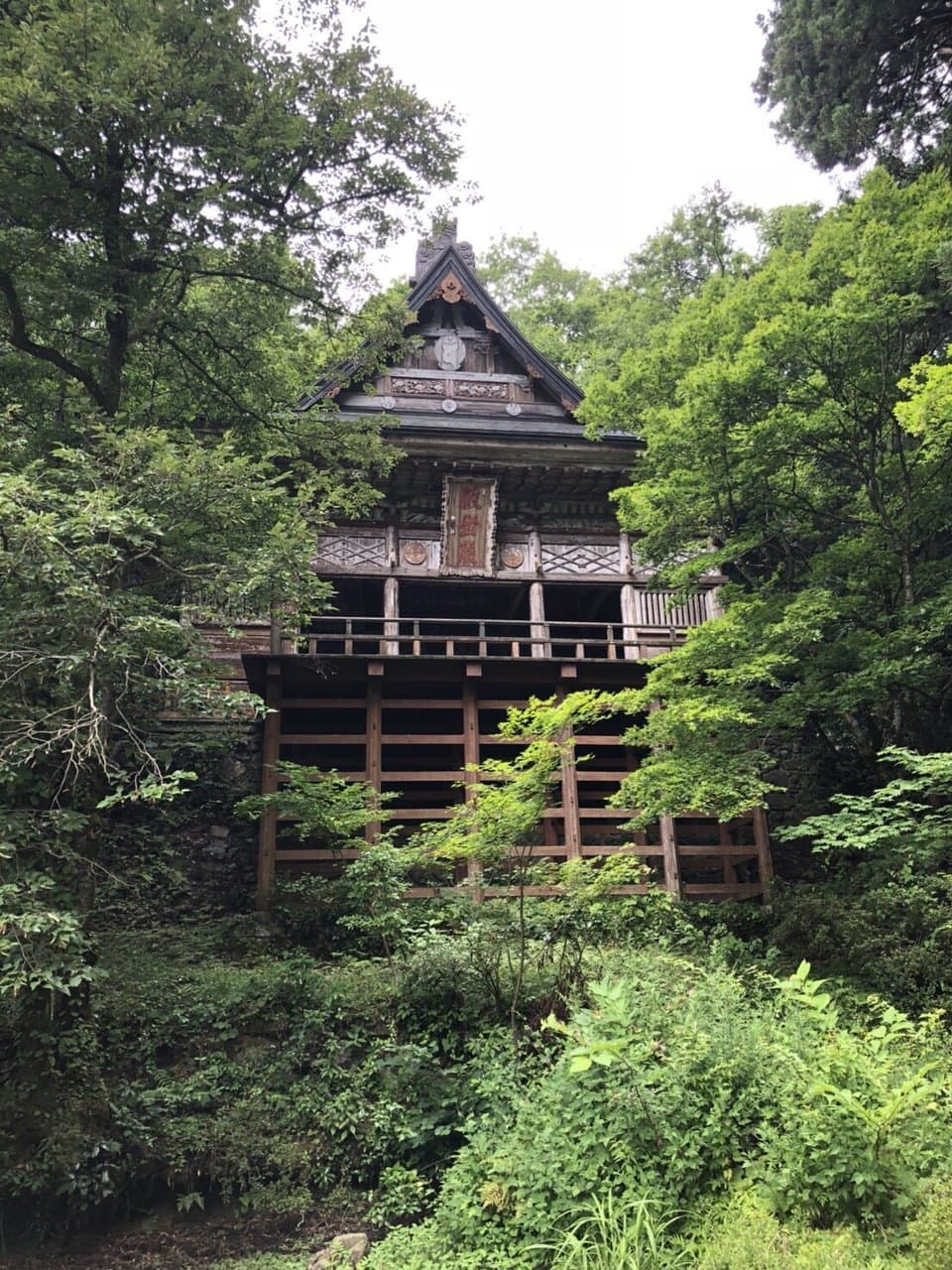
Adjacent shrine, formerly Manrin-ji Temple, now dedicated to Emperor Juntoku, hosting memorial services.
Plans like a pro.
Thinks like you
Planning Your Visit
Respectful Visit to a Protected Site
Historical Significance & Location
Best Times
Insider Tips
from TikTok, Instagram & Reddit
🤫 Respect the Sacred Site
Remember this is a protected imperial tomb. Maintain a quiet and respectful demeanor during your visit.
📍 Avoid House Confusion
Nearby houses can be mistaken for the entrance. Look for official signage for the Imperial Tomb.
🚶♂️ Explore Surrounding Area
Visit Manomiya Shrine and other related historical sites nearby for a fuller experience.
🚗 Proximity to Gold Park
Combine your visit with the Sado Gold and Silver Mine or Gold Park for a comprehensive day trip.
Tips
from all over the internet
🤫 Respect the Sacred Site
Remember this is a protected imperial tomb. Maintain a quiet and respectful demeanor during your visit.
📍 Avoid House Confusion
Nearby houses can be mistaken for the entrance. Look for official signage for the Imperial Tomb.
🚶♂️ Explore Surrounding Area
Visit Manomiya Shrine and other related historical sites nearby for a fuller experience.
🚗 Proximity to Gold Park
Combine your visit with the Sado Gold and Silver Mine or Gold Park for a comprehensive day trip.
What Travellers Say
Reviews Summary
Visitors find the Emperor Juntoku Mausoleum to be a deeply atmospheric and historically significant site, offering a solemn reflection on Emperor Juntoku's exile and final days. While direct access to the mound is restricted, the well-preserved grounds and adjacent shrine provide a powerful sense of place and historical weight. The site is appreciated for its tranquility and connection to a poignant chapter of Japanese history.
"This is the burial site of the emperor who was exiled to the island. It's a very important historical site, and it's very closely protected. You will not be able to see the actual mound because the gates are closed. Only the emperor can open them, so they are not open very often. That being said, it's still a very cool place with a very rich atmosphere."
Jeremy Odden
"This is the cremation mound of Emperor Juntoku. Emperor Juntoku was defeated by Hojo Yoshitoki of the Kamakura shogunate in the Jokyu War in 1221 and exiled to Sado. Incidentally, his father, the retired Emperor Gotoba, was exiled to Oki."
neon21
"I visited on the morning of the last day of the Obon holiday.
It's a power spot!
Be careful, as nearby houses can be mistaken for the entrance to the Imperial Tomb!!"
酒井直樹
What People Like
What People Dislike
Frequently Asked Questions
🚇 🗺️ Getting There
The Emperor Juntoku Mausoleum is located in Mano, Sado City, Niigata Prefecture. It's accessible by car or local bus services on Sado Island. Consider combining your visit with other attractions like the Sado Gold and Silver Mine.
While the site itself is well-maintained, be cautious as nearby houses might be mistaken for the entrance. Look for official markers indicating the Imperial Tomb.
🎫 🎫 Tickets & Entry
Entry to the grounds of the Emperor Juntoku Mausoleum is generally free. However, direct access to the actual burial mound is restricted and not typically open to the public.
The grounds are usually accessible during daylight hours. The restricted access to the mound means there are no specific 'opening hours' for that part of the site.
No, direct access to the actual burial mound is highly restricted. Only authorized personnel from the Imperial Household Agency can open the gates.
🎫 🧭 Onsite Experience
You can explore the tranquil grounds, including the protected cremation mound, stone fences, and stone lanterns. The adjacent Manomiya Shrine is also worth visiting.
The serene atmosphere and historical elements offer opportunities for reflective photography. Focus on the grounds and surrounding landscape rather than attempting to photograph restricted areas.
It marks the cremation site of Emperor Juntoku, who was exiled to Sado Island after the Jōkyū War in 1221. It's a testament to his tragic end and the island's history.
Some visitors describe it as a 'power spot' due to its historical weight and solemn atmosphere, offering a unique spiritual experience.
🍽️ 🍽️ Food & Dining
Dining options are available in the Mano area of Sado City. It's advisable to check local listings for restaurants serving regional cuisine.
For Different Travelers
Tailored advice for your travel style
👨👩👧 Families with Kids
Consider pairing this visit with more interactive historical sites on Sado Island, such as the Sado Gold and Silver Mine, to provide a more engaging experience for younger visitors. The nearby souvenir shop selling local specialties might also be of interest.
🏛️ History Buffs
Delve into the legends surrounding Emperor Juntoku, his death poem, and the stories of his loyal retainer, Abutsubo. Exploring the adjacent Manomiya Shrine and the ruins of Kuroki Palace can provide a more comprehensive understanding of the historical period and the emperor's life in exile.
Deep Dives
In-depth insights and expert knowledge
The Exile of Emperor Juntoku
His death poem, lamenting his fate on the island, is widely known: "I never thought I'd gaze aside above the clouds, rotting away in the Mano inlet." This sentiment captures the deep regret of being separated from the throne and dying so far from the capital. The Emperor Juntoku Mausoleum in Mano is a direct reminder of this historical event and the emperor's final moments.
Legends and stories surrounding Emperor Juntoku and his loyal retainer Abutsubo, who is said to have built a hermitage near the tomb, add layers to the site's narrative. While the exact location of his remains is debated, the Sado tomb has been protected by islanders and national management since the Meiji era, overseen by the Imperial Household Agency.
Preservation and Local Connection
Local residents have played a crucial role in protecting the tomb since the Meiji era. Despite the loss of original pine and cherry trees, the mound has been lovingly maintained. Adjacent to the mausoleum is Manomiya Shrine, formerly Manrin-ji Temple, which was converted to honor Emperor Juntoku during the Meiji period. Memorial services are still held here, keeping the emperor's memory alive.
The surrounding area also holds legends and sites associated with Emperor Juntoku's family, such as Princess Tadako and Prince Hikonari, though these are considered legends with alternative theories existing. The presence of these related sites, along with the Kuroki Palace ruins, paints a picture of the Kamakura period's cultural imprint on Sado Island.
Social
from TikTok, Instagram & Reddit