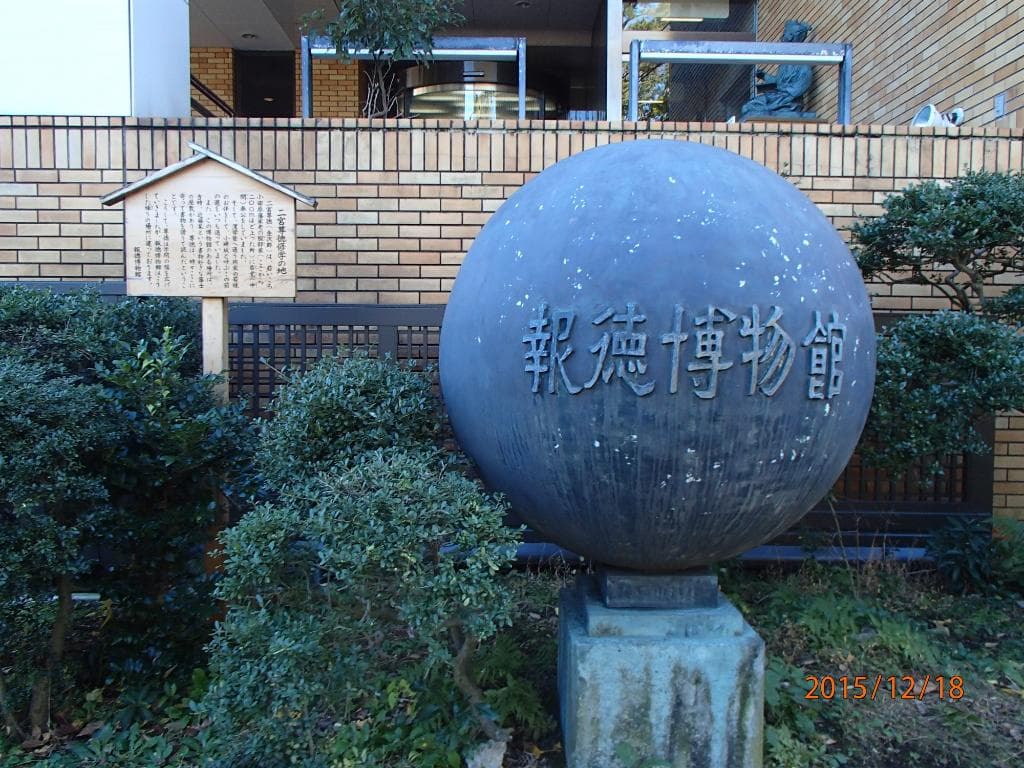
Hotoku Museum
Explore the profound Hotoku philosophy of Ninomiya Sontoku, a cornerstone of Japanese business ethics and personal development.
Highlights
Must-see attractions

Social
From TikTok & Reddit
Best Time
Fewer crowds, more personal attention
Hotoku Museum
Best Time
Fewer crowds, more personal attention
Highlights
Must-see attractions
Explore the profound Hotoku philosophy of Ninomiya Sontoku, a cornerstone of Japanese business ethics and personal development.
"Gained a deeper understanding of the Hotoku philosophy's principles of 'Sincerity → Work → Moderation → Deference.'"
Allocate Ample Time for Guides
Staff-led explanations offer profound insights into Hotoku philosophy, enriching your visit beyond exhibits.
Combine with Kinjiro Cafe
The museum has limited resting spots; the adjacent Kinjiro Cafe is a perfect complement.

Highlights
Discover the most iconic attractions and experiences
Ninomiya Sontoku's Philosophy
Second Floor Exhibition
Explore the life and teachings of Ninomiya Sontoku, a cornerstone of Japanese business ethics and a symbol of diligence.

The Enso Diagram Explanation
Exhibition Panels
Understand the concept of 'one-en-kan' and how Sontoku viewed harmony and universal connection through Zen's Enso symbol.

Legacy of Hotoku
Second Floor Exhibition
Discover how Sontoku's Hotoku spirit influenced modern entrepreneurs like Konosuke Matsushita and Toshio Doko.
Plans like a pro.
Thinks like you
Planning Your Visit
Embrace the Wisdom of Ninomiya Sontoku
Unlock Deeper Understanding
Best Times
Insider Tips
from TikTok, Instagram & Reddit
Allocate Ample Time for Guides
Staff-led explanations offer profound insights into Hotoku philosophy, enriching your visit beyond exhibits.
Combine with Kinjiro Cafe
The museum has limited resting spots; the adjacent Kinjiro Cafe is a perfect complement.
Engage with the Materials
Take home pamphlets and books to further explore Ninomiya Sontoku's teachings and their relevance today.
Understand the Enso Symbol
Learn about the 'one-en-kan' concept, representing harmony and universal connection, central to Sontoku's thought.
Tips
from all over the internet
Allocate Ample Time for Guides
Staff-led explanations offer profound insights into Hotoku philosophy, enriching your visit beyond exhibits.
Combine with Kinjiro Cafe
The museum has limited resting spots; the adjacent Kinjiro Cafe is a perfect complement.
Engage with the Materials
Take home pamphlets and books to further explore Ninomiya Sontoku's teachings and their relevance today.
Understand the Enso Symbol
Learn about the 'one-en-kan' concept, representing harmony and universal connection, central to Sontoku's thought.
What Travellers Say
Reviews Summary
Visitors praise the Hotoku Museum for its insightful exploration of Ninomiya Sontoku's philosophy, particularly appreciating the in-depth explanations provided by the knowledgeable staff. The museum offers a unique perspective on Japanese business ethics and personal development, though some note that the exhibits themselves are modest. It's recommended for those seeking a deeper understanding beyond a superficial visit.
"Gaining a deeper understanding of Ninomiya Sontoku❗️
I visited Ninomiya Sontoku's birthplace in Odawara and then went to the Sontoku Memorial Museum.
Staff member Koizumi-san gave me a wonderful explanation.
It was a weekday afternoon, and I was alone...
A one-on-one lecture on Ninomiya Sontoku.
It was a truly luxurious experience.
I learned a lot, especially about the Hotoku philosophy, as there were many explanations that weren't explained in the exhibits or videos.❗️
I gained a deeper understanding of the Hotoku philosophy's principles of "Sincerity → Work → Moderation → Deference"‼️
Thank you, Koizumi-san.
Afterwards, I visited Ninomiya Sontoku's grave and saw places associated with him.
It was a valuable lesson in shaping how we should be.
I recommend that you set aside plenty of time to listen to the guide's talk❗️"
R Hiroyuki
"This was my first visit to touch on Ninomiya Sontoku, a descendant of Japanese business ethics.
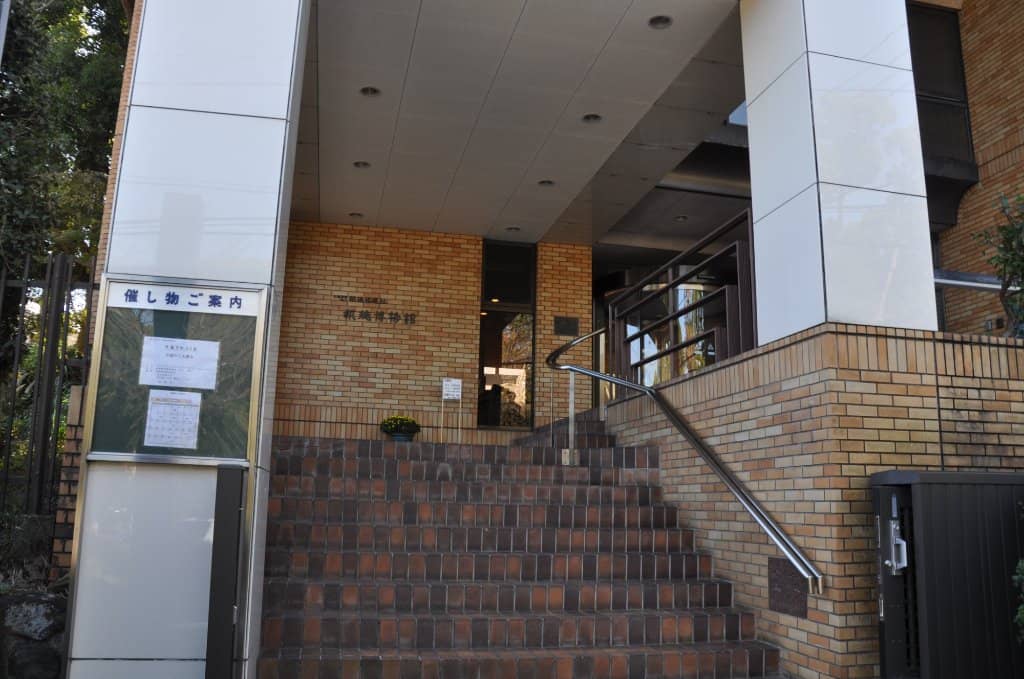
Reception is on the first floor, and the exhibition is on the second floor.
Take the elevator or stairs to the top, and you'll find a full range of exhibits that circle the entire floor.
Since I didn't have any prior knowledge, I didn't read the detailed explanations of the exhibits in order to get a good feel for the atmosphere.
However, it was just the right size to walk around and get a general idea of who he was, so I think I was able to get a sense of who he was!
(When you enter from the first floor, the doll in front of you looks big, but it's actually about 180cm tall, so it seems fine.)
The B1 floor is home to souvenirs such as gifts from China, and a conference room that is likely to be used for events, so it's worth checking out.
You can't rest much here, so I recommend planning a visit together with the Kinjiro Cafe next door."
Urouro Tokyo
"My handle name is a combination of Prince Shotoku and Ninomiya Sontoku, two people I respect, and this was a place I definitely had to visit when I went to Odawara.
After paying the 300 yen admission fee, I received four types of materials, including a pamphlet.
1. Easy Hotoku Series 1: Visiting places and museums related to Ninomiya Sontoku
・Visiting places and museums related to Ninomiya Sontoku
・Map
・Easy Hotoku Series 1: Hotoku as a principle of life: Ninomiya Sontoku and education
2. Ninomiya Sontoku's philosophy as seen through the Enso diagram - Explanation of the display panels -
3. Hotoku materials
4. Easy Hotoku stories
According to the materials on the Enso diagram, in the world of Zen, a round shape refers to the ultimate form (appearance) of the universe, and the most concise expression of all things, the entire universe, and the ultimate form of the world is a circle, that is, a round shape. This shape also means perfection, contentment, and harmony without corners. Sontoku was a man who would not be hostile to anyone, no matter how bad they were, but would think of them as if they were in a circle with him, and would think from the other person's side. This way of looking at things and thinking is described as "one-en-kan."
On the permanent exhibition floor on the second floor, there were panels explaining how the spirit of Houtoku was passed down to many entrepreneurs such as Konosuke Matsushita and Toshio Doko and became the foundation of Japan, as well as Sontoku's handwritten notes. I was impressed by the fact that Mushanokoji Saneatsu had a higher opinion of Ninomiya Sontoku than Saigo Nanshu. In fact, Saigo Nanshu was also influenced by the spirit of Houtoku.
The people in the museum were very warm and welcoming. Thank you very much."
尊徳太子
What People Like
What People Dislike
Frequently Asked Questions
🚇 🗺️ Getting There
The Hotoku Museum is conveniently located near Odawara Castle and Ninomiya Shrine. It's easily accessible by public transport, with many visitors arriving after exploring Odawara Castle.
While specific parking details aren't widely shared, its proximity to Odawara Castle suggests that public parking facilities near the castle are likely available. It's best to check local Odawara parking information.
Odawara Station is a hub for local transport. While a direct walk might be lengthy, it's a good starting point to catch a local bus or taxi to reach the museum efficiently.
🎫 🎫 Tickets & Entry
The admission fee is a modest 300 yen. This includes access to the permanent exhibition and various informational materials.
Information on specific discounts isn't readily available, but the low general admission fee makes it very accessible for most visitors.
Opening hours can vary, so it's recommended to check the official museum website or local listings before your visit to ensure you arrive during operating times.
Advance booking is generally not required for the Hotoku Museum, especially given its focus on individual learning and its typically low crowd levels on weekdays.
Your 300 yen admission typically includes access to the exhibition on the second floor and provides you with several types of informational materials, such as pamphlets and booklets.
🎫 🧭 Onsite Experience
To truly benefit from the detailed explanations and exhibits, it's recommended to set aside at least 1-2 hours, especially if you plan to engage with the staff's insights.
The museum offers educational content about Ninomiya Sontoku's life and philosophy, which can be valuable for older children interested in history and ethics.
Photography policies can vary. It's advisable to check for signage or ask museum staff about restrictions on photography within the exhibition areas.
The museum features panels explaining Sontoku's achievements, handwritten notes, and displays illustrating the Hotoku philosophy's influence on Japanese business ethics.
While not a formal tour, staff members are available to provide in-depth explanations, which many visitors find to be a highlight of their experience.
🍽️ 🍽️ Food & Dining
The museum itself does not appear to have dining facilities. However, it is located near the Kinjiro Cafe, which is recommended for refreshments.
Given its location near Odawara Castle and Ninomiya Shrine, you'll find various restaurants and cafes in the surrounding area offering local Japanese cuisine.
Typically, food and drinks are not permitted inside museum exhibition areas to preserve the exhibits. It's best to consume them outside or at designated areas.
📸 📸 Photography
While photography rules should be observed, the exhibits themselves, particularly displays on Ninomiya Sontoku's life and the Enso diagram, offer unique visual insights.
The museum's focus is on learning, so specific 'photo spots' might not be highlighted. However, the overall atmosphere and the historical context provide a rich backdrop.
For Different Travelers
Tailored advice for your travel style
👨👩👧 Families with Kids
To enhance the experience for younger visitors, consider pre-reading some simplified stories about Ninomiya Sontoku or discussing the core principles of Hotoku before your visit. The staff's willingness to explain concepts can also be a great asset; don't hesitate to ask them to simplify explanations for children. Pairing the visit with a walk around Odawara Castle or a visit to Ninomiya Shrine can make for a more varied and engaging day trip for the whole family.
🤓 History & Philosophy Enthusiasts
Visitors who appreciate detailed explanations will find the staff's willingness to provide one-on-one lectures invaluable. This personalized approach allows for a deeper understanding of Sontoku's complex ideas, going beyond what is presented in the static exhibits. The museum also offers publications that delve further into these topics, making it an ideal destination for those seeking to immerse themselves in the study of Japanese thought and its historical context.
Deep Dives
In-depth insights and expert knowledge
The Enduring Philosophy of Hotoku
One of the most insightful aspects of the exhibition is the explanation of the Enso diagram. In Zen Buddhism, the Enso represents the universe, perfection, and enlightenment. Sontoku applied this concept to human interaction, advocating for 'one-en-kan' – viewing others with empathy and understanding, as if they were part of the same circle. This philosophy encourages looking at situations from the other person's perspective, fostering harmony and mutual respect. The museum effectively illustrates how this principle, alongside Sontoku's emphasis on diligent work and frugality, has resonated through generations.
The museum also highlights the lasting impact of Hotoku on modern Japan. Panels showcase how figures like Konosuke Matsushita (founder of Panasonic) and Toshio Doko (former president of Toshiba) were inspired by Sontoku's teachings. This connection underscores the timeless relevance of his philosophy, demonstrating its role in shaping the success and ethical foundations of many Japanese corporations. The museum serves as a testament to Sontoku's enduring legacy, offering a valuable educational experience for anyone interested in Japanese history, ethics, and business principles.
A Visit to the Hotoku Museum: What to Expect
The exhibition features a variety of materials, including Sontoku's handwritten notes and panels detailing his life and achievements. A significant portion is dedicated to illustrating how the spirit of Hotoku has been passed down through influential figures in Japanese industry. The museum also offers original books for purchase, such as 'The Philosophy of Ninomiya Sontoku as Seen in Enso Diagrams,' allowing visitors to continue their learning journey after their visit. The B1 floor houses souvenirs and a conference room, adding to the facility's utility.
For those planning their visit, it's wise to allocate sufficient time to fully appreciate the content and, if possible, to benefit from the staff's explanations. The museum's proximity to other Odawara landmarks, such as Odawara Castle and Ninomiya Shrine, makes it an excellent addition to a day of sightseeing. Combining the museum visit with a stop at the adjacent Kinjiro Cafe is also a popular suggestion for a well-rounded experience.

Social
from TikTok, Instagram & Reddit