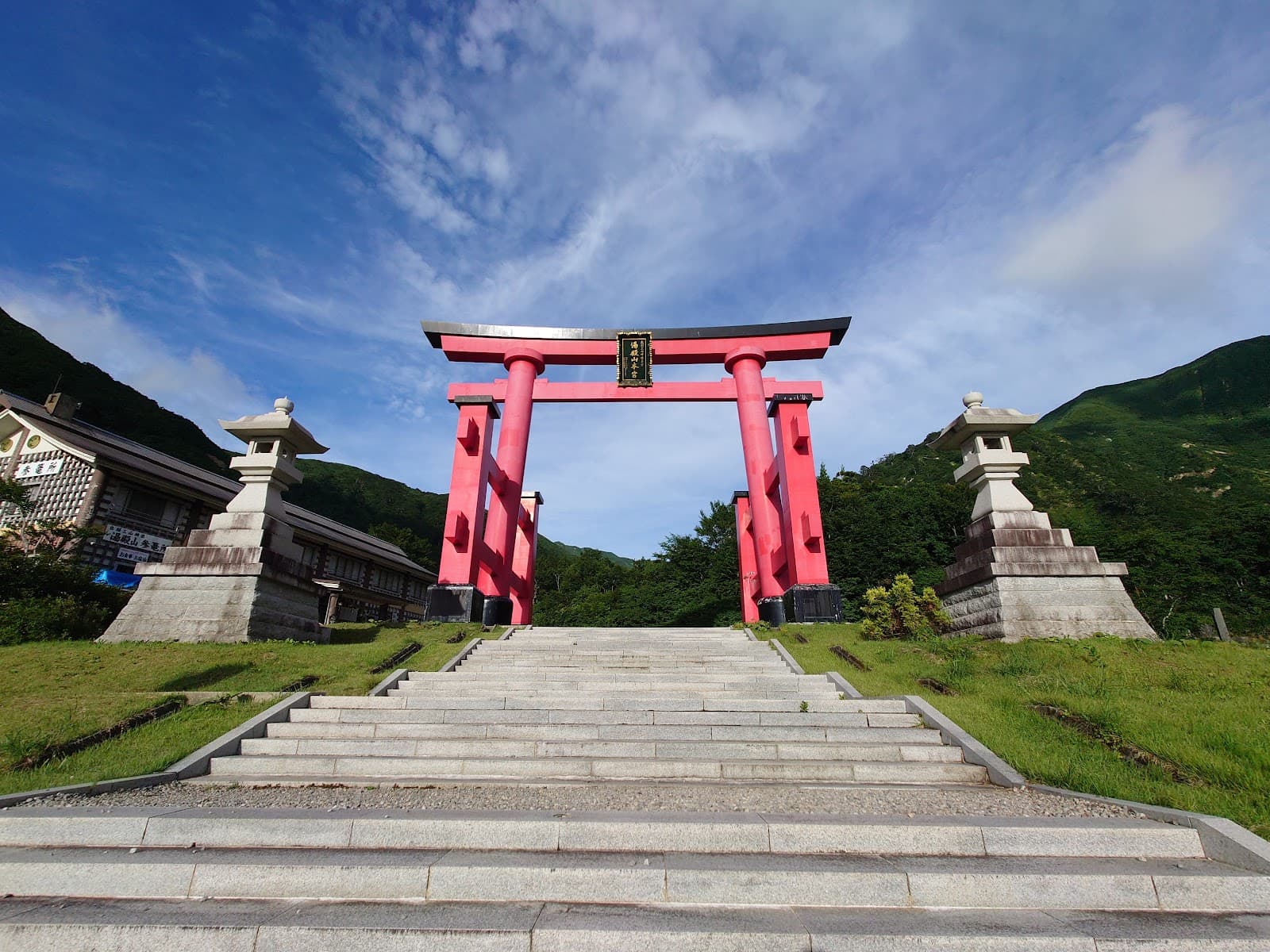
Mount Yudono Yamagata
A sacred mountain in Yamagata, known for its powerful purification rituals and a mysterious shrine at its peak. A place of rebirth and spiritual renew...
Highlights
Must-see attractions

Social
From TikTok & Reddit
Best Time
Open season for pilgrimage
Mount Yudono Yamagata
Best Time
Open season for pilgrimage
Highlights
Must-see attractions
A sacred mountain in Yamagata, known for its powerful purification rituals and a mysterious shrine at its peak. A place of rebirth and spiritual renewal.
"It's a holy place that you should definitely visit at least once, an extraordinary experience."
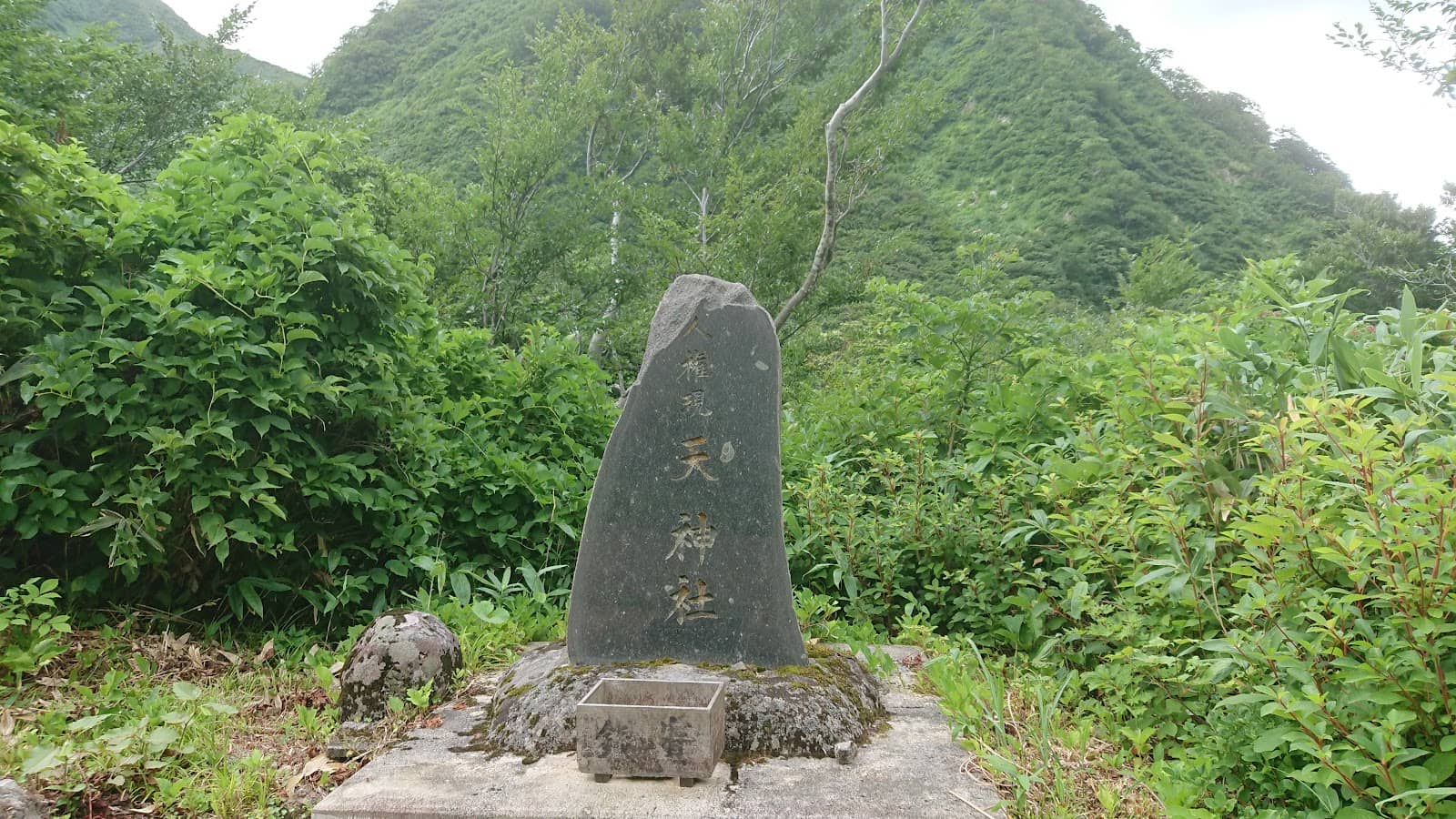
Respect the Silence
Photography is forbidden in sacred areas. Embrace the mystery and avoid discussing rituals openly. :camerawithflash:
Barefoot Purification
You'll go barefoot for rituals. Wear shoes that are easy to slip on and off. :athletic_shoe:
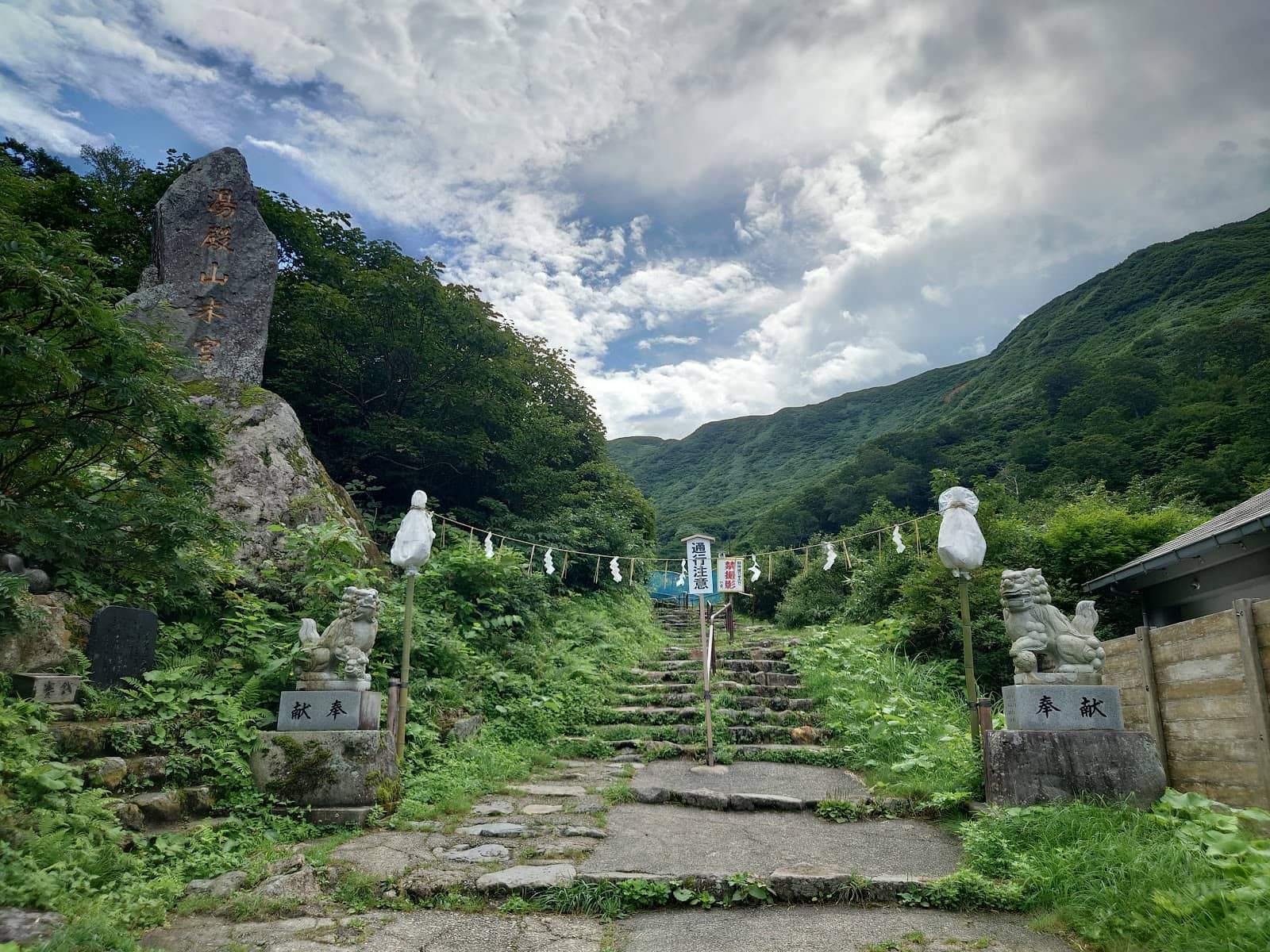
Quick Facts
Rating
4.8 · 61 reviews
Type
Natural Feature
Highlights
Discover the most iconic attractions and experiences
The Sacred Object
Peak of Mount Yudono
A mysterious, revered object at the summit, central to purification rituals. Its sacredness is emphasized by a strict no-photography rule.
Purification Ritual
Entrance to sacred grounds
Experience a unique Shinto purification, involving barefoot walking and symbolic cleansing. It's a profound spiritual practice.
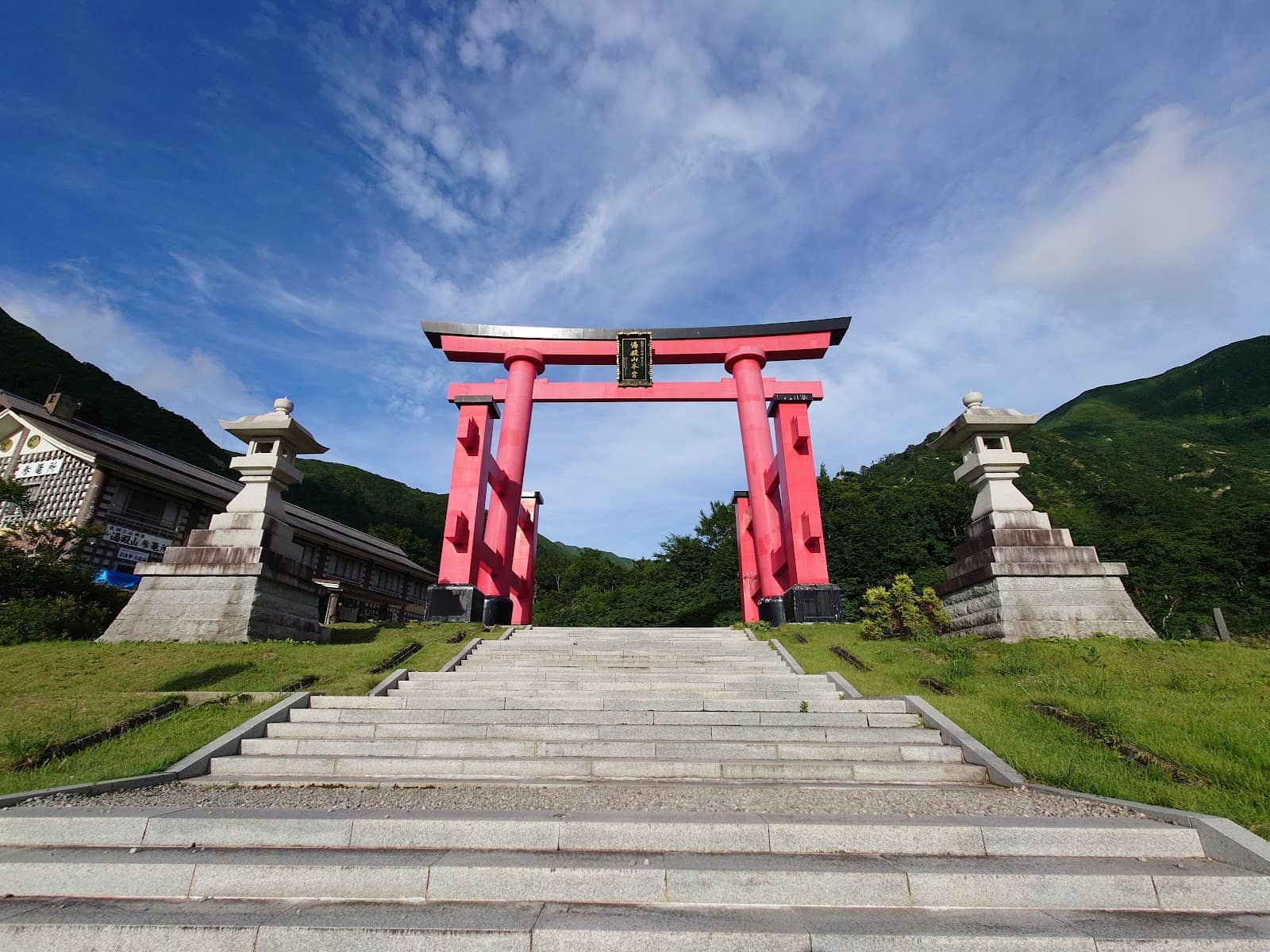
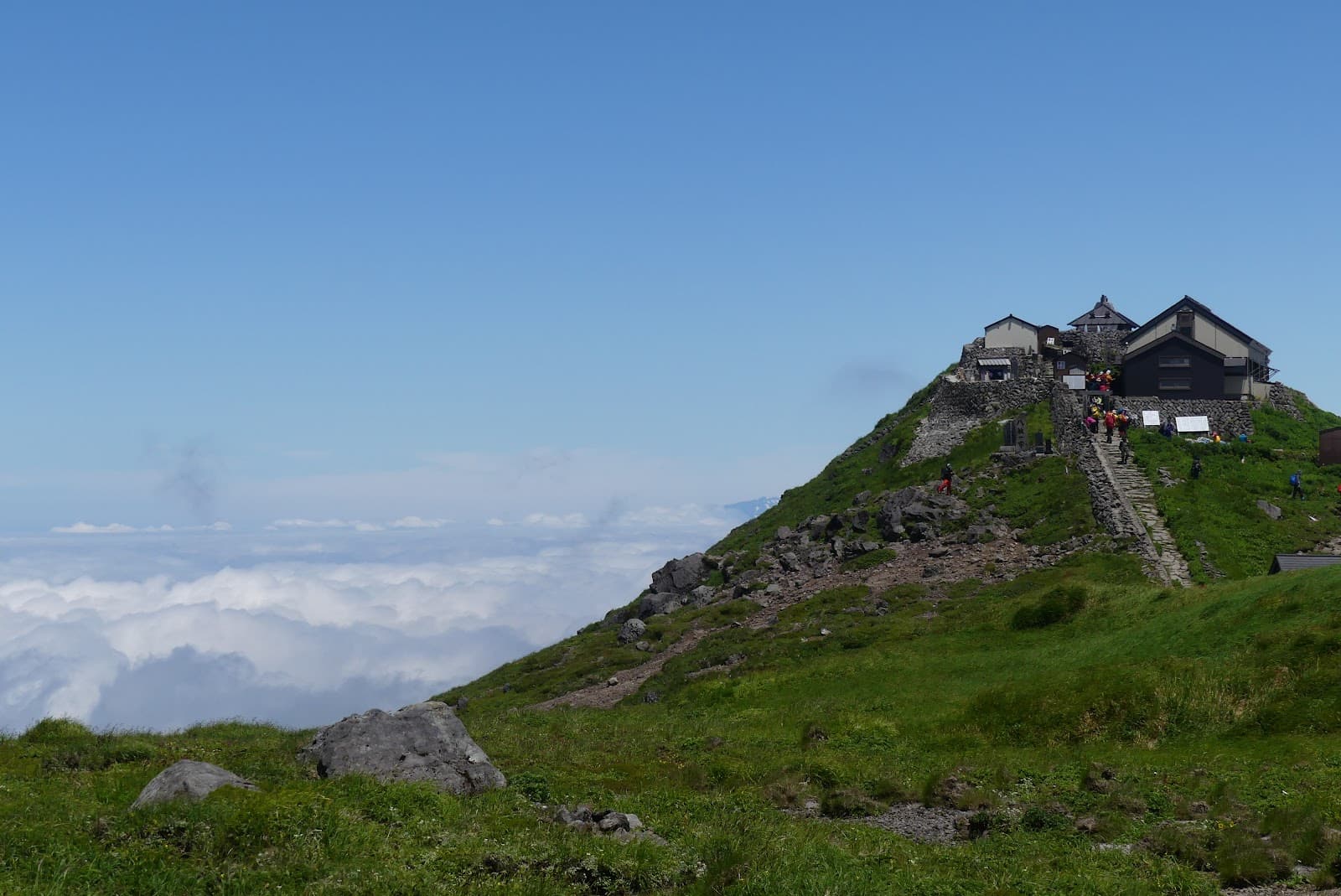
Panoramic Mountain Views
Summit trails
Enjoy breathtaking vistas of the surrounding Yamagata landscape from the mountain trails. A reward after the spiritual journey.
Hot Spring Foot Bath
Near the exit
Relax and rejuvenate in a free foot bath filled with the mountain's mineral-rich hot spring water after your visit.
Plans like a pro.
Thinks like you
Planning Your Visit
Embrace the Sacred Silence
Winter Closure & Footwear
Best Times
Insider Tips
from TikTok, Instagram & Reddit
Respect the Silence
Photography is forbidden in sacred areas. Embrace the mystery and avoid discussing rituals openly. :camerawithflash:
Barefoot Purification
You'll go barefoot for rituals. Wear shoes that are easy to slip on and off. :athletic_shoe:
Bus is Key
Private cars aren't allowed. The bus is the primary way to reach the shrine. 🚌
Hydration Caution
The hot spring water is highly acidic and rich in minerals; do not drink it. ⚠️
Tips
from all over the internet
Respect the Silence
Photography is forbidden in sacred areas. Embrace the mystery and avoid discussing rituals openly. :camerawithflash:
Barefoot Purification
You'll go barefoot for rituals. Wear shoes that are easy to slip on and off. :athletic_shoe:
Bus is Key
Private cars aren't allowed. The bus is the primary way to reach the shrine. 🚌
Hydration Caution
The hot spring water is highly acidic and rich in minerals; do not drink it. ⚠️
Plan for 30 Mins
The worship and purification process typically takes about 30 minutes. :stopwatch:
What Travellers Say
Reviews Summary
Visitors consistently describe Mount Yudono as a deeply spiritual and mysterious place, often calling it a powerful 'power spot.' The unique purification ritual and the sacred atmosphere are highlights, though the strict no-photography rule and the prohibition on discussing the sacred grounds add to its enigmatic allure. Some find the priest's behavior amusing, while others are deeply moved by the experience.
"A beautiful mountain that is part of what is known as the Three Sacred Mountains of Dewa in Yamagata Prefecture. Mt. Yudono is known as the mountain of rebirth and has a very special shrine at its peak that is forbidden to talk about or speak about in detail. Though if you would like to learn more, The Hidden Japan, a Yamagata travel website has an excellent article on Mt. Yudono where you can learn more."
Derek Yamashita
"The admission fee (purification fee) to Mt. Yudono is 500 yen. You must go barefoot, bow your head to receive a prayer, rub a piece of paper cut into the shape of a human over your entire body, then let it flow into the waterway to purify yourself. Then, walk the gentle stone steps to the sacred object for about 5 minutes. At the worship area to the left of the sacred object, you can pray to the ocean and mountains to the west. The entire worship takes about 30 minutes. Do not drink the flowing hot spring water. It is a highly acidic, iron-sulfur-rich hot spring. There is a free foot bath just before the exit on your way back. A 6km bus ride to the main shrine of Yudono-san Shrine costs 400 yen round trip and 200 yen one way. Private cars are not permitted. The mountain is closed during the winter (early November to late May) due to snow."
Eri Yamada
"It's so amazing 💖It's so mysterious that if people in the past had seen this place, they would have thought it was a divine work by the gods and Buddhas 🙏It's a holy place that you should definitely visit at least once😌💓"
うっかり八平衛
What People Like
What People Dislike
Frequently Asked Questions
🚇 🗺️ Getting There
The most common way to reach Mount Yudono is by bus from Tsuruoka Station or Dainichibo Temple. Private cars are not permitted on the mountain road. The bus ride offers scenic views of the surrounding nature.
No, private vehicles are not allowed to drive directly to the main shrine. You will need to use the designated bus service.
Bus services typically run from late April/early May to late October/early November, coinciding with the mountain's open season. It's advisable to check the latest schedules as they can vary.
The bus journey from Tsuruoka Station to Mount Yudono can take approximately 1.5 to 2 hours, depending on the route and stops.
No, Mount Yudono is closed to visitors during the winter months, typically from early November to late May, due to heavy snowfall.
🎫 🎫 Tickets & Entry
There is an admission fee, referred to as a purification fee, of 500 yen. This fee covers the purification ritual and access to the sacred grounds.
Tickets are typically purchased on-site upon arrival. Advance booking is generally not required, but it's always good to check for any specific seasonal requirements.
The admission fee includes a purification ritual where you'll walk barefoot and perform symbolic cleansing before entering the sacred area.
There are no specific age restrictions mentioned for visiting Mount Yudono, but the barefoot ritual might be challenging for very young children or individuals with mobility issues.
The mountain is generally open from late spring to autumn. Specific opening hours can vary, but it's usually accessible during daylight hours when the season permits.
🎫 🧭 Onsite Experience
The most important rules are the prohibition of photography in sacred areas and the request not to discuss the details of the rituals or the sacred object. Respect the sanctity of the place.
Wear comfortable clothing and shoes that are easy to remove, as you will be going barefoot for the purification ritual.
Photography is strictly prohibited in the sacred areas of Mount Yudono. Please respect this rule to maintain the spiritual atmosphere.
The ritual involves going barefoot, bowing, rubbing a paper effigy over your body, and letting it flow into a waterway. It's a deeply symbolic cleansing process.
While there isn't a strict dress code, modest and comfortable attire is recommended. The key is to be able to easily remove your shoes for the barefoot ritual.
🍽️ 💧 Food & Drink
There are limited food options directly at the shrine. It's advisable to eat before you arrive or pack snacks. There might be some vendors near the bus stop.
No, the hot spring water at Mount Yudono is highly acidic and rich in iron and sulfur. It is not safe for consumption.
Yes, there are usually small shops near the shrine where you can purchase souvenirs and religious charms.
While there's hot spring water, it's not for drinking. It's best to bring your own water bottle, especially during warmer months.
The nearest towns, like Tsuruoka, offer a variety of local Japanese cuisine. Expect regional specialties if you dine before or after your visit.
📸 📸 Photography
Absolutely not. Photography of the sacred object and within the main worship area is strictly forbidden.
Photography is generally prohibited within the core sacred grounds. You might be able to take photos of the surrounding natural scenery on the approach trails, but always be mindful of signage.
The prohibition is to maintain the sanctity and spiritual atmosphere of the site, respecting the traditions and the reverence for the sacred object.
The approach to the shrine, the natural landscapes on the trails, and the bus ride itself can offer beautiful photographic opportunities.
Selfies are generally discouraged within the sacred precincts. It's best to focus on the experience rather than capturing images.
Social
from TikTok, Instagram & Reddit