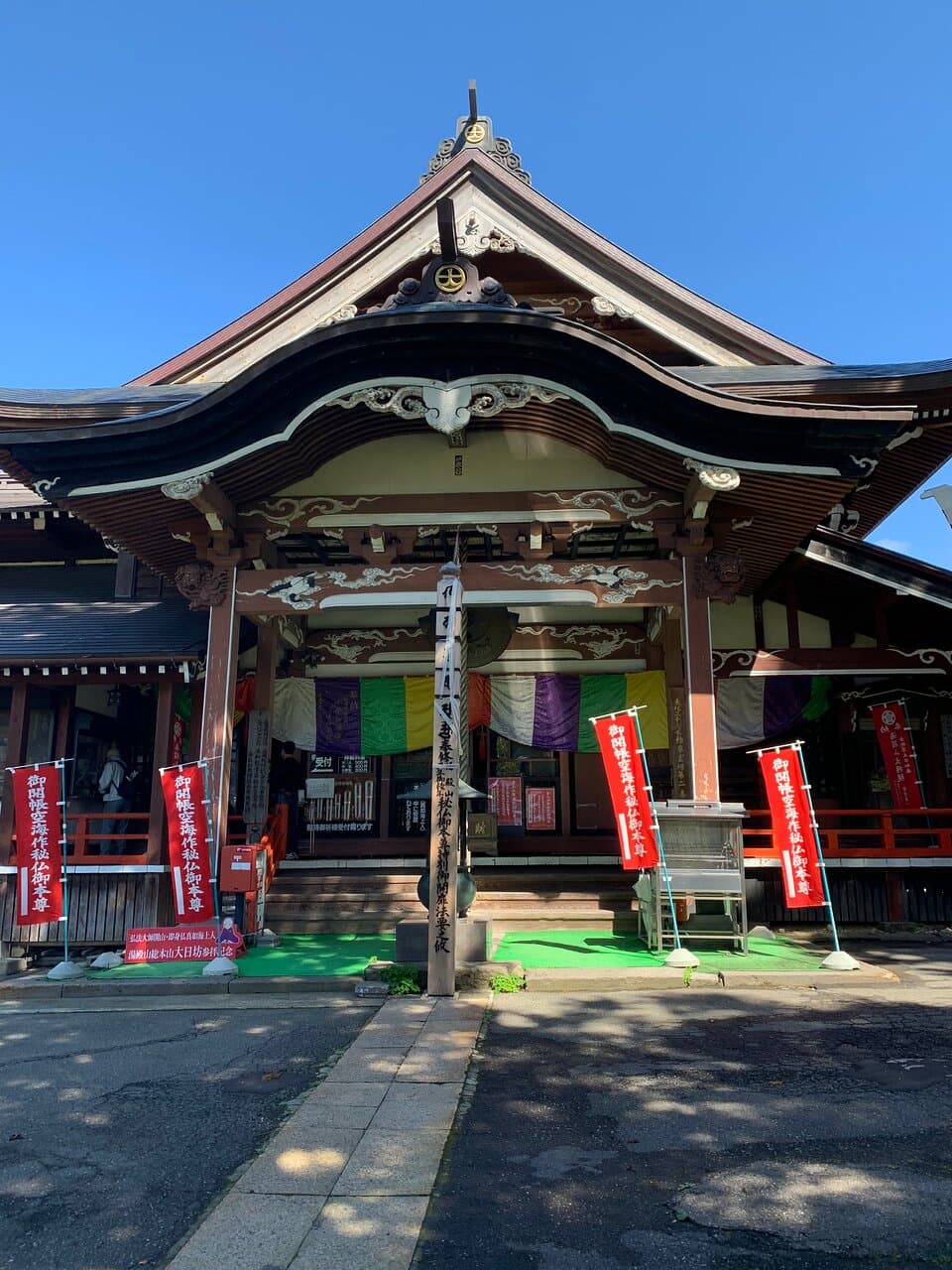
Dainichibo Temple Sokushinbutsu
Witness the profound legacy of Sokushinbutsu (mummified monks) at Dainichibo Temple, a sacred site steeped in ancient Buddhist practices.
Highlights
Must-see attractions

Social
From TikTok & Reddit
Best Time
Clearer access, pleasant weather
Dainichibo Temple Sokushinbutsu
Best Time
Clearer access, pleasant weather
Highlights
Must-see attractions
Witness the profound legacy of Sokushinbutsu (mummified monks) at Dainichibo Temple, a sacred site steeped in ancient Buddhist practices.
"A profoundly unique and spiritual experience, though access and communication require careful planning."
🚗 Hire a Car or Taxi
Public transport is scarce. A taxi or rental car is highly recommended for easier access.
🗣️ Prepare for Language Barrier
Monks are welcoming but may not speak English. Consider a translator or research beforehand.
Highlights
Discover the most iconic attractions and experiences
Sokushinbutsu Mummies
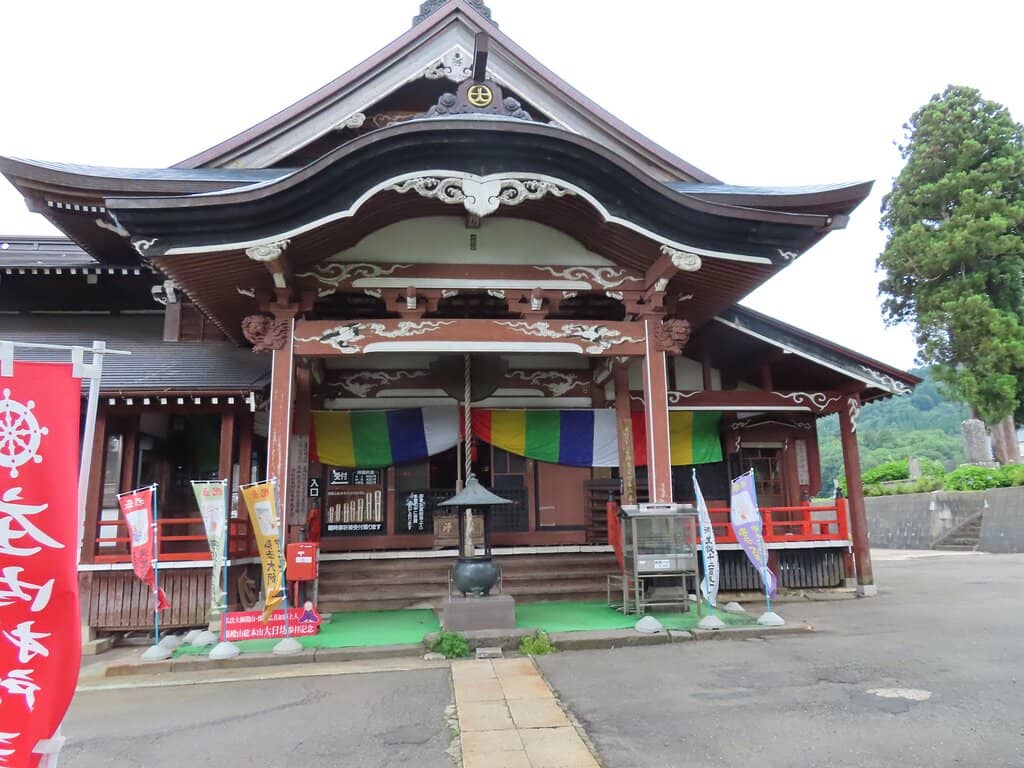
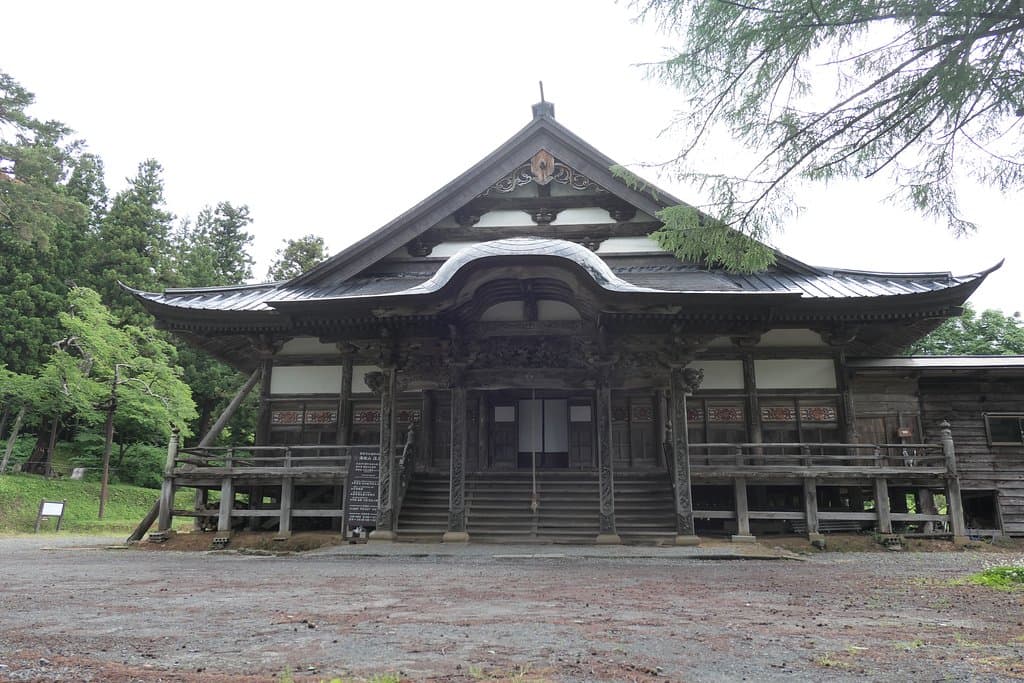
Main Hall
Witness the preserved mummified monks, a profound testament to extreme ascetic practices.
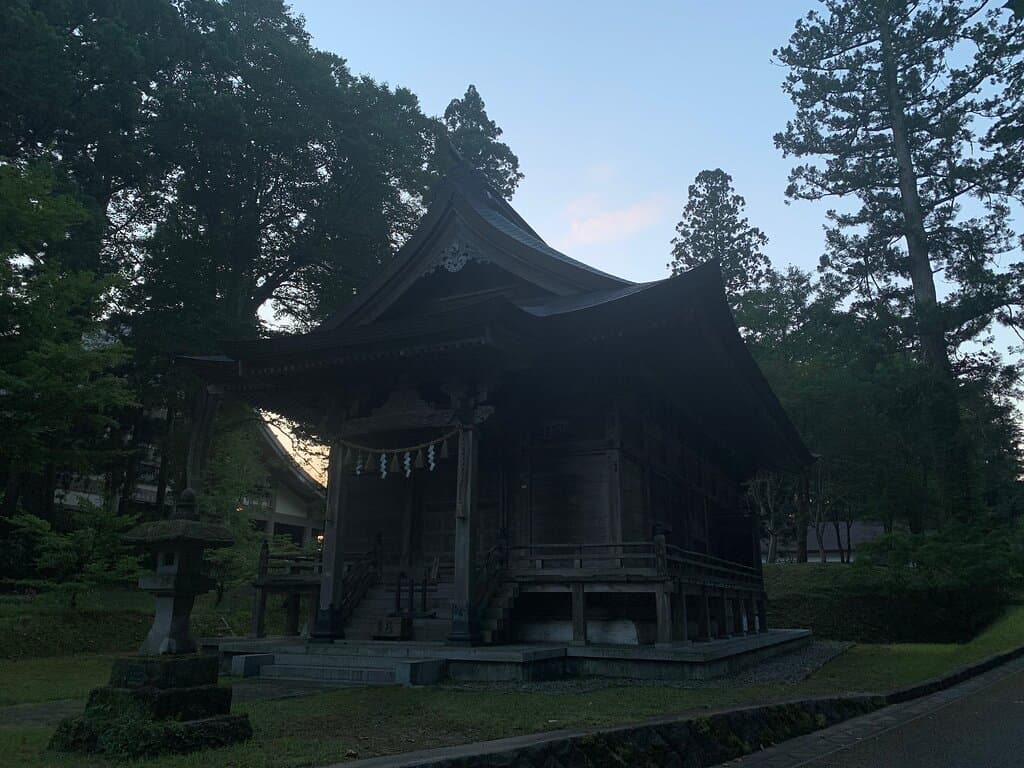
Hall of Deities
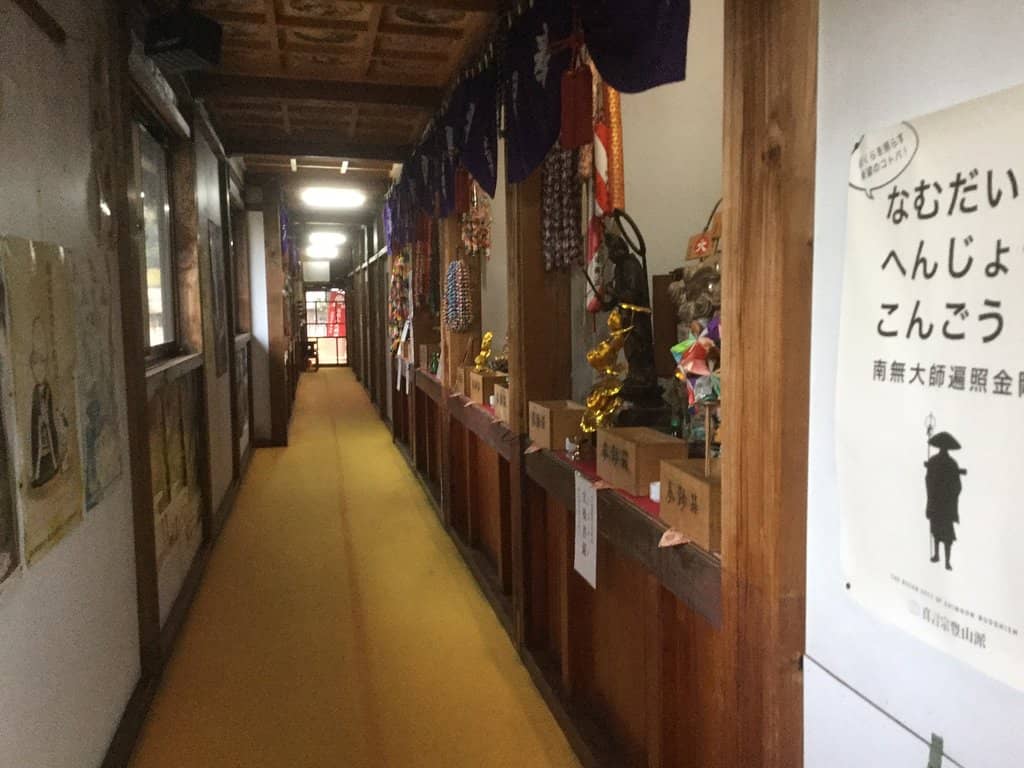
Adjacent Hall
Explore a stunning collection of various Buddha statues and deities, showcasing rich Buddhist art.
Atmospheric Mountain Setting
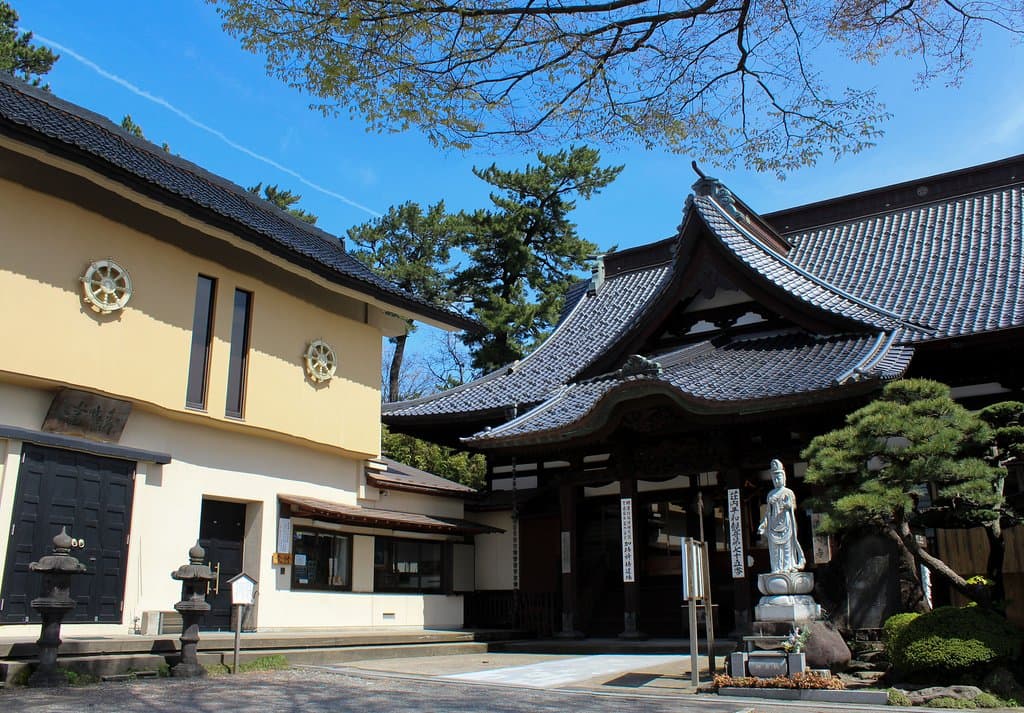
Temple Grounds
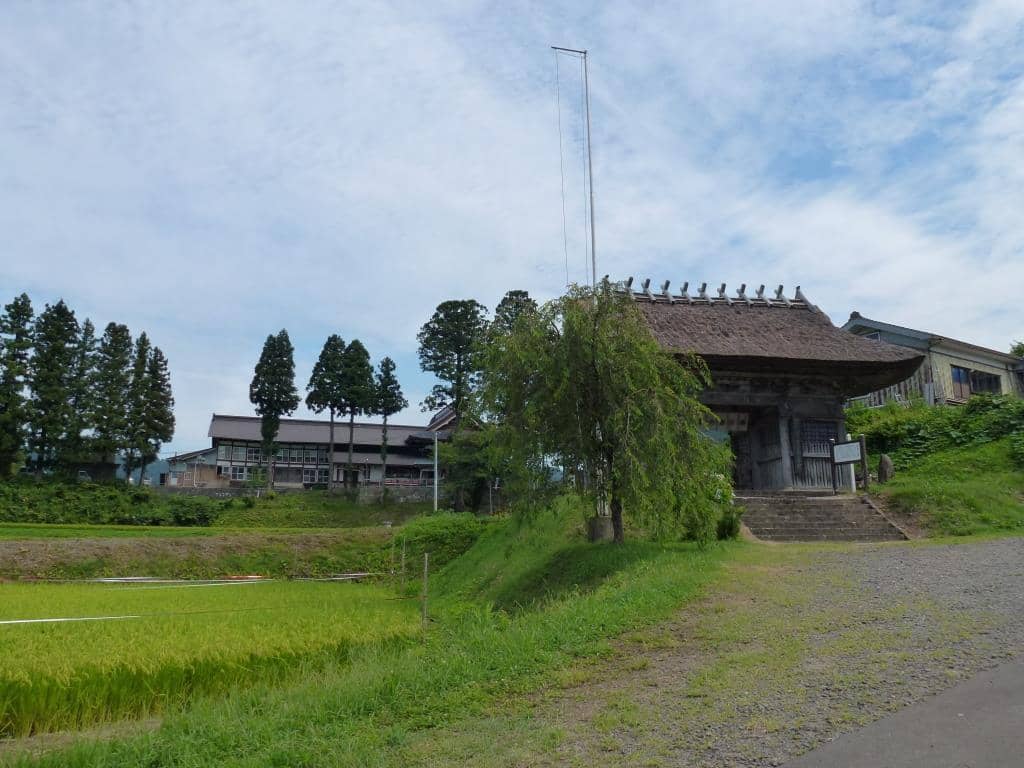
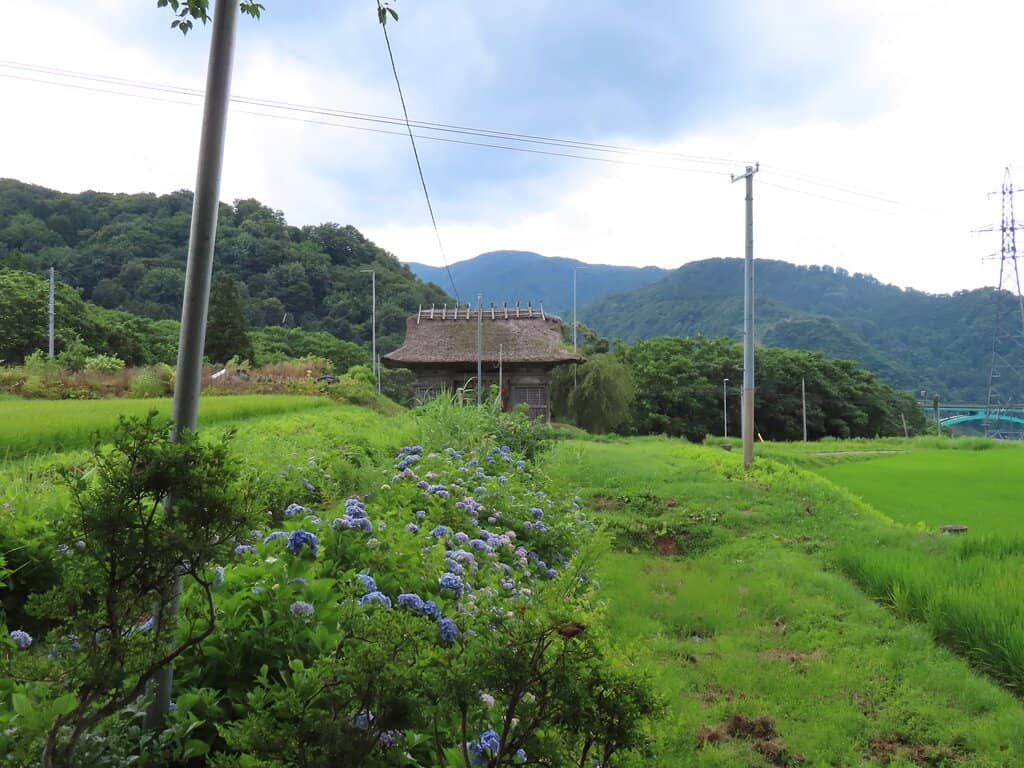
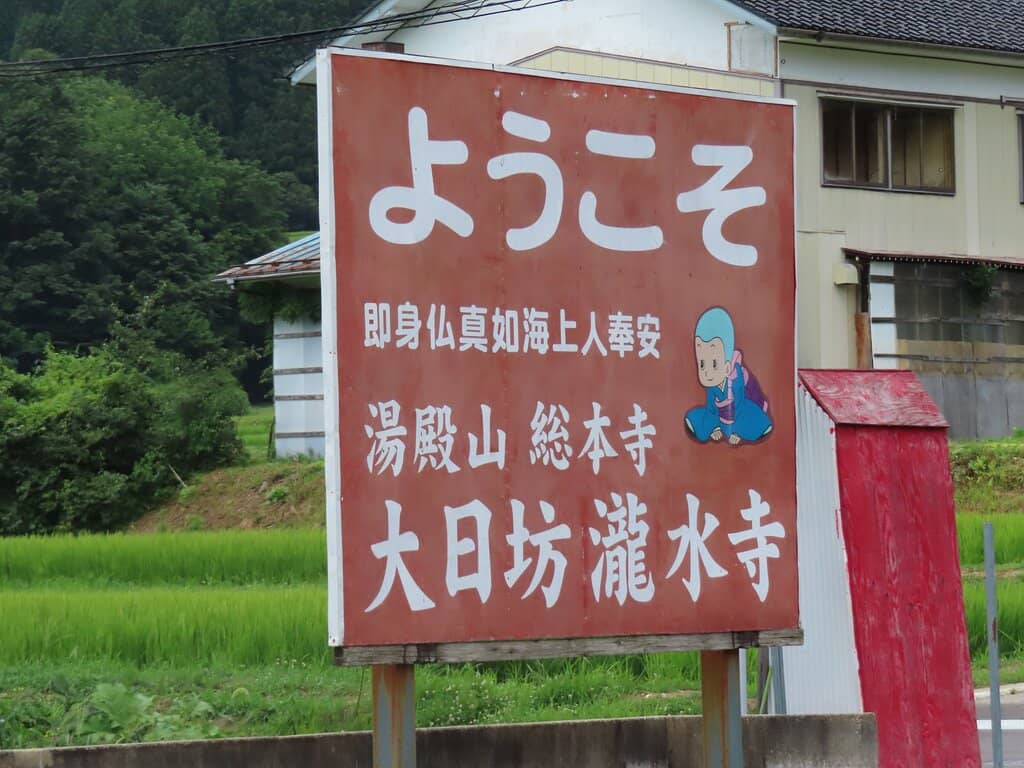
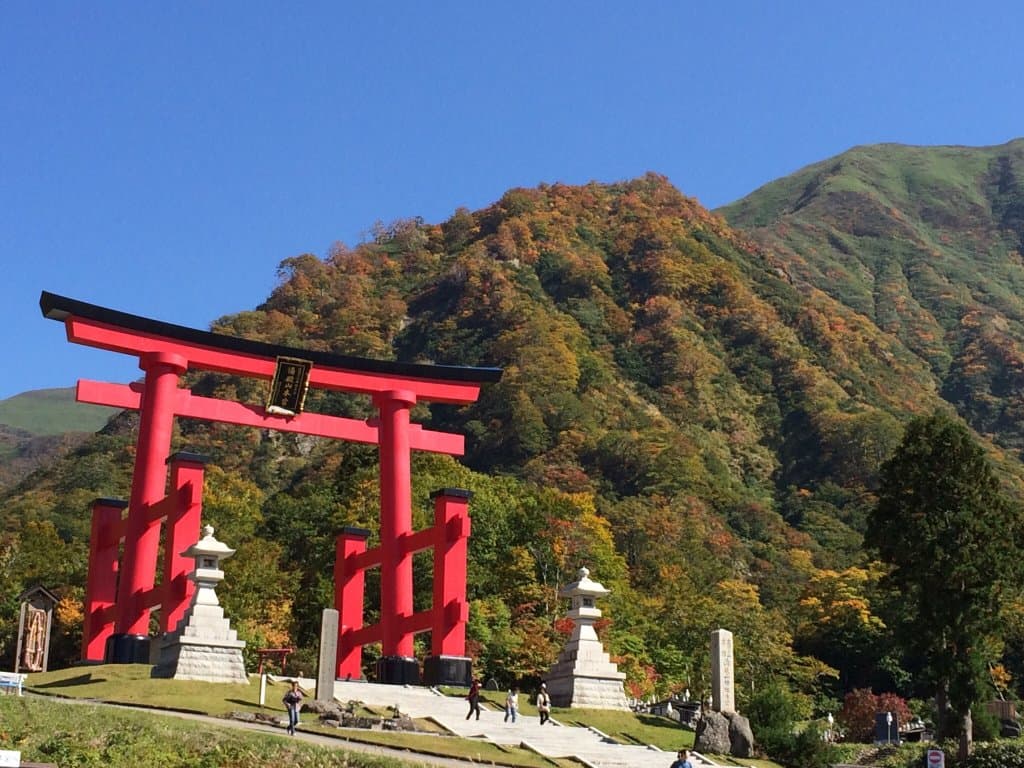
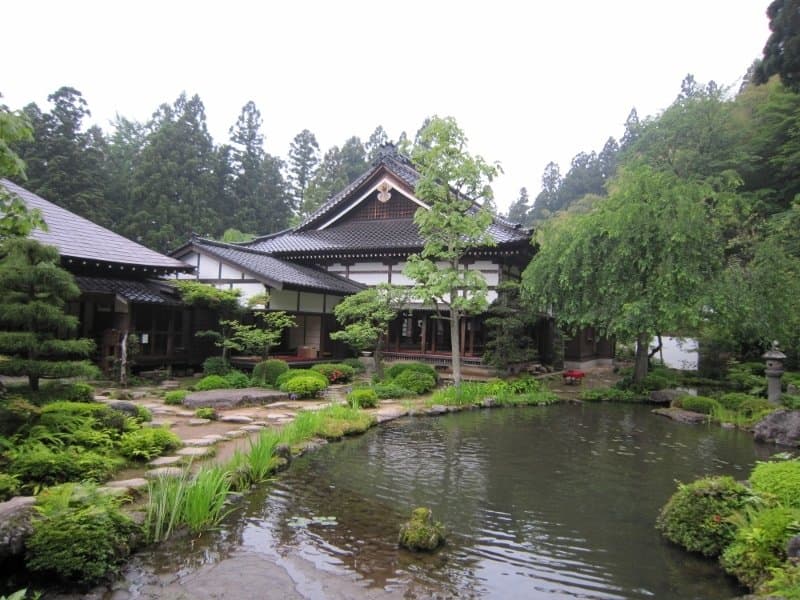
Enjoy the serene mountain views and rice fields surrounding the temple, especially before opening hours.
Plans like a pro.
Thinks like you
Planning Your Visit
Accessing Dainichibo Temple
Understanding the Experience
Best Times
Insider Tips
from TikTok, Instagram & Reddit
🚗 Hire a Car or Taxi
Public transport is scarce. A taxi or rental car is highly recommended for easier access.
🗣️ Prepare for Language Barrier
Monks are welcoming but may not speak English. Consider a translator or research beforehand.
❄️ Avoid Winter Visits
Deep snow and icy roads can make access impossible. Check conditions before traveling in winter.
⏳ Allow Ample Time
Don't feel rushed. Take your time to absorb the history and artifacts.
Tips
from all over the internet
🚗 Hire a Car or Taxi
Public transport is scarce. A taxi or rental car is highly recommended for easier access.
🗣️ Prepare for Language Barrier
Monks are welcoming but may not speak English. Consider a translator or research beforehand.
❄️ Avoid Winter Visits
Deep snow and icy roads can make access impossible. Check conditions before traveling in winter.
⏳ Allow Ample Time
Don't feel rushed. Take your time to absorb the history and artifacts.
💰 Be Prepared for Fees
Entry, candles, and amulets have separate fees. It's a sacred place, but also a business.
What Travellers Say
Reviews Summary
Dainichibo Temple offers a profoundly unique and spiritual experience centered around its Sokushinbutsu (mummified monks). Visitors are often moved by the historical and ascetic significance of the site, and the welcoming nature of the monks. However, the challenging access via limited public transport and potential language barriers can detract from the experience for some.
"We missed the bus from S-mall in Tsuruoka so we got a taxi instead to take us to the temple. We arrived before they were open so we were able to enjoy the view of the rice fields and the gate. Once we they were open we paid to go in and did the prayer. From there he took us to see the sokushinbutsu. We felt a bit rushed there, he handed us the flyer they wrote up in English and didn’t have time to read it. Then he had us scan a YouTube link, which we watched. And then there was another QR Code but it didn’t work so he rushed us out. We would have liked more time to look at the sokushinbutsu and the artifacts around. We were able to get the omamori made of the previous clothes that he had worn (¥1000). Afterwards it’s a hall of all the different deities, which was amazing to see. We got our goshuin stamp and then walked our way down the mountain. There are only two buses that come to that area. I highly recommend a personal car if you are looking to come here."
Sami Collins
"I prefer to be in a quiet room and just take in the history of this place I’ve read in silence. There’s also a lot of asking for money—3x minimum to be precise—tickets to enter, to light a candle and another ¥1000 for the “amulet”. It honestly felt like it has become a business instead of a sacred place."
Hal Mer
"Ryusuiji Dainichibo Temple is one of the most important temples in the whole Dewa Sanzan area. As home to a Sokushinbutsu, the temple was one of only two to stay true to its Shingon Buddhist roots when the other Dewa Sanzan changed allegiances multiple times over the centuries. The temple is covered in Buddhist relics, including a hallway featuring many famous Buddha statues."
Tim Bunting (Kiwi Yamabushi)
What People Like
What People Dislike
Frequently Asked Questions
🚇 🗺️ Getting There
Public transport is very limited, with only two buses serving the area. Many visitors find it easiest to hire a taxi from Tsuruoka or use a personal car. Access can be impossible in winter due to snow.
The access road is described as steep and narrow, especially challenging in winter conditions. A personal car offers the most flexibility, but be prepared for the road conditions.
Hiring a taxi from Tsuruoka is a common alternative to public transport. This allows for more flexibility and direct access to the temple.
Visiting in winter can be very difficult or impossible due to deep snow and icy conditions on the access road. It's advisable to check local weather and road conditions before planning a winter trip.
Information on dedicated shuttle services is scarce. The primary public transport options are limited buses, making private transport or taxis more reliable.
🎫 🎫 Tickets & Entry
There is an admission fee to enter the temple grounds and view the Sokushinbutsu. Additional fees may apply for lighting candles or purchasing amulets.
The temple typically opens in the morning, but specific hours can vary. It's recommended to arrive before closing time to fully experience the site.
Advance booking is generally not required for entry to Dainichibo Temple. Tickets can usually be purchased upon arrival.
Information on discounts is not widely available. It's best to inquire directly at the temple if you are eligible for any special rates.
Admission typically grants access to the main hall to see the Sokushinbutsu and the hall of deities. Some experiences, like lighting candles, may incur extra charges.
🎫 🧭 Onsite Experience
Sokushinbutsu are mummified monks who achieved enlightenment through extreme ascetic practices, including self-starvation and meditation, to preserve their bodies after death. Dainichibo Temple is home to several of these mummies.
Photography rules can vary. It's best to observe signage or ask permission before taking pictures, especially of the mummified monks.
While some English flyers or QR codes might be available, comprehensive explanations in English can be limited. A translator or prior research is helpful.
This hall houses numerous statues of various Buddhist deities, offering a glimpse into the rich iconography and art of Shingon Buddhism.
Visitors may witness monks performing rituals, including drumming and blessings with streamers. You might be invited to kneel on tatami mats for a blessing.
🍽️ 🍽️ Food & Dining
Dining options directly at the temple are limited, primarily to small shops selling amulets and souvenirs. You'll likely need to travel back to Tsuruoka for a wider selection of restaurants.
The temple may offer some basic refreshments or snacks, but it's not a primary dining destination. It's advisable to bring your own snacks or plan to eat elsewhere.
Tsuruoka offers a range of Japanese cuisine. Local specialties might include fresh seafood and regional dishes.
Formal dining facilities are not typically available at Dainichibo Temple. The focus is on the spiritual experience rather than culinary offerings.
The nearest significant dining options are in Tsuruoka city. You'll find a variety of restaurants and cafes there.
📸 📸 Photography
Photography rules can be strict, especially inside the halls where the Sokushinbutsu are displayed. Always look for signage or ask for permission before taking photos.
The exterior grounds offer scenic views of the surrounding rice fields and mountains. The Hall of Deities might also be photogenic, but always check restrictions.
Photography of the Sokushinbutsu is often prohibited due to the sacred nature of the site. Respect the rules and the solemnity of the display.
A versatile lens that can handle both wider exterior shots and closer details inside would be useful. Consider a camera with good low-light performance if interior photography is permitted.
Drone usage is generally prohibited at religious sites to maintain peace and respect. Always adhere to local regulations regarding drone operation.
For Different Travelers
Tailored advice for your travel style
👨👩👧 Families with Kids
Practical considerations include the challenging access; a car or taxi is highly recommended to avoid long waits or missed buses. Be prepared for potential admission fees and the possibility of limited English explanations. It's advisable to gauge your children's interest in historical and religious sites before visiting, and perhaps prepare them with age-appropriate information beforehand.
🚶 Solo Travelers
Logistical planning is key for solo visitors due to the transport challenges. Relying on taxis or pre-arranging transport will be essential. Be prepared for the potential language barrier; having a translation app or a phrasebook can be helpful for interacting with the monks or understanding information. The opportunity to experience such a unique spiritual practice firsthand is a significant draw for independent explorers.
🏛️ History & Culture Enthusiasts
Exploring the Hall of Deities provides insight into Buddhist iconography and artistry. To maximize the experience, consider researching the history of the Dewa Sanzan region and the specific practices of the Sokushinbutsu before your visit. This will allow for a deeper appreciation of the temple's unique heritage and the profound spiritual journey it represents.
Deep Dives
In-depth insights and expert knowledge
The Profound Practice of Sokushinbutsu
Visitors can observe these mummified monks behind glass enclosures, a deeply moving and unique experience. The monks at Dainichibo Temple are often willing to share insights into this practice, though communication can be a barrier for non-Japanese speakers. The temple itself is a significant site within the Dewa Sanzan region, maintaining its Shingon Buddhist roots throughout centuries of religious shifts.
Understanding the historical and spiritual context of the Sokushinbutsu is key to appreciating the profound dedication and sacrifice involved. While the practice is no longer actively performed, the preserved bodies serve as powerful reminders of a unique spiritual path.
Navigating Access and Winter Challenges
Winter conditions pose an even greater obstacle. The access road is described as steep and narrow, and heavy snowfall can render it impassable. Visitors planning a trip during the colder months should be prepared for potential cancellations or the need for specialized vehicles. The atmospheric beauty of the temple is undeniable, but accessibility is a crucial factor to consider when planning your itinerary.
For those without a personal vehicle, hiring a taxi is often the most practical solution. While this incurs additional cost, it provides direct access and flexibility, especially if you plan to visit other nearby sites. Researching local taxi services in Tsuruoka in advance is recommended.
Cultural Immersion and Communication
However, a significant aspect of the visitor experience can be the language barrier. While some English information might be available through flyers or QR codes, in-depth explanations from the monks may be difficult to understand without Japanese language proficiency. This can lead to a feeling of being rushed or not fully grasping the nuances of the teachings.
To enhance your visit, consider doing some pre-trip research on the history of Sokushinbutsu and Shingon Buddhism. This will provide a foundational understanding that can enrich your experience, even if direct communication is limited. If possible, traveling with someone who speaks Japanese can greatly enhance the depth of your cultural immersion.
Social
from TikTok, Instagram & Reddit