Bando POW Camp
Explore the remnants of a WWI German POW camp, the birthplace of Baumkuchen in Japan, set within a serene park.
Highlights
Must-see attractions

Social
From TikTok & Reddit
Best Time
Cherry blossoms bloom beautifully
Bando POW Camp
Best Time
Cherry blossoms bloom beautifully
Highlights
Must-see attractions
Explore the remnants of a WWI German POW camp, the birthplace of Baumkuchen in Japan, set within a serene park.
"Interesting to see the remnants of the old camp, best understood after visiting the German House Museum."
Visit German House First
Get historical context at the German House Museum before exploring the camp ruins. :informationdeskperson:
Wear Comfortable Shoes
The site is a park with uneven ground, foundations, and steps. :athletic_shoe:
Highlights
Discover the most iconic attractions and experiences
POW Camp Foundations
Main camp area
Explore the remaining foundations and structures of the WWI German POW camp, offering a glimpse into the past.
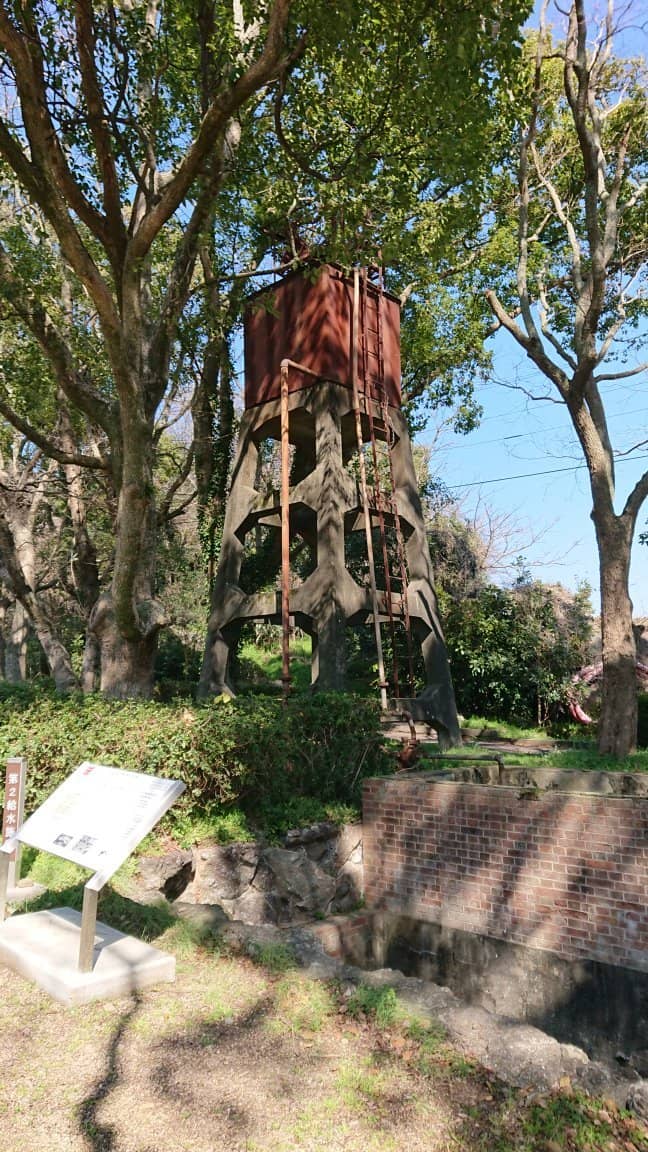
Baumkuchen Birthplace
Near the camp entrance
Discover the site where Baumkuchen, a popular German cake, was first introduced to Japan.
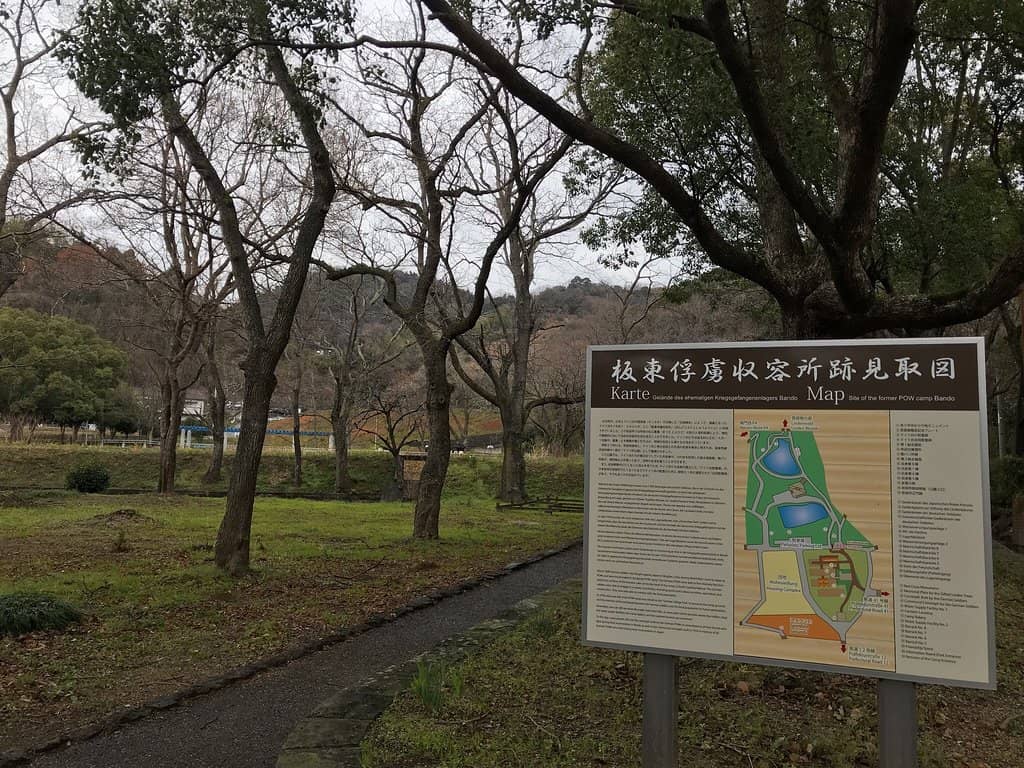
Scenic Park Setting
Throughout the site
Enjoy the well-maintained park with benches and paths, especially beautiful during cherry blossom season.
Plans like a pro.
Thinks like you
Planning Your Visit
Combine with German House Museum
Best Footwear for Uneven Terrain
Best Times
Insider Tips
from TikTok, Instagram & Reddit
Visit German House First
Get historical context at the German House Museum before exploring the camp ruins. :informationdeskperson:
Wear Comfortable Shoes
The site is a park with uneven ground, foundations, and steps. :athletic_shoe:
Springtime Cherry Blossoms
The park is particularly stunning with cherry blossoms in bloom. :cherry_blossom:
Winter Wind Advisory
The site is on a mountainside, so expect strong winds in winter. :cloudwithwind_face:
Tips
from all over the internet
Visit German House First
Get historical context at the German House Museum before exploring the camp ruins. :informationdeskperson:
Wear Comfortable Shoes
The site is a park with uneven ground, foundations, and steps. :athletic_shoe:
Springtime Cherry Blossoms
The park is particularly stunning with cherry blossoms in bloom. :cherry_blossom:
Winter Wind Advisory
The site is on a mountainside, so expect strong winds in winter. :cloudwithwind_face:
What Travellers Say
Reviews Summary
Visitors find the Bando POW Camp an interesting historical site, particularly for its connection to the introduction of Baumkuchen in Japan. While the remnants are evocative, many recommend visiting the German House Museum first for context, as the camp site itself could benefit from more informational displays. The park setting is pleasant, especially during cherry blossom season.
"The birthplace of Baumkuchen in Japan. Interesting to see the remains of the WWI POW camp."
Max Rossmann
"Interesting, but it could be kept in a better state and with more information panels. Everything there makes sense only after visiting the German House Museum and Exhibition which is 100 mt uphill along the road. I suggest to park by the German House and walk to the camp ruins by foot after visiting the exhibition"
DF
"Very interesting to see the remnants of the old camp. Only 10 minutes walk from the German House Museum where you can learn thw history of the POW camp in Tokushima."
Zoe
What People Like
What People Dislike
Frequently Asked Questions
🚇 🗺️ Getting There
The Bando POW Camp is located in Tokushima Prefecture, Japan. It's often visited in conjunction with the German House Museum. Parking is available at the museum, and it's a short walk from there to the camp remnants. Public transport options might involve local buses from Tokushima City, but checking current schedules is recommended.
Yes, driving is a convenient way to reach the Bando POW Camp. There is parking available, particularly at the nearby German House Museum, which is recommended as a starting point for your visit. :car:
🎫 🎫 Tickets & Entry
The Bando POW Camp itself is a historical site within a park, and generally does not require an entrance fee. However, it's highly recommended to visit the adjacent German House Museum, which may have an admission fee. :ticket:
As the camp site is part of a park, it's generally accessible during daylight hours. The German House Museum, which provides crucial context, will have specific operating hours that you should check in advance. :clock1:
🎫 🧭 Onsite Experience
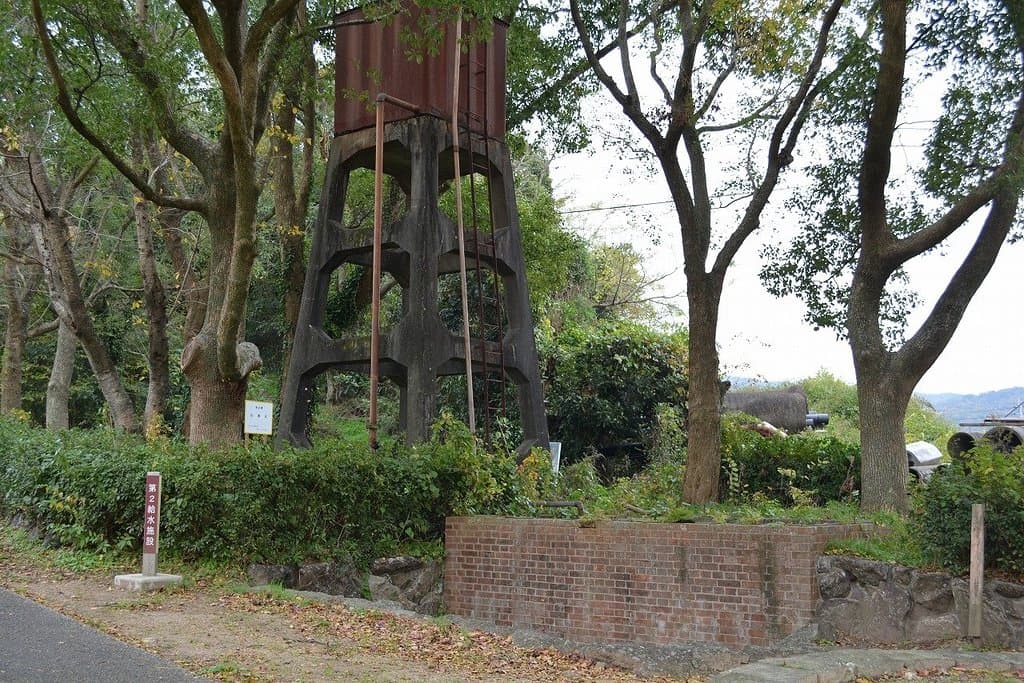
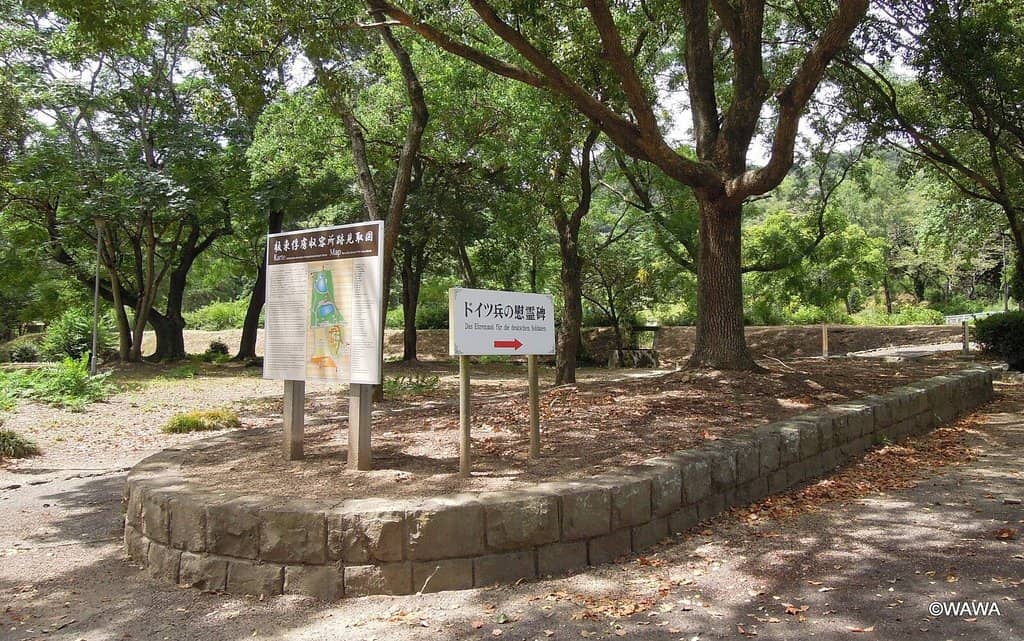
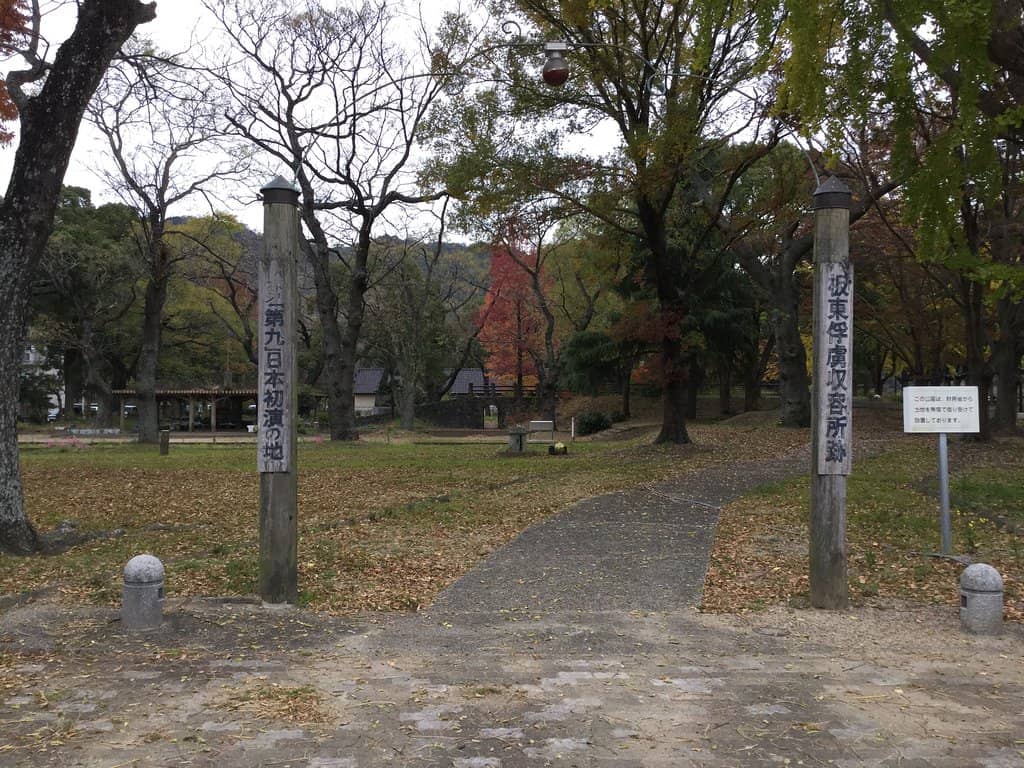
You can see the remnants of the WWI German POW camp, including foundations, benches, and steps. It's a park setting with historical significance, known as the birthplace of Baumkuchen in Japan. :camerawithflash:
A visit to the Bando POW Camp site itself can take about 30 minutes to an hour. However, it's best to allocate additional time for the German House Museum to fully appreciate the history. :stopwatch:
The site is a park with historical remnants, which might be interesting for older children who can appreciate history. Younger children might find it less engaging unless combined with the museum visit. :child:
Some reviews suggest that more information panels would be beneficial. It's highly recommended to visit the German House Museum beforehand to gain a comprehensive understanding of the site's history. :memo:
🍽️ 🍽️ Food & Dining
While there might not be dining facilities directly at the Bando POW Camp site, the nearby German House Museum or local areas in Tokushima Prefecture will offer dining options. It's advisable to check local listings for restaurants and cafes. :forkandknifewithplate:
As the site is a park, picnicking might be possible in designated areas. However, it's always good practice to check local regulations or ask at the German House Museum to ensure you're following any guidelines. :sandwich:
📸 📸 Photography
The remnants of the camp foundations, the park's natural beauty (especially during cherry blossom season), and the overall historical atmosphere offer great photo opportunities. Capture the contrast between the historical ruins and the serene park setting. :camerawithflash:
Regulations regarding drone usage can vary significantly by location in Japan. It's essential to check with local authorities or the German House Museum for any restrictions before flying a drone over the Bando POW Camp site. :drone:
For Different Travelers
Tailored advice for your travel style
👨👩👧 Families with Kids
Practical tip: Bring snacks and drinks, as on-site facilities might be limited. Comfortable walking shoes are a must for navigating the uneven terrain. Consider making it a short, educational outing combined with other family-friendly activities in the Tokushima area.
🏛️ History Buffs
Key takeaway: Focus on the social and cultural history rather than just the military aspects. The site provides a rare opportunity to explore the humanitarian side of wartime internment and the lasting legacies of cultural exchange. Don't miss the chance to learn about the origins of Baumkuchen in Japan.
Deep Dives
In-depth insights and expert knowledge
Historical Significance of the Bando POW Camp
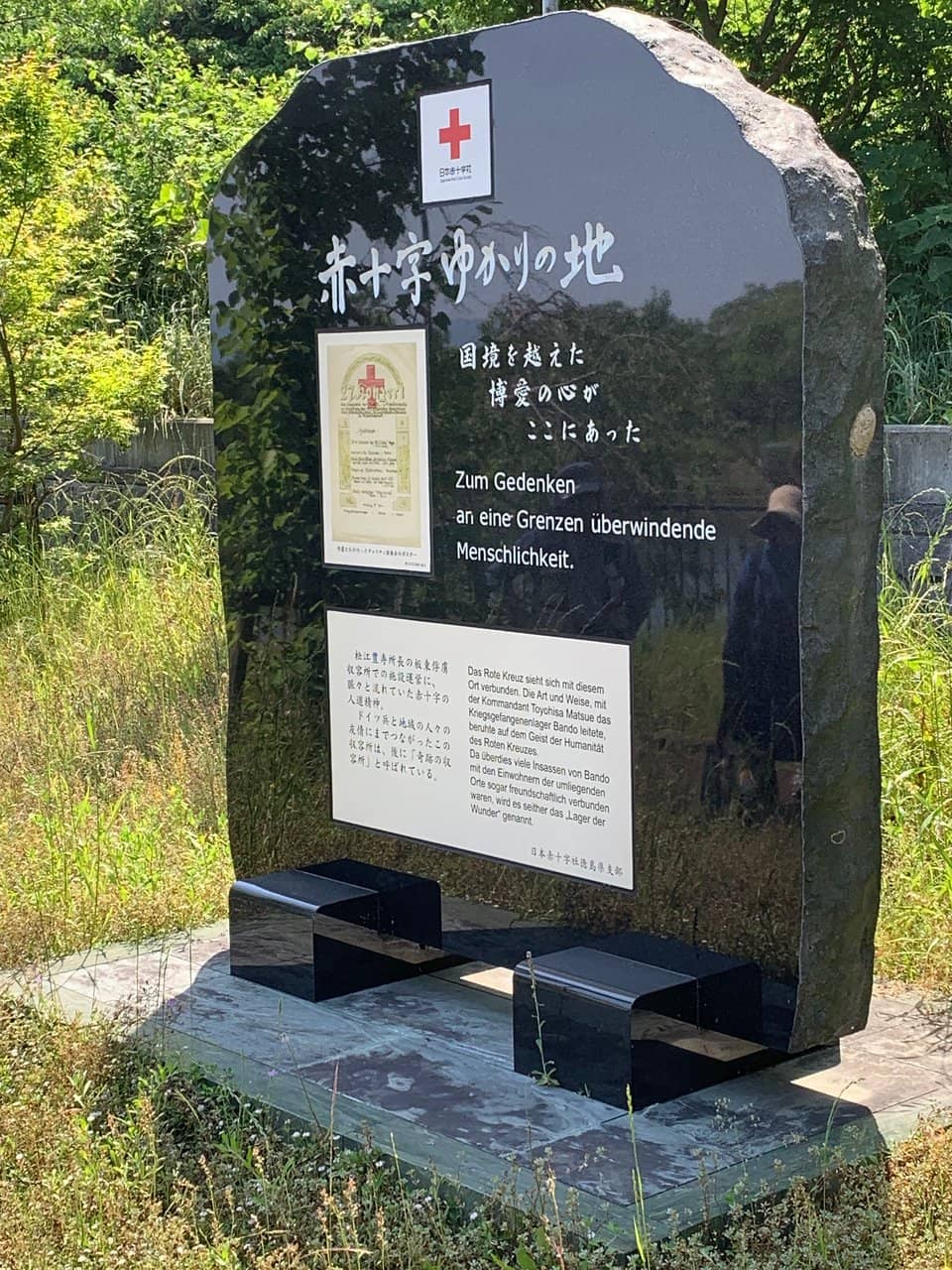
Visitors can explore the remnants of the camp, including foundations, benches, and pathways, which offer a tangible connection to this past. While the site is now a park, the historical context is crucial for understanding its importance. Many visitors find that visiting the German House Museum beforehand greatly enhances their appreciation of the Bando POW Camp site, providing detailed information about the prisoners' lives and their interactions with the local population. This museum is located just uphill from the camp remnants.
The site is described as a peaceful park, particularly beautiful in spring with cherry blossoms. However, it's also noted that the site could benefit from more information panels. The experience is often described as 'interesting' and 'historic,' with a sense of quiet reflection. The park's location on a mountainside means it can be windy, especially in winter.
Experiencing the Bando POW Camp Today
Many visitors emphasize the importance of the German House Museum as a companion visit. This museum provides the narrative and context that brings the scattered remnants of the camp to life. Without this background, the site might feel less impactful. The museum is conveniently located uphill from the camp, making it easy to combine the two. Reviews suggest that parking is readily available at the museum.
While the site offers a unique historical perspective, some visitors have noted that additional information panels would enhance the visitor experience. Nevertheless, the overall sentiment is positive, highlighting the site's historical value and its serene park setting. It's a place that offers a quiet moment of contemplation about a lesser-known aspect of Japanese history during WWI.


Social
from TikTok, Instagram & Reddit