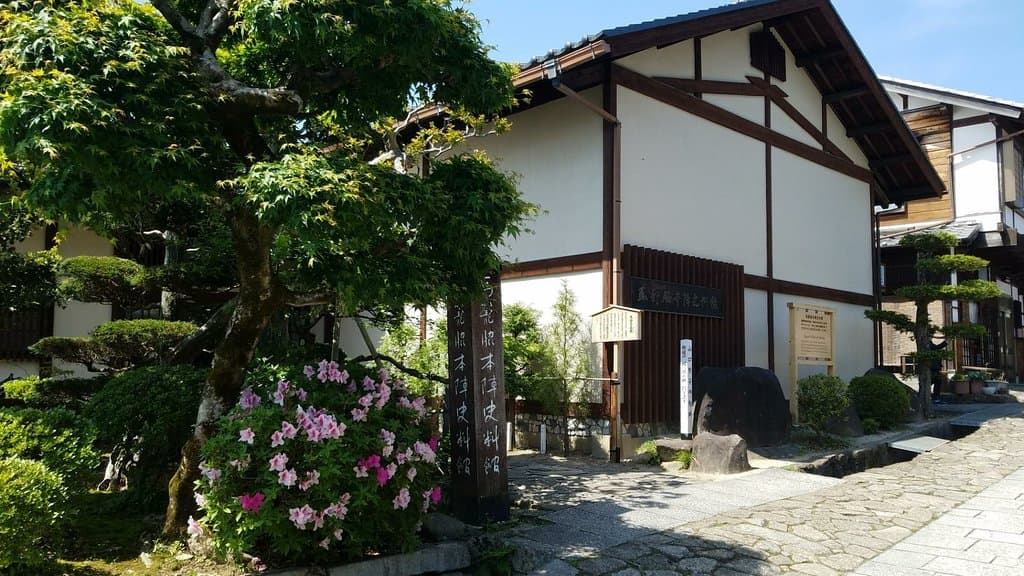
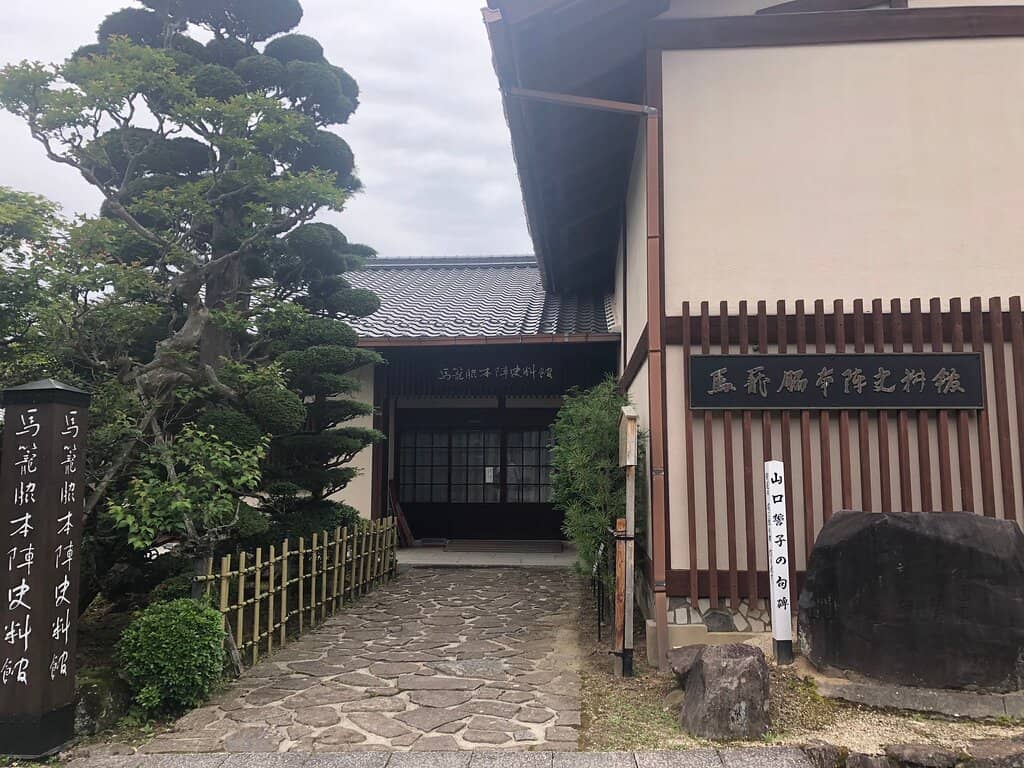
Wakihonjin Museum Magome Kiso Valley Japan
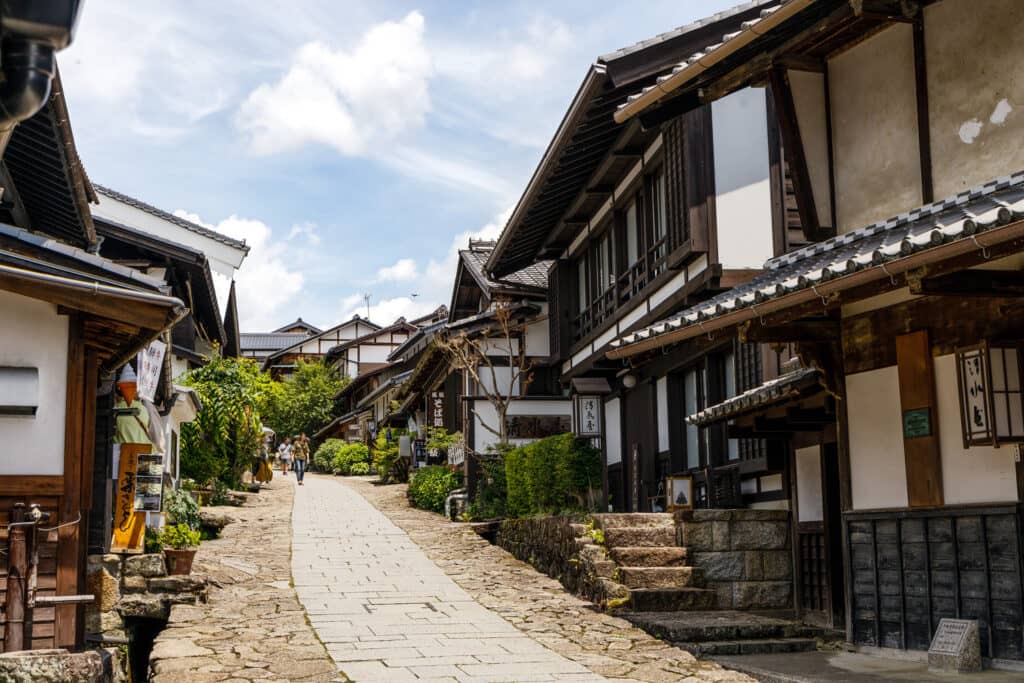
Step back in time in Magome-juku, a beautifully preserved Edo-period post town on the historic Nakasendo trail.
Highlights
Must-see attractions

Social
From TikTok & Reddit
Best Time
Fewer crowds, more authentic feel
Wakihonjin Museum Magome Kiso Valley Japan
Best Time
Fewer crowds, more authentic feel
Highlights
Must-see attractions
Step back in time in Magome-juku, a beautifully preserved Edo-period post town on the historic Nakasendo trail.
"An interesting little museum giving an insight into how the Nakasendo trail worked with the little villages hosting the aristocracy travelling along the way."
🚶♀️ Walk the Samurai Road
Experience the historic Nakasendo trail connecting Magome and Tsumago for an immersive Edo-period journey. :athletic_shoe:
🕰️ Visit Wakihonjin Early
Explore the museum before peak hours to better appreciate the historical exhibits and atmosphere. :ticket:
Highlights
Discover the most iconic attractions and experiences

Edo-Period Architecture
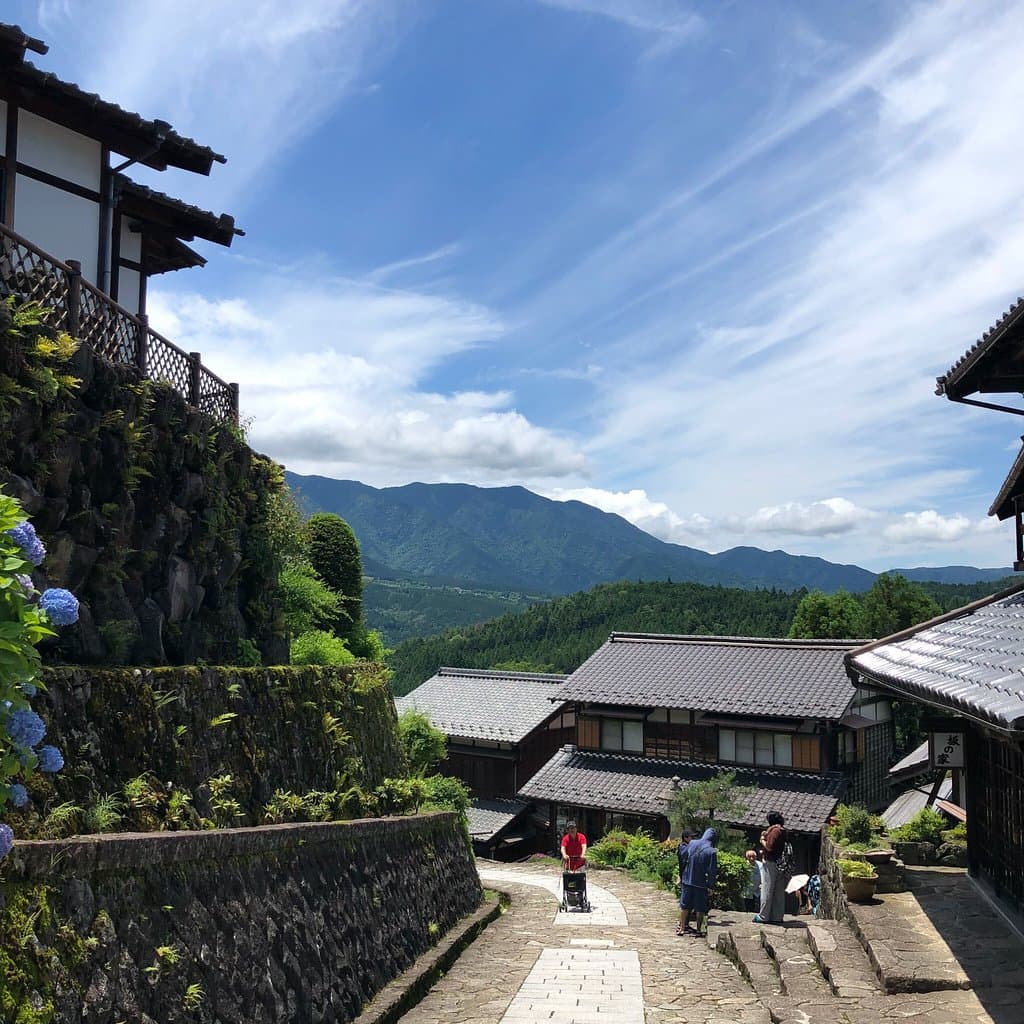
Magome-juku Post Town
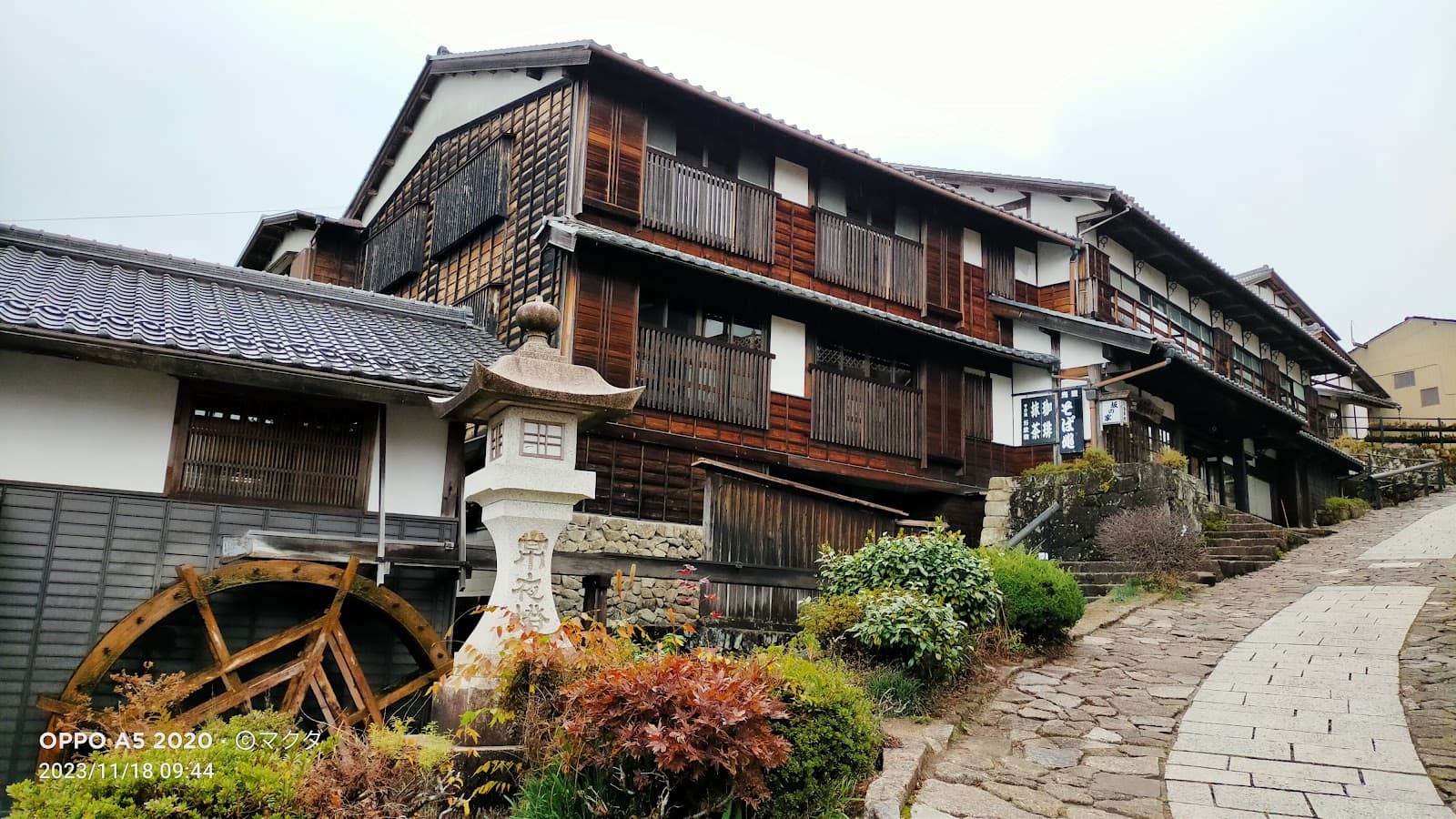
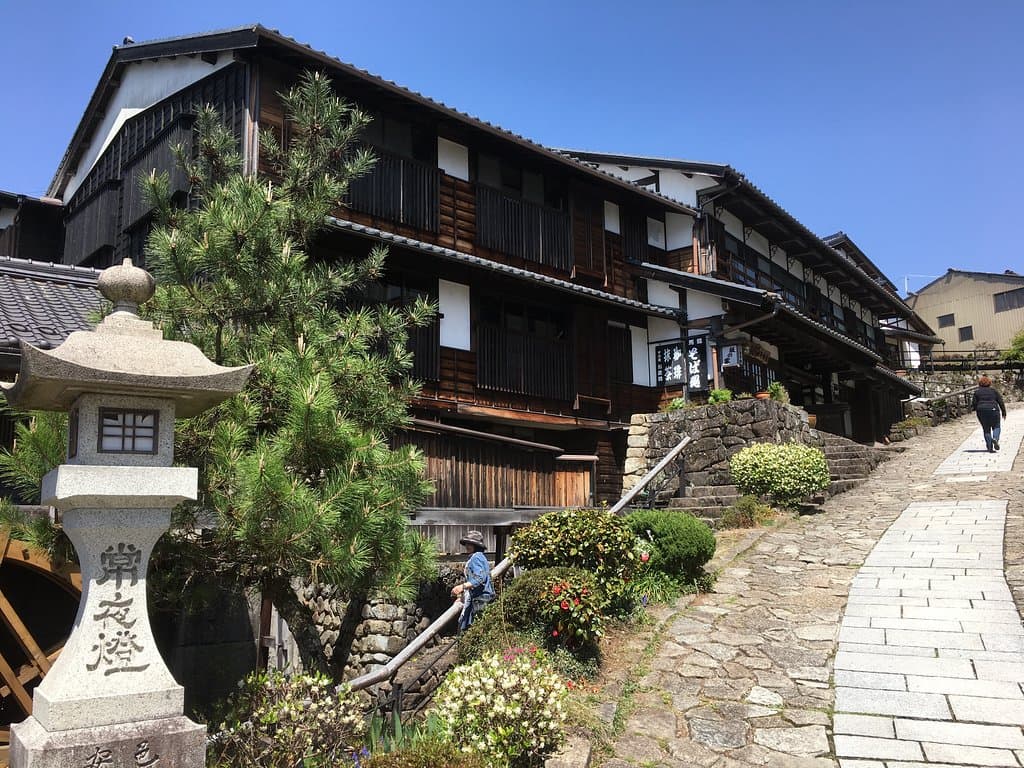
Wander through preserved wooden merchant houses and inns lining the stone-paved slopes, transporting you back to the Edo era.
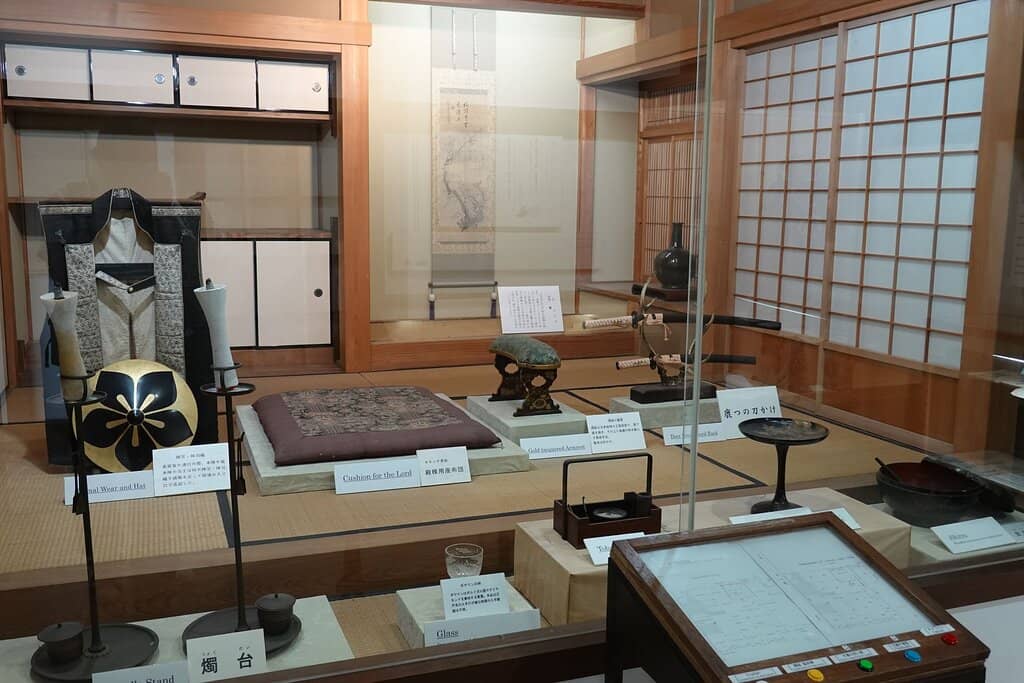
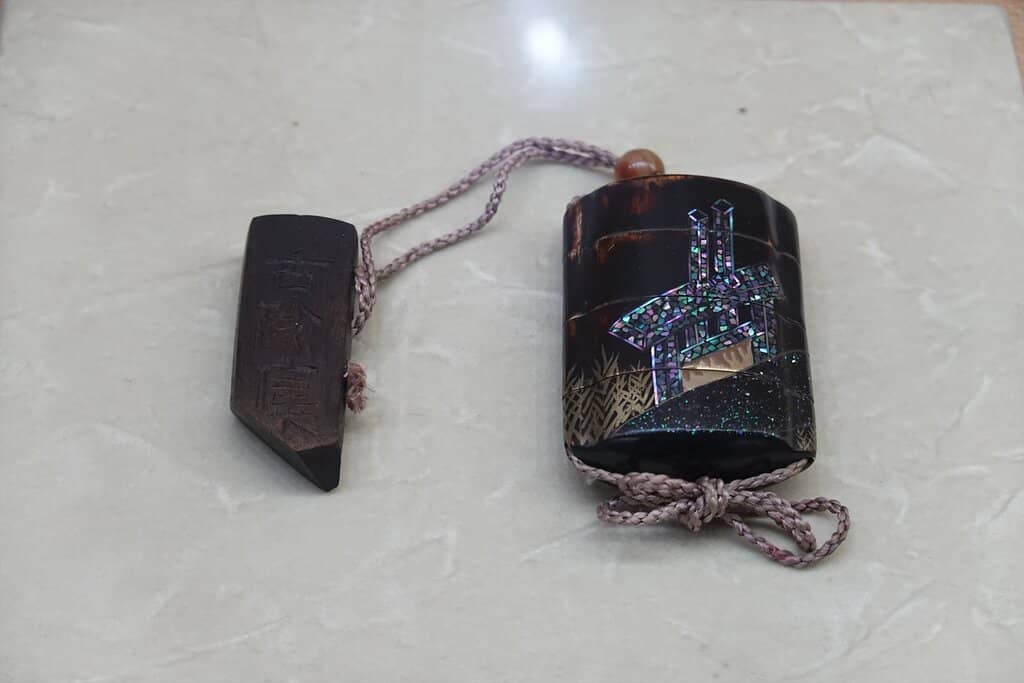
Wakihonjin Museum Exhibits
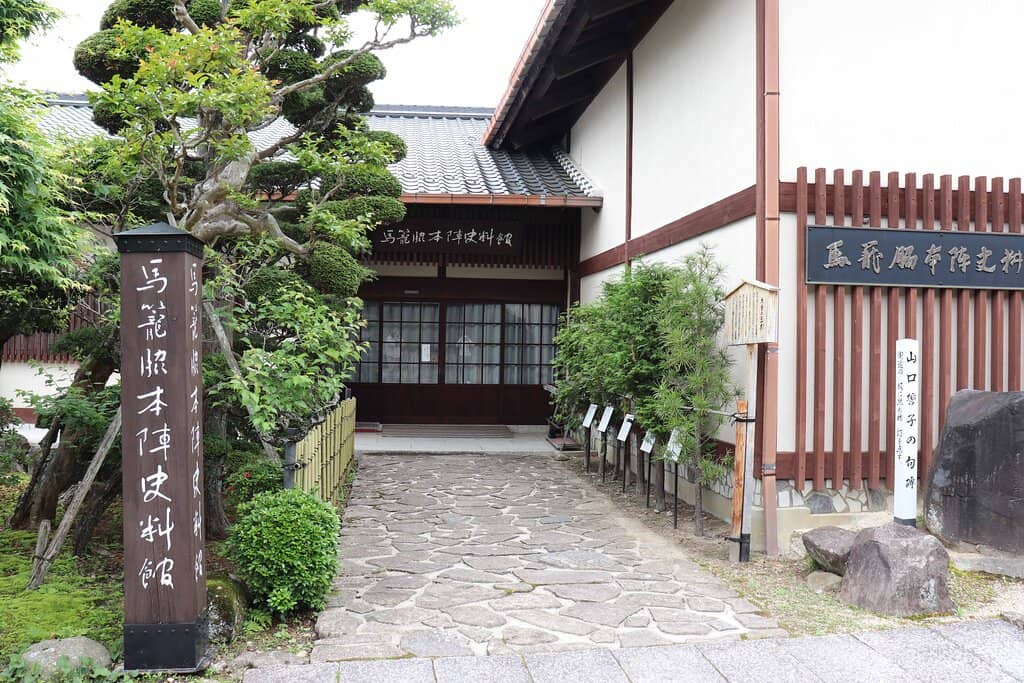
Wakihonjin Museum
See recreated furnishings and accessories from a noble's inn, offering a glimpse into travel and culture of the past.
Nakasendo Trail Experience
Magome-juku to Tsumago-juku
Walk a section of the historic Nakasendo, the 'Samurai Road,' connecting post towns like Magome and Tsumago.
Plans like a pro.
Thinks like you
Planning Your Visit
Timing Your Visit to Magome-juku
Understanding the Wakihonjin
Best Times
Insider Tips
from TikTok, Instagram & Reddit
🚶♀️ Walk the Samurai Road
Experience the historic Nakasendo trail connecting Magome and Tsumago for an immersive Edo-period journey. :athletic_shoe:
🕰️ Visit Wakihonjin Early
Explore the museum before peak hours to better appreciate the historical exhibits and atmosphere. :ticket:
📸 Capture the Charm
The preserved streets offer stunning photo opportunities, especially during the quieter morning or late afternoon hours. :camerawithflash:
🗺️ Compare with Tsumago
Some find Tsumago's preserved town more compelling, so consider visiting both for a fuller picture. :world_map:
Tips
from all over the internet
🚶♀️ Walk the Samurai Road
Experience the historic Nakasendo trail connecting Magome and Tsumago for an immersive Edo-period journey. :athletic_shoe:
🕰️ Visit Wakihonjin Early
Explore the museum before peak hours to better appreciate the historical exhibits and atmosphere. :ticket:
📸 Capture the Charm
The preserved streets offer stunning photo opportunities, especially during the quieter morning or late afternoon hours. :camerawithflash:
🗺️ Compare with Tsumago
Some find Tsumago's preserved town more compelling, so consider visiting both for a fuller picture. :world_map:
What Travellers Say
Reviews Summary
Visitors find the Wakihonjin Museum an interesting glimpse into the history of the Nakasendo trail and the role of post towns. While some feel the museum in Tsumago is superior, Magome's preserved streets are consistently praised for their Edo-period charm and photogenic qualities. The experience is generally positive, offering a tangible connection to Japan's past.
"An interesting little museum giving an insight into how the Nakasendo trail worked with the little villages hosting the aristocracy travelling along the way"
Paul Shotts
"Waki Honjin Museum in Magome. Some nice exhibits, but the one in Tsumago is better"
Ian Le
"Very interesting, definitely worth a visit."
Josephine McMahon
What People Like
What People Dislike
Frequently Asked Questions
🚇 🗺️ Getting There
Take the JR Tokaido Shinkansen from Tokyo to Nagoya (approx. 1.5-2 hours), then transfer to the JR Chuo Line Limited Express to Nakatsugawa Station (approx. 50-60 minutes). From Nakatsugawa, a bus runs to Magome (approx. 30 minutes).
Yes, you can walk the Nakasendo trail between Magome and Tsumago (approx. 8 km, 2-3 hours) or take a bus. The walk is highly recommended for the full experience.
There are several paid parking lots available near the entrance of Magome-juku. It's recommended to park and explore the town on foot as it's a pedestrian-friendly area. :car:
Absolutely! Magome-juku is a popular day trip destination, especially when combined with Tsumago. Plan for at least half a day to explore Magome thoroughly. :clock3:
From Kyoto, take the JR Tokaido Shinkansen to Nagoya, then transfer to the JR Chuo Line Limited Express to Nakatsugawa Station. From Nakatsugawa, a bus will take you to Magome.
🎫 🎫 Tickets & Entry
No, the town of Magome-juku itself is a public area and free to enter. However, specific attractions like the Wakihonjin Museum have admission fees.
The Wakihonjin Museum typically opens around 9:00 AM and closes around 5:00 PM, but hours can vary seasonally. It's best to check their official website or local information for the most up-to-date times.
Admission fees are generally modest, often around a few hundred yen. It's a small price for the historical insight it provides.
Discounts are not commonly advertised, but group rates might be available. It's always worth inquiring if you are part of a larger party. :moneybag:
Tickets are usually purchased on-site at the museum. Advance booking is generally not necessary for individual visitors. :credit_card:
📸 📸 Photography
The entire street of Magome-juku is picturesque. Focus on the traditional wooden buildings, the stone-paved path, and the scenic views looking up and down the slope. Early morning or late afternoon light is ideal.
Generally, photography is allowed in the public areas of Magome-juku. However, inside museums or private residences, always look for signs indicating if photography is permitted. :camerawithflash:
Early mornings offer fewer people and soft light, while late afternoons provide warm, golden hour hues. Avoid midday sun for more flattering shots. :sunriseovermountains:
Drone usage is likely restricted in such a historic and preserved area to protect the buildings and maintain the atmosphere. Always check local regulations before flying a drone. :noentrysign:
A standard zoom lens is versatile for capturing street scenes and details. A wide-angle lens can be useful for the overall townscape, and a prime lens can be great for low-light conditions. :iphone:
🎫 🚶 Onsite Experience
Explore the charming streets, browse local craft shops, sample regional snacks, and enjoy the scenic views. The walk to Tsumago is also a major attraction.
Magome-juku is built on a steep slope with cobblestone streets, which can be challenging for those with mobility issues. The Wakihonjin Museum may also have limited accessibility.
Allow at least 2-3 hours to explore the town and visit the Wakihonjin Museum. If you plan to walk to Tsumago, add another 2-3 hours for the hike. :clock3:
Yes, public restrooms are available throughout the town, particularly near the parking areas and along the main street. :toilet:
Look for local crafts, wooden items, regional sweets like 'gohei mochi,' and other traditional Japanese souvenirs. :gift:
🍽️ 🍽️ Food & Dining
Magome offers several restaurants and cafes serving local specialties, including soba noodles, udon, and regional snacks like 'gohei mochi.'
Options may be limited, but many Japanese restaurants can adapt dishes. Soba and udon noodles without meat broth, or simple rice dishes, might be available. It's best to inquire. :leafy_green:
'Gohei mochi' is a popular local snack made from pounded rice cakes, coated in a sweet miso or soy sauce glaze, and grilled. It's a must-try!
There are no large convenience stores within the historic town itself. It's advisable to bring any snacks or drinks you might need, or purchase them from the local shops and eateries. :bread:
Expect to pay around 1000-2000 JPY for a main meal at a restaurant. Snacks and smaller items will be less. :yen:
For Different Travelers
Tailored advice for your travel style
👨👩👧 Families with Kids
Tips for Families:
* Bring comfortable shoes for everyone, as the streets are uneven.
* Pack snacks and drinks, as options within the historic town can be limited and pricier.
* Engage kids by pointing out details like old signs, wooden architecture, and imagining who might have stayed at the inns.
🚶 Hikers & Nature Lovers
While the trail itself is the main draw, Magome-juku provides a charming starting or ending point. The town's preserved atmosphere complements the natural beauty of the hike. Remember to wear appropriate footwear and carry sufficient water, as there are limited facilities along the trail itself.
Deep Dives
In-depth insights and expert knowledge
The Nakasendo Trail: A Historical Highway
Walking a section of the Nakasendo, particularly between Magome and Tsumago, is a highlight for many visitors. The trail is well-maintained and offers beautiful natural scenery alongside historical markers. It’s a tangible connection to Japan’s past, allowing you to tread the same paths as Edo-period travelers. The experience is often described as peaceful and evocative, offering a stark contrast to modern city life.
Key Takeaways for Trail Walkers:
* Wear comfortable walking shoes.
* Carry water and snacks, especially for the Magome-Tsumago hike.
* Be prepared for varying terrain, including some inclines and descents.
* Consider luggage forwarding services if you don't want to carry large bags between towns.
Wakihonjin Museum: A Noble's Respite
Inside, visitors can see period furnishings and accessories that illustrate the lifestyle and amenities available to travelers of the time. This includes tatami rooms, traditional screens, and other decorative elements that speak to the aesthetics and customs of the Edo era. The museum not only showcases the physical space but also the cultural significance of these inns within the broader context of Japanese history and the Nakasendo route.
What to Expect at the Museum:
* Detailed recreations of historical rooms.
* Exhibits on Edo-period travel and lodging.
* Insights into the role of Wakihonjin in post towns.
Social
from TikTok, Instagram & Reddit