Magome-Tsumago Trail Kiso Valley Japan
Hike the historic Nakasendo Trail between the beautifully preserved Edo-period post towns of Magome and Tsumago in Japan's Kiso Valley.
Highlights
Must-see attractions

Social
From TikTok & Reddit
Best Time
Beat the crowds & enjoy peace
Magome-Tsumago Trail Kiso Valley Japan
Best Time
Beat the crowds & enjoy peace
Highlights
Must-see attractions
Hike the historic Nakasendo Trail between the beautifully preserved Edo-period post towns of Magome and Tsumago in Japan's Kiso Valley.
"Walking the historic Nakasendo trail in the Kiso Valley is one of my favorite hikes in Japan!"
🚶♀️ Hike Magome to Tsumago
This direction is generally easier and offers a more downhill experience.
⏰ Towns close early!
Book accommodation in advance & confirm dinner plans by 5 PM.
Highlights
Discover the most iconic attractions and experiences
Magome-juku Post Town
Starting point of the trail
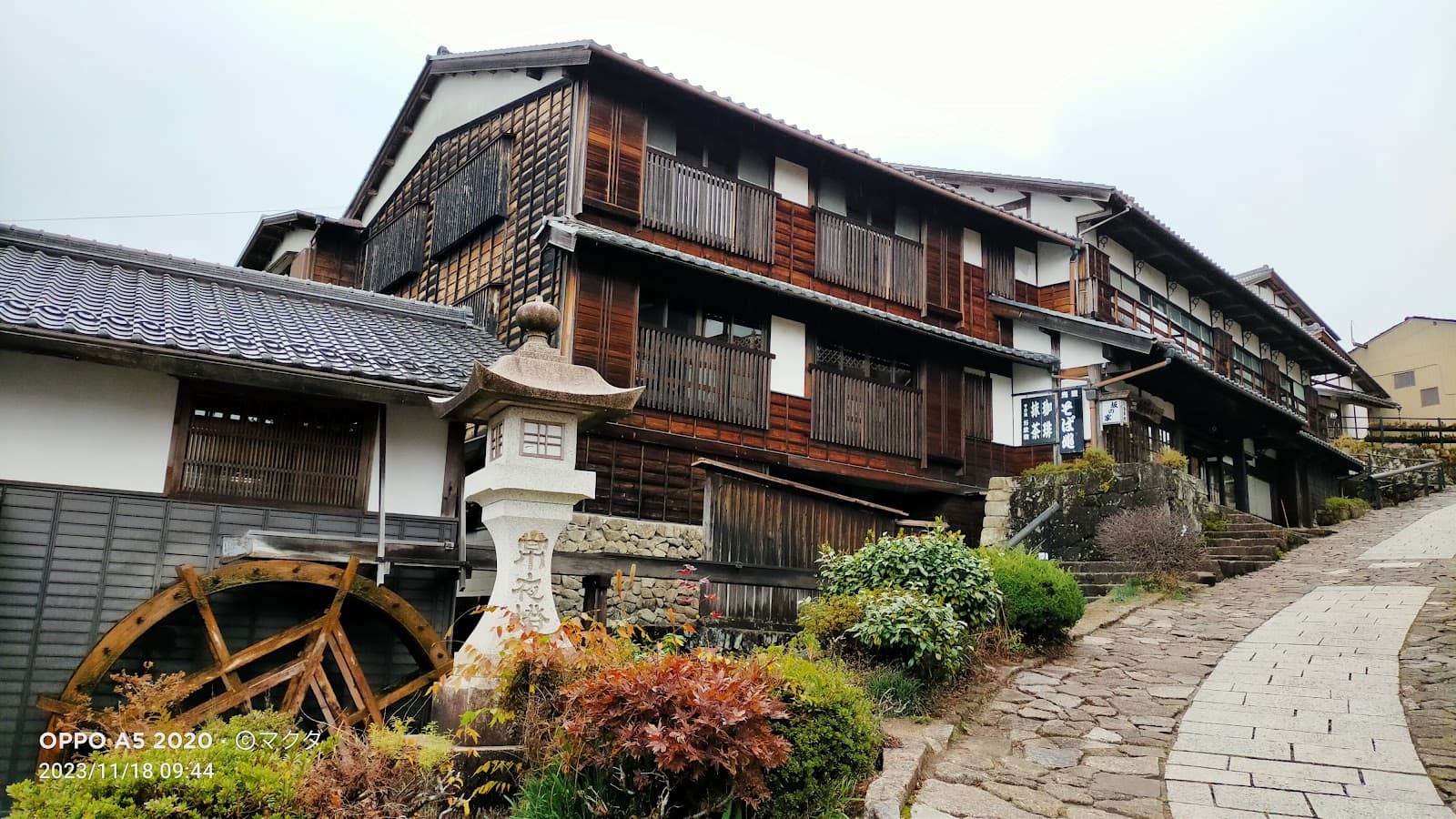
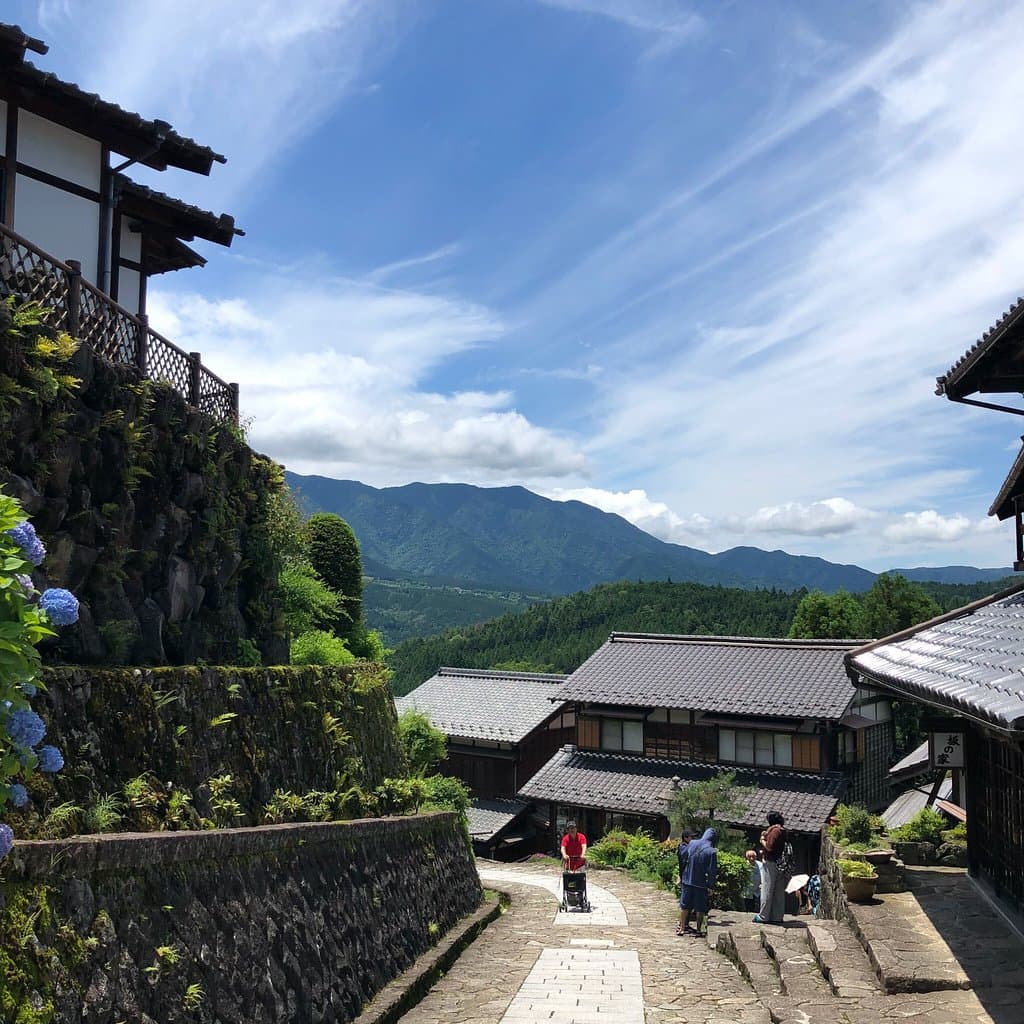
Step back in time in this beautifully preserved Edo-period post town with cobblestone streets and wooden houses.
Tsumago-juku Post Town
Ending point of the trail
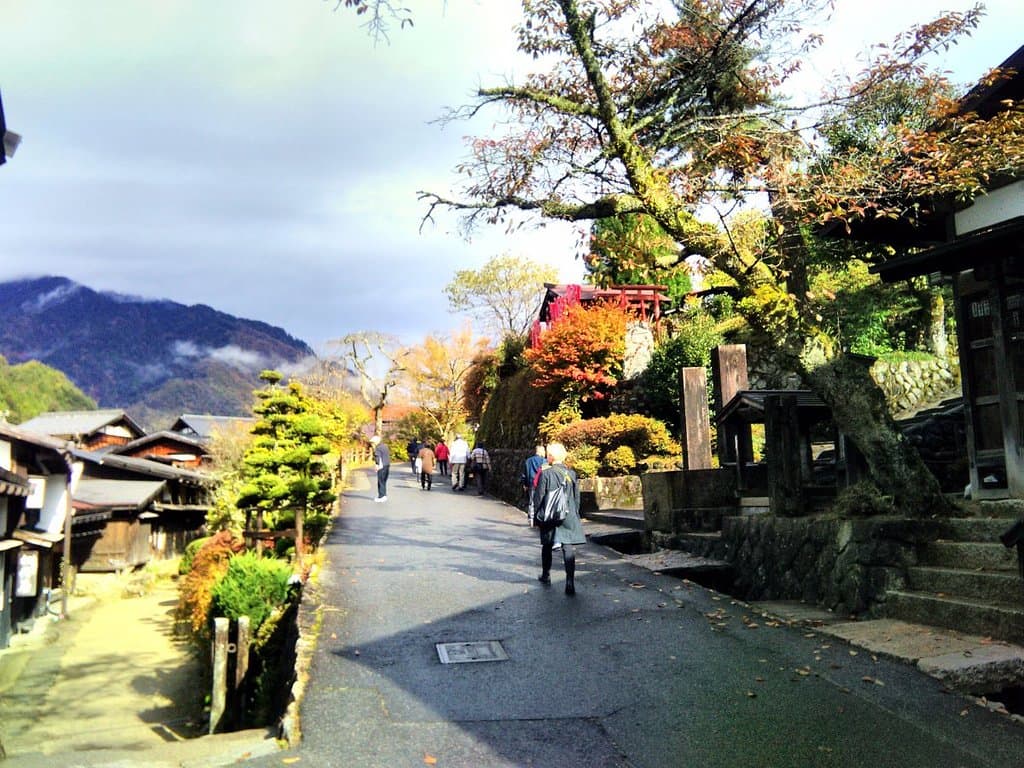
Experience the 'Samurai Road' charm in this equally picturesque town, known for its dark wooden buildings and tranquil atmosphere.
Nakasendo Trail Forest Path
Between Magome and Tsumago
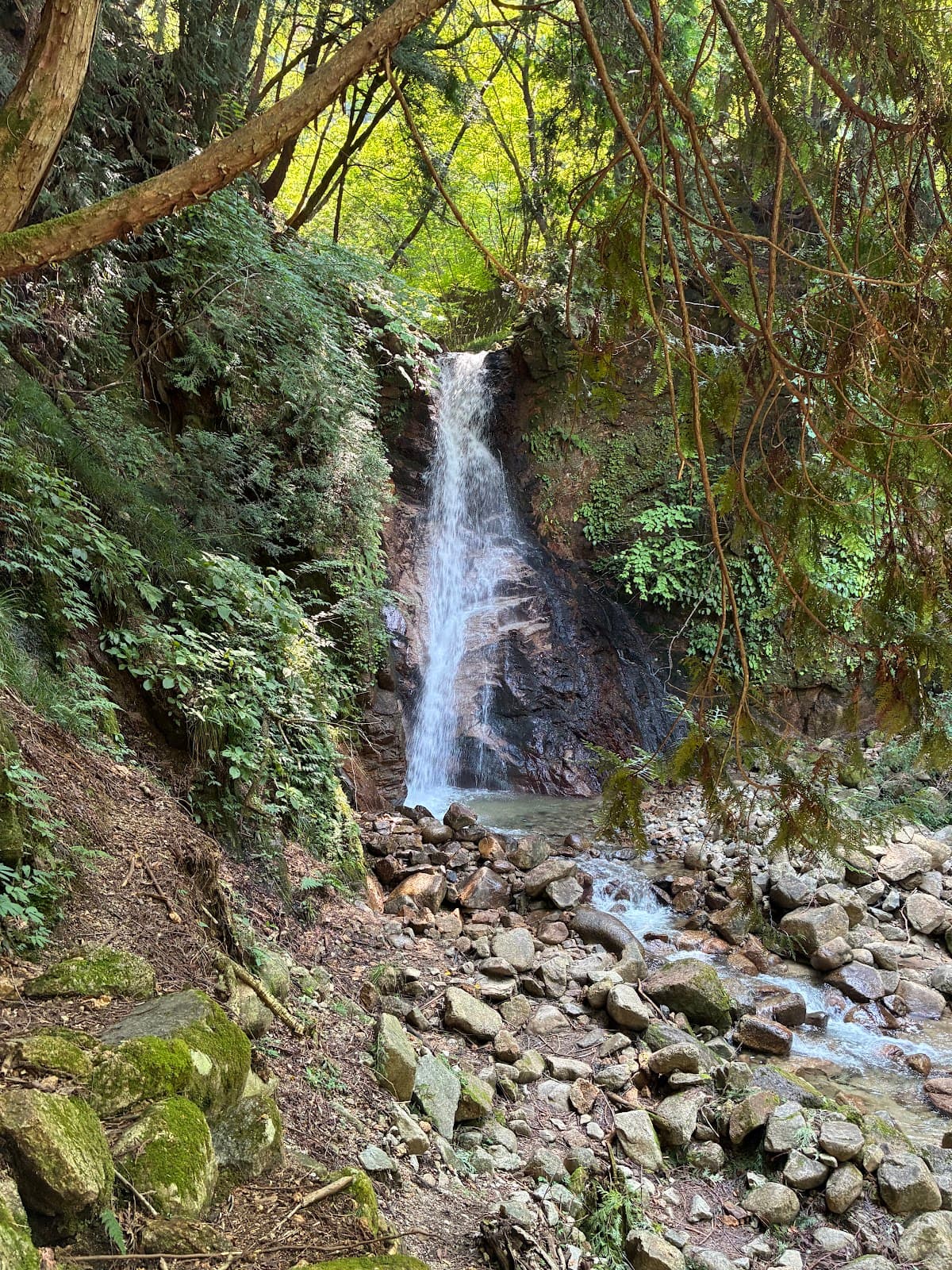
Hike through misty forests and alongside mountain streams on this historic route, once walked by samurai.
Plans like a pro.
Thinks like you
Planning Your Visit
Timing Your Hike

Post-Hike Logistics
Best Times
Insider Tips
from TikTok, Instagram & Reddit
🚶♀️ Hike Magome to Tsumago
This direction is generally easier and offers a more downhill experience.
⏰ Towns close early!
Book accommodation in advance & confirm dinner plans by 5 PM.
🍵 Free tea stops
Enjoy complimentary tea at charming rest stops along the trail.
📸 Photographers' paradise
Both towns offer stunning, historic scenery perfect for photos.
Tips
from all over the internet
🚶♀️ Hike Magome to Tsumago
This direction is generally easier and offers a more downhill experience.
⏰ Towns close early!
Book accommodation in advance & confirm dinner plans by 5 PM.
🍵 Free tea stops
Enjoy complimentary tea at charming rest stops along the trail.
📸 Photographers' paradise
Both towns offer stunning, historic scenery perfect for photos.
👟 Comfortable shoes needed
The trail involves walking on cobblestones and forest paths.
What Travellers Say
Reviews Summary
Visitors rave about the Magome-Tsumago trail for its stunning natural beauty and the immersive experience of walking through beautifully preserved Edo-period post towns. The hike is considered easy to moderate, with many appreciating the historical significance and the chance to step back in time. Some note that the towns can get touristy and close early, but the overall consensus is overwhelmingly positive.
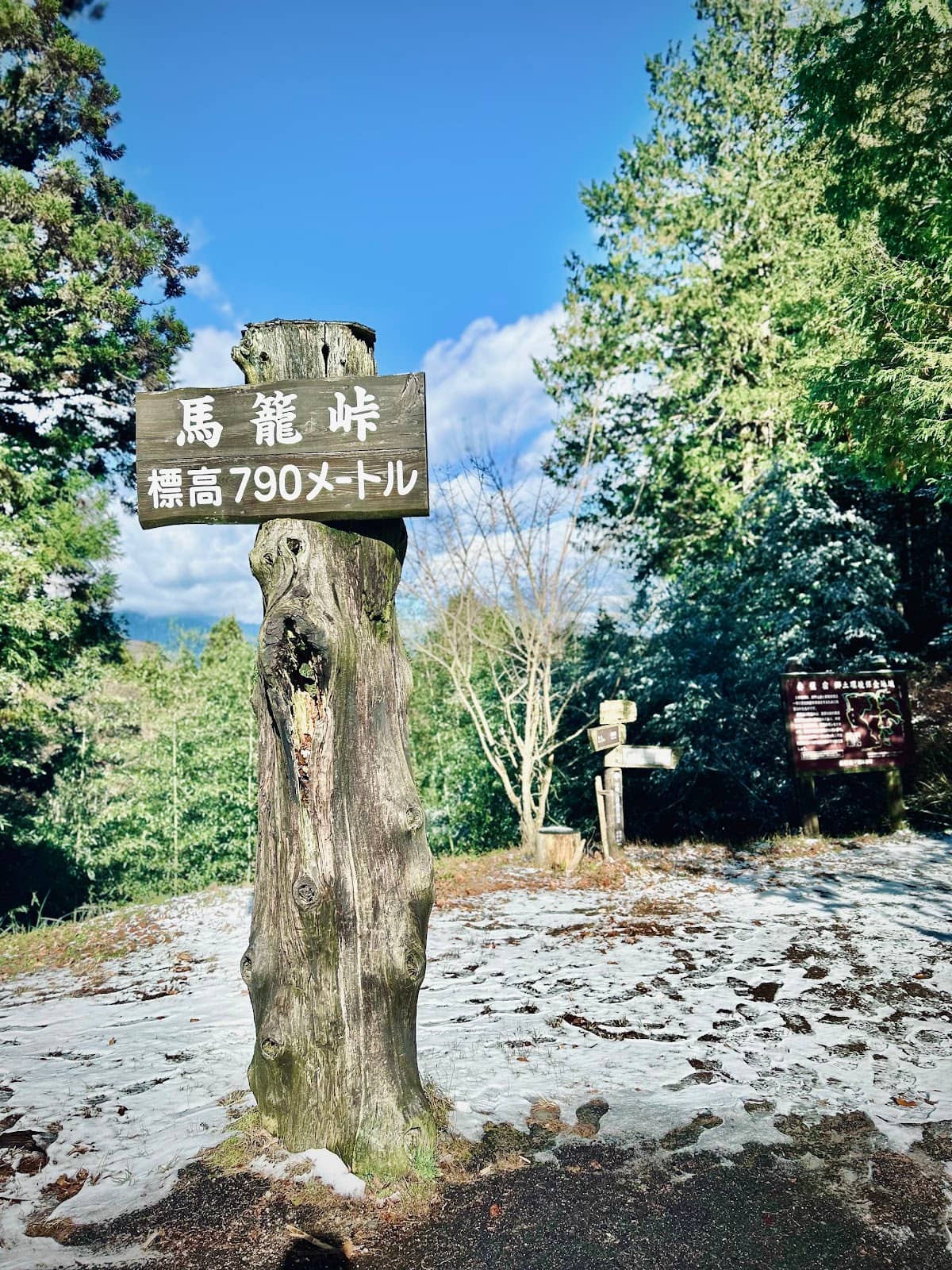
"📍 Magome Pass 馬籠峠 @ Nakasendo Trail, Gifu 🇯🇵
We reached Magome Pass (馬籠峠) on 14 November 2025 while hiking the Nakasendo Trail from Magome to Tsumago, and the scenery during autumn was absolutely beautiful. The forest was glowing with red, orange, and yellow leaves, creating a peaceful and scenic walk.
The path leading up to the pass is gentle and well-maintained. After passing the viewpoint above Magome, the trail moves deeper into the forest before opening up at the pass, where there is a small shelter and benches — a perfect rest stop before continuing toward Tsumago.
As the trail descends, it transitions smoothly from forest paths into the charming small-town scenery of the Nakasendo villages. This shift in landscape feels natural and is one of the highlights of the hike.
Along the journey, you’ll pass local homes where villagers display cold water bottles outside their doors for hikers — a thoughtful gesture. You will also see ripe persimmons (吉子) drying outdoors under the sun, prepared as winter snacks (干し柿). These bright orange persimmons are not only delicious but also symbolise “吉利” (good fortune / auspiciousness) during the New Year season, adding a meaningful cultural touch to the walk.
On a sunny autumn day, the sunlight shining through the colourful leaves and the orange persimmons creates a nostalgic rural scene.
Magome Pass is a great place to:
• 🍁 Enjoy beautiful autumn leaves
• 🥾 Take a break before descending
• 💧 Buy cold water from local houses
• 🧡 See persimmons drying outdoors for winter snacks
• 🎋 Appreciate the symbolic meaning of persimmons (吉利)
• 🏘️ Continue towards the small-town charm of Tsumago
A peaceful, scenic, and culturally rich point on the Nakasendo Trail —
perfect for enjoying nature, village life, and the symbolic traditions of the region. 🍁🌲🏘️🥾✨"
The Lost Forest Mum
"Steps Back in Time: Walking the Magome-Tsumago Post Town Trail
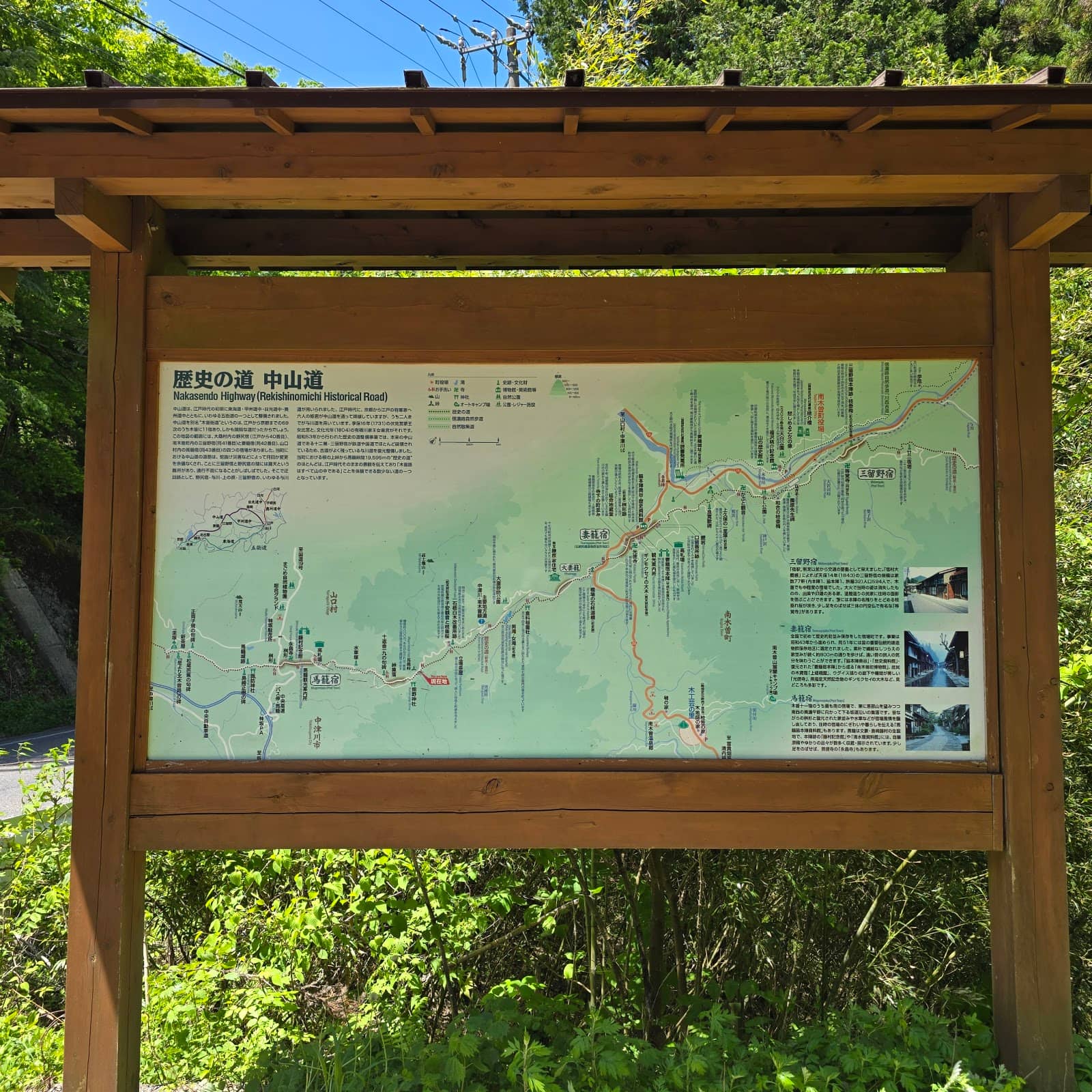
The walk between Magome and Tsumago is a journey through time. It's the most famous and best-preserved section of the Nakasendo Trail, an ancient trade route that connected Kyoto to Edo (modern-day Tokyo) during the Edo Period (1603–1868). Today, this path is 8 kilometers of historical tranquility, cutting through the lush and enchanting Kiso Valley.
Magome: A Vibrant Start on the Slope
The journey often begins at Magome-juku, a picturesque post town built entirely on a steep slope. Its main street is inclined and lined with reconstructed wooden houses with tiled roofs, small watermills, and shops selling traditional Japanese souvenirs and sweets like Gohei Mochi (grilled, skewered rice coated in a sweet glaze). The atmosphere here is lively, and the view from the town’s upper section overlooking the Kiso Valley is stunning.
The Trail: Forests, Waterfalls, and Rural Calm
Leaving Magome leads you deep into the dense forest. The path itself is mostly easy to walk—combining stretches of ancient stone pavement used by travelers centuries ago, soft dirt paths shaded by cedar and cypress trees, and sections passing through green bamboo groves.
The hike is considered easy to moderate. It's recommended to start from Magome to Tsumago because most of the path is a gentle descent or flat after the initial climb over the mountain pass leaving Magome.
Along the way, you'll encounter:
Bear Bells: Large brass bells are hung beside the path, which hikers ring to deter local bears (although the chance of an encounter is low, it's a fun tradition).
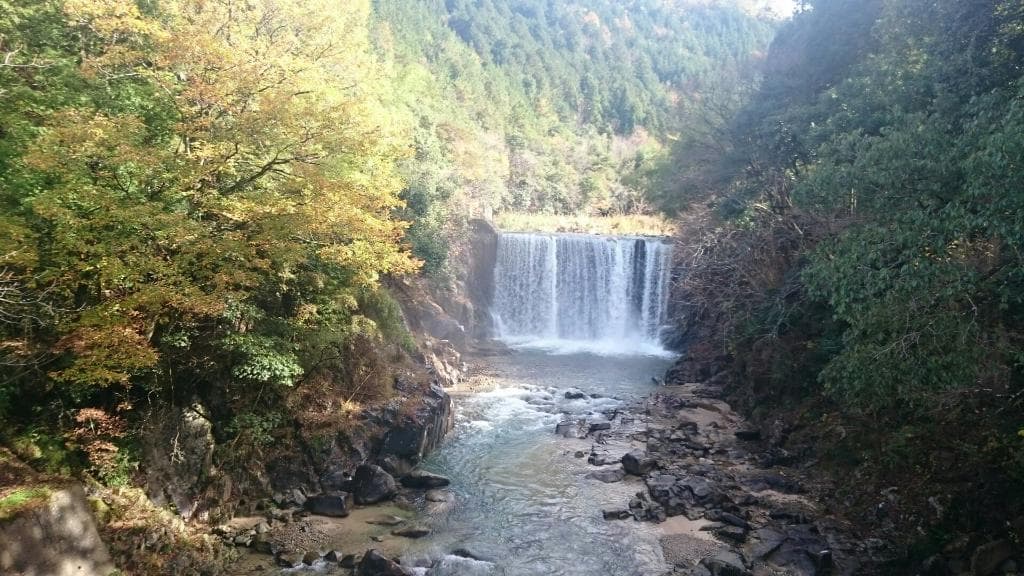
Rushing Waterfalls: Two small, beautiful waterfalls (Otaki and Metaki) provide a refreshing break.
The Historic Teahouse: Near the halfway point, you’ll find Ichikokutochi Tateba Chaya. This traditional wooden hut is where local volunteers often greet passersby with free hot green tea and sweets. It’s a wonderful spot to rest, chat with other hikers, and feel the spirit of Japanese hospitality.
The dominant sounds on the trail are the murmur of the river, the chirping of birds, and the clang of the bear bells echoing through the woods—a constant reminder that you are far from the urban noise of modern Japan.
Tsumago: The Perfect, Most Preserved End
Arriving at Tsumago-juku is the climax of the trip. This post town is considered the best-preserved along the Nakasendo. Here, authorities made a conscious decision to ban utility poles and modern advertising signs to preserve the town's appearance exactly as it was centuries ago.
In Tsumago, the traditional buildings (including the Waki Honjin, the historic secondary inn) look as if time has stood still. Tsumago offers a quieter, more dignified atmosphere than Magome, making it a perfect end to a day rich in nature, history, and tranquility."
Yariv Koren
"Amazing! Had an incredible day walking the pass with my mom. We walked in direction Magome to Tsumago, which was definitely easier than it would have been the other way round. After Tsumago we walked further to Nagiso Station. This part of the walk we saw less hikers coming our direction.
In the middle of the trail there was a tea house with an elderly man serving us tea for free. He does it with so much care, a great resting moment.
The trail has beautiful nature and was a great way to clear our heads."
Lucienne
What People Like
What People Dislike
Frequently Asked Questions
🚇 🗺️ Getting There
From Nagoya Station, take the JR Chuo Line to Nakatsugawa Station (approx. 1.5 hours), then a bus to Magome (approx. 30 minutes). Alternatively, you can take a bus directly from Nagoya to Magome, which takes about 2.5 hours.
The most popular and recommended way is to hike the Nakasendo Trail between the two towns. It's an 8km walk that takes about 2.5 to 3.5 hours.
Yes, it's feasible as a day trip. Start early from Nagoya, hike the trail, and return from Tsumago or Nagiso Station. Ensure you check train and bus schedules carefully.
From Tsumago, you can take a bus to Nagiso Station, which is on the JR Chuo Line. From Nagiso, you can travel to cities like Matsumoto or back towards Nagoya.
Local buses connect the post towns and train stations. Walking is also a great way to explore the smaller villages and surrounding nature.
🎫 🎫 Tickets & Entry
No, the Nakasendo Trail itself is a public path and does not require an entrance fee.
There are no entrance fees to walk through the historic post towns of Magome and Tsumago.
The towns are always accessible, but shops and restaurants typically operate from around 9 AM to 5 PM.
Yes, both towns have small museums and historical sites that you can visit for a fee. Check local listings for specific hours.
Some tea houses offer complimentary tea as a gesture of hospitality, while others may charge a small fee for refreshments.
🎫 🏞️ Onsite Experience
The hike is considered moderate and is about 8km long. Hiking from Magome to Tsumago is generally easier due to the terrain.
The hike typically takes between 2.5 to 3.5 hours, depending on your pace and how often you stop to take photos or rest.
You'll experience beautiful forested paths, mountain streams, waterfalls, and views of the surrounding Kiso Valley.
Yes, the trail is generally suitable for families, though younger children might need breaks. The towns themselves are very engaging for kids.
Wear comfortable walking shoes or hiking boots, as the trail includes cobblestones and forest paths. Layers are recommended as weather can change.
🍽️ 🍽️ Food & Dining
Both towns offer traditional Japanese restaurants and cafes serving local specialties. However, many places close by 5 PM.
Look for dishes featuring local ingredients, such as soba noodles, gohei mochi (grilled rice cakes), and seasonal mountain vegetables.
There are limited dining options directly on the trail, but you'll find charming tea houses for refreshments. Plan to eat before or after your hike in the towns.
Yes, if you book accommodation in advance, many ryokans and minshuku offer traditional Japanese dinners. It's essential to arrange this with your lodging.
While traditional Japanese cuisine can be meat-heavy, some restaurants may offer vegetarian options like vegetable tempura or soba. It's best to inquire beforehand.
📸 📸 Photography
Capture the cobblestone streets, traditional wooden houses, and scenic mountain backdrops. The entire towns are photogenic!
Early mornings offer soft light and fewer crowds, while late afternoons provide a warm, golden glow.
Drone usage is generally restricted in residential areas and historical sites in Japan. It's best to avoid using drones to respect local regulations and privacy.
A versatile lens (like a 24-70mm equivalent) is great for capturing townscapes and details. A wide-angle lens can be useful for sweeping views.
Look for the iconic water channels in Magome, the preserved architecture in Tsumago, and the natural beauty of the forest trail.
For Different Travelers
Tailored advice for your travel style
👨👩👧 Families with Kids
Encourage kids to look for traditional crafts, sample local snacks like gohei mochi, and imagine themselves as samurai or travelers from the past. Consider hiking from Magome to Tsumago as it's generally less strenuous. Pack plenty of water and snacks, and be aware that shops and restaurants in the towns close around 5 PM, so plan your meals accordingly. The tea houses along the trail can also be a fun stop for a break.
🚶 Budget Travelers
Staying in a minshuku (a Japanese-style guesthouse) in either town can be more affordable than a hotel, and often includes a traditional dinner and breakfast. To further save on transport, consider using local buses and trains efficiently. If you're coming from a major city like Nagoya, research the most cost-effective train routes. Many travelers find that the experience of walking through these historic towns and the natural beauty of the trail far outweighs any costs.
📸 Photography Enthusiasts
Don't miss the details: the water channels in Magome, the preserved signage, and the hanging persimmons in autumn. The forest path itself provides opportunities for capturing dappled light and natural textures.
While drones are generally not permitted, your camera will be busy capturing the essence of old Japan. Deep Dives
In-depth insights and expert knowledge
The Historic Nakasendo Trail
+1Today, only a fraction of the original Nakasendo remains intact. The most famous and well-preserved section is the Magome-Tsumago trail in the Kiso Valley. This 8-kilometer stretch allows visitors to experience the atmosphere of the Edo period, walking through charming post towns and scenic mountain forests.
Walking this path offers a unique glimpse into Japan's past, where you can imagine the footsteps of samurai and travelers from centuries ago. The preservation of these towns and the trail is a testament to Japan's commitment to its cultural heritage.
Exploring Magome-juku and Tsumago-juku
+1Tsumago-juku, often considered even more authentic, has a more subdued atmosphere. Its streets are meticulously maintained, with dark wooden buildings, stone pavements, and a palpable sense of history. Unlike Magome, Tsumago has made a conscious effort to limit modern intrusions, creating a truly immersive experience.
Both towns were vital resting points for travelers during the Edo period, offering lodging, food, and supplies. Today, they serve as living museums, inviting visitors to wander, shop for local crafts, and savor traditional Japanese cuisine. Remember that many establishments close by 5 PM, so plan your visit accordingly.
The Hiking Experience
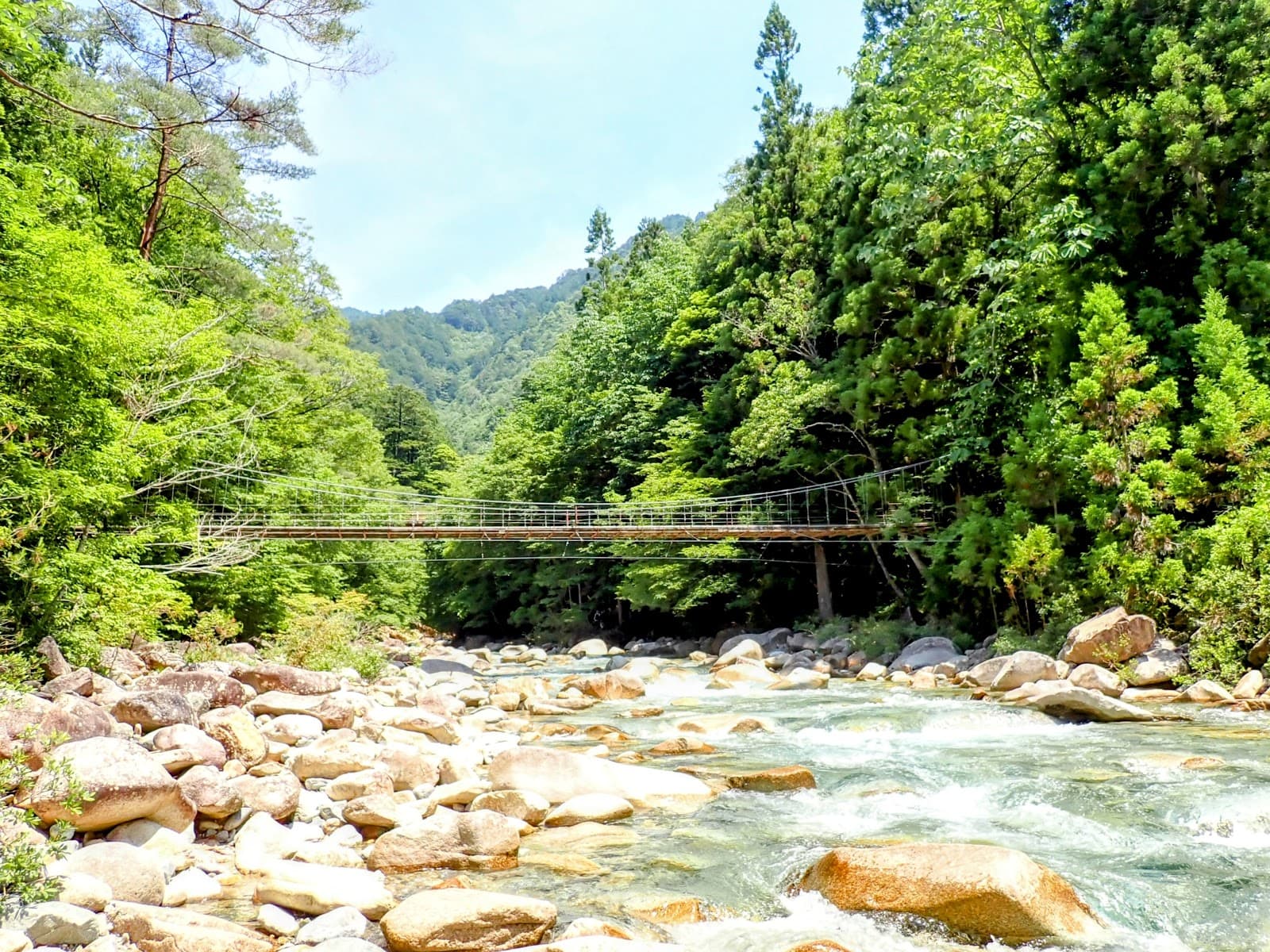
The path winds through lush forests, alongside babbling streams, and past small waterfalls, providing a refreshing natural escape. Many travelers recommend hiking from Magome to Tsumago as it involves more downhill sections, making it slightly easier than the reverse direction.
While the trail is popular, starting early in the morning can help you avoid the main crowds and enjoy a more peaceful experience.
The natural beauty combined with the historical context makes this hike a truly memorable part of any trip to Japan. 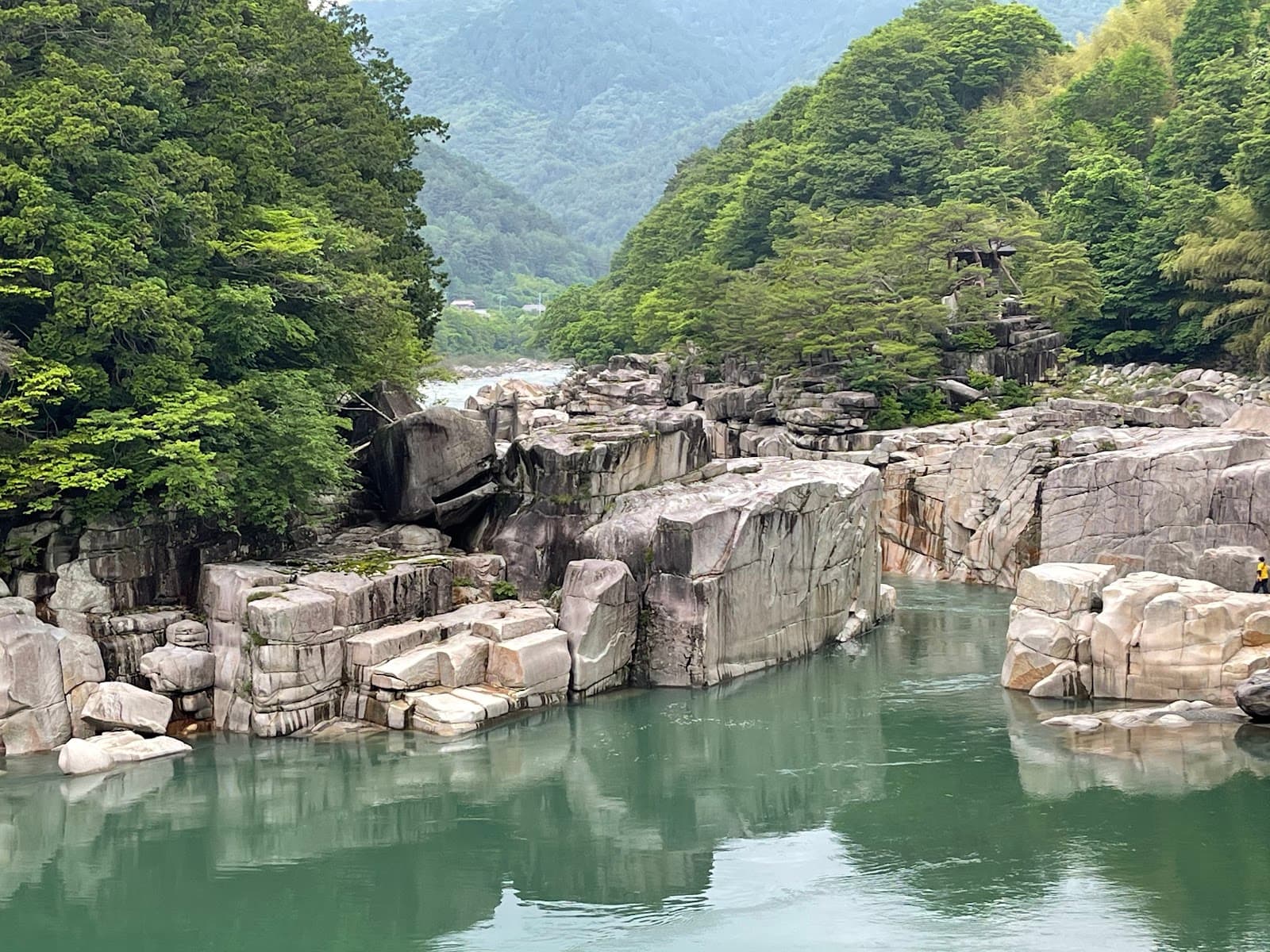
Social
from TikTok, Instagram & Reddit