
Tsumago Waki-Honjin Okuya and Folk Museum
Step back into Edo-period Japan at this meticulously preserved official residence and folk museum, a vital stop on the historic Nakasendo Trail.
Highlights
Must-see attractions

Social
From TikTok & Reddit
Best Time
Fewer crowds, peaceful atmosphere
Tsumago Waki-Honjin Okuya and Folk Museum
Best Time
Fewer crowds, peaceful atmosphere
Highlights
Must-see attractions
Step back into Edo-period Japan at this meticulously preserved official residence and folk museum, a vital stop on the historic Nakasendo Trail.
"A deeply cultural and beautifully preserved historical site — a must-visit when exploring Tsumago-juku."

Check Closure Dates! 🗓️
Avoid disappointment! The museum is closed on the 2nd and 4th Thursdays of each month.
Combined Ticket Value 🎟️
Get a combined ticket for the Honjin and folk museum for a fuller experience.

Highlights
Discover the most iconic attractions and experiences
Edo Period Architecture
Main Honjin Building
Step back in time and admire the beautifully preserved wooden architecture of this Edo-period official residence.
Historical Artifacts & Displays
Inside the Honjin
Explore fascinating artifacts and displays that showcase the lifestyle and significance of this former lodging for feudal lords.
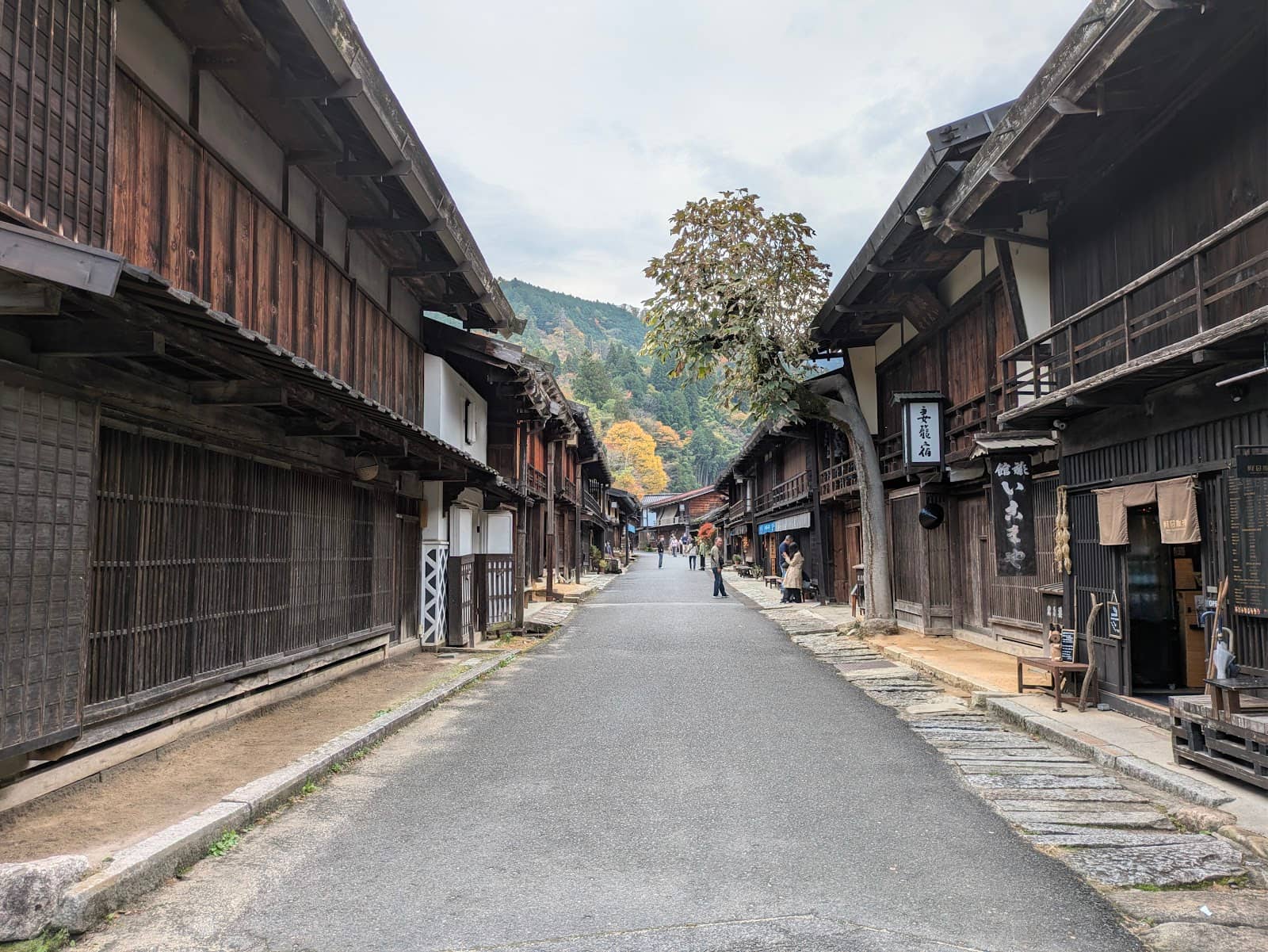
Nakasendo Trail Context
Tsumago-juku
Understand the vital role this Honjin played for dignitaries traveling the historic Nakasendo Trail.
Plans like a pro.
Thinks like you
Planning Your Visit
Timing is Key: Avoid Closure Days
Combined Tickets for Value
Best Times
Insider Tips
from TikTok, Instagram & Reddit
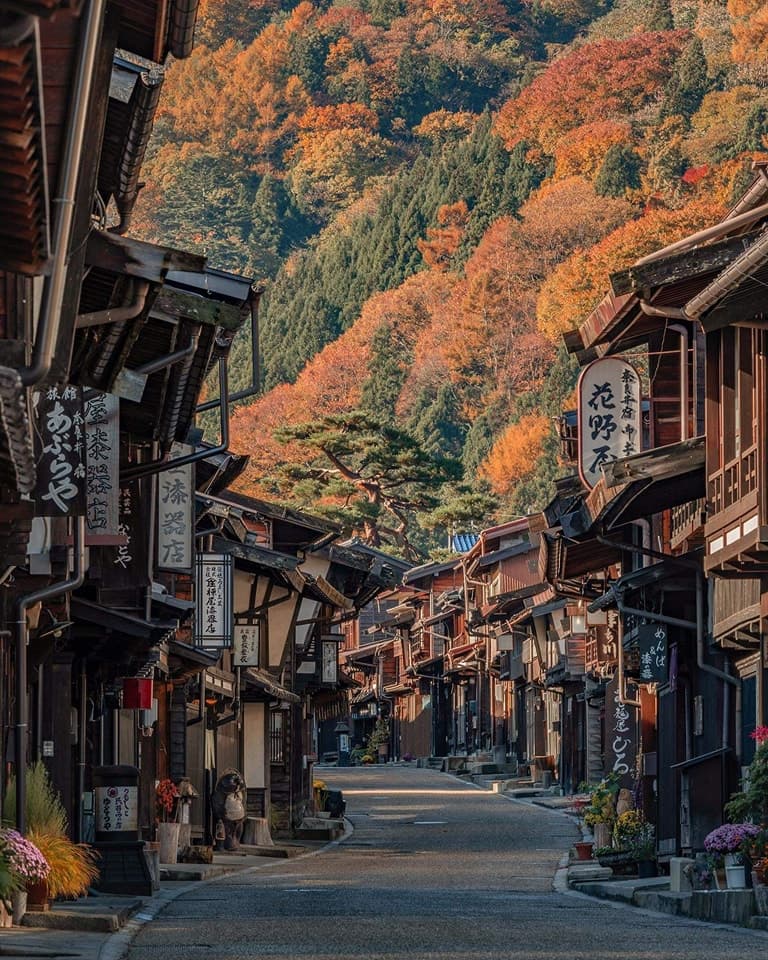
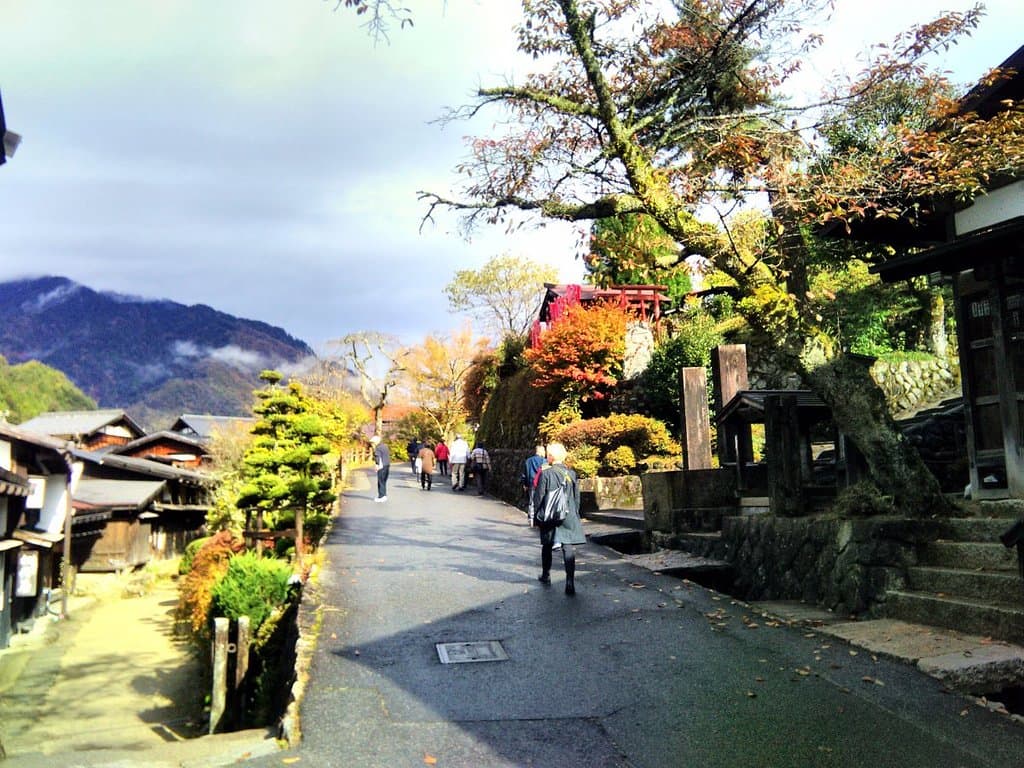
Revisiting old photos and reliving the moments - this is Tsumago-juku, one of the villages along the ancient Nakasendō trail between Tokyo and Kyoto kept in a traditional style.
Check Closure Dates! 🗓️
Avoid disappointment! The museum is closed on the 2nd and 4th Thursdays of each month.
Combined Ticket Value 🎟️
Get a combined ticket for the Honjin and folk museum for a fuller experience.
Tsumago-juku, Kiso Valley, Japan - a beautifully preserved Edo era "post town"
Itinerary help for Japan alps trip starting late June for 16 days
English Info Available 🗣️
Ask staff for English information sheets to enhance your understanding.
Post-Hike Immersion 🚶♀️
Visiting after hiking the Nakasendo Trail from Magome provides great context.
Tips
from all over the internet
Check Closure Dates! 🗓️
Avoid disappointment! The museum is closed on the 2nd and 4th Thursdays of each month.
Combined Ticket Value 🎟️
Get a combined ticket for the Honjin and folk museum for a fuller experience.
English Info Available 🗣️
Ask staff for English information sheets to enhance your understanding.
Post-Hike Immersion 🚶♀️
Visiting after hiking the Nakasendo Trail from Magome provides great context.
What Travellers Say
Reviews Summary
Visitors praise the Tsumago Waki-Honjin Okuya and Folk Museum for its beautifully preserved Edo-period architecture and its role in understanding the historic Nakasendo Trail. The knowledgeable staff and the atmospheric setting are frequently highlighted as positive aspects. However, some visitors have been disappointed by unexpected closures, emphasizing the need to check dates in advance.
"📍 Tsumago-juku Honjin
妻籠宿本陣 @ Nagano, Japan 🇯🇵
We visited the Tsumago-juku Honjin (妻籠宿本陣) on 14 November 2025 after completing our Nakasendo Trail hike from Magome to Tsumago. This historic building is one of the most important landmarks in Tsumago, beautifully preserved to showcase the lifestyle and architecture of Japan during the Edo period.
The Honjin served as the official accommodation for feudal lords (daimyo) and high-ranking officials traveling along the Nakasendo. Today, it functions as a heritage site, allowing visitors to walk through the traditional rooms, admire the wooden architecture, and experience the atmosphere of a former official residence.
Inside, you can explore:
• 🏯 Traditional tatami rooms and tatami layouts
• 🪵 Beautiful wooden interiors and beams
• 🏺 Historical artifacts and displays
• 🔥 The old-style irori hearth
• 🪑 A peaceful, quiet ambience reflecting Edo-era life
The building is well maintained, and the staff provide helpful information about its history and significance. It’s a fascinating stop for anyone who wants to understand how travellers and lords were accommodated during long journeys on the Nakasendo.
A deeply cultural and beautifully preserved historical site —
a must-visit when exploring Tsumago-juku. 🏘️📜✨"
The Lost Forest Mum
"This is not a reflection of the museum, which we could not enter, but a warning that it is CLOSED the 2nd and 4th Thursdays of each month. Disappointing!"
Tawnya Dudash
"The honjin was the main inn for the postal town and would have been used by travelling daimyo and government officials. You can enter with a combined ticket for the waki-honjin and the museum beside it. The current building is a recent reconstruction of the inn as it would have been in the 1800s. Inside there is a nice model of what it would have originally looked like in the early edition period.
It feels like a larger version of the walk-honjin, but it slightly lacks the original feel of that building. However, it’s still worth visiting using the combined 700 yen ticket (if you stayed at the Matsushiroya then you get a 20% discount on the cost of entry)."
Ali Low
What People Like
What People Dislike
Frequently Asked Questions
🚇 🗺️ Getting There
Tsumago Waki-Honjin Okuya and Folk Museum is located in the historic post town of Tsumago. You can reach Tsumago by train to Nagiso Station, followed by a short bus ride or a pleasant walk. The museum itself is a central landmark within the preserved town.
Yes, Tsumago is accessible by public transport. The nearest train station is Nagiso on the JR Chuo Line. From Nagiso, local buses run to Tsumago.
While driving is possible, parking in the preserved town can be limited. It's often recommended to park in designated areas outside the main historic street and explore on foot to preserve the atmosphere.
The best way to explore Tsumago is on foot. The historic street is pedestrian-friendly, allowing you to fully appreciate the preserved Edo-period architecture and atmosphere.
Absolutely! Tsumago, including the Waki-Honjin Okuya and Folk Museum, makes for an excellent day trip, especially if combined with a hike on the Nakasendo Trail from Magome.
🎫 🎫 Tickets & Entry
Opening hours can vary, but generally, the museum is open during daylight hours. It's crucial to check the specific opening times before your visit, as it is closed on the 2nd and 4th Thursdays of each month.
A combined ticket is available for the Honjin and the adjacent folk museum, offering good value. If you stayed at the Matsushiroya, you might receive a discount on entry.
Information on online ticket purchases is not widely available. It's generally recommended to purchase tickets on-site upon arrival.
Staying at certain accommodations, like the Matsushiroya, may offer a discount on the combined ticket price.
The combined ticket typically grants access to both the Tsumago-juku Honjin (official accommodation for feudal lords) and the nearby folk museum, providing a comprehensive historical experience.
🎫 🏛️ Onsite Experience
Inside, you can explore traditional tatami rooms, admire the Edo-period wooden architecture, see historical artifacts, and experience the atmosphere of a former official residence.
While translations inside might be limited, staff are often helpful and can provide English information sheets to enhance your understanding of the site's history and significance.
Allow at least 1-2 hours to fully appreciate the Honjin and the folk museum, especially if you're interested in the historical context of the Nakasendo Trail.
The current Honjin building is a reconstruction of the inn as it would have appeared in the 1800s, designed to accurately reflect its original appearance and function.
The Honjin was the primary official lodging for feudal lords and high-ranking officials, while the Waki-Honjin served as secondary accommodation. Both offer insights into the Edo period's travel infrastructure.
📸 📸 Photography
Photography rules can vary, but generally, interior photography might be restricted to preserve the historical artifacts and atmosphere. It's best to check for signage or ask staff.
The entire preserved street of Tsumago offers picturesque views of traditional wooden buildings. The exterior of the Honjin and the surrounding historic streets are excellent for capturing the Edo-period charm.
Yes, the well-preserved wooden architecture of the Honjin and other buildings in Tsumago provides ample opportunities for stunning architectural photography.
Early mornings or late afternoons often provide softer light and fewer crowds, making them ideal for photography. The preserved street has a magical quality during these times.
While interior shots might be limited, the exterior of the Honjin, with its traditional design, and any displayed models or artifacts (if photography is permitted) can be interesting subjects.
For Different Travelers
Tailored advice for your travel style
👨👩👧 Families with Kids
To make the visit more interactive for younger children, focus on the visual aspects of the architecture and imagine what life was like for people traveling long ago. The folk museum might offer more tangible exhibits that can capture their attention. Ensure you check for any specific family-friendly information or activities available during your visit.
🚶 Hikers and History Buffs
History enthusiasts will find the detailed preservation of the Honjin and the insights into Edo-period accommodation particularly fascinating. The opportunity to see a reconstructed official residence and learn about its function offers a unique educational experience. Don't miss the chance to ask staff for any available English information to deepen your understanding.
Deep Dives
In-depth insights and expert knowledge
The Significance of the Nakasendo Trail
Visiting the Honjin after hiking a section of the Nakasendo Trail, such as the popular route from Magome to Tsumago, offers a deeply immersive experience. It allows you to connect the physical journey you've undertaken with the historical infrastructure that supported such travel centuries ago. The preserved architecture and artifacts within the Honjin bring to life the stories of the daimyo and officials who once rested within its walls, making the history tangible and relatable.
Edo Period Architecture and Lifestyle
Exploring the Honjin offers a glimpse into the lifestyle of feudal lords and high-ranking officials during their travels. The layout of the rooms, the furnishings, and the overall ambiance are preserved to reflect how these dignitaries would have been accommodated. The presence of historical artifacts further enriches this experience, providing tangible links to the past. The peaceful and quiet atmosphere within the building is often noted by visitors, contributing to the feeling of stepping back in time and experiencing Edo-era life.
Social
from TikTok, Instagram & Reddit