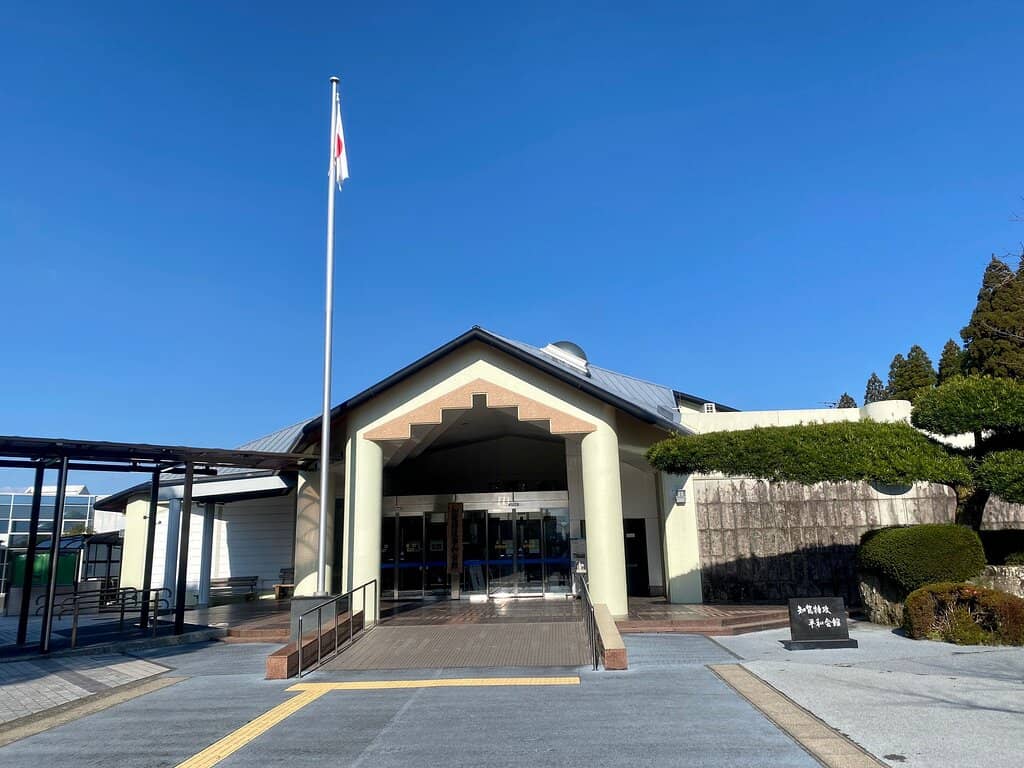
Chiran Peace Museum
A solemn tribute to kamikaze pilots, featuring personal artifacts, journals, and WWII aircraft, fostering reflection on sacrifice and peace.
Highlights
Must-see attractions

Social
From TikTok & Reddit
Best Time
Cherry blossoms add beauty
Chiran Peace Museum
Best Time
Cherry blossoms add beauty
Highlights
Must-see attractions
A solemn tribute to kamikaze pilots, featuring personal artifacts, journals, and WWII aircraft, fostering reflection on sacrifice and peace.
"A deeply moving experience, this museum offers a poignant look at the human cost of war and the importance of peace."
Translate Exhibits
Use Google Lens for Japanese text. Many personal stories are only in Japanese. :iphone:
Allow Ample Time
Plan for at least 90 minutes inside, plus time for the garden. :clock1:
Highlights
Discover the most iconic attractions and experiences
Pilot Personal Artifacts
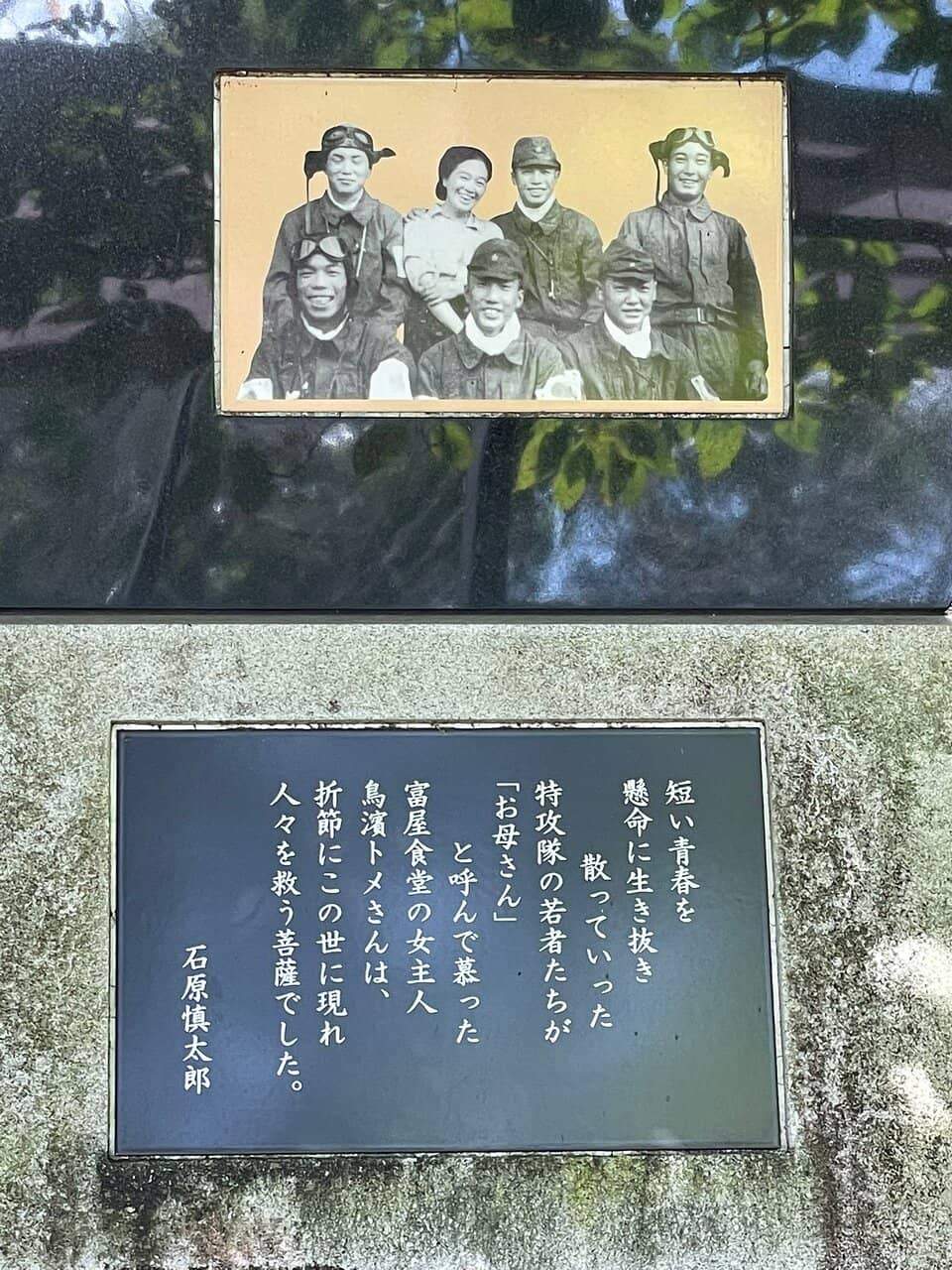
Letters, journals, and personal belongings of kamikaze pilots offer a poignant glimpse into their lives and final thoughts.
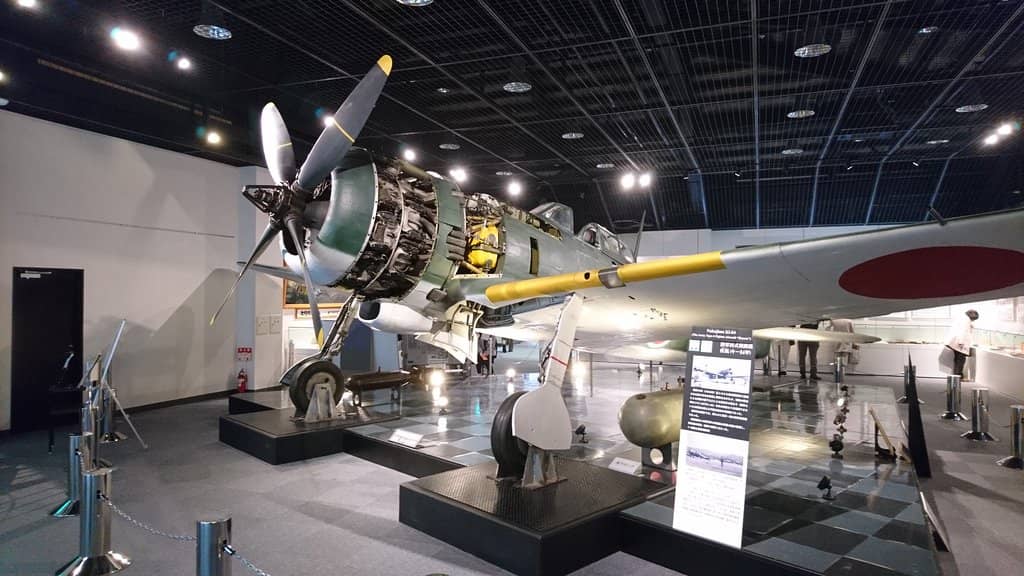
WWII Airplanes
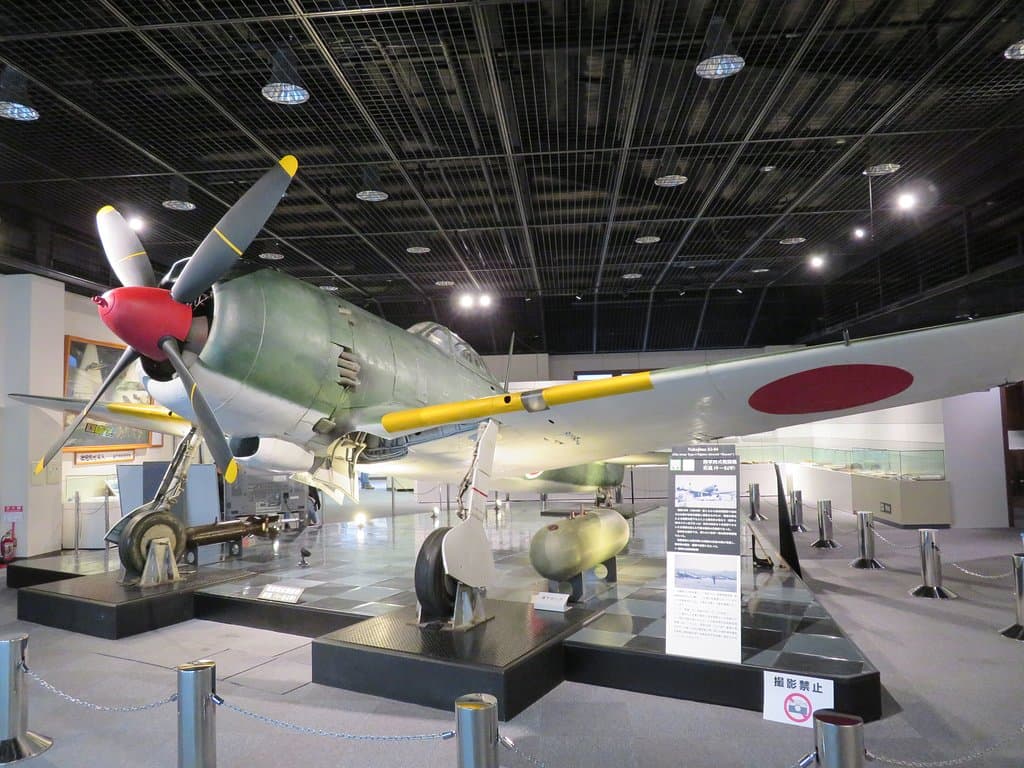
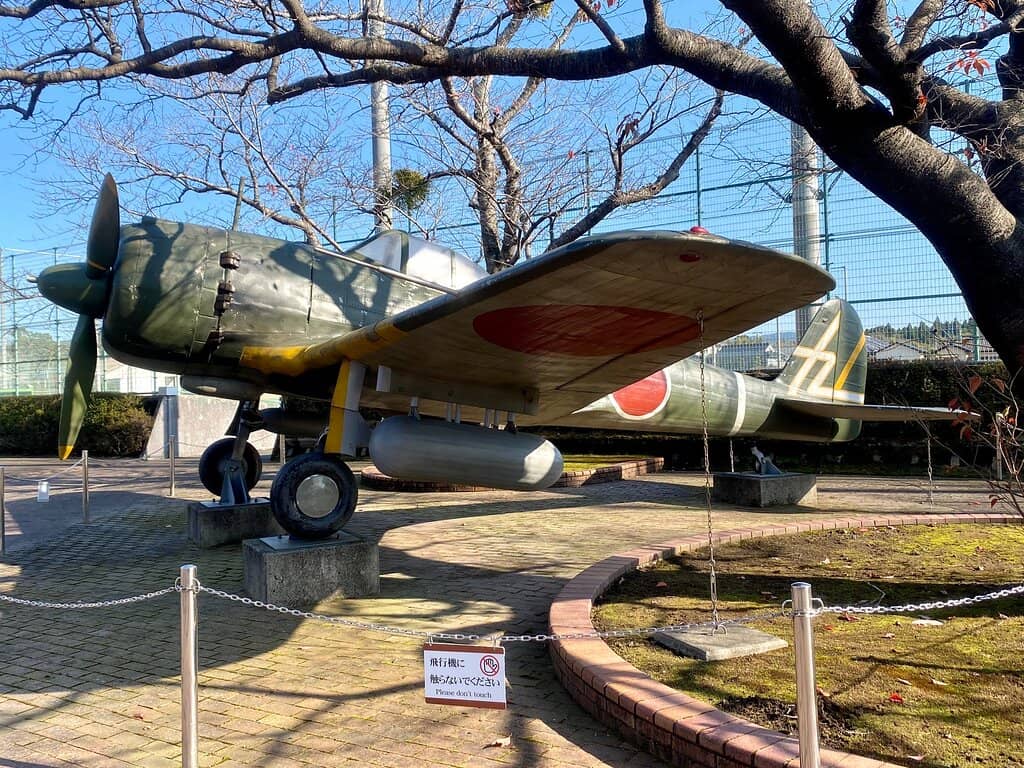
View well-preserved Japanese WWII aircraft, including one in wreck condition, offering a tangible connection to the past.
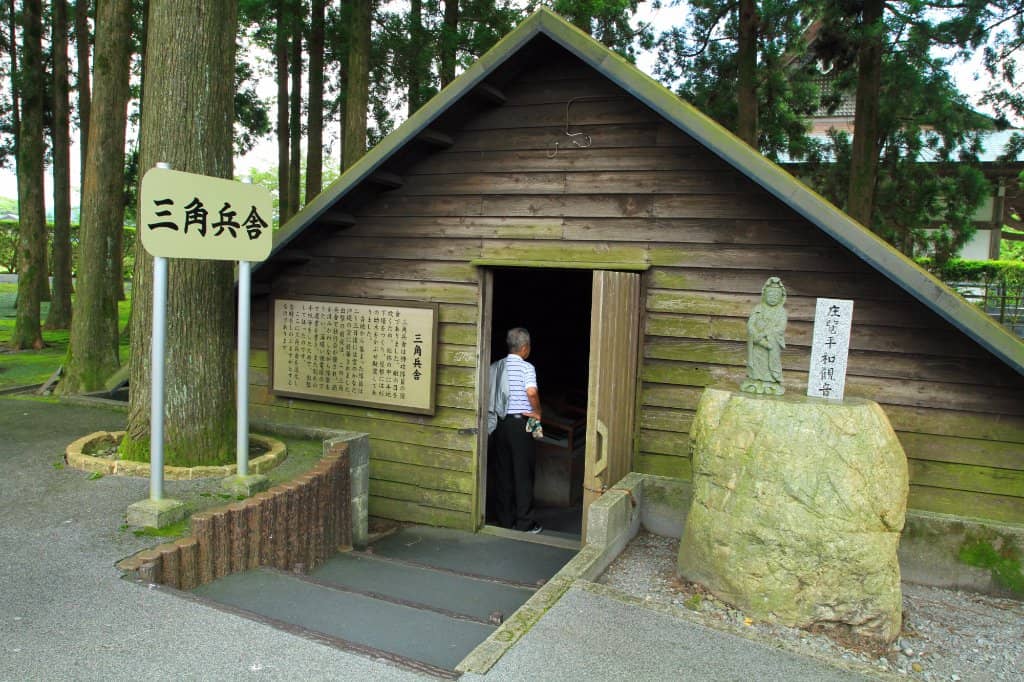
Memorial Garden
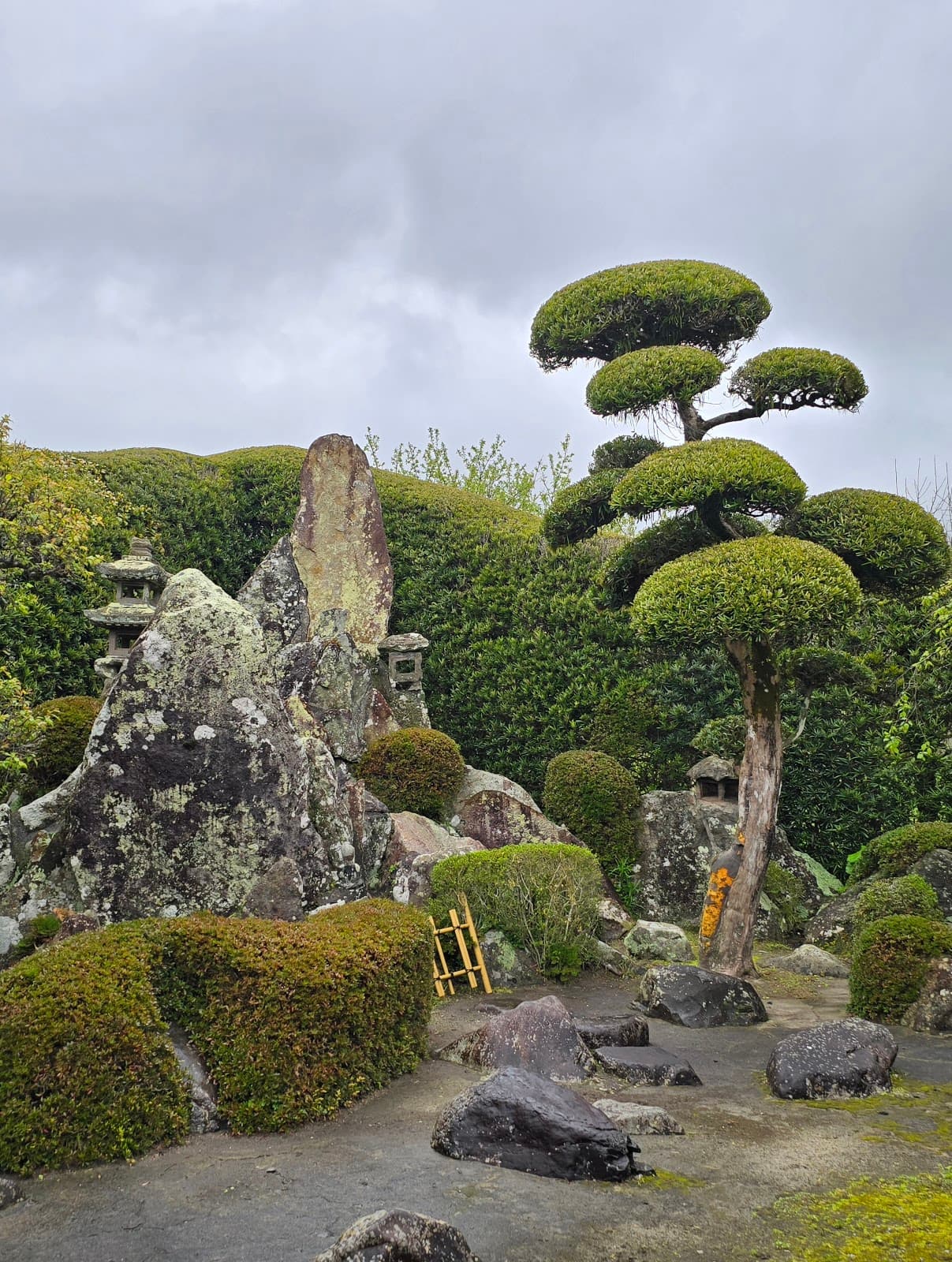
A serene garden with stone monuments bearing pilots' names provides a tranquil space for reflection and remembrance.
Plans like a pro.
Thinks like you
Planning Your Visit
Respectful Reflection
Language & Navigation
Best Times
Insider Tips
from TikTok, Instagram & Reddit
Translate Exhibits
Use Google Lens for Japanese text. Many personal stories are only in Japanese. :iphone:
Allow Ample Time
Plan for at least 90 minutes inside, plus time for the garden. :clock1:
Audio Guide Recommended
The English audio guide is informative, despite a clunky map interface. :microphone:
Photography Restrictions
No photos in the main museum, but allowed for some exterior planes. :camerawithflash:
Tips
from all over the internet
Translate Exhibits
Use Google Lens for Japanese text. Many personal stories are only in Japanese. :iphone:
Allow Ample Time
Plan for at least 90 minutes inside, plus time for the garden. :clock1:
Audio Guide Recommended
The English audio guide is informative, despite a clunky map interface. :microphone:
Photography Restrictions
No photos in the main museum, but allowed for some exterior planes. :camerawithflash:
Deeply Moving Experience
Prepare for an emotional visit. It's a powerful tribute. :heart:
What Travellers Say
Reviews Summary
Visitors find the Chiran Peace Museum to be a deeply moving and informative experience, offering a poignant look at the lives of kamikaze pilots through personal artifacts and aircraft displays. While the majority of exhibit text is in Japanese, the English audio guide and the option to use translation apps help make the content accessible. The serene memorial garden provides a peaceful space for reflection.
"A humanising perspective of the kamikaze pilots of WWII. While they were willing to take drastic measures to die for their country, they were at the very core just soldiers and patriots who wanted to be loyal to their nation. And to their family and friends, they were ordinary men who had lives outside of the army before the war.
A sobering reminder that in war there are no winners, and that while Japan (as a political and military force) was the aggressor, ordinary people ended up paying the price they need not have."
Jonathan Chew
"A really informative museum, well maintained and with many items on display - from many personal items of the pilots, personal journals and uniforms, to three Japanese WW2 airplanes (2 well maintained, 1 wreck) History and aviation/WW2 enthusiasts will find it very pleasing to visit.
The tablet containing the interactive museum map is quite cumbersome and the map interface a bit tricky, but the English audio-guide itself is great and very informative.
Many of the exhibits, however, have only Japanese explanations written next to them, so I would recommend having your google translate/lens app at the ready.
To me personally, the museum's content was quite moving."
ניב אבן
"Visiting the Chiran Peace Museum was a deeply moving experience—one that left a lasting impression on our family. Nestled near the historic town of Chiran in Kagoshima, this museum commemorates the lives of young kamikaze pilots who departed from this very region during World War II.
🏛️ Powerful Exhibits & Personal Stories
The museum is a quiet, respectful space filled with photographs, letters, personal belongings, and thoughtfully curated exhibits. One display that touched us deeply featured farewell letters written by pilots—often filled with heartfelt words to their loved ones and reflections on duty. It’s hard not to feel moved reading their personal messages, imagining their hopes and fears.
⚓ Historical Context & Reflection
Beyond individual stories, the museum provides rich context on the military strategy behind the kamikaze missions and Chiran’s role as a departure base. The black-and-white photographs gave us a vivid sense of the local landscape back then—complemented by historical footage that brought the era to life.
🌿 Serene Garden & Memorial Area
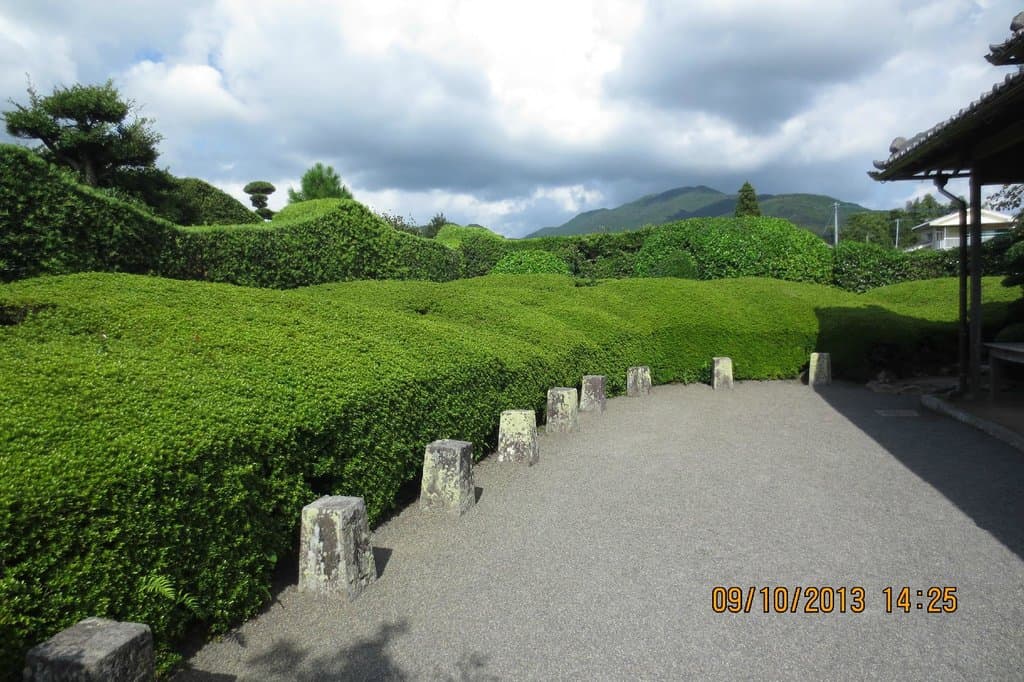
Stepping outside to the memorial garden brought another layer of reflection. The peaceful garden, lined with stone monuments engraved with pilots’ names, offered a tranquil place for reflection. We lingered here, contemplating the human cost of war—finding solace in the gentle ambiance and distant ocean breeze.
👨👩👧👦 A Moving Family Experience
Although some parts of the museum are solemn—especially the personal stories—our kids, aged 10 and 13, absorbed the atmosphere with thoughtful questions and quiet respect. It sparked meaningful conversations about history, sacrifice, and the importance of peace.
✨ Overall Impressions
The Chiran Peace Museum isn’t just a historical site—it’s a moving tribute that feels deeply personal and respectful. We spent a heartfelt 90 minutes inside, and another half-hour walking the garden and savouring the quiet. It’s not easy to visit, but it’s profoundly worth it for anyone seeking understanding, reflection, and a reminder of the past’s human impact.
Highly recommended for those visiting Kagoshima who want a meaningful, reflective pause on their journey."
Crumpled Nomad
What People Like
What People Dislike
Frequently Asked Questions
🚇 🗺️ Getting There
The Chiran Peace Museum is located in Minamikyushu City, Kagoshima Prefecture. From Kagoshima City, you can take a bus to Chiran. The journey typically takes around 1.5 to 2 hours. Some visitors have driven from Kagoshima, enjoying the scenic route. 
Yes, there is parking available at the museum. Visitors have noted it's convenient for those arriving by car.
While it's a significant destination, it's often visited as part of a broader trip to Kagoshima. Some travelers combine it with other local attractions like Sakurajima or waterfalls.
Many visitors arrive in Kagoshima first, then travel to Chiran. Renting a car can offer flexibility for exploring the region.
Local buses operate within the Chiran area, connecting to the museum. It's advisable to check local bus schedules upon arrival.
🎫 🎫 Tickets & Entry
The museum is generally open from 9:00 AM to 5:00 PM and is open year-round with no holidays.
Admission fees are typically modest. While specific prices can change, it's generally considered affordable for the experience.
Advance booking is usually not required for general admission. You can typically purchase tickets upon arrival.
Information on discounts for students or seniors is not widely publicized, but it's always worth inquiring at the ticket counter.
Photography is generally prohibited inside the main exhibition halls to preserve the solemn atmosphere and protect artifacts. However, you can take photos of some exterior aircraft.
🎫 🧭 Onsite Experience
The museum features personal artifacts, letters, journals, uniforms of kamikaze pilots, and displays of WWII aircraft. +1
Yes, an English audio guide is available and highly recommended for understanding the exhibits, though the interactive map can be tricky.
No, many exhibit descriptions are primarily in Japanese. It's recommended to use a translation app like Google Lens for a more comprehensive understanding.
Most visitors spend around 90 minutes inside the museum, with an additional 30 minutes for the memorial garden.
While the subject matter is solemn, many families find it a moving and educational experience that sparks thoughtful conversations about history and peace.
📸 📸 Photography
Photography is restricted inside the main museum building. However, you can photograph the exterior of the aircraft on display and the memorial garden.
There are several WWII Japanese aircraft on display outside, including one in wreck condition, which are popular for photography.
Mornings or late afternoons can offer softer light for exterior shots of the aircraft and garden.
Tripod usage might be restricted in certain areas, especially if it obstructs pathways. It's best to check on-site regulations.
The memorial garden offers a peaceful and reflective backdrop for photos. The surrounding natural beauty of Kagoshima also provides photo opportunities.
For Different Travelers
Tailored advice for your travel style
👨👩👧 Families with Kids
It's advisable to prepare children for the emotional nature of the museum beforehand. Using a translation app for the Japanese text can help make the exhibits more accessible. The experience, though somber, can be a valuable educational opportunity, fostering empathy and a deeper understanding of historical events.
❤️ History & Aviation Enthusiasts
The museum's detailed exhibits, combined with the historical context of Chiran Airbase, offer a comprehensive look at the kamikaze missions. The English audio guide enhances the experience, and utilizing translation apps for Japanese text can unlock even more detailed information. It's a place that resonates deeply with those who appreciate the complexities and human stories behind historical events.
Deep Dives
In-depth insights and expert knowledge
The Kamikaze Pilots and Their Sacrifice
+2Visitors often describe the experience as profoundly moving, with many moved to tears by the pilots' farewell messages and the stark reality of their sacrifice. The exhibits aim not just to commemorate but also to foster understanding of the historical context and the motivations behind these missions. It's a place that encourages reflection on the human cost of war and the desire for peace.
Beyond the personal stories, the museum provides historical context about Chiran's role as a key departure point. The displays help visitors grasp the gravity of the decisions made and the immense courage, or perhaps desperation, that led these young men to their fate. The museum serves as a powerful reminder of the past, urging a commitment to preventing future conflicts.
Navigating the Museum and Its Exhibits
While the museum offers an English audio guide, which is praised for its informativeness, a significant portion of the exhibit text is in Japanese. To fully appreciate the details, it's highly recommended to have a translation app like Google Lens ready on your smartphone. This will help bridge the language gap and allow for a deeper understanding of the historical narratives.
Visitors can also see several World War II Japanese aircraft on display, including two well-maintained planes and one in a wreck state. Photography is generally not permitted inside the main exhibition halls, but exterior shots of the aircraft and the serene memorial garden are allowed. The garden itself, with its stone monuments, offers a peaceful setting for contemplation.


Social
from TikTok, Instagram & Reddit