Entsu-in Temple
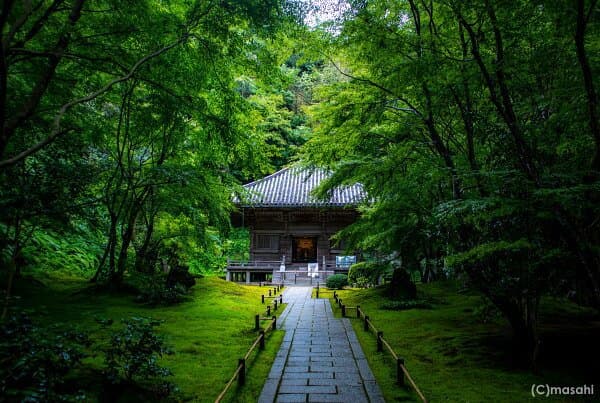
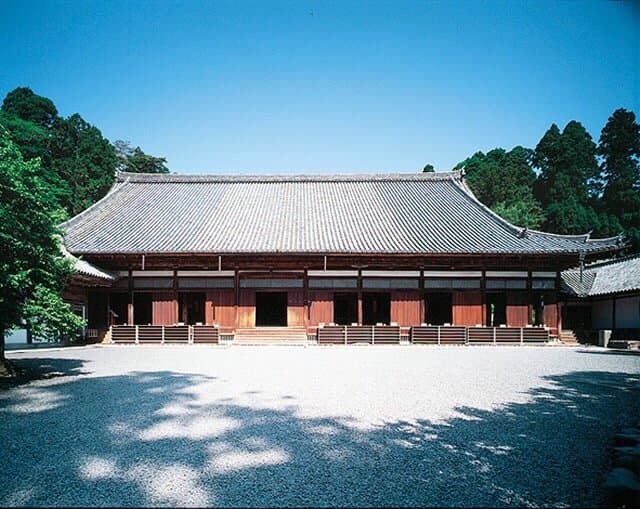
A 1647 temple in Matsushima renowned for its exquisite Japanese and Western gardens, serene moss-covered paths, and unique mausoleum art.
Highlights
Must-see attractions

Social
From TikTok & Reddit
Best Time
Vibrant blooms and fewer crowds
Entsu-in Temple
Best Time
Vibrant blooms and fewer crowds
Highlights
Must-see attractions
A 1647 temple in Matsushima renowned for its exquisite Japanese and Western gardens, serene moss-covered paths, and unique mausoleum art.
"Entsu-in Temple is one of Matsushima’s most enchanting and spiritually moving sites — a place where history, art, and nature blend into perfect harmony."
🎯 Arrive Early for Peace
Beat the crowds by visiting within 2 hours of opening. Enjoy the temple's tranquility before tour groups arrive.
📸 Photo Ops Galore
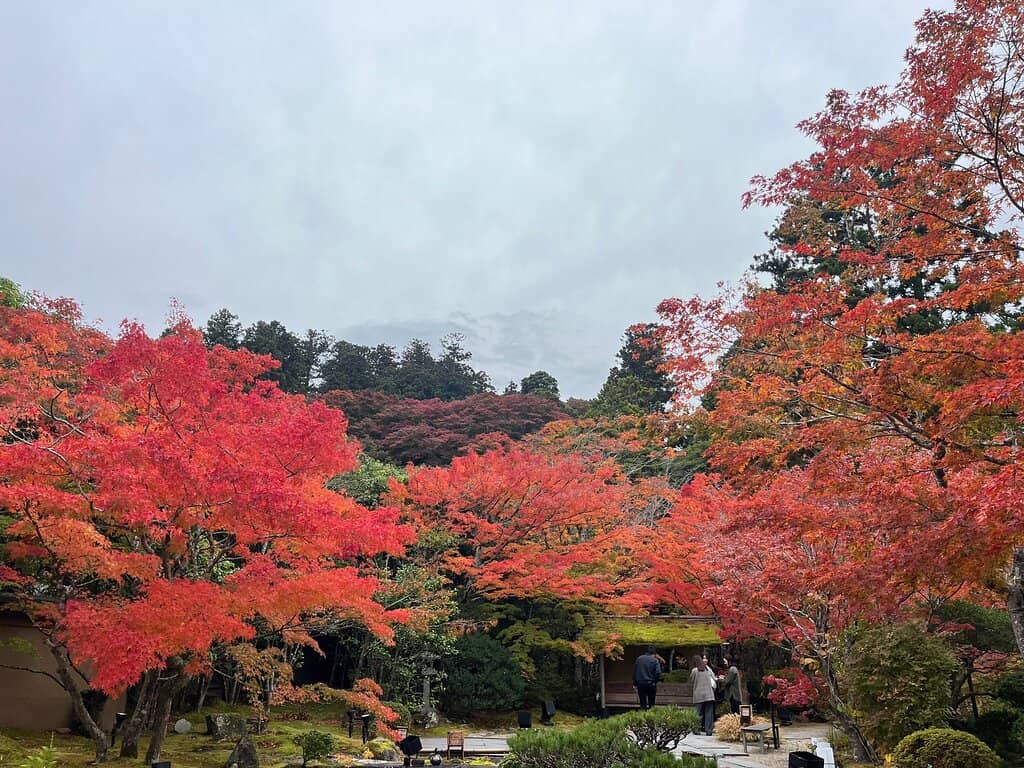
Mid-November is perfect for red leaves! Great for photos. Tripods/monopods not allowed inside.
Highlights
Discover the most iconic attractions and experiences
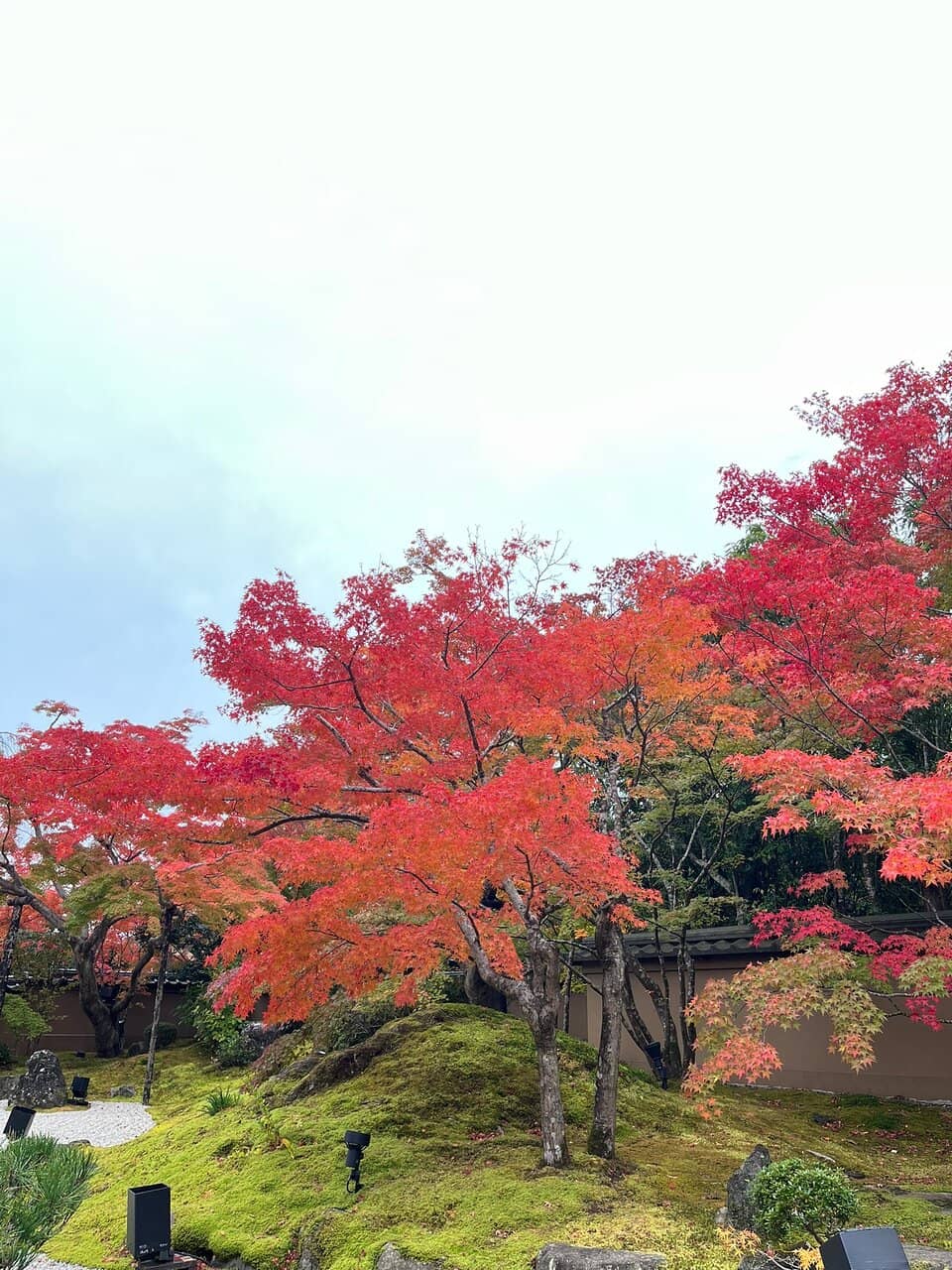
Enchanting Japanese & Western Gardens
Temple Grounds
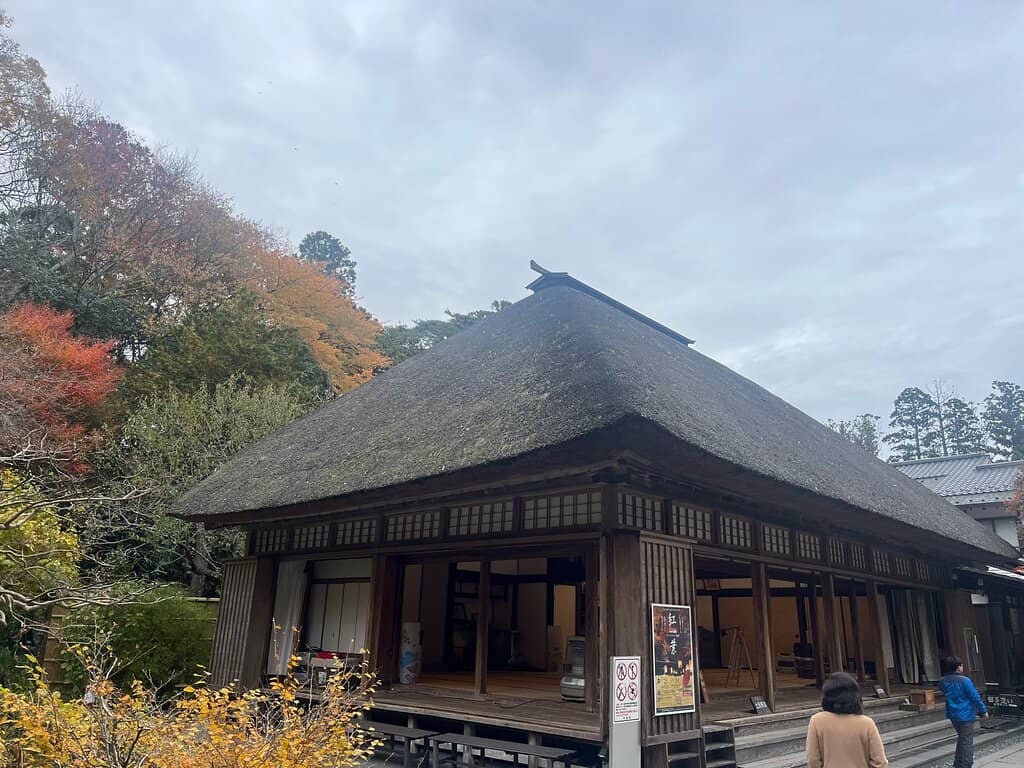
A harmonious blend of traditional Japanese rock gardens and Western-style rose bushes, offering year-round beauty.
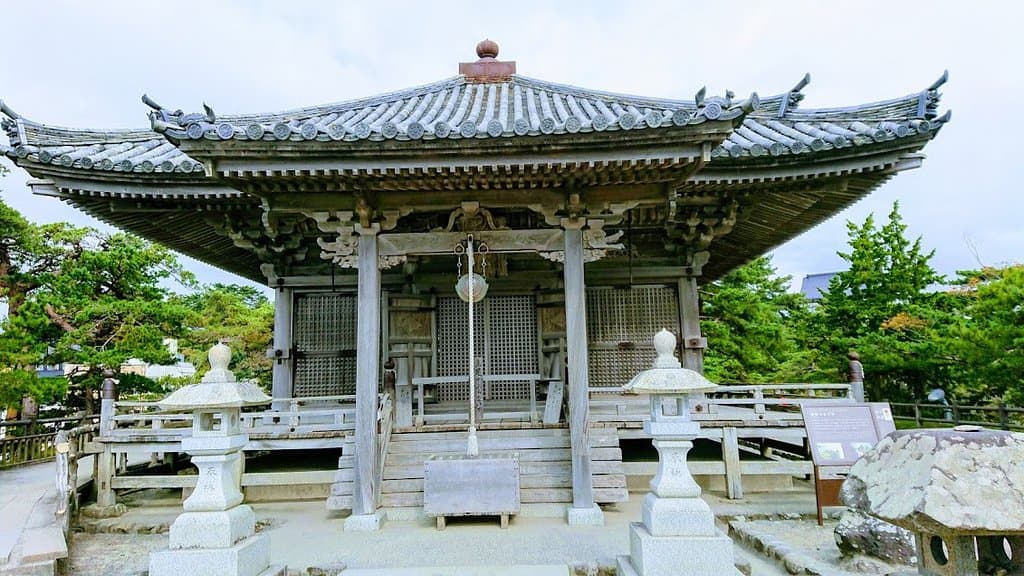
Mausoleum of Date Mitsumune
Main Hall
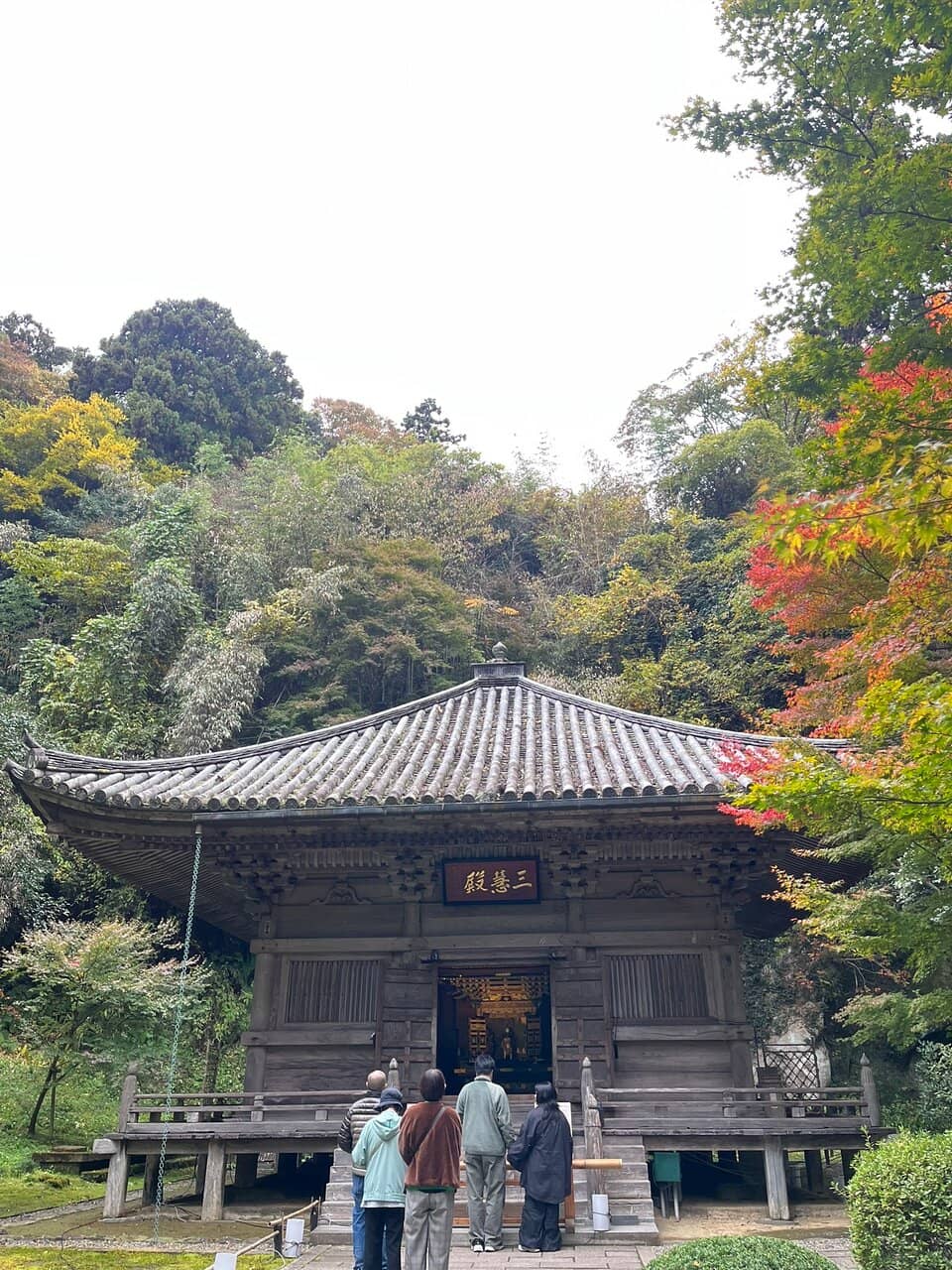
Discover intricate Namban art motifs and paintings within this 17th-century mausoleum, a testament to Edo-period craftsmanship.
Moss-Covered Pathways
Garden Paths
Wander through serene, moss-laden paths that create a meditative atmosphere, especially after rain.
Plans like a pro.
Thinks like you
Planning Your Visit
Timing is Everything for Tranquility
Embrace the Gardens' Seasonal Charm
Best Times
Insider Tips
from TikTok, Instagram & Reddit
My tip - consider an autumn or spring night viewing at a temple!
🎯 Arrive Early for Peace
Beat the crowds by visiting within 2 hours of opening. Enjoy the temple's tranquility before tour groups arrive.
📸 Photo Ops Galore
Mid-November is perfect for red leaves! Great for photos. Tripods/monopods not allowed inside.
Sendai day trips
[Itinerary check] 2 weeks in Tokyo + Hakone + unsure about visiting Sendai - February - feedback appreciated!
🌸 Seasonal Garden Beauty
Gardens are stunning in autumn (red leaves) and May (green). Expect roses and cedars too.
🚶♀️ Easy Access from Station
Just a short walk from Matsushima Kaigan JR Station. Very convenient for day trips.
Sendai quick trip suggestions
Tips
from all over the internet
🎯 Arrive Early for Peace
Beat the crowds by visiting within 2 hours of opening. Enjoy the temple's tranquility before tour groups arrive.
📸 Photo Ops Galore
Mid-November is perfect for red leaves! Great for photos. Tripods/monopods not allowed inside.
🌸 Seasonal Garden Beauty
Gardens are stunning in autumn (red leaves) and May (green). Expect roses and cedars too.
🚶♀️ Easy Access from Station
Just a short walk from Matsushima Kaigan JR Station. Very convenient for day trips.
What Travellers Say
Reviews Summary
Entsu-in Temple is widely praised for its exceptionally beautiful and tranquil gardens, offering a harmonious blend of Japanese and Western styles. Visitors are captivated by the moss-covered paths, seasonal foliage, and the unique Namban art within the mausoleum. While generally peaceful, arriving early is recommended to avoid crowds.
"Entsūin Temple is one of Matsushima’s most enchanting and spiritually moving sites — a place where history, art, and nature blend into perfect harmony. Built in 1647 to enshrine the spirit of Date Mitsumune, the beloved grandson of the powerful lord Date Masamune, the temple stands as both a memorial and a masterpiece of Edo-period craftsmanship.
From the moment you enter, the tranquility is palpable. The moss-covered pathways, wooden bridges, and carefully arranged stones create a meditative atmosphere. The temple’s gardens are among the finest in the region — a stunning combination of Japanese and Western influences, with rose bushes, rock gardens, and ponds reflecting the changing seasons. In autumn, the glowing maples turn the temple grounds into a painter’s dream."
Wisanu Tuntawiroon
"Very beautiful place, the time now is mid November, it's full of red leaves and if you are looking for some nice photo shooting places, it is the place. And the surrounding is worth visiting as well, if you go to Sendai, this is the place you don't wanna miss."
Karl Chan
"The Temple, Entsu-in Hondou, a Bodhisattva temple of Mitsumune, the grandson of Date Masamune, about 380 years old, is famous for its garden beauty and green moss which needs proper humidities and intensive labor for maintenance and weeding, while its Japanese dry garden (枯山水), karesansui, or Japanese rock garden, often called a Zen garden, is also popular with the visitors, especially for the worshippers. Two other gardens are seasonal for flowers, roses and cryptomeria [Japanese cedar].
The temple’s mausoleum is decorated with Namban [southern barbarian or west foreigner to be polite] art motifs inspired by late Sengoku period contact with the West around 16th and 17th centuries.
The Temple is very quiet and peaceful, tranquil and, above all, it does not have many visitors in the first 2 hours after its opening [09AM], because most of its visitors are from Sendai City by JR train or by tour buses and, often, arrive around after 11AM. Thus, early-bird visitors can enjoy the Temple themselves for the views and for photo taking.
The Temple is in short walking distance from Matsushima Kaigan JR Station. The entrance fee is 500 Yen as Summer 2025."
Ben Hsu
What People Like
What People Dislike
Frequently Asked Questions
🚇 🗺️ Getting There
Entsu-in Temple is conveniently located within a short walking distance from Matsushima Kaigan JR Station. It's an easy stroll, making it accessible for most visitors arriving by train.
While specific parking details aren't widely shared, the temple is easily reachable by public transport. If driving, research local parking options near Matsushima Kaigan Station beforehand.
Many visitors arrive via tour buses that often stop near the temple or Matsushima Kaigan Station. If you're not on a tour, the train is a very straightforward option.
The most common and convenient way to travel from Sendai to Matsushima is by JR train on the Senseki Line, which takes approximately 40-50 minutes.
Absolutely! Entsu-in Temple is close to other key Matsushima sites like Zuigan-ji Temple, making it easy to plan a day of exploration.
🎫 🎫 Tickets & Entry
The entrance fee is typically around 500 Yen, though prices may vary slightly by season. It's a small price for the beauty you'll experience.
Advance ticket purchase is generally not required for Entsu-in Temple. You can usually buy tickets upon arrival at the entrance.
The temple typically opens around 9 AM. It's best to check the most current hours closer to your visit, especially if planning for special evening viewings.
Yes, Entsu-in Temple sometimes hosts special night viewings during autumn and spring, where the grounds are illuminated. These are highly recommended for a unique experience.
The entrance fee generally covers access to the main temple grounds, including the mausoleum and gardens.
📸 📸 Photography
Yes, you are allowed to take photos inside the temple with your phone. However, tripods, monopods, selfie sticks, and drones are prohibited.
The gardens, especially during autumn with the red leaves, are incredibly photogenic. The moss-covered paths and the mausoleum's exterior also offer beautiful shots.
Photography is generally permitted during night viewings, but be mindful of lighting conditions and other visitors. Check for any specific restrictions during these events.
Early morning offers soft light and fewer people, ideal for capturing the serene atmosphere. Autumn afternoons provide dramatic colors.
Yes, drone photography is strictly prohibited within the temple grounds.
🎫 🌿 Onsite Experience
Entsu-in Temple is most celebrated for its exceptionally beautiful and well-maintained gardens, featuring a unique blend of Japanese and Western styles, and its tranquil, spiritual atmosphere.
You'll find a traditional Japanese dry garden (karesansui), seasonal flower gardens with roses, and cryptomeria (Japanese cedar). The lush green moss is a particular highlight.
Yes, the temple is described as very quiet, peaceful, and tranquil. Visiting early in the morning is key to experiencing this serenity.
The mausoleum enshrines Date Mitsumune, the grandson of Date Masamune, and is adorned with unique Namban art motifs from the late Sengoku period, reflecting early Western contact.
Most visitors spend about 1 to 1.5 hours exploring the gardens and the mausoleum, allowing time for quiet contemplation and photography.
For Different Travelers
Tailored advice for your travel style
👨👩👧 Families with Kids
Tips for families: Visit early to avoid crowds and allow children to move more freely. The short walking distance from Matsushima Kaigan Station makes it an easy addition to a day trip. Keep in mind that while photos are allowed with phones, more elaborate equipment is restricted, so focus on enjoying the moment together.
📸 Photography Enthusiasts
Remember the restrictions: no tripods, monopods, selfie sticks, or drones are allowed for photography within the temple grounds.
🧘 Solo Travelers Seeking Peace
Take your time to wander through the beautiful gardens, find a quiet spot to sit, and absorb the meditative ambiance. The temple's historical significance, particularly the mausoleum with its unique Namban art, offers a point of interest without being overwhelming. It's a place to recharge and connect with the natural and historical beauty of Matsushima.
Deep Dives
In-depth insights and expert knowledge
The Artistry of Entsu-in's Gardens
Complementing the Zen garden are areas featuring seasonal flowers, most notably roses, and stands of cryptomeria (Japanese cedar). The temple's dedication to maintaining these gardens is evident in the vibrant moss that carpets many of the pathways and surfaces, creating an almost ethereal, verdant atmosphere, particularly after rainfall.
Visitors often highlight the autumn foliage as a peak time, when the maple trees erupt in fiery reds and oranges, transforming the grounds into a breathtaking spectacle.
Historical Significance and Artistic Details
The mausoleum itself is a fascinating display of Namban art. This style draws inspiration from the 'southern barbarians' – a term used for Westerners, particularly Portuguese and Spanish traders and missionaries who arrived in Japan during the late Sengoku period (16th and 17th centuries). The intricate decorations and motifs within the mausoleum reflect this early period of cultural exchange and the exotic influences that captivated Japanese artisans at the time.
This blend of historical commemoration and unique artistic expression makes Entsu-in Temple more than just a beautiful garden; it's a window into a specific era of Japanese history and its engagement with the outside world. The craftsmanship evident in the mausoleum's design is a testament to the skill of Edo-period artisans.
Experiencing Tranquility: Tips for a Peaceful Visit
Beyond timing, respecting the temple's atmosphere is key. While photography is permitted with phones, remember that tripods, selfie sticks, and drones are not allowed, encouraging visitors to focus on the experience rather than just capturing content.
Consider visiting during the shoulder seasons of spring or autumn. While autumn is famed for its vibrant foliage, spring offers a different kind of beauty with blooming flowers and fresh greenery.

Social
from TikTok, Instagram & Reddit