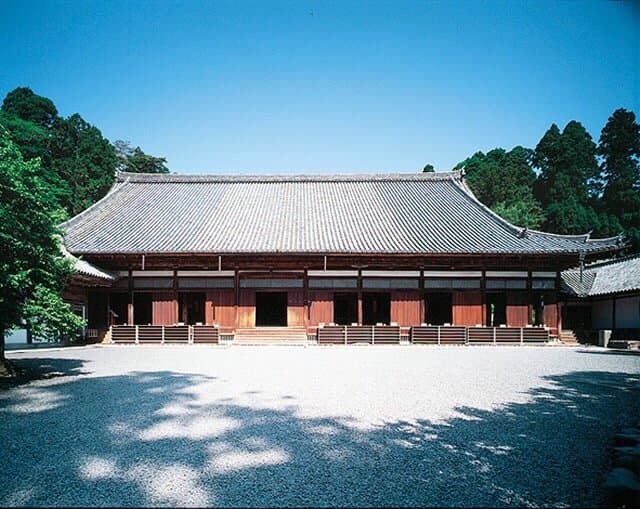
Zuiganji Temple Matsushima
A serene National Treasure Zen temple in Matsushima, famed for its 17th-century painted doors and tranquil cedar path.
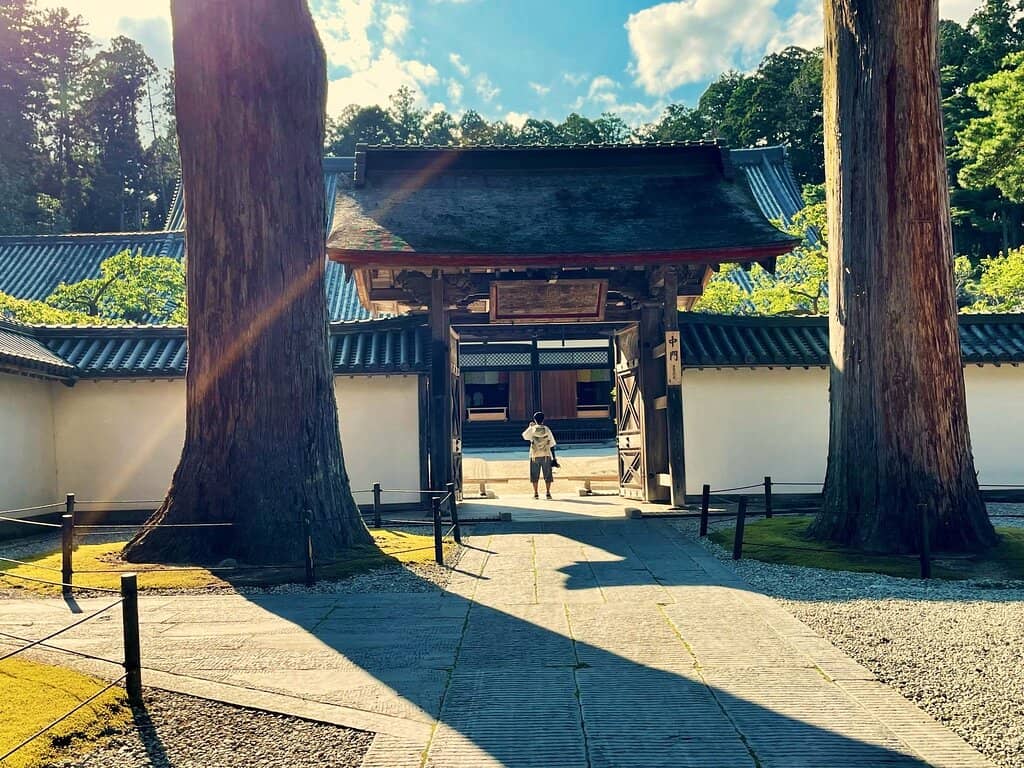
Highlights
Must-see attractions

Social
From TikTok & Reddit
Best Time
Beat the crowds for peace
Zuiganji Temple Matsushima
Best Time
Beat the crowds for peace
Highlights
Must-see attractions
A serene National Treasure Zen temple in Matsushima, famed for its 17th-century painted doors and tranquil cedar path.
"Peaceful and deeply atmospheric, Entsū-in blends reverence and beauty, especially in the soft quiet of summer mist or autumn light."
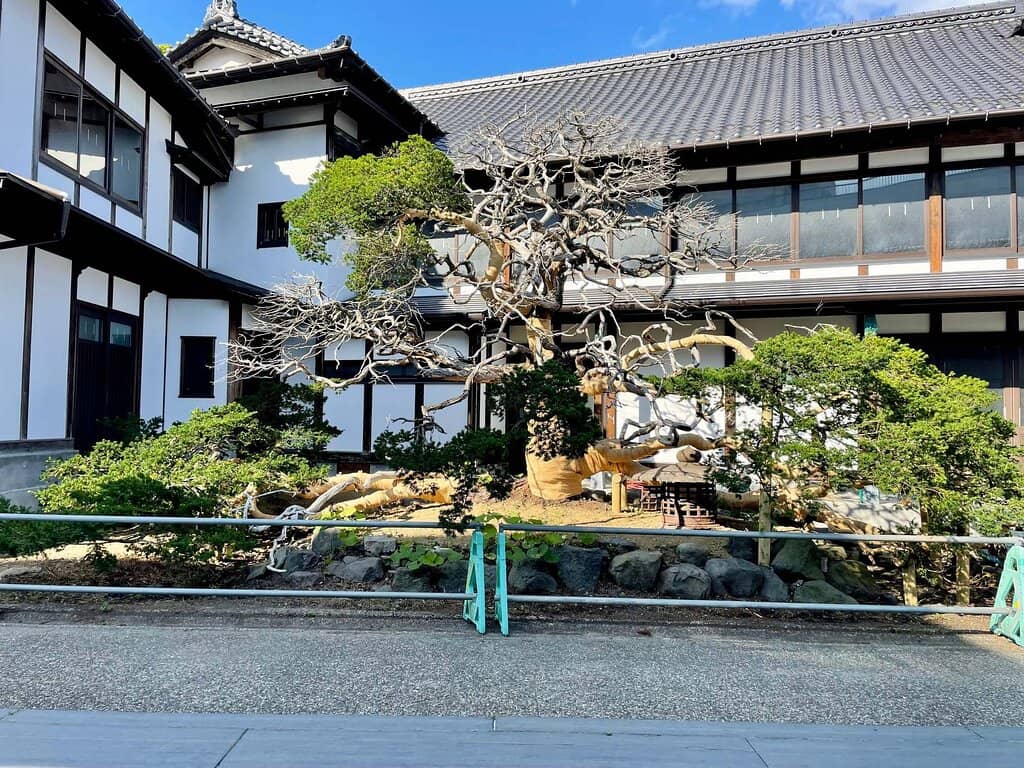
📸 No Photos Inside Main Hall
Photography is restricted inside the main hall, but the beauty is worth experiencing firsthand .
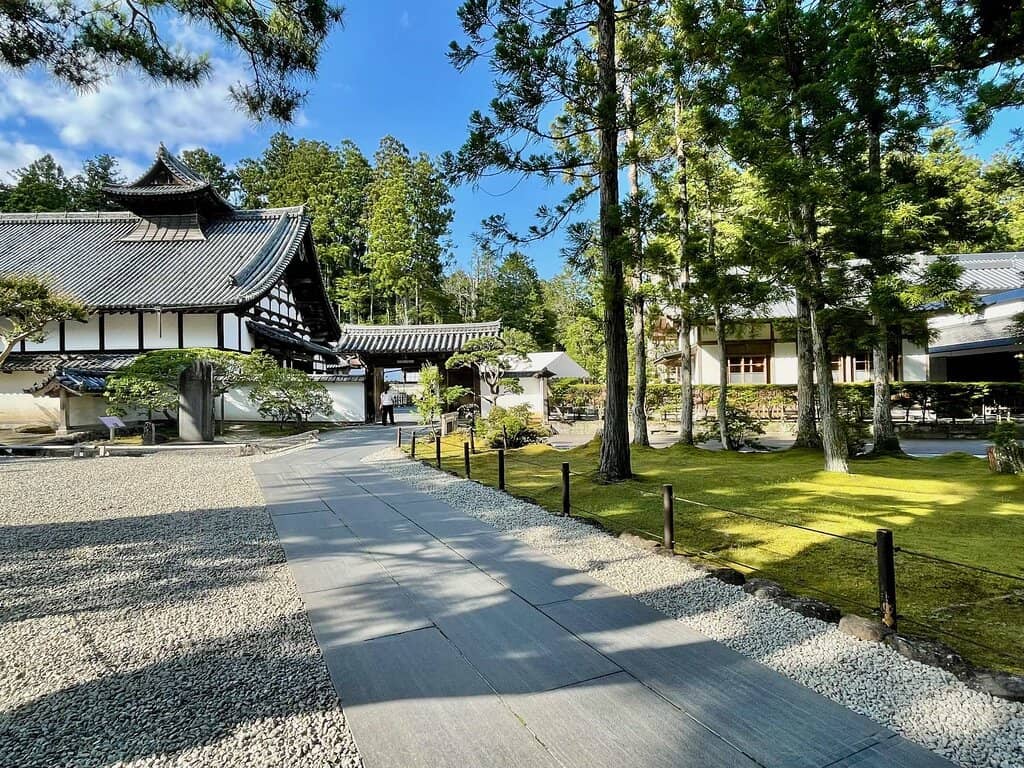
🚶♀️ Explore the Cedar Path
The cedar-lined path is a highlight, offering a peaceful and scenic walk to the temple grounds .
Highlights
Discover the most iconic attractions and experiences
Painted Sliding Doors
Main Hall
Marvel at the intricate 17th-century wall paintings adorning the temple's sliding doors, a testament to its rich history.
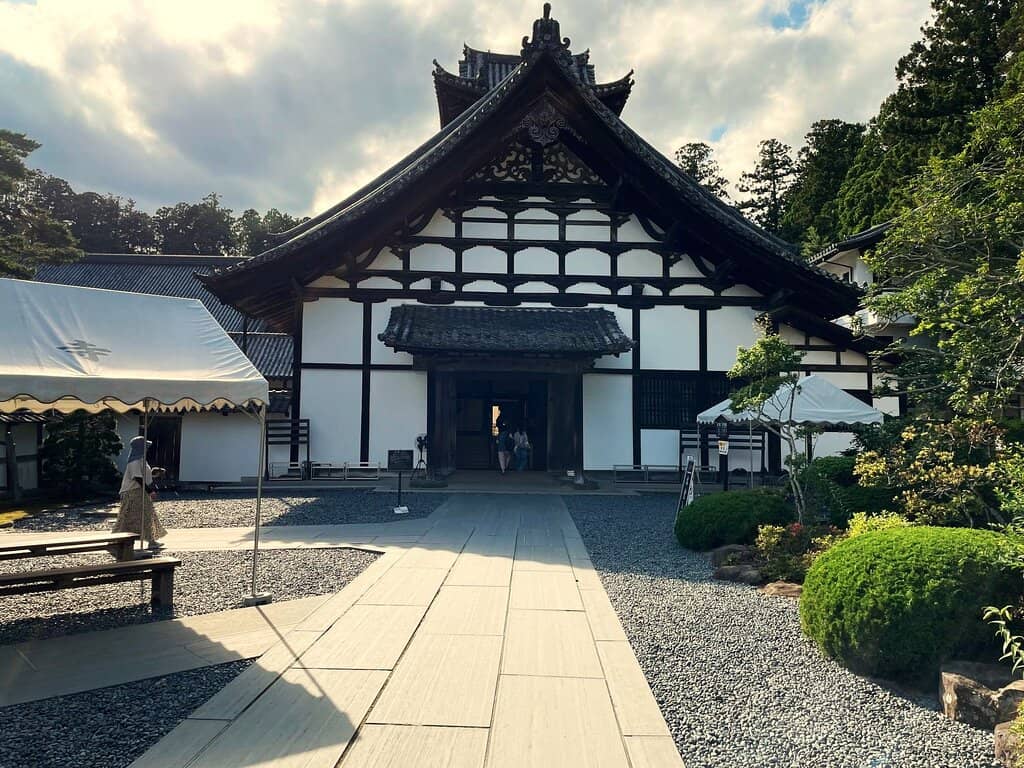
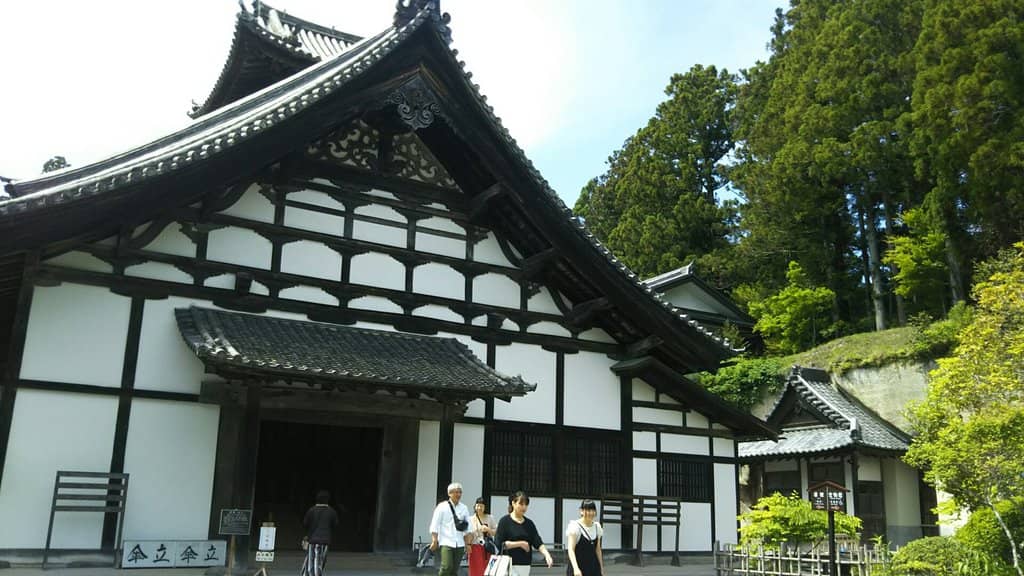
Cedar-Lined Path
Temple Grounds
Stroll along the tranquil, cedar-lined approach, a peaceful pathway leading to the temple's serene heart.
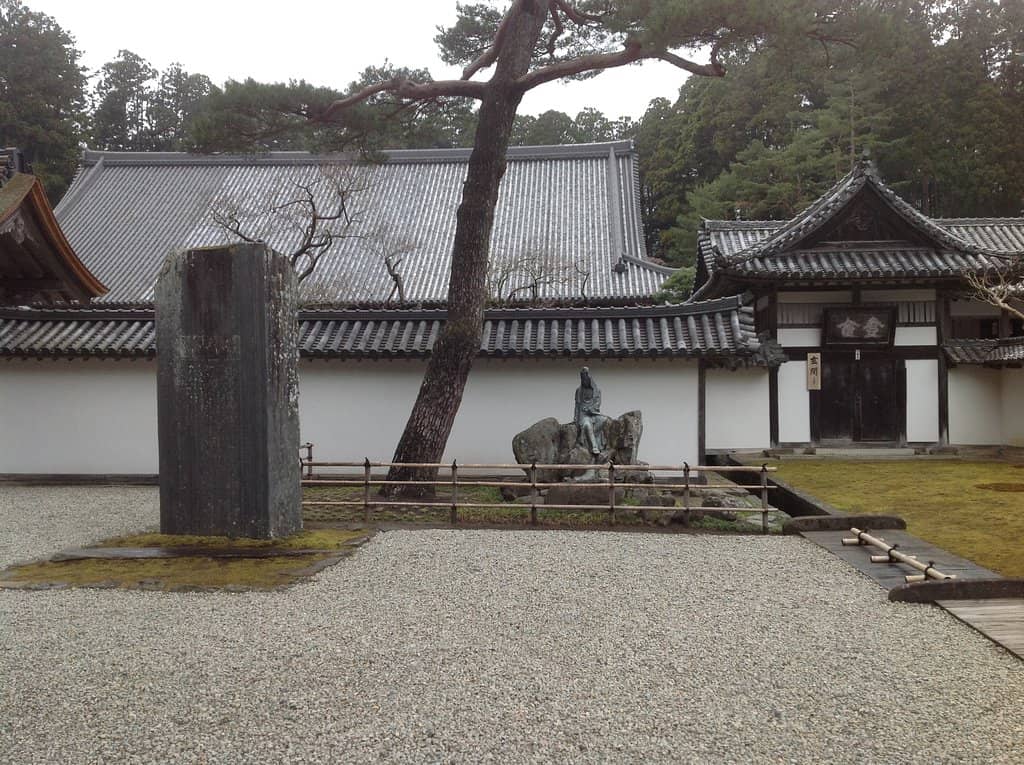
Prayer Caves
Temple Grounds
Explore the fascinating prayer caves, offering a unique glimpse into the spiritual practices associated with the temple.
Moss Gardens & Zen Landscapes
Temple Grounds
Experience the tranquility of meticulously maintained moss gardens and contemplative Zen rock landscapes.
Plans like a pro.
Thinks like you
Planning Your Visit
Timing Your Visit for Tranquility

Navigating Matsushima's Charm
Best Times
Insider Tips
from TikTok, Instagram & Reddit
📸 No Photos Inside Main Hall
Photography is restricted inside the main hall, but the beauty is worth experiencing firsthand.
🚶♀️ Explore the Cedar Path
The cedar-lined path is a highlight, offering a peaceful and scenic walk to the temple grounds.
💡 Consider Night Illumination
Special night events with illuminations offer a magical, albeit crowded, experience.
🚗 Parking Convenience
Free parking is available at Nishihama Park, making it a convenient starting point for exploring.
Tips
from all over the internet
📸 No Photos Inside Main Hall
Photography is restricted inside the main hall, but the beauty is worth experiencing firsthand.
🚶♀️ Explore the Cedar Path
The cedar-lined path is a highlight, offering a peaceful and scenic walk to the temple grounds.
💡 Consider Night Illumination
Special night events with illuminations offer a magical, albeit crowded, experience.
🚗 Parking Convenience
Free parking is available at Nishihama Park, making it a convenient starting point for exploring.
🗺️ Part of Matsushima Bay
Combine your visit with a Matsushima Bay cruise for the full scenic experience.
What Travellers Say
Reviews Summary
Visitors praise Zuiganji Temple for its serene atmosphere, well-maintained grounds, and historical significance as a National Treasure. The cedar-lined path and prayer caves are frequently highlighted as unique features. While some find the entrance fee a bit high, most agree the experience is deeply rewarding and worth the cost.
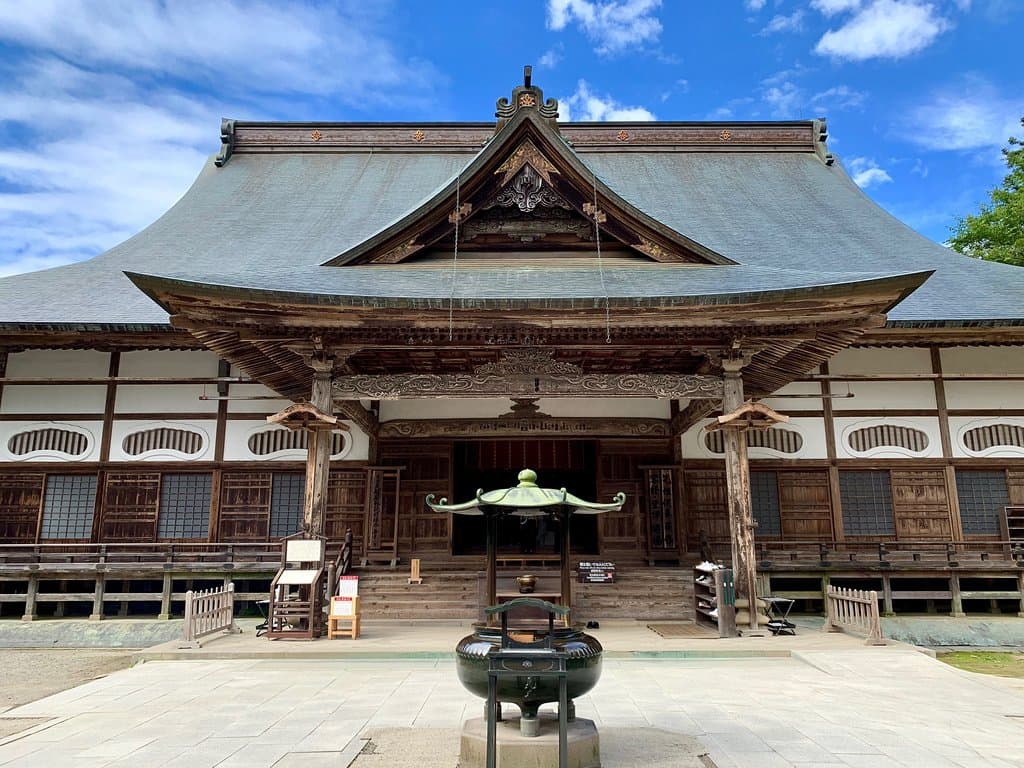
"Zuiganji Temple is the spiritual heart of Matsushima and one of the most magnificent Zen temples in northern Japan. Founded in the 9th century and rebuilt in 1609 by the powerful feudal lord Date Masamune, it beautifully reflects both the strength and sophistication of the Date clan. Walking through its grounds feels like stepping back in time — a quiet world of cedar trees, mossy stone paths, and wooden halls resonating with centuries of devotion.
The main hall (hondō), a designated National Treasure, is breathtaking in its craftsmanship. Inside, the golden fusuma (sliding doors) and intricate wood carvings showcase the refined culture of the early Edo period. Every detail — from the soft tatami underfoot to the elegant painted screens — exudes a sense of calm power and understated beauty."
Wisanu Tuntawiroon
"Zuigaji Temple in Matsushima, a Zen temple, has about 400 years of history.
The Temple inside main temple building or so-called hondo, in addition to kuri [living residence quarter], especially central room [shitchu], kujaku no ma, have many art collections of 16th and 17th centuries. Each room of the main temple building is decorated with paintings and sculptures that matches its theme and each has a different ceiling.
Because no photo taking is allowed inside the main building, thus, no photo of it is here.
While interior or buildings inside are not allowed for photo taking, visitors still can enjoy temple garden, renovated and rebuilt temple buildings, its Japanese dry garden (枯山水), karesansui, or Japanese rock garden [a Zen garden], mountain-rock caves with various resided Bodhisattva.
When walking out the worship hall and garden, the passage to the rear entry which leads to main avenue of Matsushima Island is called Zuigaji Temple Caves, which is an area for memorial service and ash storage ground for the deceased, and it dated back to the 12th century until 18th century. The Caves played an important role for the Sendai and other local to pray for the safe passage to eternity and next Pure-land life. The statutes of various Buddha and Bodhisattva are NOT original, but probably a replica or contemporary designed of religious worship sacred.
The temple entrance fee is $700 Yen for adult. It is about 10 minutes’ walking distance from JR Matsushima Kaigan Station and is neighboring to Entsu-in Hondou, another famous Matsushima temple."
Ben Hsu
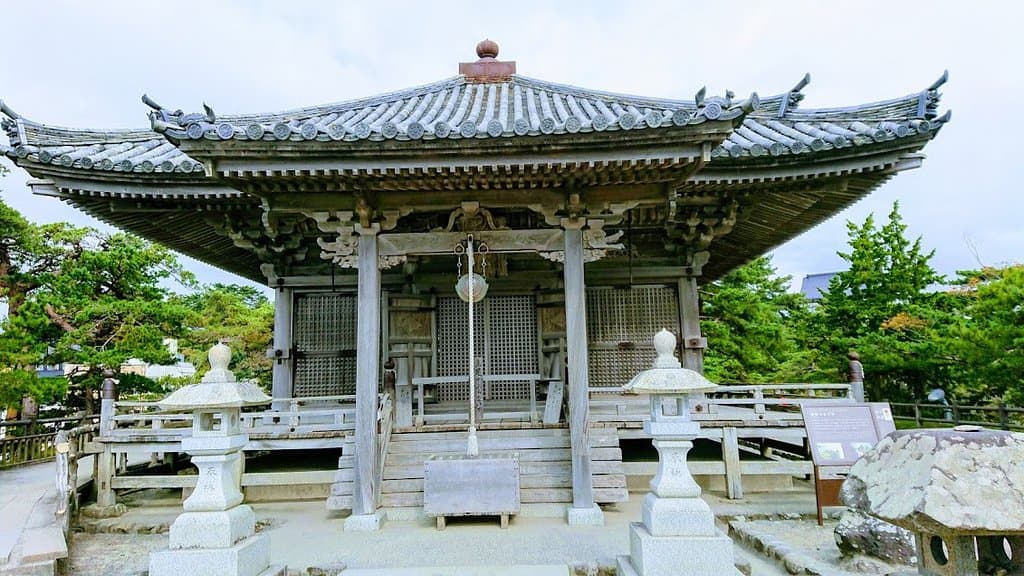
"Tucked in the forested heart of Matsushima, Entsū-in was built in 1647 to enshrine Date Mitsumune, the beloved grandson of warlord Date Masamune. It’s renowned for its serene moss gardens, Zen rock landscapes, and the unexpected presence of Christian motifs inside the ornate mausoleum — a rare glimpse into Japan’s secretive 17th-century ties with the West.
Peaceful and deeply atmospheric, Entsū-in blends reverence and beauty, especially in the soft quiet of summer mist or autumn light. A winding path through stone lanterns and cedar trees makes the temple feel like a tucked-away memory more than a tourist stop."
Lawrence Goodrich
What People Like
What People Dislike
Frequently Asked Questions
🚇 🗺️ Getting There
Zuiganji Temple is easily accessible from Sendai. Take the JR Senseki Line from Sendai Station to Matsushima-Kaigan Station, which takes about 37 minutes. From the station, it's an 8-minute walk to the temple.
Yes, free parking is available at Nishihama Park, which is a recommended starting point for exploring the Matsushima area, including Zuiganji Temple.
While train access is straightforward, local buses also serve the Matsushima area. Check local bus schedules for routes connecting to the temple from nearby stations or attractions.
Many visitors combine a visit to Zuiganji Temple with a Matsushima Bay sightseeing cruise. Walking across the iconic bridges in the area is also highly recommended.+1
Yes, Zuiganji Temple can be part of a day trip to Matsushima from Tokyo, though it requires an early start and efficient travel. The journey by Shinkansen to Sendai and then the local train to Matsushima takes a few hours each way.
🎫 🎫 Tickets & Entry
Zuiganji Temple is typically open from 8:00 AM to 4:30 PM. However, it's always a good idea to check the official website for any seasonal changes or special event hours.
Yes, an entrance fee is required to explore the temple grounds, buildings, gardens, and museum. While some visitors felt it could be slightly cheaper, most agree it's worth the cost for the experience.
Photography is generally not permitted inside the main hall of Zuiganji Temple, as it houses national treasures. However, you can take photos of the temple grounds and exterior.
Yes, Zuiganji Temple occasionally hosts special events, such as autumn night illuminations, which offer a unique and enchanting experience. These events can be very popular and draw larger crowds.
Your entrance ticket grants access to the temple grounds, including the main hall (where you can see recreations of artwork), gardens, and an interesting museum related to Date Masamune.
📸 📸 Photography
The cedar-lined path leading to the temple offers beautiful photographic opportunities. The temple grounds, gardens, and exterior architecture are also very picturesque. Be mindful that photography is restricted inside the main hall.
Drone photography is generally not permitted at religious sites and historical landmarks like Zuiganji Temple to preserve the atmosphere and prevent disturbance. Always check local regulations before flying a drone.
Early morning or late afternoon light can create a beautiful atmosphere for photography. During special events like night illuminations, the temple grounds are dramatically lit, offering unique photo opportunities.
A versatile lens like a 24-70mm is useful for capturing both wide shots of the grounds and details of the architecture. A prime lens like a 35mm or 50mm can be great for portraits or capturing the serene atmosphere.
While the main hall has strict no-photography rules, generally, you can photograph the exterior and grounds. It's always respectful to observe any posted signs or ask temple staff if unsure.
🎫 🌳 Onsite Experience
Zuiganji Temple is a National Treasure, originally founded in the 9th century and rebuilt in 1609 by Date Masamune as his family temple. It's a significant Zen Buddhist temple with a rich history.
The 'three bridges' in Matsushima are part of the scenic route around the bay. One bridge is said to cut off bad relationships, and another is known as the 'Encounter Bridge,' adding a touch of folklore to the area.
The 'kuri' is the traditional kitchen of a Zen temple. At Zuiganji, it's part of the historical complex and contributes to the overall atmosphere of the temple grounds.
Beyond its stunning painted doors and serene gardens, Zuiganji is known for its prayer caves and the historical significance of its founder, Date Masamune.
Most visitors spend about 1 to 1.5 hours exploring Zuiganji Temple, allowing time to walk the grounds, admire the architecture, and visit the museum.
For Different Travelers
Tailored advice for your travel style
👨👩👧 Families with Kids
Be aware that the temple is a place of worship, so maintaining a respectful demeanor is important. The entrance fee is required for all visitors. For younger children, focus on the visual aspects of the gardens and the unique landscape of Matsushima Bay to keep them engaged.
🚶 Solo Travelers
As mentioned in Reddit discussions, solo trips allow for flexibility in exploring the 'three scenic spots' like Matsushima.
📸 Photography Enthusiasts
While photography is prohibited inside the main hall, the exterior shots of the temple buildings and the natural landscapes are exceptional. Consider visiting during special illumination events in autumn for dramatic night photography, though expect larger crowds.
A versatile lens setup, like a 24-70mm, will be beneficial for capturing both wide vistas and detailed shots.Deep Dives
In-depth insights and expert knowledge
The Legacy of Date Masamune
Masamune was a pivotal figure in the Tohoku region, known for his military prowess and his distinctive crescent-shaped helmet. His influence is palpable throughout the temple complex, from the architecture to the historical artifacts displayed in the museum.Visitors can learn more about Masamune and his family at the temple's museum, which houses an interesting collection related to his life and legacy. The mausoleum within the temple grounds is also dedicated to his beloved grandson, further emphasizing the temple's role as a spiritual resting place for the Date clan. The historical context provided by Masamune's patronage adds a significant layer to the experience of visiting Zuiganji.
Exploring Zuiganji Temple offers a chance to connect with a crucial period in Japanese history. The temple's preservation and its status as a National Treasure are a testament to its enduring importance and the vision of its influential founder.
+1Matsushima Bay: A Scenic Masterpiece
To fully appreciate Matsushima Bay, consider taking a sightseeing cruise. These cruises offer stunning panoramic views of the islands and the coastline, allowing you to see the bay from a different perspective. Many cruises depart from near Matsushima-Kaigan Station, making it easy to combine with your temple visit.
The natural beauty of Matsushima Bay complements the spiritual tranquility of Zuiganji Temple, creating a well-rounded and memorable travel experience. The combination of historical significance and natural splendor makes this region a must-visit in Miyagi Prefecture.
The Artistry of Zuiganji's Interiors
They are considered national treasures and are a key reason for the temple's esteemed status.These artworks are not merely decorative; they are integral to the temple's spiritual function, designed to inspire contemplation and deepen the understanding of Buddhist teachings. The skill and artistry involved in their creation are evident, even if you can only view them during your visit. The temple also features recreations of some of these artworks, allowing visitors to get a sense of their grandeur.
Experiencing the artistry within Zuiganji Temple offers a profound connection to Japan's cultural heritage. The dedication to preserving these masterpieces ensures that their beauty and spiritual significance can be appreciated by future generations.

Social
from TikTok, Instagram & Reddit