Izumo Magatama Museum and Factory
Discover the ancient art of magatama creation at this specialized museum, showcasing the journey from raw stone to historical Japanese beads.
Highlights
Must-see attractions

Social
From TikTok & Reddit
Best Time
Enjoy a private viewing experience.
Izumo Magatama Museum and Factory
Best Time
Enjoy a private viewing experience.
Highlights
Must-see attractions
Discover the ancient art of magatama creation at this specialized museum, showcasing the journey from raw stone to historical Japanese beads.
"An important museum that specializes in a specific topic, offering a great learning experience. "
🚗 Parking Available
Ample parking is available, making it convenient for visitors arriving by car.
🚶♀️ Walk from Onsen Town
It's a considerable walk from Tamazukuri Onsen town; consider transport if mobility is a concern.
Highlights
Discover the most iconic attractions and experiences
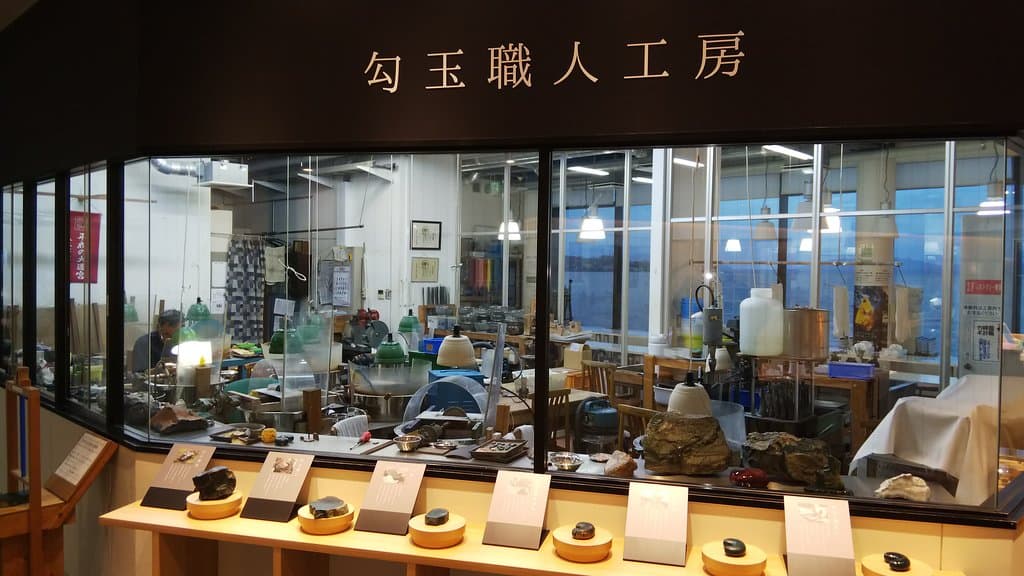
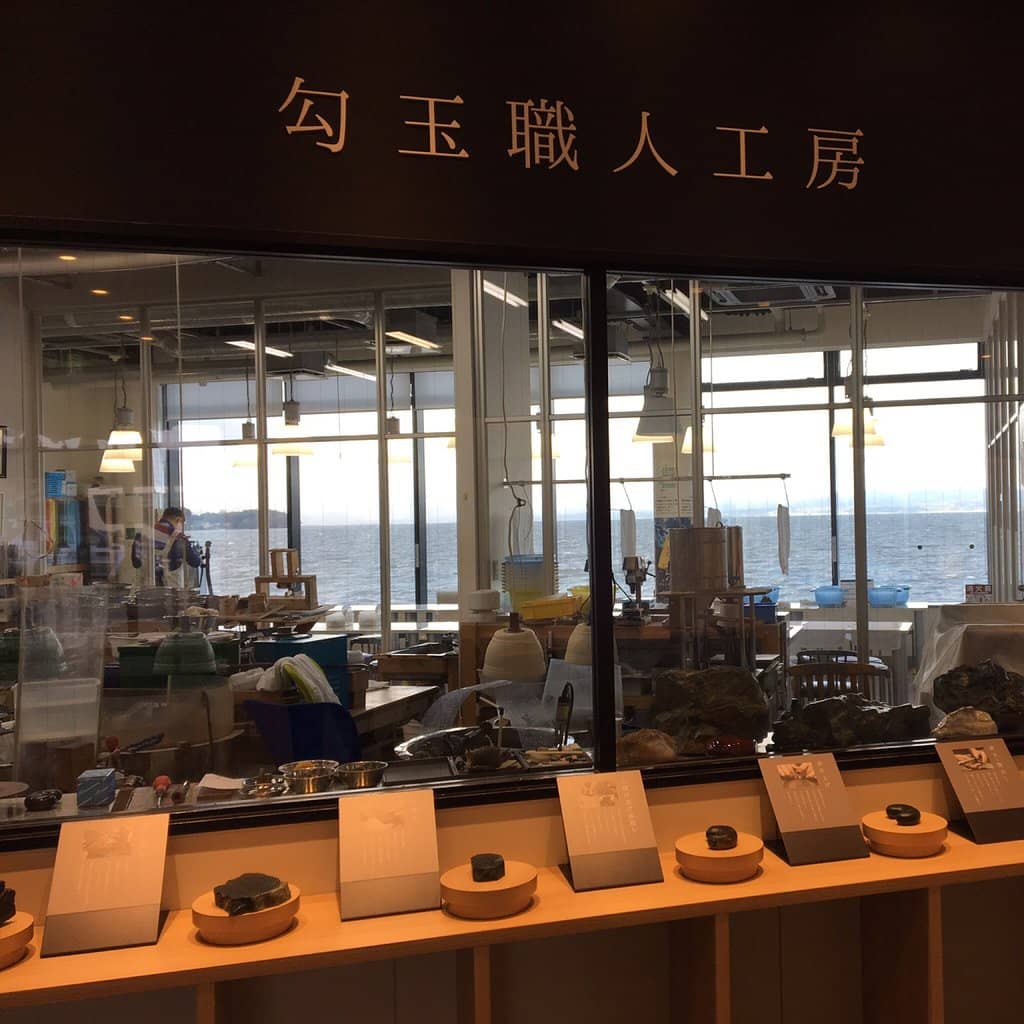
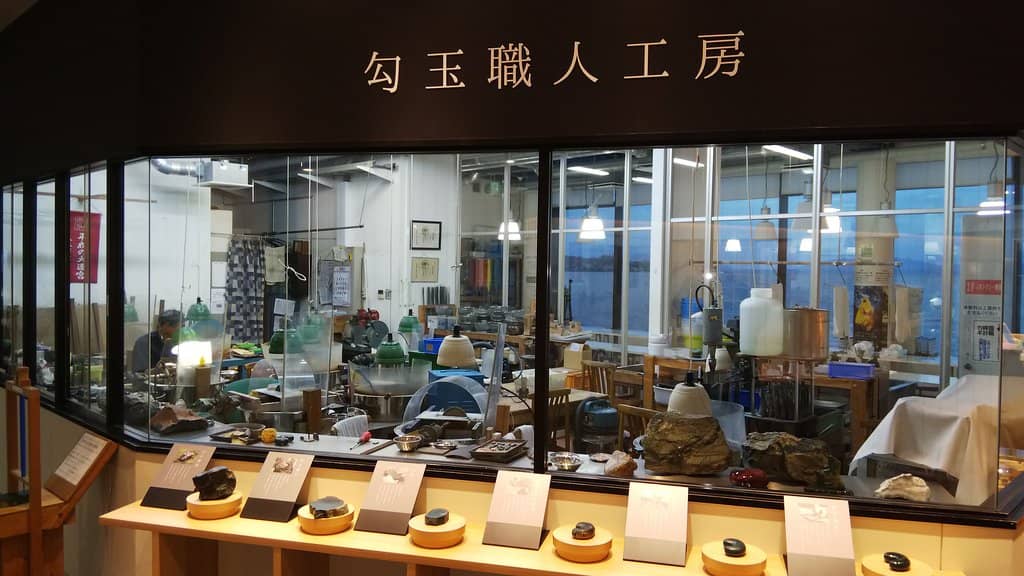
Magatama Creation Process
First Floor
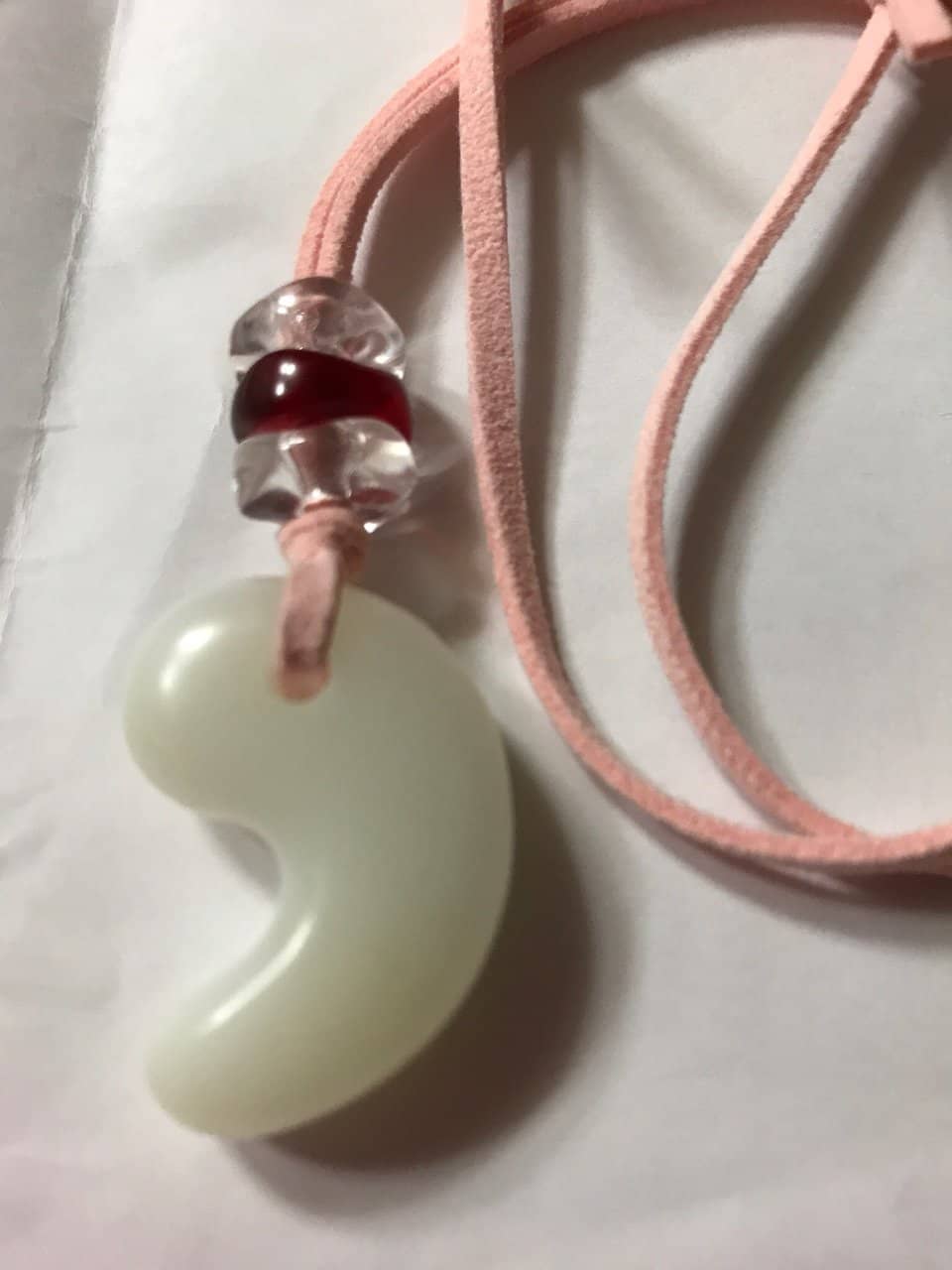
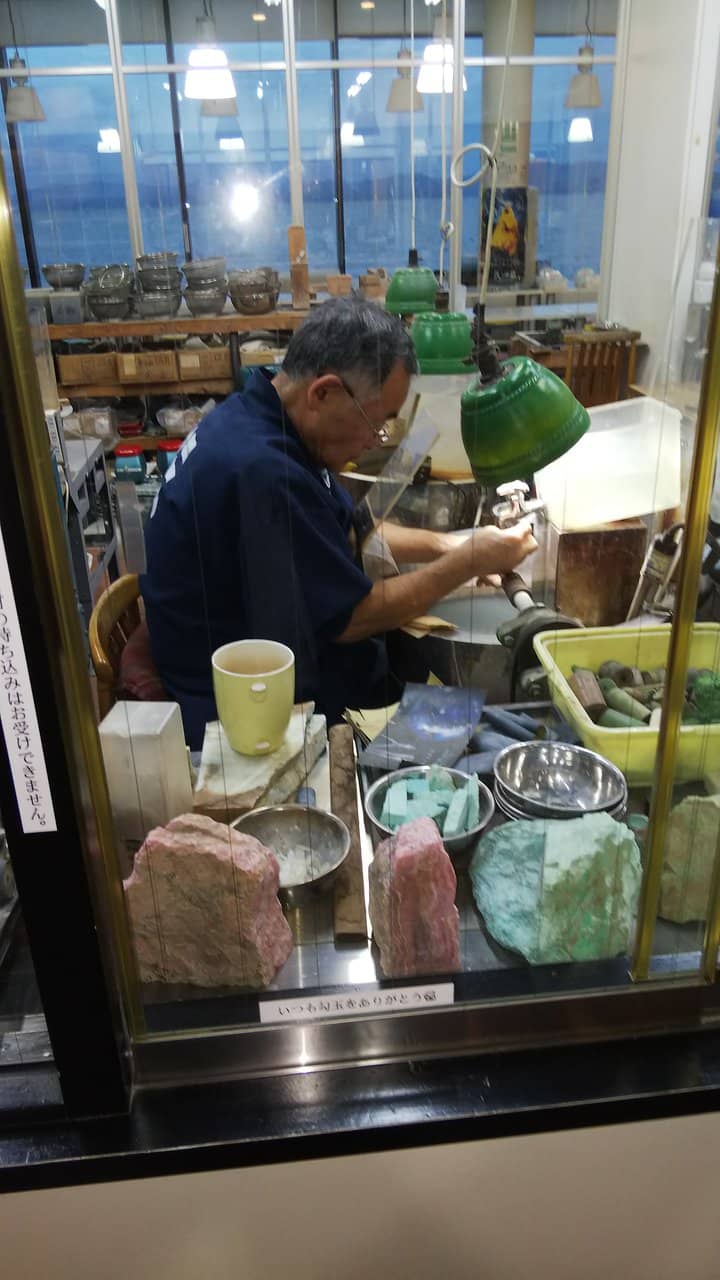
Witness the transformation of raw stones into intricate magatama beads, a journey through ancient craftsmanship.
Fushina Ware Exhibition
Second Floor
Discover the artistry of Fushina ware, showcasing local pottery traditions alongside magatama history.
Ancient Stone Displays
Exhibition Halls
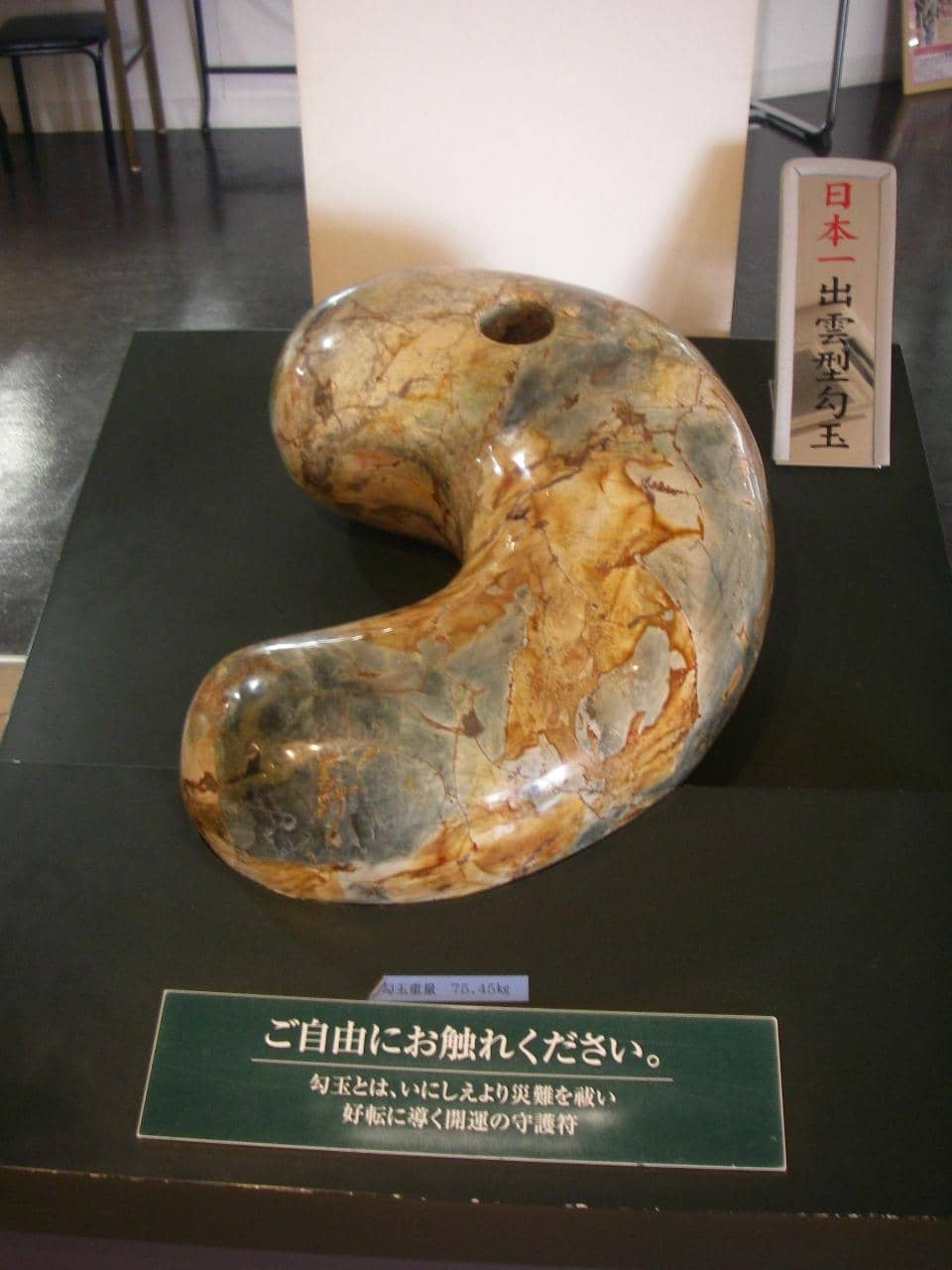
Explore a collection of raw agate and jasper stones, the very materials used to craft these historical treasures.
Plans like a pro.
Thinks like you
Planning Your Visit
Understand Magatama's Ancient Roots
Embrace the Tranquil Setting
Best Times
Insider Tips
from TikTok, Instagram & Reddit
Recs for Izumo, Matsue, Kurayoshi, Tottori?
🚗 Parking Available
Ample parking is available, making it convenient for visitors arriving by car.
🚶♀️ Walk from Onsen Town
It's a considerable walk from Tamazukuri Onsen town; consider transport if mobility is a concern.
Anyone been to Matsue
Is a Matsue/Izumo and Okayama detour with a go?
💰 Affordable Entry
The modest entrance fee of ¥300 offers great value for learning about magatama history.
🏛️ Explore Nearby Sites
Combine your visit with nearby restored residences, ancient tombs, and agate mining pits.
Small town / rural Japan (first visit)
Tips
from all over the internet
🚗 Parking Available
Ample parking is available, making it convenient for visitors arriving by car.
🚶♀️ Walk from Onsen Town
It's a considerable walk from Tamazukuri Onsen town; consider transport if mobility is a concern.
💰 Affordable Entry
The modest entrance fee of ¥300 offers great value for learning about magatama history.
🏛️ Explore Nearby Sites
Combine your visit with nearby restored residences, ancient tombs, and agate mining pits.
What Travellers Say
Reviews Summary
Visitors find the Izumo Magatama Museum to be an informative and specialized destination, offering a unique insight into the ancient craft of magatama making. While small and somewhat off the beaten path, its affordable entry and focus on historical processes are highly appreciated by those interested in Japanese heritage. The adjacent Fushina ware exhibits add further cultural value.
"I stopped by on my way from Izumo to Yonago. I've seen magatama in many museums and archives, but I didn't know how they were made. So I decided to visit this museum to learn about the process from raw stones to finished products. It's an important museum that specializes in a specific topic."
Yoshimichi SOEJIMA
"June 2024
¥300
The first floor is about magatama.
The second floor is about Fushina ware.
Everything was interesting.
It's off the beaten path, off the beaten path, and since there's a fee, I imagine it gets few visitors.
I wanted to learn about the history of magatama, so it was great.
The number of exhibits is small, but the scale was good.
Retro goods at the entrance.
These are free to view.
Not related to magatama, but I'm still intrigued."
Johnny Lovinson
"It is located up the hill from the Tamazukuri Onsen town. Parking is available. It is quite a distance away from the town by foot. The entrance fee is 300 yen and agate crafts, jewels, and raw jewels are on display."
しん
What People Like
What People Dislike
Frequently Asked Questions
🚇 🗺️ Getting There
The museum is located uphill from Tamazukuri Onsen town. While parking is available, it's a significant walk from the town center, so consider local transport options if needed.
The museum is somewhat off the beaten path, but its location near Tamazukuri Onsen makes it accessible. Following signs for the onsen town and then heading uphill should lead you there.
From Izumo city, you can take a train to Tamazukuri Onsen Station and then potentially a local bus or taxi to the museum, or enjoy a longer walk.
Yes, public transport is available to Tamazukuri Onsen town, from where you can walk or take a short taxi ride to the museum.
Currently, there is no mention of a dedicated shuttle service to the museum. It's best to rely on personal vehicles, taxis, or walking from the nearest public transport stops.
🎫 🎫 Tickets & Entry
The entrance fee is ¥300 per person, making it a very affordable visit for those interested in magatama history.
Information on specific discounts is not widely available, but the general admission price is quite low, making it accessible for most visitors.
Opening hours can vary, so it's advisable to check the official museum website or local tourism information before your visit.
Given that the museum is often uncrowded, advance booking is typically not necessary. You can usually purchase tickets upon arrival.
Admission grants you access to all exhibits on the first floor (magatama) and the second floor (Fushina ware), as well as any retro goods displays.
🎫 🏛️ Onsite Experience
You can learn about the history of magatama, see how they are made from raw stones, and view exhibits on Fushina ware pottery.
The museum offers an educational experience about ancient crafts, which can be interesting for older children who appreciate history and art.
A visit can take anywhere from 30 minutes to an hour, depending on your interest level and how much time you spend exploring the exhibits.
While the museum focuses on historical displays, the visual journey of magatama creation from raw stone to finished product is inherently engaging.
Fushina ware is a type of local pottery that is also showcased in the museum, offering a broader look at the region's artistic heritage.
📸 📸 Photography
Photography policies can vary. It's best to look for signage within the museum or ask staff if photos are permitted, especially without flash.
The displays of magatama, raw stones, and Fushina ware can be visually interesting. The surrounding area also offers scenic views.
Focus on the detailed craftsmanship of the magatama and the textures of the raw stones. The exterior of the museum and nearby historical sites also provide photo ops.
Flash photography is often prohibited in museums to protect artifacts. Always check for specific rules before using your flash.
Similar to other exhibits, check for photography rules. The unique glazes and forms of Fushina ware can make for striking images.
For Different Travelers
Tailored advice for your travel style
👨👩👧 Families with Kids
Consider pairing the museum visit with a walk around the nearby historical sites, such as restored artisan residences or ancient tombs, to make the history more tangible. The surrounding natural beauty also provides opportunities for outdoor exploration. Ensure children are supervised closely, especially when viewing delicate exhibits.
🏛️ History Buffs & Craft Enthusiasts
Beyond the museum, exploring the historical landscape of Tamazukuri, including ancient tombs and restored artisan dwellings, will enrich your understanding of the region's legacy. The opportunity to see Fushina ware also adds another layer to the appreciation of local artistry.
🚶♀️ Solo Travelers & Those Seeking Quiet
Its location off the beaten path contributes to its tranquil atmosphere. Combine your visit with a relaxing soak in the nearby Tamazukuri Onsen or a quiet walk through the historical sites to create a serene itinerary.
Deep Dives
In-depth insights and expert knowledge
The Enduring Significance of Magatama
The Izumo Magatama Museum and Factory provides a comprehensive look at this fascinating artifact. Visitors can trace the entire process, from the selection of raw stones sourced from nearby Mount Kasen to the meticulous shaping, polishing, and drilling required to create a finished magatama. The museum showcases various tools and techniques used over centuries, offering a tangible connection to Japan's ancient past.
Beyond the creation process, the museum also highlights the historical context of magatama, their use in burial mounds (kofun), and their evolution in Japanese society. Understanding magatama is key to appreciating a significant aspect of Japanese archaeology and cultural heritage, making this museum a valuable stop for history enthusiasts.
Exploring Tamazukuri's Historical Landscape
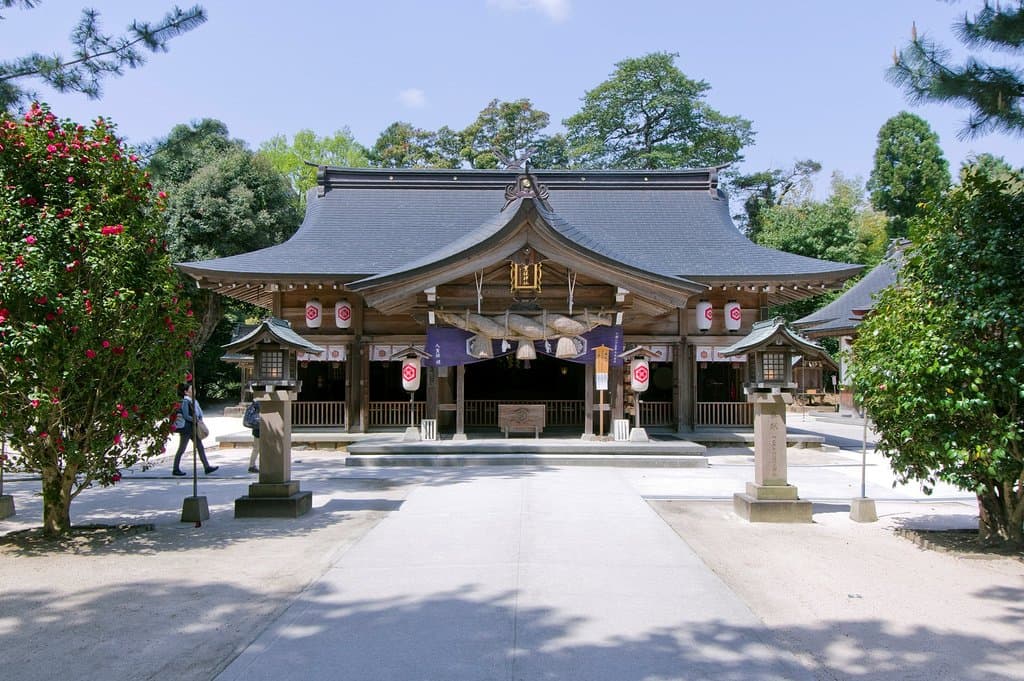
Visitors are encouraged to explore beyond the museum to fully appreciate Tamazukuri's heritage. The area features restored residences of ancient artisan groups, offering a glimpse into their lives and work. Ancient tombs (kofun) dot the landscape, many of which contain magatama artifacts, underscoring the beads' importance in funerary practices and social hierarchy of the time. Ruins of agate mining pits also provide a direct link to the raw materials that fueled this ancient industry.
Combining a visit to the museum with a stroll through these historical sites provides a holistic understanding of Tamazukuri's legacy. The proximity to the popular Tamazukuri Onsen town also allows for a relaxing end to a day of historical exploration, making the area a compelling destination for those interested in Japanese history, crafts, and natural beauty.



Social
from TikTok, Instagram & Reddit