Kohechi Trailhead Koyasan
Walk ancient pilgrimage trails through mystical forests, connecting with Japan's spiritual heart. A UNESCO World Heritage journey.
Highlights
Must-see attractions

Social
From TikTok & Reddit
Best Time
Vibrant fall foliage
Kohechi Trailhead Koyasan
Best Time
Vibrant fall foliage
Highlights
Must-see attractions
Walk ancient pilgrimage trails through mystical forests, connecting with Japan's spiritual heart. A UNESCO World Heritage journey.
"A UNESCO-designated pilgrimage trail offering a unique blend of nature, spirituality, and history."
🎒 Pack Smart for the Trail
Bring sturdy hiking boots, rain gear, and plenty of water. Trekking poles are highly recommended for steep sections.
🗺️ Don't Miss Trail Signs
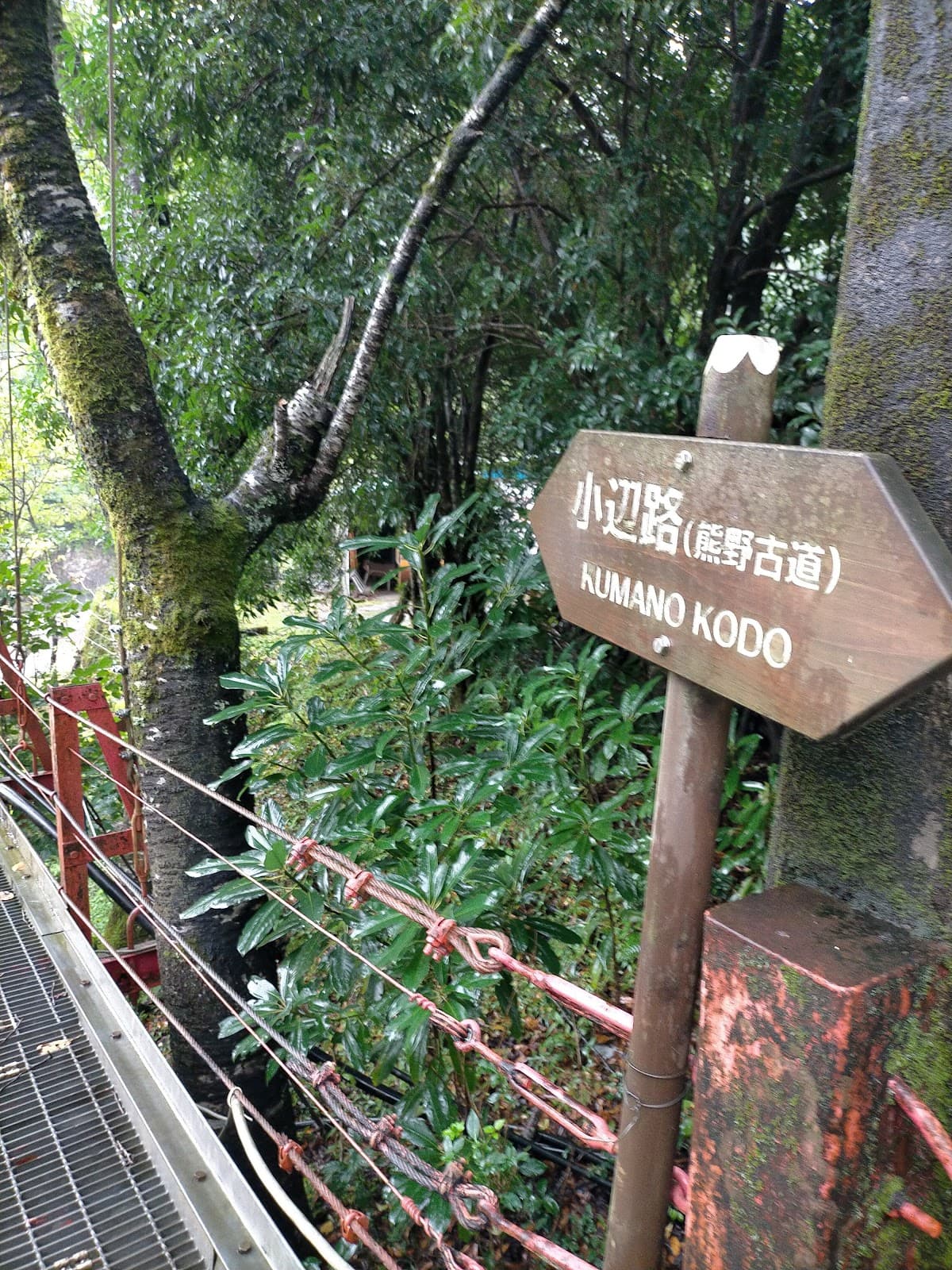
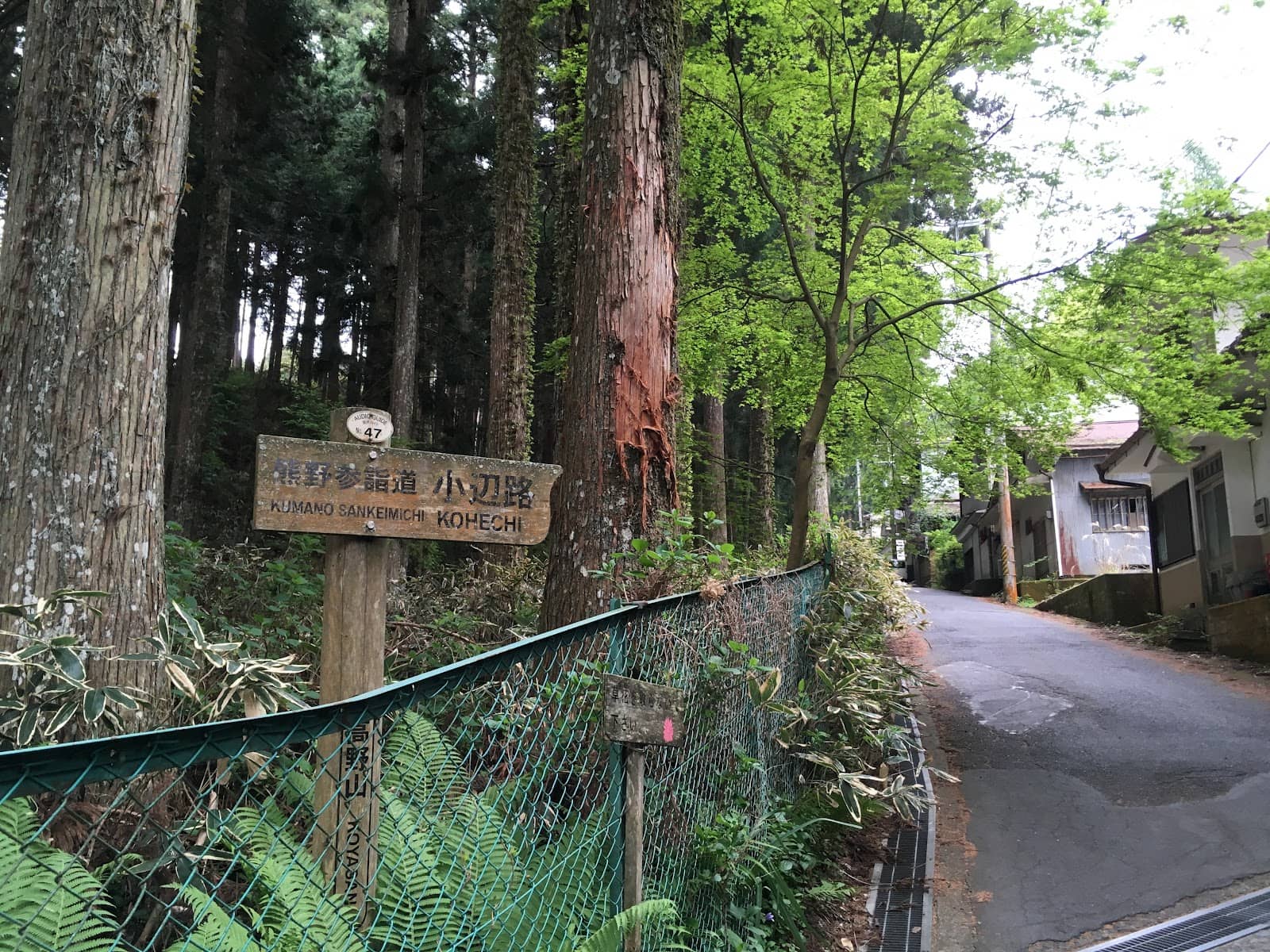
Signs can be subtle. Look carefully at junctions to ensure you're on the correct path, especially on the Kohechi route.

Highlights
Discover the most iconic attractions and experiences
Kumano Nachi Taisha
Kii Peninsula
Iconic vermillion pagoda against Japan's tallest waterfall. A spiritual and visual marvel.
Koyasan's Sacred Trails
Mount Koya
Walk ancient pilgrimage paths, connecting with the spiritual heart of Japan. Experience serene forests and historic temples.

Yunomine Onsen
Kii Peninsula
Relax in one of Japan's oldest hot springs after a day of hiking. A truly rejuvenating experience.
Plans like a pro.
Thinks like you
Planning Your Visit
Embrace the Ancient Pilgrimage
Navigating the Kohechi Trail
Best Times
Insider Tips
from TikTok, Instagram & Reddit
🎒 Pack Smart for the Trail
Bring sturdy hiking boots, rain gear, and plenty of water. Trekking poles are highly recommended for steep sections.
🗺️ Don't Miss Trail Signs
Signs can be subtle. Look carefully at junctions to ensure you're on the correct path, especially on the Kohechi route.
🏨 Book Accommodations Early
Guesthouses and ryokans along the trail fill up quickly. Book in advance, especially for multi-day treks.
💧 Stay Hydrated & Fueled
Carry enough water and snacks. Some sections have limited facilities, so be prepared.
Tips
from all over the internet
🎒 Pack Smart for the Trail
Bring sturdy hiking boots, rain gear, and plenty of water. Trekking poles are highly recommended for steep sections.
🗺️ Don't Miss Trail Signs
Signs can be subtle. Look carefully at junctions to ensure you're on the correct path, especially on the Kohechi route.
🏨 Book Accommodations Early
Guesthouses and ryokans along the trail fill up quickly. Book in advance, especially for multi-day treks.
💧 Stay Hydrated & Fueled
Carry enough water and snacks. Some sections have limited facilities, so be prepared.
🚶♀️ Consider a Guide
For a deeper understanding and easier navigation, a local guide can enhance your experience.
What Travellers Say
Reviews Summary
The Kumano Kodo is celebrated for its profound spiritual atmosphere, stunning natural beauty, and historical significance as a UNESCO World Heritage pilgrimage. Visitors are captivated by the ancient forests, serene shrines, and the unique experience of walking in the footsteps of emperors. While the trails offer a deeply rewarding journey, some find certain sections challenging and advise careful preparation.
"Unesco-designated pilgrimage trails make up the Kumano Kodo on the Kii Peninsula in Wakayama prefecture. The 70km route leads through dense, lush forest and stops by plenty of ancient shrines and temples. One of the most famous destinations is the Kumano Nachi Taisha, which boasts a three-storey vermillion pagoda and Nachi no Taki, which, at 133m, is the tallest waterfall in Japan."
SANDESH SAPKOTA
"The Kumano Kodo Trail is a historic route connecting Mount Koya to Kumano Hongu Taisha Shrine, offering breathtaking views of the countryside and hot springs.
The more challenging route requires a four-day itinerary, and several sections of the route involve steep mountain climbs, so careful preparation and adequate stamina are essential."
alfredhsieh
"The entrance to Mount Koya on the Kumano Kodo Kohechi trail. Some parts are difficult to find on maps, but there are signs on-site, as shown in the photo on the left, so it's easy to miss. As it's a World Heritage road, I think it could be made a little more noticeable. There is a crossroads, but the correct way to go is to go to the right as seen from the town of Mount Koya. The road going straight in the photo on the left leads to Kongo-Samiji Temple and is a dead end."
Eiji Hirao
What People Like
What People Dislike
Frequently Asked Questions
🚇 🗺️ Getting There
Access to Koyasan typically involves a train journey to Hashimoto Station, followed by the Nankai Koya Line to Gokurakubashi Station, and then a cable car up to Koyasan. From Koyasan town, you can find the Kohechi trailhead. Some travelers opt for buses from major cities like Osaka.
Yes, it's logistically possible to combine the Kumano Kodo (specifically the Nakahechi route) with Koyasan, though it requires careful planning. The Kohechi trail directly connects Koyasan to the Kumano Kodo.
Public transport, including buses and trains, is available to connect different trailheads and towns along the Kumano Kodo. Researching local bus schedules in advance is recommended.
While some trailheads are accessible by car, parking can be limited, and many prefer using public transport to avoid logistical issues with multi-day hikes.
The main routes are generally well-marked, but signs can be subtle, especially on less-trafficked sections like the Kohechi. Using a map and compass or a GPS device is advisable.
🎫 🎫 Tickets & Entry
The Kumano Kodo trails themselves are free to access. However, you will need to pay for transportation to the trailheads and for any accommodations or meals along the way.
While the trails are free, some individual temples and shrines may have small entrance fees for specific areas or museums.
The trails are open 24/7, as they are public paths. However, visitor centers and some facilities may have specific operating hours.
It's highly discouraged. Accommodations, especially traditional ryokans and guesthouses, are limited and book up months in advance, particularly during peak seasons.
No specific permits are required for hiking the Kumano Kodo trails. It is a UNESCO World Heritage site that is open to the public.
🎫 🚶 Onsite Experience
The difficulty varies. The Nakahechi route is moderately challenging with some steep climbs, while the Kohechi route from Koyasan is considered more difficult and requires good stamina.
Hikes can range from a single day to over a week, depending on the route. The Nakahechi route is often completed in 3-4 days, while longer treks are possible. +1
Expect lush, ancient forests, misty mountain passes, charming rural villages, and numerous historic shrines and temples. +1
Yes, there are small villages with guesthouses, restaurants, and shops along the main routes. However, be prepared for longer stretches with fewer facilities on some sections.
Many people hike the Kumano Kodo solo and find it safe. However, it's always wise to inform someone of your itinerary and carry a communication device.
📸 📸 Photography
The vermillion pagoda at Kumano Nachi Taisha with Nachi Falls is a must-capture. Other scenic spots include ancient cedar forests, moss-covered shrines, and panoramic mountain views.
Early mornings and late afternoons offer softer light and fewer crowds, ideal for capturing the serene atmosphere of the trails and shrines.
Photography rules vary. Always look for signage indicating where photos are permitted or prohibited, especially inside sacred buildings.
A versatile lens for landscapes and details, a sturdy tripod for low light, and a rain cover for your camera are recommended.
The contrast between ancient pilgrimage routes and modern Japan, the spiritual ambiance, and the natural beauty offer unique photographic narratives.
For Different Travelers
Tailored advice for your travel style
👨👩👧 Families with Kids
Consider breaking the hike into shorter segments and utilizing public transport to connect between points. Pack plenty of snacks and make the journey fun by focusing on the natural beauty and the historical aspect of the ancient trails. Staying in family-friendly guesthouses that offer comfortable amenities will enhance the experience.
🚶 Solo Travelers
Solo travelers can benefit from the reflective nature of the hike, allowing for personal introspection. Staying in guesthouses provides opportunities to connect with other travelers and locals. It's advisable to inform someone of your itinerary and carry a charged mobile phone for safety.
⛰️ Experienced Hikers
Experienced hikers can explore various routes, combining different sections to create custom itineraries. The opportunity to traverse ancient pilgrimage paths, often through rugged terrain, offers a distinct adventure compared to typical mountain hikes. Consider incorporating side trips to lesser-known shrines and natural wonders for an even richer exploration.
Deep Dives
In-depth insights and expert knowledge
The Spiritual Significance of the Kumano Kodo
Walking the Kumano Kodo offers a unique opportunity to immerse yourself in Japan's rich spiritual heritage. The experience is often described as a journey of self-discovery and reflection, mirroring the ancient pilgrims' quest for enlightenment. Many visitors report feeling a profound sense of peace and tranquility as they traverse these historic paths. The blend of natural beauty and spiritual significance makes it a truly transformative experience.
Key to the pilgrimage are the concepts of 'musubi' (connection) and 'tadori' (following). Pilgrims aim to connect with the divine and the natural world, while 'tadori' signifies following the path laid out by ancestors. This philosophy is deeply embedded in the experience, encouraging a mindful and respectful approach to the journey.
Navigating the Kohechi Trail from Koyasan
Finding the trailhead in Koyasan can be a bit tricky, as signs are not always prominent. Travelers are advised to pay close attention to directions and consult maps. The trail passes through dense forests and offers glimpses of smaller, ancient temples and shrines, providing a unique spiritual dimension to the hike. The journey from Koyasan to the main Kumano Kodo routes typically takes about four days.
Key considerations for the Kohechi trail include:
* Stamina: It's a demanding hike with significant elevation changes.
* Navigation: Be prepared with maps and potentially a GPS device, as signage can be minimal.
* Supplies: Carry sufficient water and food, as facilities are scarce on certain sections.
* Accommodation: Plan your overnight stays in advance, as options are limited.
Accommodations Along the Kumano Kodo
Popular overnight stops include Chikatsuyu, Kumano Hongu, and Yunomine Onsen. Yunomine Onsen is particularly famous for its Tsuboyu, a UNESCO World Heritage hot spring bath that is one of the oldest in Japan. Booking accommodations well in advance is crucial, especially during peak seasons like autumn and spring, as these places are often small and fill up quickly.
Some travelers also opt for more modern hotels or hostels in larger towns near the trailheads, such as Tanabe. However, for the most authentic experience, staying in the traditional accommodations along the route is highly recommended.
Social
from TikTok, Instagram & Reddit