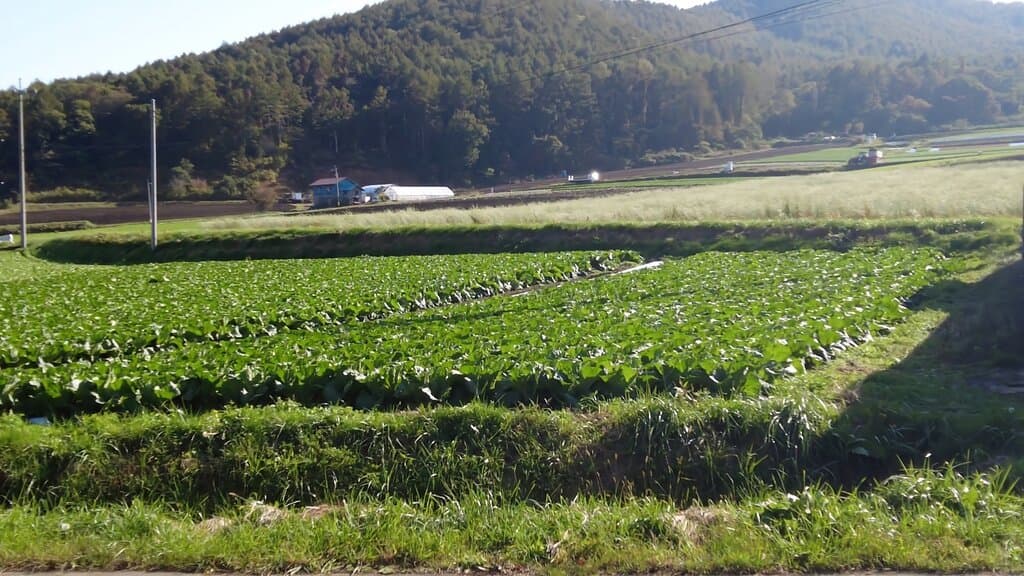
Torii Pass Nakasendo
Hike a scenic section of the ancient Nakasendo Way, connecting historic post towns and experiencing Edo-period Japan.
Highlights
Must-see attractions

Social
From TikTok & Reddit
Best Time
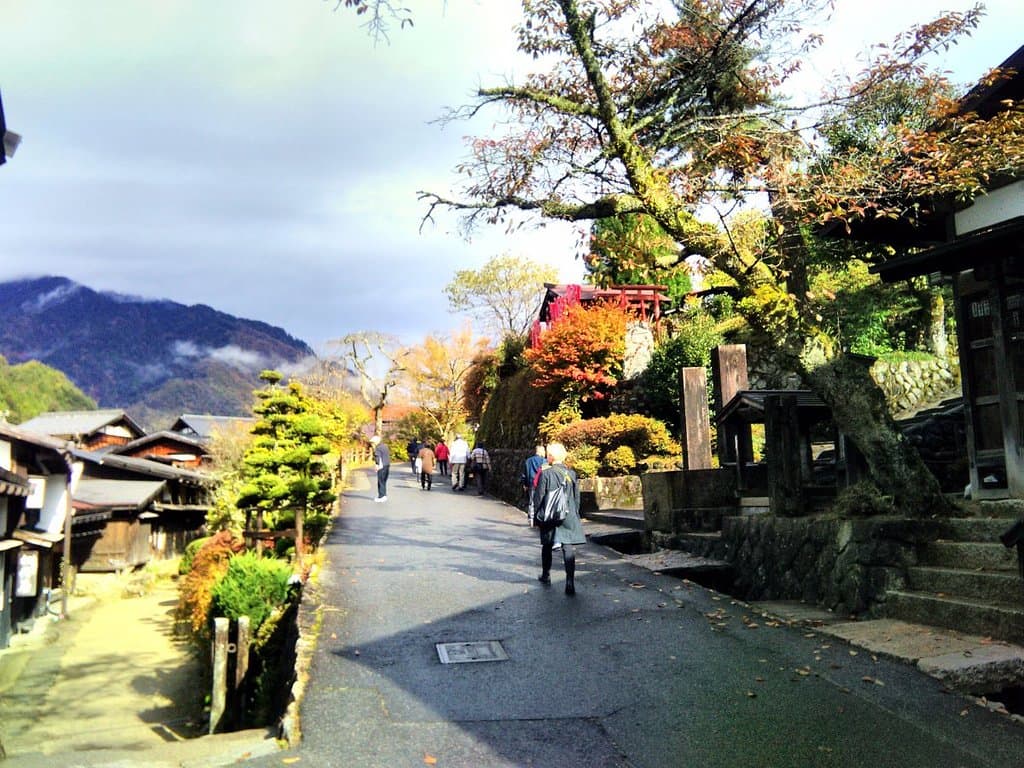
Vibrant fall colors
Torii Pass Nakasendo
Best Time
Vibrant fall colors
Highlights
Must-see attractions
Hike a scenic section of the ancient Nakasendo Way, connecting historic post towns and experiencing Edo-period Japan.
"A beautiful hike through history, with charming villages and a rewarding pass."
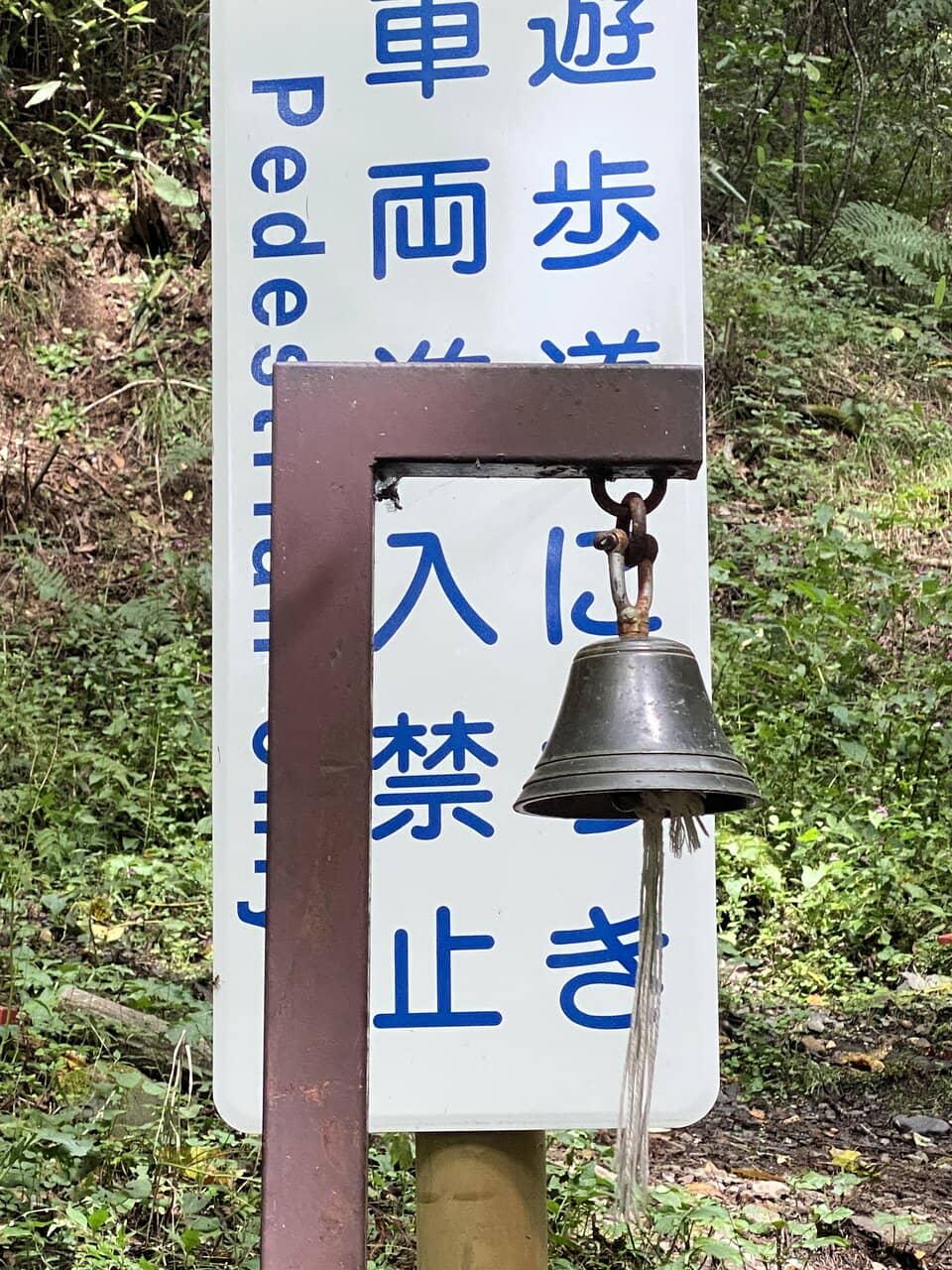
🎯 Follow 'Narai-juku' Signs
Trail markers can be confusing; prioritize signs pointing to Narai-juku to stay on the correct path. :pushpin:
👟 Comfortable Walking Shoes
The path is generally easy with no rocks or roots, making poles unnecessary for most. :athletic_shoe:
Highlights
Discover the most iconic attractions and experiences
Torii Pass Summit
Torii Pass
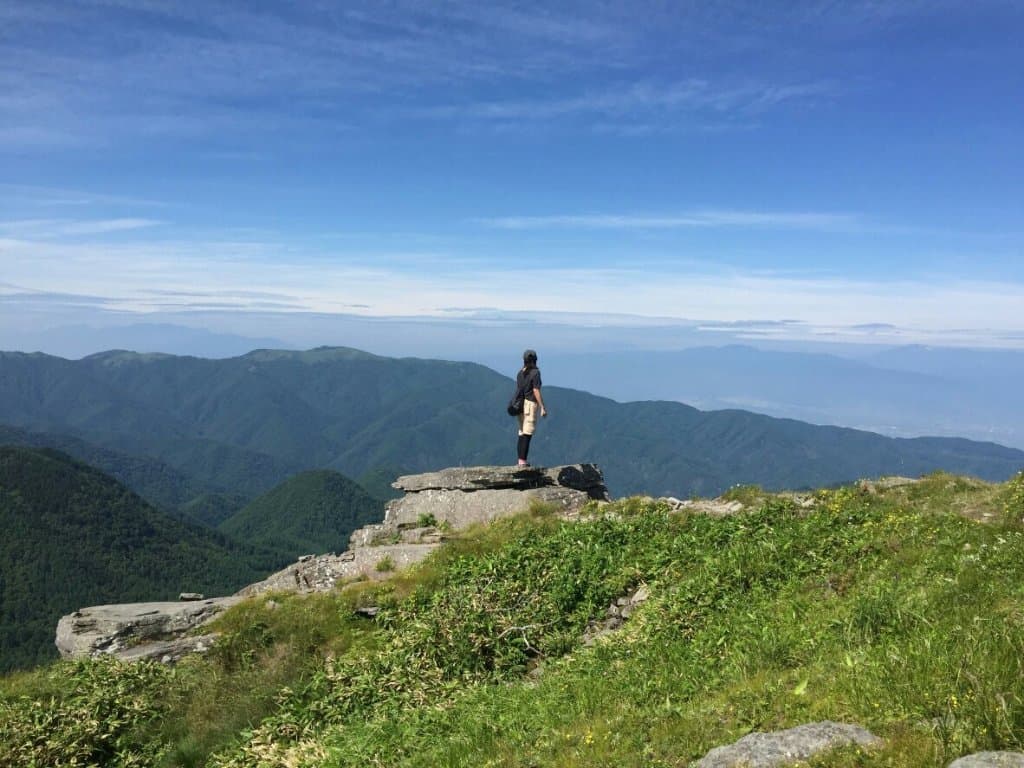
The highest point of the hike, offering potential views and a sense of accomplishment.
Narai-juku Village
End of the trail
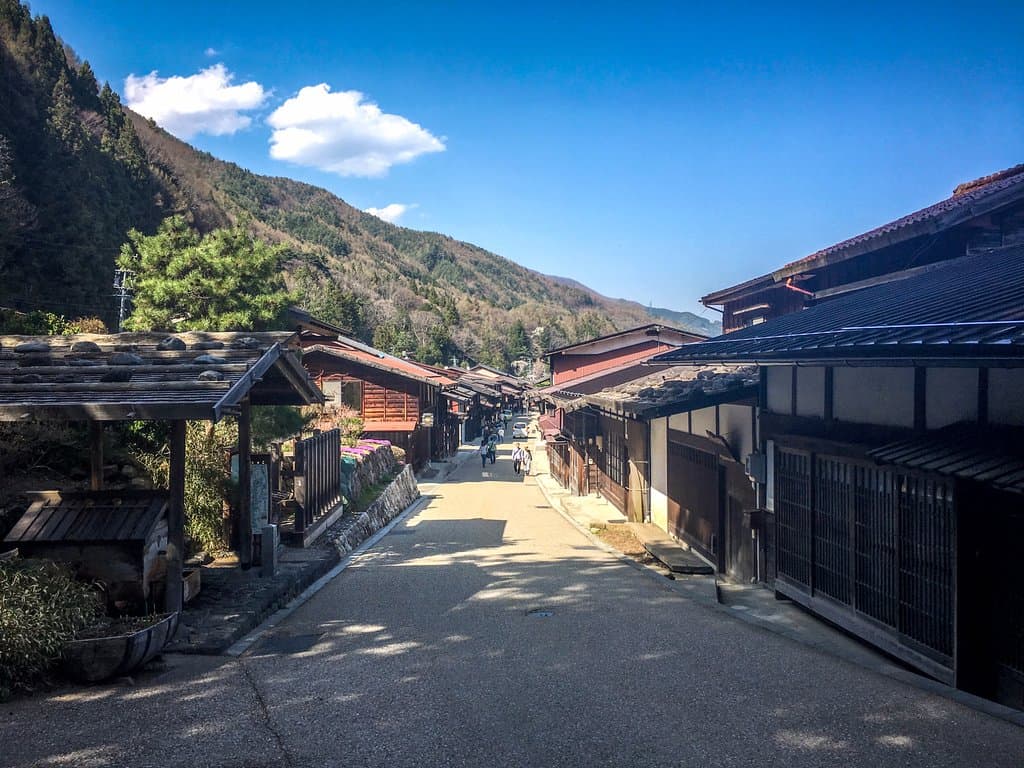
A beautifully preserved post town with traditional buildings, offering a glimpse into Edo-period Japan.
Yabuhara-juku Village
Start of the trail
The starting point for many hikers, this historic post town sets the stage for the Nakasendo journey.
Plans like a pro.
Thinks like you
Planning Your Visit
Navigating Torii Pass
Timing Your Visit
Best Times
Insider Tips
from TikTok, Instagram & Reddit
🎯 Follow 'Narai-juku' Signs
Trail markers can be confusing; prioritize signs pointing to Narai-juku to stay on the correct path. :pushpin:
👟 Comfortable Walking Shoes
The path is generally easy with no rocks or roots, making poles unnecessary for most. :athletic_shoe:
⏰ Plan Your Transport
Trains from Narai-juku are infrequent; check schedules in advance to coordinate your hike. :train2:
📸 Capture Narai-juku Views
Look for the 'Narai-juku Viewpoint' sign for a scenic panorama of the village. :camerawithflash:
Tips
from all over the internet
🎯 Follow 'Narai-juku' Signs
Trail markers can be confusing; prioritize signs pointing to Narai-juku to stay on the correct path. :pushpin:
👟 Comfortable Walking Shoes
The path is generally easy with no rocks or roots, making poles unnecessary for most. :athletic_shoe:
⏰ Plan Your Transport
Trains from Narai-juku are infrequent; check schedules in advance to coordinate your hike. :train2:
📸 Capture Narai-juku Views
Look for the 'Narai-juku Viewpoint' sign for a scenic panorama of the village. :camerawithflash:
🍁 Autumn Foliage
Visit in autumn for stunning broad-leaved trees and beautiful fall colors along the route. :maple_leaf:
What Travellers Say
Reviews Summary
Hikers praise the Torii Pass for its historical significance and the charm of the well-preserved post towns of Yabuhara-juku and Narai-juku. The trail is generally easy to follow, though some find the signage confusing at intersections. While the pass itself can be a bit overgrown, the overall experience of walking a section of the ancient Nakasendo Way is highly rewarding.
"I started from yabuhara town. Easy to find trail through town. Well marked. Uphill to trail. Then it's a big zig bag up to summit of Torii pass. Lots of little markers on way and views and places of interest. Only hard part was an intersection and trying to figure out map they had. I went one way, changed mind went back, took other path, realised the 1st path I took was right. They should have marked much better not trail...... I've read others also confused. Take path which says narai juka that's right. Easy walking no rocks roots etc. No need for poles. Markers are okay. Finished in Narai Juku and it's a great village. Then I trained to accommodation. Not many trains so plan your walking to transport. About 2hrs easy walk and I'm 70."
Redfern Redfern
"A nice hike/ walk of 2 hours on Nakasendo trail."
Anh Tung Vu
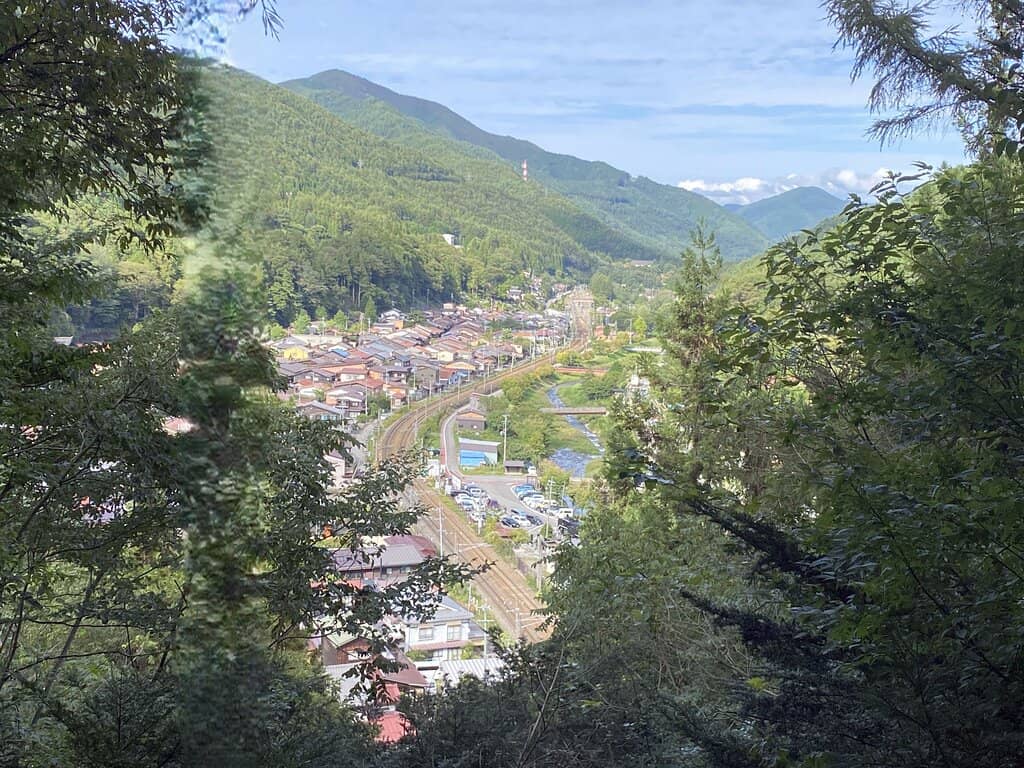
"🔭🔭🔭A view spot from Narai-juku has appeared!🔭🔭🔭
In recent years, Torii Pass has become a popular spot for hiking along the Nakasendo Kiso Road, second only to Magome Pass.🥾
Mostly Westerners visit Magome-juku, but the number of foreign tourists is gradually increasing, drawn in by Magome Pass. Magome-juku has become somewhat overtourized, and with the increasing tourism, road construction almost every year has changed the route, leaving almost no trace of its former glory. Many visitors prefer the relatively quiet Torii Pass. Many people who hiked Magome Pass the day before stay overnight near Nojiri Station, the midpoint, and then head over Torii Pass from Yabuhara Station the next day, heading for Narai-juku. As a result, I often miss them on the route, even though I usually hike from Narai-juku.
Leaving Narai-juku, you'll find the entrance to the old Nakasendo road to Torii Pass. From there, a stone path continues for a while, and after about 15 minutes of walking, I was surprised to see a red sign parked on the road and a new road sign. 👀
It said, "Narai-juku Viewpoint 10 meters from the road," so I went over and found a photographer with a tripod. He had come by car from Nagano City and apparently had been here last fall, where he'd seen the local government and landowners discussing cutting down the trees. He'd returned this spring knowing that an observation deck was being built. Despite only cutting down a few trees, you can still get a panoramic view of the houses of Narai-juku, just like a sign. It didn't cost much.
Incidentally, on the same Kiso Road, in nearby Magome-juku, if you walk for about 15 minutes towards Magome Pass, you'll find a splendid observation deck with a view of Mount Ena, one of the 100 famous mountains in Japan. And as you approach Tsumago-juku from Magome Pass, there's a rather unassuming observation point with a view of Tsumago-juku.
I've hiked mountains all over the country, and although there are observation decks everywhere, most of them are left abandoned, and in many places, the view that was originally good has been ruined by overgrowth.
Japan claims to be a tourism-oriented nation. As a nation heavily in debt, with all industries in decline, perhaps because it's easier to allocate funds for tourism, so-called observation terraces are popping up all over the place. There are plenty of quick things you can do without spending a fortune on observation terraces.
In this case, the view from Torii Pass towards Yabuhara-juku is the worst. The 🌳 trees have grown so tall that they barely block the view from the pass, from Torii Shrine ⛩️ just below, and even from Maruyama Park below the shrine ⛩️.
I'm not in favor of cutting the 🌳 trees so easily, as it's environmentally damaging, but if only a few of them were cut, we'd be able to see Mount Ontake and Mount Kiso Komagatake, two of the 100 famous mountains in Japan, making it a great 📷 spot. It's a waste, and I can only say it's a shame.
While I was eating 🍱 in Maruyama Park, an older man 🧙♂️ from Tauranga, a port town on New Zealand's 🇳🇿 North Island that I'd visited before for fishing, asked me, "I know Mount Ontake, but what's the name of that snow-capped mountain 🏔️?" I immediately answered, "Kiso Komagatake." Both are mountains I've climbed in recent years. Westerners who hike the Nakasendo and Kumano Kodo trails, rather than just sightseeing, often thoroughly research their destinations beforehand, which often surprises me. They have no mountain worship, so they're intrigued and ask, "Why did they even go to such a remote place?"
Near Maruyama Park, Mount Ontake is depicted as seen from Torii Pass in the "Sixty-nine Stations of the Kiso Kaido," a painting from the Edo period. There's even a sign for it there. 😭📷
Before arriving in Yabuharajuku, I visited the Kiso Town Hall, which handles the Yabuharajuku side of Torii Pass, near the route. I visited the tourism department and made recommendations, not just verbally, but with photos I'd taken to make them easier to understand."
山部旅人
What People Like
What People Dislike
Frequently Asked Questions
🚇 🗺️ Getting There
Most hikers start from Yabuhara Station. You can reach Yabuhara by train. From Narai-juku, you can also take a train to Yabuhara. Plan your train travel carefully as services can be infrequent.
The most common and recommended way is to hike the Torii Pass section of the Nakasendo Way. This hike typically takes about 2 hours.
While trains connect the main post towns, dedicated bus services directly along the entire Nakasendo Way are limited. Hiking is the primary mode of travel between sections like Yabuhara and Narai.
Some accommodations or tourist information centers in nearby towns might offer luggage storage services. It's advisable to inquire in advance, especially if you're not staying overnight in Yabuhara.
Narai-juku has a train station, but train frequencies can be low. It's essential to check the train schedule beforehand to plan your onward journey.
🎫 🎫 Tickets & Entry
No, hiking the Torii Pass section of the Nakasendo Way is free. It's a public trail.
Torii Pass is an outdoor trail and is accessible at any time. However, it's best to hike during daylight hours for safety and enjoyment.
There is no entrance fee to walk through the historic post towns of Yabuhara-juku and Narai-juku.
While not as common as for more famous routes, local guides might be available. It's best to check with tourist information centers in the Kiso Valley area.
The Japan Rail Pass covers travel on JR trains, which can be used to reach Yabuhara and Narai stations. The hike itself is not covered by the pass.
🎫 🚶 Onsite Experience
The hike over Torii Pass from Yabuhara-juku to Narai-juku typically takes about 2 hours for an average hiker.
The trail is generally considered easy, with no significant rocks or roots. It's a well-marked path, though some intersections can be confusing.
Comfortable walking shoes are recommended. Hiking poles are generally not necessary due to the easy terrain.
Restroom facilities are more likely to be found in the post towns of Yabuhara-juku and Narai-juku rather than directly on the pass itself. Plan accordingly.
While the pass itself can be somewhat obscured by trees, there are viewpoints offering glimpses of the surrounding mountains and Narai-juku. Autumn foliage is particularly stunning.
📸 📸 Photography
Look for the 'Narai-juku Viewpoint' sign for a panoramic view of the village. The historic post towns of Yabuhara-juku and Narai-juku also offer many picturesque scenes.
Yes, especially during autumn when the foliage is vibrant. The historic villages also provide excellent opportunities for capturing traditional Japanese scenery.
While Torii gates are iconic symbols in Japan, they are not a prominent feature of the Torii Pass hike itself. You'll find them more commonly at Shinto shrines. +1
Early morning or late afternoon can offer softer light. However, the views of Narai-juku from the viewpoint are good at various times.
The 'Narai-juku Viewpoint' is specifically mentioned for its panoramic views. The historic streets of both Yabuhara and Narai are also highly photogenic.
For Different Travelers
Tailored advice for your travel style
👨👩👧 Families with Kids
Key tips for families: Pack plenty of water and snacks, as facilities on the pass itself are limited. Ensure children are comfortable with following directions, as trail markers can sometimes be ambiguous. The reward of reaching the historic Narai-juku village at the end can be a great motivator for kids.
🚶 Solo Travelers
Solo traveler advice: Take advantage of the opportunity to connect with other hikers if you wish, or enjoy the solitude of the ancient path. Ensure you have a reliable map or navigation app, and inform someone of your hiking plans. The experience of walking through history alone can be deeply rewarding.
📸 Photography Enthusiasts
Photography tips: Visit during the golden hours (early morning or late afternoon) for the best light. Consider bringing a wide-angle lens for the village streets and a telephoto lens for distant mountain views. Be mindful of the weather, as it can impact visibility and the overall mood of your shots.
Deep Dives
In-depth insights and expert knowledge
The Nakasendo Way: A Historic Highway
The Torii Pass is a significant segment of this ancient route. It connects the post towns of Yabuhara-juku and Narai-juku, both of which retain much of their historical charm. Hiking this pass offers not just a physical journey but also a cultural immersion, showcasing the traditional architecture and the enduring spirit of Japan's past. The well-maintained paths and the surrounding natural beauty make it a rewarding experience for history buffs and nature lovers alike.
Navigating the Torii Pass Trail
The pass itself can be somewhat obscured by trees, which has led to discussions about the potential for improved views if some vegetation were managed. However, the charm of the trail lies in its historical significance and the journey through nature. The ascent to the pass offers a sense of accomplishment, and the descent into Narai-juku is a delightful reward, leading you into one of the most beautifully preserved post towns on the Nakasendo.
The Charm of Narai-juku
Visitors can explore the various shops, inns, and museums that showcase the town's history and culture. The town's layout and architecture are a testament to its former importance as a resting place for travelers. The proximity of Narai-juku to the Torii Pass makes it a perfect destination to end a hike, providing a relaxing and culturally rich experience after the journey.
Social
from TikTok, Instagram & Reddit