KamiokaLab Hida Space Science Museum
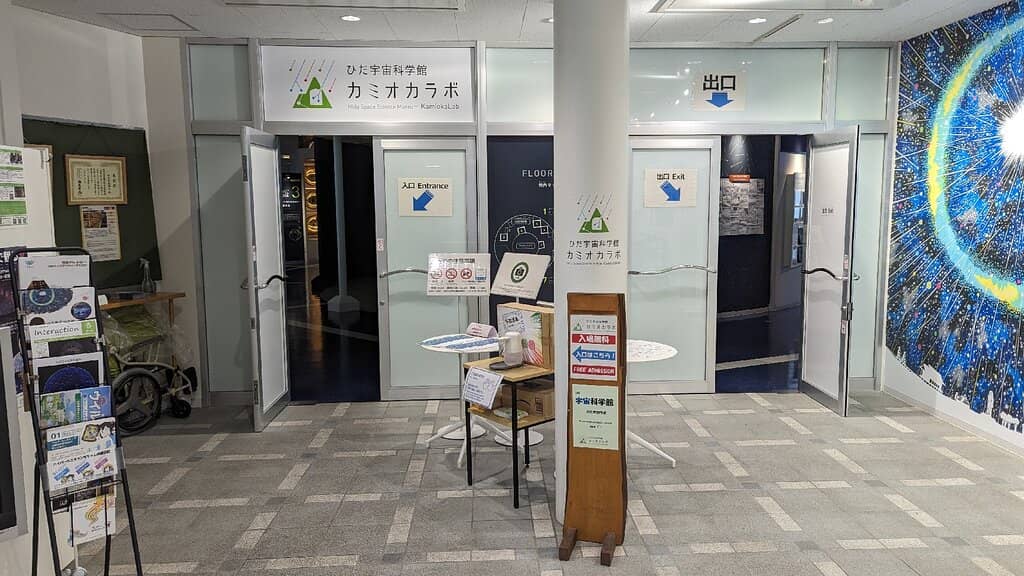
Explore cutting-edge neutrino research with interactive exhibits at the KamiokaLab Hida Space Science Museum.
Highlights
Must-see attractions

Social
From TikTok & Reddit
Best Time
Fewer crowds, more interaction
KamiokaLab Hida Space Science Museum
Best Time
Fewer crowds, more interaction
Highlights
Must-see attractions
Explore cutting-edge neutrino research with interactive exhibits at the KamiokaLab Hida Space Science Museum.
"A very neat and nicely equipped museum devoted to the neutron detector with actual photomultiplier bulbs."
⏳ Quick Stop Gem
Allocate about 15-30 minutes; it's small but packed with info!
💡 Interactive Fun
Don't miss the hands-on games, great for understanding science.
Highlights
Discover the most iconic attractions and experiences
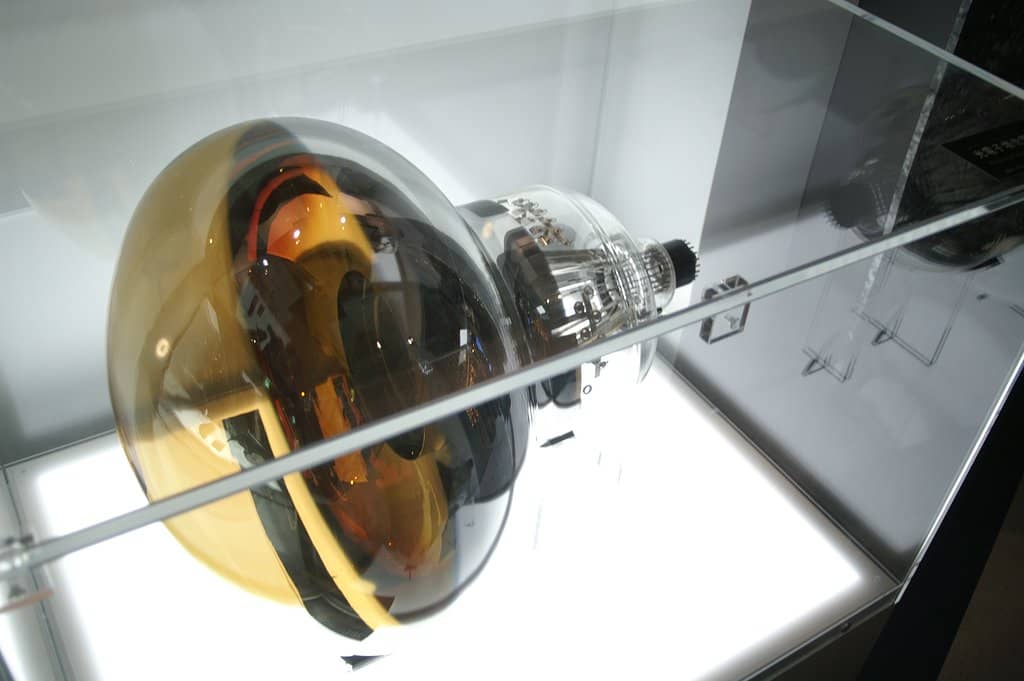
Neutrino Detector Models
Main Exhibit Hall
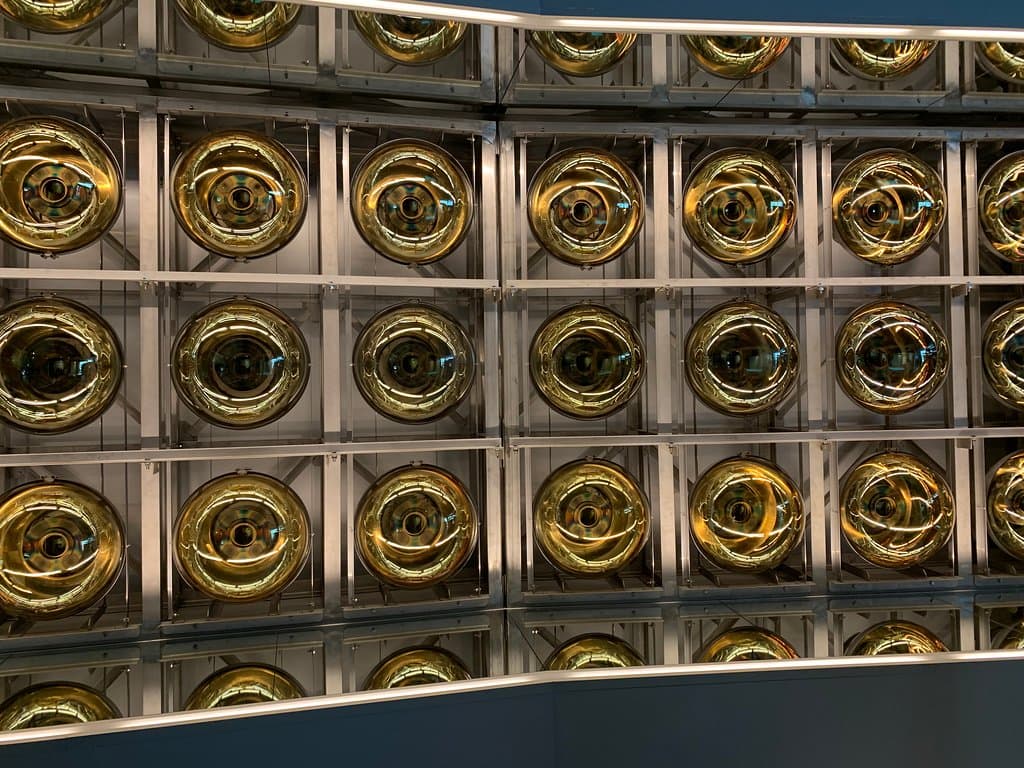
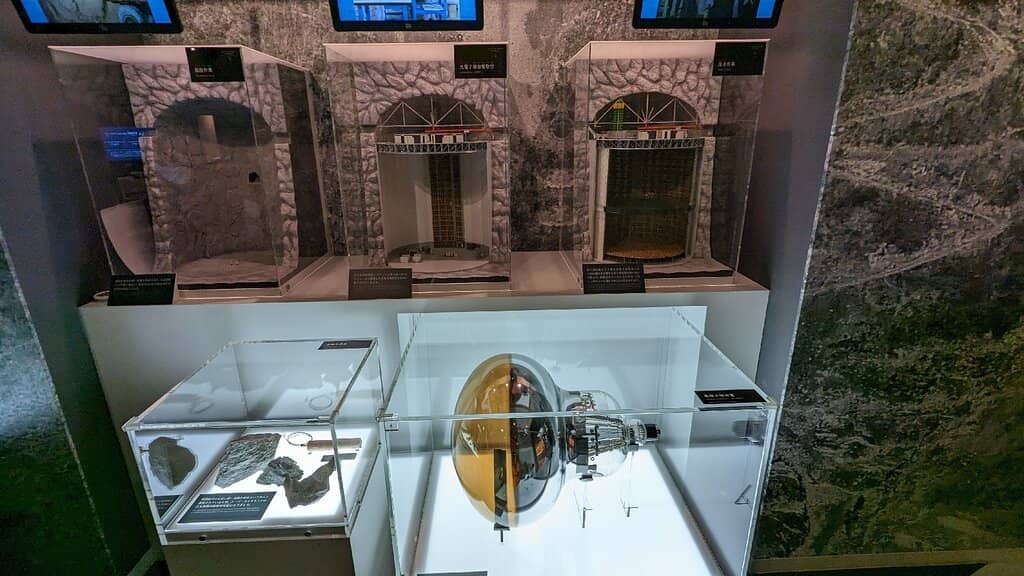
See actual photomultiplier bulbs and learn how these detectors capture elusive neutrinos.
Interactive Science Games
Children's Area
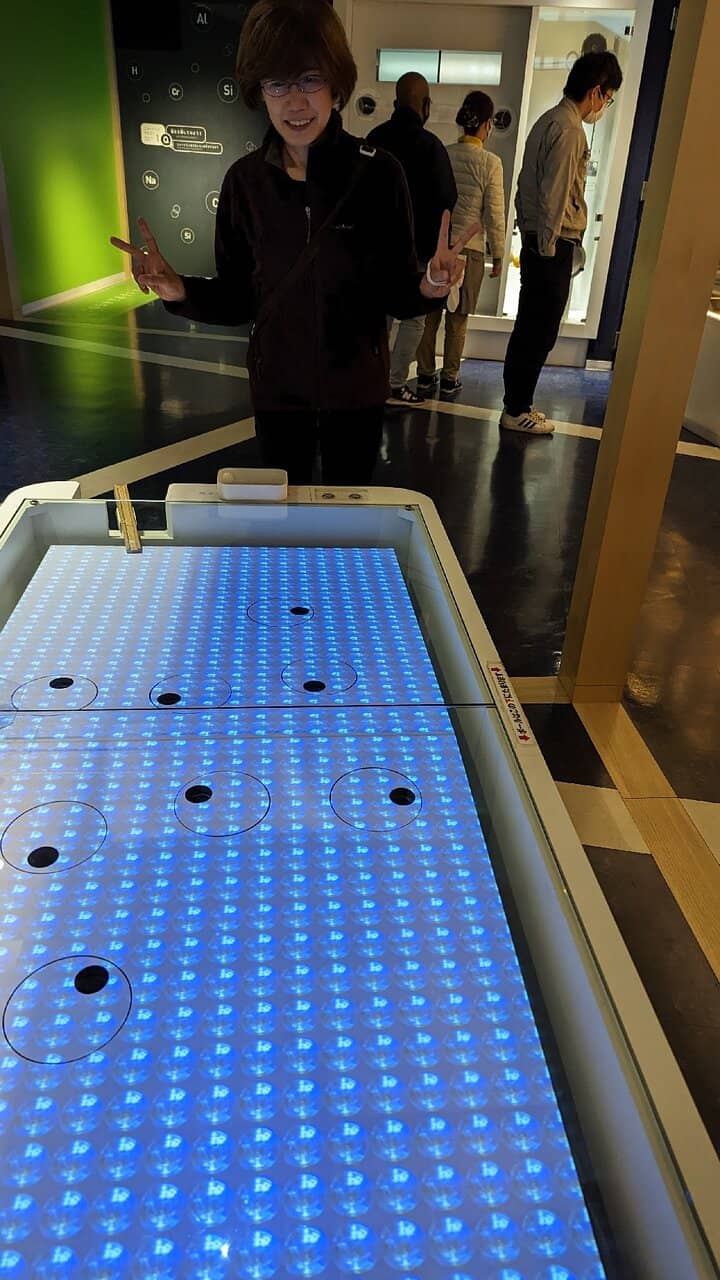
Engage with fun, hands-on exhibits designed to explain complex physics concepts simply.
Projection Installation
Main Exhibit Hall
A captivating visual presentation that brings the world of particle physics to life.
Plans like a pro.
Thinks like you
Planning Your Visit
Quick Visit, Big Science
Interactive Learning for All
Best Times
Insider Tips
from TikTok, Instagram & Reddit
⏳ Quick Stop Gem
Allocate about 15-30 minutes; it's small but packed with info!
💡 Interactive Fun
Don't miss the hands-on games, great for understanding science.
My physics class visited the Super-Kamiokande neutrino observatory in Kamioka, Japan
🗣️ English Friendly
Exhibits have English translations, making it accessible.
🔭 See Real Detectors
Marvel at the actual photomultiplier bulbs used in research.
Tips
from all over the internet
⏳ Quick Stop Gem
Allocate about 15-30 minutes; it's small but packed with info!
💡 Interactive Fun
Don't miss the hands-on games, great for understanding science.
🗣️ English Friendly
Exhibits have English translations, making it accessible.
🔭 See Real Detectors
Marvel at the actual photomultiplier bulbs used in research.
📍 Accidental Discovery
Look for road signs; it's a delightful surprise find!
What Travellers Say
Reviews Summary
Visitors find the KamiokaLab Hida Space Science Museum to be a surprisingly neat and well-equipped stop, offering a quick yet fascinating introduction to neutrino research. While small, its interactive exhibits and clear explanations, including English translations, make it a worthwhile and engaging experience for all ages. It's praised as an excellent, brief educational detour.
"Found this place by accident just by seeing a road sign. A very neat and nicely equipped museum devoted yo the neutron detector with actual photomultiper bulbs and a nice projection installation. Took at most 15 minutes to see all and was totally worth it!"
Damian S
"Good introduction and overview over the science done at the nearby Kamioka laboratory. Fun interactive games for kids."
Fabian Schüssler
"Pretty small exhibit, but if you want to learn about neutrinos then you, my friend, are in the right place."
M K
What People Like
What People Dislike
Frequently Asked Questions
🚇 🗺️ Getting There
The museum is located in Kamioka, Hida City, Gifu Prefecture. Access typically involves traveling to Hida City and then taking local transport or driving to the Kamioka area. It's often found by following road signs in the vicinity.
While specific parking details aren't widely publicized, it's common for smaller attractions in Japan to have some parking available. It's advisable to check with local tourist information if arriving by car.
Yes, due to its compact size, it's an excellent stop for a day trip in the Hida region. It can easily be combined with other local attractions.
From major cities like Tokyo or Osaka, you'd typically take the Shinkansen (bullet train) to Nagoya or Toyama, then transfer to local lines heading towards Hida City.
Local buses operate within Hida City and its surrounding areas, including Kamioka. Checking the latest bus schedules upon arrival in Hida City is recommended.
🎫 🎫 Tickets & Entry
Opening hours can vary, but it's generally open during daytime hours. It's best to confirm the exact times before your visit, as some smaller museums may have limited operating days or hours.
Tickets are typically available for purchase on-site. Given its size and nature, advance booking is usually not required.
Admission is generally very affordable, often free or a nominal fee, reflecting its role as an educational outreach facility.
Absolutely! The museum features interactive games and exhibits specifically designed to be fun and educational for children.
While primarily focused on neutrino research, it's worth checking their official website or local tourist information for any temporary exhibits or special events that might be happening during your visit.
🎫 🧭 Onsite Experience
Most visitors find that 15 to 30 minutes is sufficient to explore the entire museum, making it a perfect quick stop.
Yes, the museum provides English translations for its exhibits, making the information accessible to international visitors. Some reviews even mention 'Engrish' which adds to the charm!
Key attractions include models of neutrino detectors with actual photomultiplier bulbs, interactive science games for kids, and a projection installation explaining the research. +1
While the museum itself might not display live results, the nearby Super-Kamiokande observatory does offer online real-time monitors for those interested in tracking experiments.
The museum offers interesting displays, but photography might be restricted in certain areas, especially around sensitive equipment or interactive screens. Check for signage.
🍽️ 🍽️ Food & Dining
The museum itself is quite small and likely doesn't have a restaurant. However, there are usually local eateries and cafes in the town of Kamioka or nearby Hida City.
Kamioka and the wider Hida region are known for local Japanese cuisine, including soba noodles, Hida beef, and seasonal specialties.
It's generally polite to consume food and drinks outside of exhibit areas in most museums. There might be designated areas for this.
Options might be limited in smaller towns. It's advisable to look for restaurants that offer vegetable-based dishes or ask for modifications.
Exploring the town of Kamioka or heading back to Hida City center will offer more dining choices, from casual noodle shops to restaurants featuring local Hida beef.
📸 📸 Photography
Photography is generally permitted for personal use, but it's always wise to check for any 'No Photography' signs, especially around interactive displays or sensitive equipment.
The models of neutrino detectors and the interactive exhibits offer unique photographic opportunities. The projection installation can also be visually striking.
Flash photography is often discouraged or prohibited in museums to protect exhibits and avoid disturbing other visitors. Please adhere to any posted rules.
The large photomultiplier bulbs and the visual representations of scientific concepts are key elements that capture the museum's focus on cutting-edge physics research.
For low-light conditions, a phone with good low-light performance or a camera with a wider aperture and higher ISO capabilities would be beneficial. Using a tripod might be restricted.
For Different Travelers
Tailored advice for your travel style
👨👩👧 Families with Kids
Allocate about 30 minutes for a visit. The museum is small, so it won't tire out little ones, but it offers a memorable educational experience. With English translations available, parents can easily follow along and help their children explore the fascinating world of particle physics.
🚀 Science Enthusiasts & Day-Trippers
As a day-trip destination, it fits perfectly into a broader itinerary in the Hida region. Its compact nature means you can easily fit it in without dedicating a significant portion of your day, allowing you to explore other local attractions like the historic streets of Takayama or the scenic landscapes of the area.
Deep Dives
In-depth insights and expert knowledge
Understanding Neutrinos at KamiokaLab
The museum showcases the technology used in these experiments, featuring photomultiplier bulbs – highly sensitive devices that detect the faint light produced when a neutrino interacts within a large tank of purified water. The interactive exhibits aim to demystify these complex concepts, allowing visitors to grasp the scale and significance of neutrino physics through engaging displays and games.
While the museum itself is small, its purpose is to provide a foundational understanding and appreciation for the advanced scientific endeavors happening in Kamioka. It highlights Japan's significant contributions to particle physics and astrophysics, making complex science relatable and inspiring for visitors of all ages.
Interactive Learning and Family Fun
Reviews often highlight how these interactive elements make the visit enjoyable and educational, transforming what could be a dry subject into an engaging experience. The presence of English translations further enhances its appeal to families and international tourists, ensuring that the educational content is understood by a wider audience.
Even though the museum is not a large-scale attraction, its focus on interactive learning makes it a valuable stop for families looking for an enriching and entertaining educational experience in the Hida region. It’s a place where learning about cutting-edge science feels more like play.


Social
from TikTok, Instagram & Reddit