
Gotemba New 5th Station
Embark on an unforgettable journey to the summit of Japan's iconic Mt. Fuji via the challenging Gotemba Trail. Experience breathtaking sunrises and pa...
Highlights
Must-see attractions

Social
From TikTok & Reddit
Best Time
Best weather for climbing
Gotemba New 5th Station
Best Time
Best weather for climbing
Highlights
Must-see attractions
Embark on an unforgettable journey to the summit of Japan's iconic Mt. Fuji via the challenging Gotemba Trail. Experience breathtaking sunrises and panoramic views.
"The climb is tough, but the sunrise from the summit is an experience that will stay with you forever."

Pack Layers & Rain Gear
Weather changes fast! Bring warm layers, a waterproof jacket, and pants. It can be cold and wet even in summer. :cloud_rain:
Hydrate and Snack Well
Bring plenty of water and high-energy snacks. Mountain huts sell supplies, but they're pricey. :water_wave: :apple:

Highlights
Discover the most iconic attractions and experiences
Sunrise from the Summit
Mt. Fuji Summit
Witness the breathtaking 'Goraiko' (sunrise) painting the sky with vibrant colors. An unforgettable spiritual experience.
Crater Rim Walk
Mt. Fuji Summit
Circle the active volcanic crater, marveling at its immense scale and the unique volcanic landscape.

Views of the Fuji Five Lakes
Various points on the ascent
Glimpse the stunning Fuji Five Lakes region spread out below as you ascend, offering picturesque panoramas.
Plans like a pro.
Thinks like you
Planning Your Visit
Timing is Everything
Gear Up for the Climb
Best Times
Insider Tips
from TikTok, Instagram & Reddit
Trip Report: Hiking Mt Fuji Gotemba Trail
Pack Layers & Rain Gear
Weather changes fast! Bring warm layers, a waterproof jacket, and pants. It can be cold and wet even in summer. :cloud_rain:
Hydrate and Snack Well
Bring plenty of water and high-energy snacks. Mountain huts sell supplies, but they're pricey. :water_wave: :apple:
Tips on climbing Mt. Fuji
Climbing Mt Fuji in one Day - Where to base out of?
Rent Gear if Needed
Don't have hiking boots or a warm jacket? Rent them at the base. Saves luggage space! :hiking_boot:
Headlamp is Crucial
Essential for early morning starts or late descents. You'll need it to see the trail. :flashlight:
Question for anyone who has hiked Mount Fuji on the Gotemba trail
Tips
from all over the internet
Pack Layers & Rain Gear
Weather changes fast! Bring warm layers, a waterproof jacket, and pants. It can be cold and wet even in summer. :cloud_rain:
Hydrate and Snack Well
Bring plenty of water and high-energy snacks. Mountain huts sell supplies, but they're pricey. :water_wave: :apple:
Rent Gear if Needed
Don't have hiking boots or a warm jacket? Rent them at the base. Saves luggage space! :hiking_boot:
Headlamp is Crucial
Essential for early morning starts or late descents. You'll need it to see the trail. :flashlight:
Consider Oxygen Cans
Altitude sickness is real. Many climbers find portable oxygen cans helpful for higher elevations. :pill:
What Travellers Say
Reviews Summary
Climbers consistently praise the awe-inspiring sunrise views and the sense of accomplishment from reaching the summit. The challenging nature of the climb, particularly the Gotemba Trail, is a significant draw for experienced hikers seeking a less crowded experience. However, some find the crowds on popular routes overwhelming, and the cost of food and amenities at mountain huts to be quite high.
What People Like
What People Dislike
Frequently Asked Questions
🚇 🗺️ Getting There
The most common way to reach Gotemba New 5th Station is by bus from major cities like Tokyo or Shinjuku. Direct buses are available during the climbing season (July-August). The journey from Tokyo takes approximately 2-3 hours. Alternatively, you can drive, but parking can be limited and expensive.
Buses are highly recommended for their convenience and direct access to the 5th station. They often depart from Shinjuku Bus Terminal or Tokyo Station. Booking tickets in advance is advisable, especially on weekends and holidays.
There are no direct trains to the 5th station. You can take a train to Gotemba Station, and then transfer to a bus that goes up to the 5th station. This option requires more planning and time.
The bus journey from Tokyo to Gotemba New 5th Station typically takes around 2 to 3 hours, depending on traffic conditions.
Yes, you can drive to Gotemba New 5th Station. However, parking is limited and can be costly. During peak season, roads can also be congested.
🎫 🎫 Tickets & Entry
There is no entrance fee to climb Mt. Fuji itself. However, there is a voluntary 'Fuji-Hito-Maru' donation system to help with conservation efforts. You may need to purchase bus tickets to reach the 5th station.
Gotemba New 5th Station is generally accessible year-round, but the climbing season with facilities and bus services is typically from early July to early September. Outside this season, access might be limited.
While there isn't a mandatory entrance fee, a voluntary donation is encouraged for conservation. The primary cost will be transportation to the 5th station and any supplies you purchase.
The official climbing season for Mt. Fuji is usually from July 1st to September 10th. This is when mountain huts are open and rescue services are available.
Climbing Mt. Fuji outside the official season is strongly discouraged due to dangerous weather conditions, snow, and lack of open facilities. It is also illegal in some areas.
🎫 ⛰️ Onsite Experience
The Gotemba Trail is known for being the longest and least crowded route. It's more challenging but offers a more solitary experience. It's recommended for experienced climbers.
The Gotemba Trail is considered the most challenging of the four main routes due to its length and steepness, especially the final ascent. It requires good physical fitness and endurance.
Yes, there are mountain huts along the Gotemba Trail, but they are fewer and farther apart than on other routes. It's crucial to plan your stops and rest accordingly.
From Gotemba New 5th Station, you'll get expansive views of the surrounding landscape, including the Fuji Five Lakes region on clear days. The ascent itself offers evolving panoramas.
While technically possible for extremely fit individuals, it's not recommended. Most climbers opt for an overnight ascent to reach the summit for sunrise and to avoid exhaustion.
🍽️ 🍎 Food & Dining
Gotemba New 5th Station has restaurants and shops selling food, drinks, and souvenirs. You can find basic meals, snacks, and beverages. However, prices are higher than at the base.
Yes, there are mountain huts along the main climbing routes that sell food, drinks, and basic necessities. These are essential for longer climbs, but be prepared for higher prices.
It's wise to pack high-energy snacks like energy bars, nuts, dried fruit, and chocolate. Also, bring plenty of water or electrolyte drinks.
Options can be limited. It's best to inquire at the huts in advance or pack your own vegetarian/vegan-friendly snacks to ensure you have suitable food.
Food and drinks at mountain huts are significantly more expensive than at lower elevations due to the difficulty of transport. Expect to pay premium prices for meals and water.
📸 📸 Photography
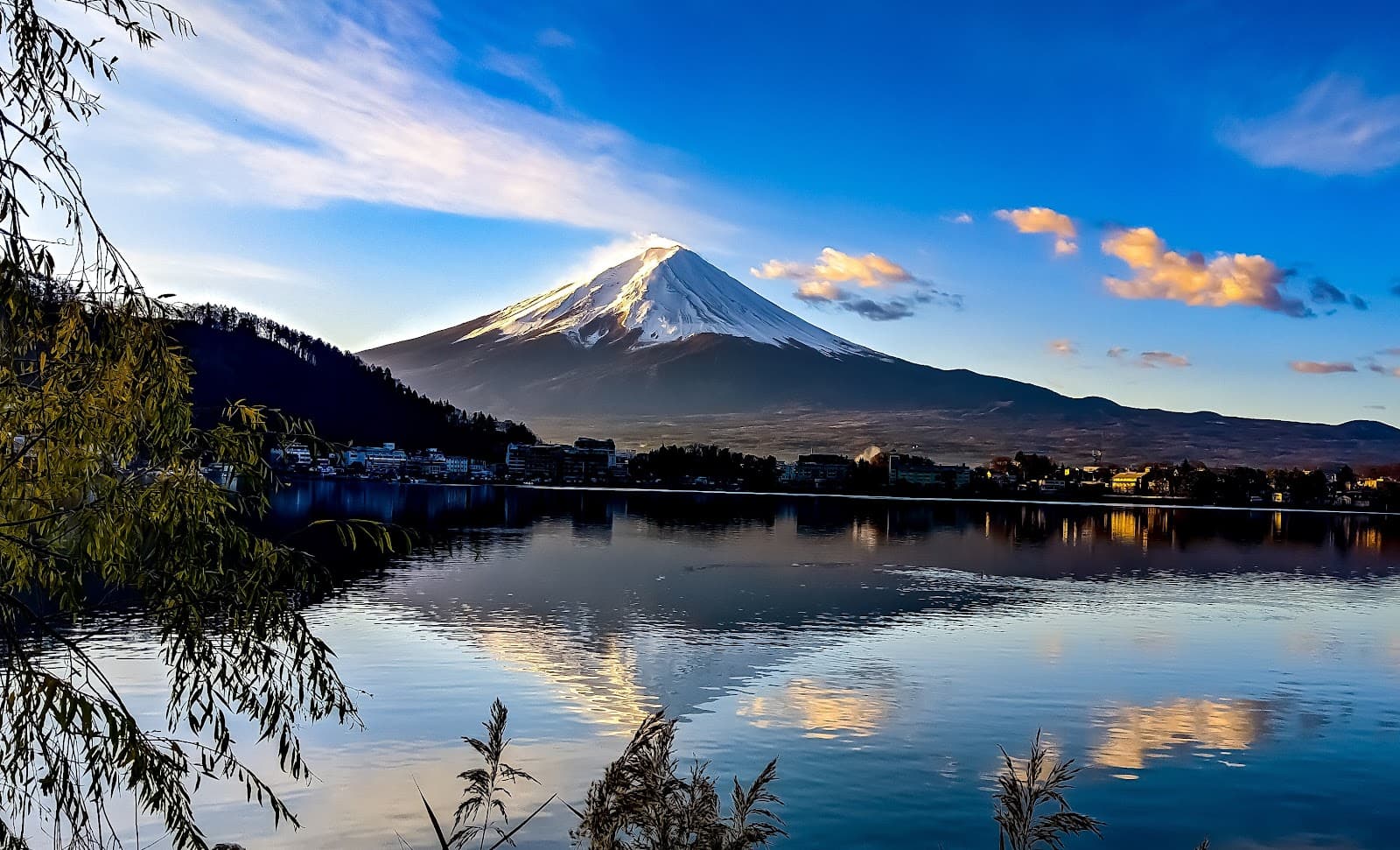
The summit at sunrise (Goraiko) is iconic. The crater rim offers dramatic volcanic landscapes. As you ascend, various viewpoints provide stunning panoramas of the Fuji Five Lakes and surrounding areas.
A lightweight camera is ideal. Consider a wide-angle lens for landscapes and a telephoto lens for distant shots. A sturdy tripod can be useful for sunrise shots, but can be cumbersome. Protect your gear from dust and moisture.
Be mindful of your surroundings when taking photos. Stick to marked trails and avoid venturing too close to edges, especially in windy or foggy conditions. Prioritize safety over a shot.
Sunrise (Goraiko) is a must-do for photographers. The 'golden hour' just before and after sunrise offers beautiful light. Midday can be harsh, but offers clear views.
Include a person or a recognizable object in your frame to give a sense of scale. Wide-angle shots from a distance can also emphasize its grandeur.
For Different Travelers
Tailored advice for your travel style
👨👩👧 Families with Kids
If you are considering a climb with older, fit teenagers, ensure they are well-trained and equipped. The Gotemba Trail is generally not recommended for families due to its length and difficulty. The Yoshida Trail is often considered the most popular and has the most facilities, which might be slightly more manageable. Prioritize safety, hydration, and acclimatization above all else.
💰 Budget Travelers
Pack as much of your own food and water as possible. While mountain huts sell supplies, they are expensive. Consider renting gear at the base if you don't own it, as buying everything new can be costly. Staying in hostels or budget accommodations in towns near Mt. Fuji before and after your climb can also save money.
🚶 Solo Adventurers
If you prefer a more solitary experience, the Gotemba Trail is a good option, though it requires more self-sufficiency. Always inform someone of your climbing plans, including your intended route and expected return time. Carry a fully charged phone and consider a portable charger. Be prepared for all weather conditions and listen to your body.
Deep Dives
In-depth insights and expert knowledge
The Gotemba Trail: A Challenging Ascent
This route is often recommended for experienced hikers who are well-prepared and physically fit. The terrain is varied, with sections of volcanic scree and gravel, and the final ascent can be particularly steep and demanding. While there are mountain huts along the way, they are fewer and farther apart compared to other routes, requiring careful planning for rest stops and hydration. The advantage of the Gotemba Trail is the sense of accomplishment and the opportunity to experience Mt. Fuji with fewer fellow climbers, allowing for a more introspective journey.
Key considerations for the Gotemba Trail include packing ample supplies, as resupply points are less frequent. It's also crucial to be aware of the weather, which can change rapidly at higher altitudes. The longer duration of the hike means you'll need to be prepared for varying conditions, including potential cold, wind, and rain, even during the summer climbing season.
Preparing for Altitude Sickness
To mitigate the risk of altitude sickness, it's recommended to ascend gradually. If possible, spend a night at a lower elevation before starting your climb. During the ascent, take frequent breaks, stay hydrated by drinking plenty of water, and avoid alcohol and strenuous activity. Many climbers find that portable oxygen cans, available for purchase at the 5th station or in nearby towns, can provide relief.
Listen to your body. If you start experiencing severe symptoms, it's best to descend. Do not push yourself to continue to the summit if you feel unwell. The mountain huts offer places to rest, and some may have basic medical supplies. Being well-rested and properly hydrated are your best defenses against altitude sickness.
Sunrise (Goraiko) Experience
To catch the Goraiko, most climbers start their ascent in the late afternoon or evening, aiming to reach the summit in the early morning hours. This typically involves an overnight climb, with a stop at a mountain hut near the summit for a few hours of rest before the final push. The descent usually begins after sunrise, offering different perspectives of the landscape in the daylight.

Tips for experiencing Goraiko: Dress warmly, as summit temperatures can be near freezing even in summer. Bring a headlamp for the final ascent in the dark. Be prepared for crowds at the summit, especially during peak season. Finding a good vantage point early is key. The effort is well worth the unforgettable view.


Social
from TikTok, Instagram & Reddit