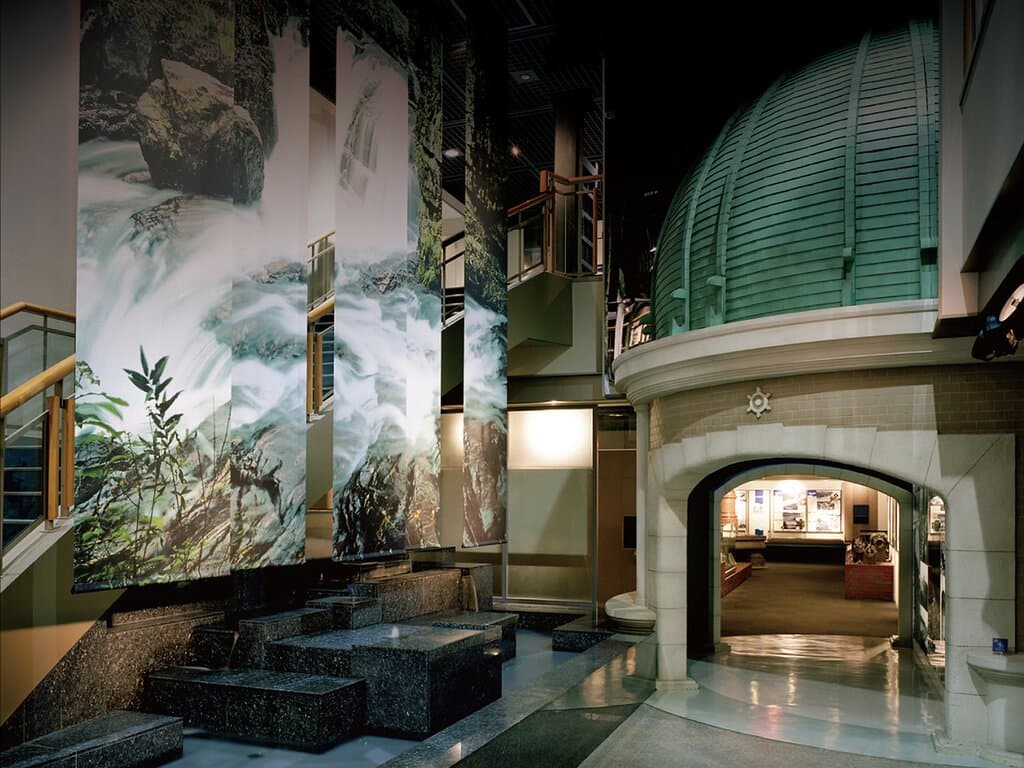
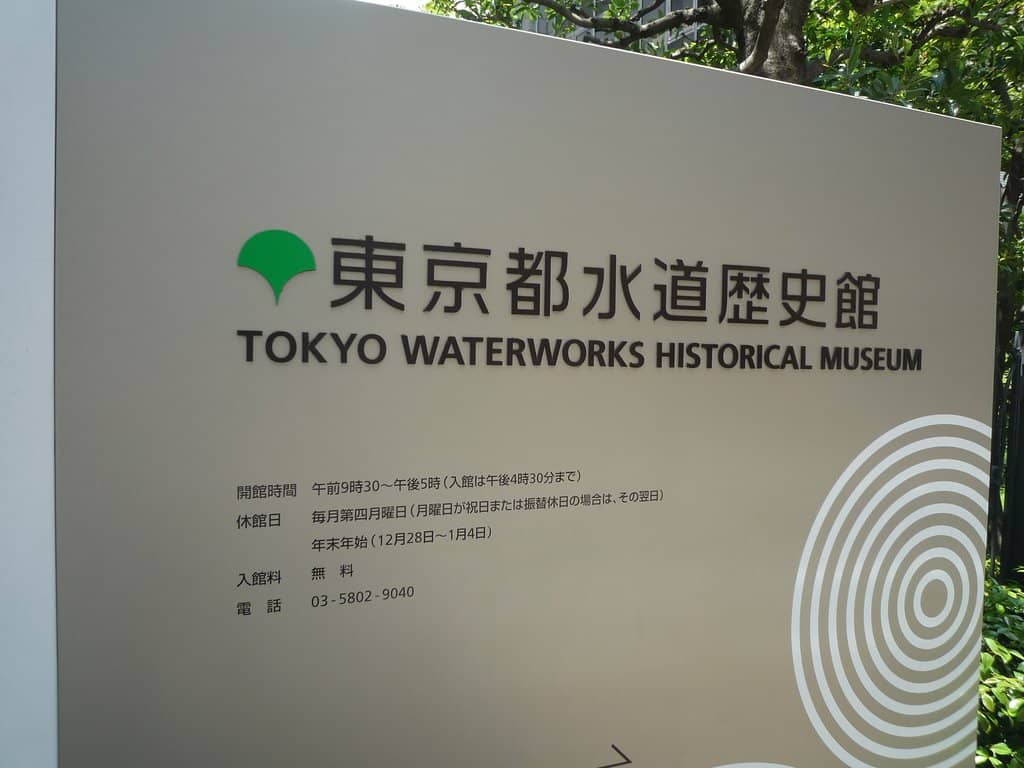
Tokyo Waterworks Historical Museum
Explore Tokyo's water supply history, from ancient wooden pipes to modern systems, in this free, informative museum.
Highlights
Must-see attractions

Social
From TikTok & Reddit
Best Time
Fewer crowds, more focus
Tokyo Waterworks Historical Museum
Best Time
Fewer crowds, more focus
Highlights
Must-see attractions
Explore Tokyo's water supply history, from ancient wooden pipes to modern systems, in this free, informative museum.
"An EXCELLENT museum experience that was also FREE :D Highly recommend visiting here!"
Free English Audio Guide
Grab the free English audio guide for a richer understanding of the exhibits. It's highly recommended! :speaker:
Upstairs is More Engaging
The upstairs exhibits on historical waterworks are particularly captivating. Enjoy them fully! :star:
Highlights
Discover the most iconic attractions and experiences
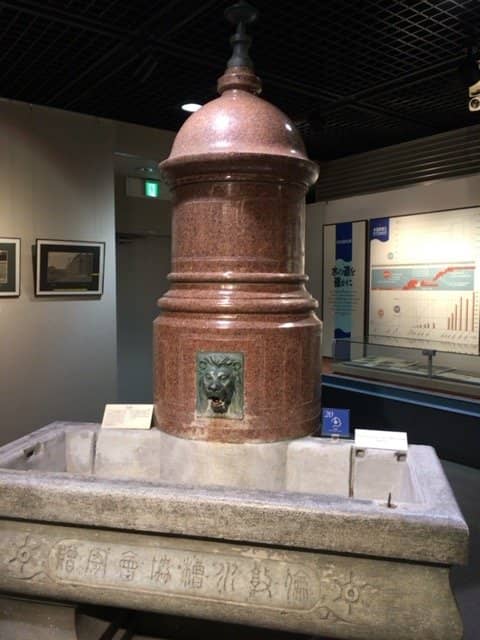
Edo-Period Water Pipes
Upstairs Exhibits
Marvel at ancient wooden pipes, showcasing ingenious engineering from centuries past. A true testament to historical water management.
Replica Aqueduct
Adjacent Park
Discover a fascinating replica aqueduct, reminiscent of ancient Roman structures, offering a unique visual connection to water infrastructure.
Motorized Puppet Show
Upstairs Exhibits
An engaging, albeit Japanese-language, motorized puppet show illustrating historical water delivery methods.
Plans like a pro.
Thinks like you
Planning Your Visit
Free Admission & Audio Guide
Focus on Waterworks History
Best Times
Insider Tips
from TikTok, Instagram & Reddit
Free English Audio Guide
Grab the free English audio guide for a richer understanding of the exhibits. It's highly recommended! :speaker:
Upstairs is More Engaging
The upstairs exhibits on historical waterworks are particularly captivating. Enjoy them fully! :star:
Combine with Park Visit
Don't miss the great park just behind the museum, featuring a replica aqueduct. :park:
Science & Engineering Fans
A must-visit for anyone interested in science, engineering, or urban infrastructure history. :gear:
Tips
from all over the internet
Free English Audio Guide
Grab the free English audio guide for a richer understanding of the exhibits. It's highly recommended! :speaker:
Upstairs is More Engaging
The upstairs exhibits on historical waterworks are particularly captivating. Enjoy them fully! :star:
Combine with Park Visit
Don't miss the great park just behind the museum, featuring a replica aqueduct. :park:
Science & Engineering Fans
A must-visit for anyone interested in science, engineering, or urban infrastructure history. :gear:
What Travellers Say
Reviews Summary
Visitors find the Tokyo Waterworks Historical Museum to be an unexpectedly interesting and informative free attraction, particularly praising the historical exhibits and the excellent English audio guide. While the modern water supply section is more data-heavy, the overall experience is highly recommended for history and engineering enthusiasts.
"The museum provides a really interesting experience. You can see the development of the unique waterworks system over centuries, including excavated parts of previous systems.
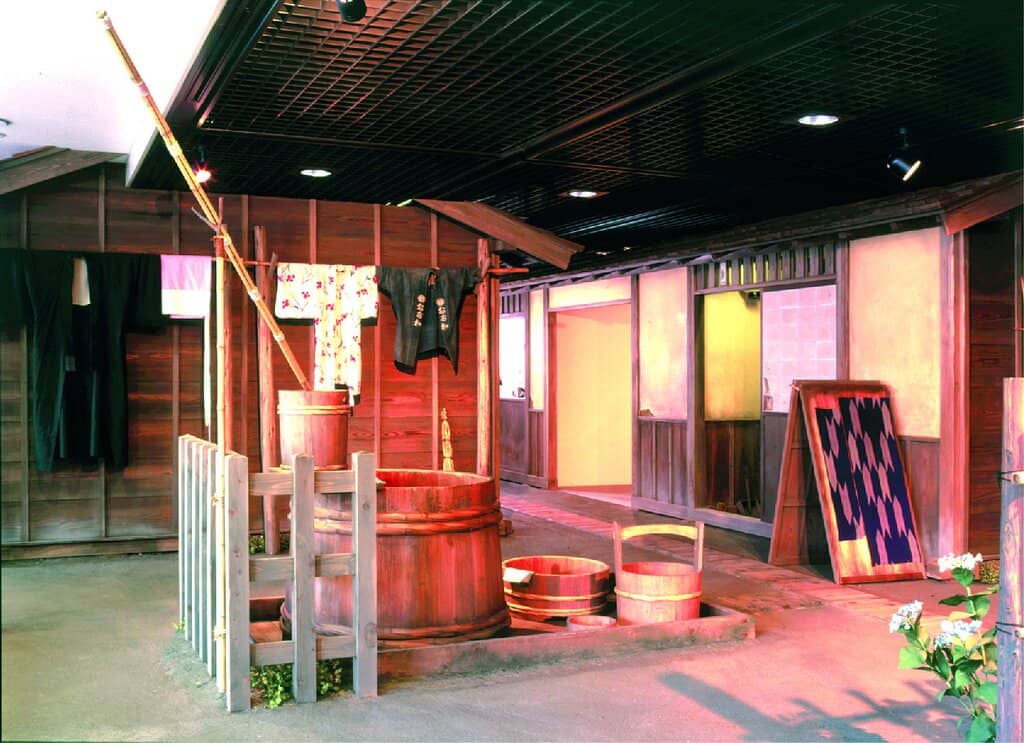
Moreover, you can see remodeled parts of original Edo-period buildings and systems.
On top of that, there’s no admission fee."
Dalibor Křetinský
"Free museum. An audio guide is provided with English descriptions of most of the displays. If you're a science or engineering enthusiast this is worth a quick visit if you're in the area.
The upstairs portion focuses on the history of water delivery in Tokyo. Lots of wooden pipes and explainations of how water was supplied to the growing city. I enjoyed the motorized "puppet show" even though it was all in Japanese.
If the entire museum was as good as the upstairs this would be an easy 5-star review. Unfortunately, the downstairs, focused on modern water supply just was not as good or engaging. The downstairs switches from models and examples to more charts, graphs, maps, and text.
The staff at the entry desk was very welcoming and friendly."
David Brix
"It's said that Tokyo has a museum for everything, so here is a museum dedicated to something that we all use every day, but we rarely think about, the municipal waterworks. It traces the history of Tokyo's water supply from the Edo period to the present day. You can see the original wooden water pipes from hundreds of years ago, and other artifacts showing the evolution of the water system. The English audio guide is good. Entrance and use of the audio guide is completely free."
Dario Smagata
What People Like
What People Dislike
Frequently Asked Questions
🚇 🗺️ Getting There
The museum is accessible via public transport. It's a short walk from nearby train stations. Check your preferred navigation app for the best route from your location in Tokyo.
Information on parking availability is limited, so using public transportation is generally recommended for ease of access.
While specific station names can vary, it's generally well-connected by Tokyo's extensive rail network. Consult a local transit map or app for precise details.
Some visitors mention it's a bit hidden, so using a map or GPS is advisable. The adjacent park with the aqueduct can be a good landmark.
Tokyo has an extensive bus network, and it's likely accessible by bus. However, train travel is often more efficient for tourists.
🎫 🎫 Tickets & Entry
The best part? Admission is completely FREE! You can explore the fascinating history of Tokyo's water supply without spending a yen.
No advance booking is typically required due to the free admission. You can usually walk in.
Opening hours can vary, so it's always best to check the official museum website or a reliable travel guide before your visit.
No, the excellent English audio guide is also provided completely free of charge.
While the core exhibits are permanent, it's worth checking their website for any temporary displays or special events that might be happening during your visit.
🎫 🧭 Onsite Experience
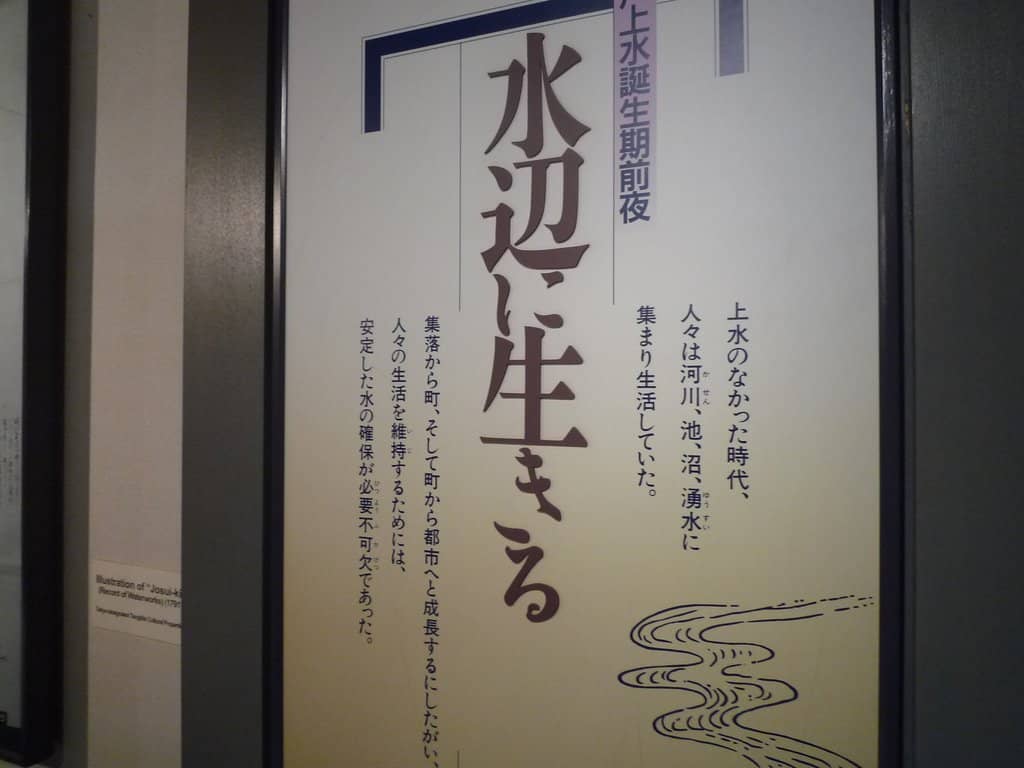
You'll see exhibits on Tokyo's water supply from the Edo period to today, including excavated wooden pipes, wells, and displays on modern water infrastructure.
While informative, the downstairs section with charts and graphs might be less engaging for younger children. The upstairs exhibits and the park aqueduct could be more appealing.
Yes, a very good English audio guide is available for free, which greatly enhances the understanding of the exhibits.
A quick visit can take about an hour, especially if you focus on the upstairs exhibits and use the audio guide. A more in-depth exploration might take longer.
The motorized puppet show offers a form of visual storytelling. While not fully interactive in a modern sense, it's an engaging display.
📸 📸 Photography
Photography policies can vary. It's best to look for signage within the museum or ask staff if photos are permitted, especially without flash.
The historical wooden pipes and the replica aqueduct in the park are visually interesting subjects for photography.
Daytime visits will offer natural light. Consider visiting on a clear day for better lighting in the park area.
The collection of ancient wooden water pipes is a unique and photogenic display of historical engineering.
Drone usage is generally prohibited in urban areas and around cultural sites in Tokyo. Always check local regulations.
For Different Travelers
Tailored advice for your travel style
👨👩👧 Families with Kids
Pro-tip: The free English audio guide is a great tool for parents to help explain concepts to older children. The park offers space for kids to move around, making it a good place for a break. Visiting during off-peak hours can also help ensure a more relaxed experience for the whole family.
🤓 Science & Engineering Enthusiasts
The free English audio guide is particularly valuable, providing in-depth explanations that cater to a knowledgeable audience. The museum offers a unique glimpse into a critical, yet often underappreciated, aspect of urban development. Don't miss the chance to explore the excavated pipes and understand the engineering feats of the past.
💰 Budget Travelers
Combine your visit with a picnic lunch in the adjacent park, which also features a replica aqueduct, making for a full and enjoyable outing that costs next to nothing. It's a prime example of Tokyo's commitment to making cultural experiences accessible to everyone.
Deep Dives
In-depth insights and expert knowledge
The Ingenuity of Tokyo's Water Systems
Visitors often find the upstairs exhibits particularly engaging, featuring remodeled sections of original Edo-period structures and systems. The free English audio guide is highly praised for its clarity and depth, making complex historical and engineering concepts accessible to international visitors. It provides context for the artifacts on display, transforming a simple viewing into an educational experience.
While the museum excels in showcasing historical waterworks, the downstairs section, focusing on modern water supply, tends to be more data-intensive with charts, graphs, and text. For those with a keen interest in the technical aspects of contemporary water infrastructure, it's informative. However, for a general audience, the historical displays are often the highlight.
Beyond the Museum: The Park and Surroundings
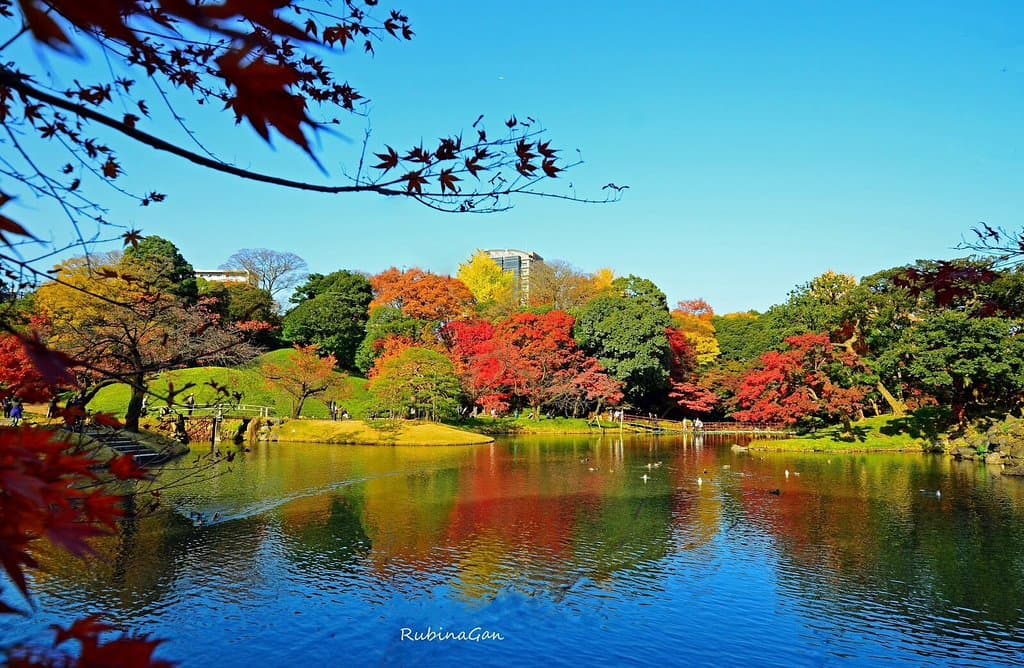
This outdoor space offers a refreshing break and a chance to reflect on the scale of water infrastructure. It’s also a great spot for photography, providing a different perspective on the museum's subject matter. Many visitors appreciate this added dimension, finding it a peaceful and interesting addition to their visit.
While the museum itself is a niche interest, its location in a city with a museum for almost everything means it can be easily incorporated into a broader itinerary. The surrounding areas of Tokyo offer numerous other attractions, making it a worthwhile stop for those exploring the city's diverse offerings.





Social
from TikTok, Instagram & Reddit